



Home / Journal

Workshop Journal

The workshop journal shares practical articles on electric motors, drives and reliability basics. Content is informational only, and all electrical work should be done by qualified people using isolation and lockout procedures.

Workshop Journal
Why Motors Overheat

Why Motors Overheat

A practical look at common reasons industrial motors run too hot and what to check first.

Bearing Noise Signs

Bearing Noise Signs

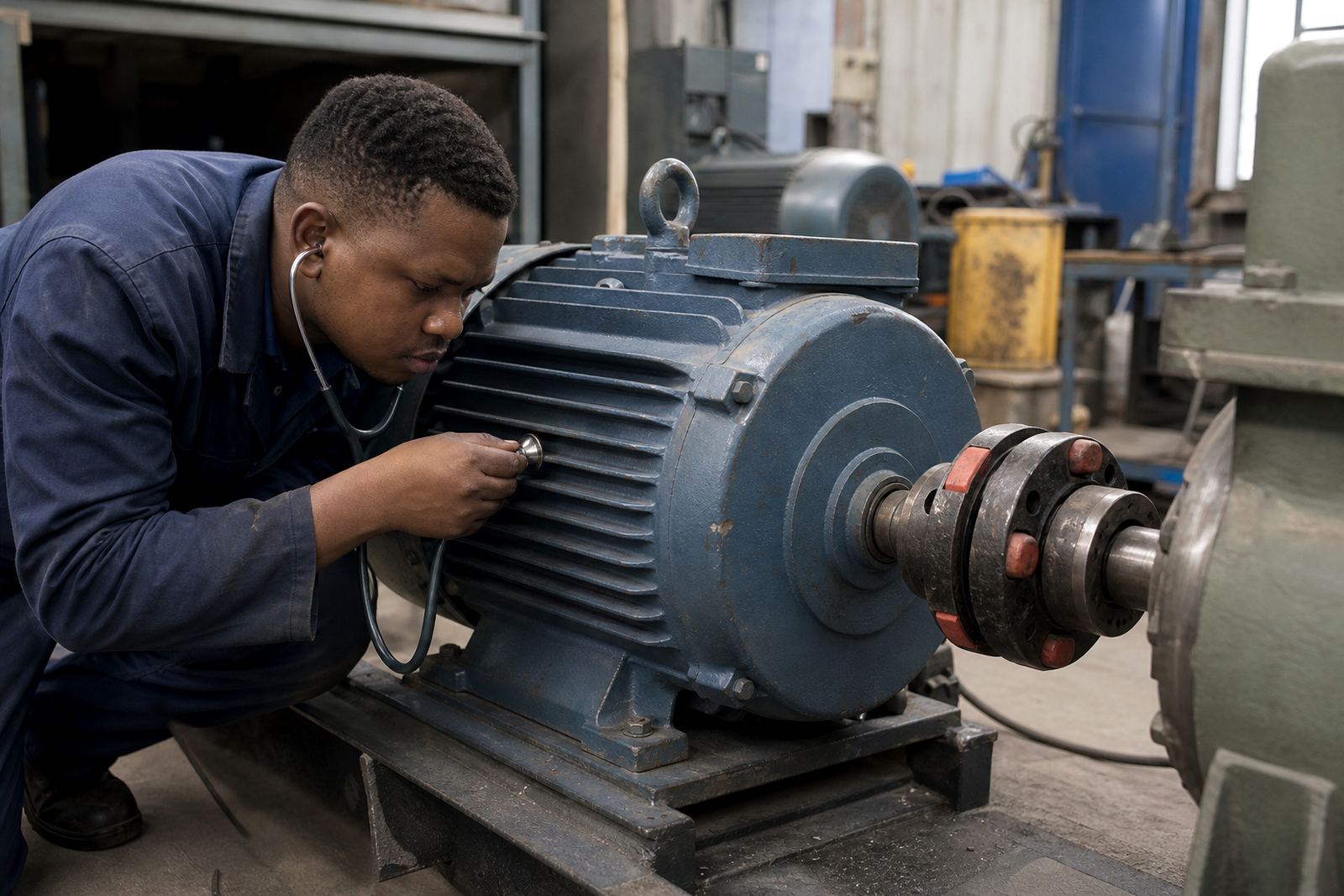
How unusual motor sounds can point to bearing wear, lubrication issues or misalignment.

Insulation Test Basics

Insulation Test Basics

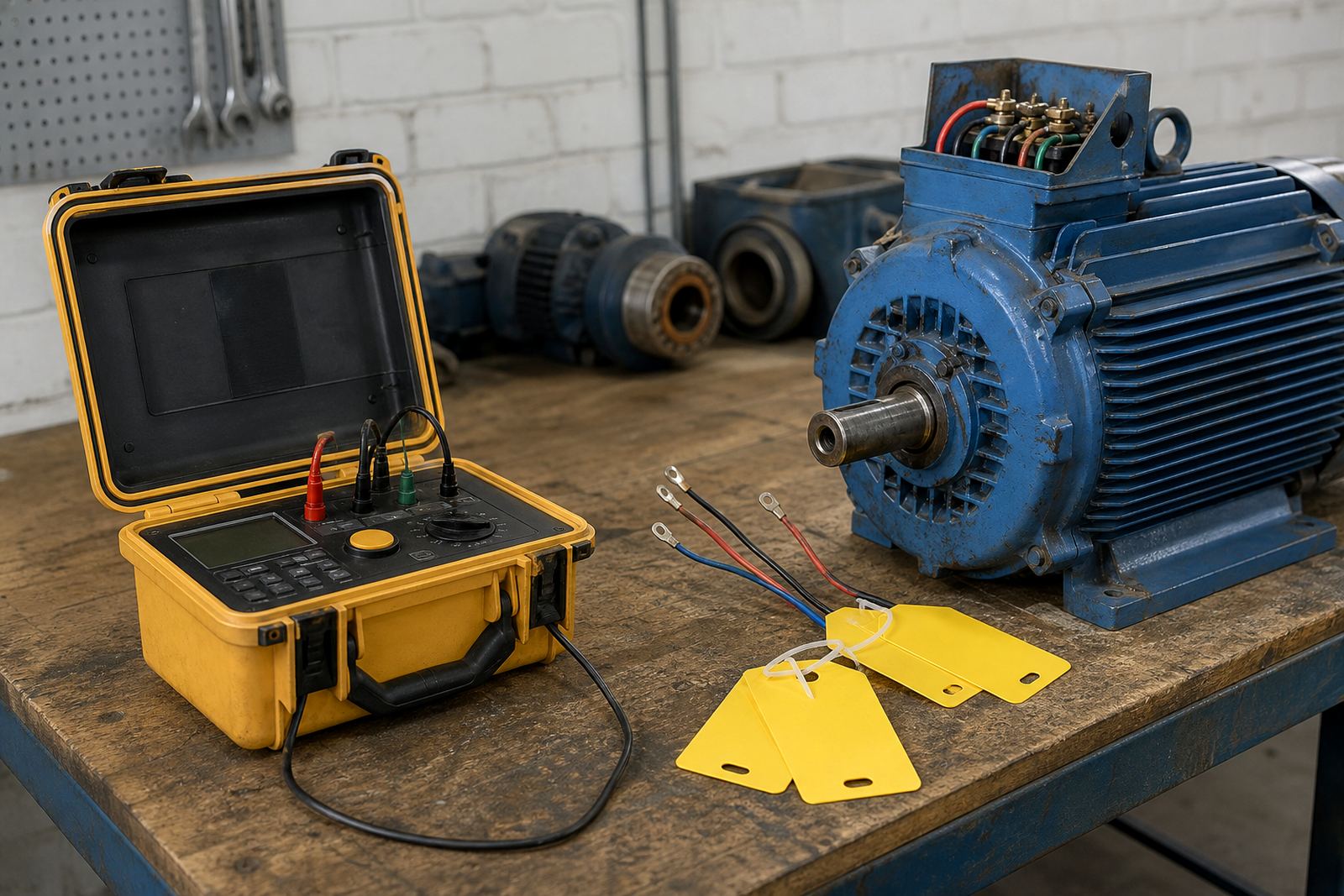
An introduction to what insulation resistance testing indicates and why results need interpretation.

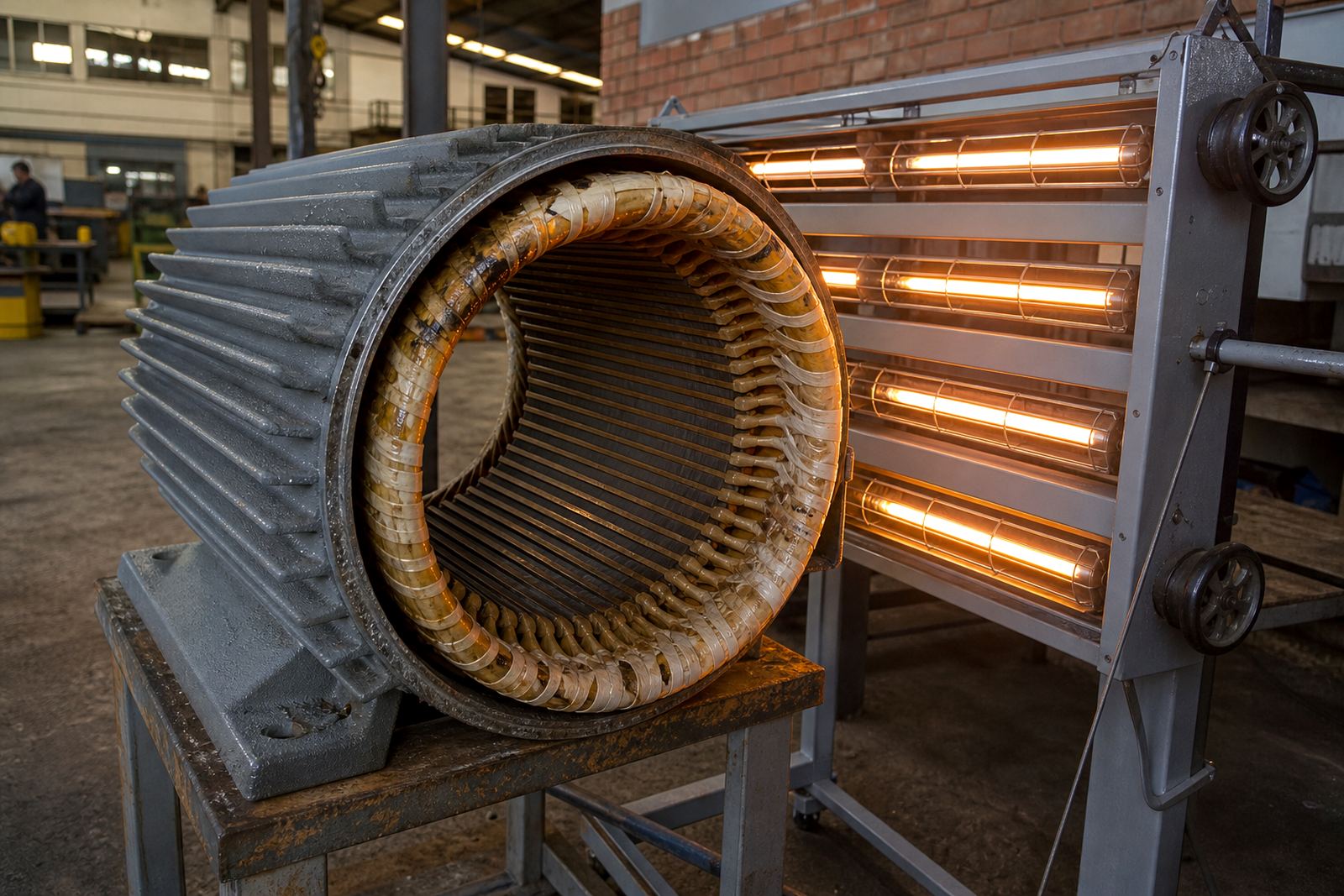
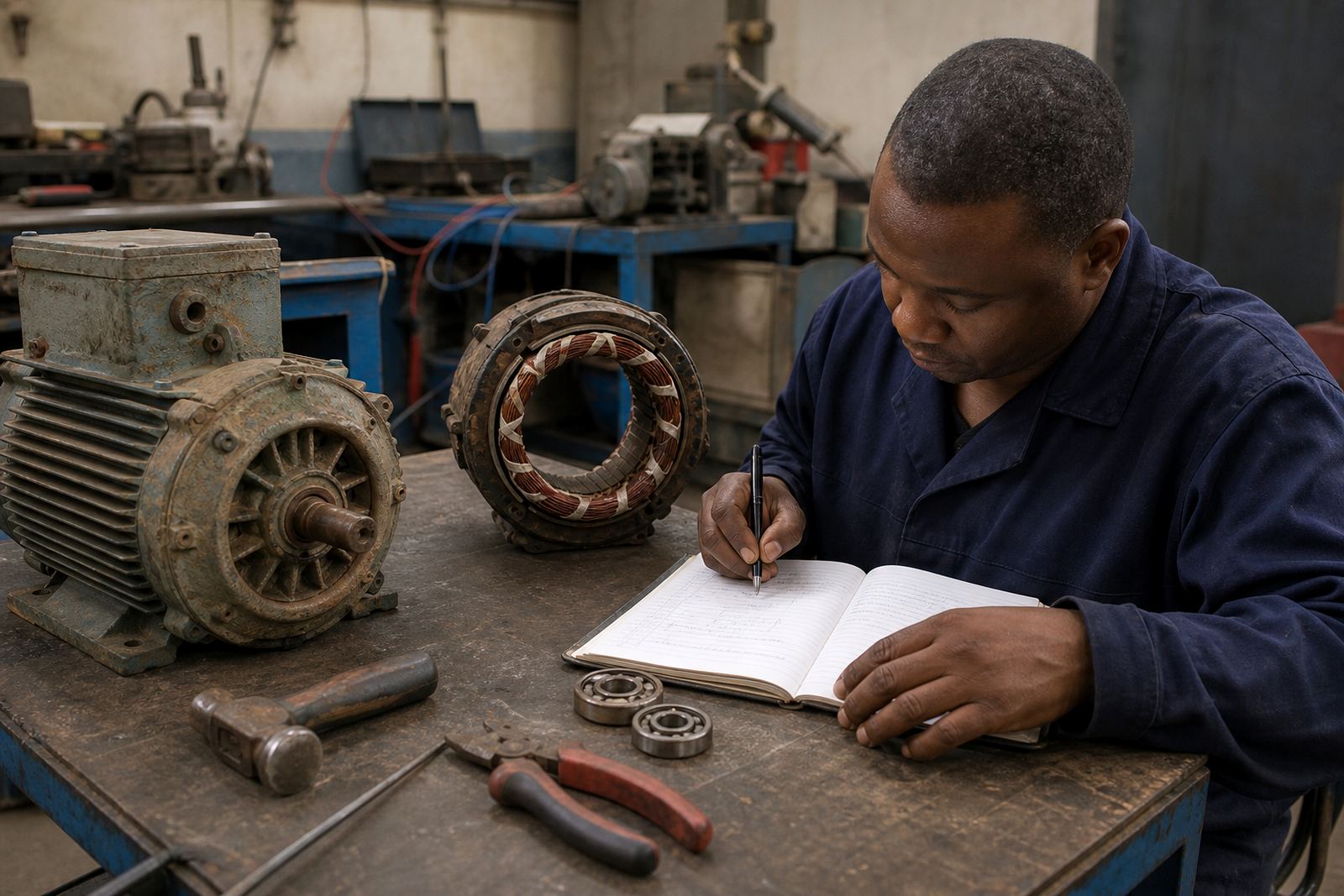
Rewinding Process Overview

Rewinding Process Overview

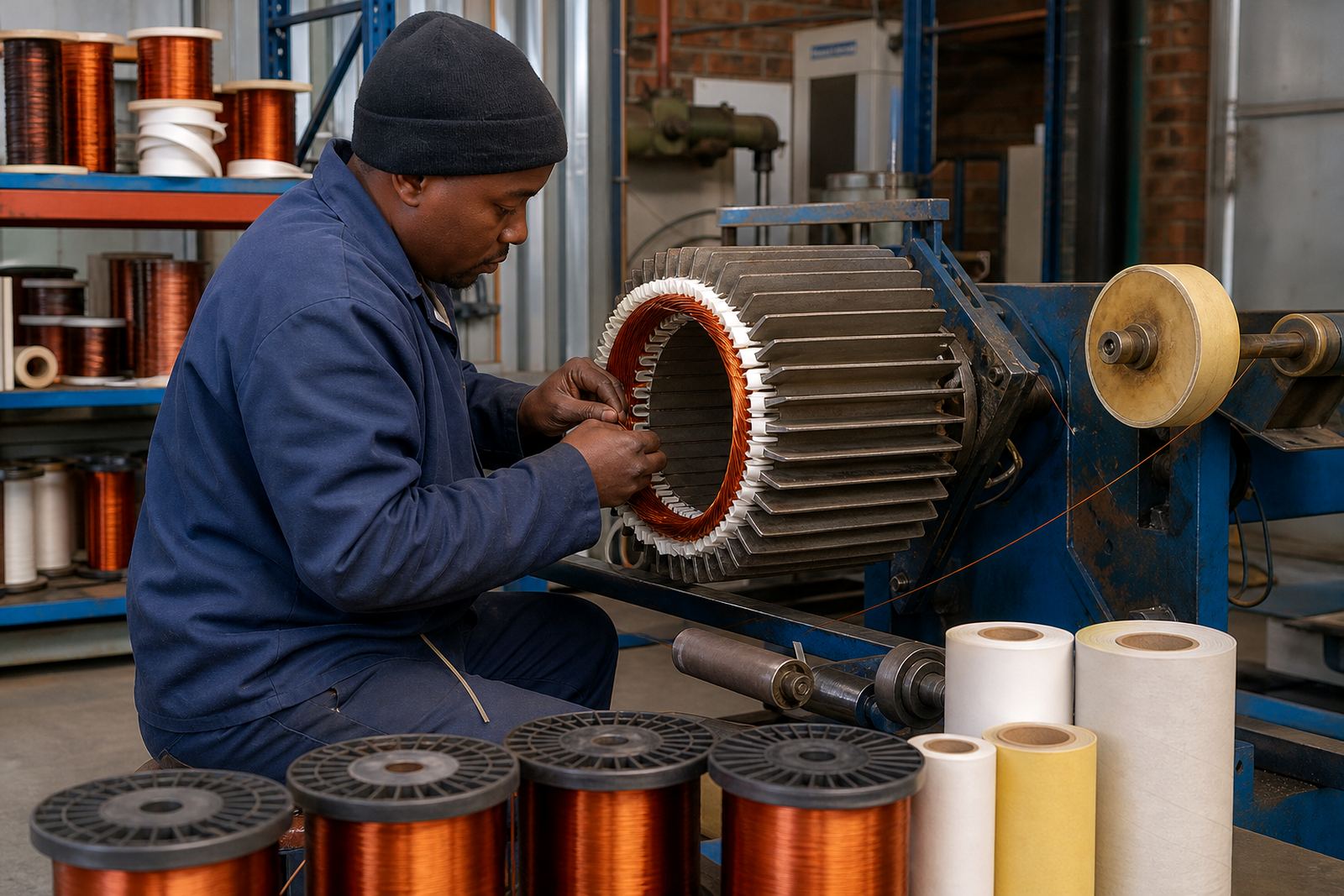
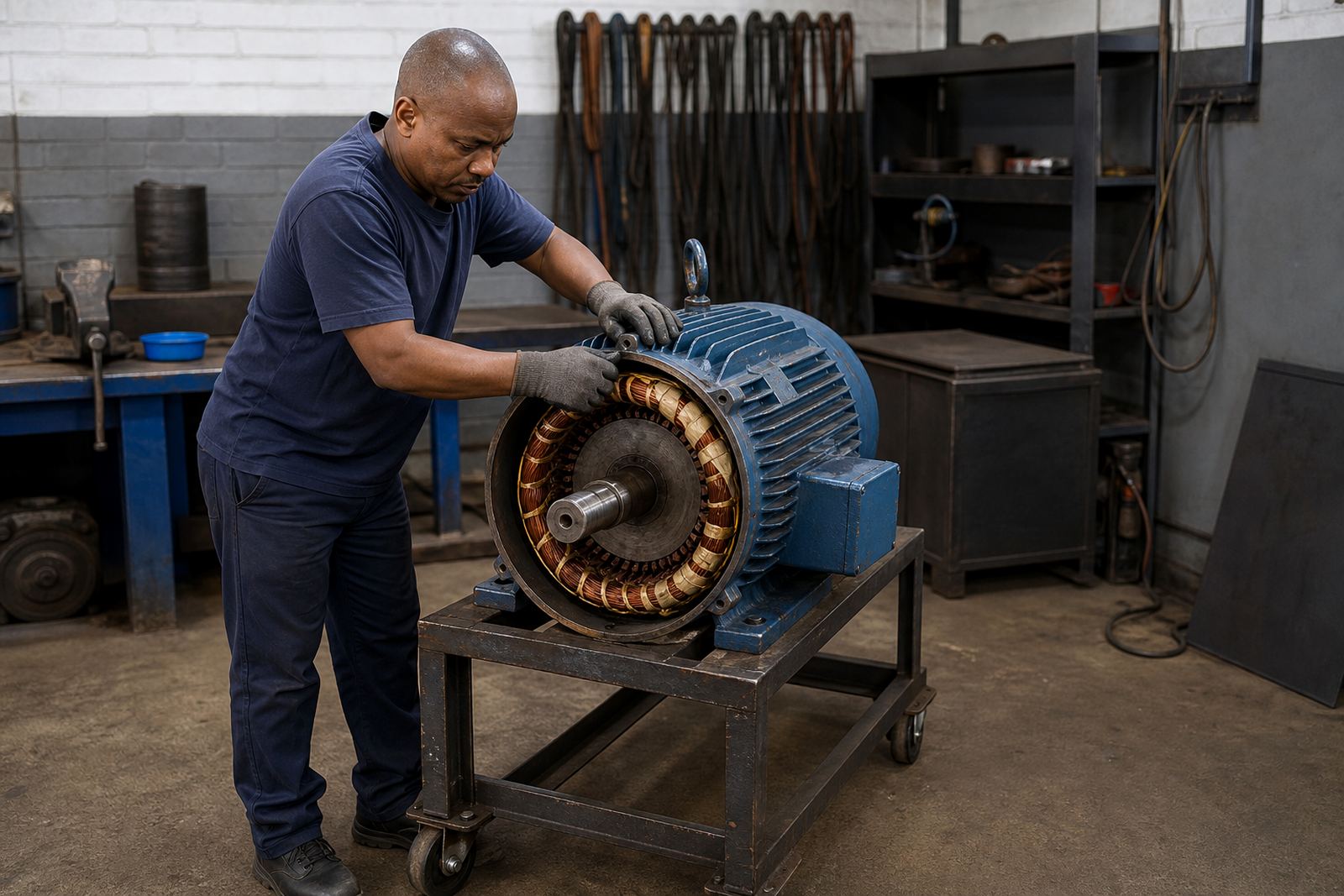
A generic walkthrough of the main stages in electric motor rewinding from strip to test.

When To Replace Bearings

When To Replace Bearings

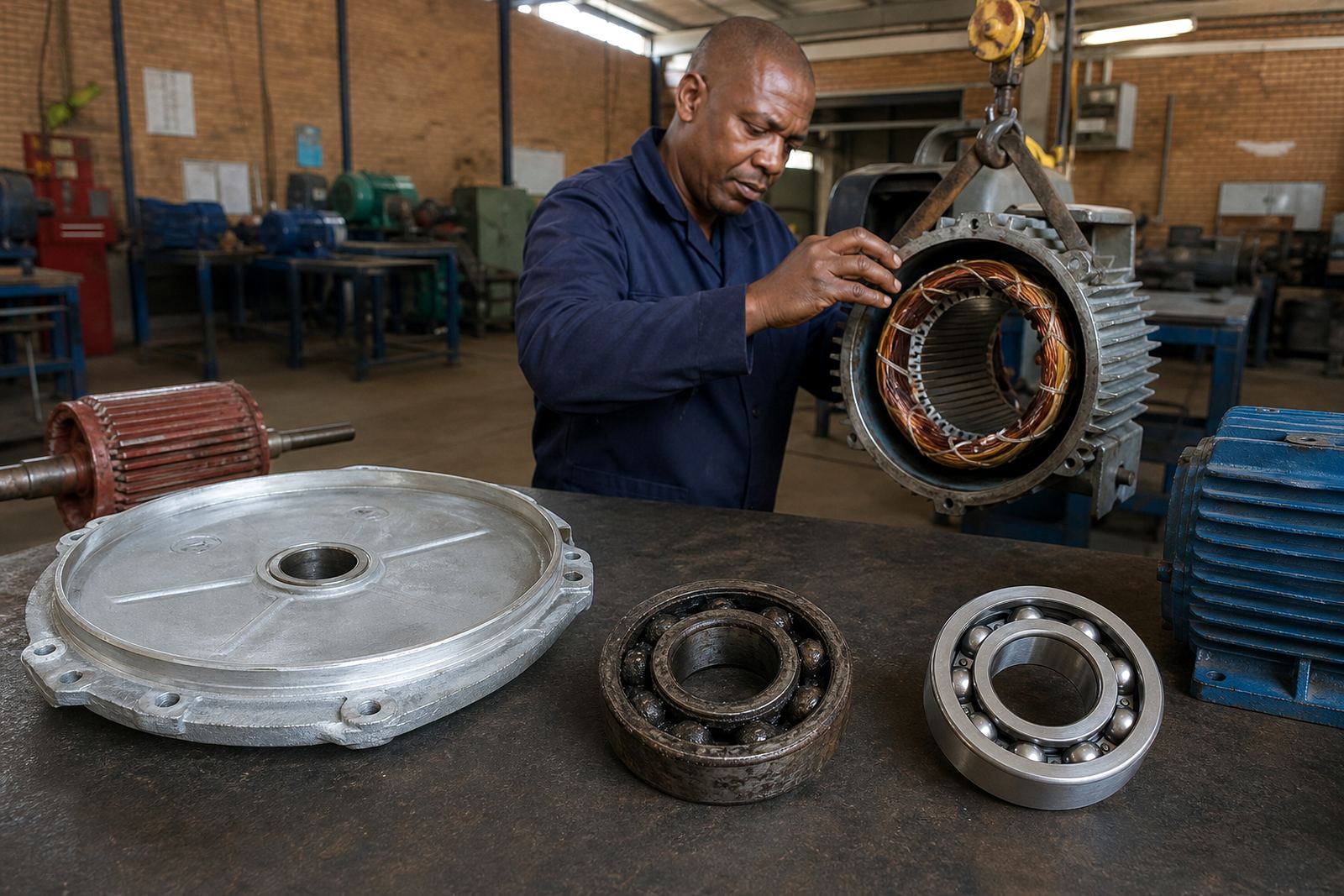
Typical warning signs that suggest bearing replacement should be considered during motor service.

Drive Trip Causes

Drive Trip Causes

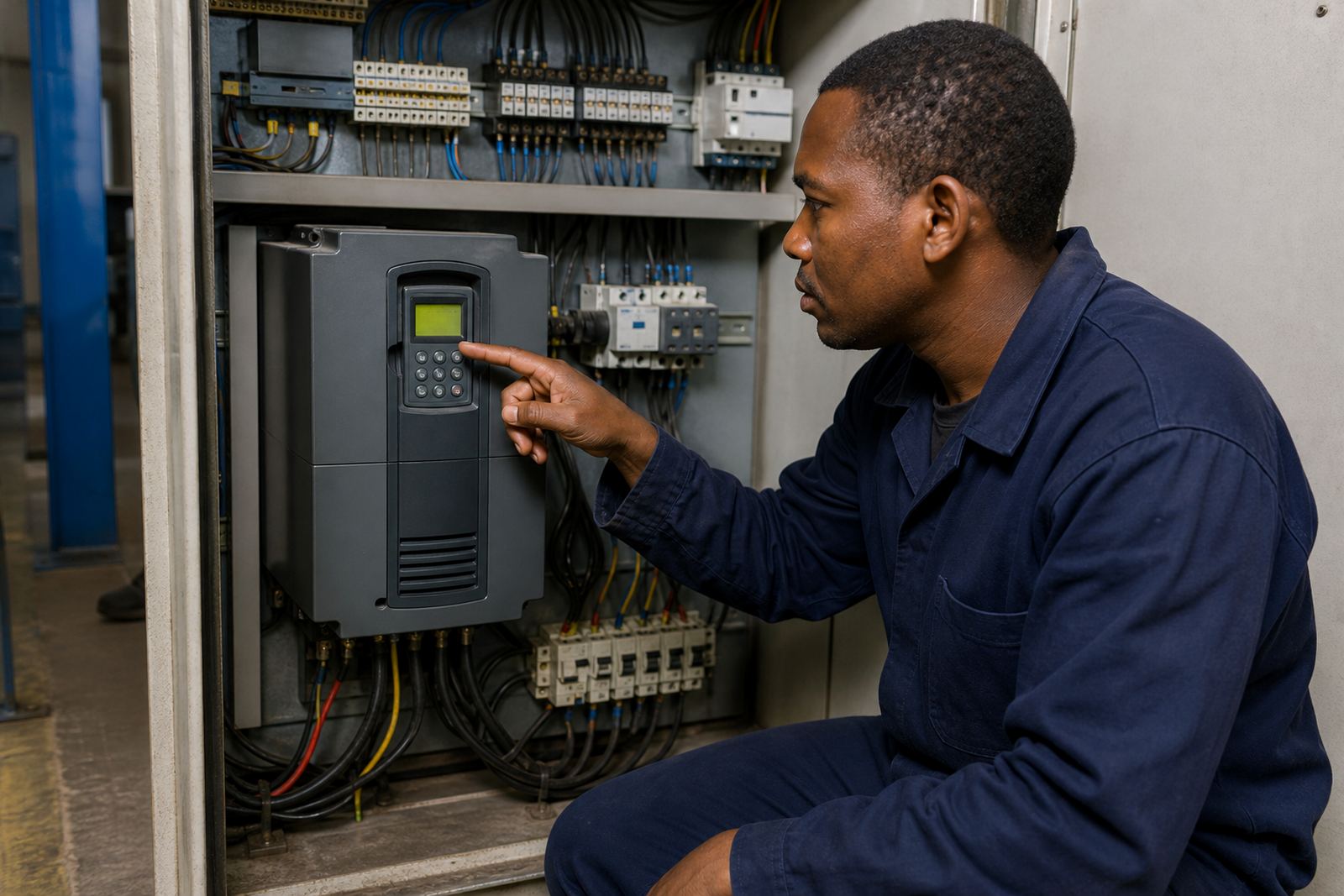
A guide to common variable speed drive trip conditions and possible underlying issues.

Dust And Motor Life

Dust And Motor Life

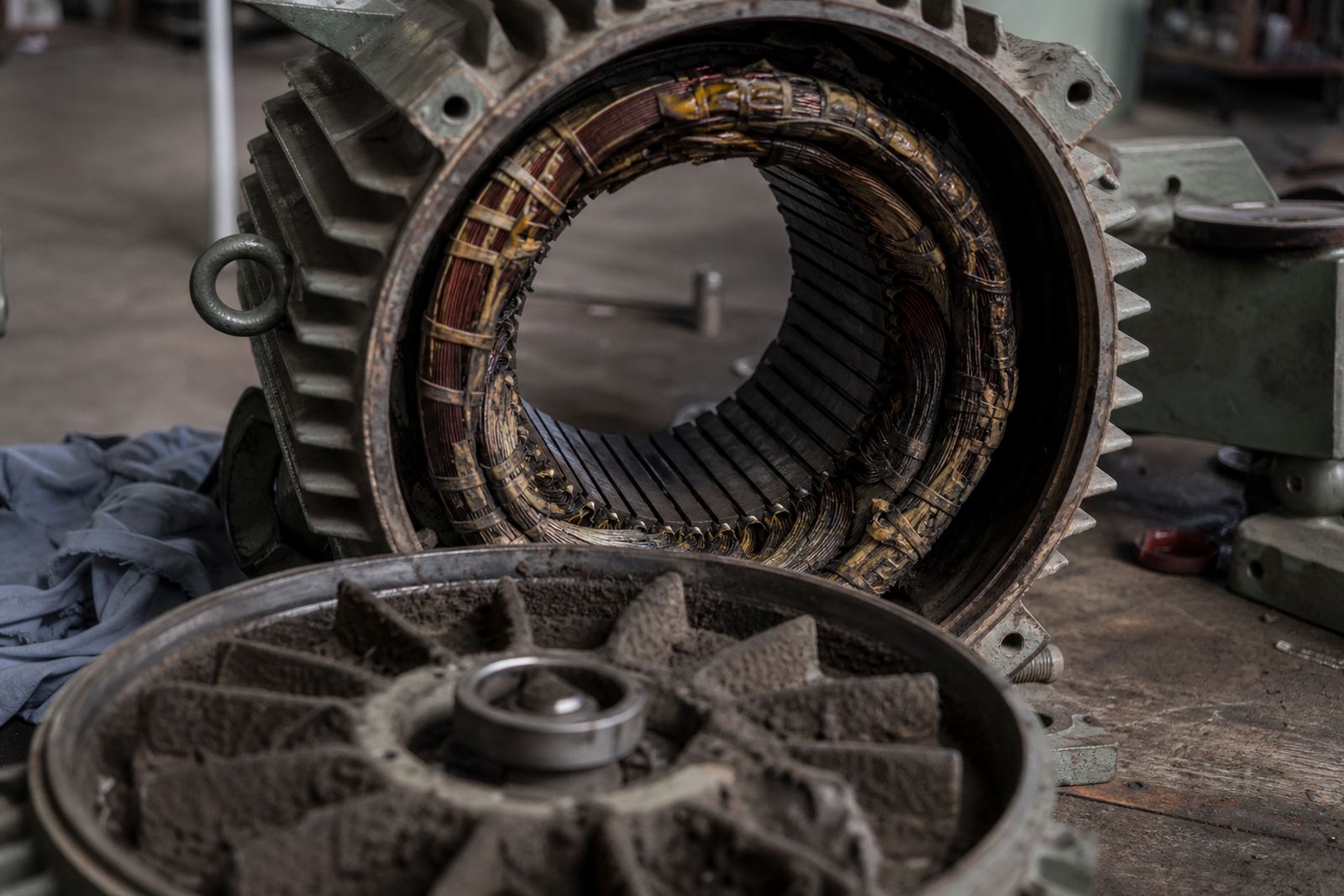
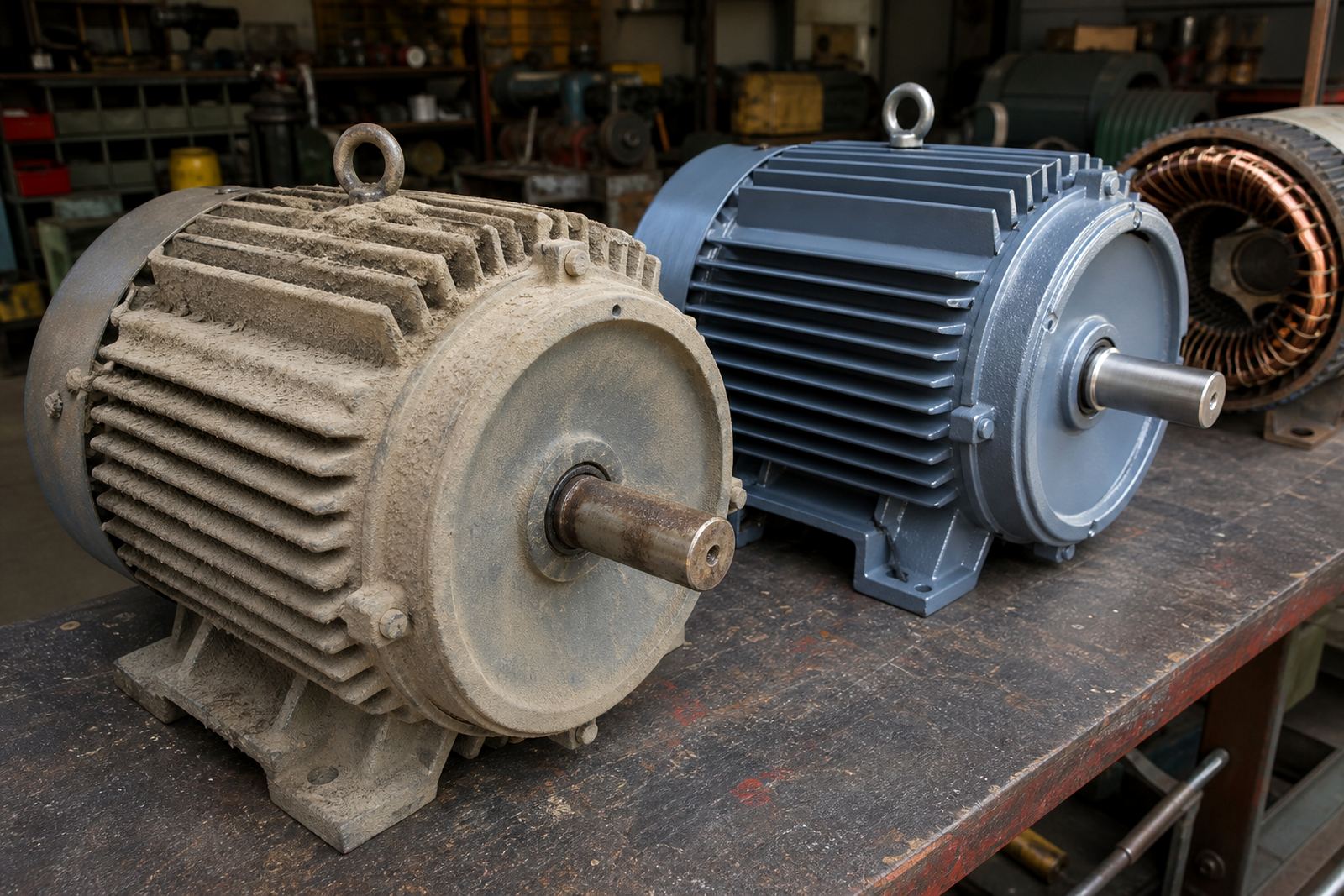
Why dust contamination matters for cooling, insulation condition and long-term motor reliability.

Moisture In Windings

Moisture In Windings

How moisture affects insulation systems and why drying and testing may be needed.

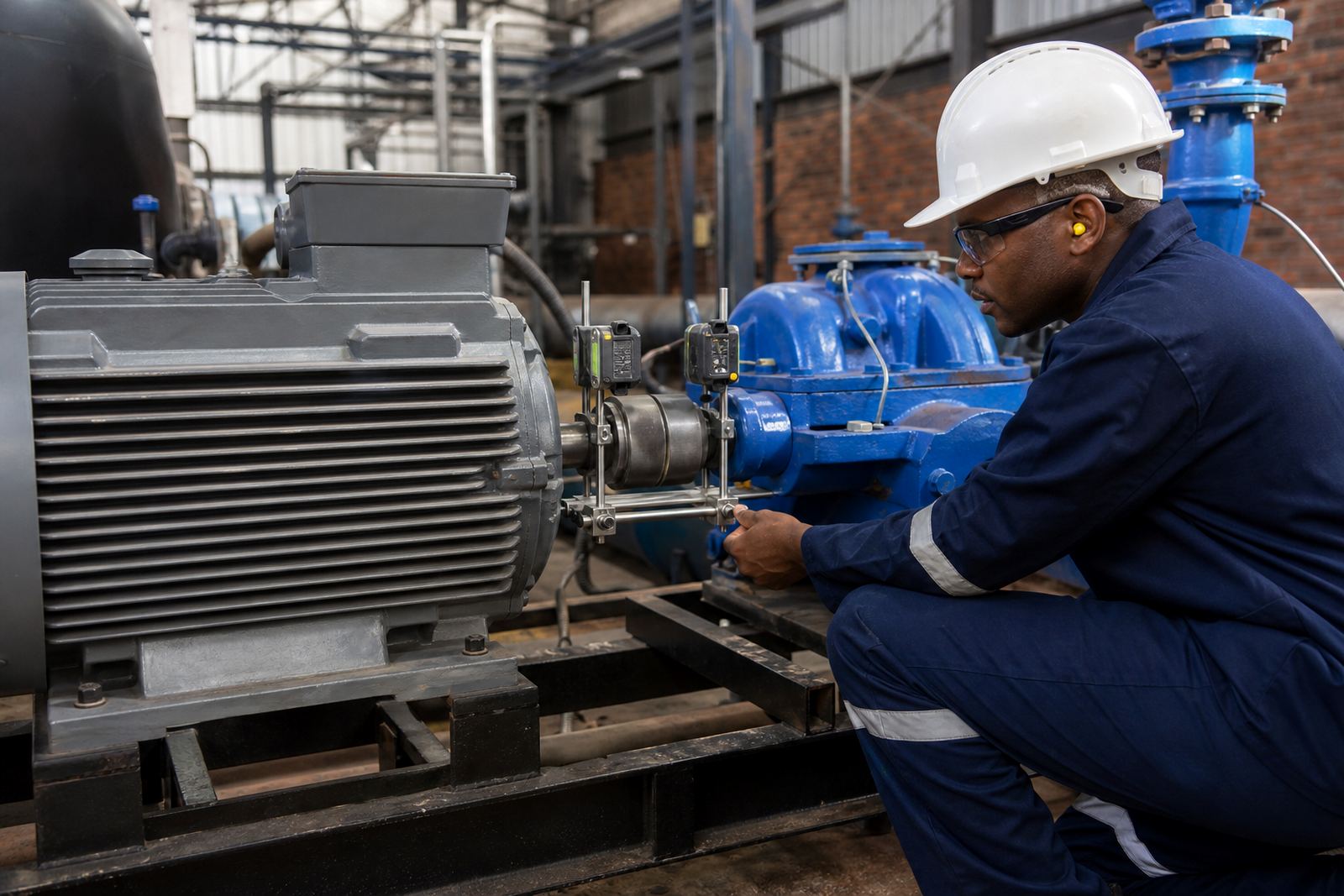
Coupling Misalignment Risks

Coupling Misalignment Risks

Why poor alignment can increase vibration, bearing stress and unwanted mechanical wear.

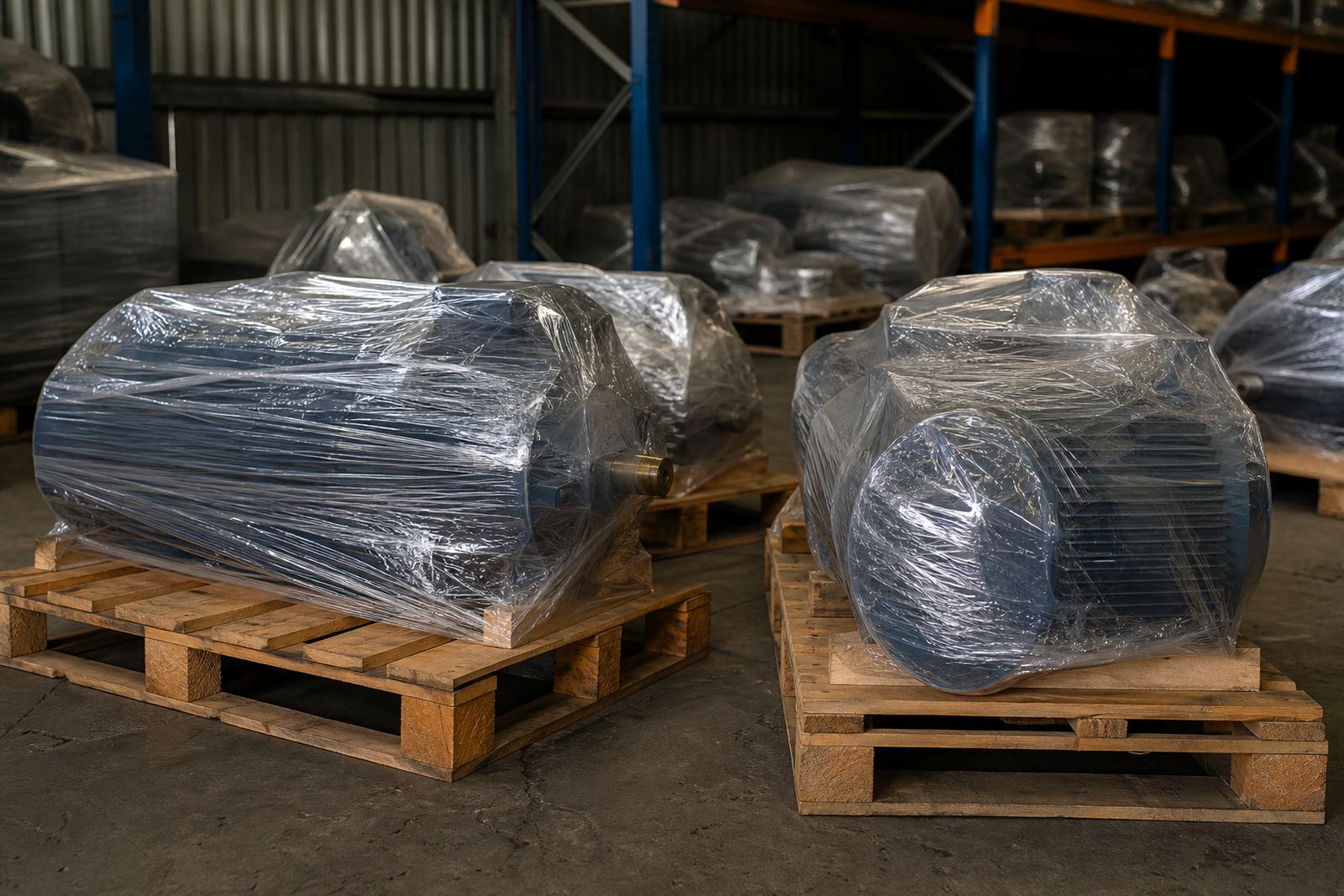
Motor Storage Tips

Motor Storage Tips

Basic storage practices that help protect spare motors from corrosion and insulation problems.

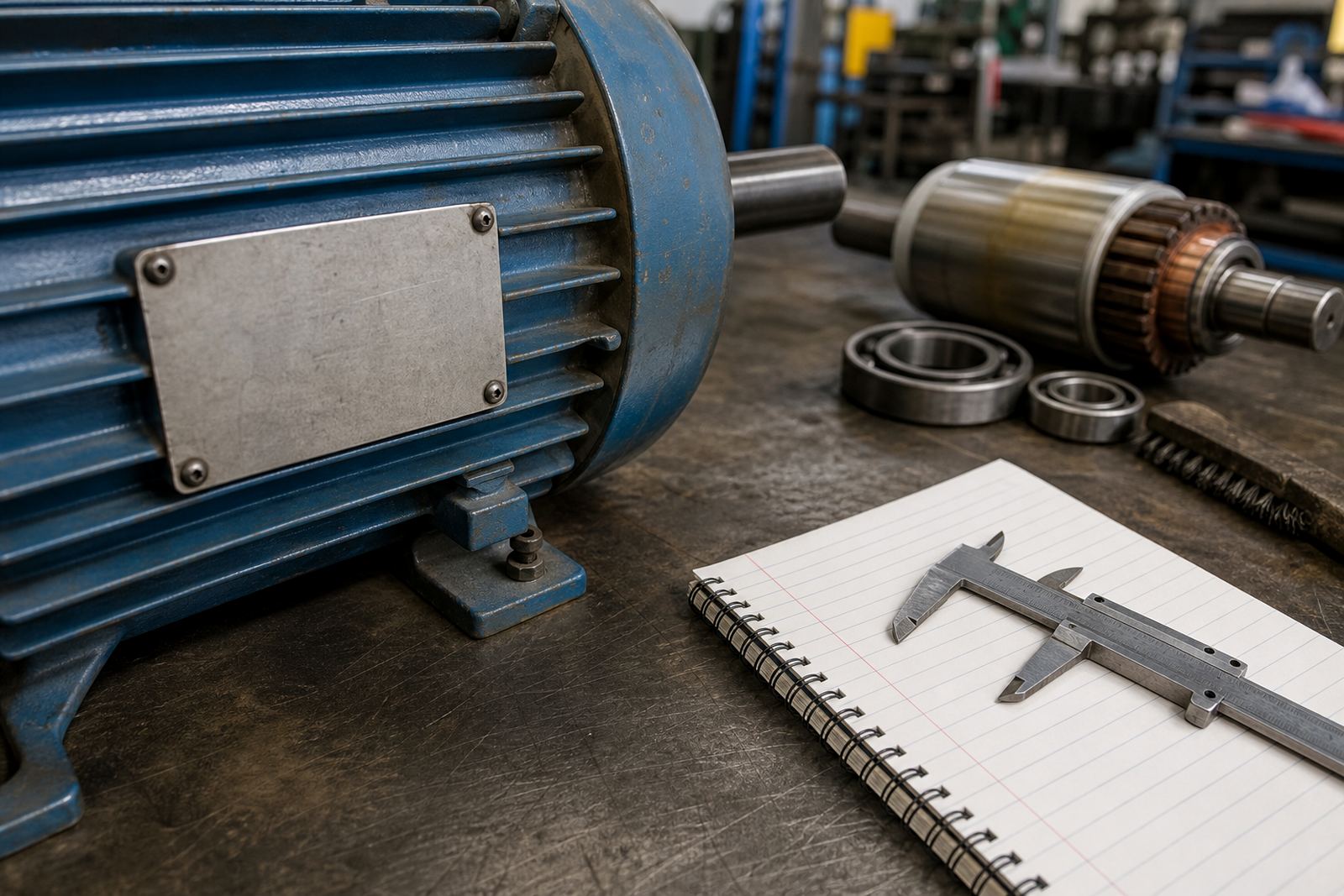
Reading Nameplate Data

Reading Nameplate Data

Key motor nameplate details that help technicians compare duty, voltage and speed requirements.

Fan Cooling Checks

Fan Cooling Checks

Simple checks around motor cooling fans, guards and air passages during maintenance.

Shaft Wear Explained

Shaft Wear Explained

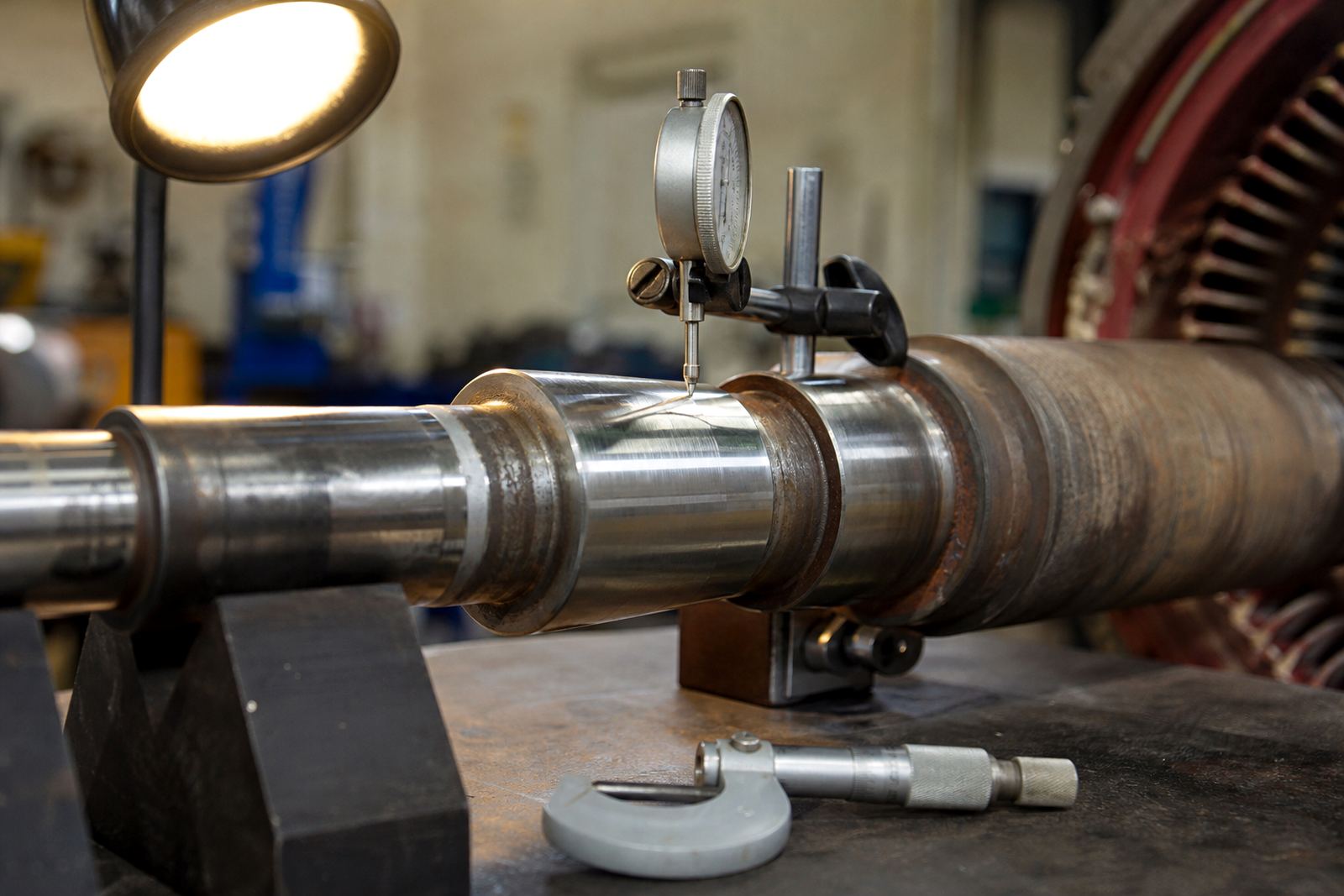
A look at shaft wear points that can affect fit, alignment and overall repair scope.

Common Terminal Faults

Common Terminal Faults

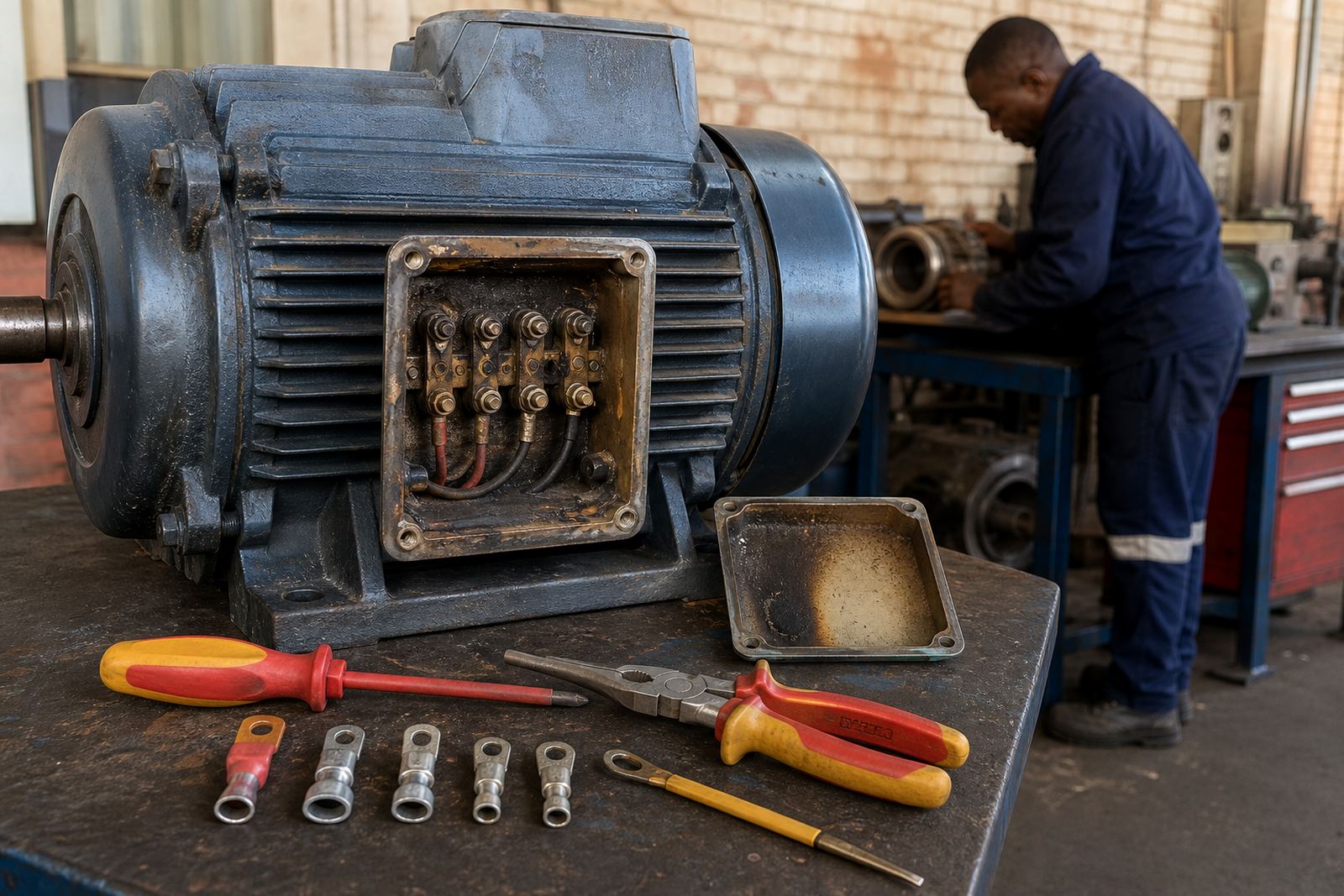
How loose or damaged terminations can lead to heat, nuisance trips and unreliable starts.

Vibration Warning Signs

Vibration Warning Signs

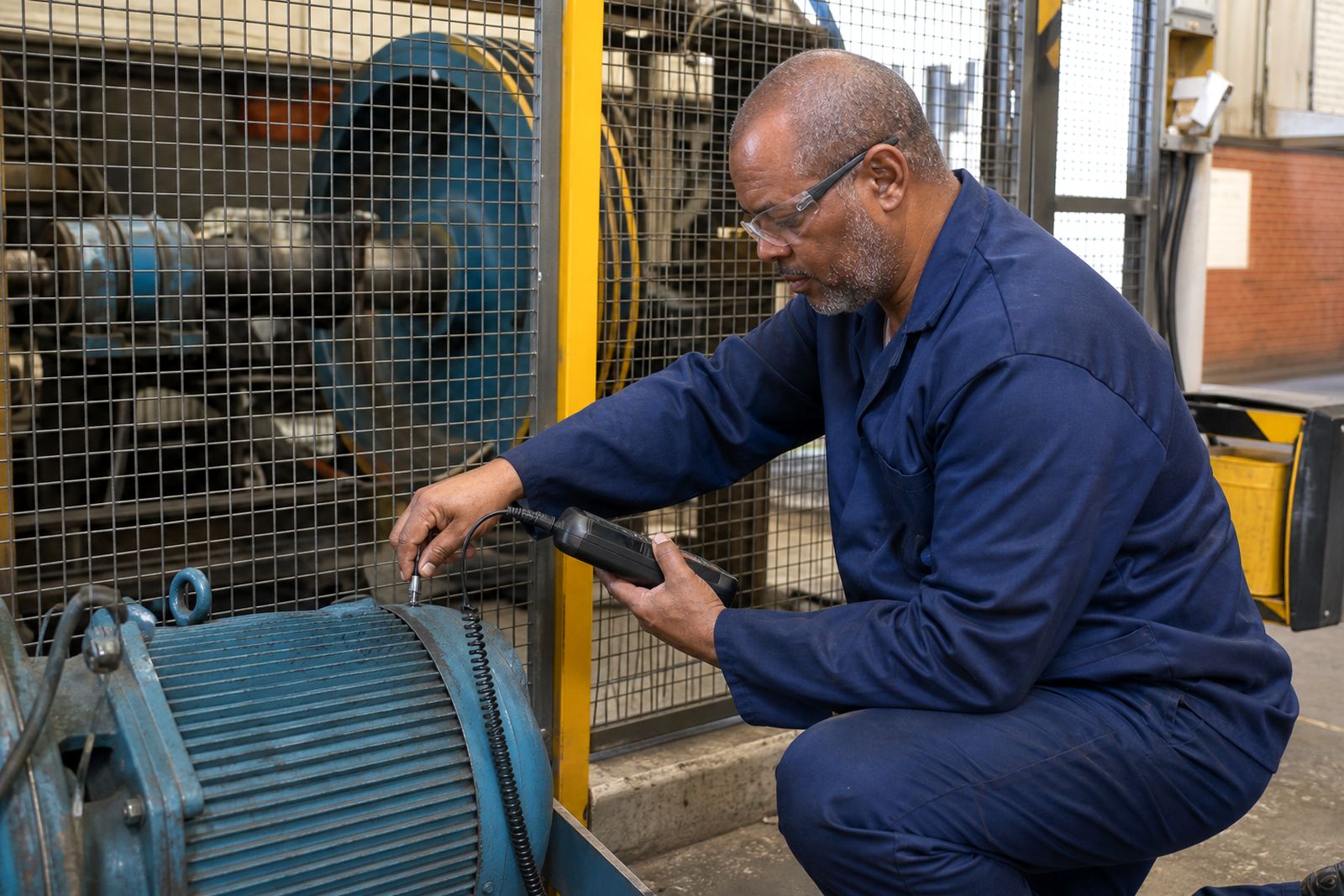
What rising vibration may indicate in rotating equipment and when to investigate further.

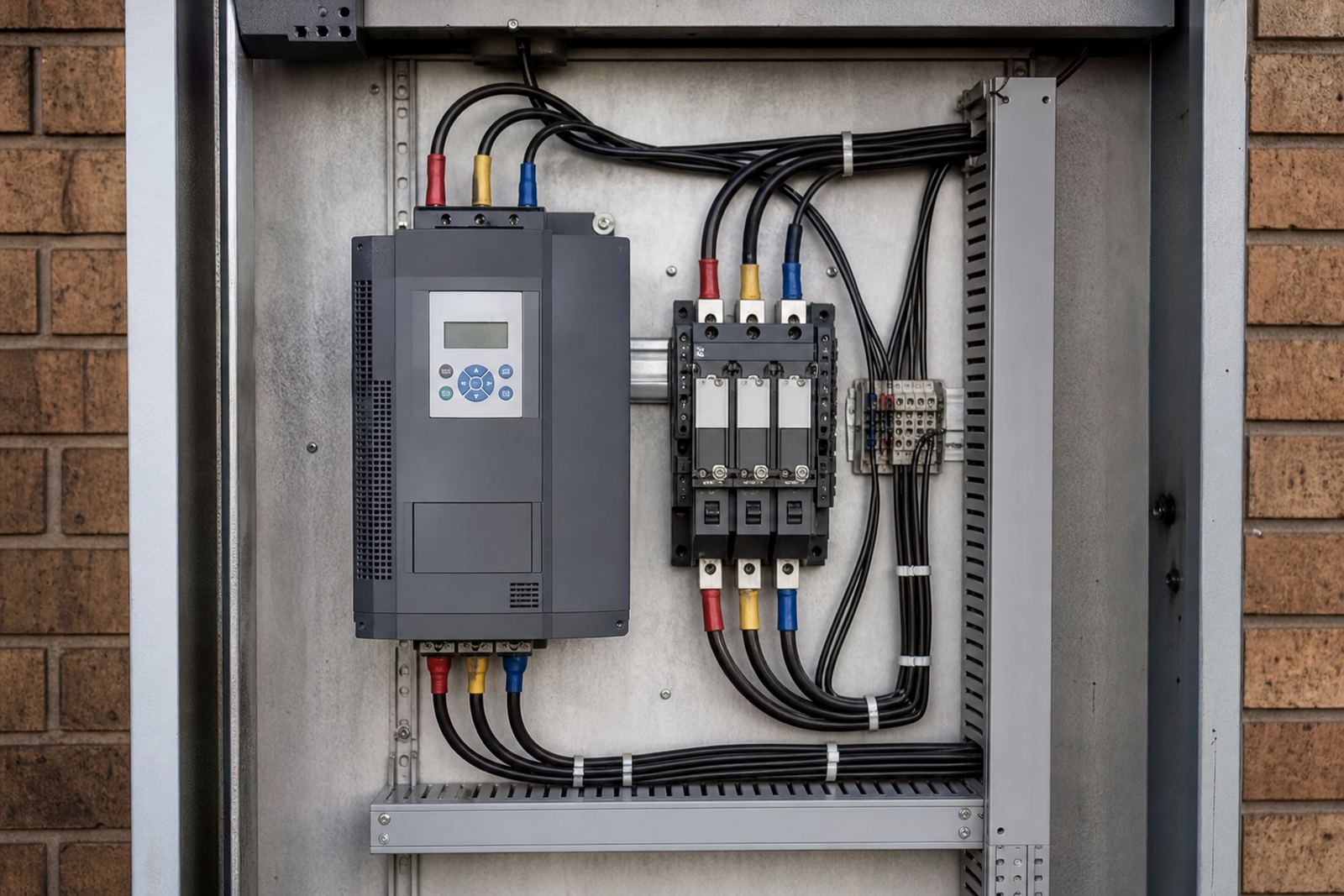
Soft Starter Basics

Soft Starter Basics

A simple explanation of how soft starters reduce starting stress on motor systems.

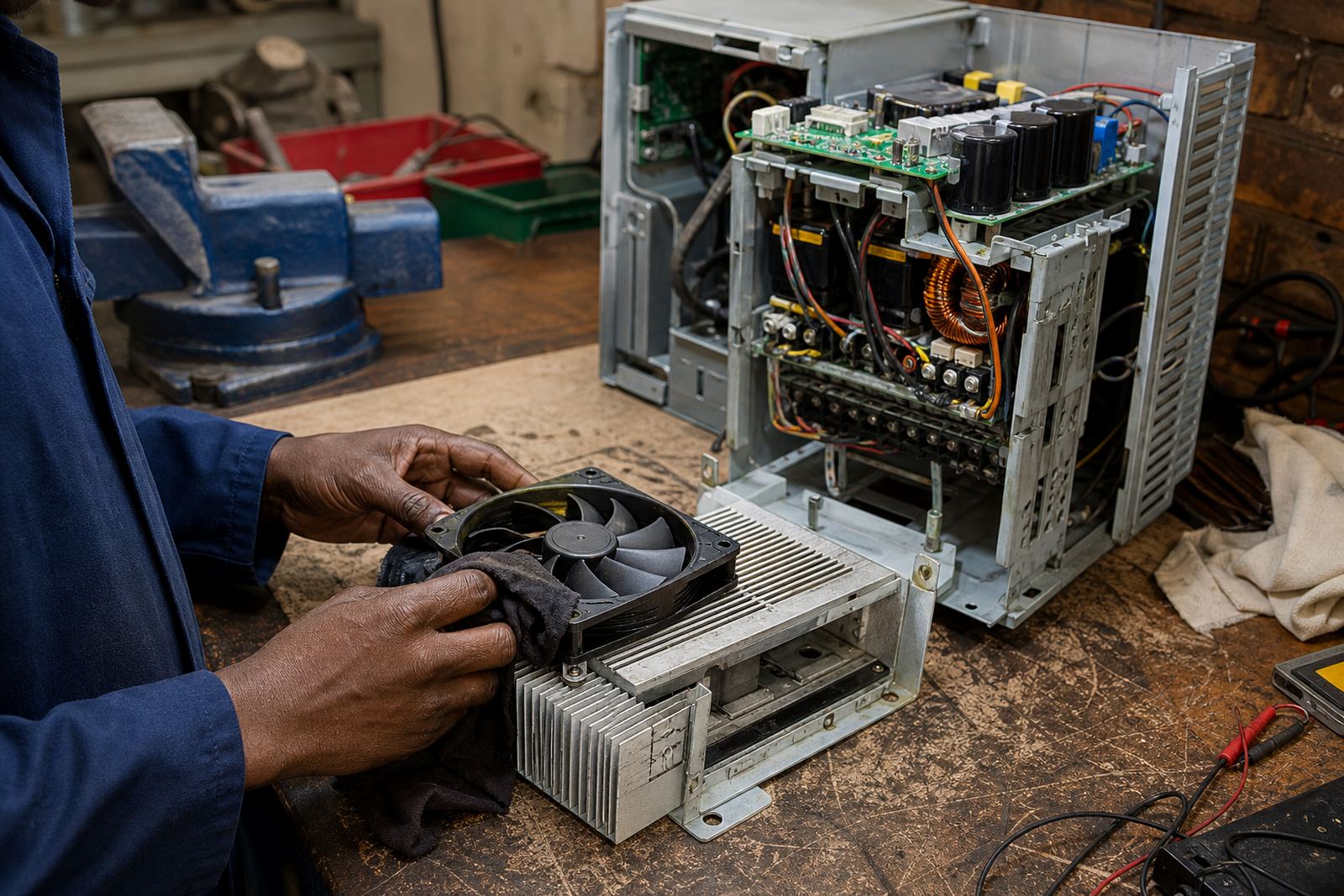
Drive Cooling Paths

Drive Cooling Paths

Why blocked airflow and failed fans can shorten variable speed drive life.

Rewind Or Replace

Rewind Or Replace

Points to consider when deciding between motor rewinding and replacement planning.

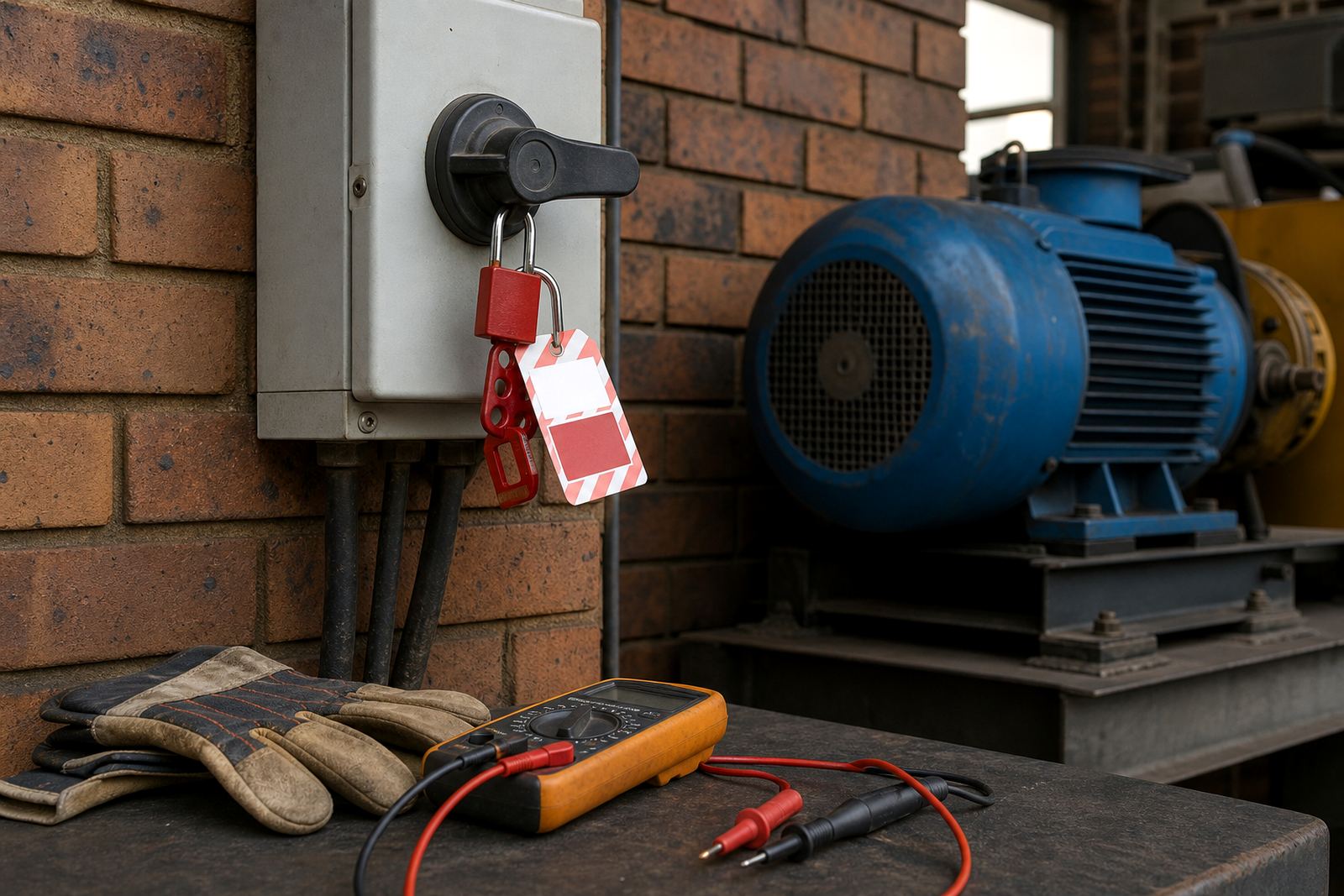
Lockout Before Testing

Lockout Before Testing

A reminder that motor and drive testing must follow proper isolation and lockout procedures.

Grease Selection Notes

Grease Selection Notes

Why bearing lubrication choices and intervals matter for motor service life.

Contactor Or Drive

Contactor Or Drive

How to think through whether a fault sits in the motor starter circuit or the drive.

Signs Of Overloading

Signs Of Overloading

Indicators that a motor may be carrying more load than it was meant to handle.

Why Insulation Fails

Why Insulation Fails

Common causes of insulation deterioration including heat, contamination, moisture and age.

Rotor Bar Issues

Rotor Bar Issues

A general look at symptoms associated with rotor bar problems in certain motor types.

Motor Cleaning Methods

Motor Cleaning Methods

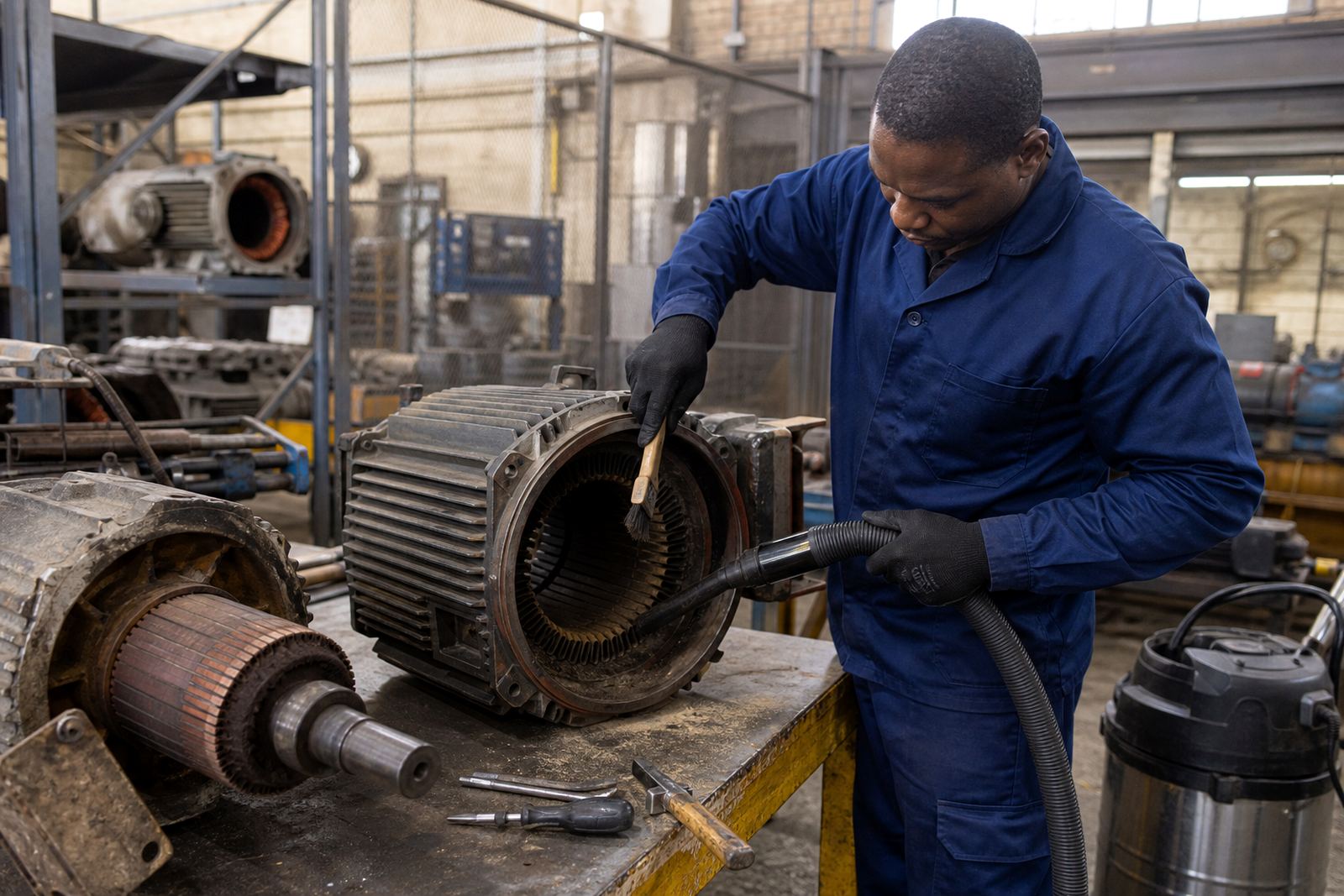
Safe, careful cleaning methods often used before inspection and repair work begins.

Panel Dust Control

Panel Dust Control

Ways to reduce dust build-up inside control enclosures and drive cabinets.

What Burnt Smells Mean

What Burnt Smells Mean

How burnt odours can help point to winding damage, overheating or insulation stress.

Testing After Rewind

Testing After Rewind

An overview of post-rewind checks before a repaired motor is returned to service.

Bearing Fit Problems

Bearing Fit Problems

Why incorrect fits on shafts or housings can shorten bearing life after repair.

Harmonics And Drives

Harmonics And Drives

A simple introduction to harmonic effects around drive-fed motor systems.

Cable Termination Basics

Cable Termination Basics

General points on secure terminations for motors, drives and control panels.

Motor Sizing Errors

Motor Sizing Errors

How an incorrectly selected motor can lead to performance and reliability issues.

Stator Core Checks

Stator Core Checks

Why stator core condition matters when evaluating a motor for repair.

What This Journal Covers

This hub brings together short, practical reads on the work that keeps rotating equipment in service. You will find notes on electric motor rewinding, bearing replacement, insulation testing, variable speed drive repair and the checks that matter before a machine goes back into operation.

The articles are written for people who need a clear view of what is involved, what to watch for, and when to call in a specialist. If you are running a plant in Germiston, a workshop in Pretoria, or a site in Durban with salty air and high humidity, the basic principles stay the same, but the details can change fast.

How To Choose The Right Article

Start with the problem you are trying to solve. If a motor is tripping, overheating, or showing signs of moisture ingress, look for material on fault finding, insulation testing and bearing checks. If speed control is unstable or a drive panel has nuisance faults after load-shedding, start with drive inspection, panel cleaning and cable checks.

Use the articles as a guide to ask better questions before a shutdown. That helps you plan spares, arrange motor removal, and decide whether the issue is mechanical, electrical, or both.

  • Read fault finding pieces when a machine stops without warning.
  • Use bearing and alignment articles for noise, vibration, or heat.
  • Check drive repair notes when motors run erratically or controls reset.
  • Look at commissioning support when equipment must return to service after maintenance.

Motor Rewinding And Repair Basics

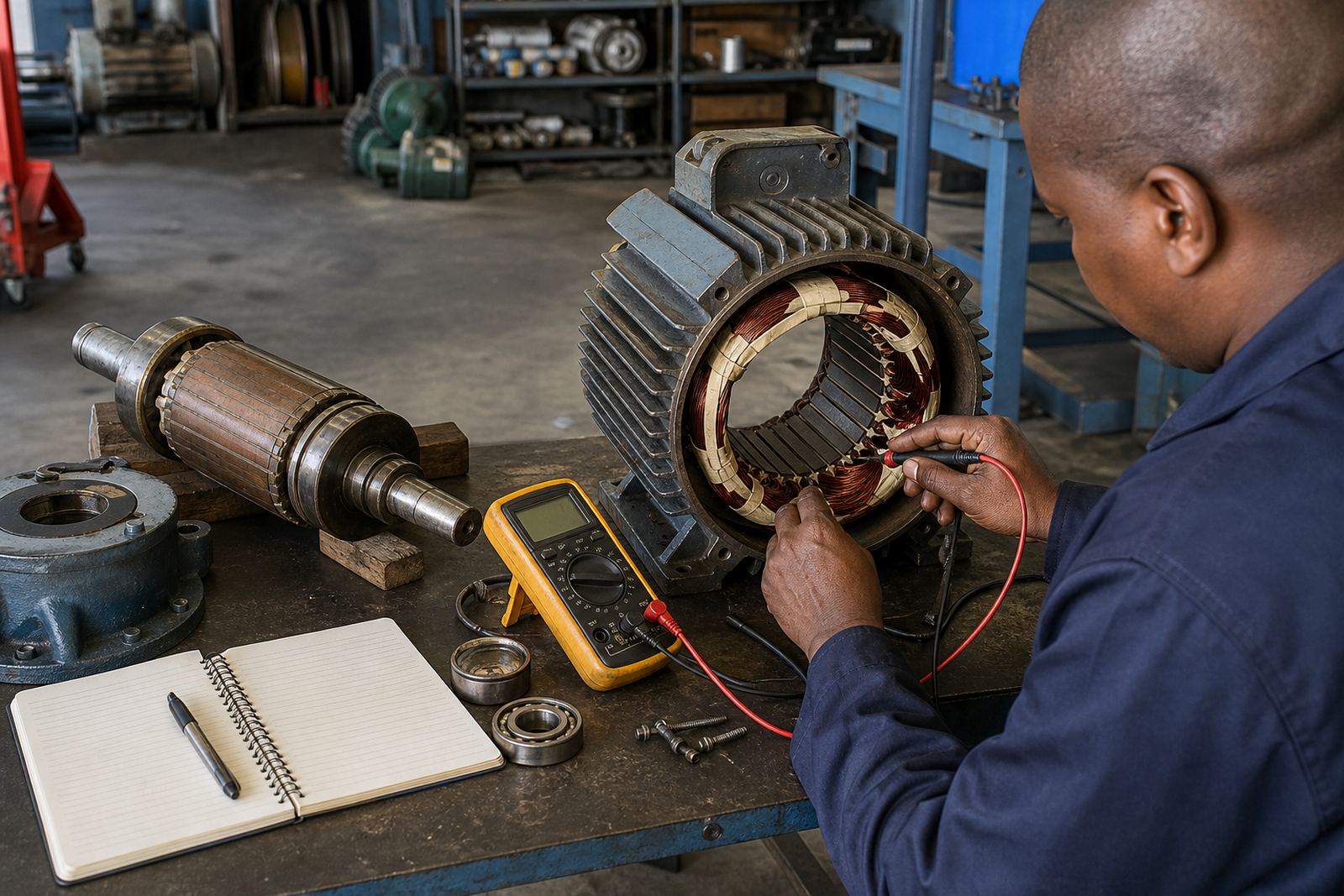
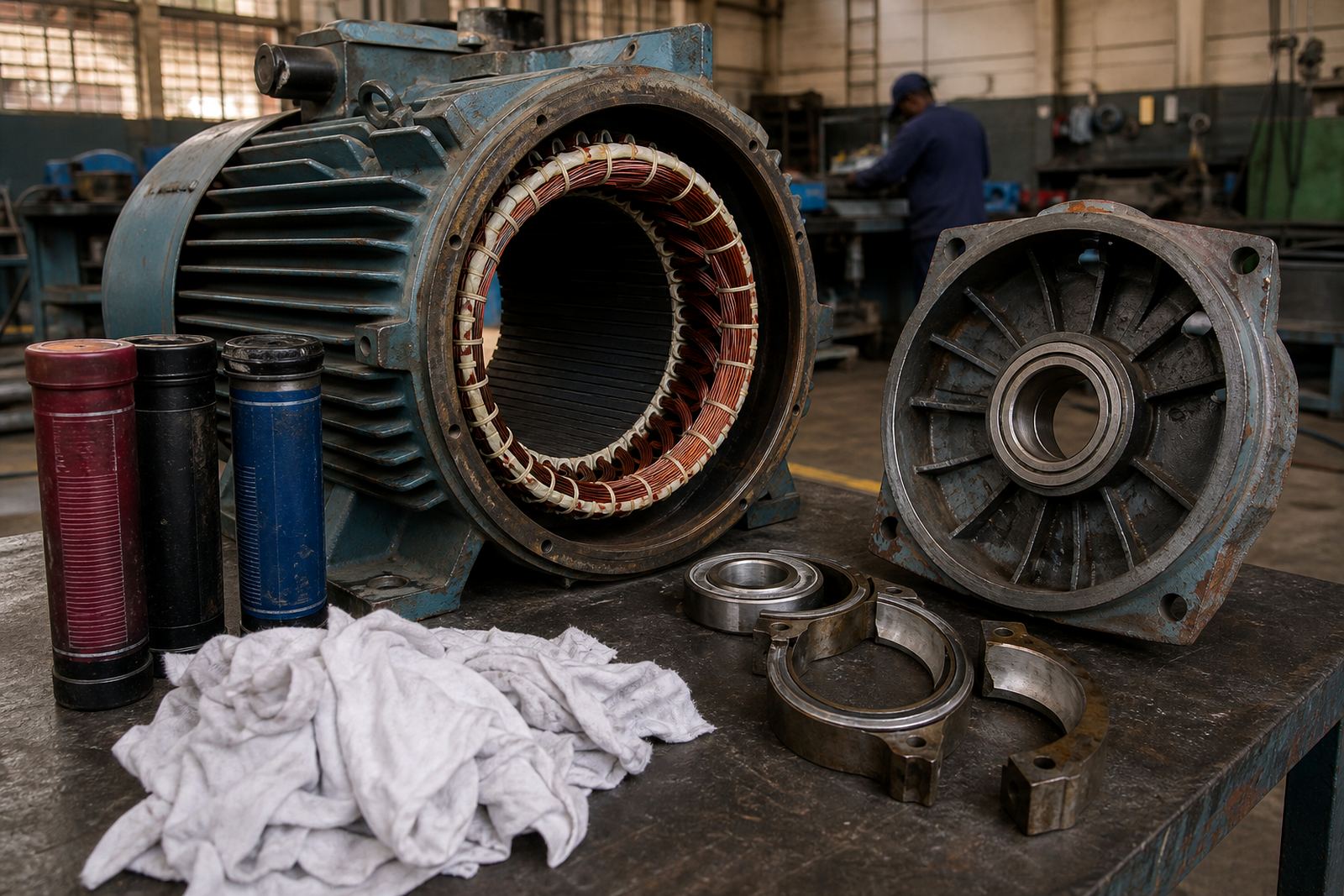
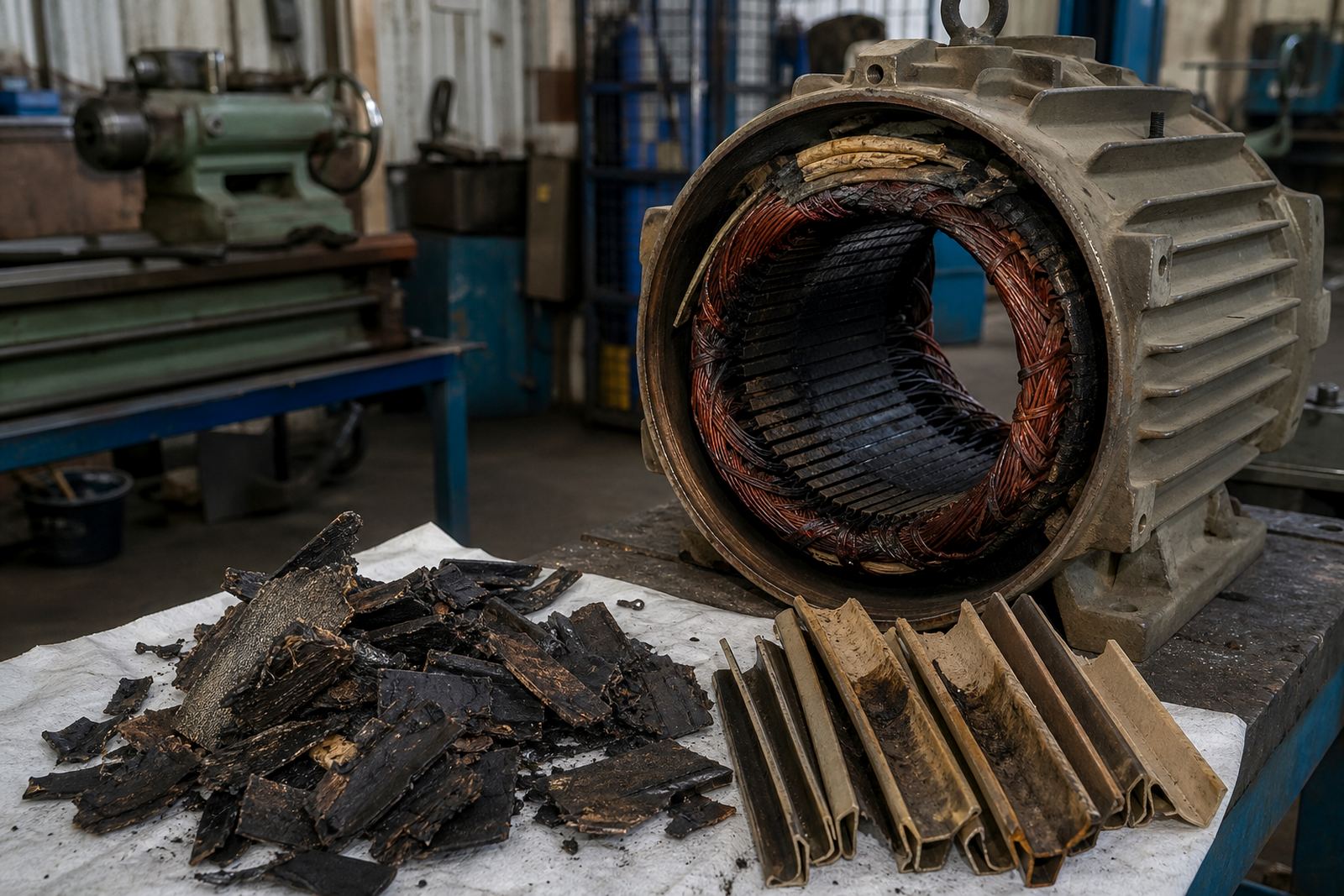
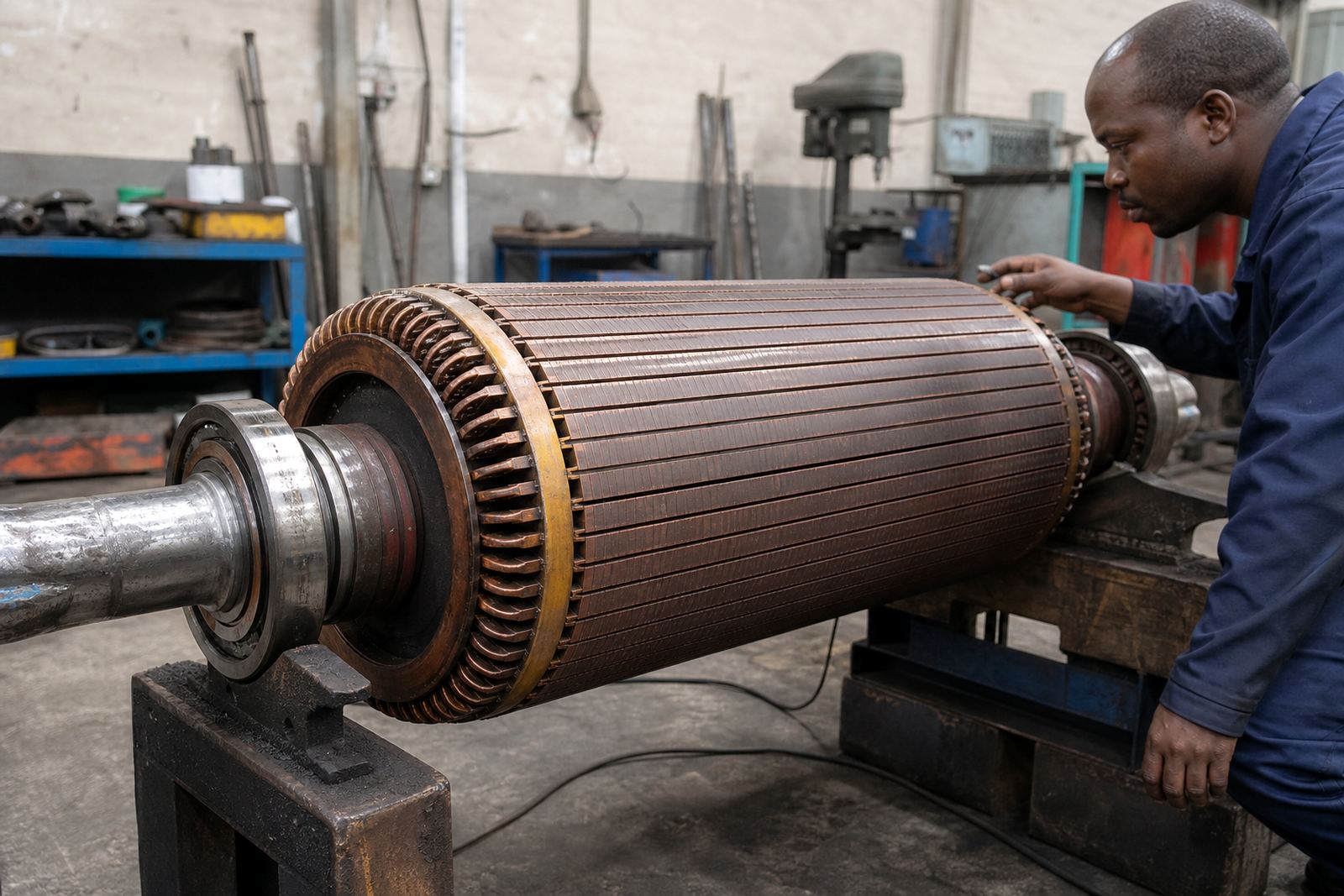
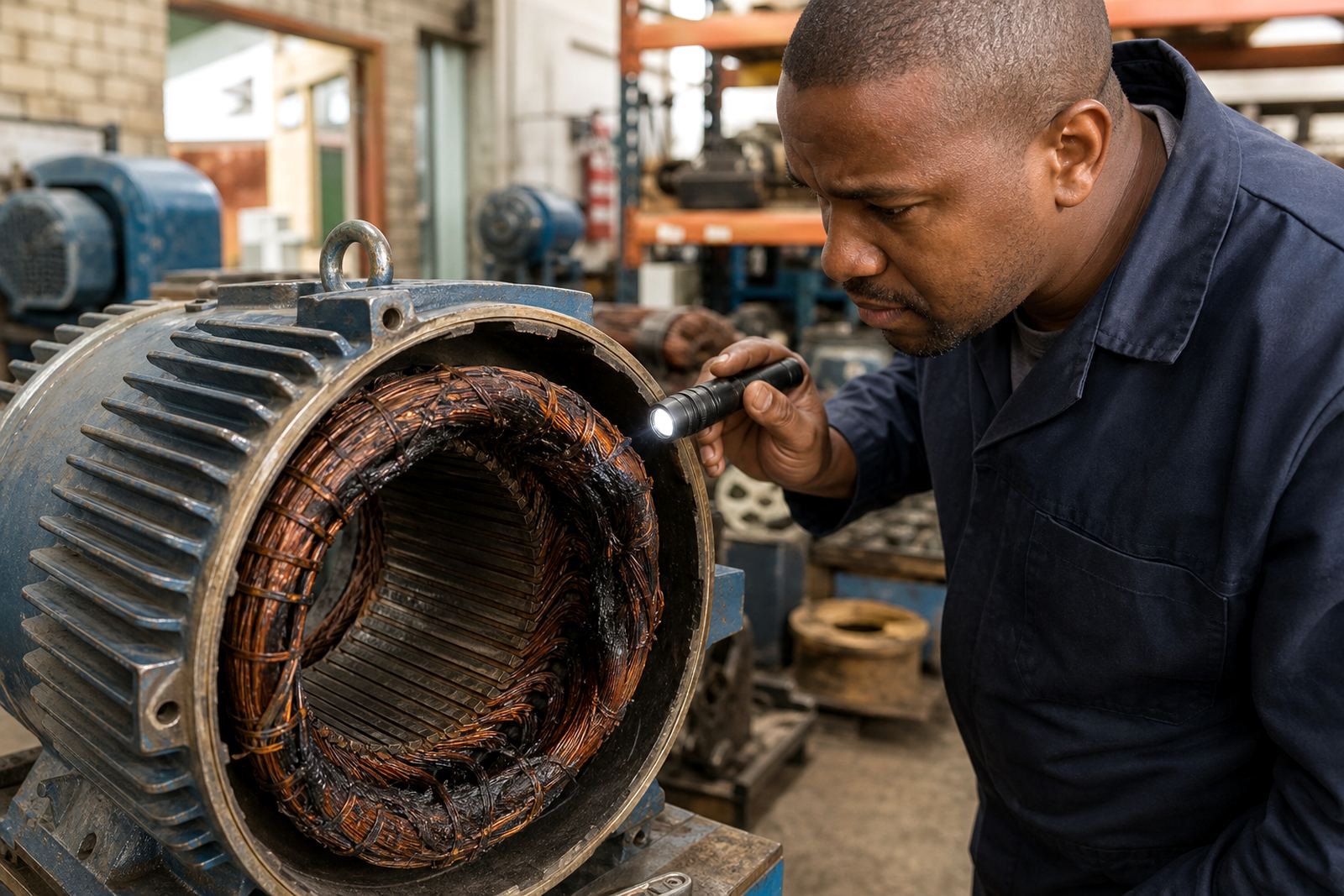
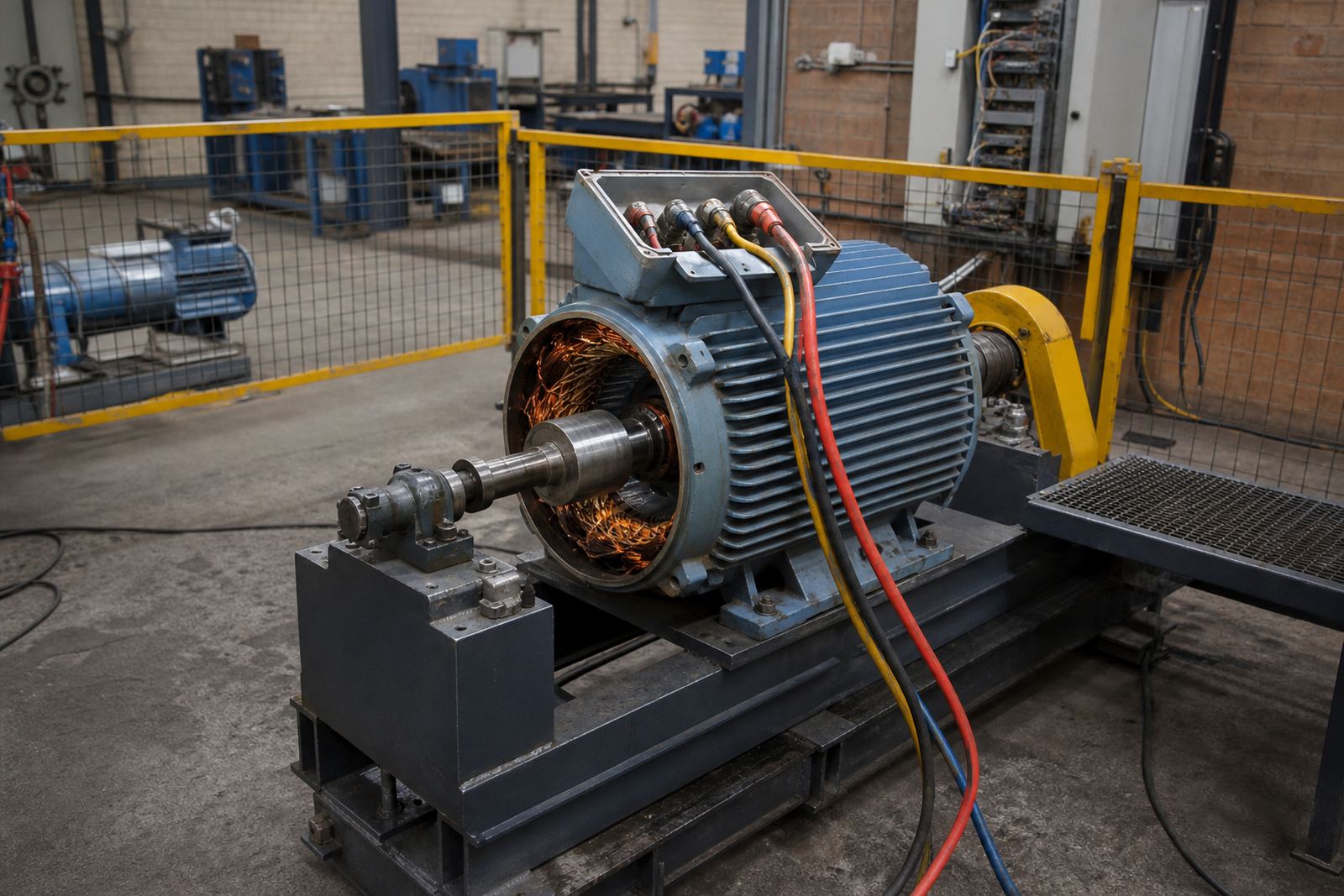
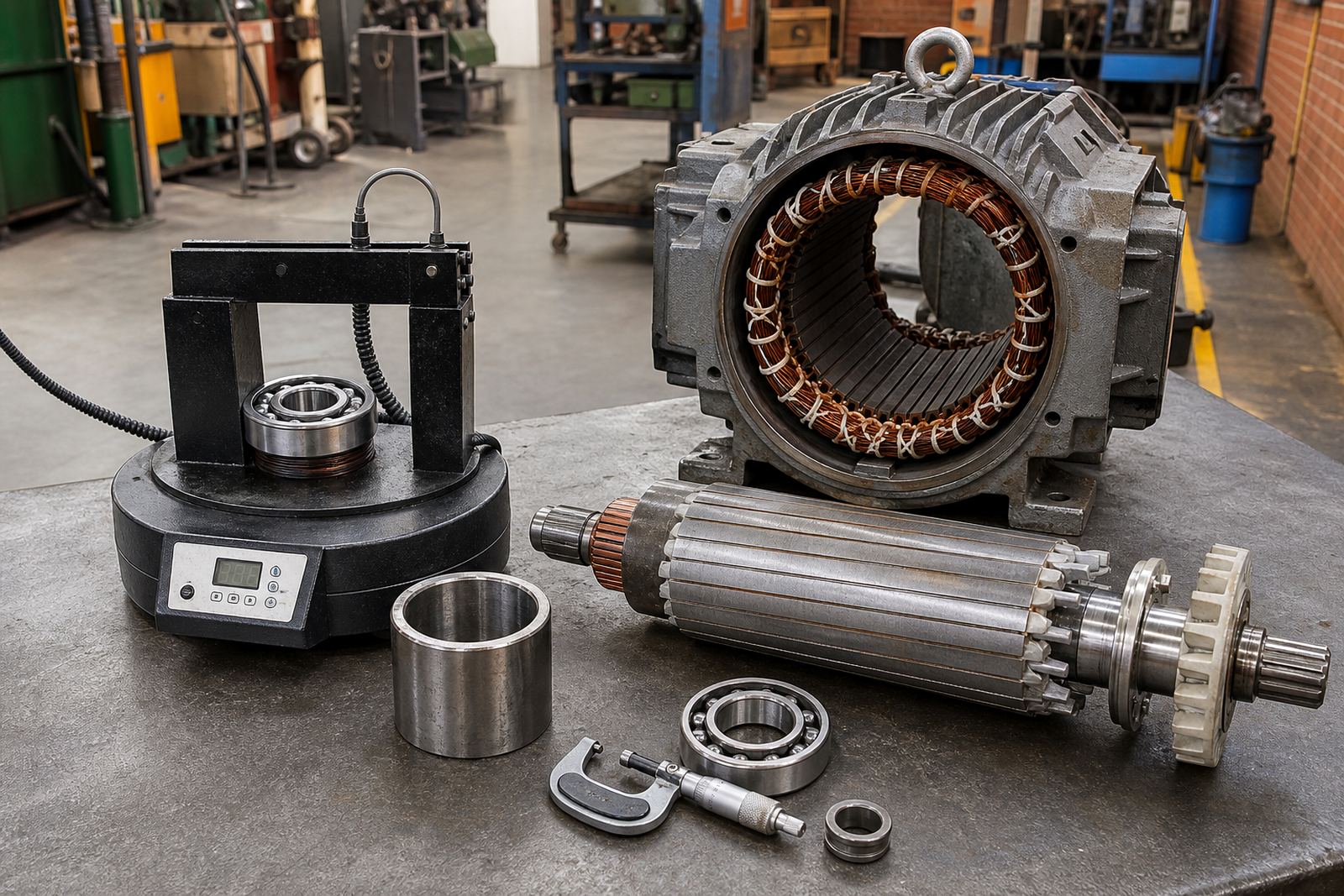
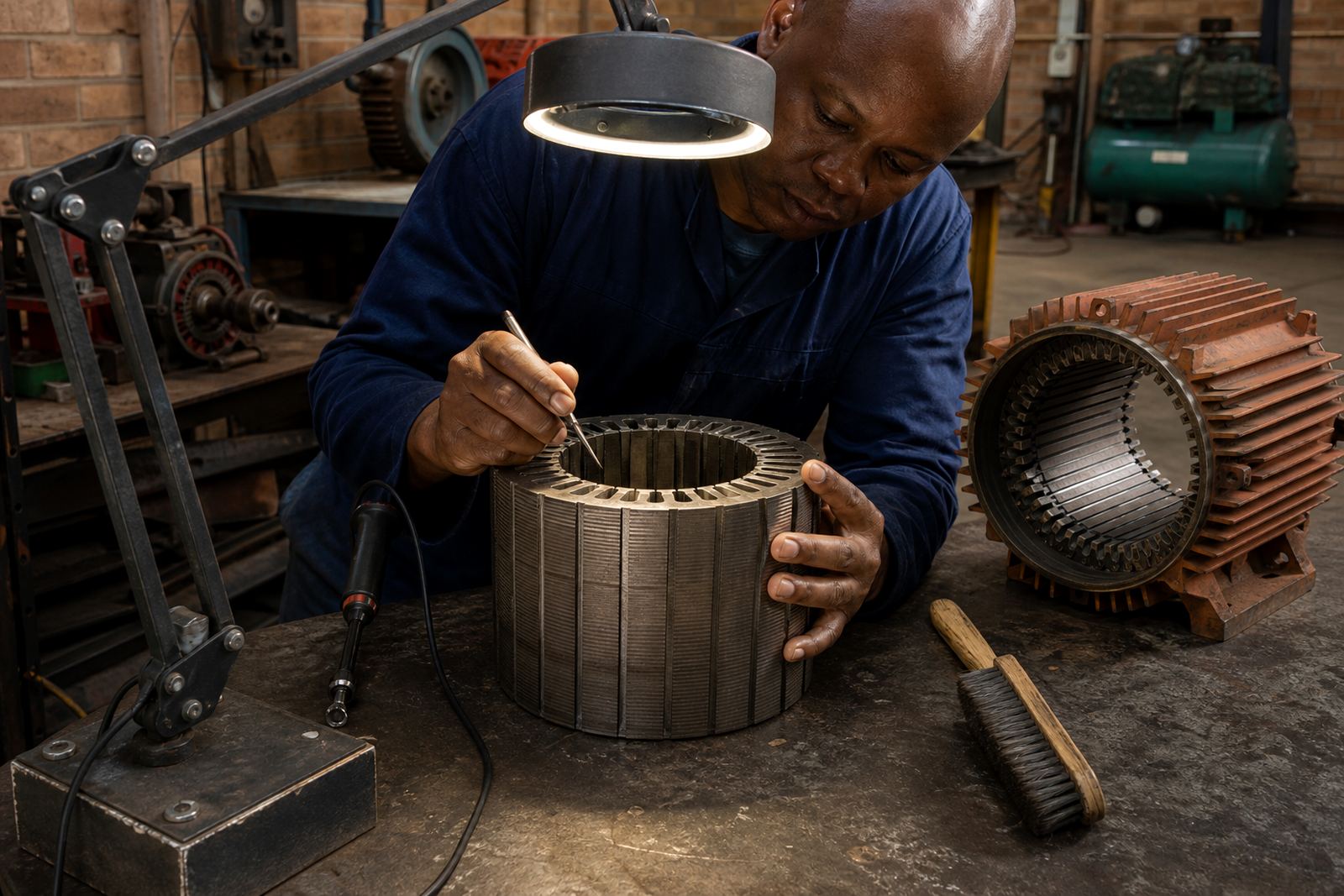
Motor rewinding is not just about replacing wire. A proper job starts with stripping, inspection, cleaning, and measuring the old winding data where possible. The core, slots, leads, bearings and insulation system all need attention before new winding work begins. If the motor has had heat damage, dust build-up, or moisture entry, those causes must be corrected too.

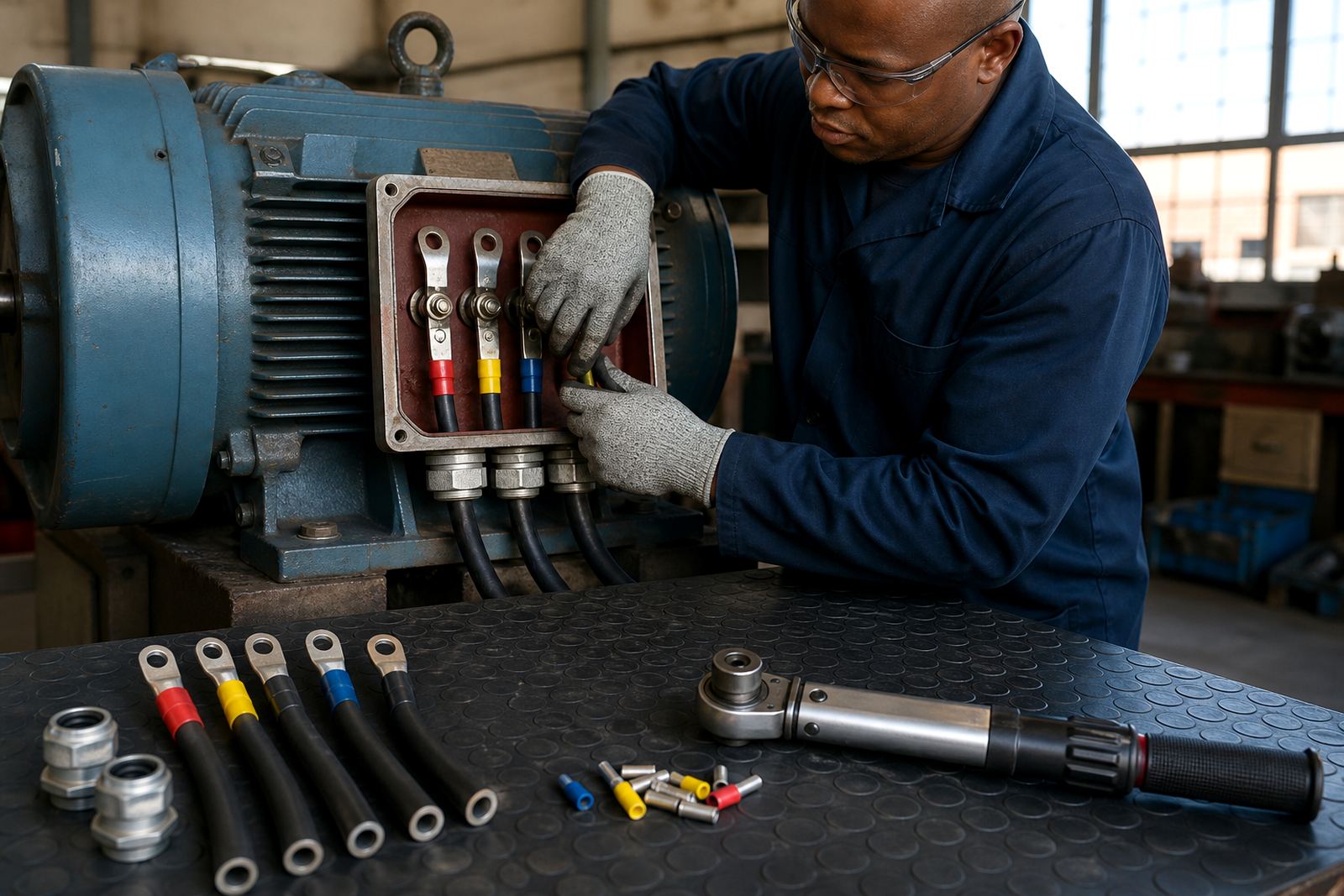
For industrial users, it is often the small details that decide whether a repair lasts. Correct bearing selection, careful insulation testing, good terminal work and proper alignment all affect service life. Electrical work must only be done by qualified people with lockout procedures in place, especially on plant and workshop equipment where more than one person may be working on the same system.

Drive Repair Topics For Plant Teams

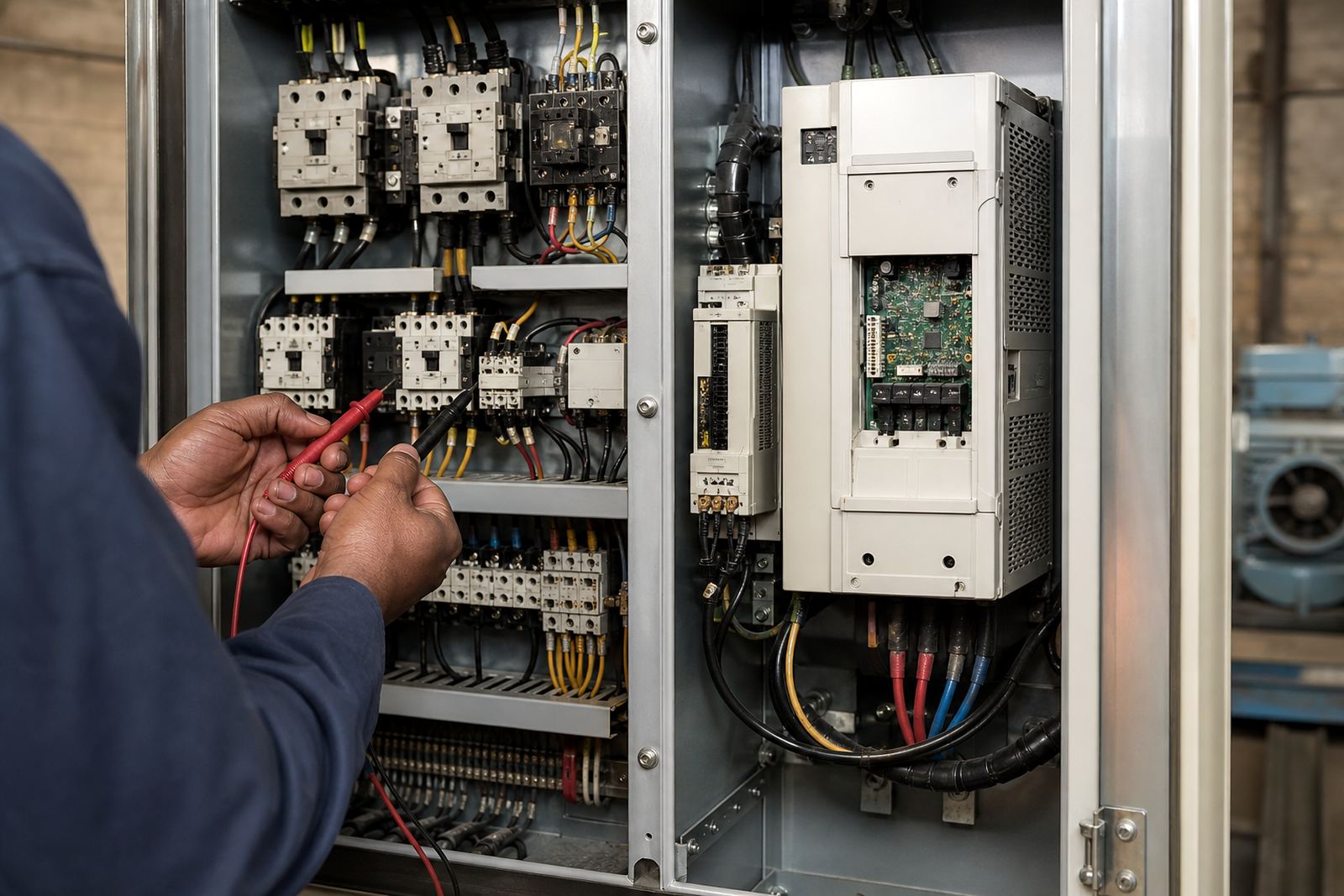
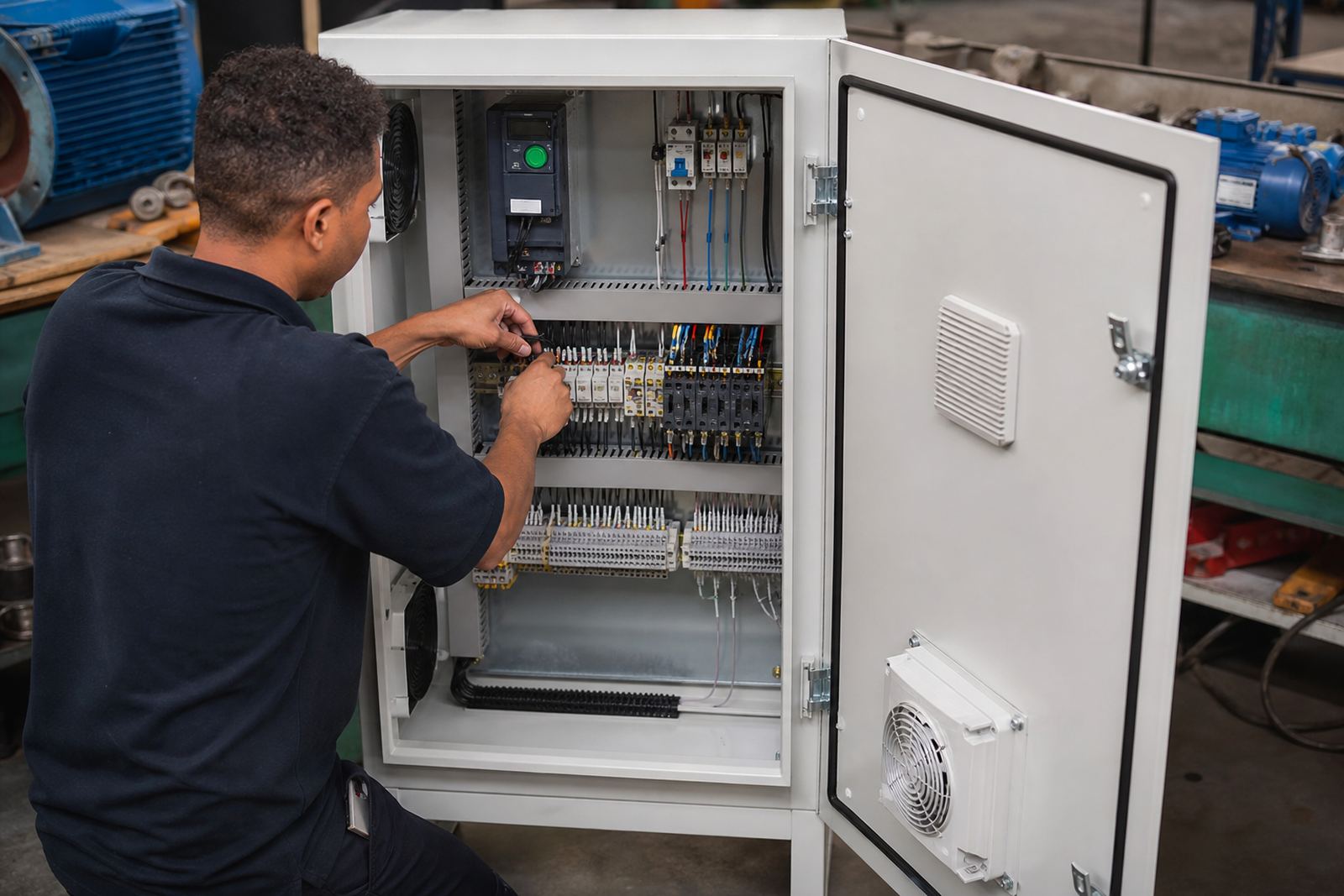
Variable speed drives need clean panels, sound cable terminations, and sensible operating settings. Many faults begin with heat, dust, loose connections, or poor power quality. In some cases, the problem lies in the control side rather than the power section, so a proper inspection is important before any parts are changed.

Useful topics in this section include:

  • Drive inspection after overloads or power interruptions.
  • Panel cleaning where dust or carbon can cause tracking.
  • Cable checks for damage, loose glands, or poor earthing.
  • Site reporting that records faults, tests, and next steps clearly.

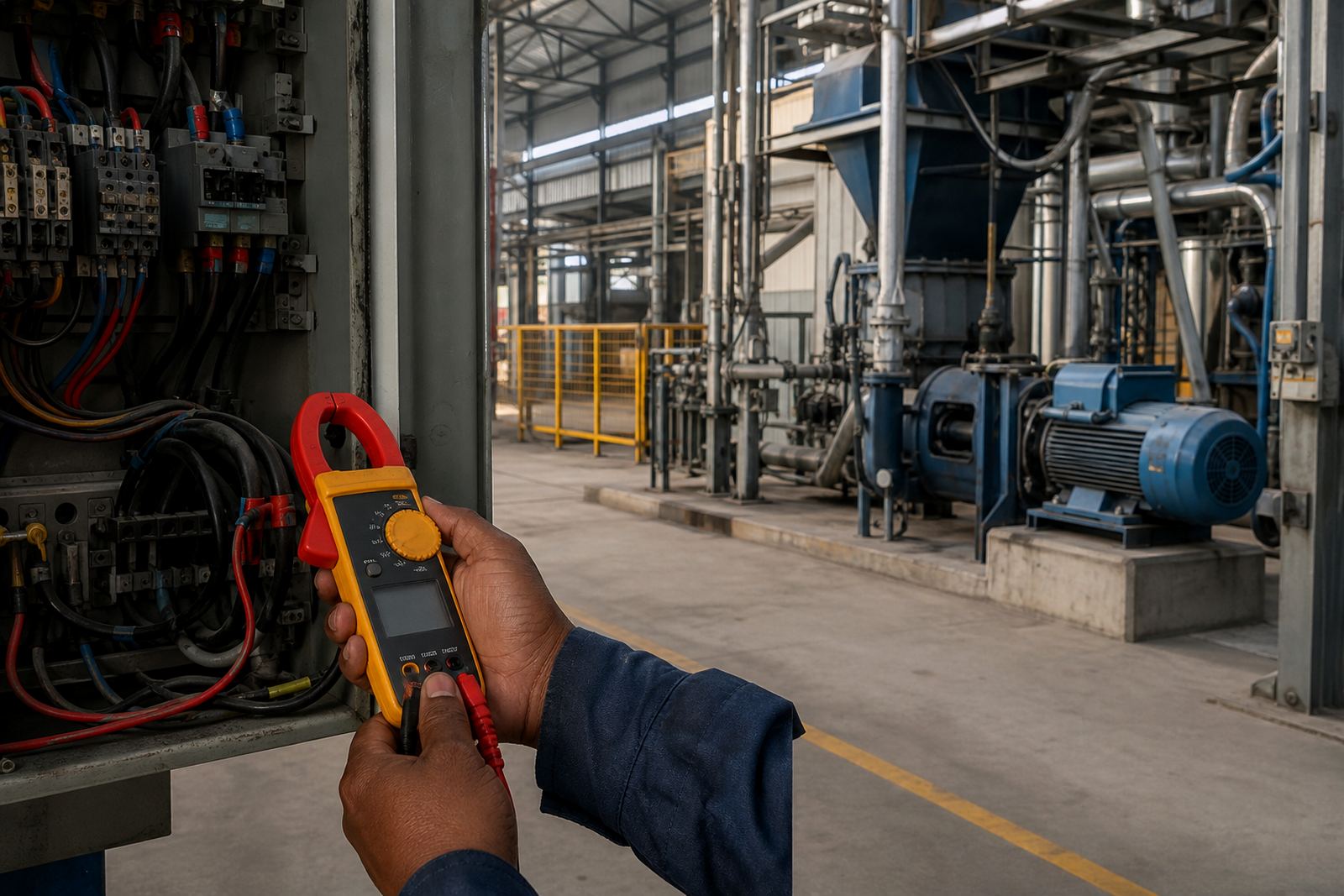
If your site is in Ekurhuleni, Johannesburg, Vereeniging or further afield, the same caution applies. Isolate first, confirm dead, and only then start checking equipment.

Planning Shutdowns And Field Work

Good maintenance starts before the tools come out. Shutdown planning, motor removal and spares assessment all help reduce delay when a line or pump set must stop. In busy plants, especially where one machine feeds another, a short outage can affect the whole operation if the work is not planned properly.

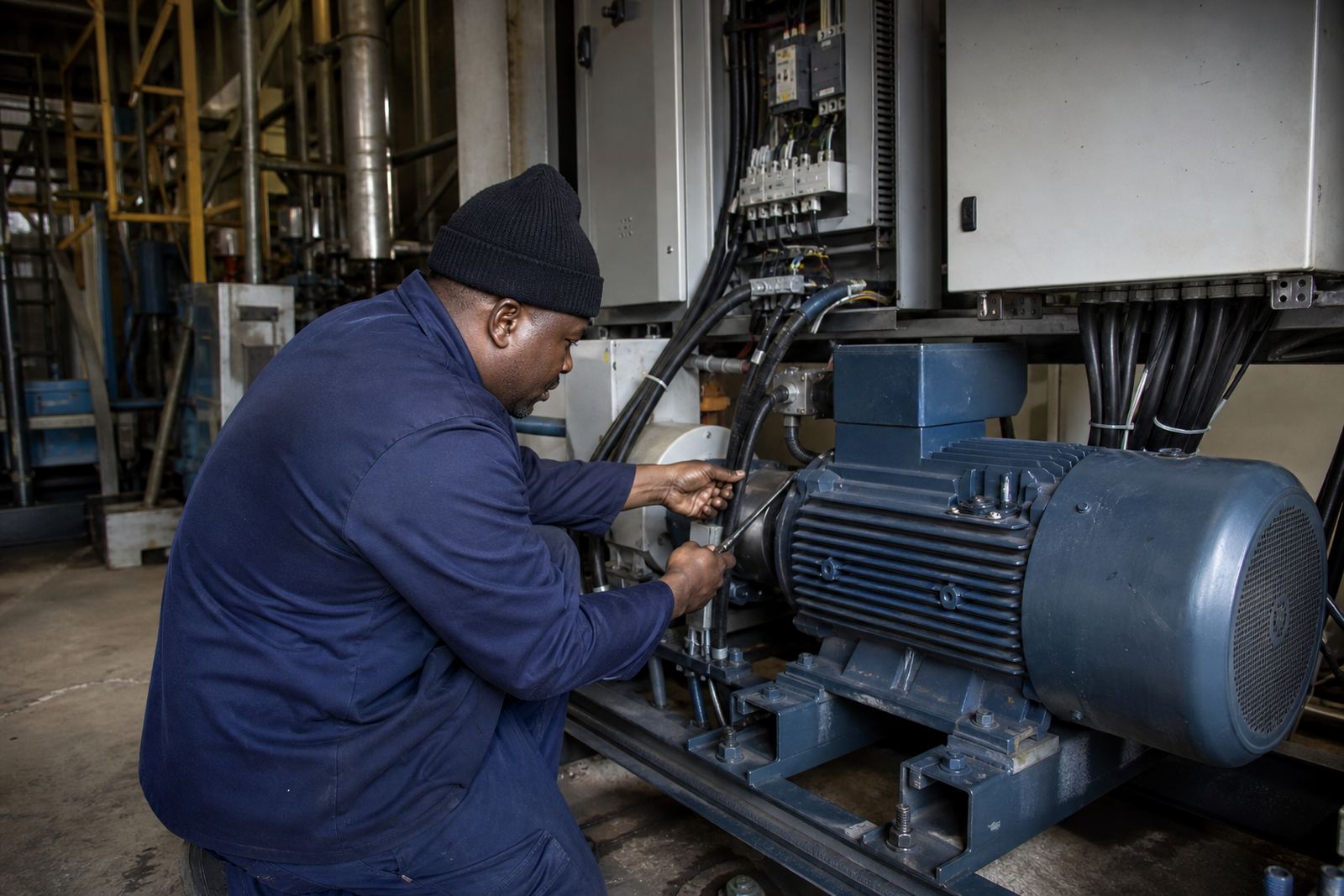
Field service notes in the journal cover practical steps such as alignment checks, commissioning support and what to record on site. That includes how the motor was removed, what was found during inspection, and whether any surrounding parts showed wear or contamination. A clear record makes the next decision much easier, even when time is tight and the weather is wet or dusty.

Why Local Conditions Matter

South African sites face different pressures depending on where they run. Coastal humidity near Durban can affect insulation and terminals, while inland dust and temperature swings around Germiston or Pretoria can shorten bearing life and stress drive panels. Load-shedding can also leave equipment cycling on and off, which puts extra strain on motors and control gear.

The journal explains these issues in plain terms so that workshop teams, buyers and maintenance supervisors can compare notes and plan ahead. It is not a substitute for hands-on diagnosis, but it does help you know what to look for before the next breakdown.

Questions we get asked

What is the Workshop Journal for?

It shares practical information on electric motors, drives and reliability basics for plants and workshops. The articles are for guidance only and do not replace qualified electrical work.

Can I use these articles to diagnose a fault myself?

You can use them to understand symptoms and prepare questions, but electrical testing and repair should be done by qualified people using isolation and lockout procedures.

Which topics are covered most often?

Common topics include motor rewinding, bearing replacement, insulation testing, variable speed drive repair, shutdown planning and site reporting.

Planning something? Send the team a message.

Contact form