Why a good bearing still fails too early
When a motor comes back from repair and the bearing fails again within weeks or months, the fault is not always the bearing itself. Incorrect fit on the shaft or in the housing can damage the internal clearance, create heat and allow movement that wears the bearing seat. Once that starts, the motor may run noisy, draw extra current and show signs of vibration that get worse under load.
In practice, the problem often begins before the bearing is even installed. If the shaft journal is worn, scored or out of round, the inner race may not grip properly. If the housing bore is enlarged, oval or damaged by previous removal, the outer race can creep and spin. That movement can lead to fretting, metal dust and early failure. It is a small detail, but it can stop a machine just as surely as a burned winding.
How shaft and housing fits affect bearing life
A bearing depends on the right interference or clearance fit to keep the races stable. Too tight and the bearing can lose internal clearance, run hot and shorten lubricant life. Too loose and the race can move, leading to creep, noise and uneven wear. Either way, the result is often the same: premature failure and more downtime.
For electric motors, the fit must suit the application, the size of the shaft and the condition of the housing. A light duty motor in a workshop might show symptoms differently from a fan motor in a humid coastal plant or a conveyor drive running in a dusty shed near Germiston. That is why a visual check is never enough on its own, and why bearing fit should be measured, not guessed.
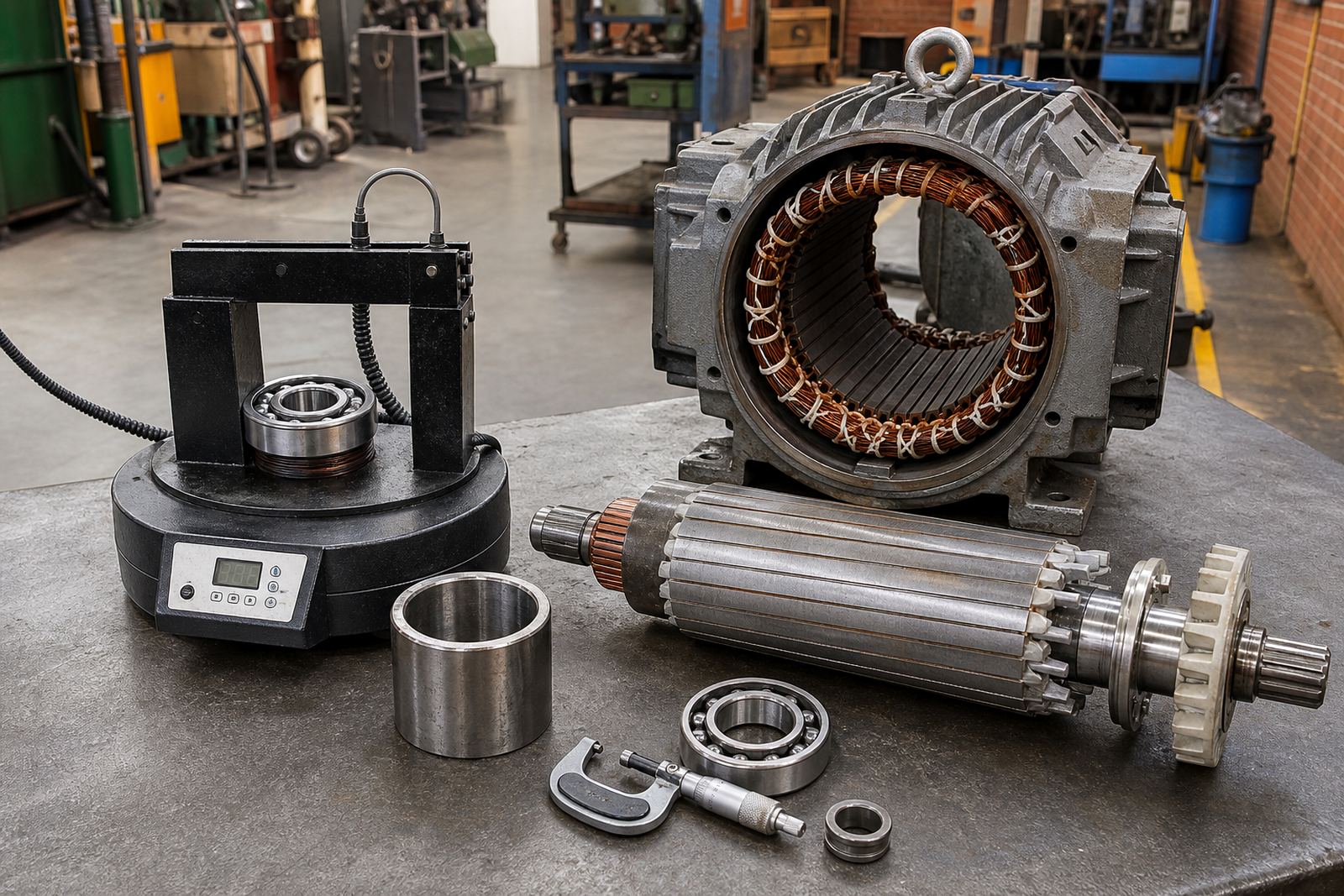
When a repair is done properly, the technician checks the seat dimensions, inspects for signs of scoring or polishing, and confirms that the bearing can be installed without forcing it into position. If parts have been overheated or struck during fitting, the damage may not be obvious straight away, but it will show up later as vibration or heat.
What a proper repair process should include
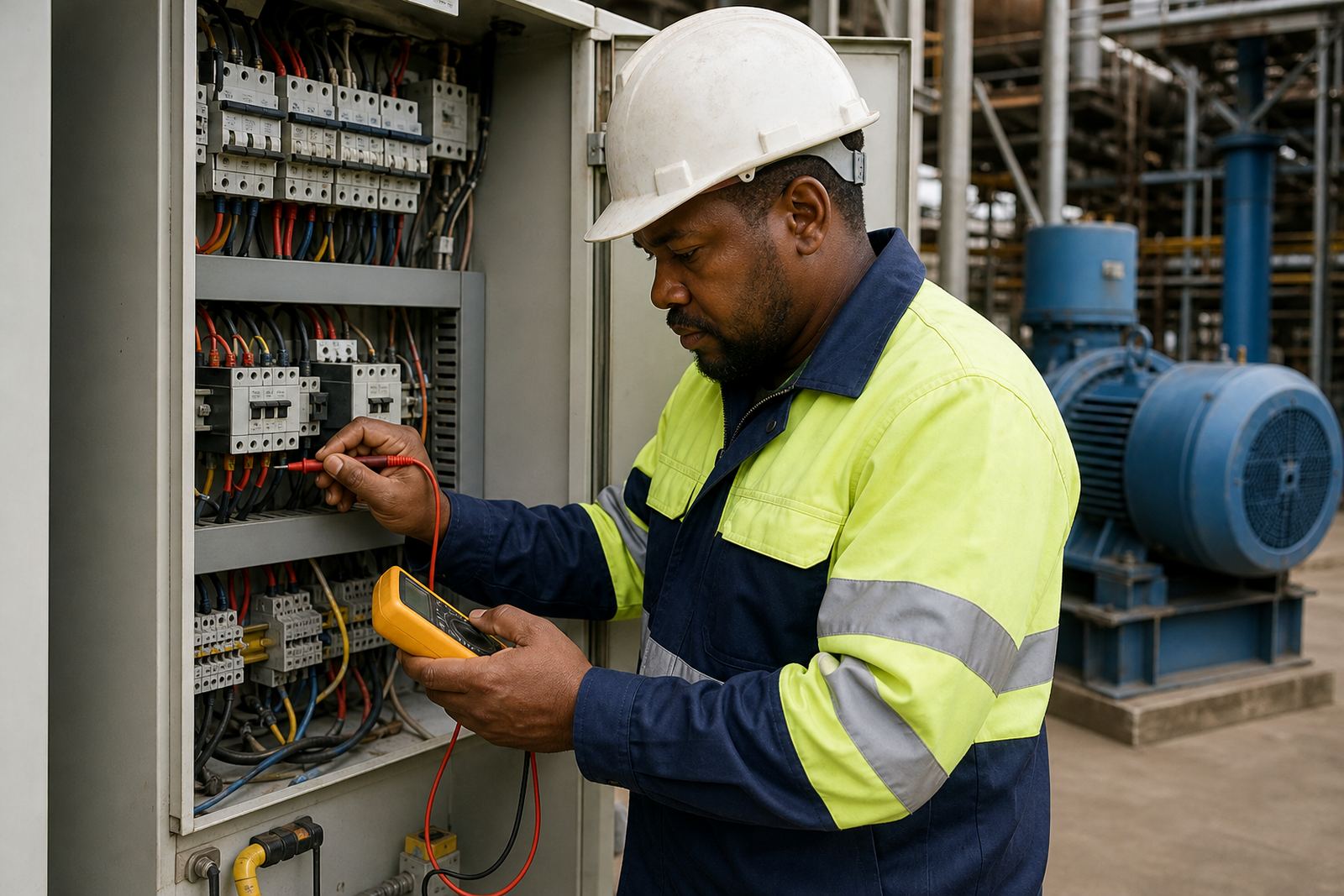
A sound repair starts with fault finding and then moves through strip down, cleaning and inspection. Before any motor is opened, the supply must be isolated and locked out by qualified people. That includes checking stored energy and confirming the machine cannot start unexpectedly. Electrical work on motors and drives is not a job for shortcuts.
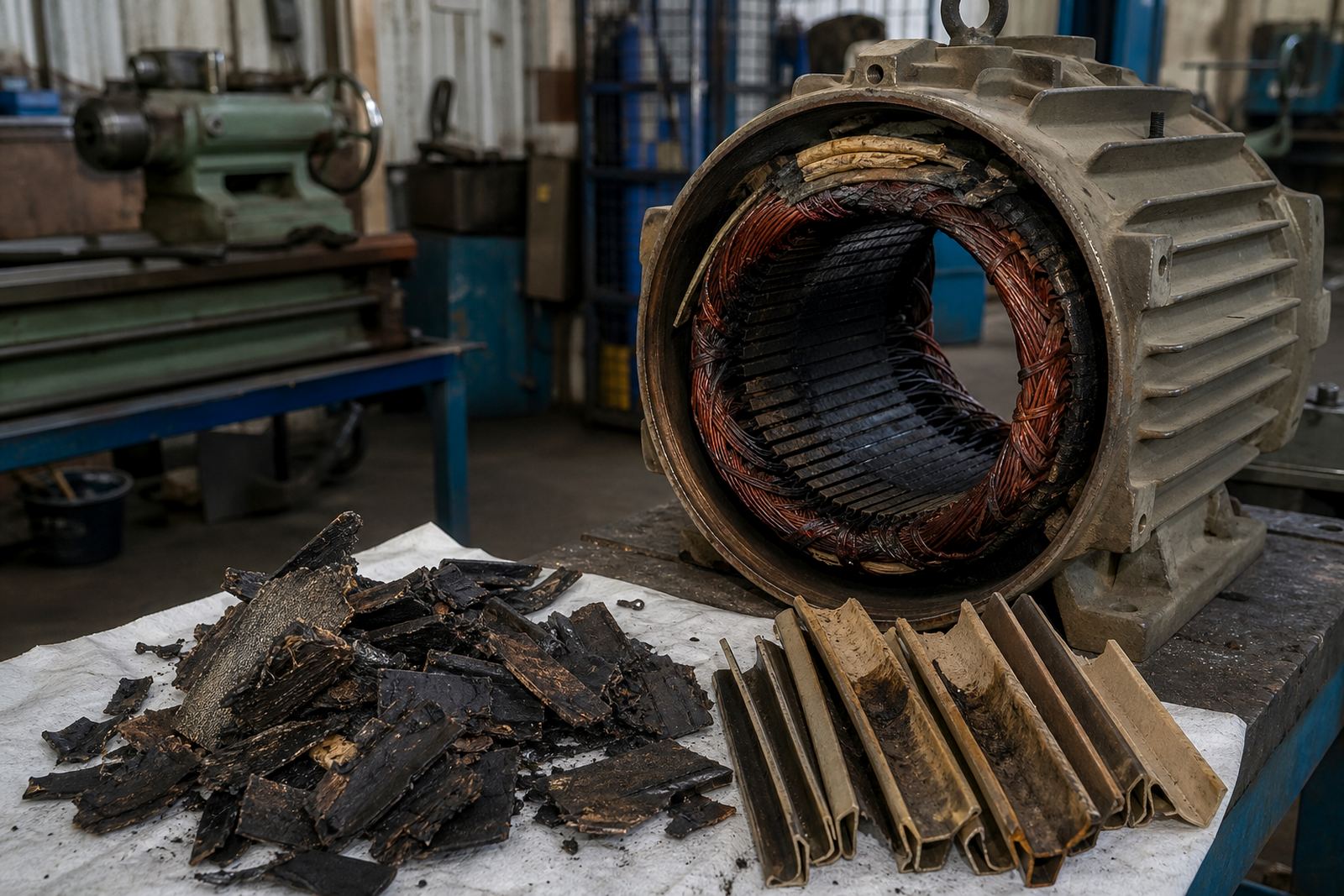
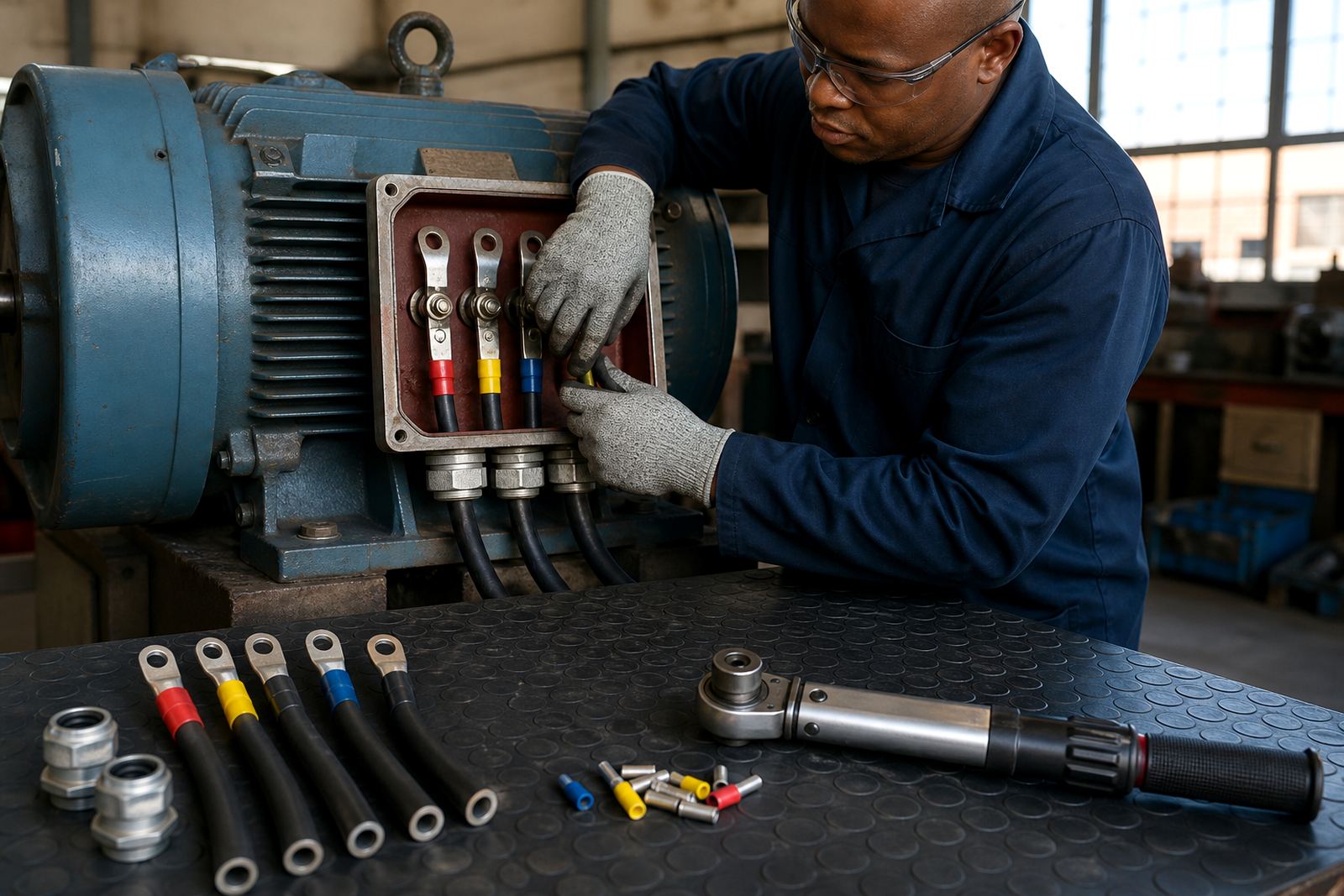
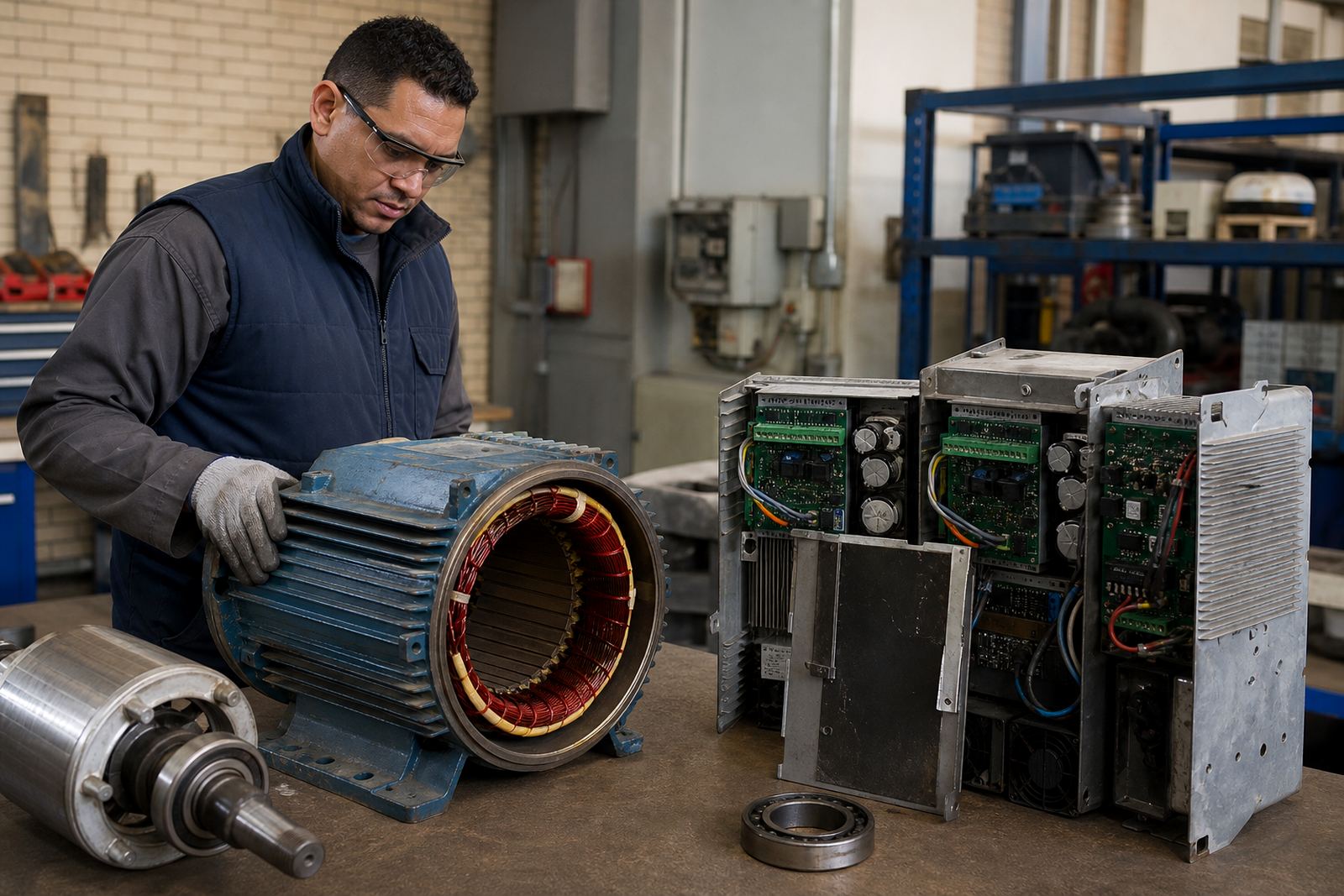
Once the motor is safe to handle, the technician should inspect the shaft, end bells and bearing pockets. Bearing replacement may be necessary, but it is only one part of the job. Insulation testing helps confirm the winding condition, while alignment checks and cable checks can reveal whether the problem came from the motor itself or from the wider installation. If the drive system has been stressed by repeated trips, the condition of the variable speed drive and control panel should also be checked.
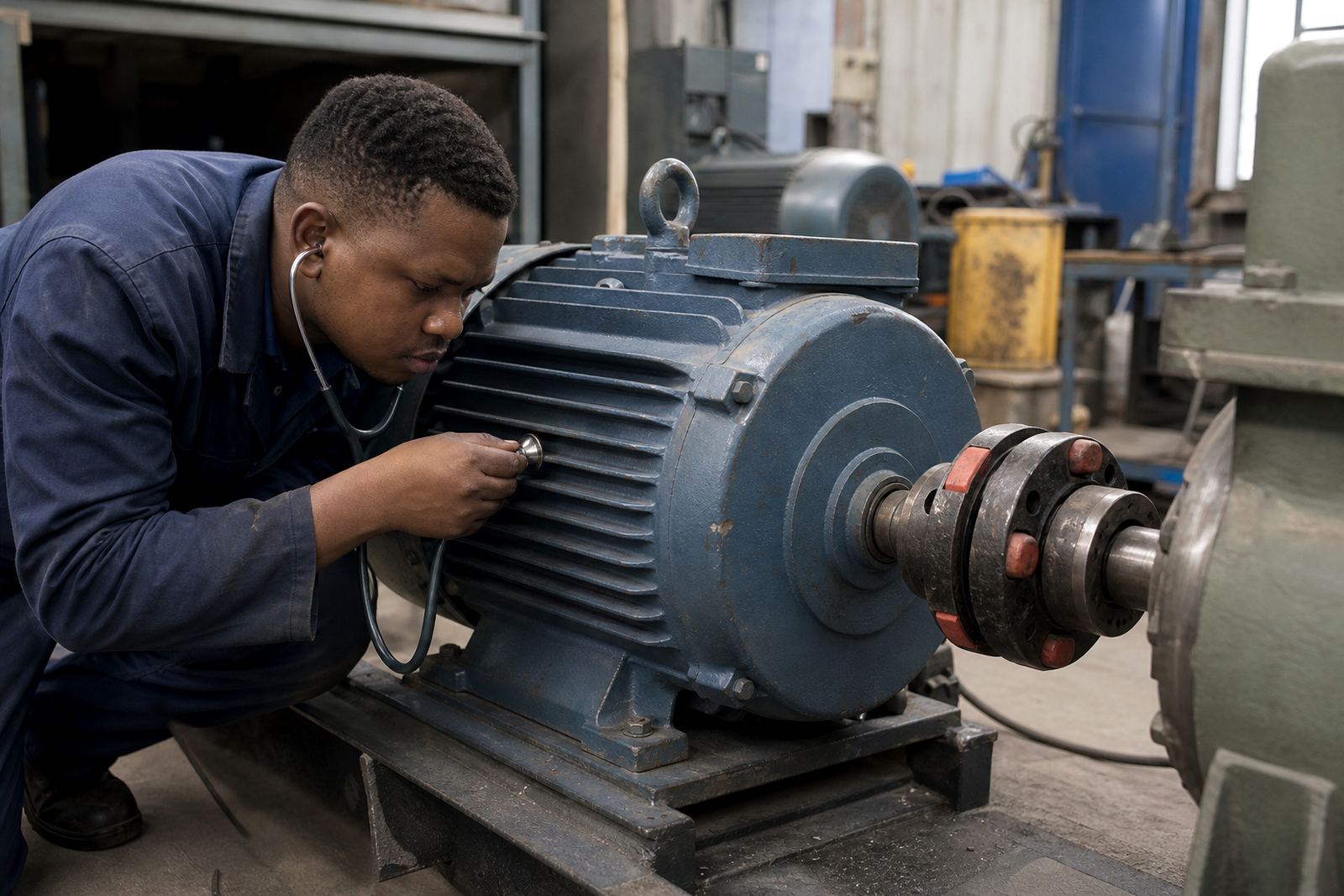
Good repair work does not end when the bearing is fitted. The motor should be reassembled with care, then checked for rotation, noise and heat rise under controlled conditions. If the housing or shaft is out of tolerance, it may need machining or replacement rather than forcing a bearing to suit. That may take longer, but it avoids a repeat failure and saves money over time.
A Germiston example: when a loose housing caused repeat failures
A workshop in the Ekurhuleni area had a motor on a small production line that kept failing at the drive end. The bearing had been replaced more than once, but the noise returned after a few weeks each time. On inspection, the shaft was serviceable, but the housing bore had worn from repeated removal and the outer race was not held firmly enough. The motor was also running hotter than expected after load changes. It was a clear example of a fit issue, not just a bad part.
After careful measurement, the team corrected the fit issue, replaced the damaged bearing parts and checked the alignment between the motor and the driven machine. The drive was also inspected for any fault that could have caused extra load. Once the motor was reinstalled and tested, the vibration dropped and the machine settled back into normal operation. Small details made the difference, and the client avoided another unnecessary shutdown.
Across Johannesburg, Pretoria, Vereeniging and Durban, the same pattern shows up often enough. A motor might be blamed for poor performance when the real cause is wear in the seat, bad handling during removal or a mismatch between the bearing and the application. In wet coastal conditions, corrosion can make the problem worse by attacking the housing and shaft surfaces. In dusty industrial areas, contamination can do the same.
Signs that your bearing fit may be wrong
Some symptoms point clearly to fit problems, especially after a repair. A motor that sounds rough soon after start-up, runs hot at the end bells or shows repeat bearing noise deserves a closer look. You may also notice black dust around the bearing area, grease leakage or a slight smell of overheated metal. If the machine has been stopped and started often during load-shedding, it can be worth checking whether repeated thermal cycling has made an existing fit issue worse.
These warning signs should never be ignored, because bearing failure can move quickly from a minor irritation to a serious breakdown. If the machine is part of a plant line, the extra vibration can affect couplings, belts, panels and even nearby equipment. A once-off noise can become a full shutdown if the bearing begins to spin in the housing or seize on the shaft.
Keeping repaired motors in service for longer
Long bearing life depends on more than the part itself. Correct fit, proper handling and accurate assembly all matter. That is why shutdown planning, spares assessment and site reporting are useful on busy sites. When the full condition of the motor and drive is recorded, it becomes easier to spot whether a fault is recurring because of installation issues, operating conditions or wear in the machine itself.
Locor works with plants and workshops from Germiston to Boksburg, Kempton Park, Johannesburg, Pretoria, Vereeniging and Durban on motor rewinding and drive repair. The focus is practical: find the cause, fix the worn parts properly, and return equipment to service with the right checks done first. For bearing fit problems, that means measuring before fitting, isolating before opening, and never assuming that a new bearing will solve an old housing fault on its own.
If a motor keeps failing at the bearing end, it is worth looking beyond the bearing. A qualified repair team can trace the fault, test the insulation, check the mechanical fit and help prevent another breakdown.