

Why a motor is stripped before any rewinding begins
The first step is not to fit new wire straight away. A failed motor must be opened, cleaned and assessed so the real cause of the fault can be found. Burnt varnish, moisture, dust, oil ingress and bearing wear all leave different marks, and those clues matter. If the original fault is missed, the repaired motor may run for a short time then fail again.
On site, electrical work must only be done by qualified people, with proper lockout procedures in place before any motor is removed or worked on. That means isolating the supply, proving dead, and making sure nobody can re-energise the circuit while the job is underway. A good rewind starts with safety and a clear record of what the motor was doing before it stopped.
For plants in Germiston, Boksburg or Kempton Park, this early assessment often includes fault finding, motor removal and basic site reporting. It helps the workshop see whether the issue is with the motor itself, the drive, the cable run or the load the motor is turning.
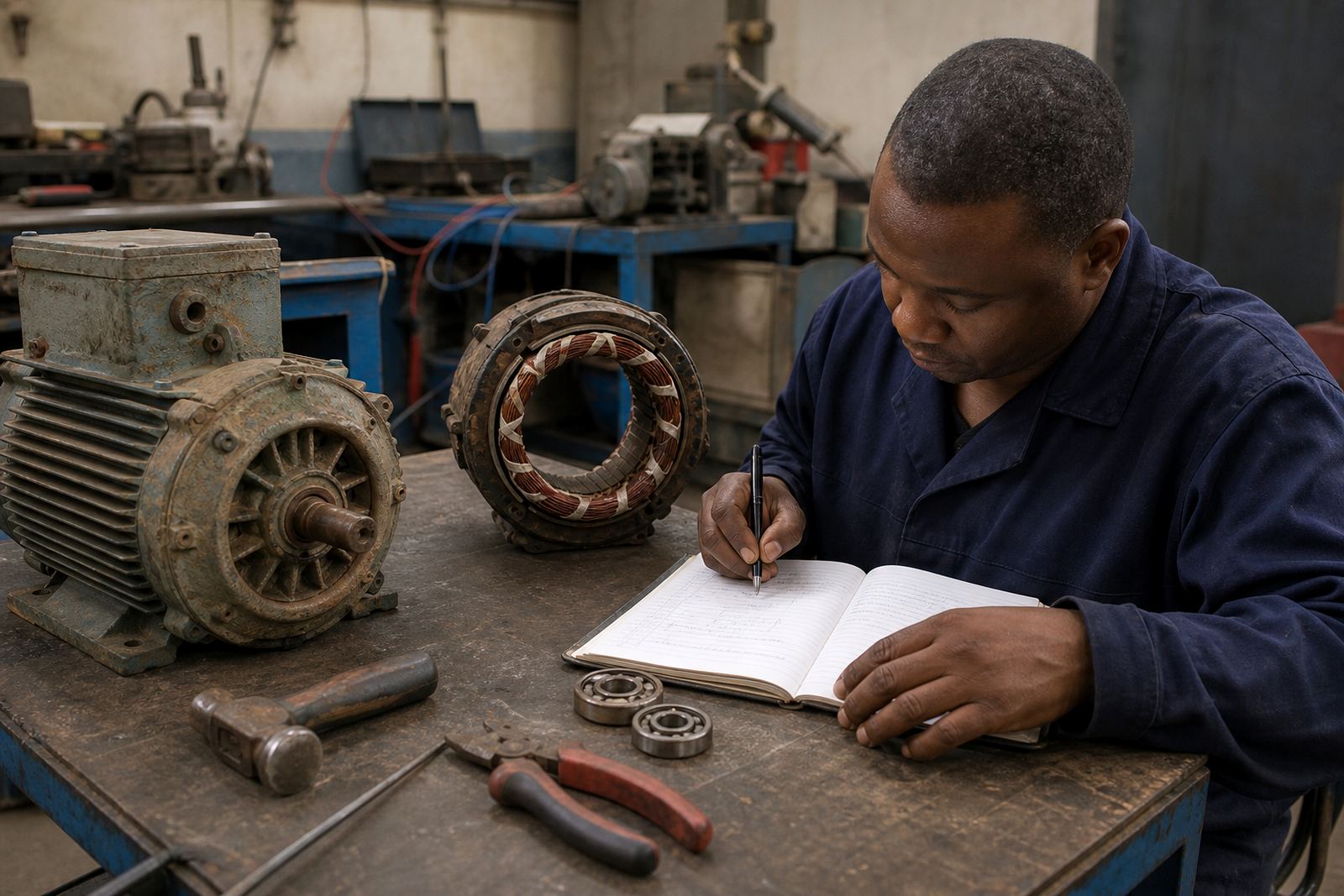
Strip down, marking and inspection of the old winding
Once the motor is in the workshop, the end covers, rotor and stator are removed in a controlled sequence. The old winding is then stripped from the stator core. During this stage, technicians note the wire size, number of turns, coil pattern, slot fill and the way the original winding was connected. That information is needed to reproduce the motor as closely as possible to its original design.
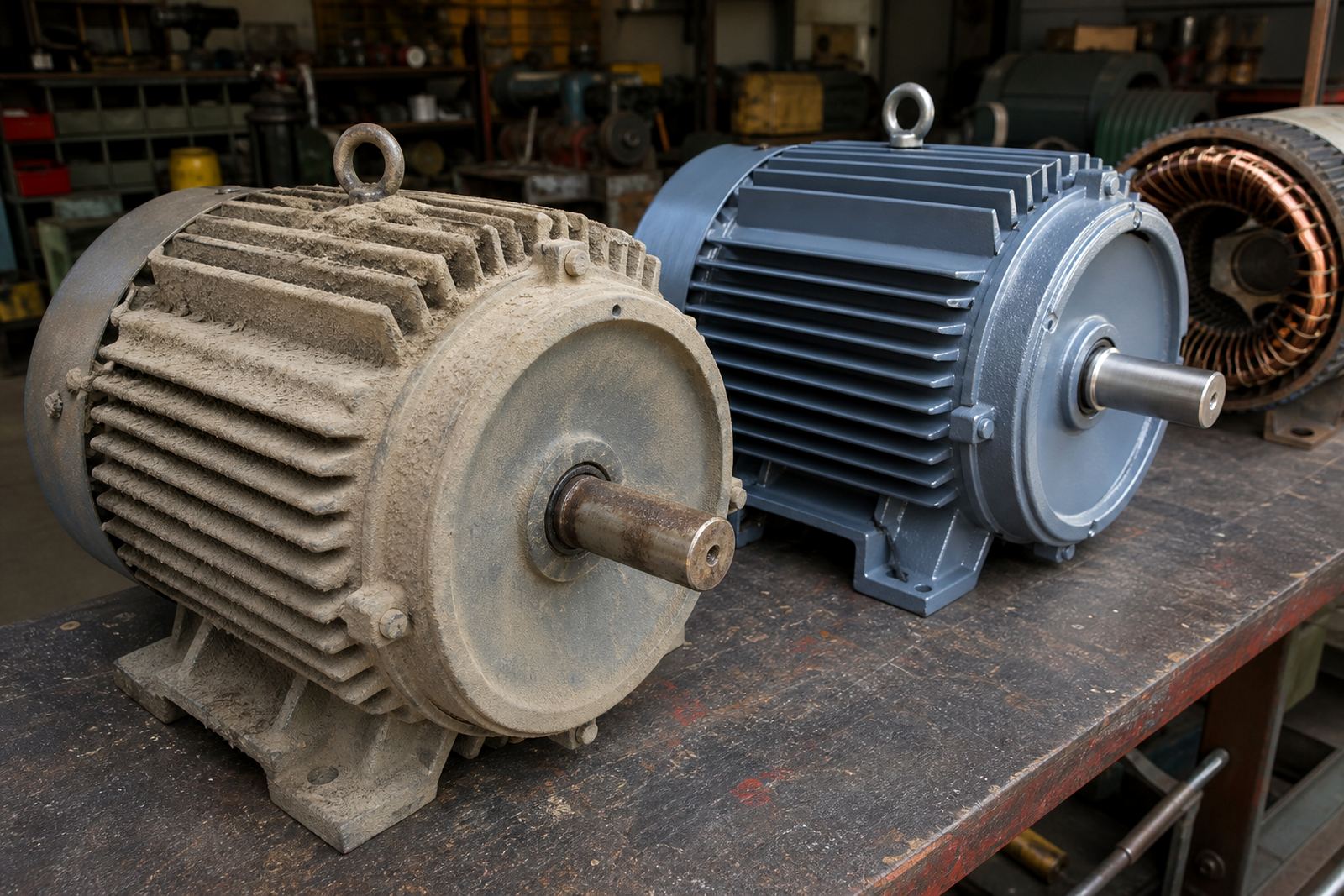
Inspection happens at the same time. The stator core is checked for signs of overheating, rubbing or damage to the laminations. Shaft condition, fan condition, terminal box condition and bearing seats are also reviewed. If the core has been overheated badly, rewinding alone may not be enough.
- Record the winding data before removal
- Check the stator core for hot spots and damage
- Inspect the shaft, housing and end covers
- Look for contamination from dust, oil or moisture
This is also the stage where a bearing check can save time later. A worn bearing may have caused vibration, which can damage the windings and shorten the life of the repair if it is not sorted at the same time.
Coil winding, insulation and slot preparation
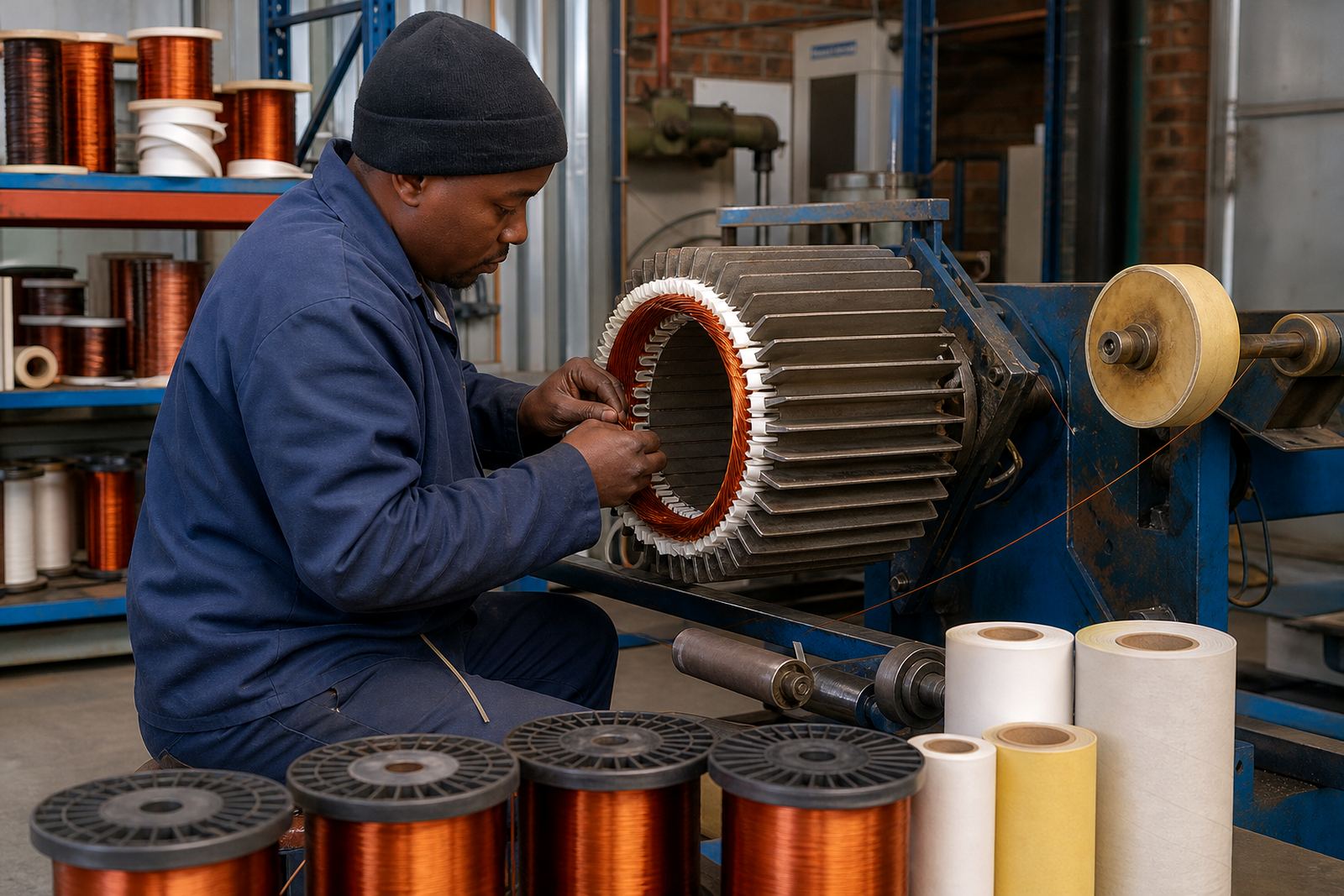
After stripping, the stator slots are cleaned and prepared for the new coils. Old insulation, carbon dust and loose material must be removed so the new winding sits properly and the risk of chafing is reduced. New slot liners and phase insulation are fitted, then the replacement coils are wound to the correct size and shape. Accuracy matters here because a small change can affect current draw, heat build-up and torque.
The winding wire is selected to match the motor specification, and the coils are placed carefully into the stator slots. The connections are then made up in the correct pattern for the motor type and voltage. Once the winding is in place, it is secured and treated so vibration and heat have less chance of breaking it down over time.
Good rewinding work is not only about putting in fresh copper. It is about spacing, insulation quality and neat connections. If the winding is crowded or poorly supported, the motor can run hotter than it should. In a humid coastal setting like Durban, moisture protection becomes even more important because damp air can work into weak insulation over time.
Bearing replacement and mechanical checks before rebuild
Most motor failures do not stop at the windings. Bearings, seals and alignment issues can all contribute to electrical problems. That is why bearing replacement is often part of the rewind process. New bearings are fitted where needed, the housing is cleaned and the shafts are checked for wear or scoring. If the bearing fit is loose or damaged, the repair will not last.
Alignment checks are also important during reassembly. A motor that has been forced out of line by poor mounting or pipe strain can run under extra load, which increases current and heat. In workshops and plant rooms, the surrounding equipment should be checked too. Couplings, base plates and the driven machine need to sit correctly, otherwise the motor may be blamed for a mechanical issue.
- Replace worn bearings with the correct fit and clearance
- Check shaft end play and surface condition
- Inspect seals, housings and retaining parts
- Confirm alignment before commissioning
For shutdown work in Pretoria, Vereeniging or Johannesburg, this stage often links to shutdown planning and spares assessment so the motor can go back with less risk of a repeat breakdown. A quick repair is no use if the same mechanical fault remains on the plant floor.
Insulation testing, varnishing and final electrical checks
Before the motor is closed up, the winding must be tested. Insulation testing helps show whether the new winding is properly isolated from earth and from adjacent phases. This is one of the most important checkpoints in the process because it confirms whether the motor is safe to energise. The exact test methods depend on the motor and its condition, but the goal is always the same: prove the insulation is sound before the unit is returned to service.
After testing, the winding may be varnished or treated to improve insulation strength and help the coils stay in place. The motor is then reassembled, tightened to the correct condition and checked again. Terminal connections are inspected, cable entries are cleaned up and the outer housing is made ready for service. A neat rebuild matters, because loose debris and poor terminations can cause trouble later.
It is good practice to confirm the motor is ready for the actual application, not just that it spins on the bench. That means reviewing the duty, the load and the way the motor will start and stop in daily use.
Testing, drive repair and a Germiston workshop example
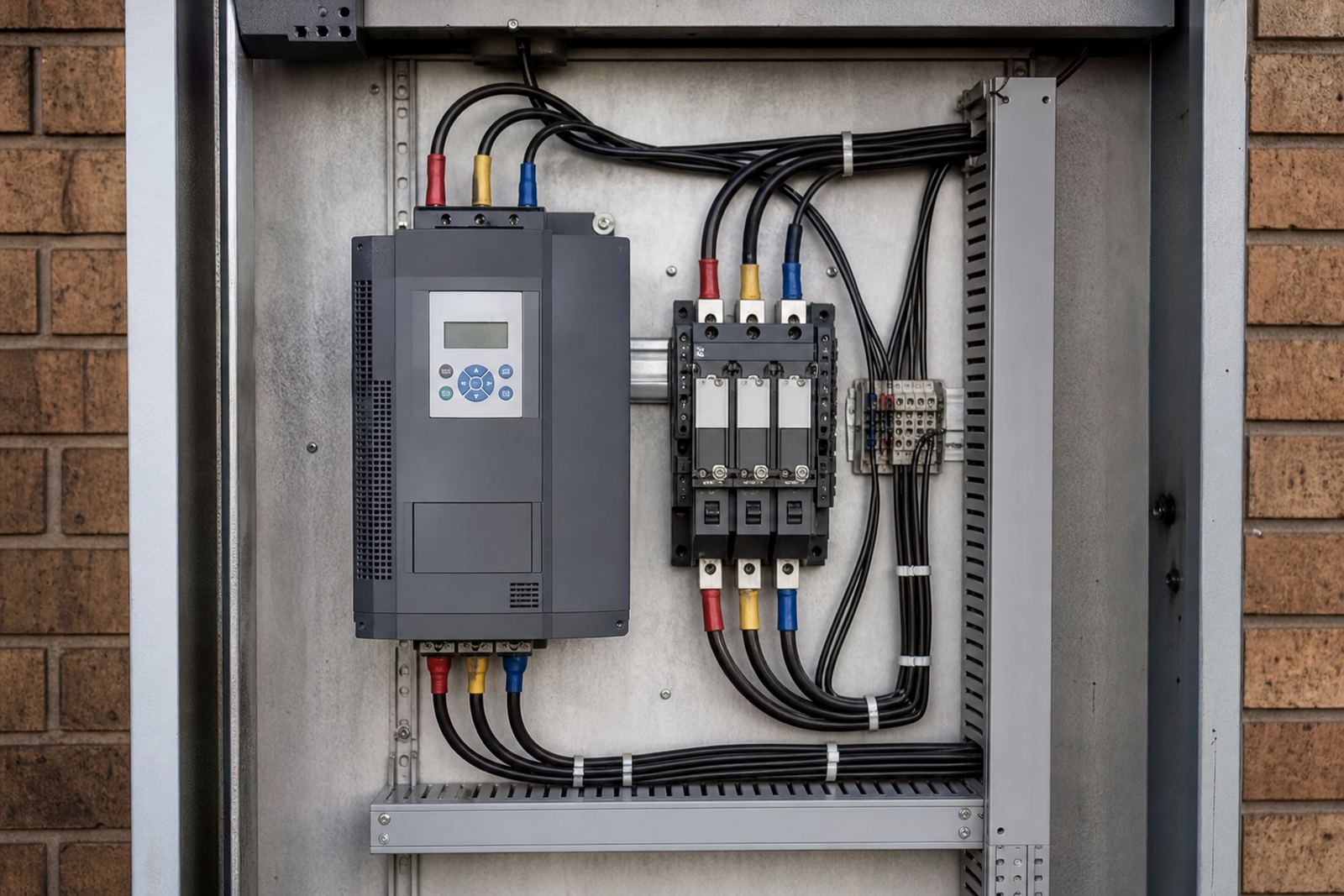
The last stage is testing. The motor is run and checked for current draw, noise, vibration and direction of rotation. If the machine uses a variable speed drive, the drive should be inspected as well, because drive faults can mimic motor faults. In many plants, the issue is a mix of the two. A damaged drive output, poor cable condition or dirty panel can affect the motor even when the winding itself is fine.
Drive repair work usually includes inspection of power sections, control boards, cooling parts and terminals, along with panel cleaning and cable checks. Where needed, commissioning support can help confirm the motor and drive are starting correctly after the repair. If the system is being brought back after a planned shutdown, it also helps to review site reporting and any follow-up work needed on the installation.
A typical local example is a factory in Germiston that calls in after a press motor keeps tripping during start-up. The fault may begin with overheating, but the real cause could be worn bearings, a damaged winding and a drive setting that is not suited to the load. When the process is handled properly, each part is checked in order, not guessed at. That saves time and helps the motor return to service with less chance of another stoppage.
For plants and workshops across Gauteng and beyond, the main lesson is simple: a proper rewind is a step-by-step repair, not a rush job. From strip to test, each stage protects the next one.