Why terminal faults matter on motors and drives
Terminal faults are easy to miss at first. A lug may be slightly loose, a cable may have heat damage, or an old connection may have corrosion from moisture and dust. In a motor or drive circuit that small fault can add resistance, build heat and upset the way the equipment starts and runs.
On a site in Germiston or Boksburg, a terminal problem often shows up during a busy shift rather than during a quiet inspection. That is when operators notice a motor taking longer to start, a breaker tripping without warning, or a drive showing an overcurrent or undervoltage fault. These signs do not always mean the motor has failed. Sometimes the trouble is right at the termination point.
Electrical work must be done by qualified people only, with proper lockout procedures in place before any cover is opened or conductor touched. A terminal box or drive panel can still hold dangerous energy after the machine is switched off.
Common signs of a bad termination
Terminal faults usually leave clues. Some are visible, others need testing. A careful inspection can save a motor from further damage and can also protect a variable speed drive from repeated faults.
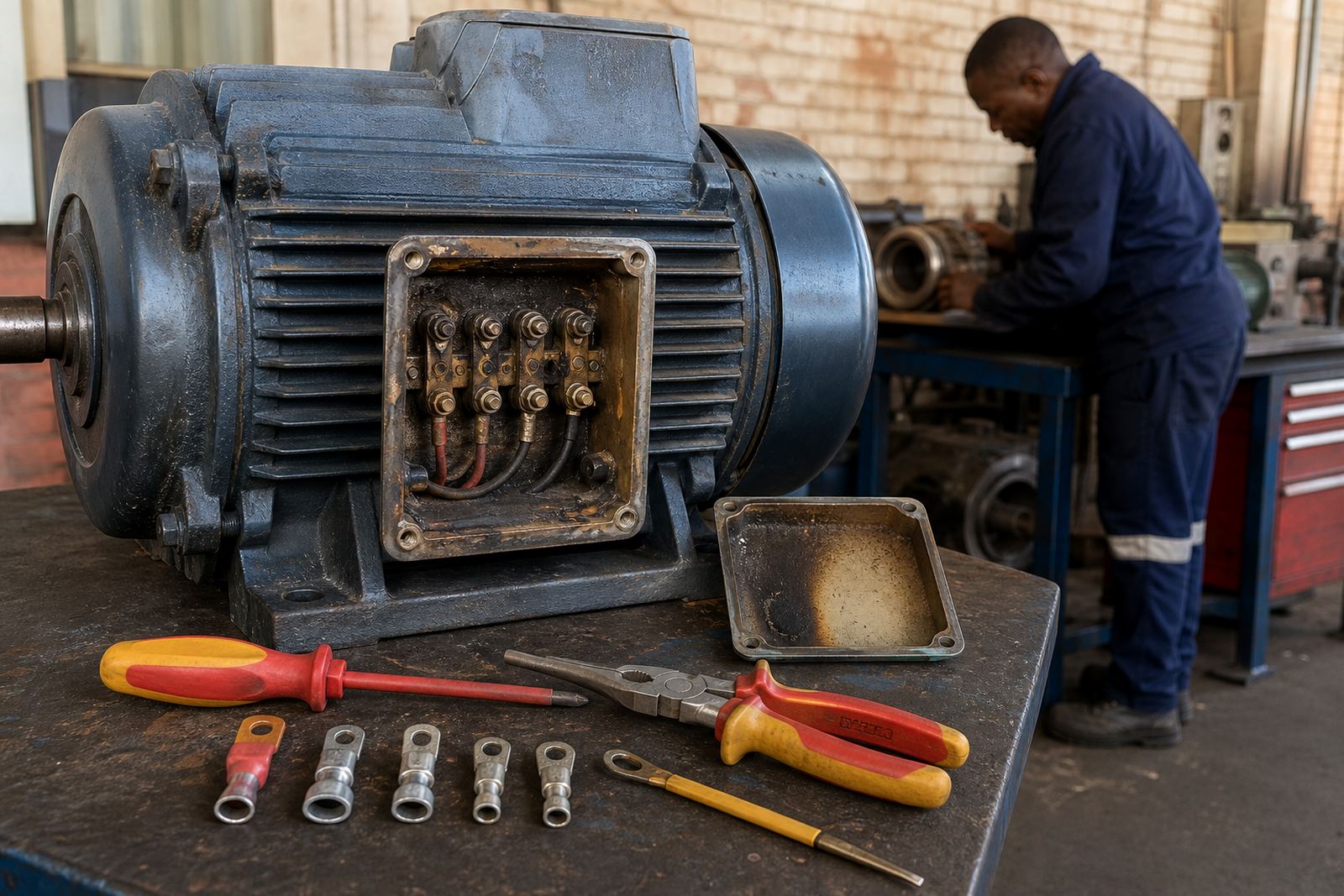
- Darkened or melted insulation around a terminal
- Loose lugs, damaged screws or a conductor that can move by hand
- Scorch marks, smell of burnt varnish, or a warm terminal box after running
- Intermittent starting, especially after a short stop
- Nuisance tripping on overloads, drives or breakers
- Erratic speed control or a motor that hums without proper acceleration
If the machine works again after a tap on the cable or a wiggle at the terminal box, that is not a fix. It usually means the connection is already failing and is likely to get worse under load.
What causes terminal faults in local plants and workshops
In South African conditions, terminals face heat, vibration, dust and sometimes coastal humidity on equipment that moves between inland and coastal sites. A motor on a pump, conveyor or compressor can loosen over time if the terminal screws were not tightened correctly, or if the cable is vibrating from poor support.
Common causes include:
- Incorrect tightening torque on lugs and terminal screws
- Oxidised copper or aluminium conductors
- Heat damage from overloads or poor ventilation
- Water ingress from a missing gland or cracked cover
- Incorrect conductor size for the current draw
- Poor crimping or damaged cable ends
In some cases the fault starts outside the motor itself. A loose panel termination, a damaged contactor, or a tired drive output connection can create the same symptoms. That is why terminal checks should be part of a full motor and drive inspection, not a quick look at the motor only.
How terminal faults affect rewound motors and drives
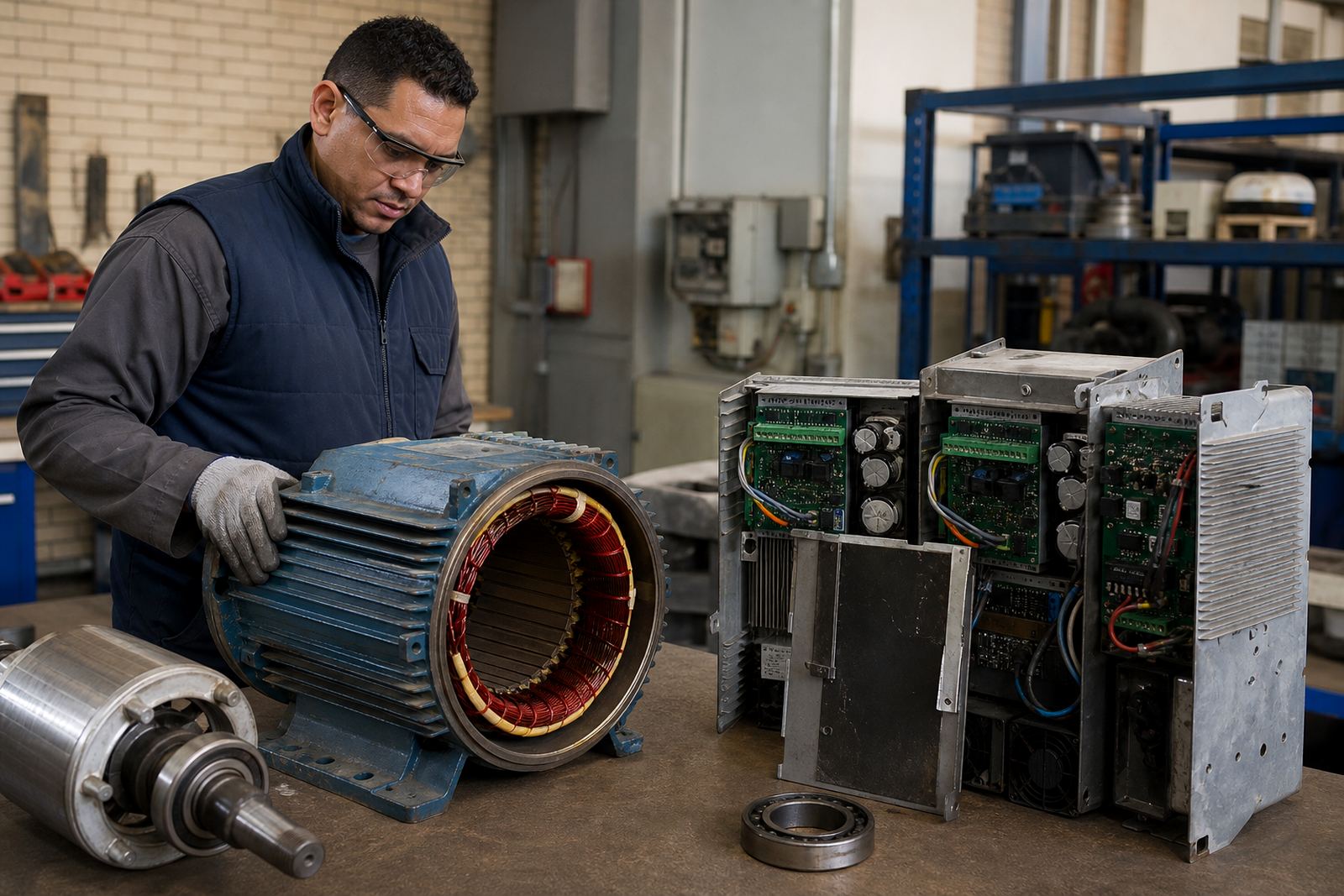
A rewound motor still depends on clean, secure terminations. If a connection is loose, the winding may run hotter than it should. Heat breaks down insulation over time and can shorten the life of the rewind. The same applies after bearing replacement or alignment work if the motor is then left with a poor electrical connection.
Variable speed drives are also sensitive to terminal condition. A bad output connection can create unstable current, false faults and stress on the drive electronics. If the drive is used to start a motor on a plant with frequent load changes, a weak terminal can show up as poor acceleration or repeated trips during start-up. That kind of fault often gets blamed on the motor when the real issue is at the termination point.
At shutdowns in Pretoria or Vereeniging, technicians may find a motor that is mechanically sound but electrically unstable because one terminal has overheated. Fixing that early is far cheaper than replacing a winding or a drive board later.
What a proper inspection should include
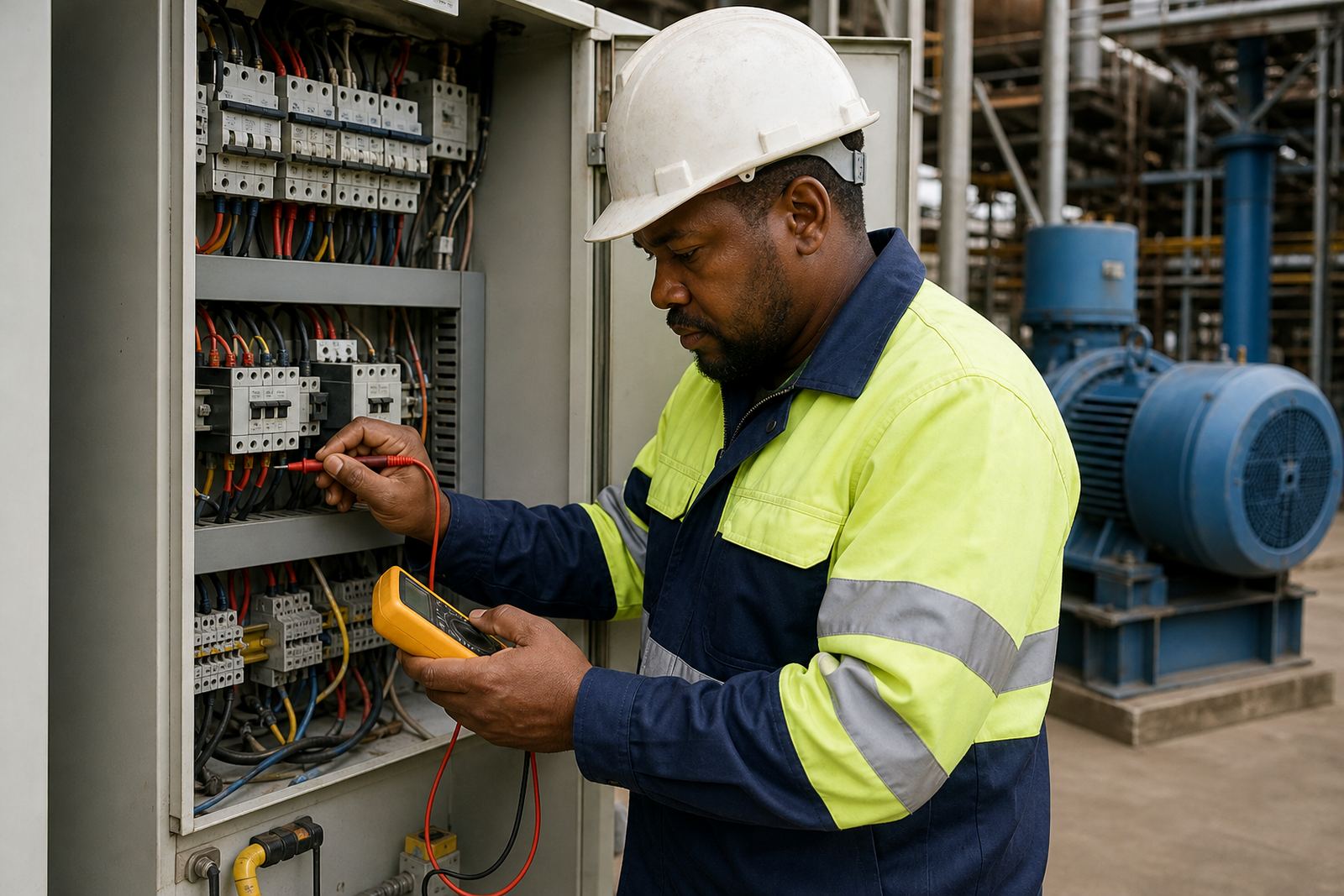
A thorough terminal inspection is more than a glance at the box. It should include safe isolation, lockout, visual checks, testing and a close look at the condition of the conductors and insulation.
- Verify isolation and apply lockout before opening the enclosure
- Check terminal tightness and signs of arcing or heat
- Inspect cable glands, ferrules and lugs for damage
- Test insulation resistance where appropriate
- Confirm correct phase sequence and motor rotation after reconnection
- Review panel cleanliness, dust build-up and moisture entry points
When a terminal has overheated, the surrounding insulation may also be weakened. That is why simple tightening is not always enough. The damaged end may need to be cut back, re-terminated and tested again before the motor is returned to service.
A Germiston example from a working line
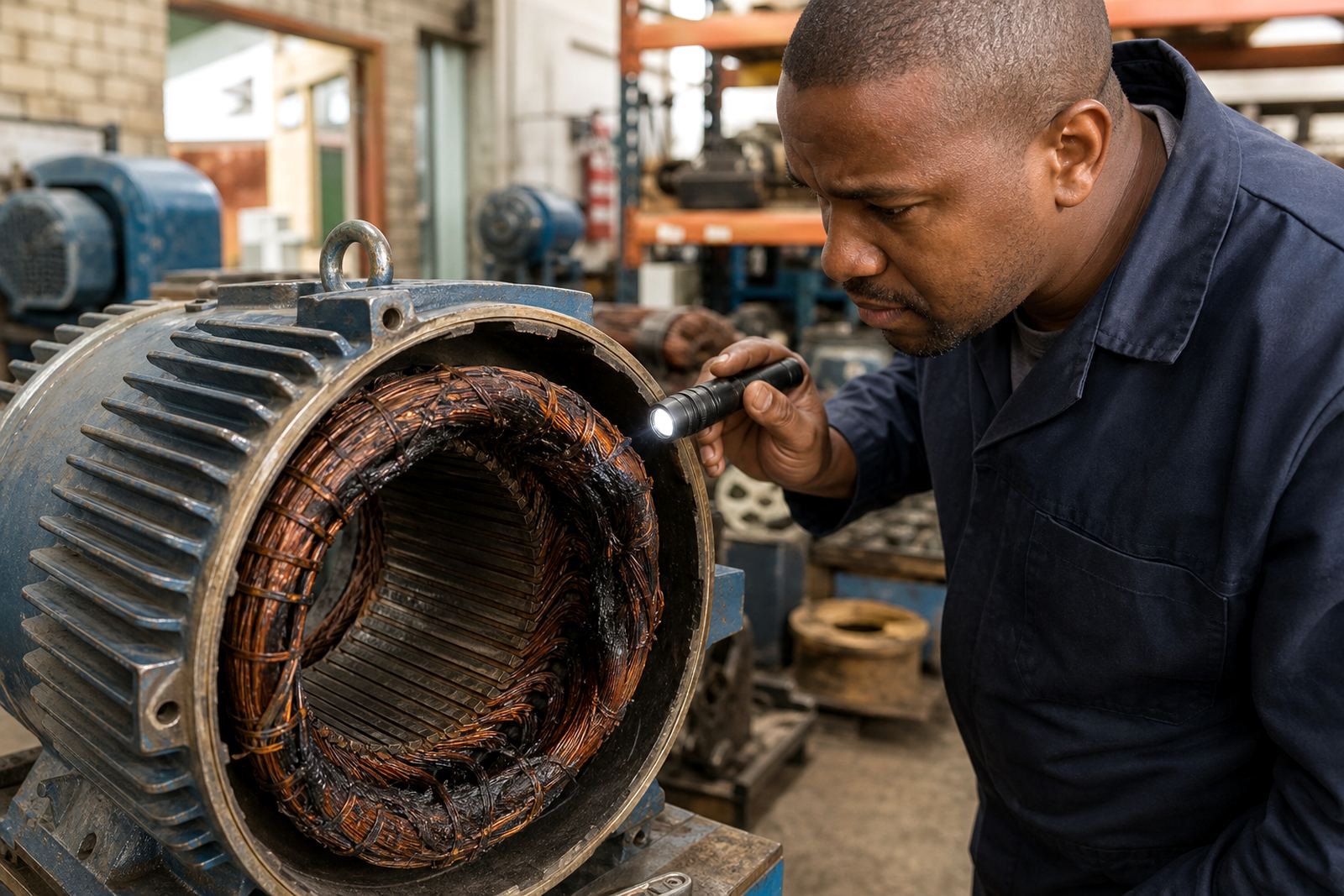
On a Germiston site with a conveyor motor feeding a production line, the operator reported random trips and slow starts after lunch breaks. The motor had already been checked once and the starter looked normal. When the termination box was opened under lockout, one phase connection showed heat discolouration and the lug could be turned slightly by hand. The cable end had also darkened from repeated heating.
After the damaged section was re-terminated, the insulation was checked, the motor was run up again and the load was monitored. The trips stopped and the start became steady. It was a simple fault, but it had been wasting time on the line for days. This is common on older plant where vibration and dust can work on a connection slowly, especially if the area sees load-shedding changes or repeated restarts.
That is why site reporting matters. A clear note on what failed, where it failed and what was done helps the maintenance team decide whether to inspect other motors on the same panel or circuit.
When to call in a motor and drive repair team
If a terminal has burnt, if the motor keeps tripping after a repair, or if a drive shows recurring output faults, it is time for a proper diagnosis. Repeated reset attempts can make a small issue into a bigger one. In many cases, the best next step is a full check that covers motor removal if needed, bearing checks, insulation testing, drive inspection, cable checks and panel cleaning.
Locor works from Germiston and supports plants and workshops across Johannesburg, Ekurhuleni, Pretoria, Vereeniging and Durban. The team handles fault finding, commissioning support, shutdown planning and spares assessment so the right fix is made the first time. If your motor or drive is showing heat, noise, nuisance trips or unreliable starts, it is worth getting the terminals checked before more damage sets in.
For enquiries, use the form on the contact page and we will take it from there.