
Why the nameplate matters before any repair
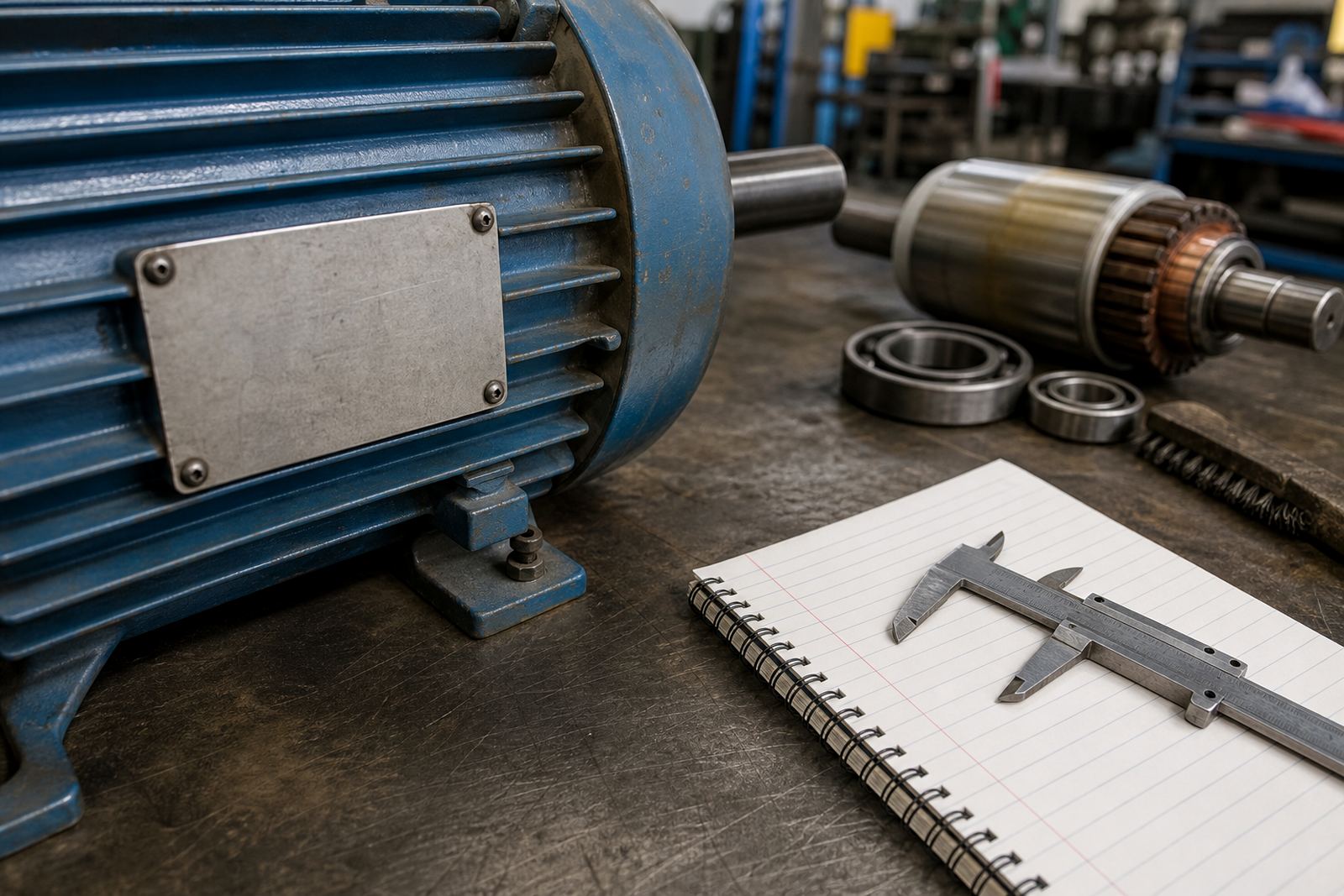
Before a technician strips a motor down, the nameplate gives the first set of checks. It tells you what the motor was built to do, how it should be connected, and what limits apply when it is put back into service. That saves time in the workshop and helps avoid guesswork on site.
In Germiston and the wider Gauteng industrial belt, we see motors from pumps, conveyors, compressors and mixers where the original plate is still readable even though the machine has been in service for years. The challenge is not seeing the plate, it is understanding the details in context. A motor that runs a light duty fan is not treated the same as one driving a loaded conveyor in a hot plant, especially when load-shedding, dust and uneven power quality are part of daily life.
The main details technicians check first
Some figures on a motor plate matter more than others when deciding on rewinding, bearing replacement or a replacement unit. The usual starting point includes:
- Rated voltage and supply phase
- Full-load current
- Frequency in hertz
- Speed in r/min or rpm
- Power rating in kW or HP
- Duty type, such as continuous or intermittent operation
- Insulation class and temperature rise
- Connection details for star or delta operation
- Frame size and mounting arrangement
These details help compare the motor against the actual supply and the load it is carrying. If the plate shows one connection and the site uses another, the motor can run outside its intended range. That often leads to overheating, weak torque or a drive that keeps faulting out.
How voltage, current and frequency affect performance
Voltage and frequency are usually read together. A motor marked for 400 V at 50 Hz is expected to work within that supply range. If the supply is low, the current can rise and the motor may run hotter. If a variable speed drive is used, the technician needs to check whether the motor is suitable for inverter duty and whether the cooling remains adequate at low speed.
In practice, this matters on sites around Ekurhuleni, Pretoria and Durban where motors may be used with long cable runs, start-stop cycling or drive control. A motor may appear fine at no load, then trip once the process starts. That is why reading the plate is only one part of the job, not the whole answer.
- Low voltage can increase current draw
- Incorrect frequency changes speed and torque
- Extended low-speed running can reduce cooling
- Drive settings must match the motor plate data
Duty rating and insulation class are not small print
Duty rating shows how the motor is meant to operate. A continuous-duty motor can run for long periods under normal conditions, while an intermittent-duty motor is designed for breaks in use. If the application has changed over time, the plate may no longer match the work being done. That is common on modified plants, upgraded conveyors and older workshop equipment.
Insulation class is equally important. It gives a guide to the heat the winding system can handle. During rewinding, the technician must select the correct wire size, insulation materials and varnish system to suit the motor’s design. A rushed rewind that ignores these details can shorten the life of the machine, even if it starts up on the day. That sort of shortcut is not worth the risk.
What to do when the nameplate is worn or missing
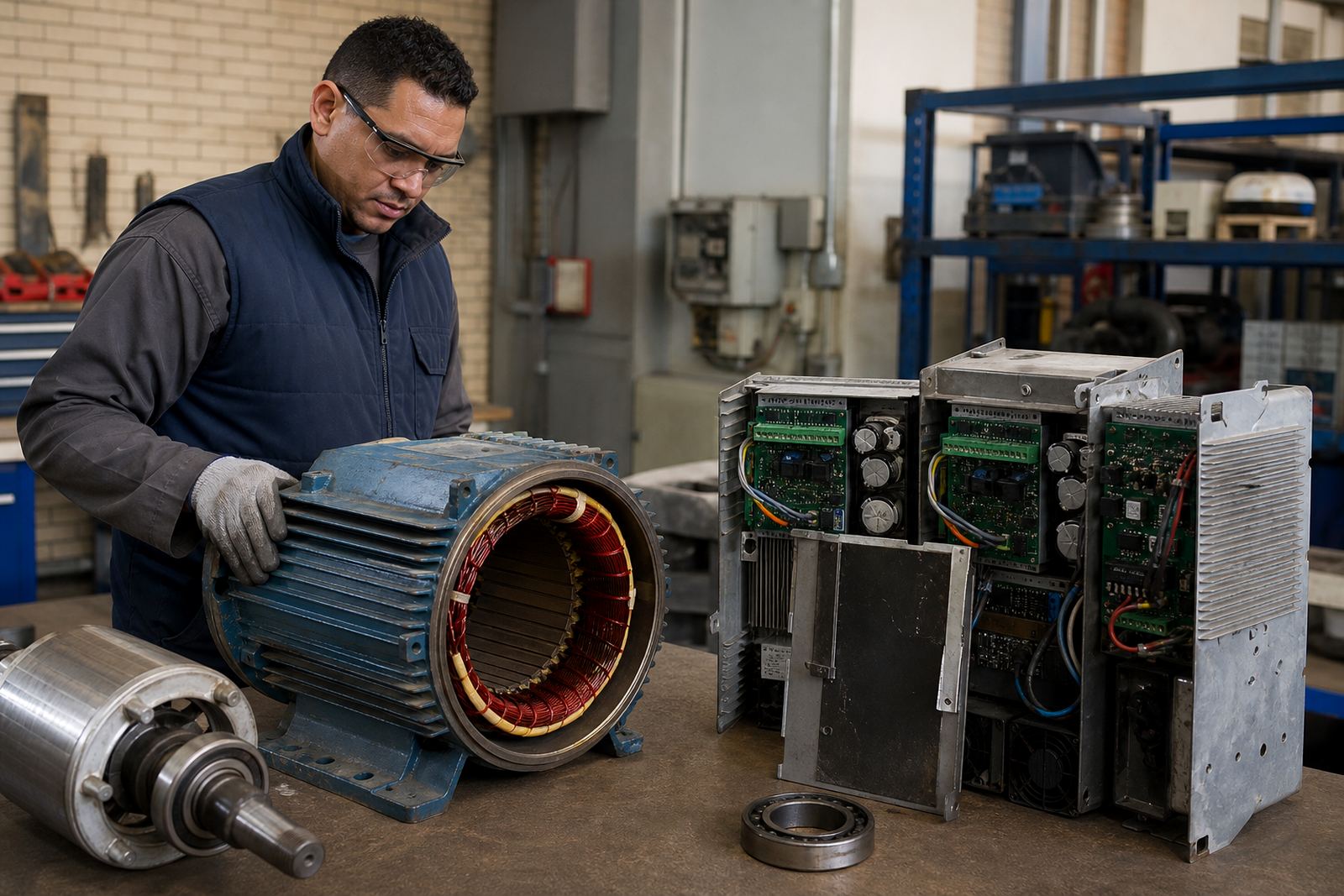
Many motors arrive with paint over the plate, corrosion from coastal humidity, or a label that has been scraped away during previous repairs. In those cases, a technician must work from the remaining evidence on the motor and from measurements taken during inspection. Frame size, shaft diameter, bearing numbers, winding data and connection boxes can all help narrow down the correct specification.
For workshop and plant teams in Germiston, Boksburg and Kempton Park, this is where careful fault finding matters. If the plate cannot be read properly, do not assume the last setting was correct. Use the available data, record it clearly and compare it against the actual duty before any rewind or drive repair is approved.
- Photograph the plate before cleaning it
- Record every visible figure and marking
- Check the terminal box for connection evidence
- Measure bearing numbers and shaft details
- Keep site notes for future maintenance
Why qualified people and lockout steps matter
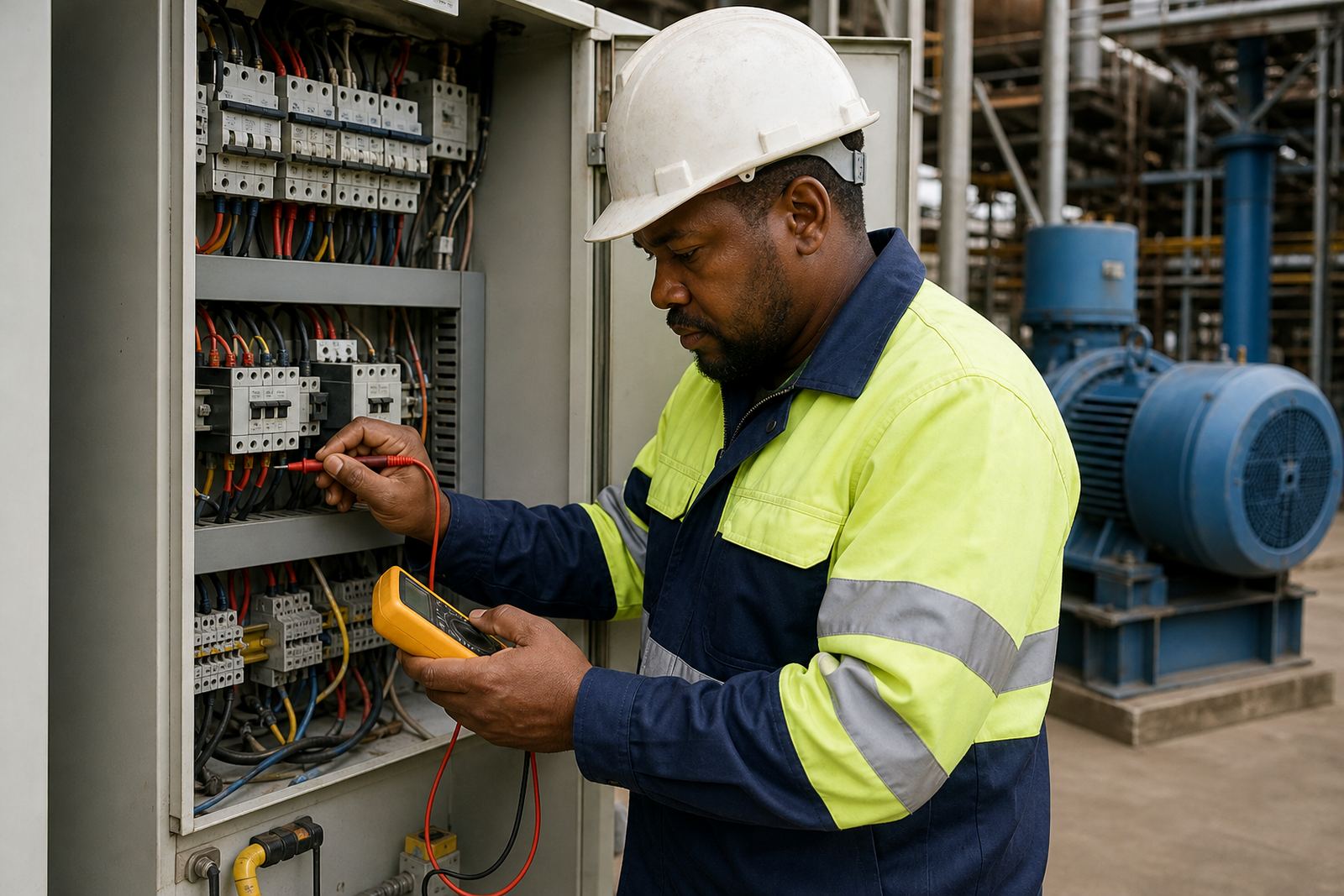
Electrical work must be done by qualified people using proper lockout procedures. That applies to motor removal, insulation testing, drive inspection, panel cleaning and commissioning support. A motor that looks isolated may still hold stored energy, and a drive can retain dangerous charge after shutdown. Lockout, test for dead and controlled re-energising are part of safe practice, not optional extras.
At Locor in Germiston, this approach supports the whole repair process, from bearing checks and alignment checks through to spares assessment and site reporting. If a client in Johannesburg or Vereeniging sends through nameplate photos on the enquiry form, the team can use the data to plan the right steps before the unit comes off the line. It saves time and reduces avoidable mistakes, especially during shutdown work when every hour counts.
A practical example from a Gauteng workshop
A workshop in Pretoria may bring in a conveyor motor that keeps tripping after a drive installation. The plate shows 400 V, 50 Hz, 7.5 kW, with a specific duty and insulation class. The motor casing looks sound, but the bearings are noisy and the winding insulation tests low after years of heat and dust. Once the nameplate data is matched to the actual use, the technician can judge whether the motor needs a full rewind, bearing replacement, drive parameter review or a combination of all three.
That is the value of reading the plate properly. It gives the repair team a clear starting point and helps the plant get back to steady running. In industrial work, small details on a metal tag can make a big difference when the machine is under load and the shift is already behind schedule.