

Start With The Failure, Not The Price Tag
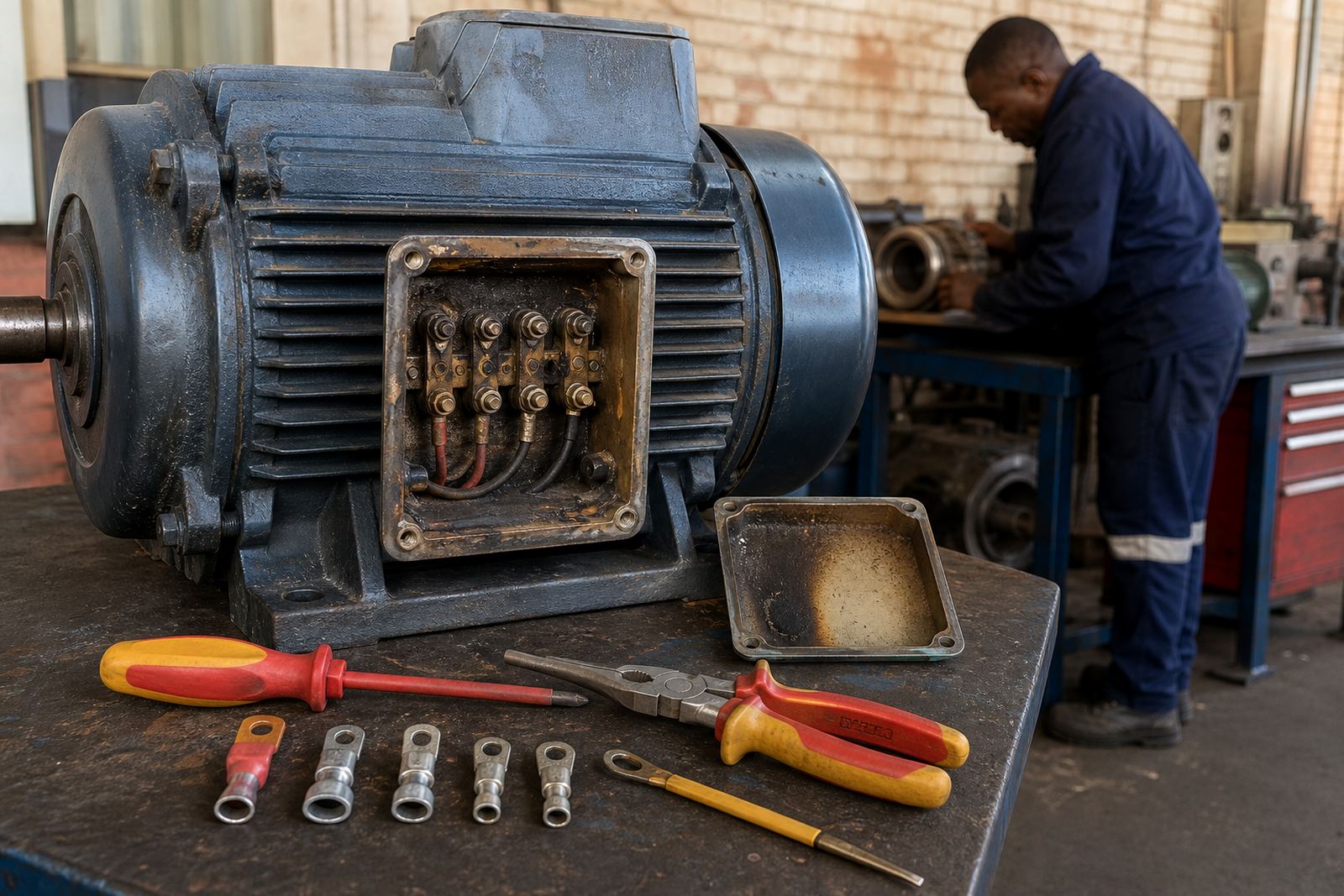
A motor that trips once after a loose connection is a different matter from one that has burnt windings, damaged bearings and water ingress. Before anyone commits to rewinding or replacement, the fault should be checked properly by qualified electrical people using lockout procedures and safe isolation. That is not paperwork for the sake of it, it is how you prevent injury and avoid making a bad call on a motor that was still recoverable.
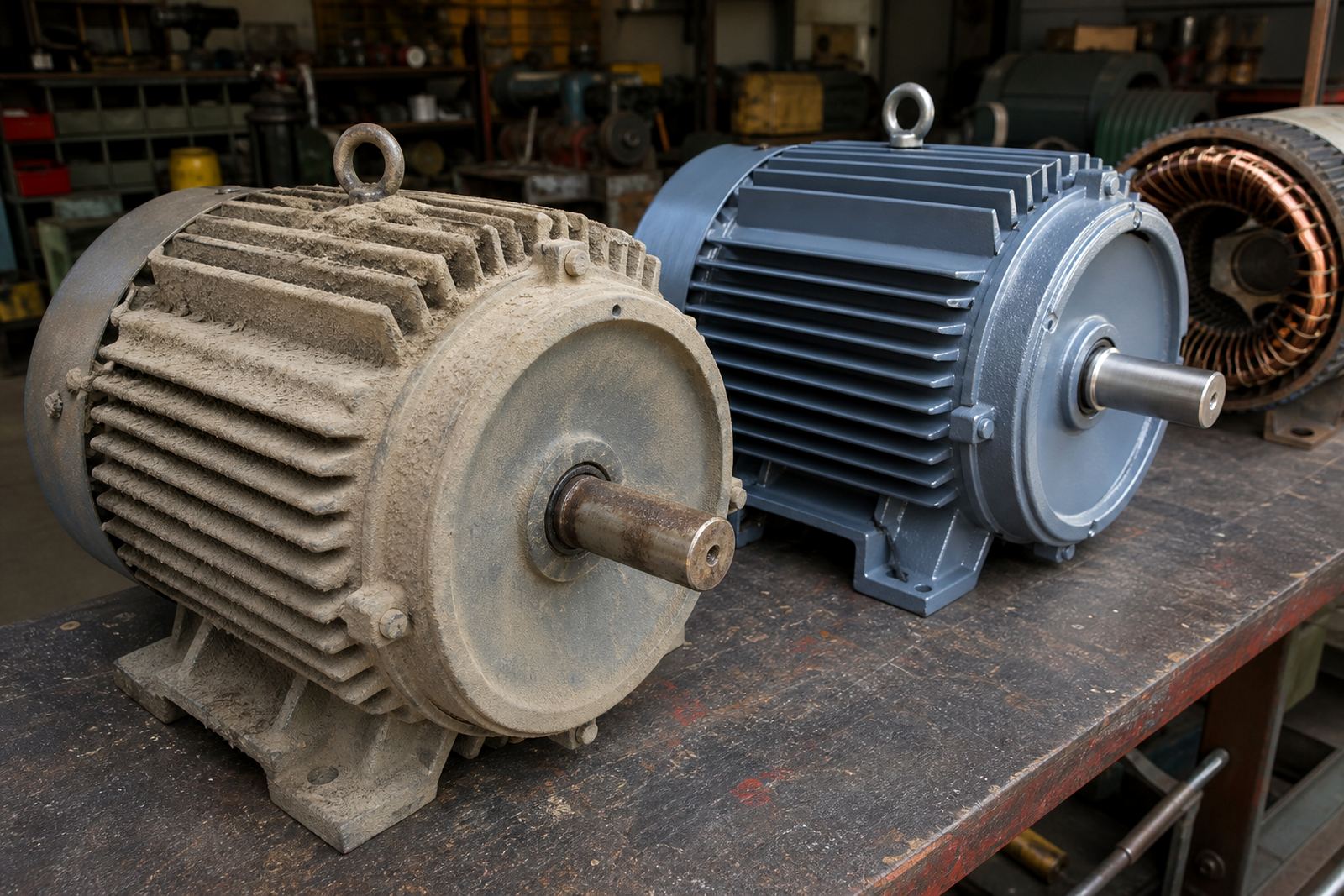
In practice, the decision starts with the condition of the frame, shaft, bearings, terminals and core. If the body is sound and the damage is mainly electrical, rewinding may be the sensible route. If the housing is cracked, the shaft is badly worn, or corrosion has spread into multiple parts, replacement can be more practical. The real question is how much life is left in the unit once it has been put back into service.
When Rewinding Usually Makes Sense
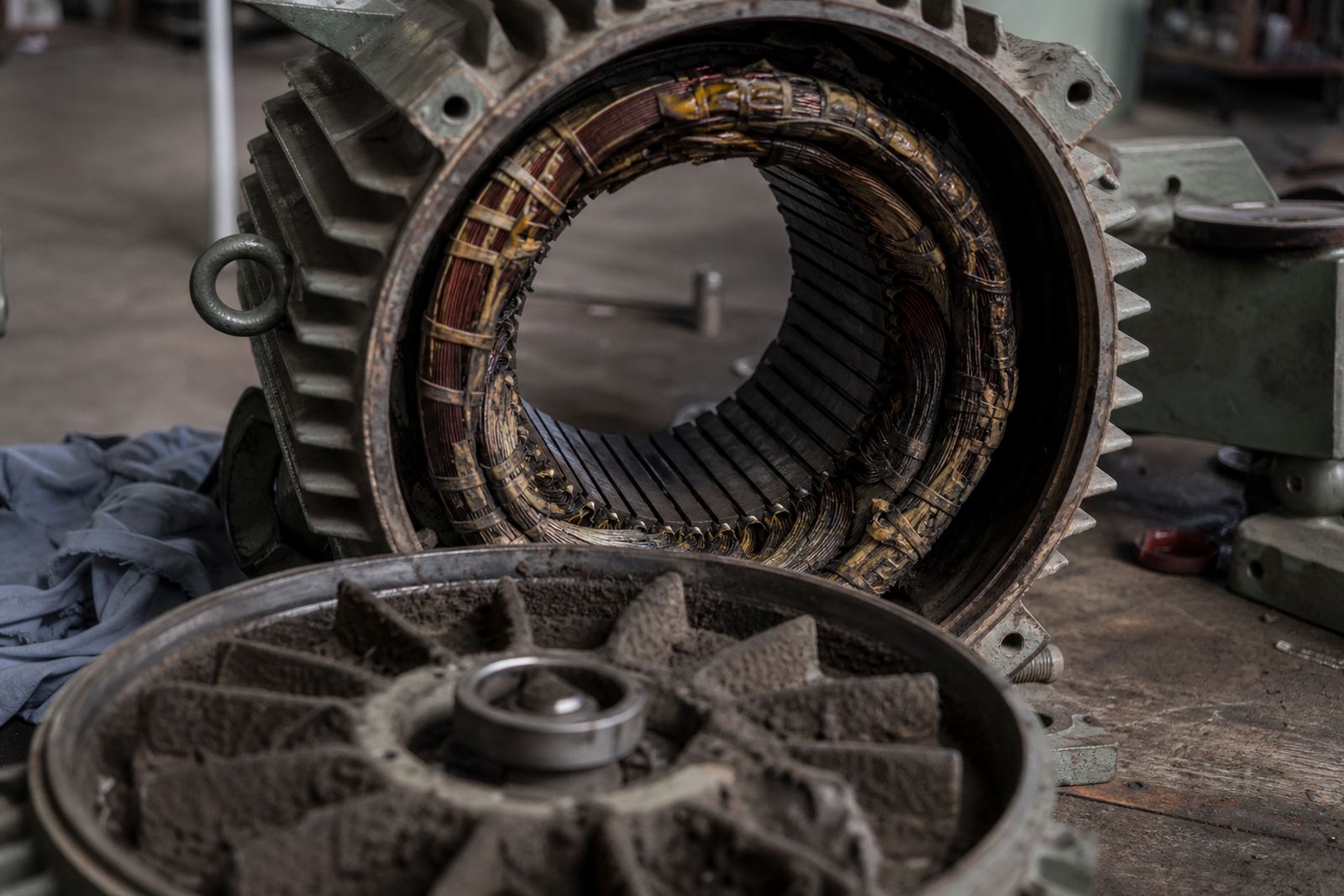
Rewinding is often the better option when the motor is a special size, fits a fixed footprint, or is tied into production equipment that would need mechanical changes for a substitute unit. It can also make sense when the failure is limited to the windings and the rest of the motor is still in usable condition. A proper rewind is more than replacing copper. It includes stripping, cleaning, inspection, insulation work and testing before the motor goes back on line.
- The frame and shaft are still serviceable
- Bearings can be replaced without major machining
- The winding data can be recovered or verified
- The motor suits a machine with little room for changes
- Replacement would mean adapting mounts, couplings or cable routes
For plants in Germiston, Boksburg and Kempton Park, this often comes up with conveyors, pumps, fans and older process machines that still do useful work every day. A rewound motor can give good service, provided the original fault is properly identified and the repair is done to a consistent standard.
When Replacement Is The Better Business Call
Sometimes the honest answer is to replace the motor rather than spend money trying to save it. That happens when the core has been overheated, the windings have failed repeatedly, or the bearings have run hot long enough to damage the shaft and end shields. It can also happen when the motor is outdated and spares are hard to source, making future support uncertain. A replacement may cost more at the start but save repeated shutdowns later.
Replacement planning is especially important where a single motor failure stops a whole line. In those cases, the cost of the motor itself is only part of the picture. You also need to think about lost production, crane time, electrician time, and whether the new unit can match the load and operating conditions. In coastal areas like Durban, humidity and salt exposure can also influence the decision, because the replacement should be suitable for the environment and protected properly.
- Repeated winding failures point to a deeper issue
- Severe bearing damage can spread into the shaft and frame
- Old or uncommon units may be difficult to support later
- The plant may benefit from a more efficient size or duty rating
- Downtime cost may outweigh repair savings
Testing And Inspection Help You Avoid Guesswork
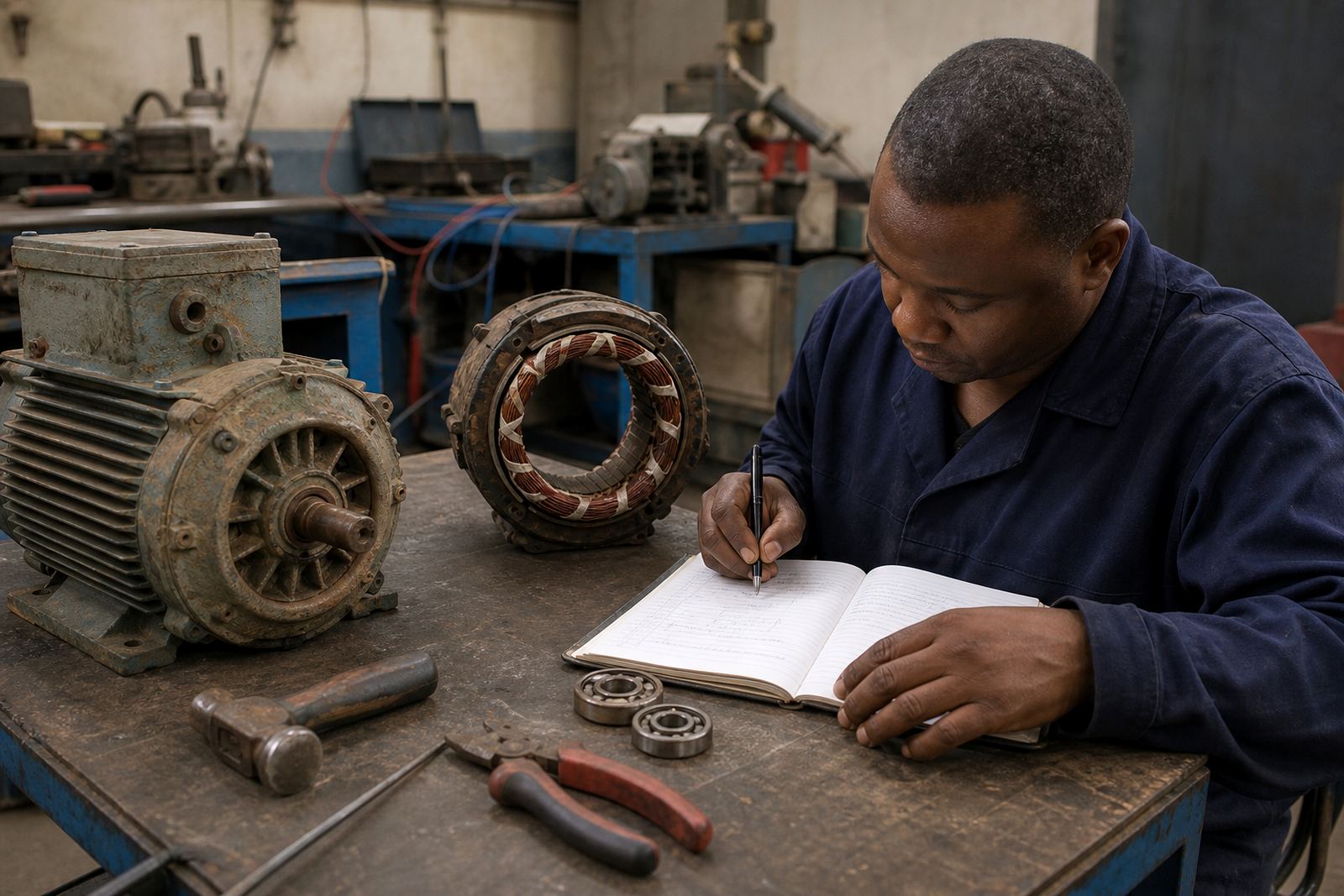
A good rewind decision depends on proper checks, not assumptions. Insulation testing can show whether the windings are still sound or whether moisture, heat or contamination has broken down the insulation system. Bearing checks show whether mechanical wear has started to affect the running condition. Alignment checks and cable checks help confirm whether the original failure came from the motor itself or from the installation around it.
At a practical level, the inspection should cover the terminal box, connections, cooling passages, frame condition and evidence of overheating. If a motor failed after a load-shedding start-up event or an unstable supply situation, the drive and control side may also need attention. That is why panel cleaning, drive inspection and site reporting matter as part of the bigger repair picture. One bad connection can mimic a much larger fault.
Qualified technicians also look at the machine the motor drives. A pump with blocked strainers, an overloaded fan or a conveyor with seized rollers can keep stressing the motor until it fails again. If the root cause is not corrected, even a well done rewind will only buy limited time.
Variable Speed Drives Change The Decision
Where a motor is controlled by a variable speed drive, the drive and motor should be considered together. A drive fault may look like a motor problem, and a motor fault can be made worse by incorrect settings, poor cabling or contamination inside the panel. Before deciding to replace either unit, inspection should include the drive, its cooling, the cabling and the motor insulation condition.
For workshops and production sites across Johannesburg, Pretoria and Vereeniging, drive repair can sometimes restore equipment at a lower cost than changing the whole control package. But if the drive has suffered repeated failures, if the panel is dusty or damp, or if the motor has been stressed by poor commissioning, the better move may be a full corrective plan that includes rewinding, repair and testing together.
- Check whether the fault is in the drive, motor or installation
- Look for heat, dust and moisture inside panels
- Confirm the motor insulation can handle the drive output
- Review commissioning settings before returning to service
- Make sure the cable routing and earthing are sound
A Germiston Example: Choosing The Least Risky Option
Consider a packaging line in Germiston that keeps stopping during afternoon shifts. The motor has tripped twice, the bearing noise has worsened and the starter panel shows heat marks on one contact point. A quick replacement might seem easiest, but without testing it could miss the real cause. After lockout, inspection shows the windings are still recoverable, the frame is sound and the bearings are worn but not beyond repair. In that case, a rewind with bearing replacement and alignment checks may be the most sensible route.
On another site, the same size motor may be badly corroded from washdown conditions, with the shaft pitted and the terminals damaged. There, replacement is the cleaner answer. This is why replacement planning should be based on actual condition, duty and downtime risk not guesswork. A practical decision saves time, avoids repeat failures and helps maintenance teams plan the next shutdown with fewer surprises.
For businesses serving the Gauteng corridor and further afield, the best outcome is usually the one that keeps the machine safe, reliable and fit for the work it still has to do. That may be a rewind, or it may be a replacement. The point is to choose before the failure turns into a bigger stoppage.