

Why motor size matters more than nameplate power
Motor sizing is not just about matching kilowatts or horsepower on a label. The load type, starting torque, duty cycle, ambient temperature, mounting method and gearbox arrangement all affect whether a motor will perform as expected. In many Gauteng plants, a motor that looked suitable on paper ends up running hot because the actual application places more strain on it than the original design allowed for.
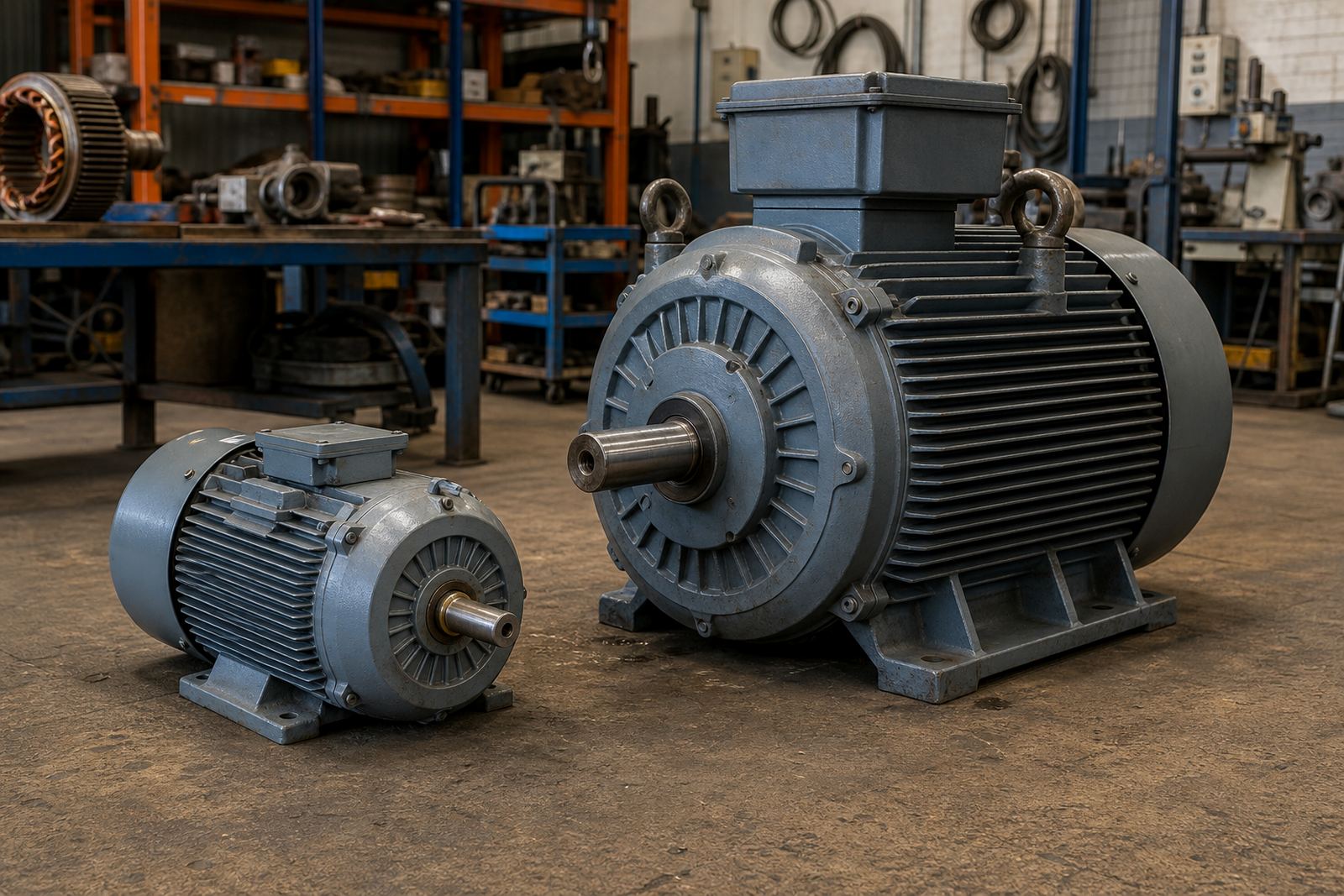
A common mistake is to replace a failed motor with the nearest available size and hope it will work. That can lead to repeated trips, low speed under load, poor conveyor movement or excessive current. The opposite problem happens too. An oversized motor may seem like a safe choice, but if it is not matched properly to the driven equipment, it can create mechanical stress, inefficient running and starting issues.
For workshops in Germiston and Ekurhuleni, the lesson is simple: the motor must suit the machine, not just the socket or the old frame size.
What happens when a motor is undersized
An undersized motor is one of the most common causes of recurring breakdowns. It works harder than it should, draws higher current and builds heat faster. Over time, that heat affects the windings, bearings and insulation system. In some cases the motor may run for weeks with no obvious problem until load increases, ambient heat rises, or a long shift pushes it past its limit.
On production lines, undersizing often shows up as slow starts, frequent tripping on overload protection, reduced output and a burnt smell from the motor housing. In humid coastal conditions such as Durban, the extra heat can combine with moisture and dust to make insulation trouble worse. On sites with poor ventilation or during summer shutdowns when machines are packed close together, the problem can become worse still.
- Higher running temperature and current draw
- Reduced torque at start up
- Premature insulation breakdown
- Bearing wear caused by long, stressed running hours
- Unplanned stoppages when protection devices trip
The hidden trouble with oversizing
Many people assume that a bigger motor is always better. In practice, oversizing can create a different set of problems. A motor that is far larger than the load may run below its efficient range, especially where a variable speed drive is involved. That can cause poor control, unstable operation at low speeds and unnecessary power use. It may also place extra stress on couplings, belts, gearboxes and bearings if the machine starts more sharply than the driven equipment was designed to handle.
Another risk is that oversizing can hide the real fault. If a machine has a mechanical issue, such as binding bearings, misalignment or a blocked conveyor, fitting a larger motor may get it moving again without solving the cause. The result is a short term fix that turns into a larger repair bill later.
Good sizing means asking what the machine needs during start up, normal running and peak load. It also means checking whether the motor will be used with direct online starting, a soft starter or a drive.
The checks that should happen before a replacement
When Locor assesses a motor fault, the work normally starts with fault finding and a close look at the duty conditions. A proper assessment helps determine whether the original motor was correctly selected, whether the failure was electrical or mechanical, and whether the replacement should be the same size or adjusted for the actual load.
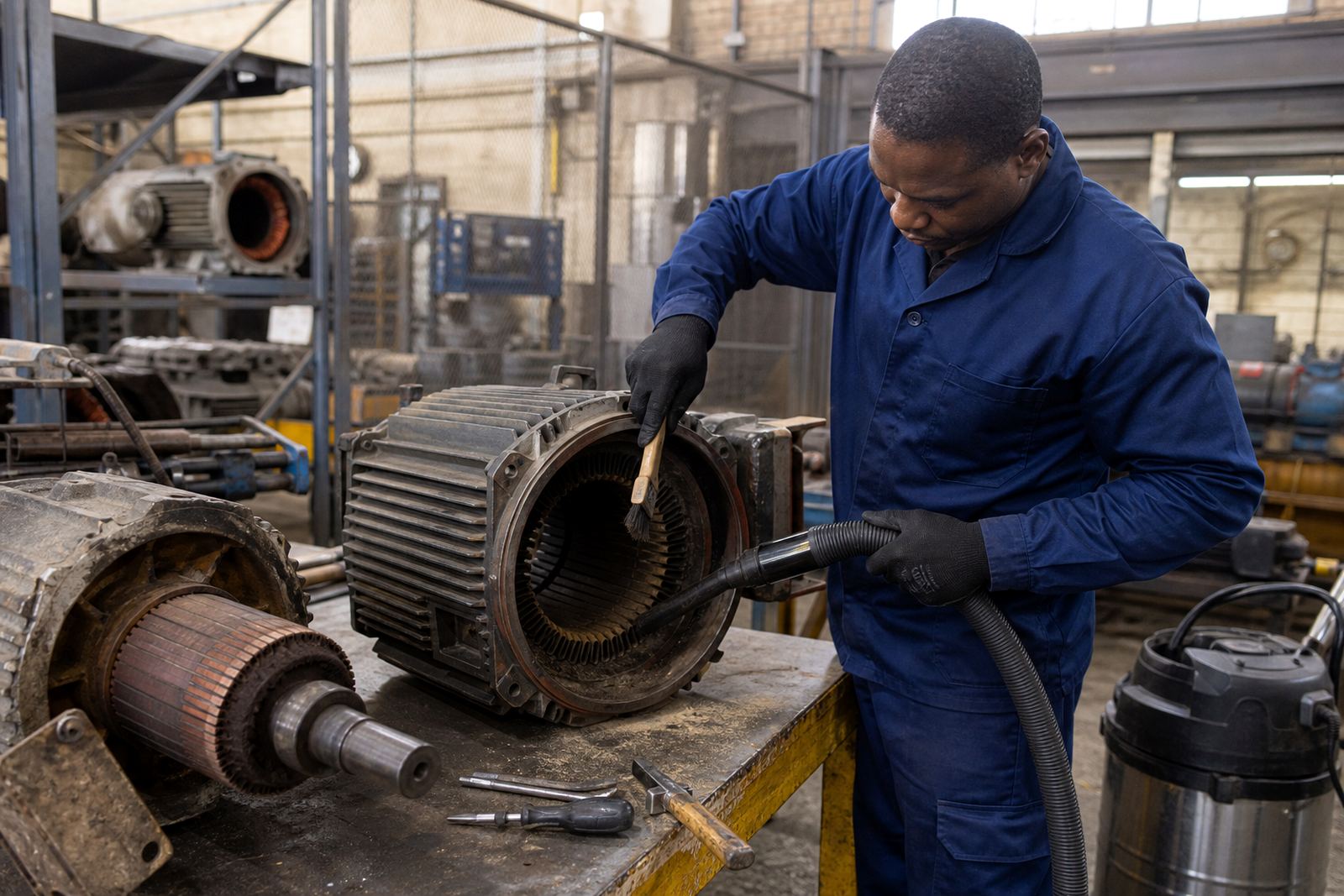
Useful checks include insulation testing, bearing checks, alignment checks, panel cleaning, cable checks and drive inspection where a variable speed drive is part of the system. If the motor has been removed, the installation area, coupling condition and base alignment should also be reviewed before commissioning support is given.
- Confirm the actual load and starting conditions
- Check supply voltage and phase balance
- Review duty cycle and daily run hours
- Inspect cooling, ventilation and dust build up
- Assess bearings, coupling and alignment
- Test insulation before returning the motor to service
How incorrect sizing affects rewinding and repair work
At times a motor returns for rewinding more than once because the real issue was not the winding at all. If the motor was repeatedly overloaded, the rewound unit may fail again unless the application is corrected. That is why electric motor rewinding should be considered together with the working conditions around the machine, not in isolation.
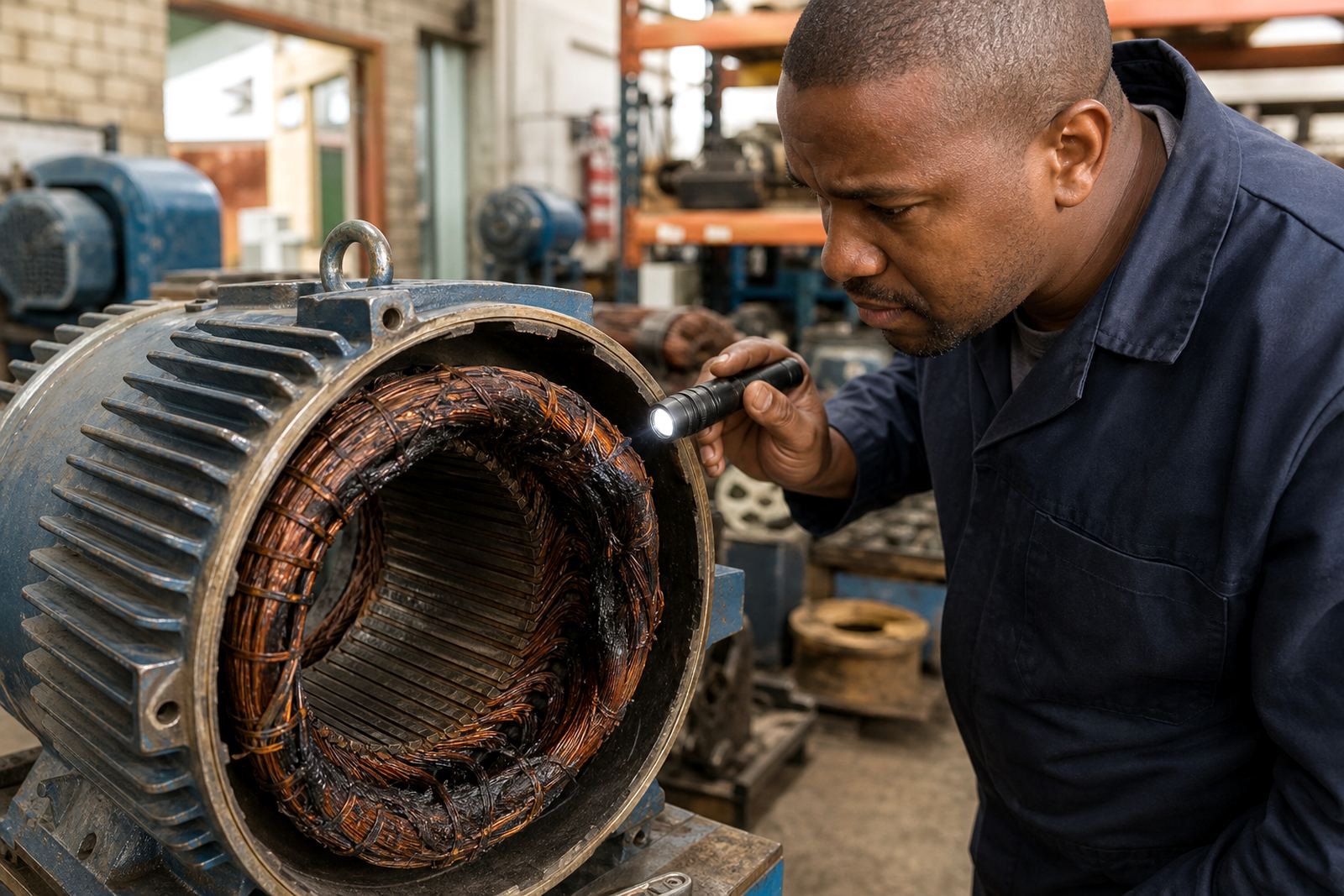
During rewinding, the technician looks at the condition of the old windings, slot insulation, varnish condition and heat damage. If the motor has been running too hot for too long, the magnetic circuit and bearing condition may also need attention. Bearing replacement may be required if heat, dust or shaft strain has damaged the bearings. In some cases, a customer needs both rewinding and a change in how the motor is used on site.
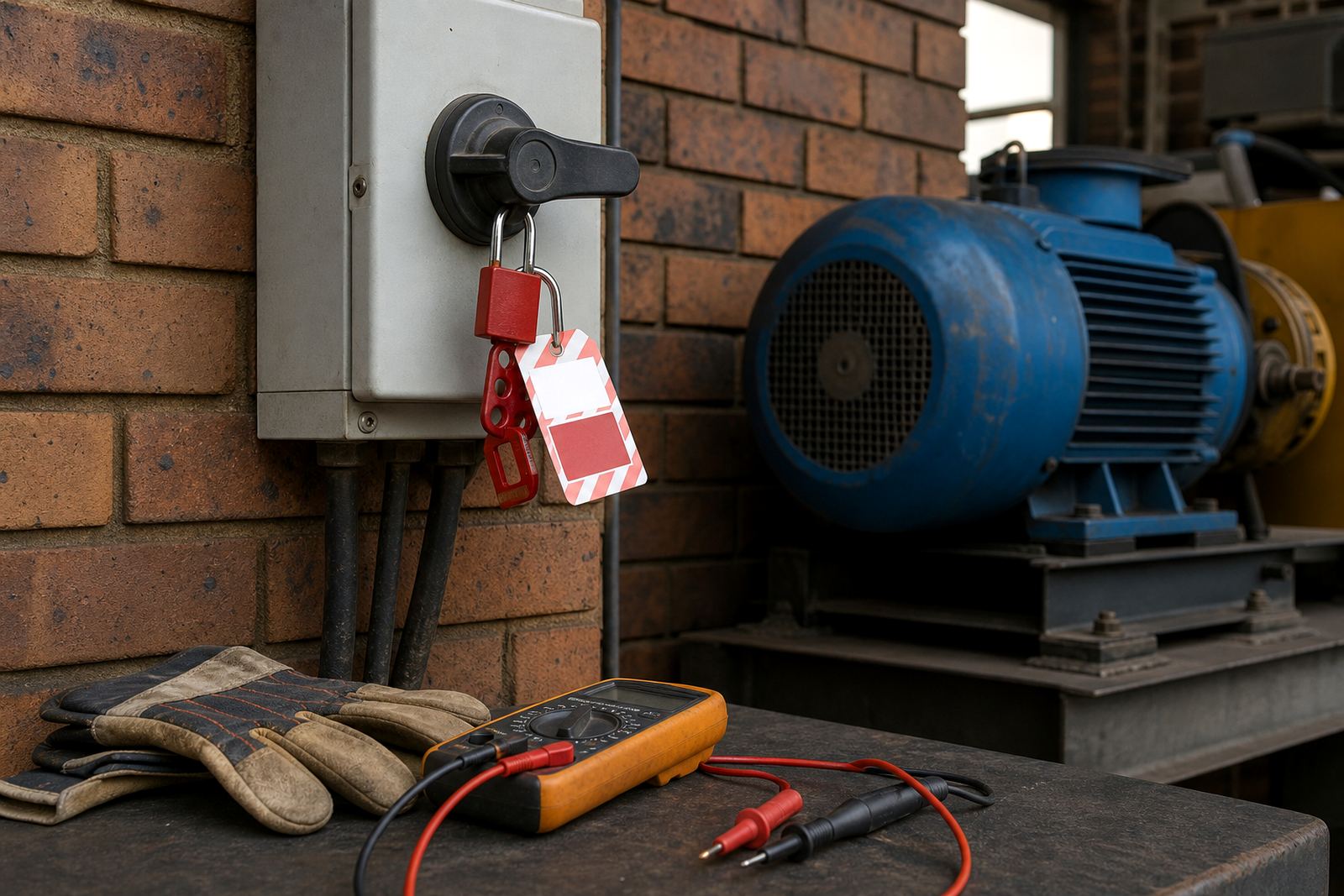
Electrical work must be carried out by qualified people, with lockout procedures in place before any motor is removed, opened or tested. That is especially important on factory floors where more than one machine may be fed from the same panel and where stored energy can remain in the system after shutdown.
A local example from a Gauteng workshop
A small production site in Germiston was dealing with a motor that kept tripping during peak shifts. The team had already replaced the motor once, but the same problem returned after a few weeks. On inspection, the load had increased when the machine was modified, yet the motor size had not been reviewed. The drive settings were also not matched to the new load, and the cable terminations showed heat stress.
After fault finding, drive inspection and insulation testing, the issue was traced to an undersized motor working too hard on a duty cycle that was longer than expected. A replacement was selected to suit the actual demand, the alignment was corrected, the panel cleaned and the cable checks completed before commissioning. The machine then ran more steadily during long shifts and the repeated trips stopped. It was not a complicated fix, just one that required proper checking instead of guesswork.
These are the kinds of faults that show up across Johannesburg, Pretoria, Vereeniging, Boksburg and Kempton Park too. The pattern is usually the same: a machine is changed, the load changes with it, and nobody revisits the motor size.
How to avoid repeat failures on site
Motor sizing errors are easier to prevent than to fix. The best time to review a motor is before it fails again, not after the second or third breakdown. A careful site survey can identify whether the issue lies with the motor, the driven machine, the supply, or the way the equipment is being used day to day.
For plants and workshops across South Africa, a practical maintenance approach should include shutdown planning, spares assessment and site reporting. That makes it easier to spot changes in current draw, vibration, temperature and starting behaviour before they become major faults. If a variable speed drive is part of the system, it should be inspected alongside the motor because poor drive settings can mask a sizing issue.
If you are replacing a motor, do not rely on the old frame size alone. Review the load, duty and operating conditions first. A properly matched motor lasts longer, starts cleaner and gives maintenance teams fewer surprises.