



What These Repair Stories Cover
Locor has worked on electric motor and drive problems since 2007, supporting factories, workshops and maintenance teams that need practical answers when equipment starts tripping, running hot or losing speed. The stories in this section are not case studies with fancy language, just real repair situations that show the type of fault finding and workshop work that comes up across Gauteng and further afield.
Use these examples to judge whether your issue looks like a winding fault, bearing wear, insulation breakdown or a variable speed drive problem. If a motor is smoking, humming loudly, overheating or tripping protection devices, it is usually a sign that proper inspection is needed before the unit is put back into service.
When A Motor Needs Rewinding
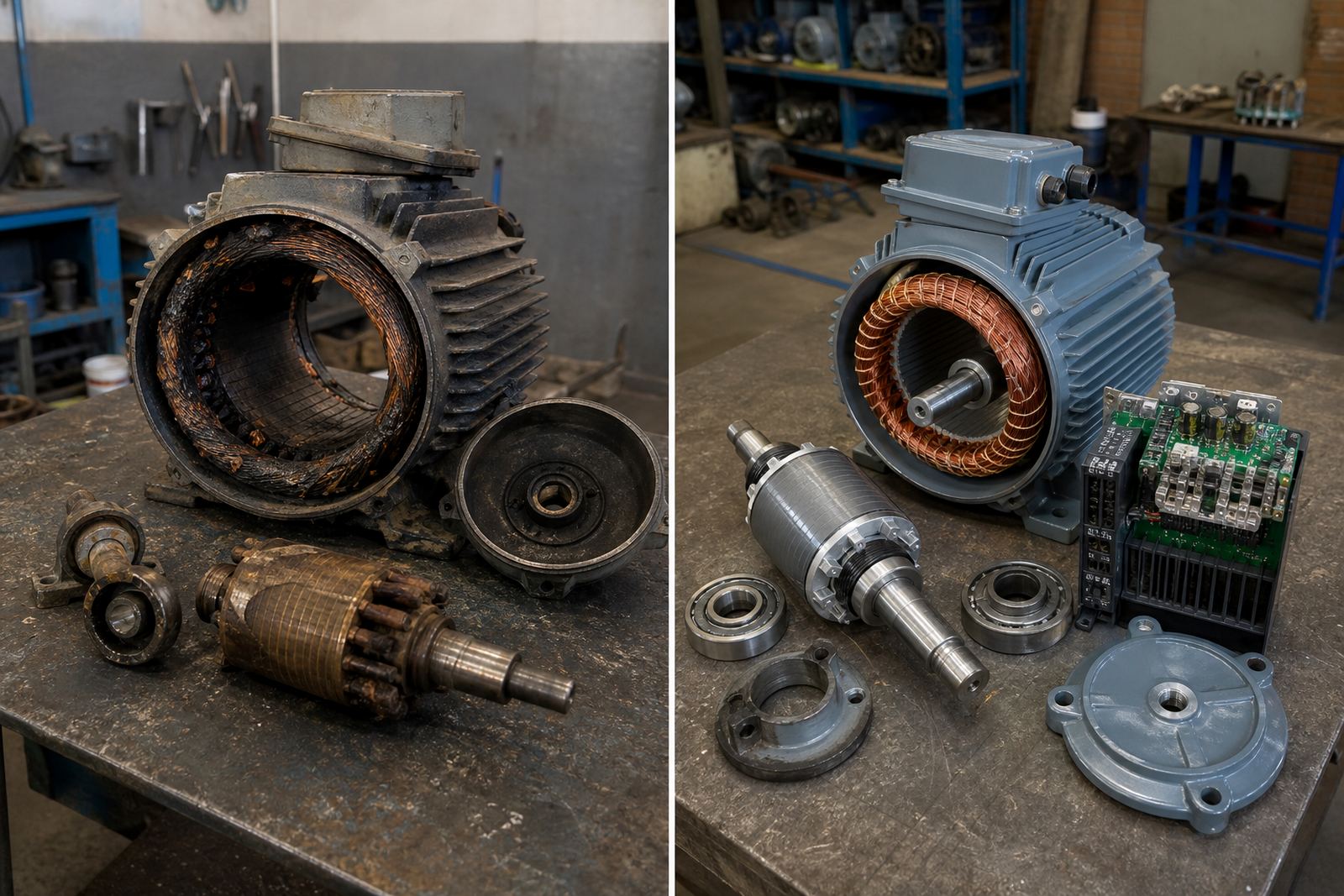
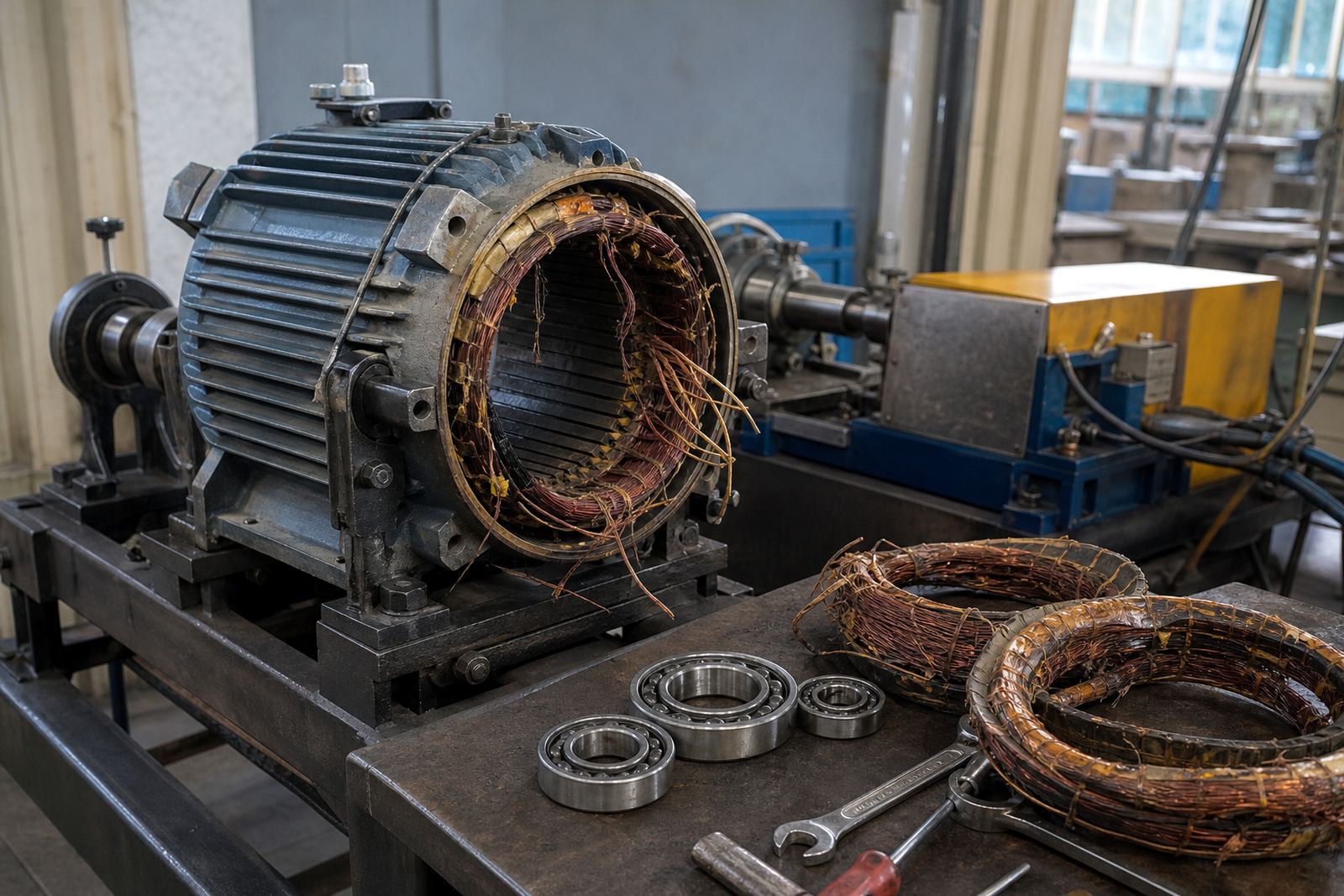
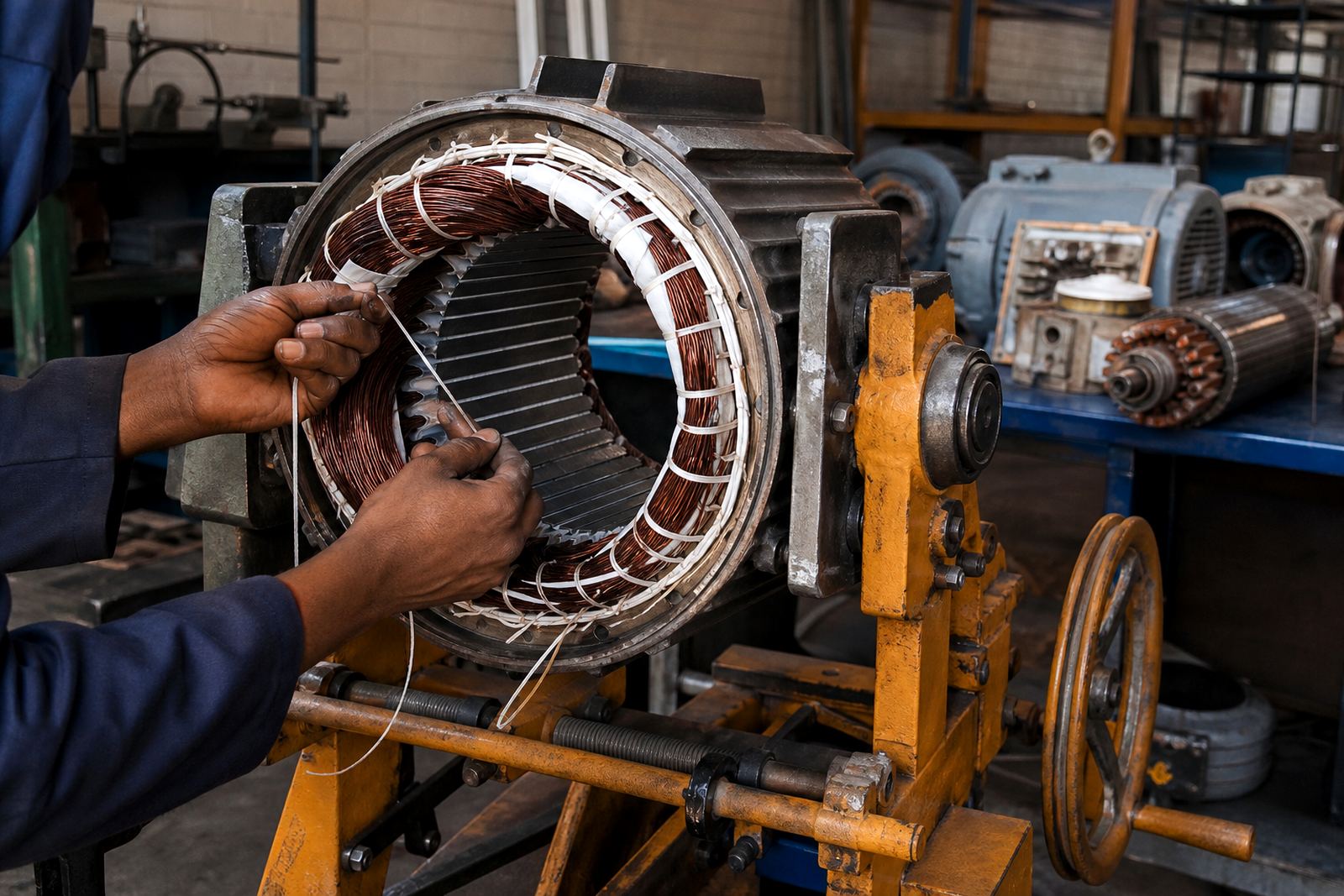
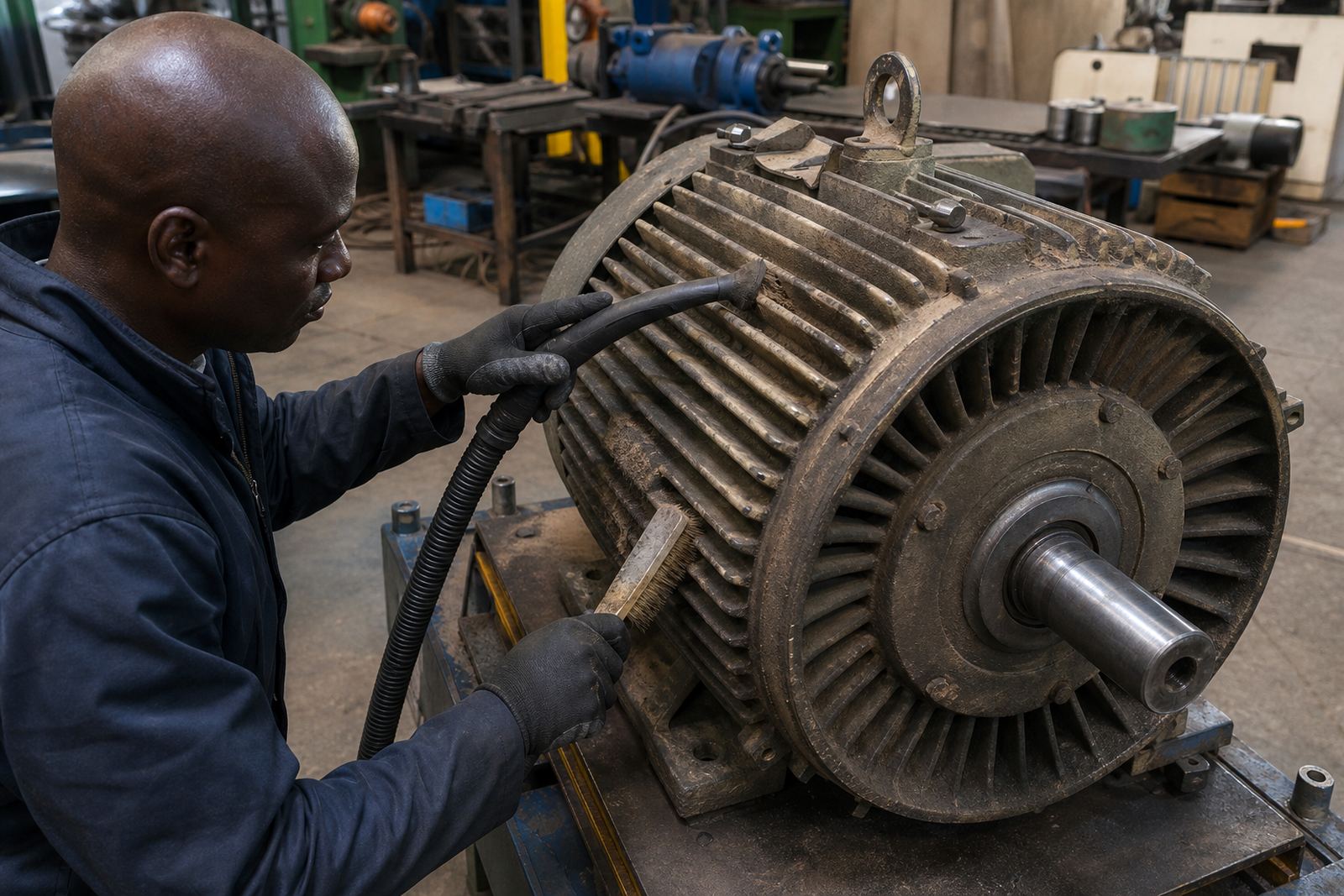
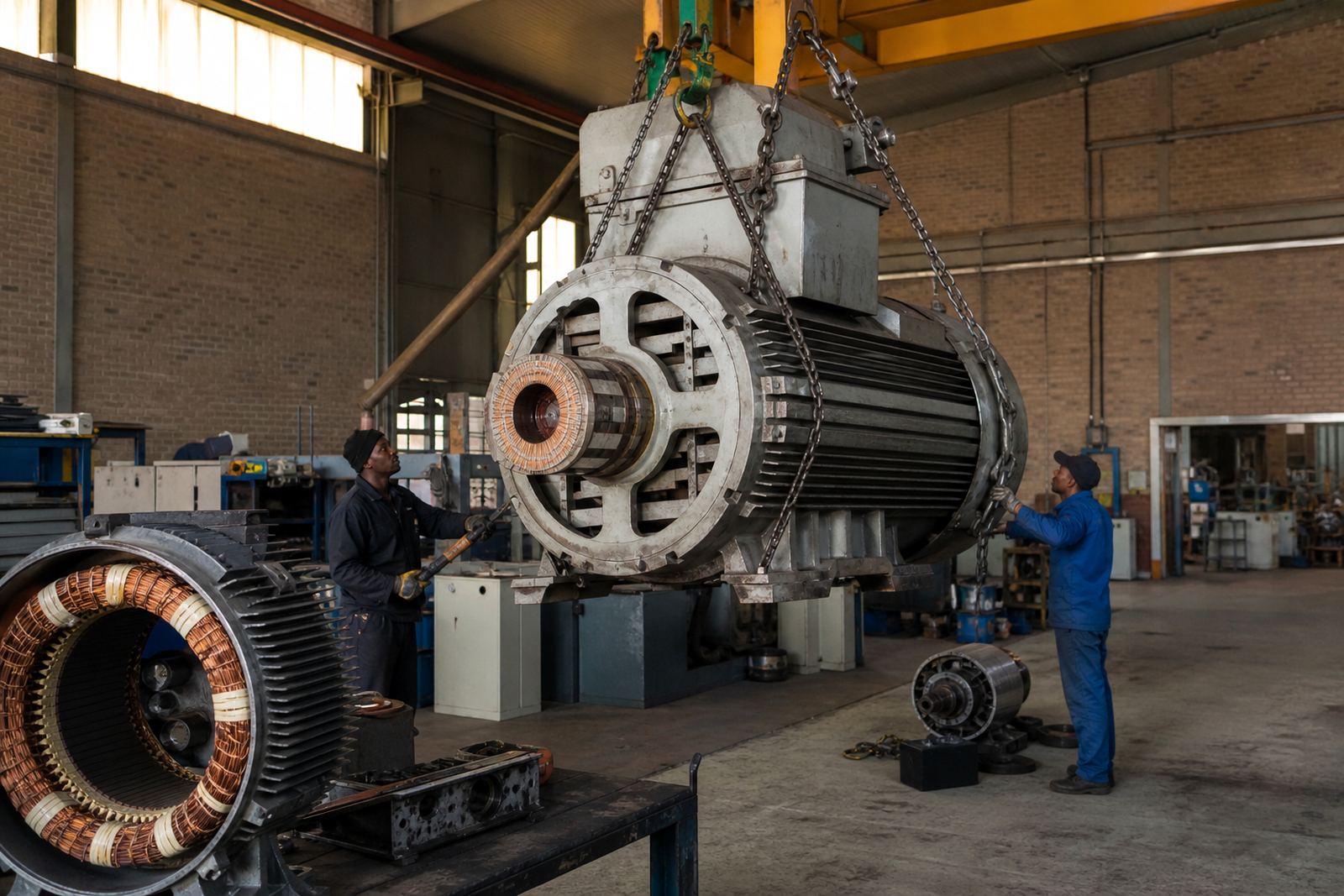
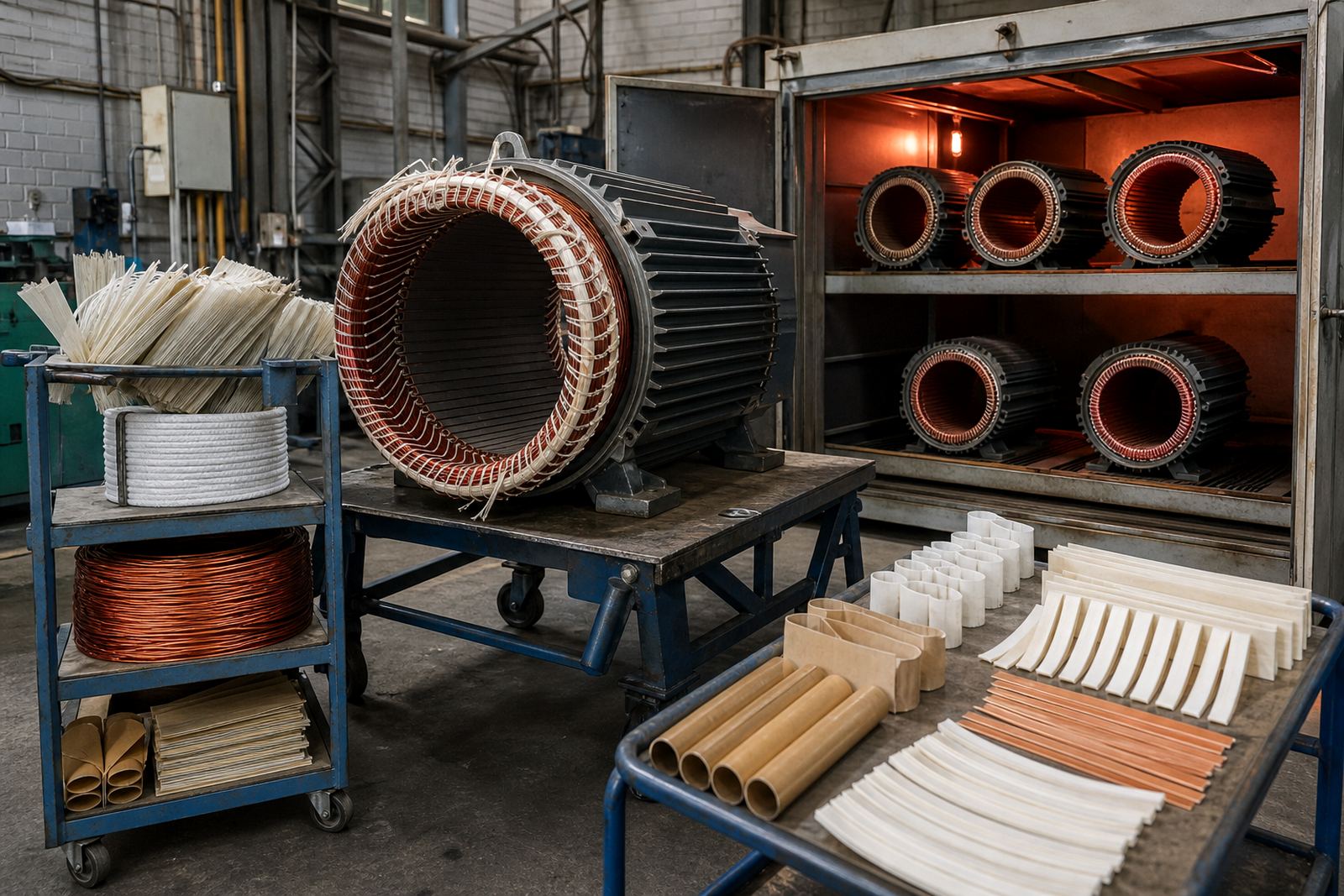
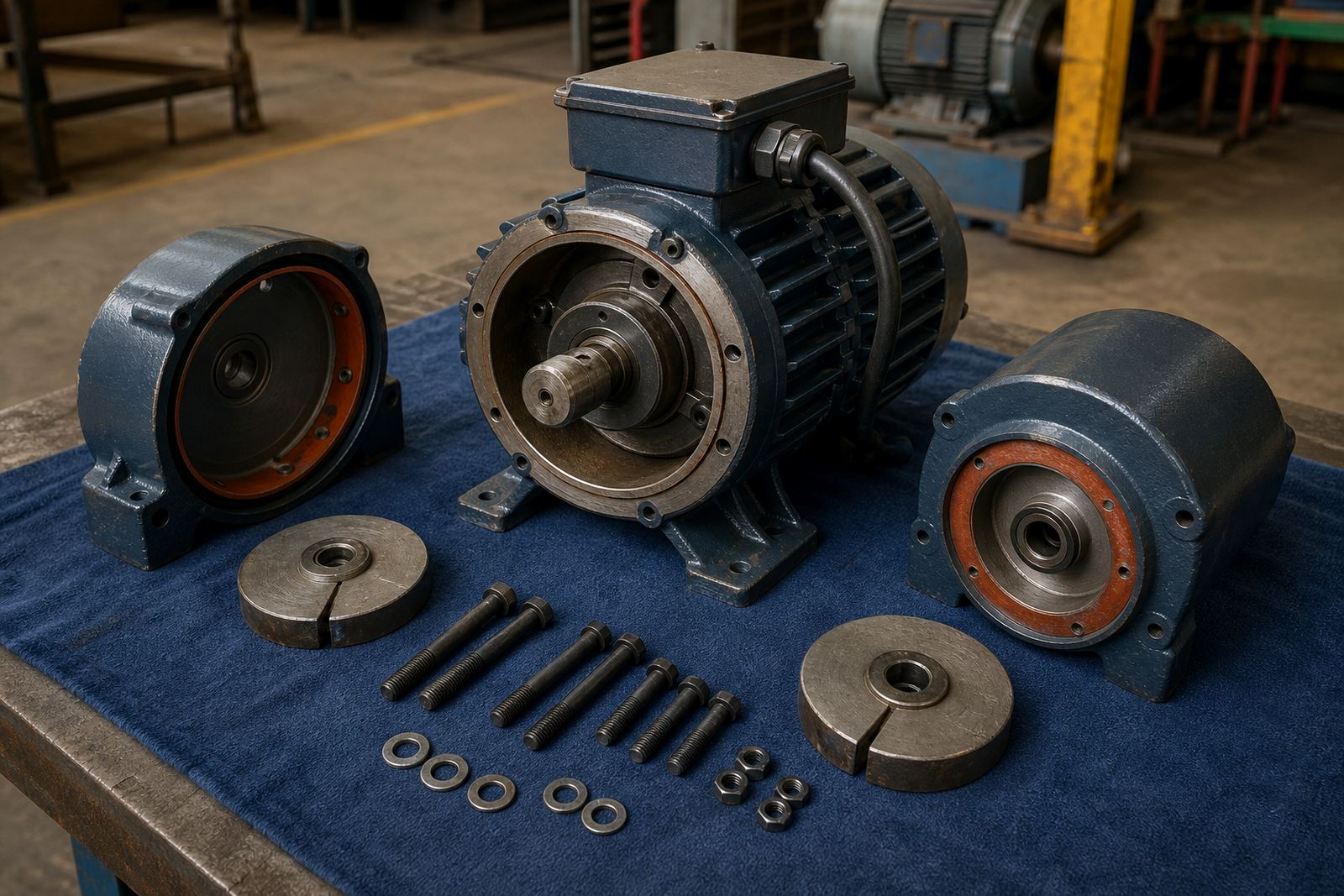
Motor rewinding is often needed after insulation failure, moisture ingress, overheating or repeated overloads. In a humid coastal area like Durban, motors stored or run in damp conditions can absorb moisture and start to fail, while in dusty inland plants the problem may show up as contamination inside the windings and fan cover. A good rewind starts with stripping the motor, checking the laminations, cleaning the frame and measuring the original winding data before new wire is fitted.
Before any work begins, qualified people must isolate the equipment and follow lockout procedures. Electrical testing and reassembly are not jobs for guesswork, because a small error can affect performance, bearing life and safety on site.
- Open-circuit and earth fault symptoms can point to winding damage
- Heat discolouration often shows where a motor has been stressed
- Good sealing and correct varnish help in dusty or moist conditions
Bearing Problems That Start With A Noise
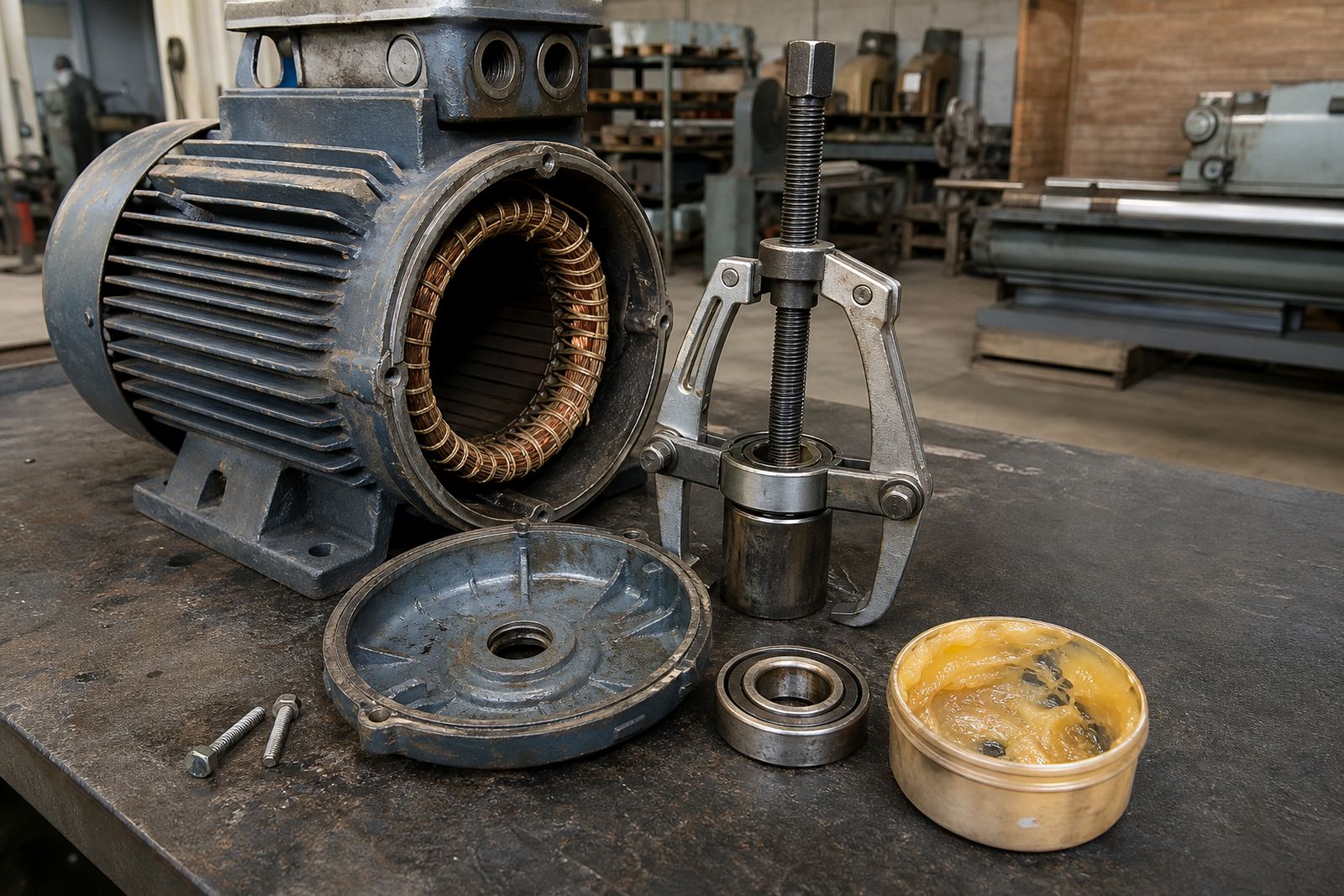
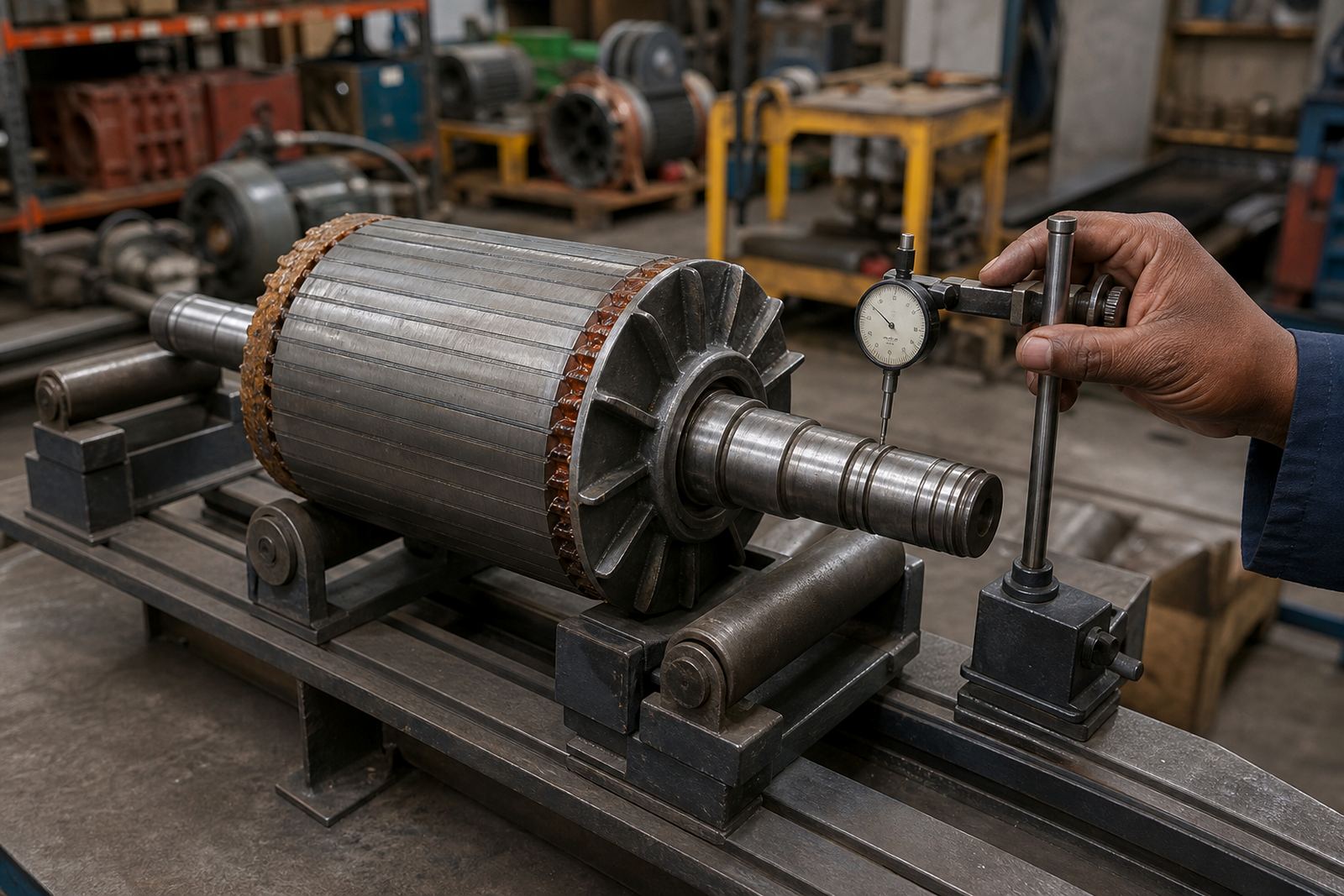
Many repair stories begin with a customer hearing a noise that was not there the week before. A rough rumble, squeal or vibration can point to bearing wear, poor alignment, over greasing or contamination from dirt and water. If the fault is left too long, the shaft can mark the housing and the rotor may start to rub, which turns a simple bearing change into a bigger repair.
Locor looks at the full condition of the motor during bearing checks, not only the bearing itself. That includes the shaft fit, end shields, grease condition and whether the motor has been overloaded by the driven machine. On site, a field report can also help maintenance teams decide if the issue is local to the motor or linked to the installation.
Insulation Testing Before The Next Start
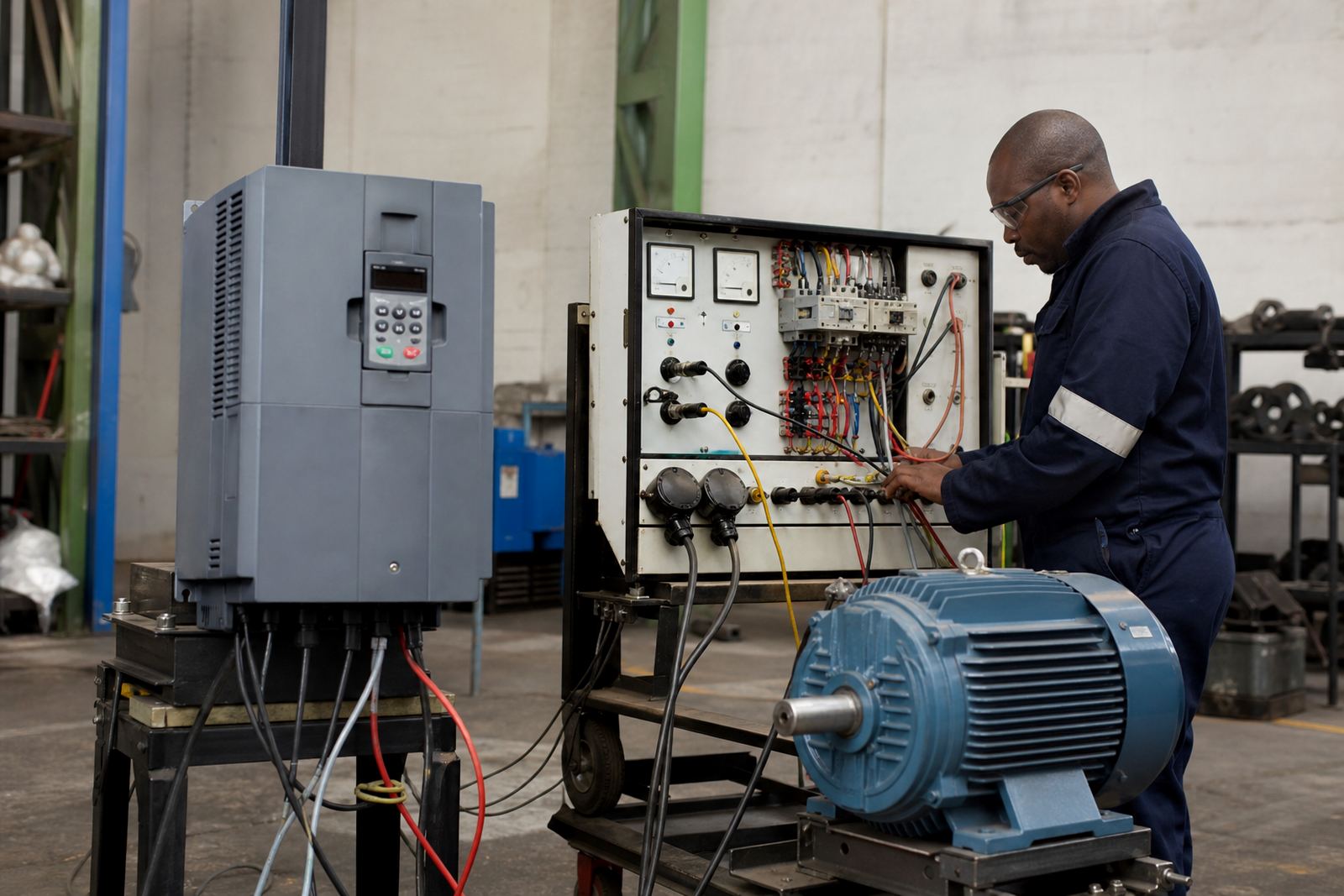
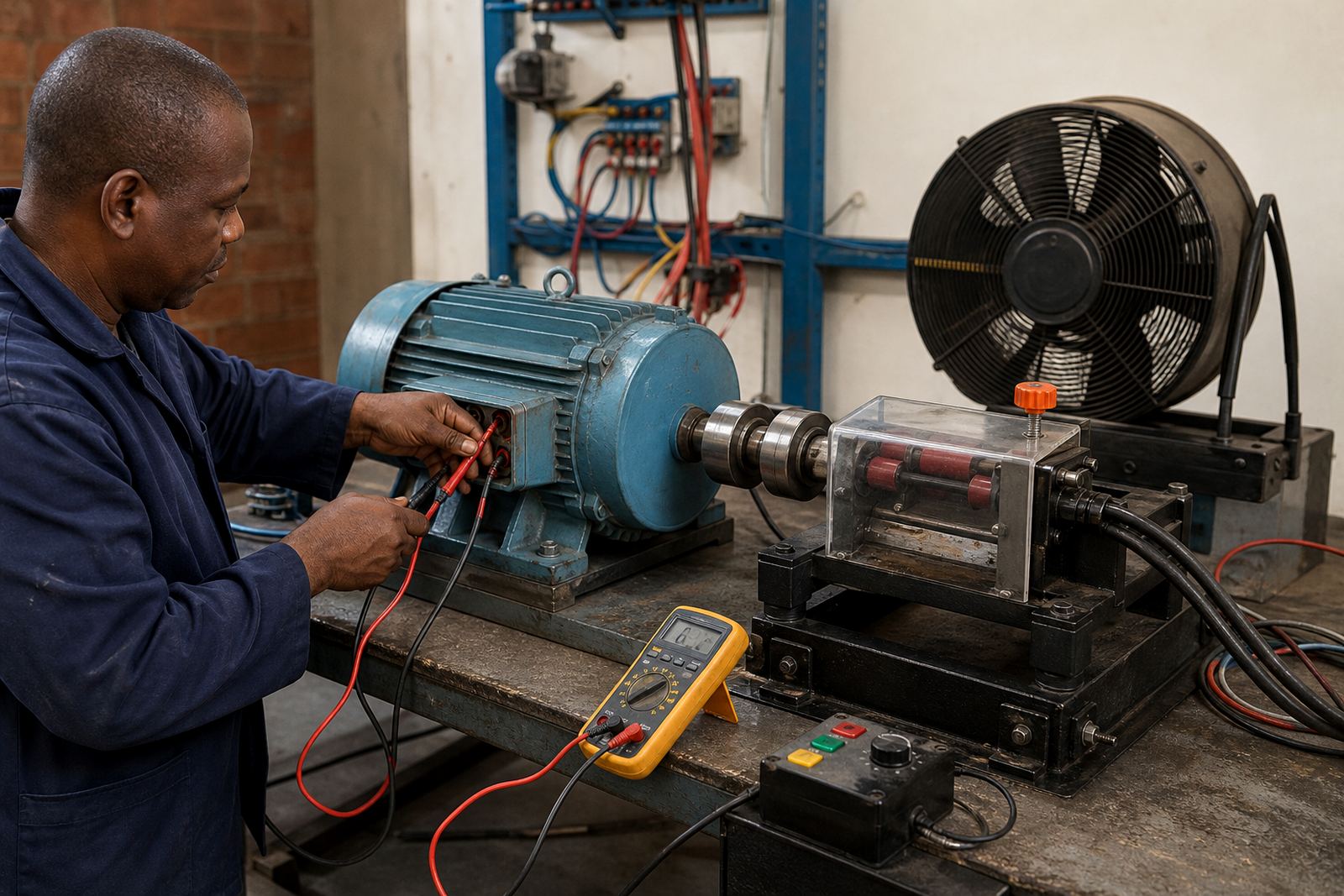
Insulation testing is one of the most useful steps in electrical fault finding because it shows whether a motor is still safe to energise. It can help identify damp windings, contamination between coils and earth leakage paths before a unit goes back into service. A low reading does not always mean the motor is dead, but it does mean more checking is needed before commissioning.
For plants that plan shutdowns around tight production windows, this step helps avoid repeated trips after reassembly. It also supports site reporting for workshop managers who need a clear view of what failed, what was repaired and what still needs attention.
- Test before and after cleaning, drying and repair work
- Compare readings with the motor condition and operating history
- Keep records for future fault finding and maintenance planning
Variable Speed Drive Faults In Daily Production
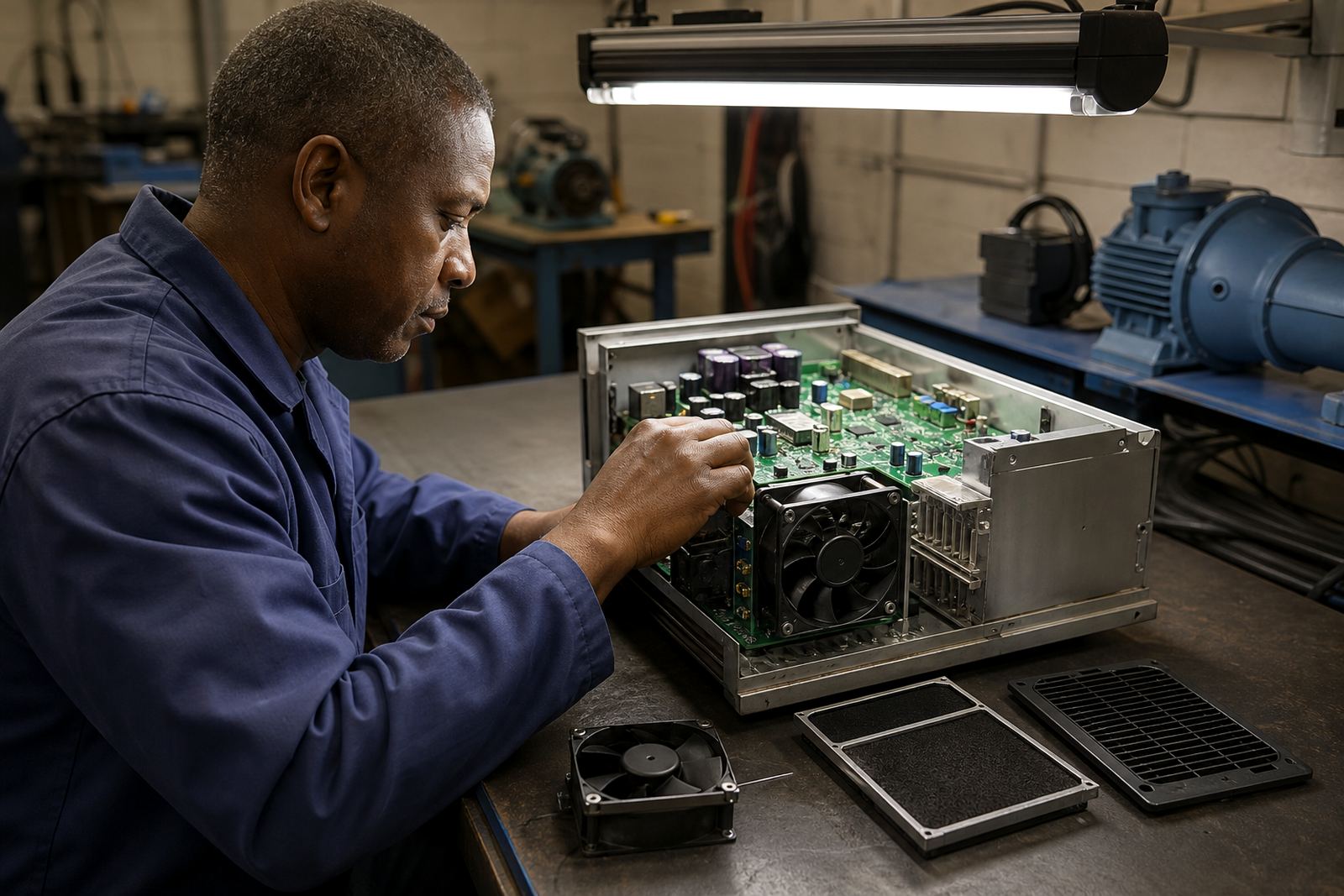
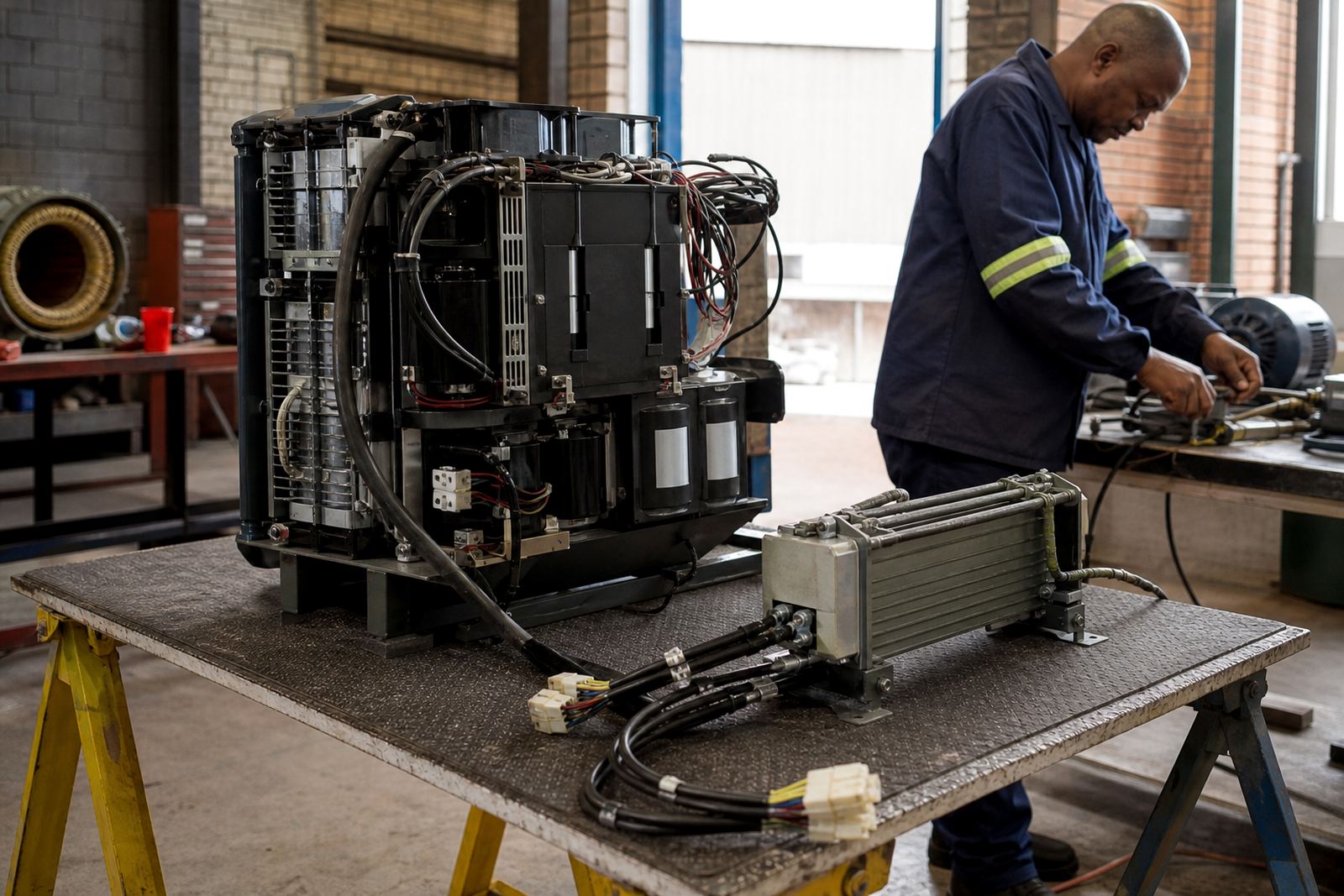
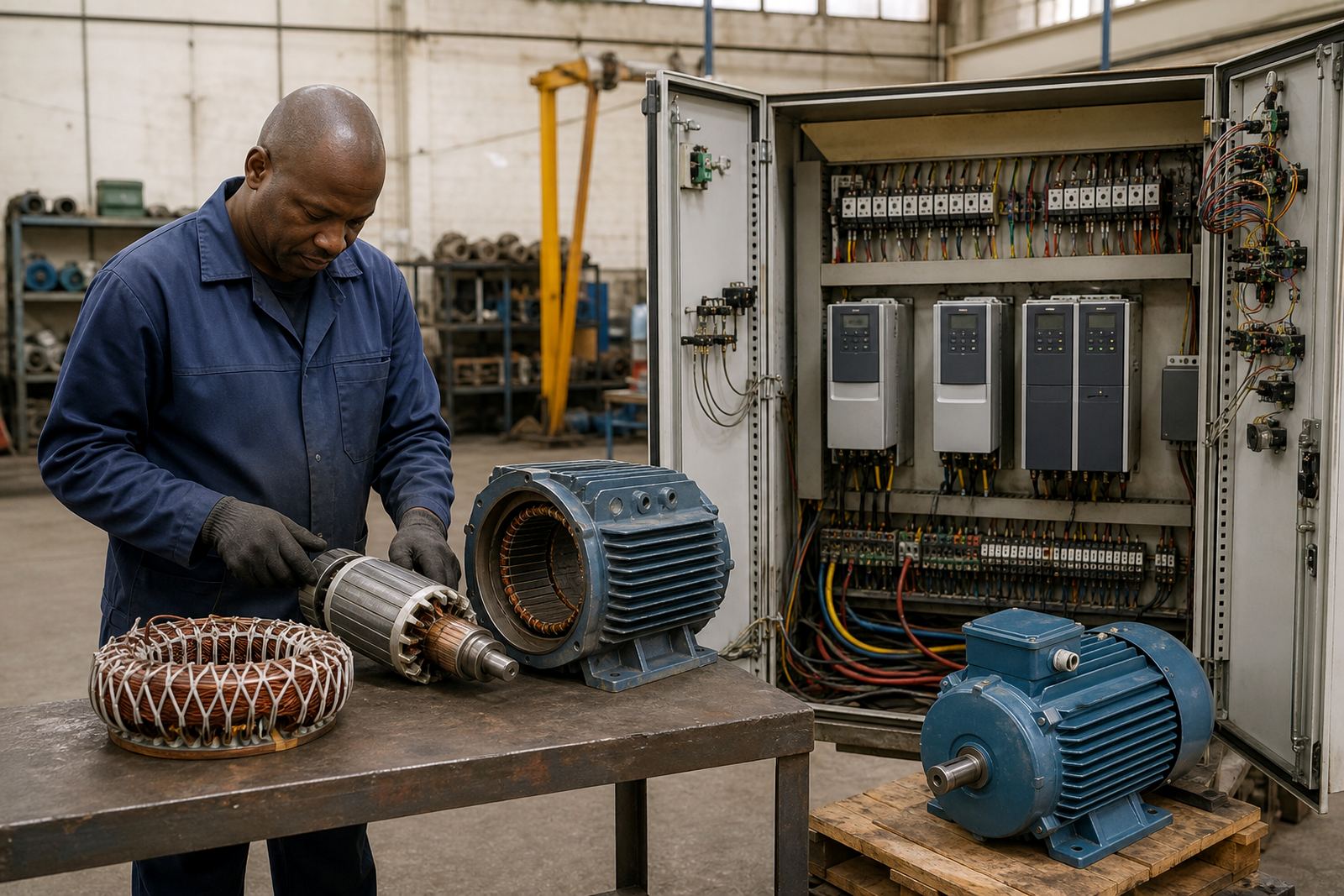
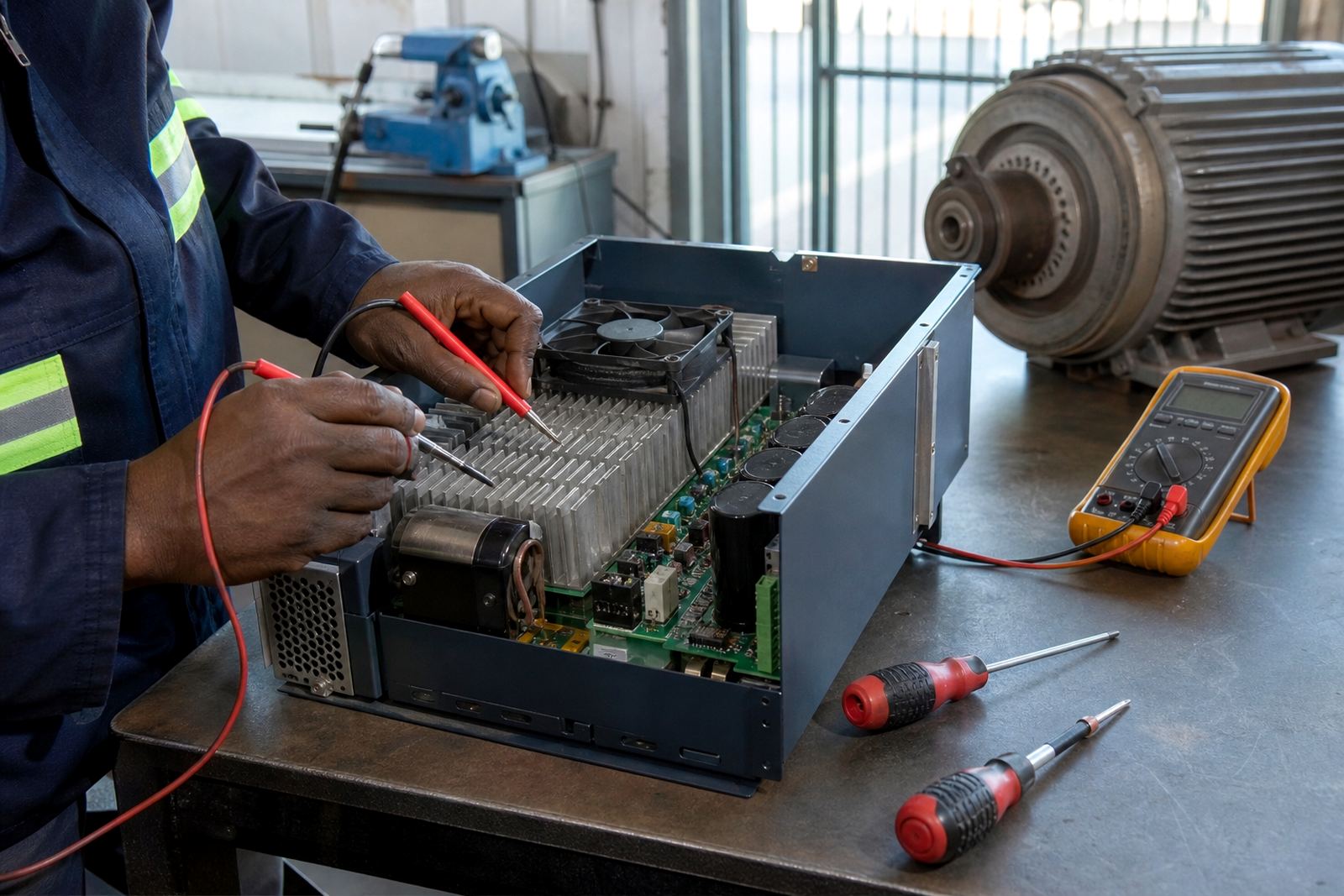
Variable speed drives can fail because of heat, dust, loose connections, cable issues or a fault inside the power stage or control section. In many workshops the drive itself is fine, but the problem sits in the panel, the cabling or the motor load. A careful drive inspection looks at the whole system, not just the unit on the wall.
Locor’s repair stories often include panel cleaning, cable checks, spares assessment and commissioning support after the fault is corrected. That approach matters when a line must be restarted safely and the team needs to know whether the drive settings, motor connections and field wiring were all confirmed before handover.
How Locor Chooses The Right Repair Path
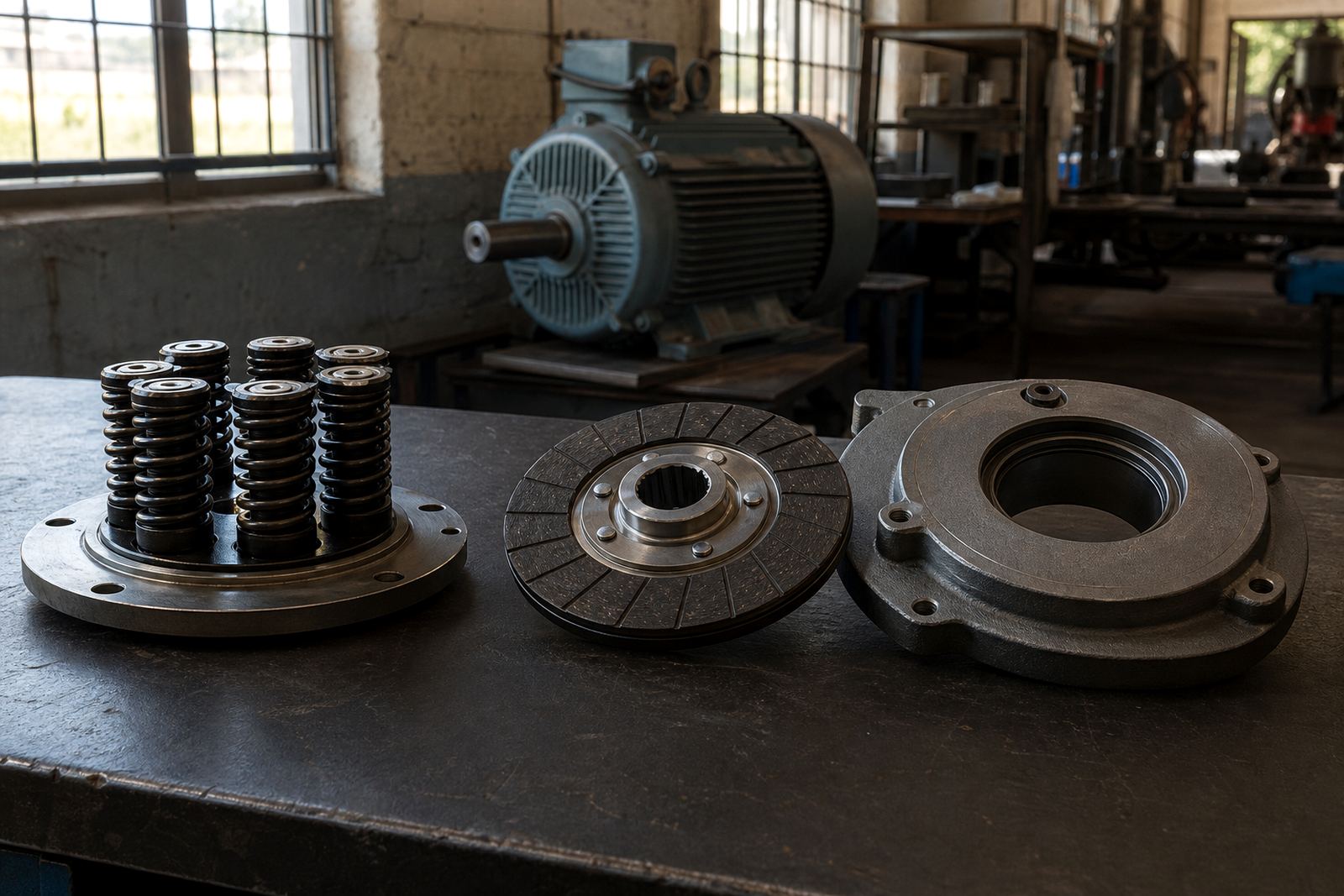
Not every failed motor needs the same fix. Some units only need cleaning and bearing replacement, while others need a full rewind, new insulation treatment and a careful test run. Choosing the right route saves time and helps avoid repeat failures, especially where a machine has been running under load for long hours or where shutdown access is limited.
For customers in Germiston, Johannesburg, Ekurhuleni, Pretoria, Vereeniging, Boksburg, Kempton Park and Durban, the process usually starts with fault finding and motor removal if needed. From there, the team can advise on shutdown planning, alignment checks and any site reporting that the maintenance crew may need for records or handover.
What You Can Expect From The Repair Record
Each repair story shows the practical side of the job, from the first symptom to the final check. That might include inspection notes, measured readings, condition photos, replaced parts and the steps taken to return the unit to service. This sort of record helps supervisors compare one fault with the next and spot patterns in plant behaviour.
It also helps when a workshop handles mixed equipment across several sites. A repair that starts in a Pretoria plant can lead to the same problem showing up later in a Vereeniging or Boksburg operation if the cause was not corrected at source.