

Why dust is harder on motors than many people think
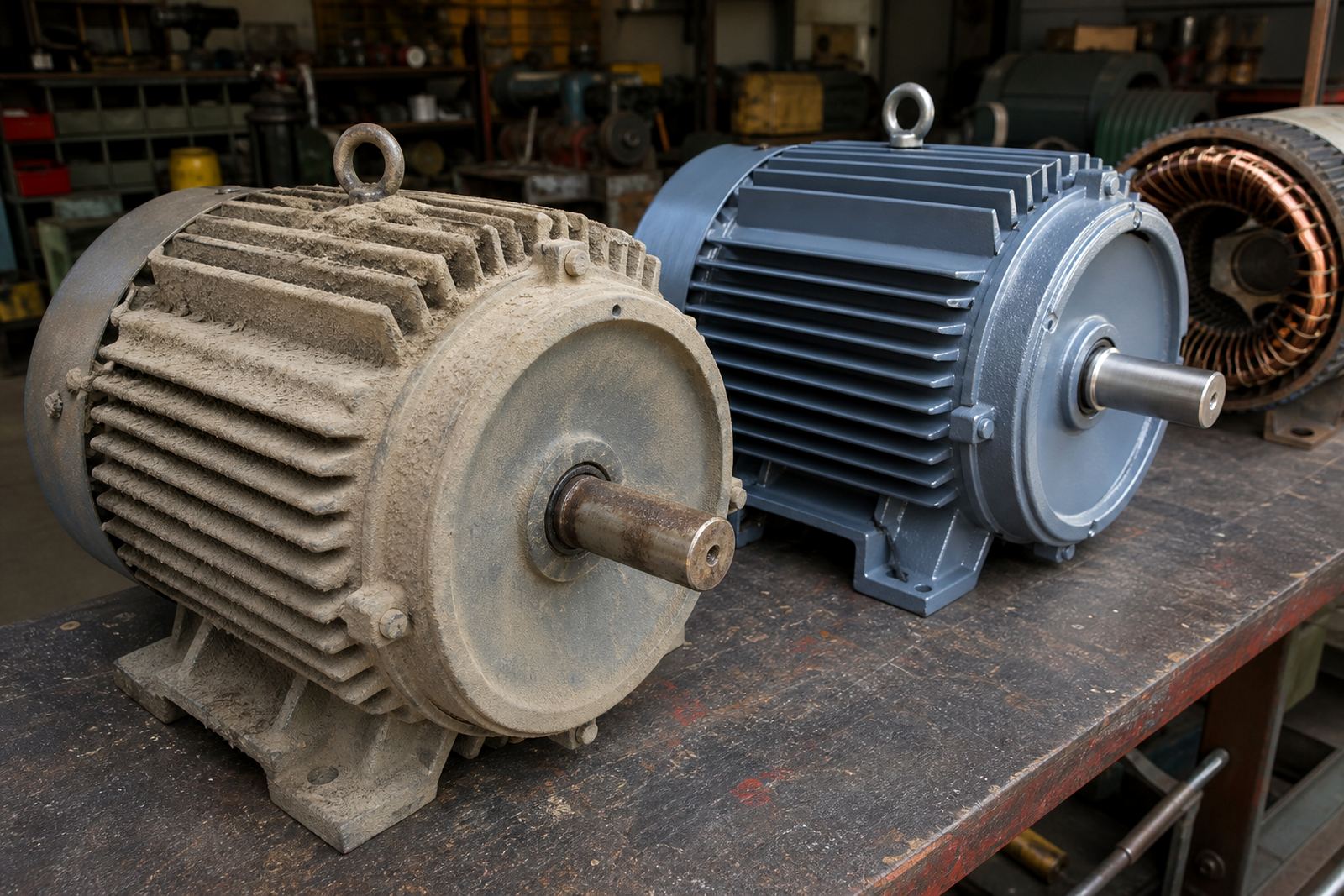
Dust gets into places where it should not be. On a motor it builds up on fan covers, around cooling fins, inside terminal boxes and on the outer frame. Once that layer gets thick enough, heat cannot move away from the motor properly. The result is a hotter running machine, and heat is one of the biggest reasons insulation ages early.
In many plants the first sign is not a sudden failure. It is a motor that runs warmer than usual, trips more often, or sounds different under load. Fine dust can also mix with moisture and oil mist to form a sticky film that traps even more dirt. In coastal areas the problem is worse because humidity helps dust cling to surfaces, while in dry inland sites the dust often gets pulled straight into cooling openings.
How dust affects cooling, insulation and winding life
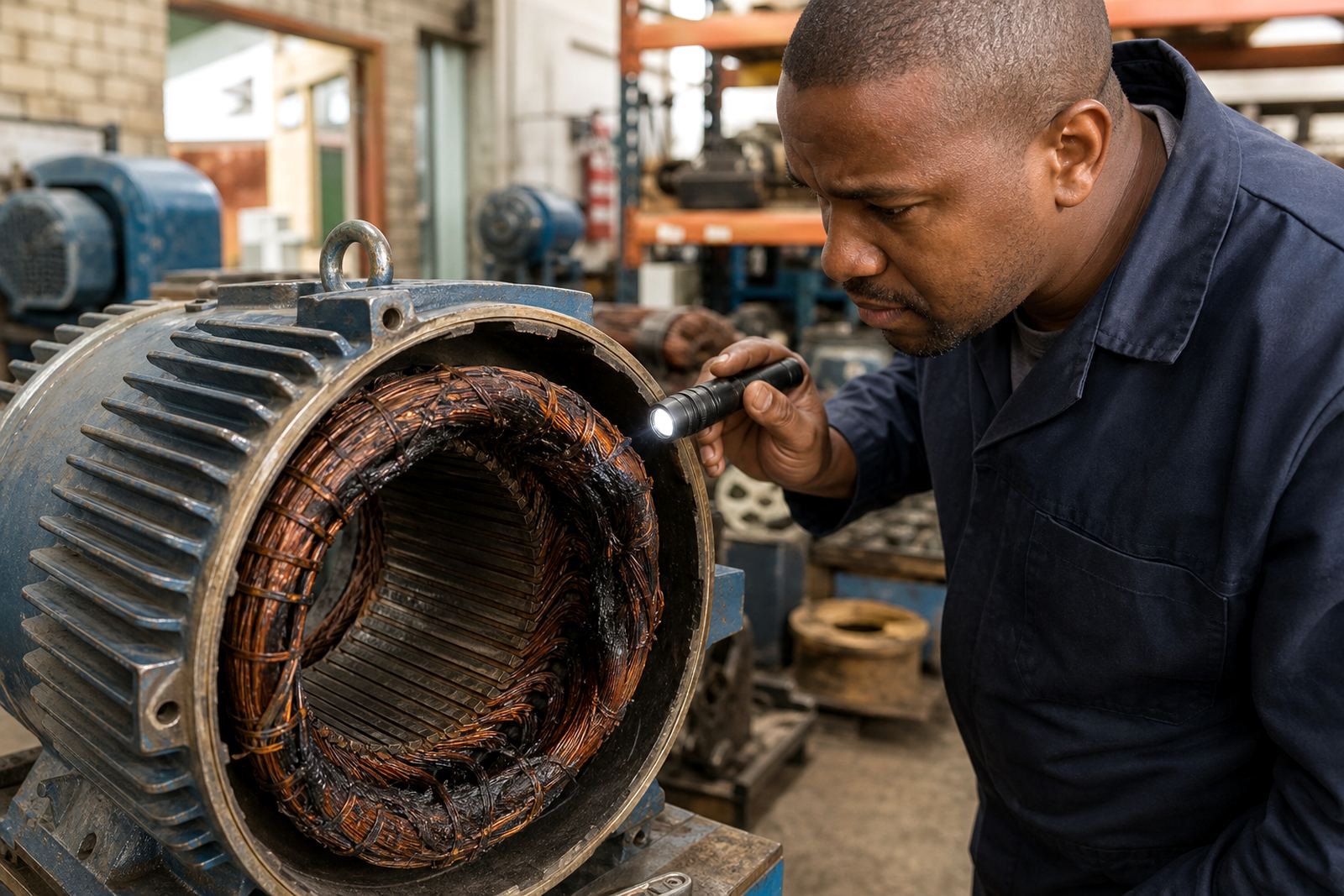
Electric motors depend on steady airflow. When the cooling path is restricted, the winding temperature rises and the insulation varnish ages faster. Over time this can lead to brittle winding insulation, tracking, earth faults and nuisance trips. If a motor is already working hard on a conveyor, pump or compressor, that extra heat can push it past a safe point.
Dust also settles on terminals and inside junction boxes. If moisture is present, contamination can reduce surface resistance and create leakage paths. That is why insulation testing is important after a dirty shutdown, a wet season or a major cleaning cycle. A sound-looking motor can still have weakened insulation inside and that only shows up when proper testing is done.
- Blocked cooling paths mean higher operating temperature
- Dust plus moisture can reduce insulation condition
- Contamination can hide early signs of winding distress
- Repeated overheating shortens service life and reliability
The parts of a motor that need the most attention
Not every part of a motor collects dust in the same way. External fan covers, cooling fins and terminal boxes are obvious, but the hidden areas matter too. Around the shaft end, dust can work with worn seals and bearing wear to create extra friction and vibration. That friction adds heat, and heat then makes the dust problem worse.
During a proper inspection the team should look at the motor housing, end shields, bearings, fan blades, cable entries and mounting feet. Where a motor has been moved, alignment checks are also important. A motor that is slightly out of line can overload the bearings and the drive side of the machine, which is bad news when dust has already pushed the temperature up.
- Fan covers and cooling fins
- Terminal boxes and gland entry points
- Bearing housings and shaft ends
- Mounting faces and alignment points
What good maintenance looks like in a dusty plant
Good motor care starts with planned cleaning, not emergency cleaning after a breakdown. Dust should be removed in a controlled way that does not drive debris deeper into the machine. Compressed air used carelessly can force dirt into windings and bearings, so it must be handled with skill and the right method for the equipment. On some sites a dry vacuum and careful wiping is safer than a blast of air.
After cleaning, checks should include bearing condition, insulation resistance, cable condition and the general state of the panel or starter. If the motor is part of a bigger process, shutdown planning matters too. It is easier to protect production when removal, inspection and commissioning support are organised before the breakdown occurs.
- Plan cleaning during controlled shutdowns
- Check bearings before heat becomes a failure
- Test insulation after contamination or moisture exposure
- Inspect cables, terminals and panel cleanliness
A Germiston example that many sites will recognise
In Germiston and the wider Ekurhuleni area, many workshops deal with metal dust, general grime and warm indoor conditions. On one typical industrial site a motor driving a small process line started tripping more often in the afternoon. The team found dust packed around the fan cover, grime on the terminal box and a bearing beginning to run noisier than it should. None of those issues looked dramatic on their own, but together they were enough to raise motor temperature and reduce reliability.
After controlled motor removal, bearing checks, insulation testing and a proper clean, the machine returned to steadier running. The lesson was simple: dust does not need to destroy a motor overnight to cause trouble. It can chip away at performance slowly, then one warm day or one heavy load is enough to expose the weakness.
Why qualified work and lockout procedures matter
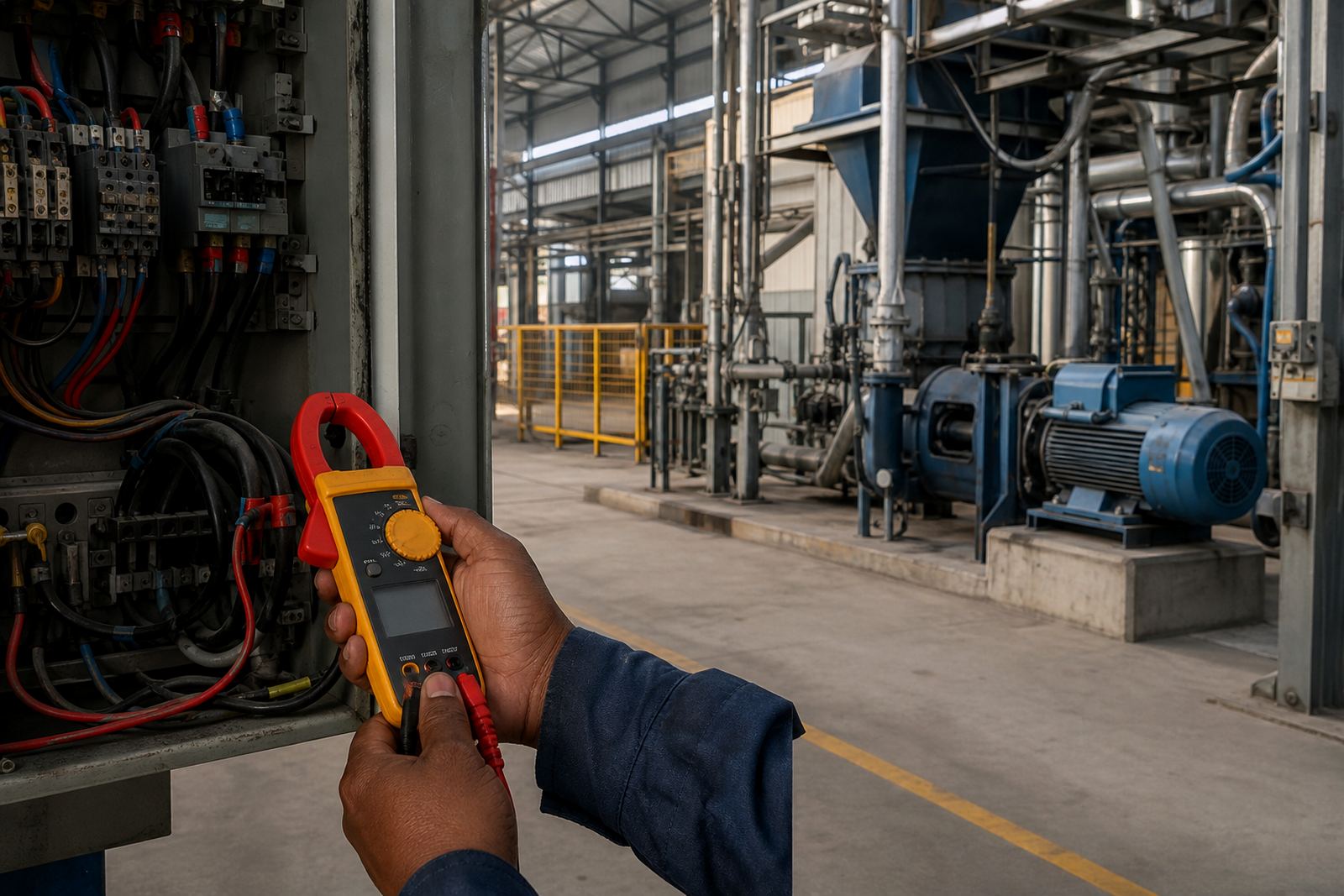
Any work on motors, starters or variable speed drives must be done by qualified people who understand isolation and lockout procedures. Before touching equipment, supply must be isolated, locked off and verified dead. That is not just good practice, it protects people from electrical shock and prevents accidental start-up while hands are inside the panel or on the machine.
For plants and workshops, this applies to more than the motor itself. Drive inspection, panel cleaning, cable checks and commissioning support all need the same careful approach. When dust and electrical faults come together, shortcuts create risk. A disciplined process is the best way to keep machines running and people safe.
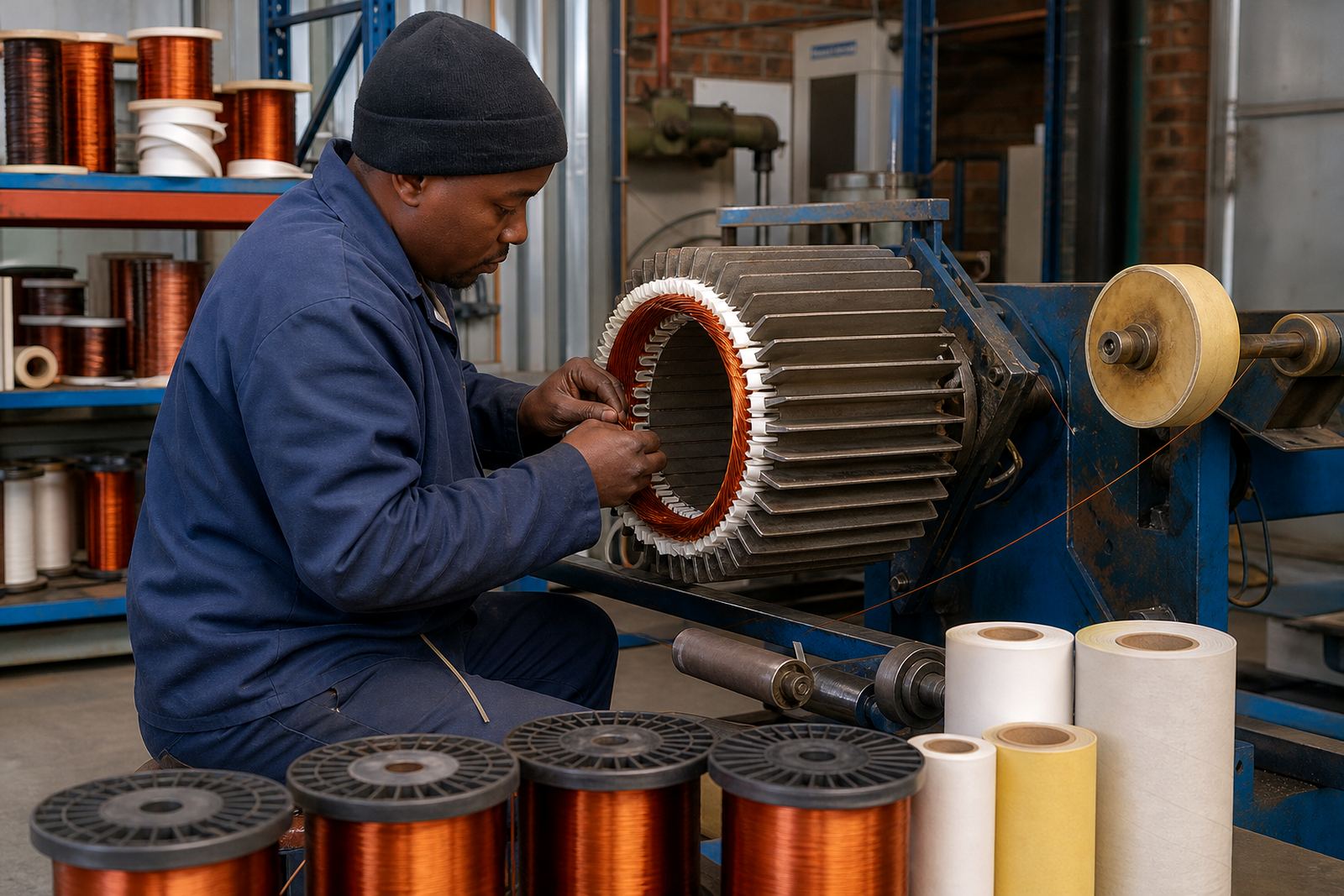
Locor supports industrial sites across Germiston, Johannesburg, Ekurhuleni, Pretoria, Vereeniging, Durban, Boksburg and Kempton Park with motor rewinding, bearing replacement, insulation testing and variable speed drive repair. Enquiries come through the contact page enquiry form, and the aim is always the same: find the cause properly, repair it correctly and get the equipment back into service with less repeat trouble.