

What rotor bar problems actually look like in service
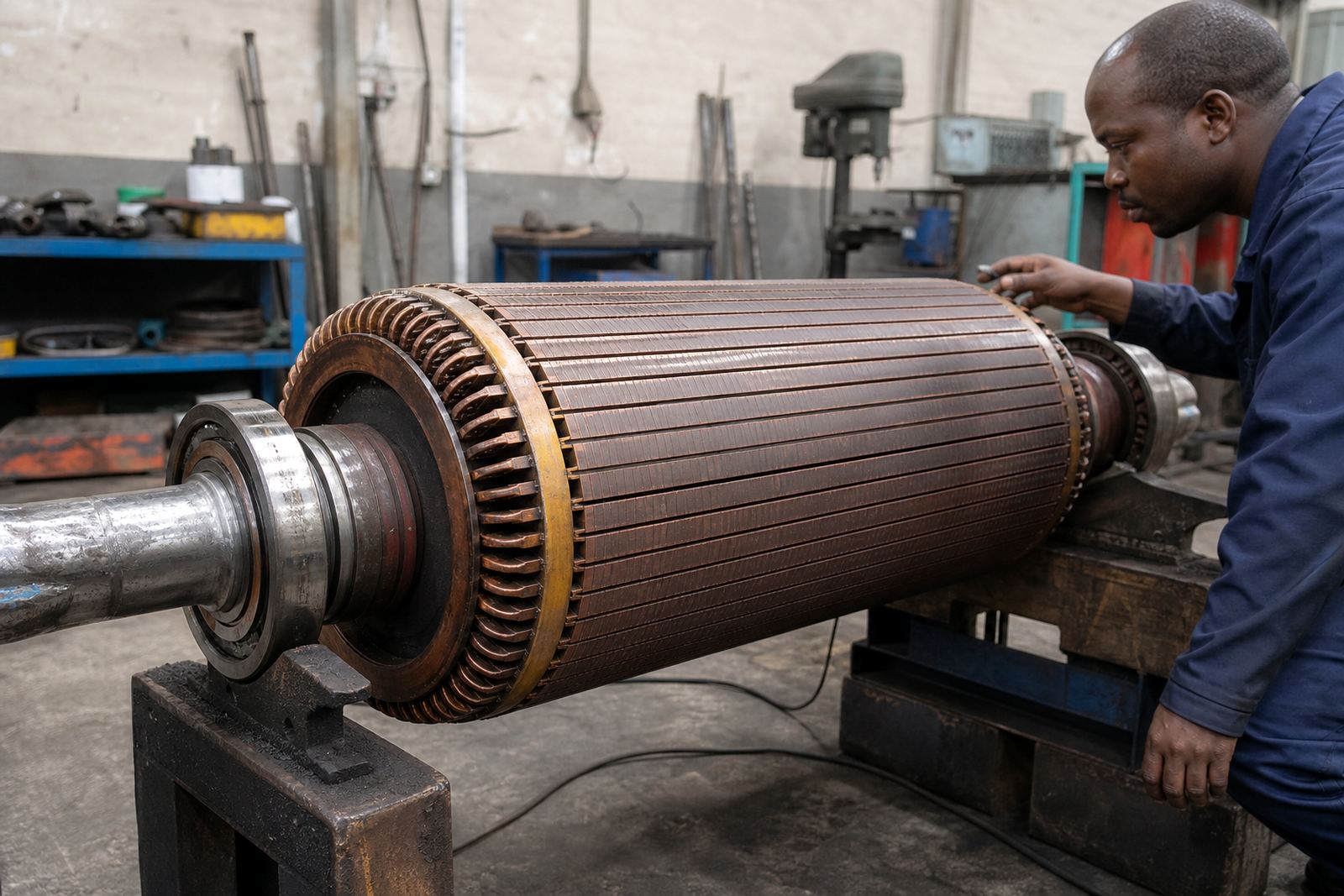
Rotor bars form part of the squirrel cage in many induction motors. When one or more bars crack, lift, or break away at the end ring, the motor may still run but it will not behave normally. The signs can show up only when the machine is under load, which is why a motor can look fine on a quick visual check and still be the reason a line keeps tripping.
Common symptoms include slow acceleration, poor starting torque, humming that changes with load, and a noticeable drop in output on pumps, conveyors, mixers, compressors, and fans. In some cases the motor gets hotter than expected because it is working harder to do the same job. A technician may also find uneven current draw across phases, even when the supply itself is sound.
Why rotor bars fail in the first place
Rotor bar damage is often linked to heat, repeated starting, vibration, or long periods of overload. On a workshop floor in Germiston or Boksburg, that can happen when a machine is asked to restart too often after load-shedding, or when a driven load has been tightening up for weeks and nobody has caught it yet. Moisture and dust can add more stress, especially in coastal conditions around Durban where corrosion and contamination move faster than many people expect.
It is not always the motor alone. Misalignment, worn bearings, poor ventilation, and voltage imbalance can all put extra strain on the rotor. That is why a proper inspection needs to include the machine, the coupling or belt drive, the supply, and the operating duty. If the root cause is left in place, a repaired motor may fail again after a short time.
- Repeated hard starts on loaded equipment
- Overheating from blocked cooling paths or dirty panels
- Vibration from bearing wear or poor alignment
- Voltage issues or phase imbalance on site
- Moisture ingress and contamination in the motor housing
How the fault is checked before any repair starts
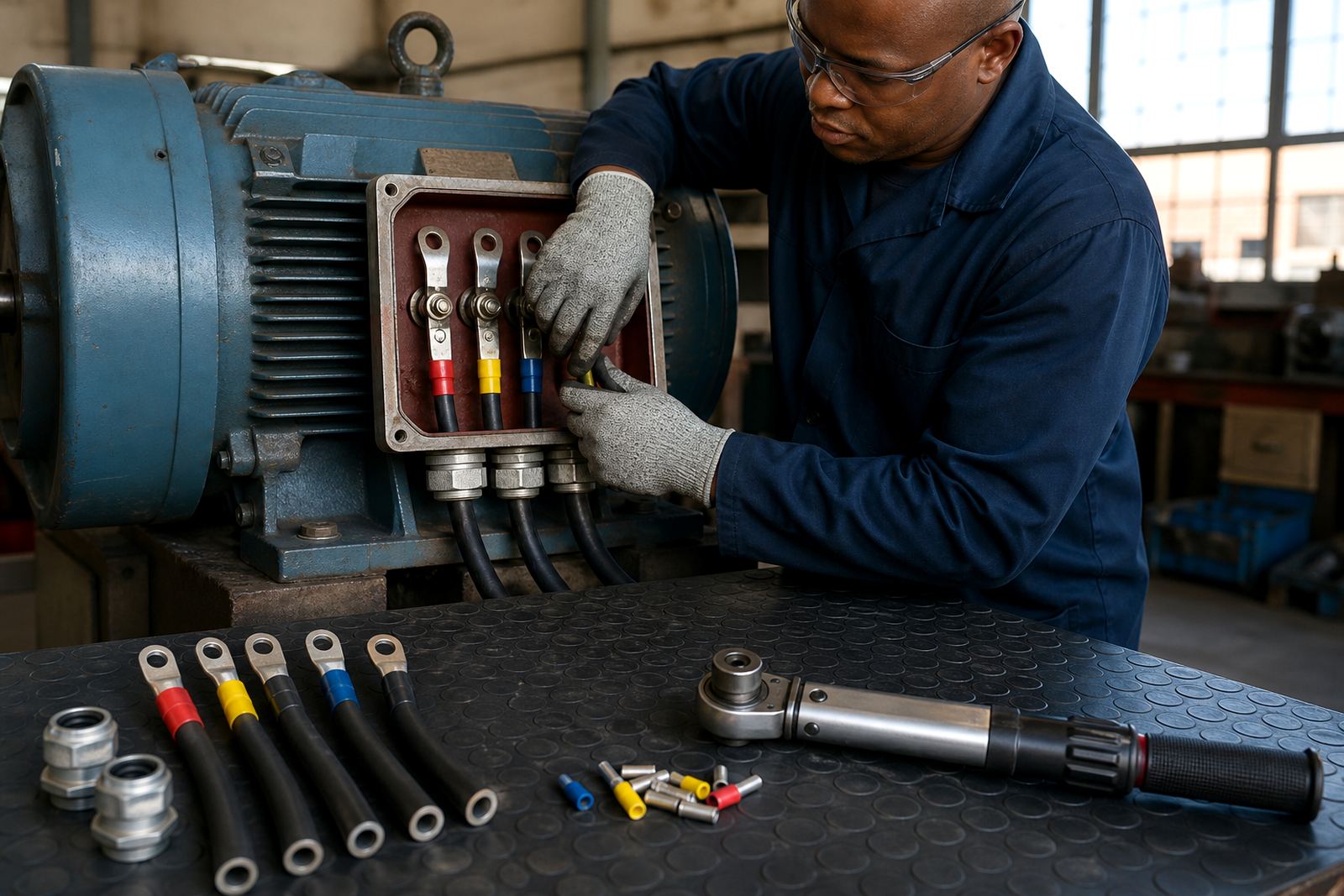
Rotor bar issues are usually suspected from the running behaviour, then confirmed through a structured inspection. Qualified electrical personnel should isolate the motor, apply lockout procedures, and verify that the circuit is dead before touching terminals or opening covers. That point matters on every site, whether the job is in Pretoria, Vereeniging, or a factory in Ekurhuleni.
From there, technicians may check current balance, winding condition, insulation resistance, bearing condition, and the mechanical drive line. On some motors, a broken bar fault shows up as a distinctive rise and fall in current or torque while the rotor turns. On others, the evidence is more indirect and only becomes clear once the motor is stripped and inspected on the bench.
- Visual inspection of end rings, shaft, bearings, and cooling paths
- Insulation testing to confirm the windings are still serviceable
- Bearing checks for noise, play, or overheating marks
- Drive inspection and alignment checks on coupled equipment
- Site reporting so the plant team knows what failed and why
What repair or rewinding work may involve
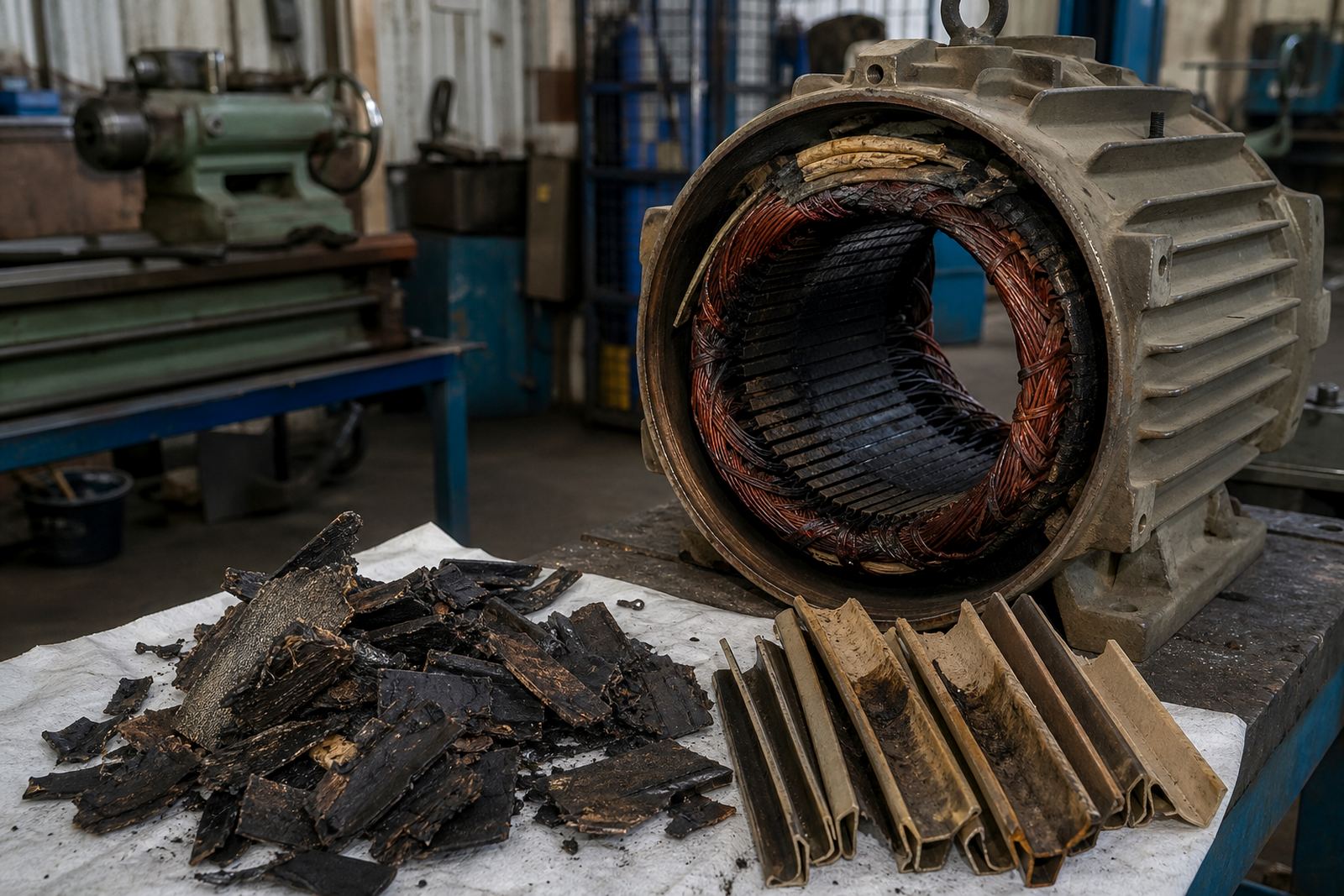
If the fault is isolated to the rotor, repair options depend on the motor type, size, and condition of the rest of the machine. Some rotors can be rebuilt where the design and condition allow it, while others are better replaced as part of a full motor overhaul. The rest of the job may include bearing replacement, cleaning, re-lubrication, shaft checks, and electrical testing before reassembly.
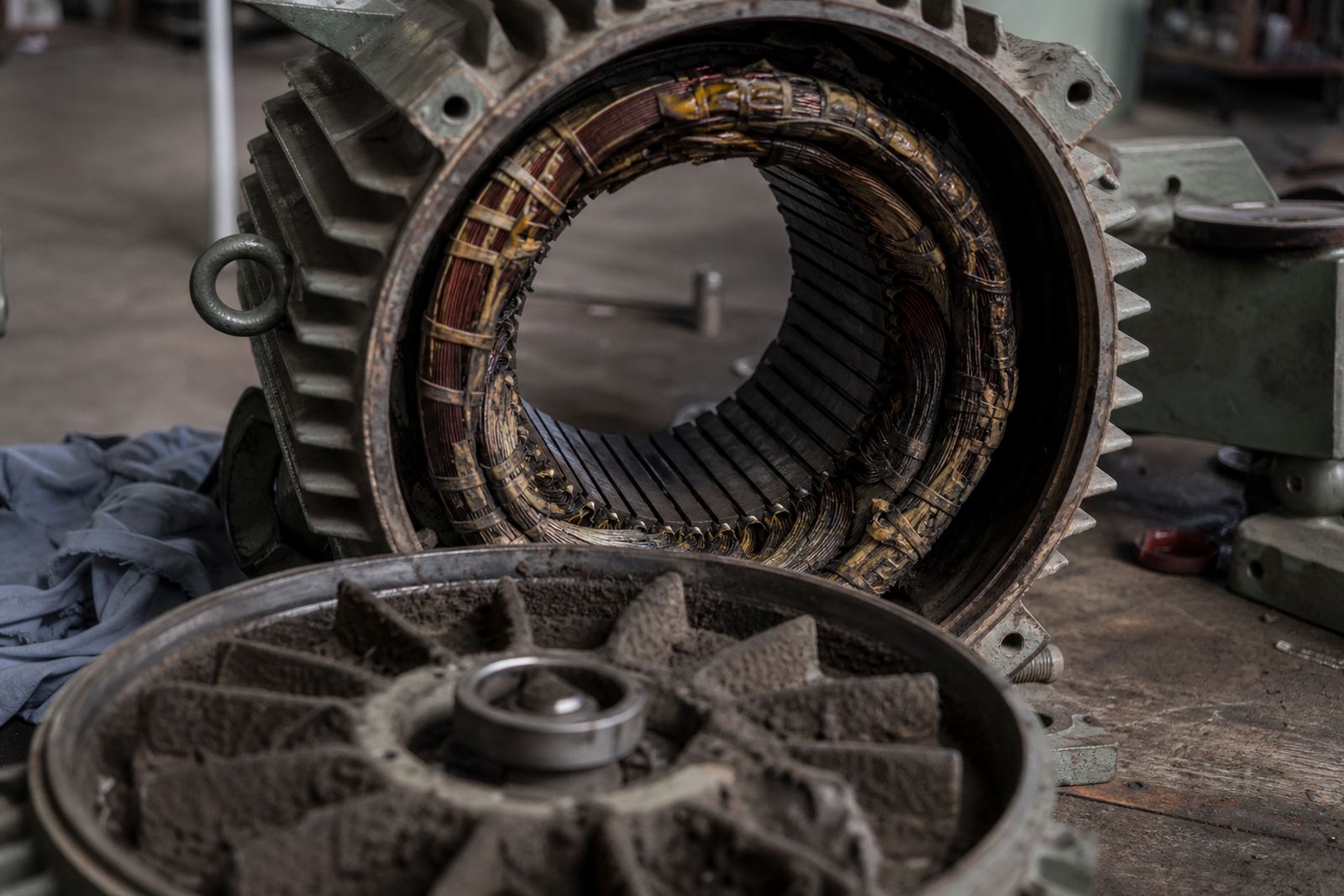
Where rewinding is needed on the stator side as well, the winding data must be matched carefully so the motor performs as intended. Good workmanship matters because a motor that is repaired without attention to detail can return with the same symptoms, just a few months later. In our experience, correct bearing fitment and insulation testing are just as important as the winding work itself.
A practical example from a Gauteng plant
A production workshop in the east of Gauteng may first notice a motor struggling to start a conveyor after a power interruption. The operator resets the trip, the motor runs again, then trips later in the shift when the line is loaded. At first it can look like a supply problem. After inspection, the real issue may be a rotor defect combined with worn bearings, which increases drag and makes the motor work harder every time it starts.
That kind of fault is common on machines that run hard, stop often, and sit in dusty areas near loading bays or fabrication spaces. Once the motor is isolated and tested properly, the team can decide whether the unit needs rotor work, a full rewind, or a mechanical repair package that also addresses alignment and cable checks. The key is not to keep forcing the same motor back into service without understanding the cause.
When to involve Locor and what our team can support
Locor works from Germiston, Gauteng and supports plants and workshops in Johannesburg, Ekurhuleni, Pretoria, Vereeniging and Durban, with site coverage in areas such as Boksburg and Kempton Park. Our team handles fault finding, motor removal, drive inspection, bearing checks, insulation testing, alignment checks, commissioning support, shutdown planning, spares assessment, panel cleaning, cable checks and site reporting. We also repair variable speed drives and other related control equipment, which can be part of the same fault chain when a motor is not receiving clean control signals or stable operation.
For rotor bar issues, the useful step is to start with the evidence, not the guess. A motor that keeps tripping or losing torque should be assessed by qualified people, with isolation and lockout in place before any work begins. That protects the team and gives a better result for the plant. If you need help through the enquiry form on our contact page, the details can be reviewed and the next step planned from there.
- Established in 2007, with an experienced local team
- Based in Germiston for fast support across Gauteng and beyond
- Practical fault finding for motors, drives, and associated electrical equipment