

Why Grease Choice Matters More Than Many Teams Think
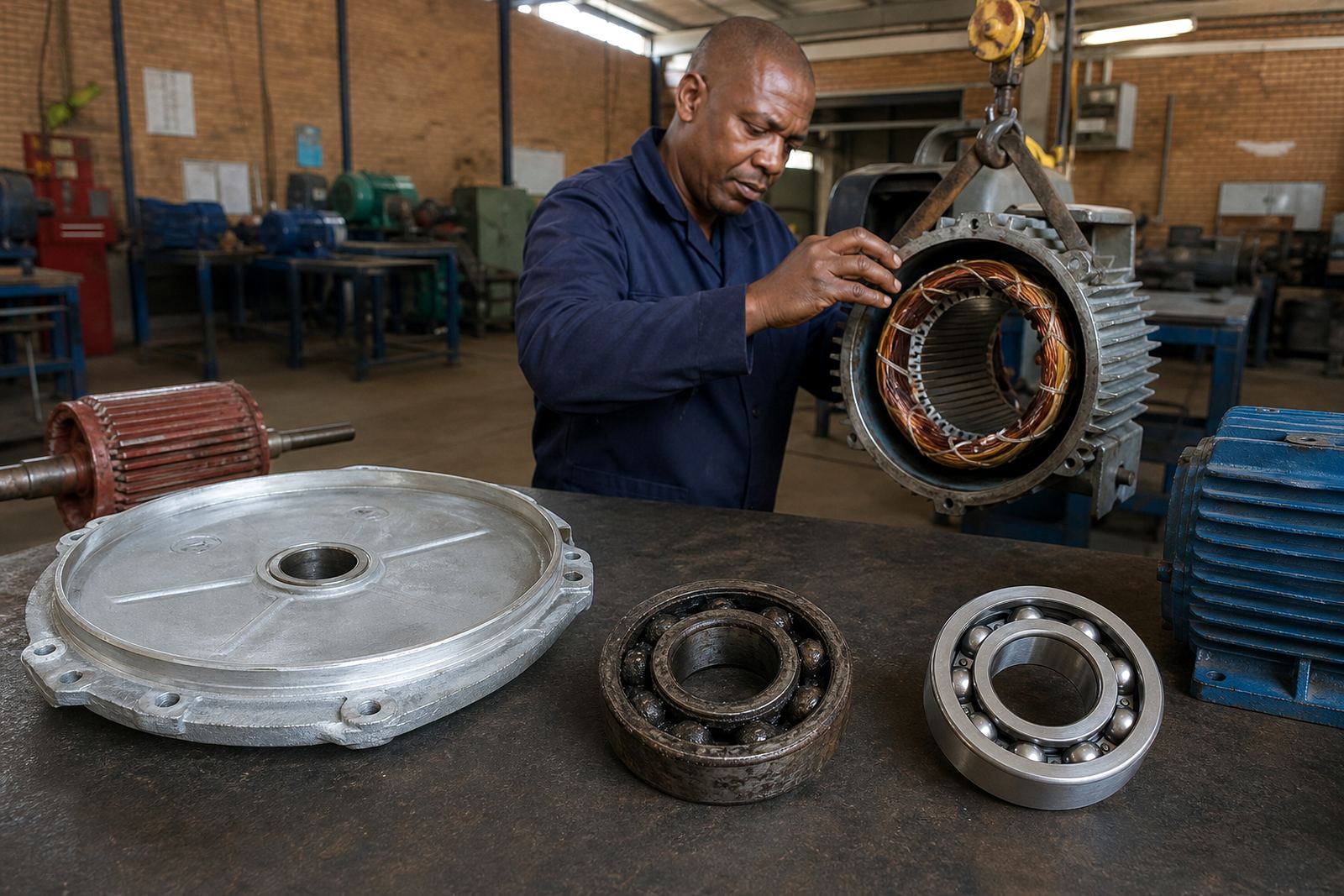
In electric motor service, bearing grease is not just a routine consumable. It carries the load, helps manage heat and protects the rolling elements from wear. If the grease is too light, too heavy or not suited to the running speed and temperature, bearings can run hot and break down early. That is when a motor starts to sound rough, draw extra current or trip under load.
For workshops in Germiston, Boksburg and Kempton Park, the challenge is often dust, vibration and long hours on the plant floor. In Durban, coastal humidity brings another concern because moisture can work its way into housings and shorten bearing life. Grease selection needs to suit the duty, the environment and the actual service pattern, not just what is easiest to find on the shelf.
Match the Grease to Speed, Heat and Duty
Different motors need different bearing treatment. A small fan motor on intermittent duty does not face the same demands as a continuously running pump motor in a hot process area. Grease that performs well at moderate speed may not cope with higher temperatures or heavy radial load. The wrong base oil viscosity can also create drag and heat, which is why a one size approach often causes trouble.
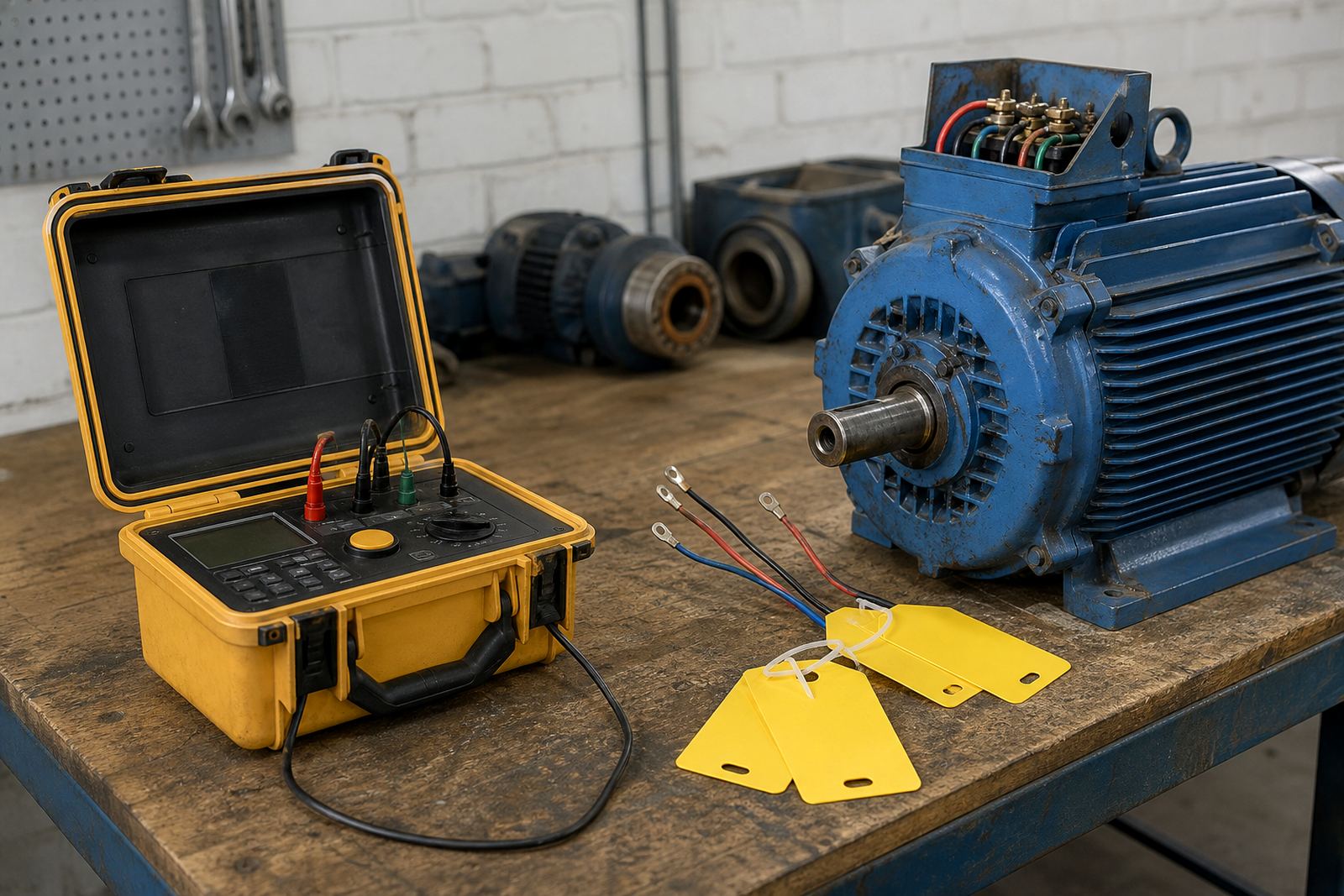
When a qualified technician assesses a motor, they will look at the bearing type, speed, duty cycle, housing condition and any signs of contamination before choosing the grease. They should also follow lockout procedures and make sure the motor is safe to work on before removal or inspection. Electrical work must always be done by qualified people, because a simple lubrication job can turn risky fast if the unit is live or if stored energy is not isolated.
- Check the motor speed and bearing size before selecting a grease type.
- Use a grease suited to the operating temperature, not just the ambient temperature.
- Do not mix incompatible greases in the same bearing housing.
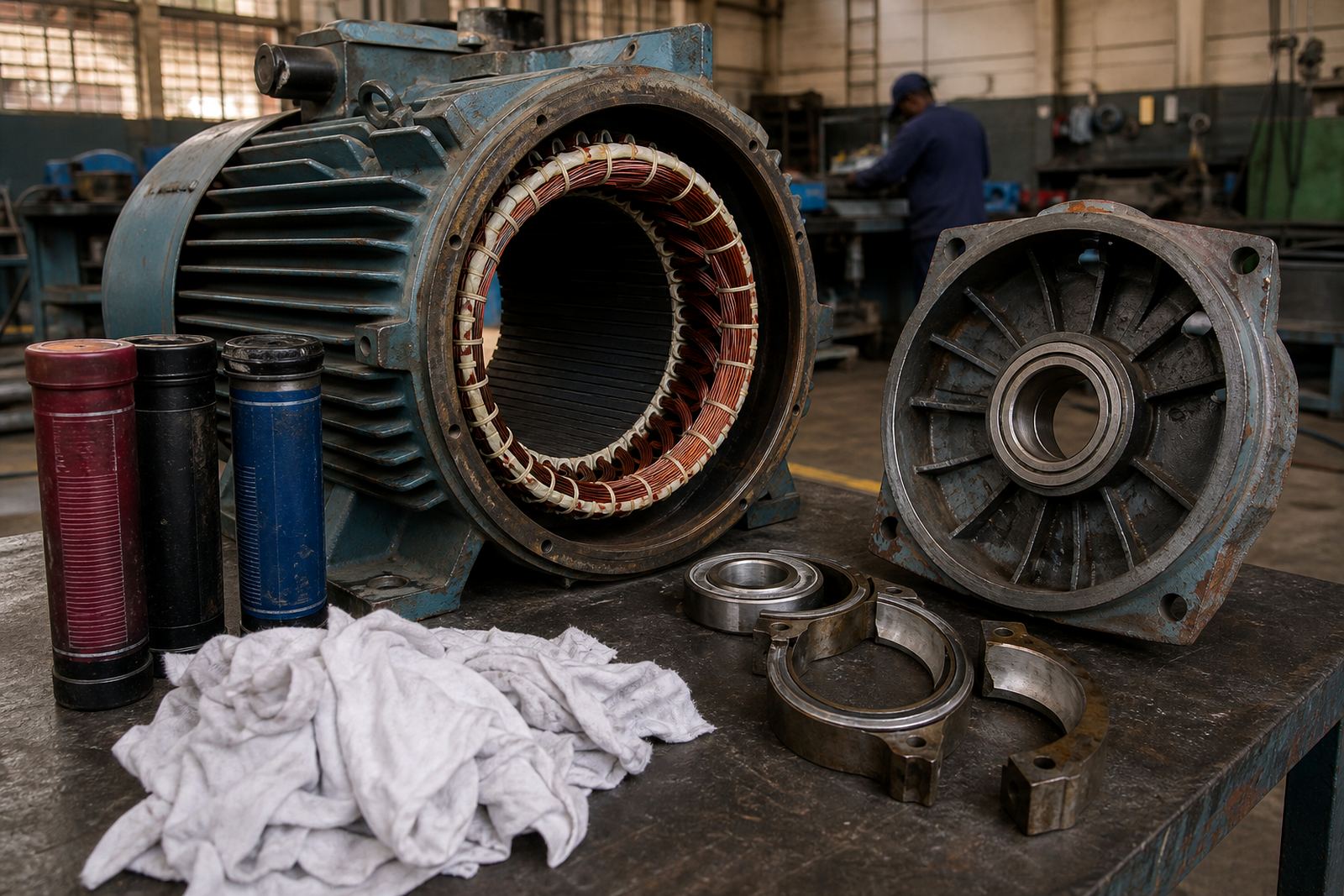
- Keep to clean handling methods during relubrication to avoid grit and fibre contamination.
Intervals Should Reflect the Site, Not Guesswork
Grease intervals are often shortened or stretched without proper reason. Both can cause damage. Too much grease can churn, heat up and push seals out of position. Too little grease leaves the bearing running dry and exposed to wear. The best interval depends on hours run, load, temperature, speed and whether the plant operates continuously or in shifts.
For a site in Pretoria with clean indoor conditions, a bearing may last well on a sensible schedule. At a workshop in Vereeniging with airborne grit, or on a coastal installation in Durban, the same schedule might not be enough. Load-shedding also changes the picture. Repeated starts after a power interruption can increase stress on motors and bearings, so the grease plan should be reviewed if operating patterns have changed.
- Record running hours and service dates for each motor.
- Review intervals after process changes, dust exposure or heat build-up.
- Inspect seals and housings whenever the motor is opened.
- Replace grease only with the correct amount and method, not by eye.
Signs the Grease Is Wrong or Past Its Best
Many bearing failures give warning signs before the motor stops. Noise, vibration, rising casing temperature and a burnt smell can point to lubrication trouble. In some cases the grease turns dark or separates, especially where heat or contamination has been building for a while. If the motor has been over-greased, you may also see seal failure or grease escaping around the end cover.
These signs should never be ignored, particularly on production lines where one motor supports several linked machines. A small issue can spread into belt wear, misalignment or drive overload. Good bearing checks, insulation testing and alignment checks all help, but the lubrication condition still needs its own attention. It is often the first detail to be missed and the easiest one to get wrong.
How Locor Approaches Motor Bearing Care in the Field
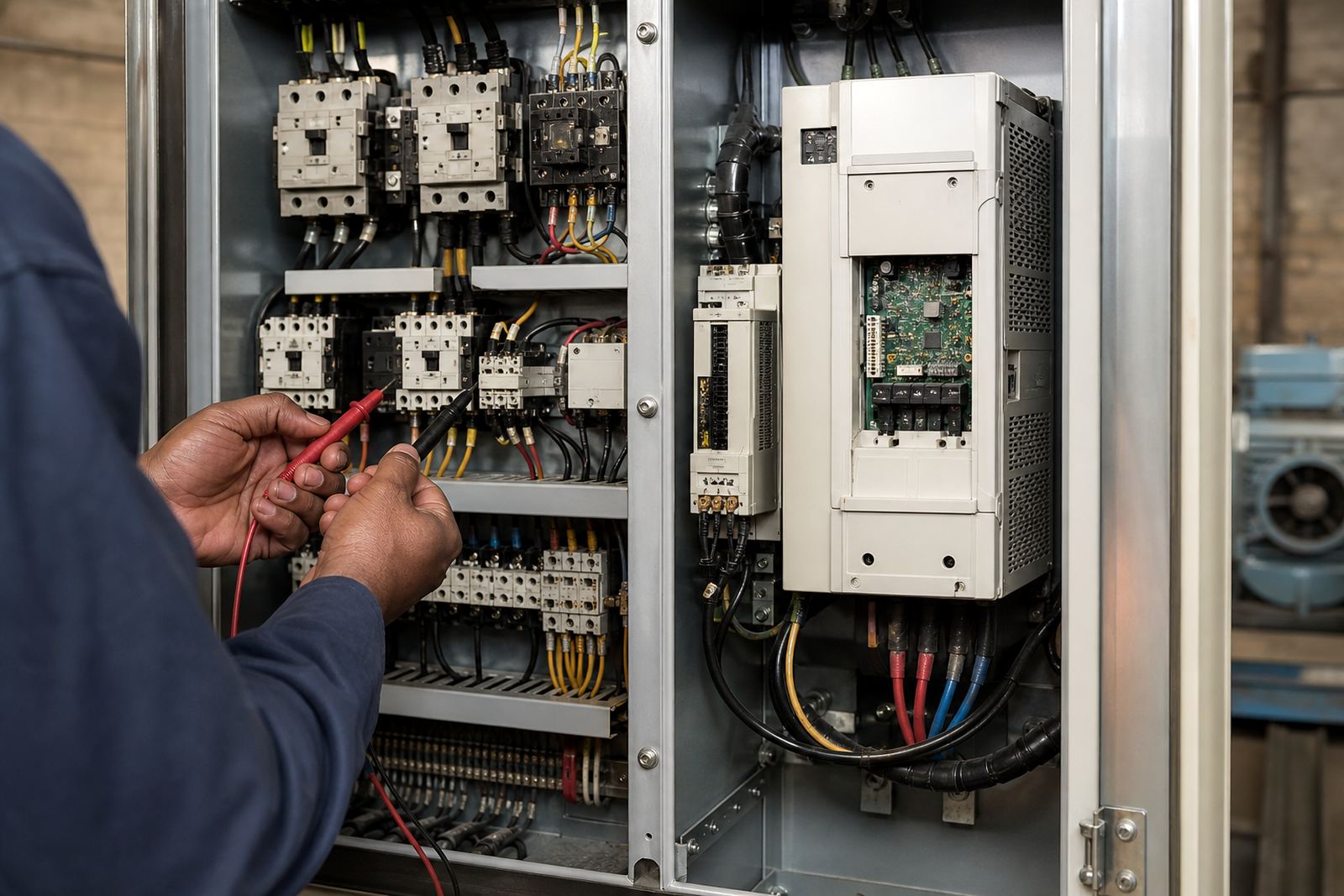
From Germiston, Locor supports plants and workshops across Johannesburg, Ekurhuleni, Pretoria, Vereeniging and Durban with practical motor and drive work. That can include motor removal, bearing checks, insulation testing, panel cleaning, cable checks and commissioning support after repair. The aim is simple: return equipment in a condition that can run properly, with the right checks done before it goes back into service.
In practice, grease selection sits inside a bigger maintenance picture. If a bearing has pitting, contamination or incorrect fit, the new grease will not fix the root cause. The same applies when a motor runs with a variable speed drive. Drive settings, cable condition and cooling all affect bearing behaviour. A repair that ignores those factors may look fine on the bench but give trouble once the motor is back on the line.
A Local Example From a Busy Gauteng Plant
Consider a motor driving a conveyor in Ekurhuleni that stops and starts through the day. The bearing may have been repacked too often with a general purpose grease, and the housing begins to run warm. After a few weeks, the motor sounds harsher and the operator notices vibration at start-up. Once the unit is isolated, removed and inspected, the issue is not just the grease. The bearing shows wear, the housing has fine dust inside and the motor needs proper cleaning, bearing replacement and insulation testing before it can be returned to duty.
That kind of case is common enough in South African industry. The lesson is not to use more grease, but to use the right grease at the right interval and keep to disciplined maintenance. It also shows why shutdown planning matters. A planned service window is cheaper than a surprise stoppage, especially when deliveries, batching or extraction systems depend on that motor staying healthy.
Simple Rules That Save Bearings
Good lubrication practice is mostly about discipline. Keep materials clean, respect service intervals and never assume one motor behaves like another. If a motor has been exposed to water, dust or heavy vibration, inspect it rather than simply topping up grease. Where a bearing fault has already started, repair the cause first and then set the lubrication plan for the next run.
For plants in South Africa, this is practical work, not theory. The right grease choice helps reduce heat and wear, but only when combined with safe isolation, qualified workmanship and proper testing before re-energising the motor. That is how a repair team protects service life and keeps production moving without unnecessary risk.
If your motors are running hot, noisy or repeatedly failing bearings, it may be time to review the grease used, the interval and the surrounding maintenance process.