

Heat Is the Biggest Enemy of Windings
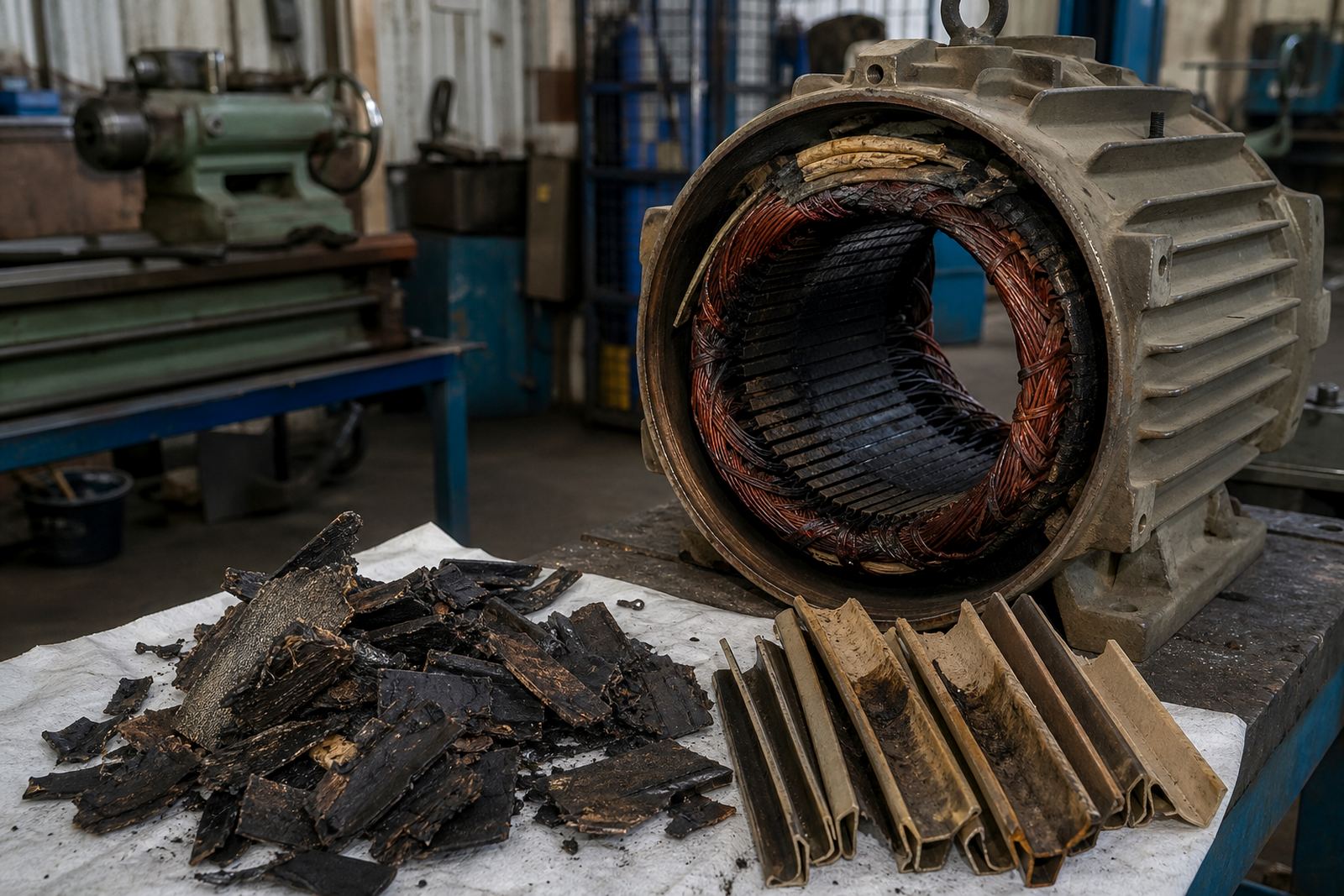
Electric motor insulation is designed to handle normal operating temperatures, but repeated overheating shortens its life very quickly. In a plant or workshop, that heat can come from overloads, poor cooling, blocked fan covers, frequent starts and stops, or a motor working harder than it was sized for. Once the varnish and insulation paper dry out and crack, the winding becomes far more likely to earth fault or short between turns.
This is one reason technicians should look beyond the motor itself. A faulty bearing, misalignment, low voltage, unbalanced phases or a jammed driven machine can push current up and temperature with it. If the root cause is left in place, a freshly rewound motor may fail again much sooner than expected.
Moisture and Coastal Air Change the Picture Fast
Moisture is a common problem in Gauteng and even more so for equipment that moves between inland sites and coastal conditions. A motor standing idle in a humid store room, or a drive panel installed in a dusty bay with poor sealing, can absorb moisture into the insulation system. That lowers resistance and makes leakage paths easier to form when the machine is energised.
On the coast, salt in the air adds another layer of risk. In Durban for example, a motor stored for shutdown work can look clean on the outside but still have damp windings, surface tracking or corrosion on terminal points. The same thing can happen in Boksburg or Kempton Park when washdown water, steam or open yard storage gets into the job, so site conditions matter just as much as the repair itself.
- Keep motor terminals covered when equipment is open.
- Store spare motors off the floor and away from damp walls.
- Use proper seals and cable glands on panels and junction boxes.
- Check for condensation after long shutdowns or cold mornings.
Dust, Oil and Chemical Contamination Break Down Insulation
Contamination is another common reason insulation fails. Fine dust can build up on windings and hold heat in the motor, while oil mist and grease can soften insulation materials over time. In workshops that handle grinding, cutting fluids, food products or chemical process areas, the contamination risk is even higher because residue can settle inside the motor and on drive components.
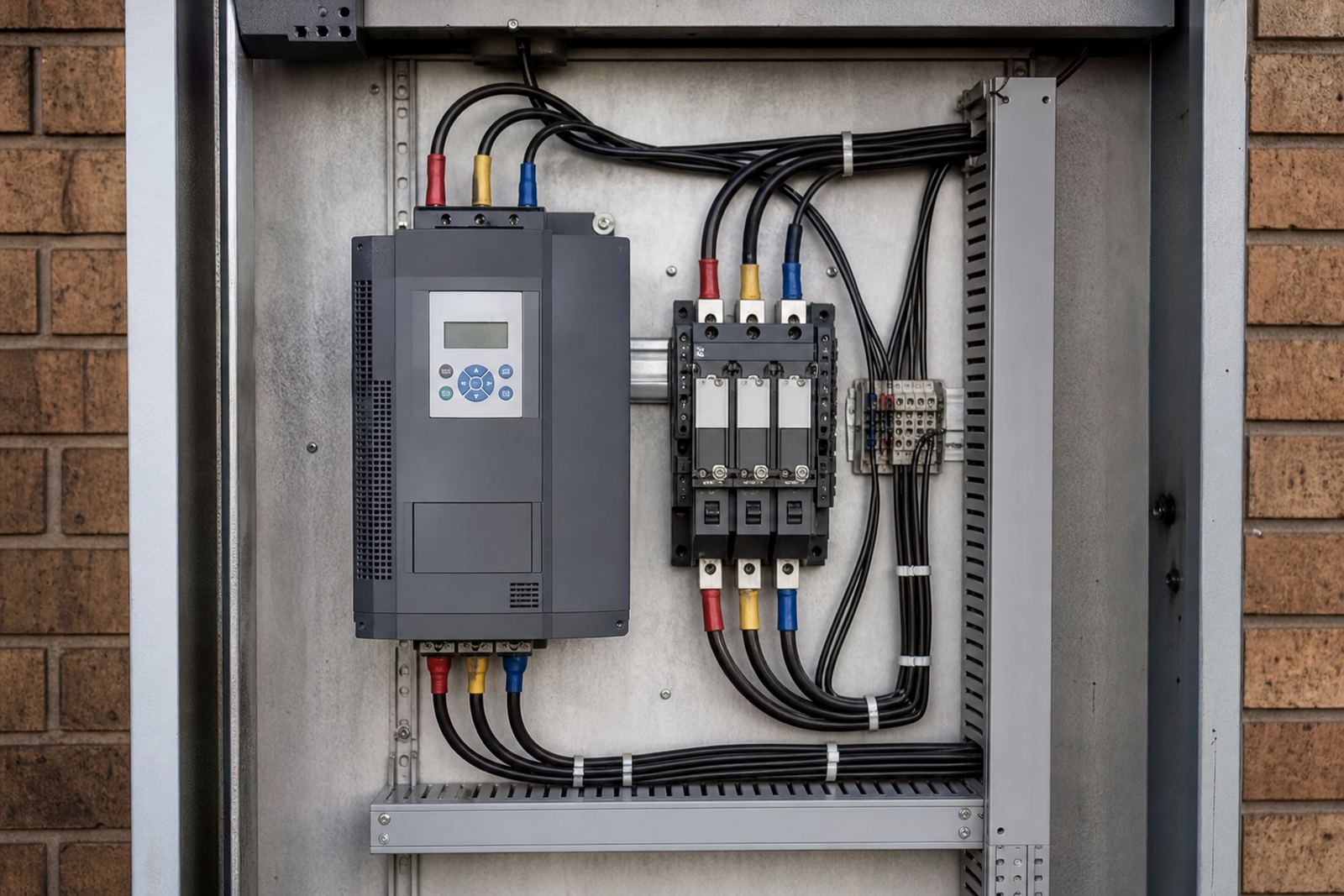
Once dirt mixes with moisture, the surface of the winding becomes conductive and tracking can start. That is why cleaning is not just cosmetic. A proper inspection should include the end windings, fan side, terminal box, cable entries and surrounding panel. If a drive cabinet is full of dust, the problem may not only be the motor, it can also be poor cooling or dirty control gear causing heat build-up and nuisance faults.
- Inspect whether the dust is dry, oily or mixed with coolant.
- Look for dark tracks, burnt smells or sticky deposits.
- Check panel fans, filters and air paths during every shutdown.
- Record where the contamination comes from so it can be prevented next time.
Age and Vibration Wear the Insulation Down Quietly
Even when a motor has not been abused, age alone changes the insulation system. Varnish becomes brittle, paper layers lose flexibility, and repeated heat cycles make small cracks larger. Vibration from poor alignment, worn bearings or a loose base can also rub winding connections and lead to insulation damage at points that are hard to see.
This is where bearing checks and alignment checks matter. A motor may be blamed for electrical failure when the real issue is mechanical movement that keeps stressing the winding. On older machines, the signs are often subtle at first, such as a motor running hotter than usual, a faint hum, or a drive drawing uneven current. If those signs are ignored, failure can move from warning stage to a full shutdown very quickly.
What a Proper Fault Finding Process Should Include
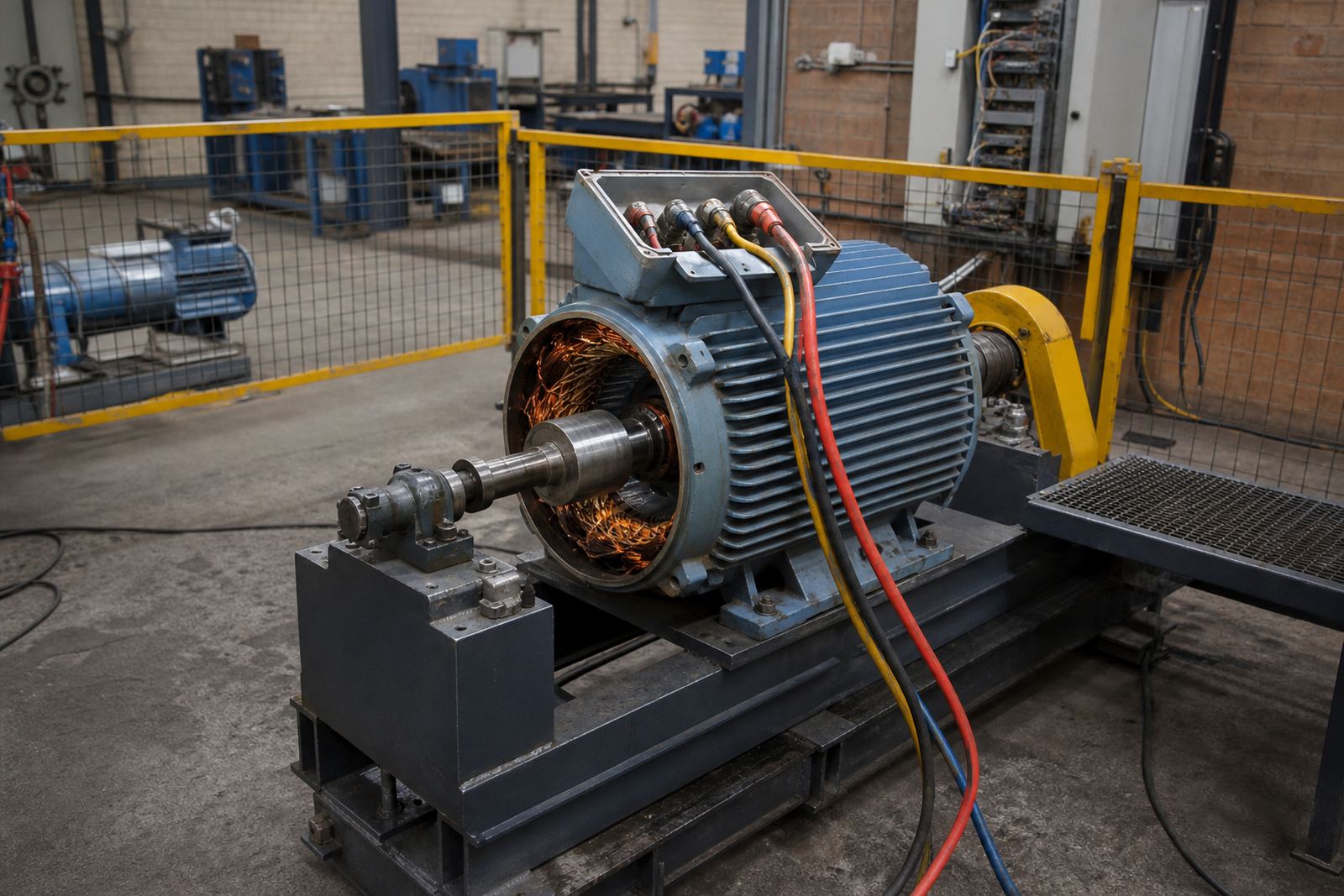
When insulation damage is suspected, the best approach is to work methodically and safely. Electrical work must only be done by qualified people, with lockout procedures in place before any cover is removed or any test is made. A motor or variable speed drive can hold dangerous energy even after the supply is switched off, so isolation, verification and site rules are not optional.
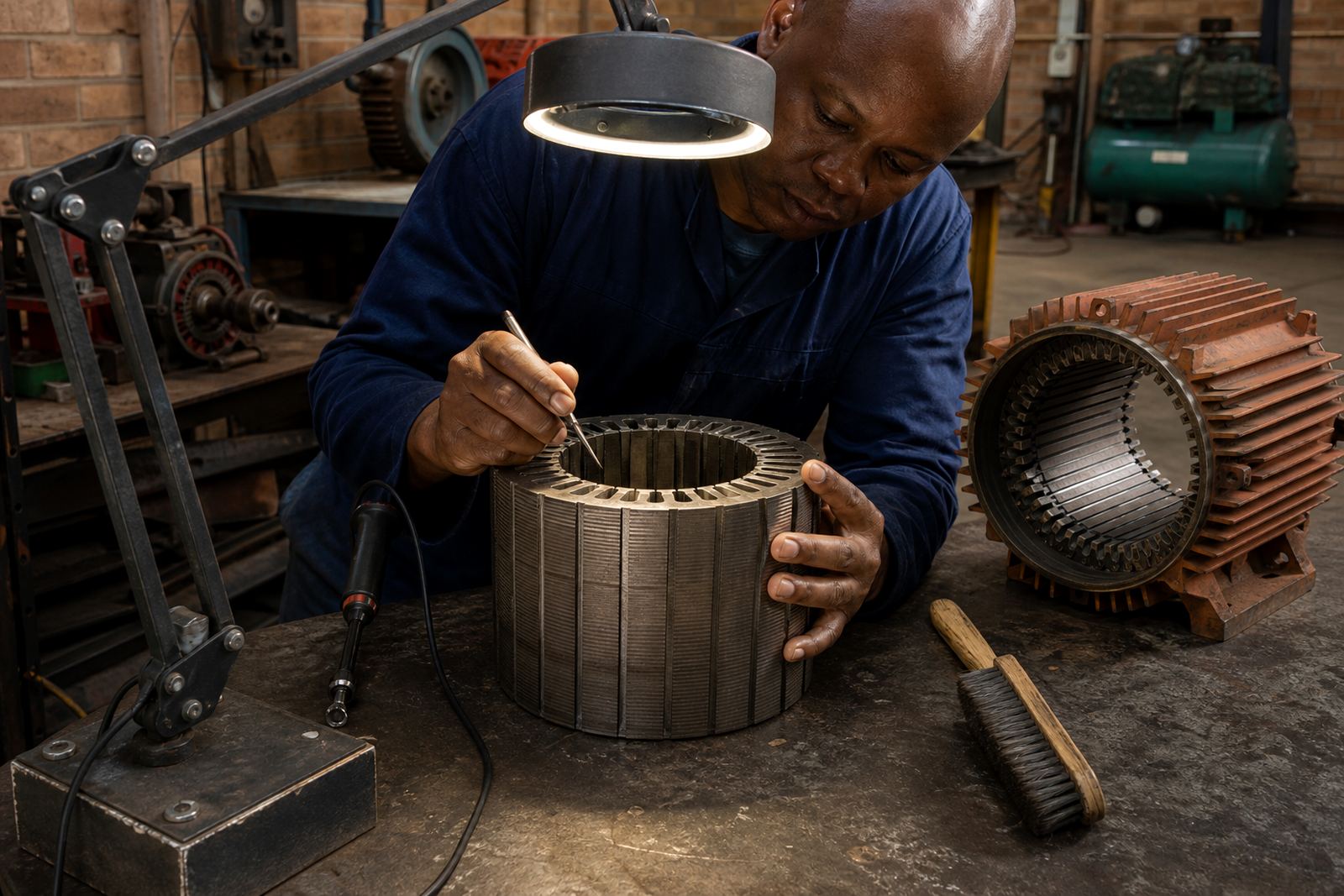
A sound inspection normally starts with the basics: visual checks, cable checks, panel cleaning, insulation testing, bearing checks and drive inspection if a controller is involved. From there, the technician can decide whether the problem is a winding issue, a supply fault, a control fault or a mechanical issue. That saves time and helps avoid replacing parts that are still serviceable.
- Isolate, lock out and prove dead before opening equipment.
- Check the supply, terminals and cabling for damage or looseness.
- Test insulation values and compare them with the machine history if available.
- Inspect bearings, cooling and alignment before refitting or rewinding.
A Germiston Example: Small Fault, Big Downtime
A common local case starts with a motor in a Germiston workshop that trips after startup, then runs normally again for a short while. The temptation is to keep resetting it, but repeated tripping often means the insulation is under stress. In one situation, the motor had been sitting near a wash bay, the terminal box was damp and the fan cover was packed with dust. The drive had also not been cleaned in months, so heat was building up on both sides of the system.
After inspection, the team found reduced insulation resistance, worn bearings and contamination inside the cabinet. The fix was not just a rewind. It also needed cleaning, bearing replacement, cable checks and a proper commissioning check after refitting. That is the point of good shutdown planning: dealing with the source of the damage, not just the symptom. For plants in Johannesburg, Ekurhuleni, Pretoria, Vereeniging and Durban, the same pattern shows up often in different forms ofen than people expect.
How to Reduce Repeat Failures
Insulation failure is rarely a surprise if the machine has been watched properly. Once the warning signs are known, maintenance teams can make better choices about shutdown timing, spare motors, and whether a field service call is needed before a full breakdown. That is especially useful in plants and workshops where one failed motor can stop a line, a pump set or an extraction system.
Good practice includes planned inspections, keeping the area clean, checking loading on the machine, and recording what failed and why. If a motor or drive has failed more than once, the real issue may be in the application, not the repair. A careful assessment now can prevent another stop later, and that matters when production must keep moving across sites in Gauteng and KwaZulu-Natal.