

Why a Proper Termination Matters
A cable termination is more than a place where a conductor meets a lug or terminal block. It must carry current safely, stay tight under vibration, and keep moisture, dust and heat away from the connection. On motors, variable speed drives and control panels, a poor termination can create resistance, which leads to hot spots, damaged insulation and intermittent faults.
In workshops and plants, loose or badly prepared terminations are one of the common causes of avoidable downtime. They may not fail at once, which is what makes them tricky. The system may run for days, then start tripping when the load increases or when the weather turns wet and humid along the coast.
What Good Workmanship Looks Like
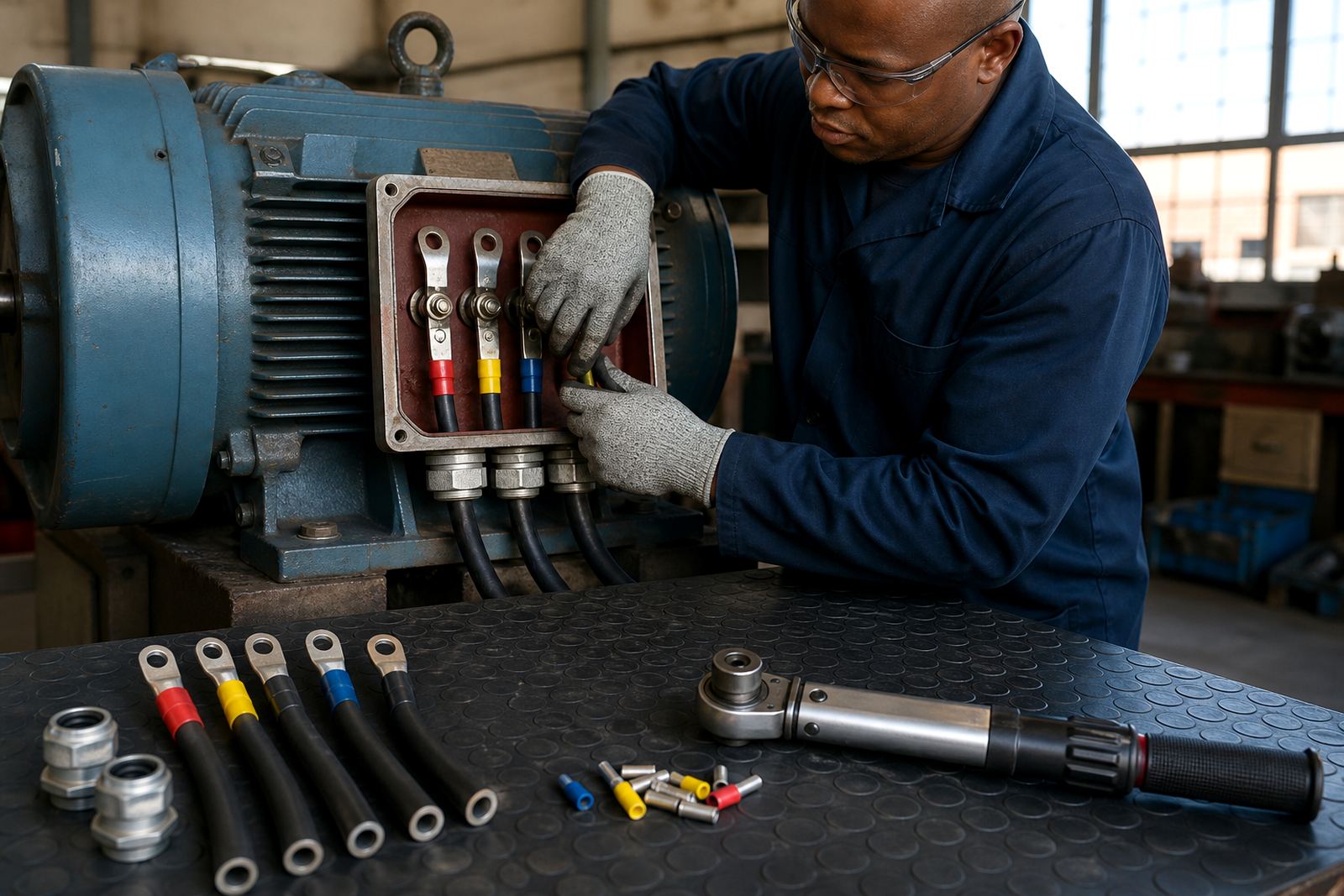
Good termination starts with the right conductor preparation and the right hardware for the application. The insulation should be stripped cleanly without nicking the copper. The conductor size must match the lug, ferrule or terminal point, and the connection should be tightened to the correct level, not just by feel. In control panels, neat routing and clear labelling also make later fault finding much easier.
- Use the correct cable size for the load and duty.
- Strip insulation without damaging strands.
- Crimp lugs with the proper tool, not pliers.
- Tighten terminals securely and recheck after testing.
- Keep phase colours and identification consistent.
- Separate power and control cabling where possible.
Clean work matters too. Dust from grinding, oil mist and moisture can all affect how a termination performs over time, especially in older panels or plant rooms that have seen many repairs.
Motors Need Terminations That Can Handle Vibration
Electric motors create vibration every time they start and stop, and that movement works on the cable entry point as well as the terminals inside the terminal box. If the cable gland is loose or the conductors are under strain, the joint can fatigue. This is why motor terminations should be supported properly, with enough slack for movement but not so much that the cable rubs or hangs against hot surfaces.
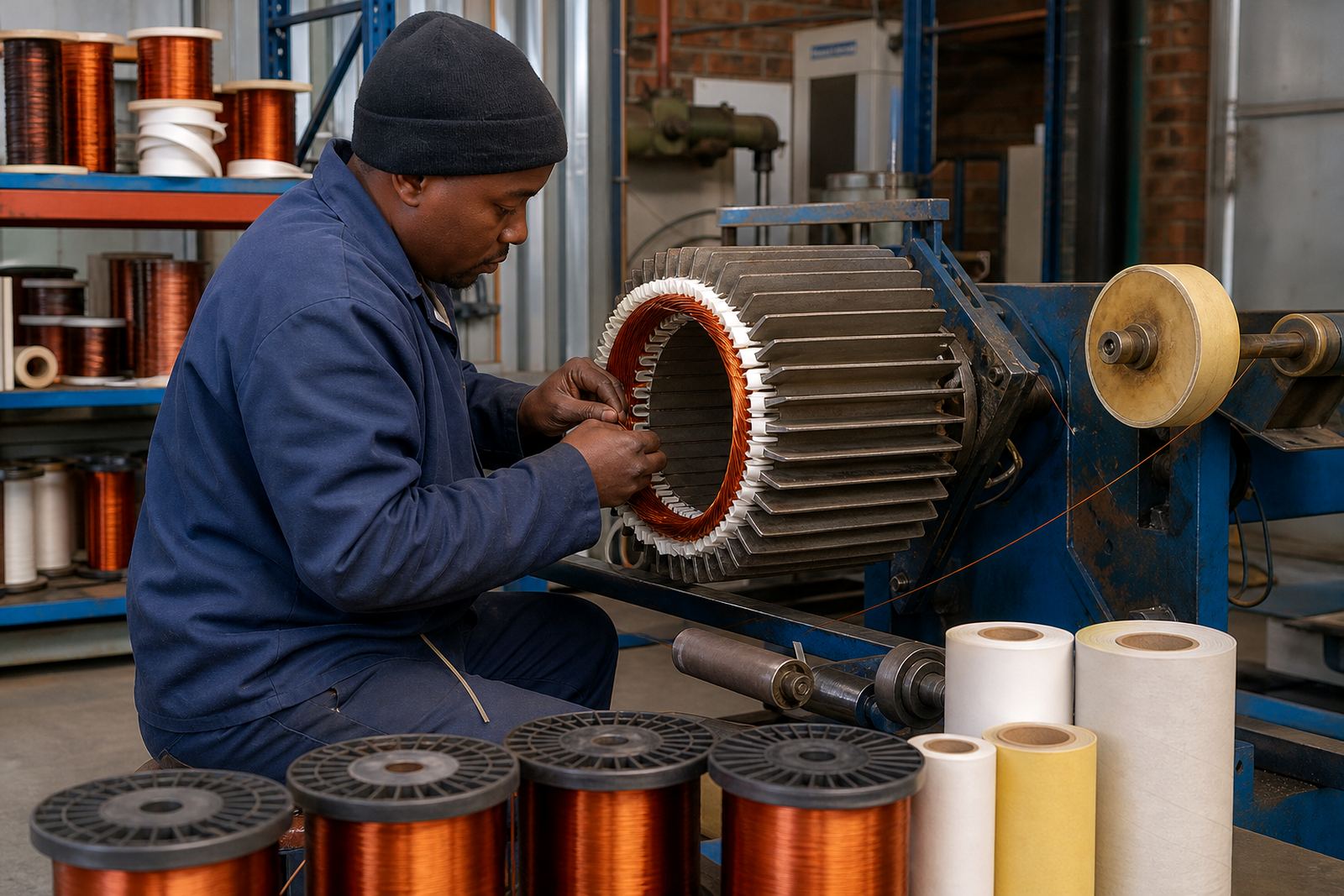
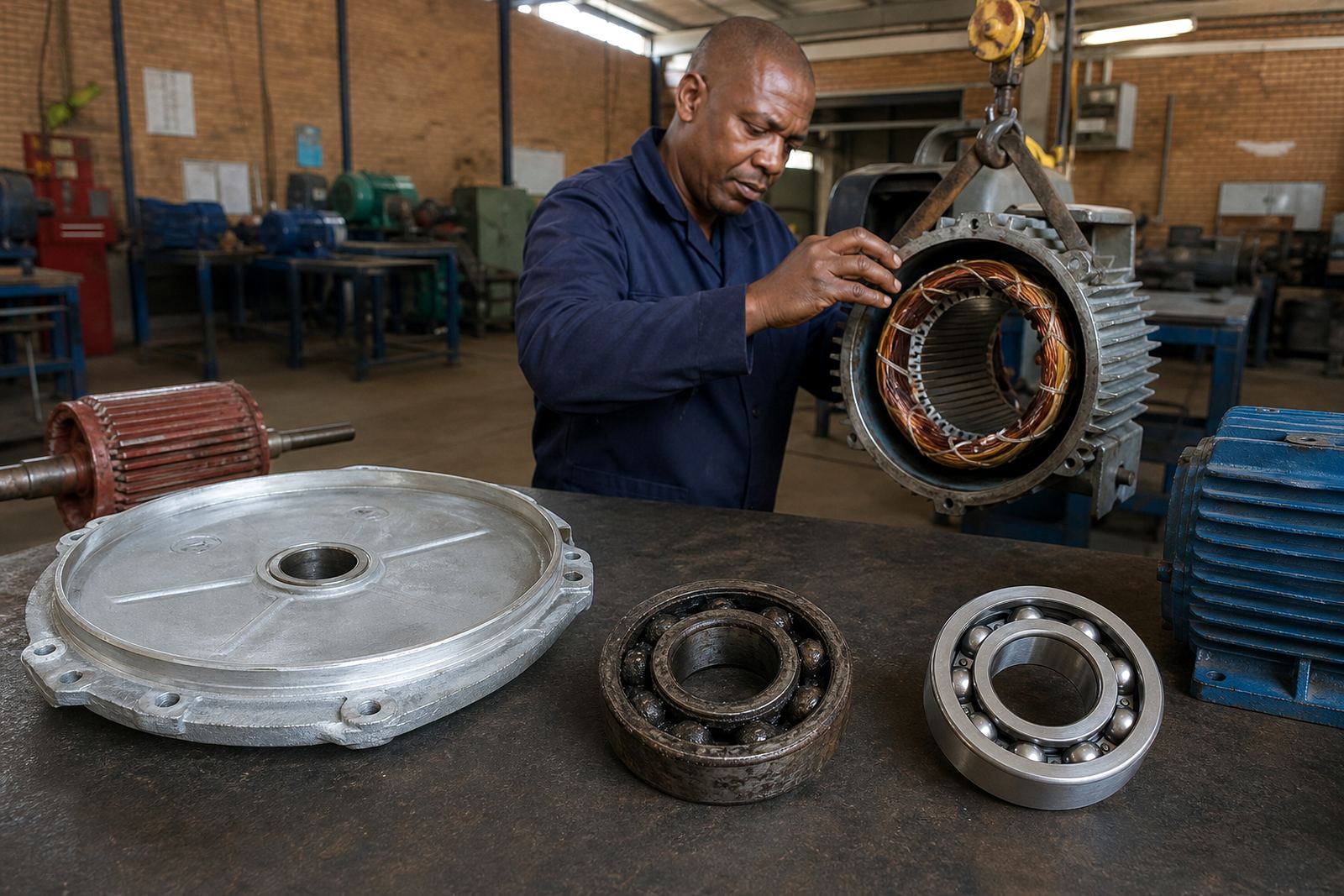
When motors are rewound or bearing changes are done, the cable termination should always be checked again. A sound winding repair can still be undermined by a weak external connection. For field crews doing motor removal and reinstallation, this step is part of the job, not an afterthought.
- Check gland tightness and sealing.
- Inspect for heat discolouration at the lugs.
- Look for brittle insulation near the box entry.
- Confirm that earth continuity is secure.
Drives and Panels Need Clean, Tight Connections
Variable speed drives are sensitive to poor connections. Loose terminations on the input side or output side can cause alarms, overloads and unpredictable behaviour. In some cases the drive itself is blamed, when the real issue is a terminal that has loosened because of heat cycling or poor installation. Control panels need the same attention, especially where cable ducts are crowded and small control wires can be pulled out during maintenance.
Panel cleaning and cable checks often reveal the first signs of trouble. Blackened insulation, dust around terminals, or a terminal screw that no longer grips properly all point to a problem that should be corrected before the next shutdown turns into an emergency callout.
- Check power and control terminations separately.
- Use ferrules where fine stranded conductors are involved.
- Keep drive cabling neat and clearly marked.
- Inspect for signs of arcing or heat around terminals.
Safety First: Isolation and Lockout Must Come Before Any Work
Electrical work must always be done by qualified people, with proper lockout procedures in place before any termination is opened or tightened. A cable that looks dead can still be live if isolation has not been verified correctly. That applies to motors, drives, control panels and field wiring in plant environments.
Before work starts, the circuit should be isolated, locked off, labelled and tested as dead. Any stored energy should also be made safe. That includes checking for capacitors in drive circuits and making sure the system cannot restart unexpectedly. Safe work habits protect the technician and the plant, and they also reduce the chance of damage during repairs.
A Local Example from a Busy Plant in Germiston
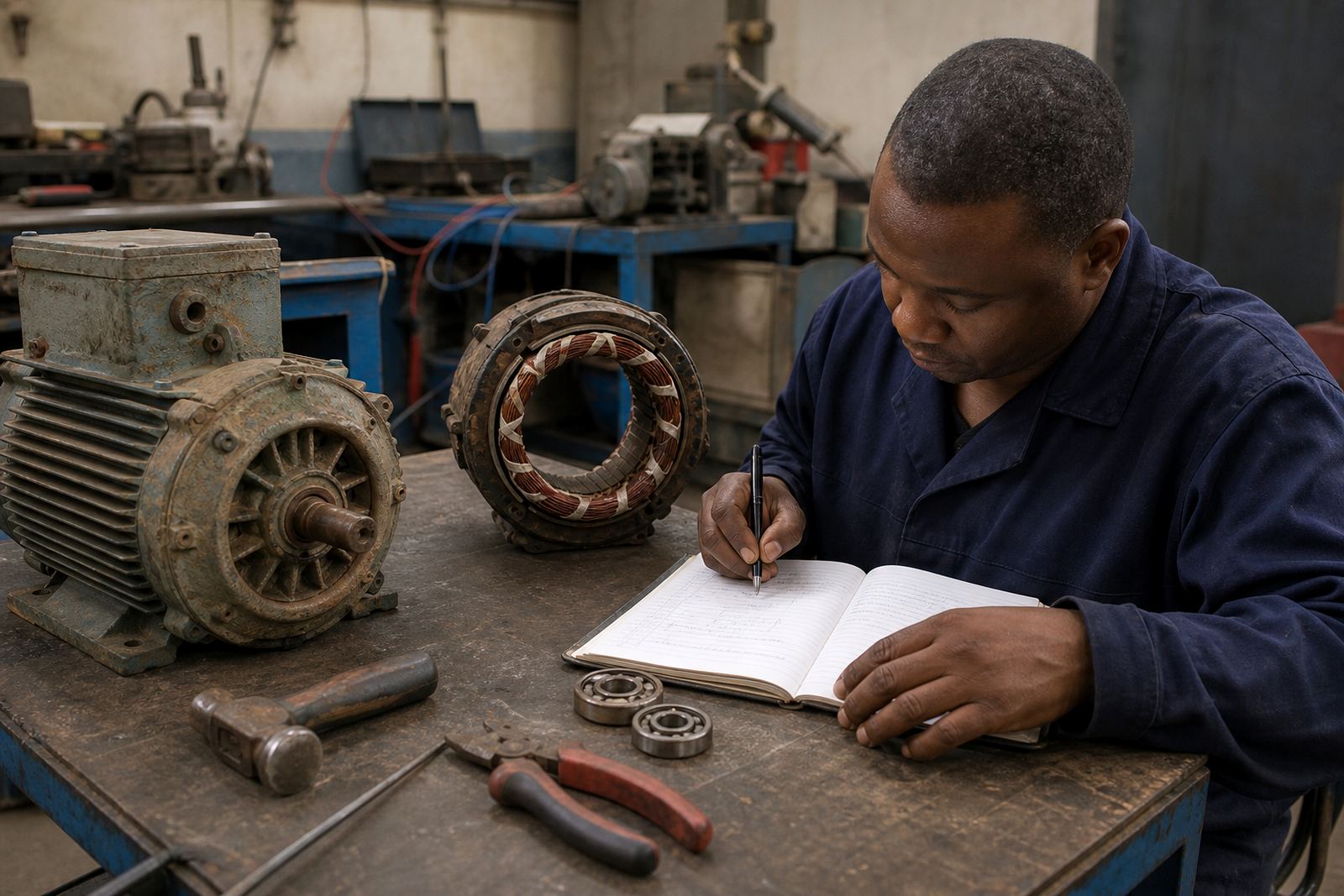
A typical call in Germiston might involve a conveyor motor that keeps tripping after a short run. The motor windings may test within range, but the cable termination in the terminal box shows heat marks and a slightly loose lug. Once the connection is remade correctly, the cable supported properly, and the insulation checked again, the motor often returns to normal operation. It is a small fault, but it can stop a whole section of the plant.
Across Johannesburg, Ekurhuleni, Pretoria, Vereeniging and Durban, the same pattern appears in factories, workshops and service yards. Coastal humidity, dust, vibration and long operating hours all take their toll. Good terminations help equipment handle those conditions, especially during load shedding recovery when systems are being restarted and stress on components is higher.
When to Ask for a Site Check
If a motor runs hot, a drive trips without clear reason, or a panel shows signs of charring, the terminations should be inspected as part of the fault finding process. A proper site check can include cable checks, insulation testing, bearing checks, alignment checks and commissioning support after repairs. Spares assessment and site reporting also help teams decide what needs attention now and what can wait for the next shutdown.
Locor works from Germiston and supports plants and workshops across South Africa, including Boksburg and Kempton Park. If your equipment is showing signs of loose connections, heat or intermittent faults, it is better to inspect early than wait for a breakdown that affects production.