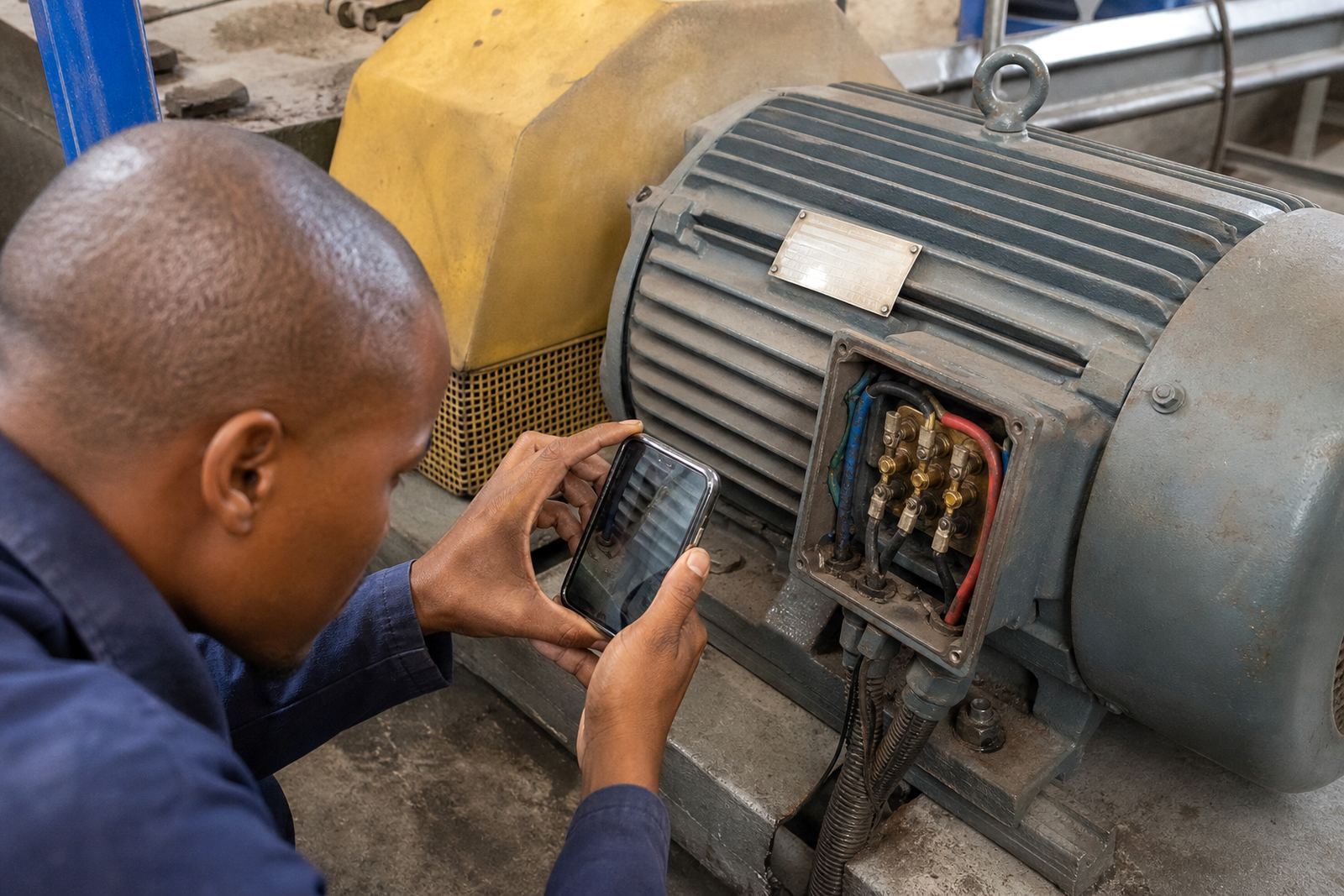
Start With the Fault, Not the Guess
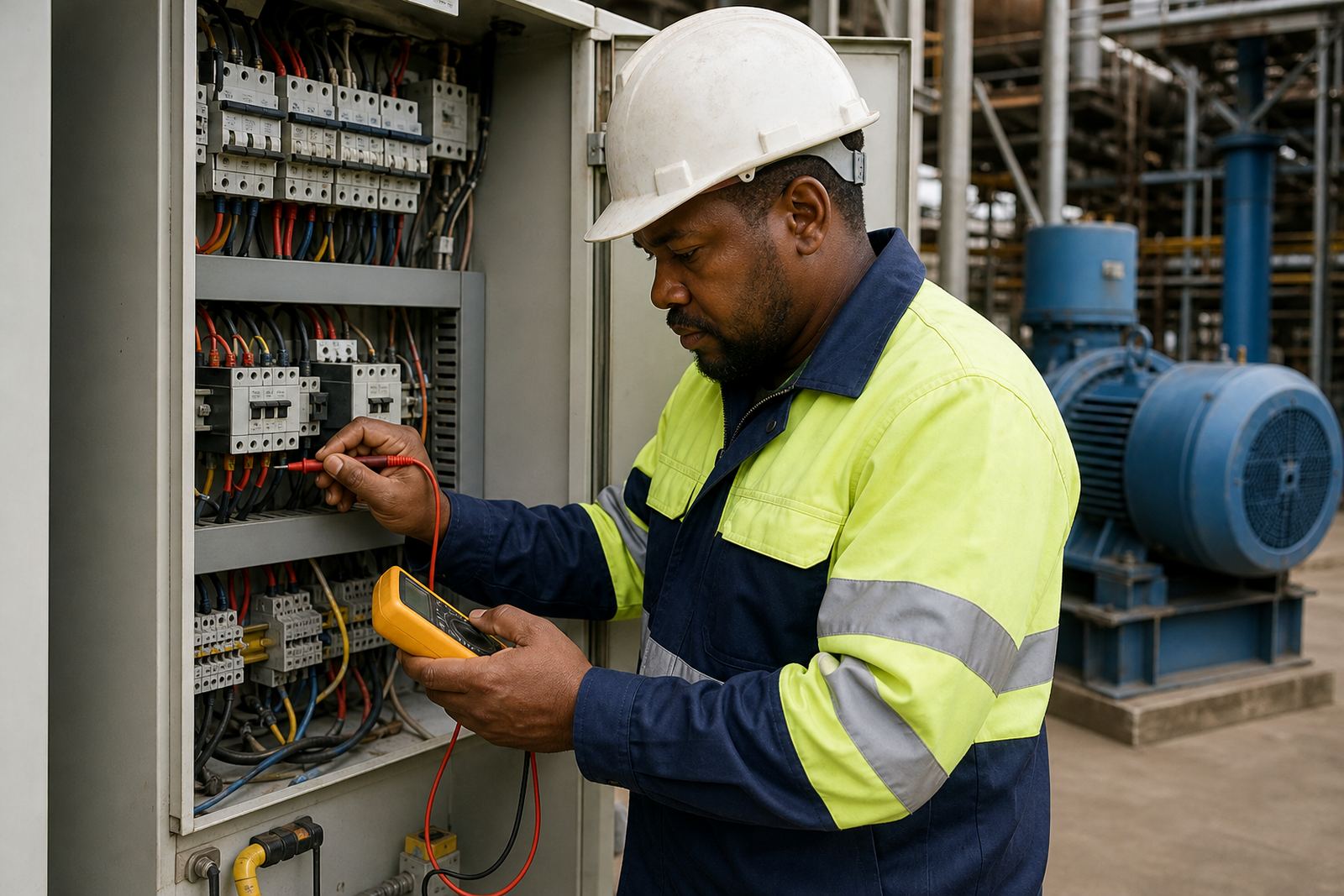
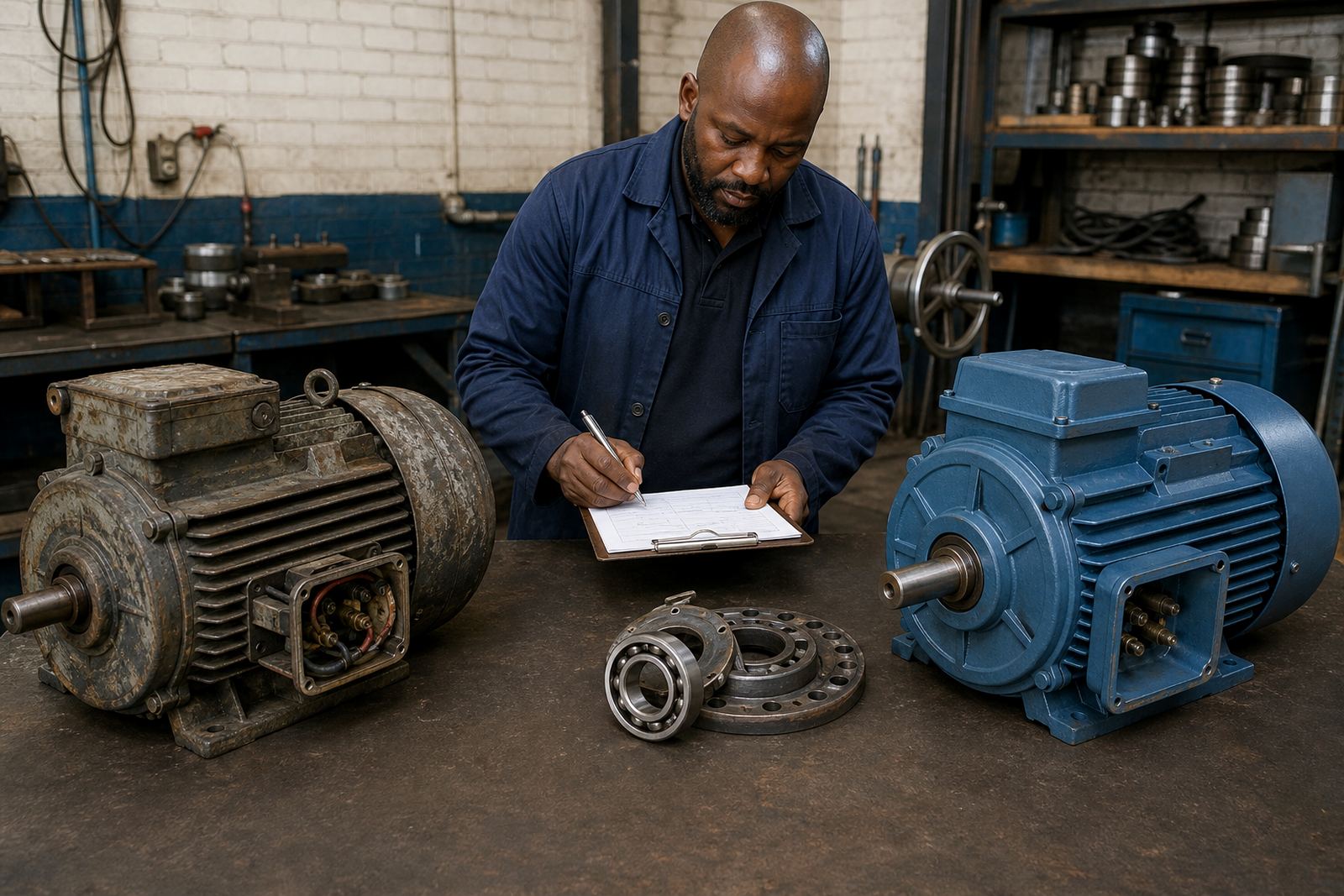
When a motor stops, trips repeatedly, or starts running hot, the first job is to narrow down the symptoms. A noisy bearing, a burnt smell, a nuisance trip on start-up, or a drive fault code each points to a different line of checking. Good notes from the plant floor save time later and help the repair team decide whether the issue is electrical, mechanical, or a mix of both.
For sites in Germiston, Johannesburg, Ekurhuleni, Pretoria, Vereeniging and Durban, the same rule applies: record what the machine was doing just before the fault. Was it under load, idling, starting after a power cut, or operating in a dusty area. That detail matters when you are planning motor removal, drive inspection, or shutdown work.
- Note the motor size, frame and speed if the nameplate is visible
- Capture any trip message, fault light or burnt odour
- Check whether the problem is constant or only after warm-up
- Record vibration, smoke, heat or water ingress where relevant
What Motor Rewinding Usually Involves
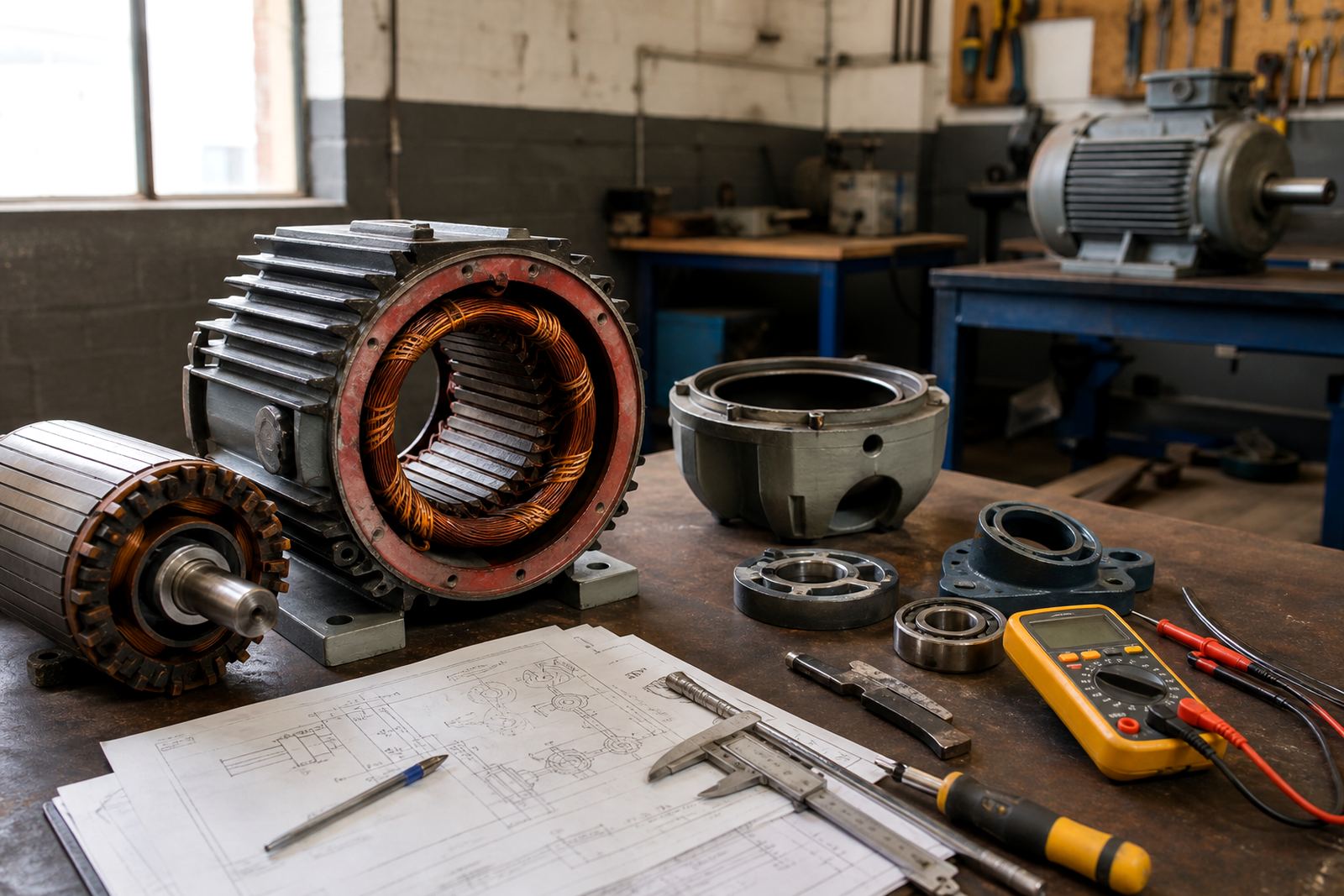
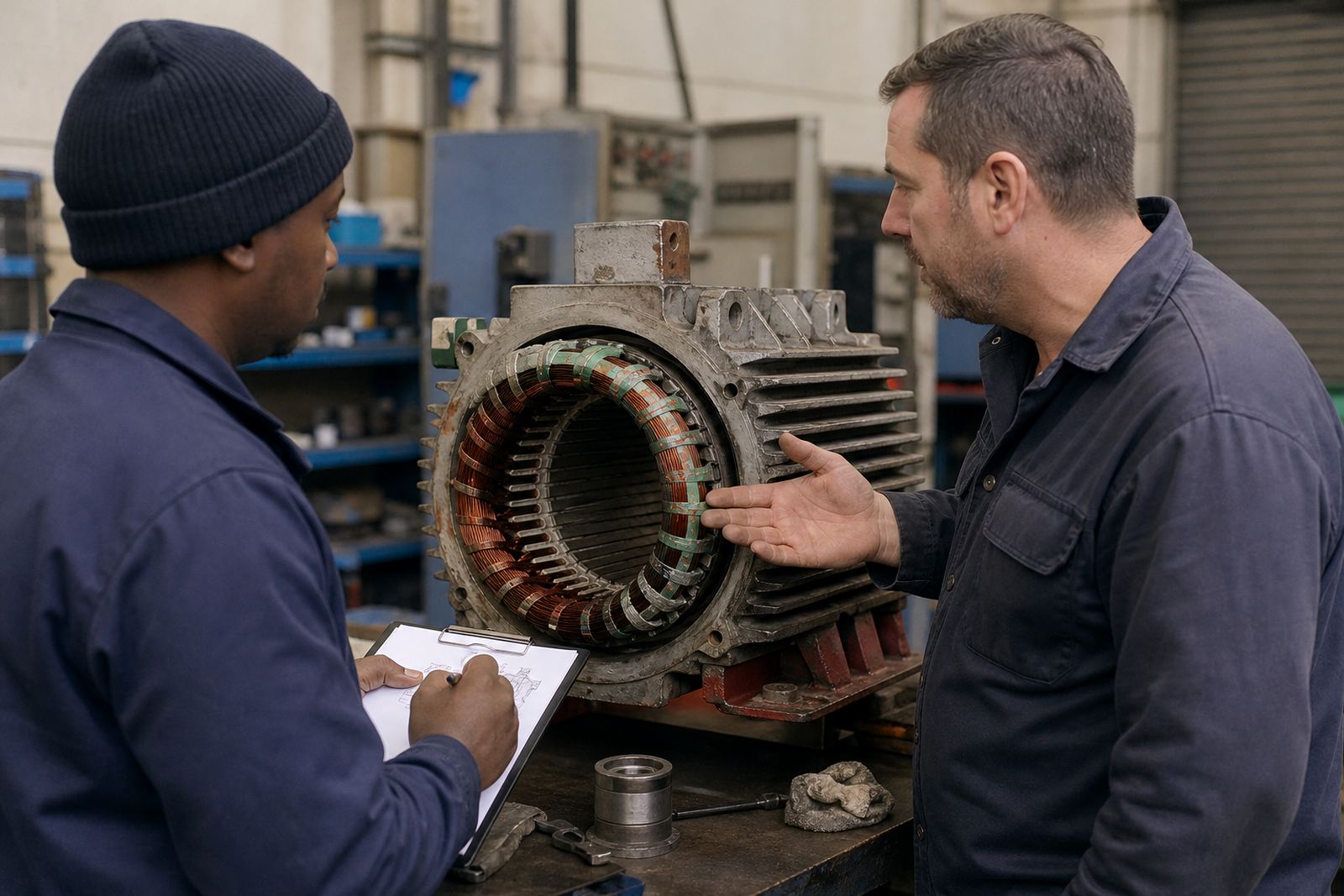
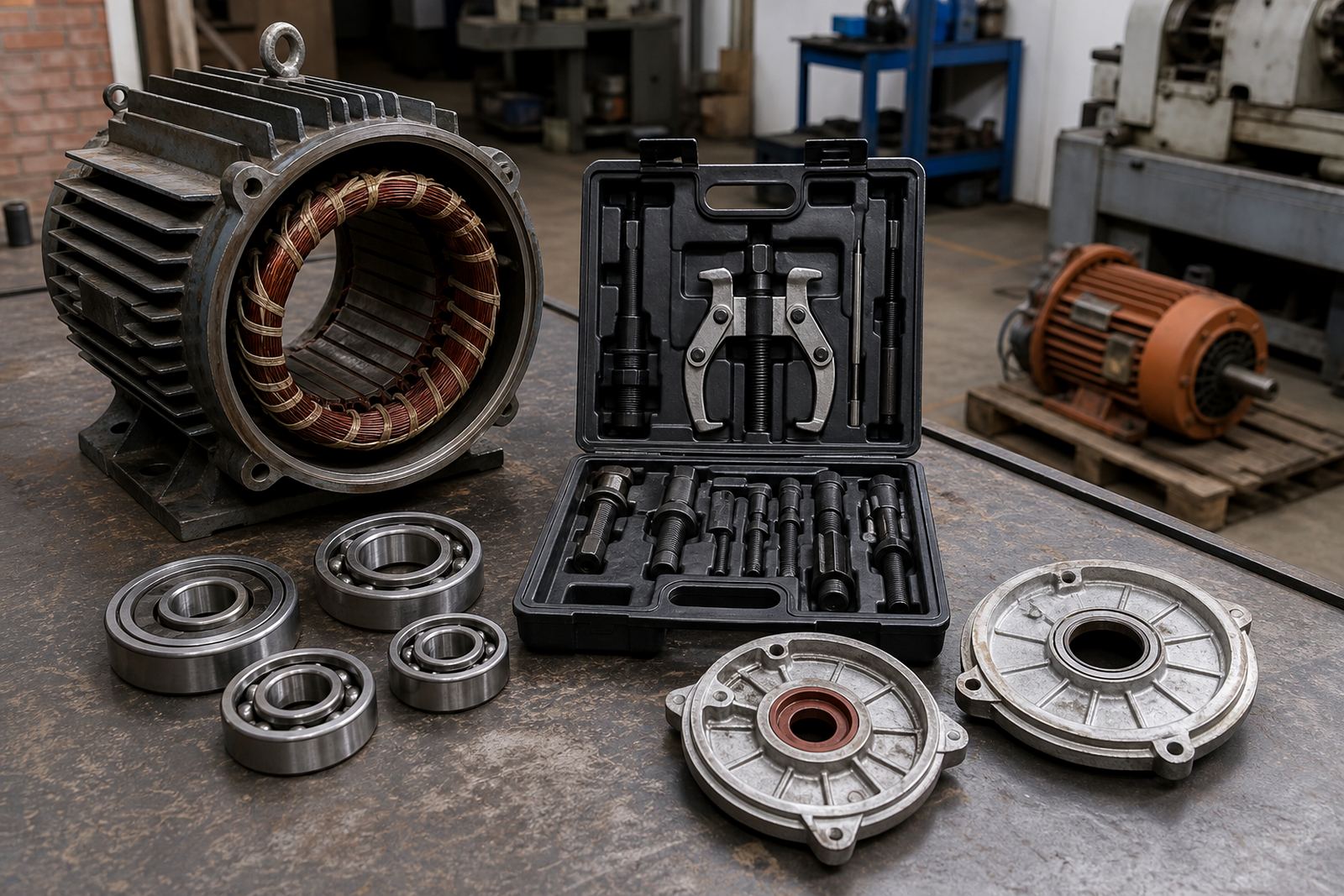
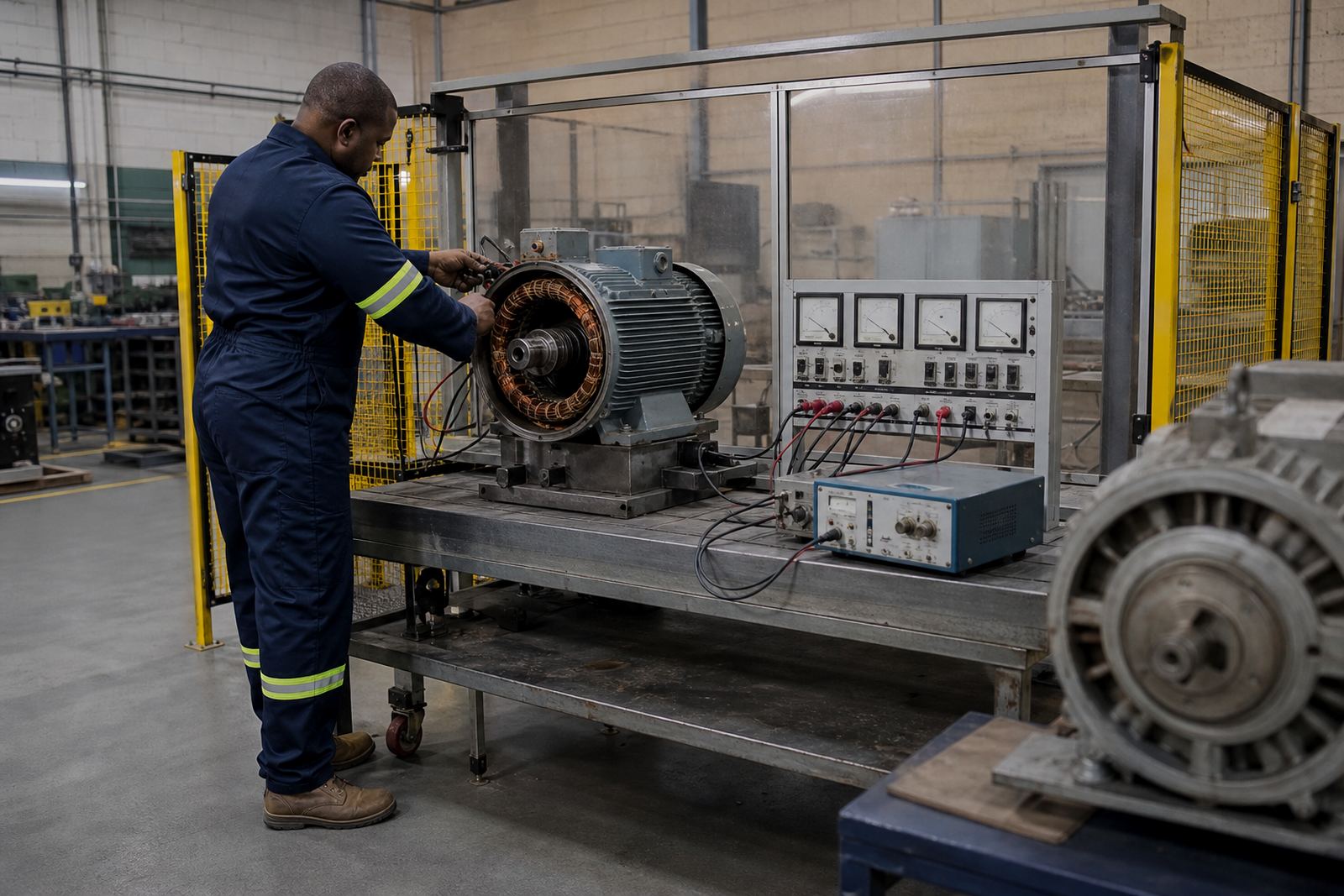
Electric motor rewinding is the process of replacing damaged windings with new winding wire and insulation materials matched to the motor design. It is commonly needed after insulation failure, overheating, contamination, voltage problems or winding damage caused by age and vibration. The stator is stripped, cleaned, inspected and rebuilt before testing. In some cases the lamination stack, slot insulation and leads also need attention.
Before any rewind is approved, the motor should be checked for mechanical wear and signs of shaft damage. A motor can have winding faults and bearing faults at the same time, so a proper fault finding process is useful. On many plant jobs, the best outcome comes from combining rewind work with bearing replacement, alignment checks and a careful inspection of the terminal box and cable entries.
- Look for discoloured insulation, loose connections and damaged leads
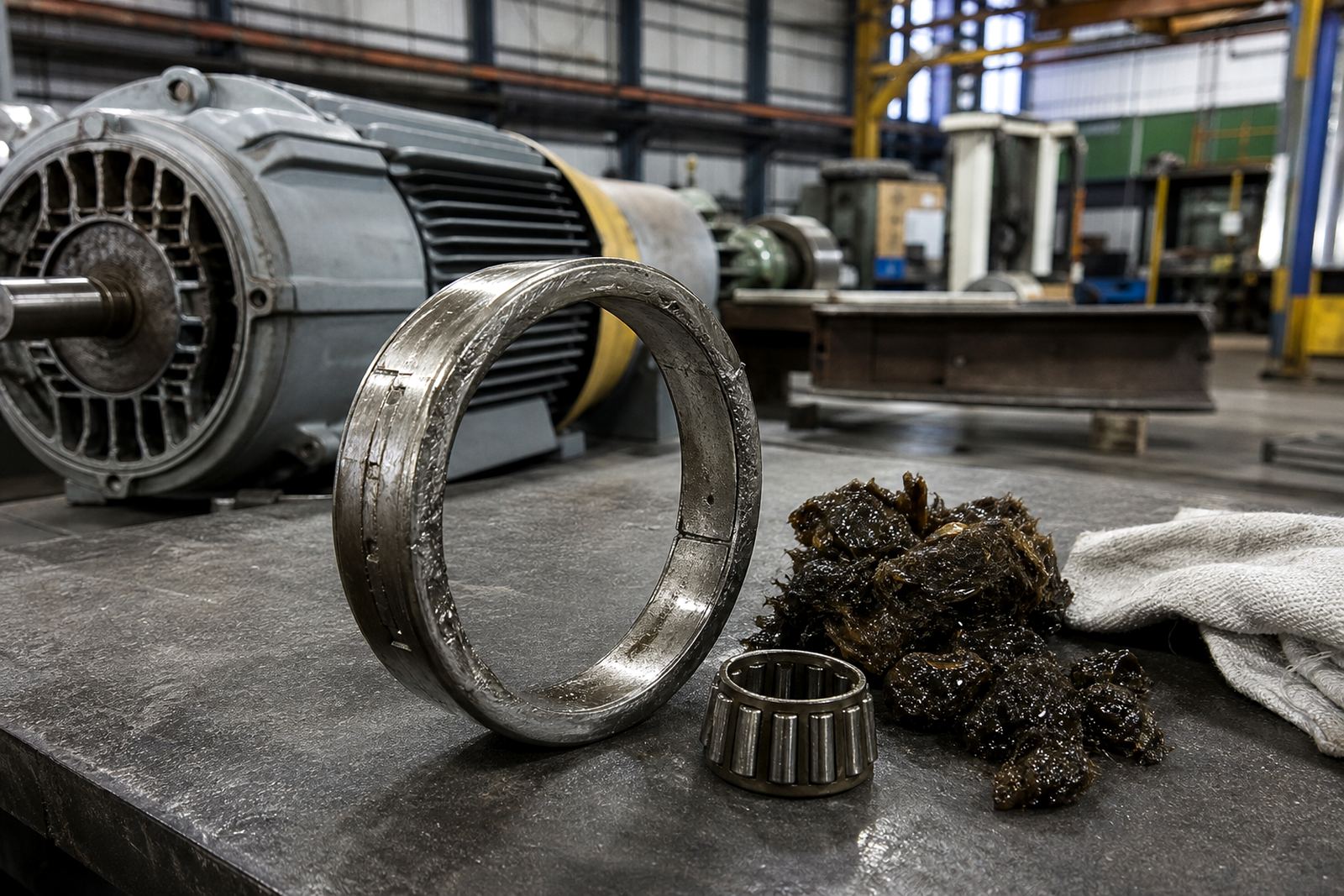
- Check bearings for play, roughness and contamination
- Inspect cooling passages and fan condition
- Confirm the motor was isolated and locked out before any work starts
Why Bearing Checks Matter Before a Rewind
Many electrical faults begin as mechanical problems. Worn or failing bearings can create heat, vibration and rotor rub, which then damages insulation over time. That is why bearing checks are part of a sensible motor guide, not an optional extra. If the bearing fit is poor, the seals are worn, or lubrication has broken down, a rewind on its own may not solve the underlying issue.
In coastal areas like Durban, humidity and airborne contamination can speed up corrosion and bearing wear. In dusty Gauteng workshops, debris can work its way into housings and cooling paths. Practical guides should help teams ask whether the motor has been operating in a wet area, near washdown points, or close to heavy dust.
- Listen for rumbling, scraping or high pitched bearing noise
- Check end float and shaft movement where it is safe to do so
- Review lubrication history and grease condition
- Ask whether seals, housings or covers need attention
Insulation Testing and What It Tells You
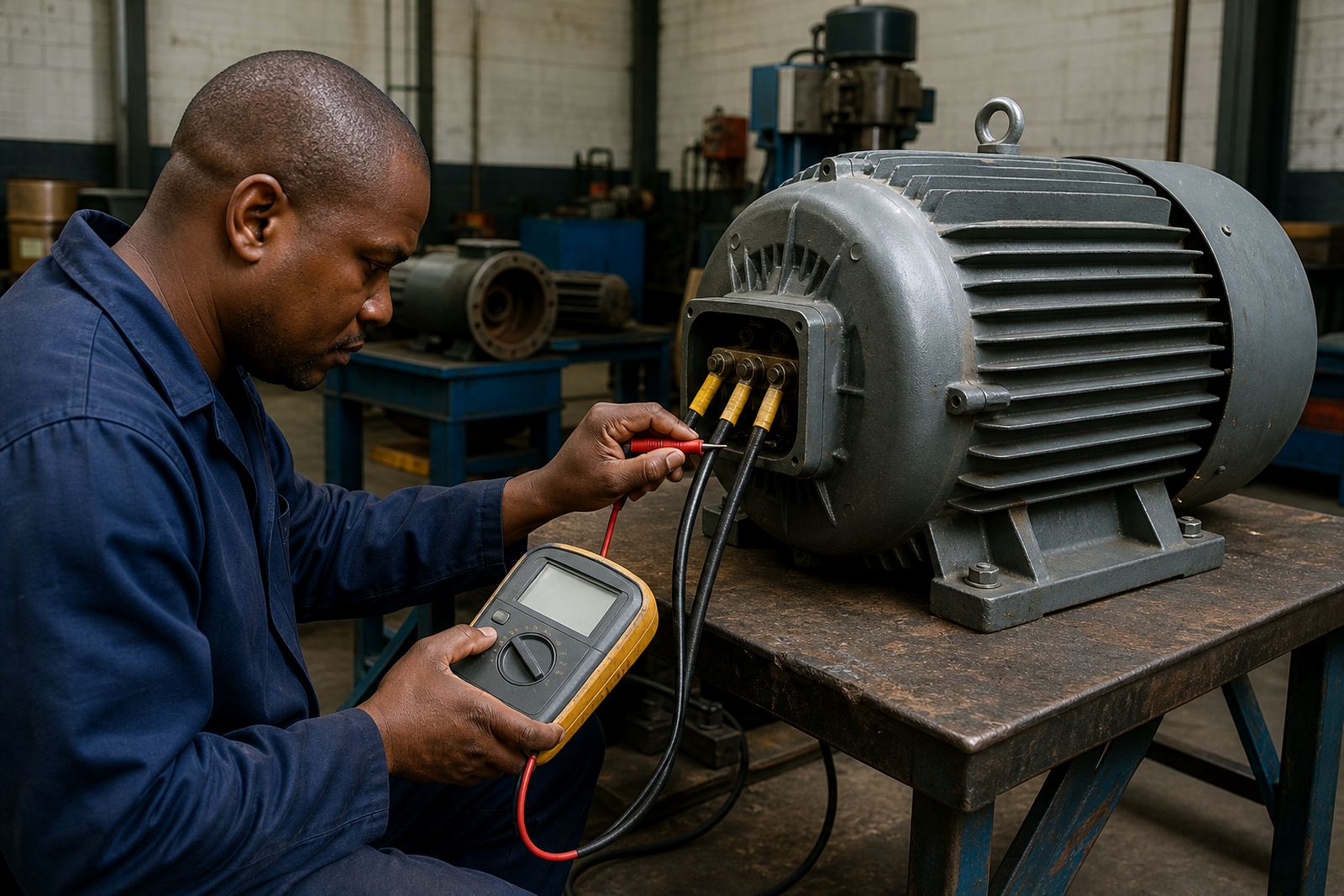
Insulation testing helps show whether a motor winding is still electrically sound. It is not the same as simply reading resistance with a metre. Qualified personnel use proper test methods to assess insulation condition, leakage paths and whether moisture, dirt or ageing have reduced the motor’s electrical strength. Results should be interpreted with the motor’s duty, environment and history in mind.
If a motor has been standing after load-shedding, exposed to damp weather, or stored in a plant room with poor ventilation, insulation can absorb moisture. That does not always mean the motor is scrap, but it does mean the cause must be checked before reconnection. Never skip lockout procedures, discharge checks and safe isolation just because a unit looks idle.
Variable Speed Drive Repairs Need Clean Inputs and Clean Panels
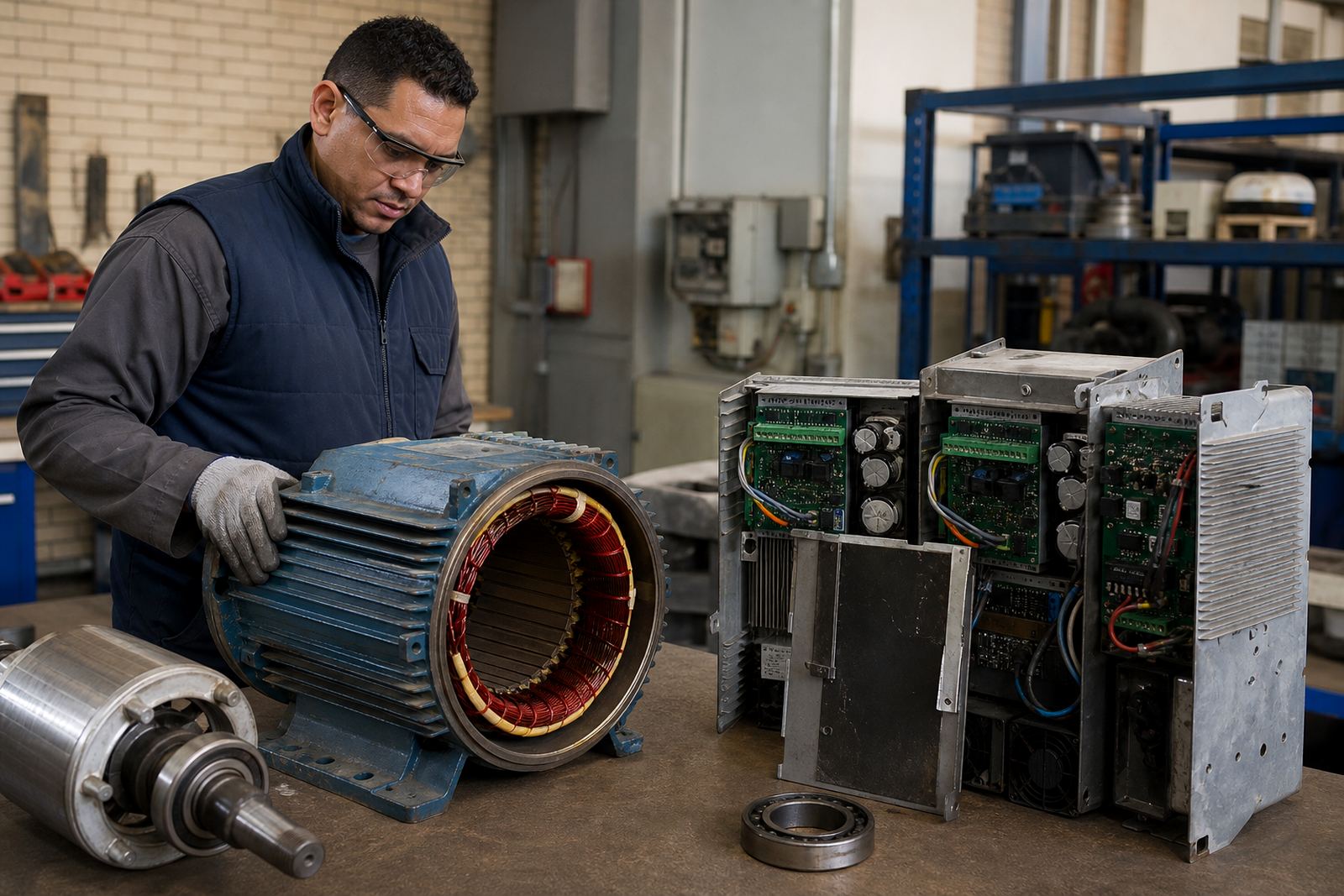
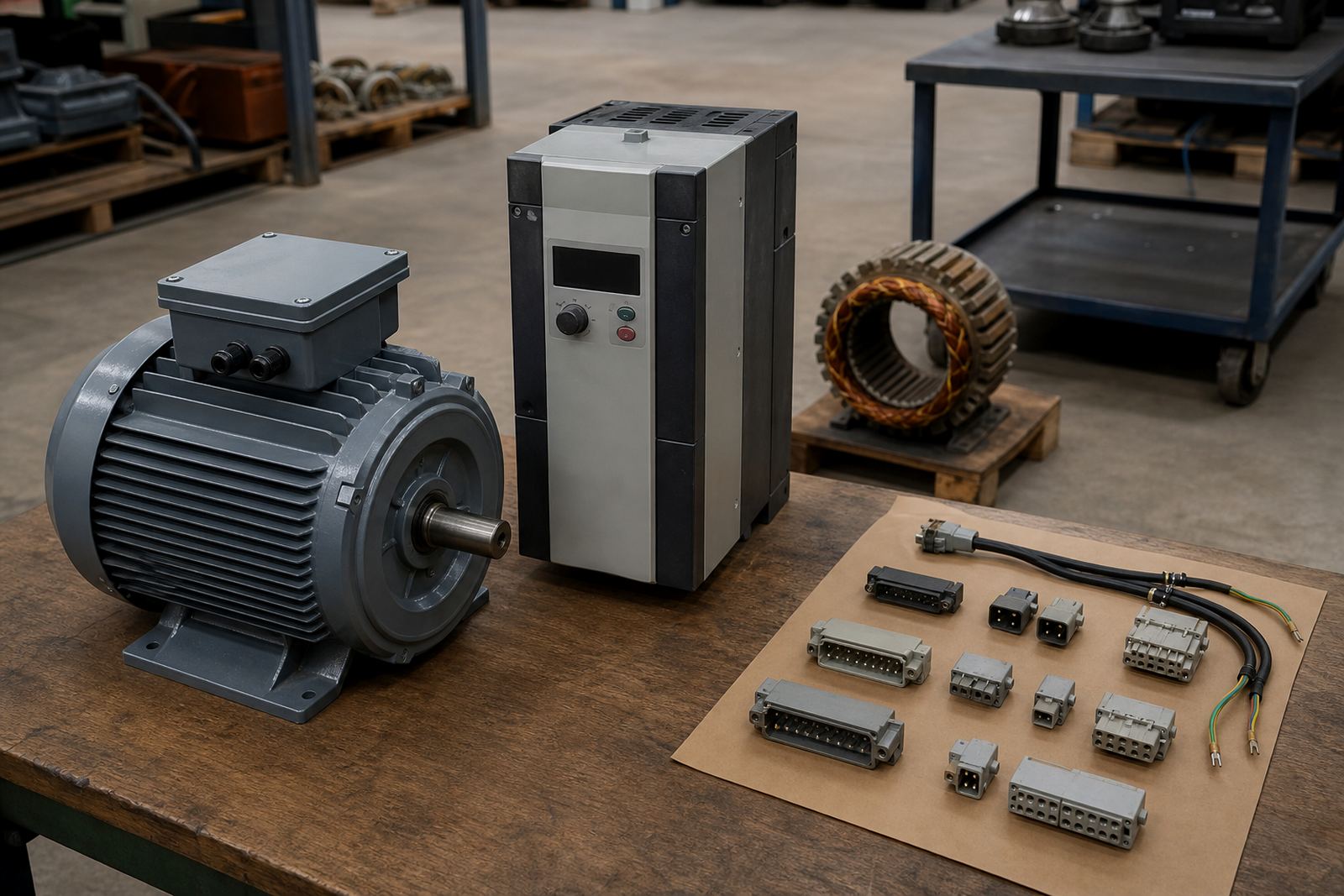
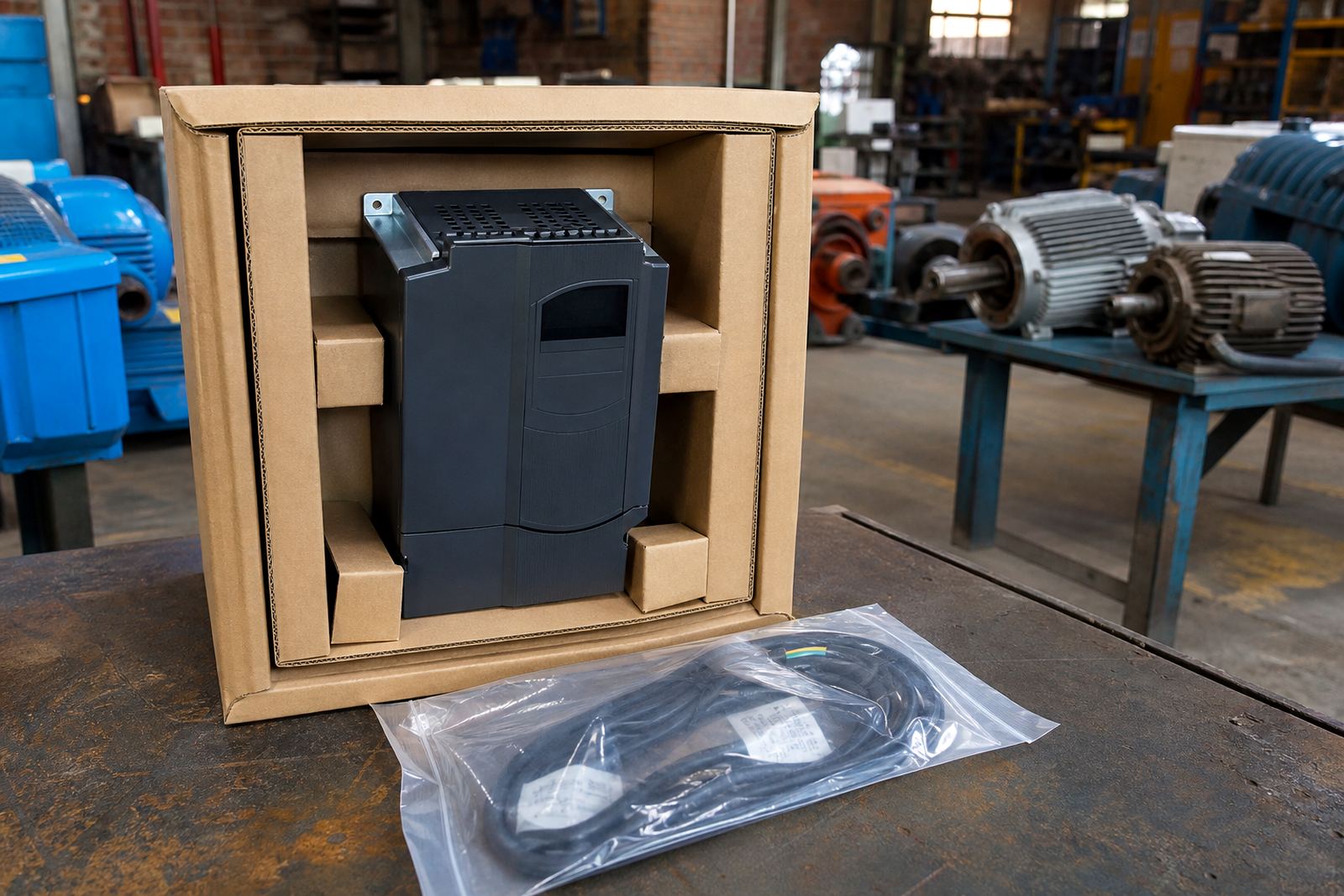
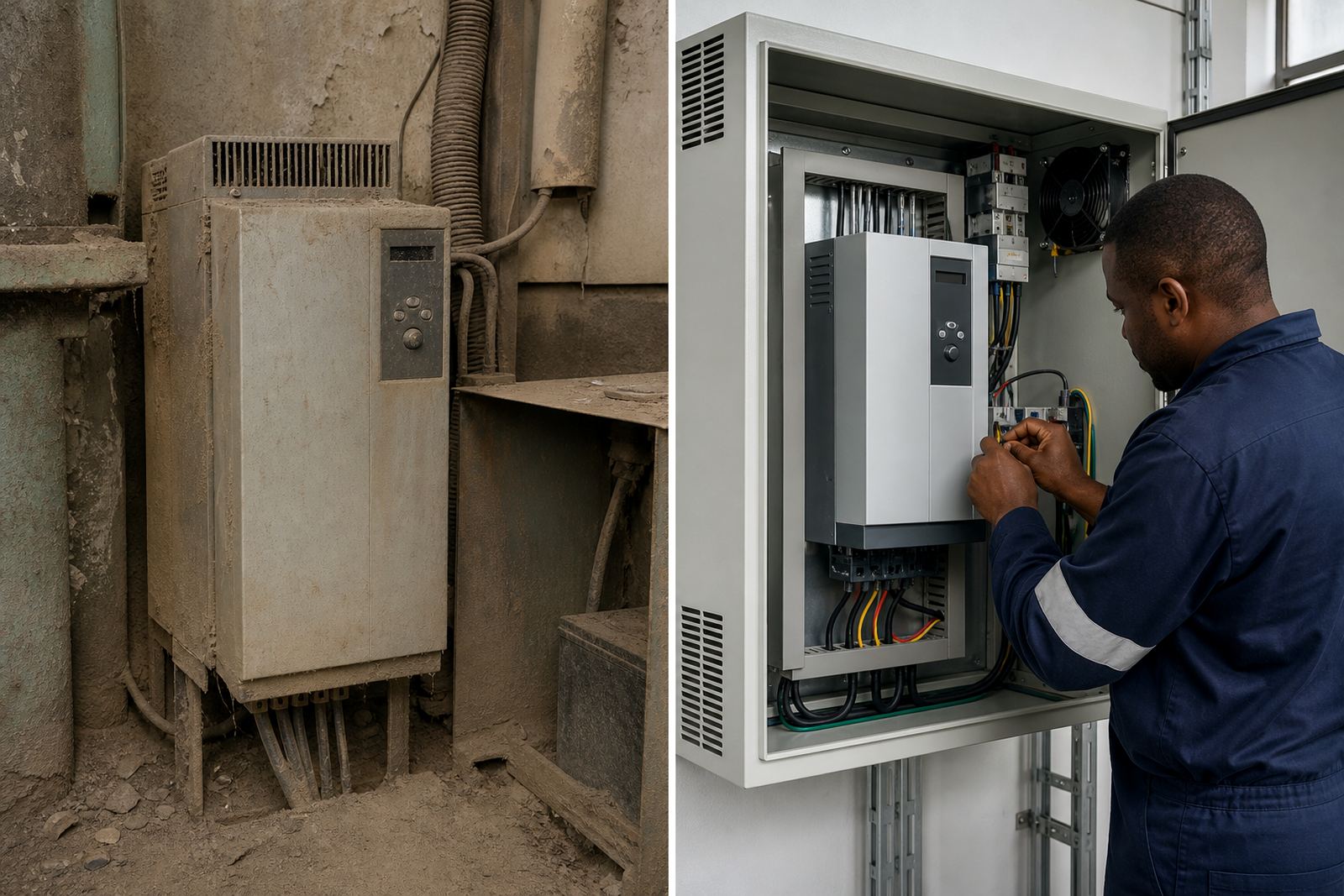
Variable speed drive repair is not only about replacing parts. The drive should be inspected for heat damage, loose terminals, contaminated cooling paths, failed components and signs of panel issues around it. Many drive faults come from poor airflow, dirty enclosures, cable problems or supply disturbances rather than the drive itself.
When asking for help, it is useful to know if the drive is mounted in a hot panel, near vibration, or in a space that collects dust. Also confirm whether the fault happened after a power dip, motor change, or cable work. A proper guide should remind teams to check the panel, cable terminations and motor cable condition too. That can save time and avoid repeat faults.
- Check the panel for dust build-up and blocked ventilation
- Inspect incoming supply, output cables and earth continuity
- Look for error codes and repeat trip patterns
- Confirm the motor is suitable for the drive and application
Planning Work Around Shutdowns and Site Rules
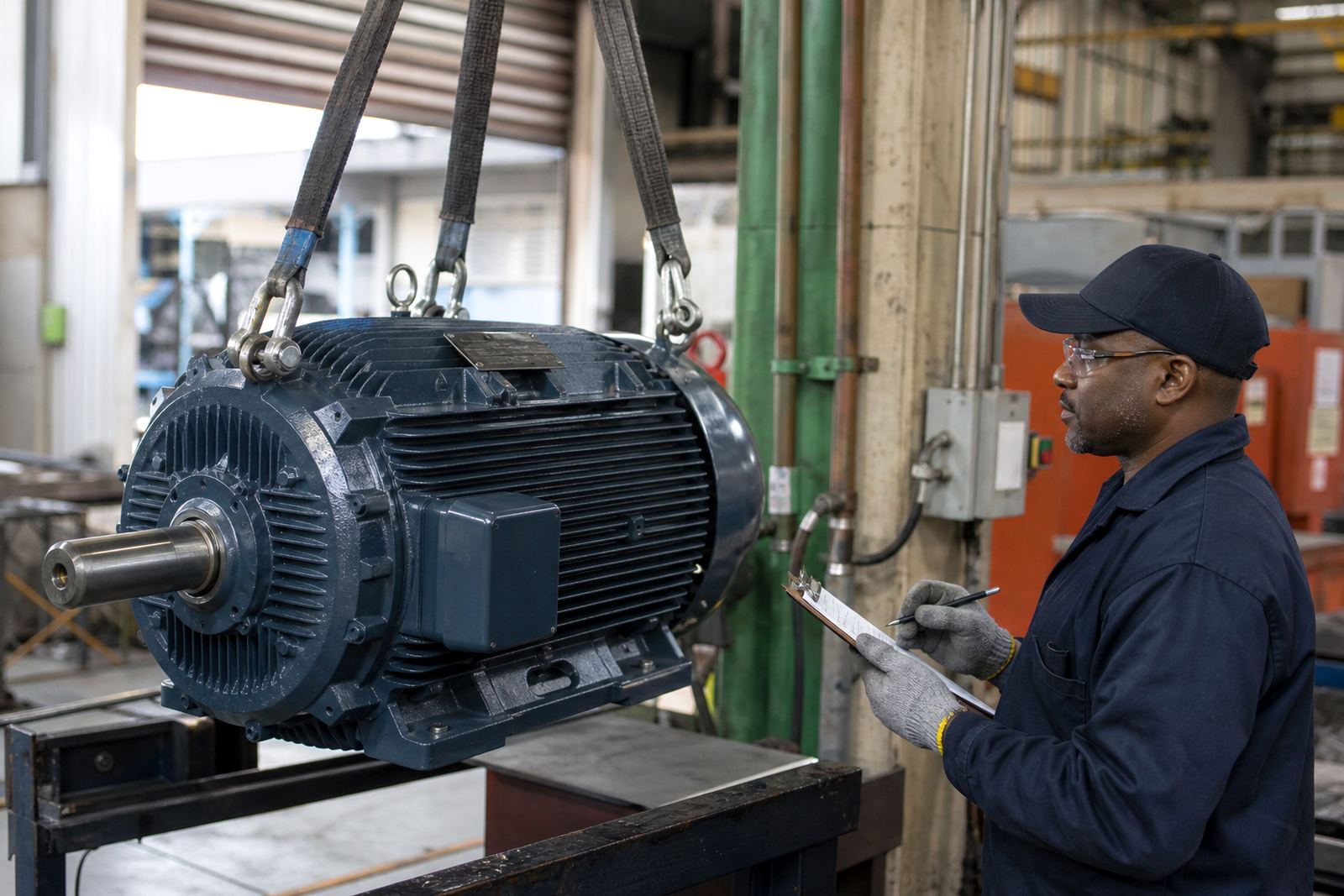
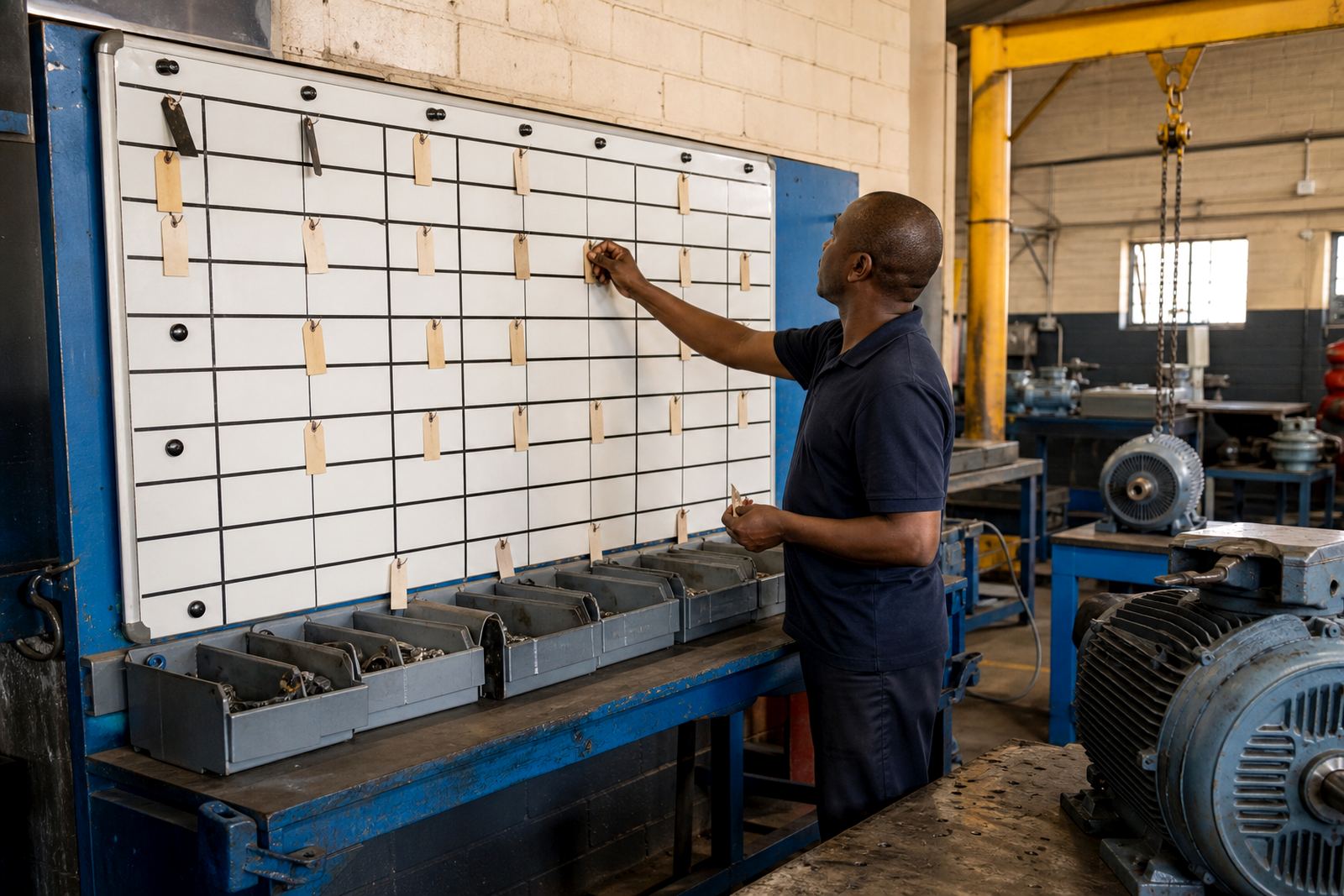
Repair work often happens under pressure, but good planning reduces risk and delay. If a motor has to come out of service, think through lifting, access, cable marking, isolator points and reinstallation before the shutdown begins. On municipal or factory sites, site rules may also cover permits, noise limits, after-hours access and housekeeping around plant rooms.
Teams in Boksburg, Kempton Park and the wider Ekurhuleni area often juggle maintenance windows with production targets. That is where clear fault notes, spares assessment and site reporting help. If you know what has been checked already, the repair team can focus on the right job instead of repeating basic tests.
Electrical work must always be done by qualified people using correct lockout procedures, test equipment and safe isolation. That applies whether the job is a small workshop motor or a larger plant drive. A careful process protects people, equipment and the schedule.