

Why fan checks matter during routine motor maintenance
On an industrial motor, the cooling fan is a small part with a big job. If the fan is cracked, loose, clogged with dust or missing blades, the motor can run hotter than intended and that extra heat affects the windings, insulation and bearings. In South African plants where motors work through summer heat, dust and long duty cycles, simple fan checks can prevent avoidable shutdowns.
We usually look at fan condition when a motor comes in for rewinding, bearing replacement or fault finding. That makes sense because heat and vibration often travel together. A motor that has been running under strain may show signs on the fan, the guard and the air passages long before the failure becomes serious. If the fan is not moving air properly, the motor may still run for a while but it is working harder than it should and the damage can build up quietly.
Cooling checks also help with repeat failures. If a motor is rewound and the fan system is left dirty or damaged, the repair may not last as long as it should. It is a small item to inspect, yet it plays a direct part in whether the machine stays in service or keeps returning for the same problem.
What a proper fan cooling check should cover
A basic look from the outside is not enough. A proper check should cover the fan blades, fixing method, guard condition and the path air takes through the motor housing. If any of these are blocked or damaged, cooling performance drops. The inspection should be done by qualified people after lockout procedures, because motor maintenance can expose live parts and moving components.
- Check that the fan is secure on the shaft and not rubbing on the guard or end cover.
- Look for cracked, chipped or missing blades that can cause vibration.
- Inspect the guard for dents, dust build-up and any gap that may allow debris to enter.
- Clear blocked cooling fins, ducts and fan covers so air can pass freely.
- Confirm that the fan turns in the correct direction after reassembly and testing.
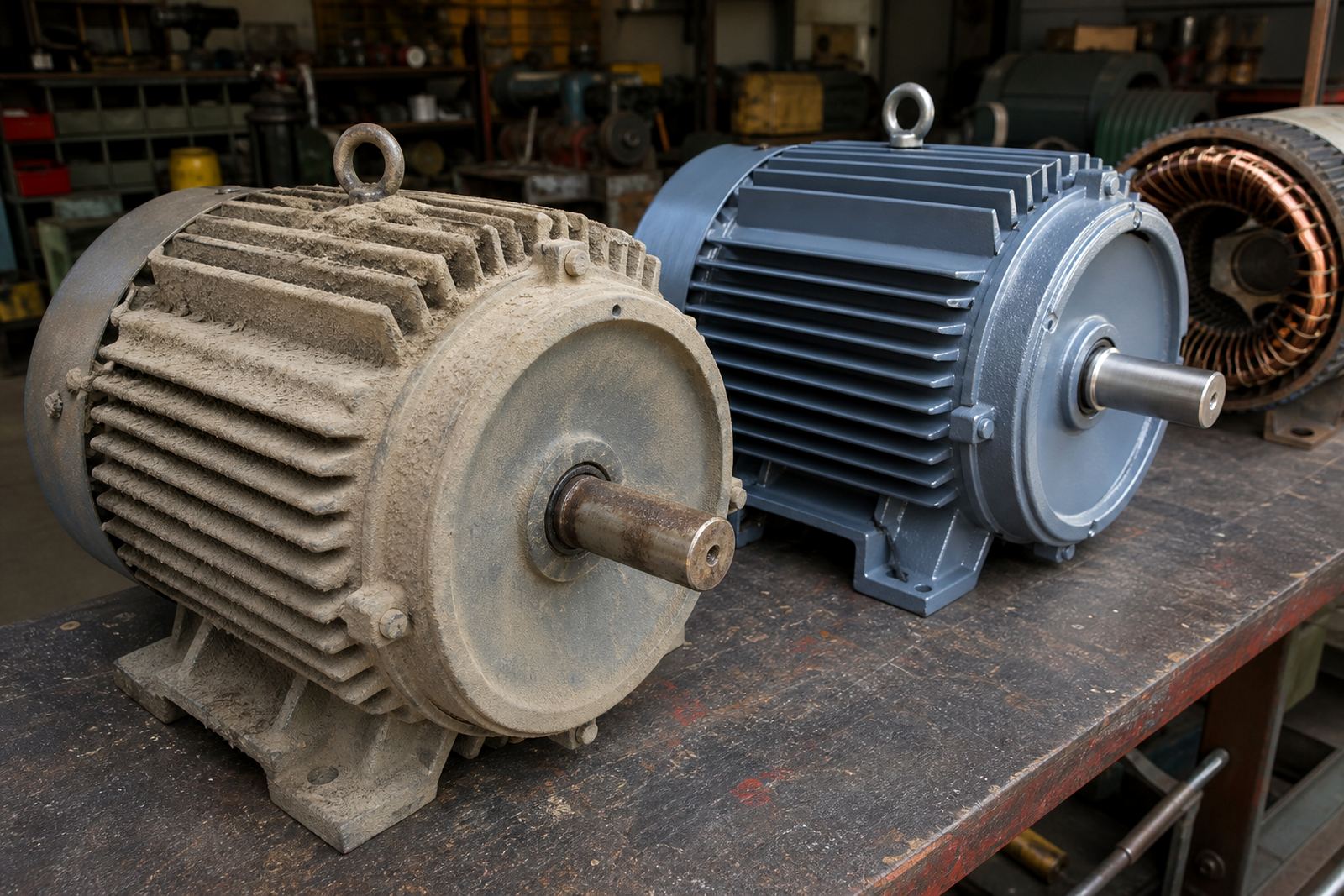
These checks may seem straightforward, but they matter because a motor can look fine from the outside while airflow is restricted inside. In many workshops, fine metal dust, fibres and general grime collect around the fan cover. On coastal or humid sites, moisture can also hold dirt in place and make cleaning harder. If the motor sits near grinding, cutting or packing equipment, the fan area often needs closer attention than people expect.
Signs the fan system is not cooling the motor properly
There are a few common signs that point to poor cooling. The motor may run noticeably hotter than similar units on the line, or the protective devices may trip after longer running periods. Sometimes there is a burnt smell from the windings, and sometimes the issue shows up as bearing noise because heat has affected the grease condition.
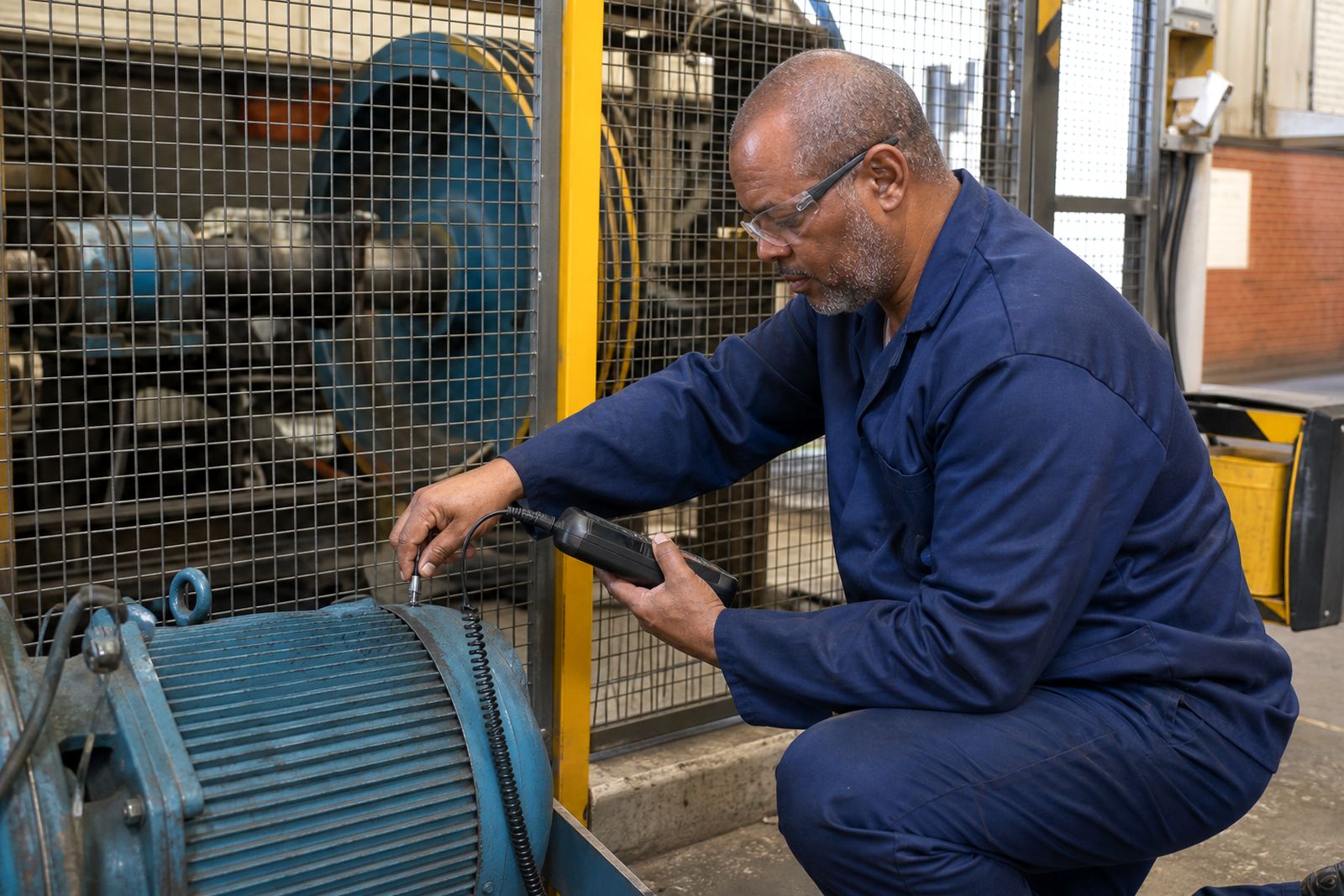
Another clue is vibration. If a fan blade is broken or the fan is out of balance, the motor can shake in a way that changes over speed or load. On drives with variable speed control, a motor may seem stable at low speed but overheat when load increases. That is why cooling checks should not be left out just because the electrical readings appear normal at one moment in time.
- Hot housing compared with other motors doing the same job.
- Dust trails or marks showing air is not flowing properly.
- Rattling, rubbing or scraping from the fan area.
- Repeated thermal trips without a clear electrical fault.
- Bearing wear that keeps coming back after replacement.
When these signs appear, it is worth checking the fan before assuming the winding is the only issue. A lot of avoidable motor damage starts with heat and heat usually starts with poor cooling.
How fan problems link to rewinding and bearing life
When a motor fan fails, the effect is not limited to one part. Windings age faster in high temperatures because insulation gets harder and more brittle over time. Bearings can also suffer when the motor runs hotter than normal, since heat affects lubrication and can shorten grease life. That is why fan cooling checks sit naturally alongside insulation testing and bearing checks during maintenance.
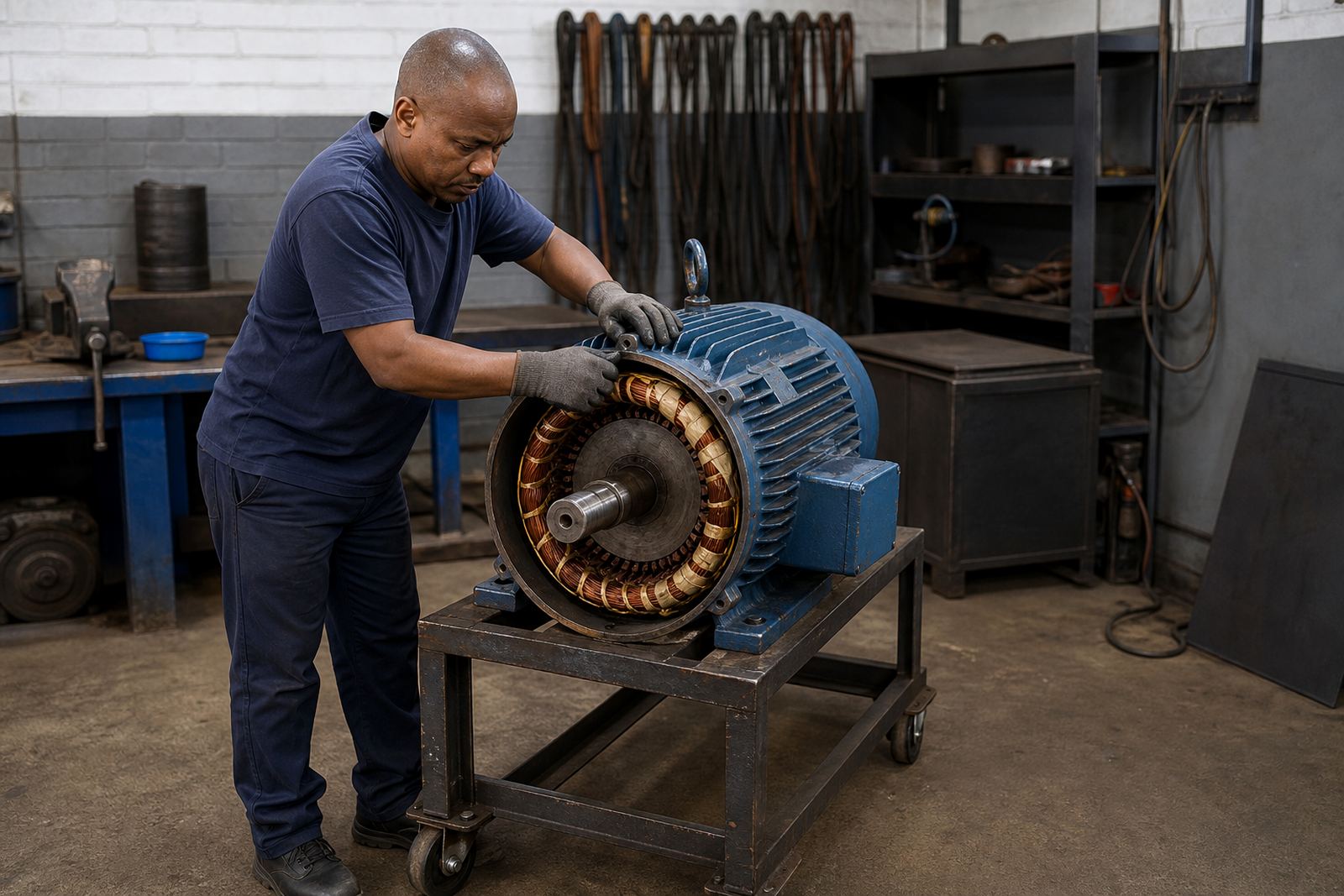
If a motor comes in for rewinding, the technician should look at whether overheating played a part in the failure. Burnt coils, darkened varnish and brittle lead insulation can all point to heat stress. In some cases the actual electrical fault is made worse by blocked airflow or a damaged fan. If the cooling problem is not corrected, the fresh winding may face the same conditions again.
We also see cases where a bearing replacement is done but the fan housing is left dirty or bent. The motor may run again for a short time, yet the real issue remains. Good maintenance means looking at the full motor, not only the part that failed. That includes the fan, the guard, the air passages and any signs of misalignment that can create extra drag on the shaft.
A Germiston example from a busy production site
A local plant in Germiston brought in a motor that was running hotter each week on a line feeding production equipment. The team had already checked the supply and the control gear, but the motor still tripped under load. During inspection, the fan cover was packed with dust and light scrap material, and two fan blades had small cracks near the hub. The fan was still turning, but it was not moving enough air.
After lockout, the motor was removed, cleaned and checked properly. The bearings were inspected, the windings were tested for insulation condition and the fan assembly was replaced before the unit went back into service. Once the airflow path was clear, the temperature dropped to a more normal range and the repeated trips stopped. The lesson was simple: what looked like a drive or winding issue started with a cooling problem at the fan end.
In many workshops around Ekurhuleni, Johannesburg and Pretoria, this kind of fault shows up during shutdowns when staff finally have time to inspect the motor properly. A small amount of dirt at the fan can turn into a larger repair if the machine keeps running through heat, vibration and overload.
Safe maintenance habits that protect your team and equipment
Fan checks should always be part of safe maintenance practice. Electric motors and drive systems must only be handled by qualified people, and lockout procedures are essential before any guard is removed or any test is carried out. Even a motor that has stopped can hold stored energy or start unexpectedly if the wrong procedure is followed.
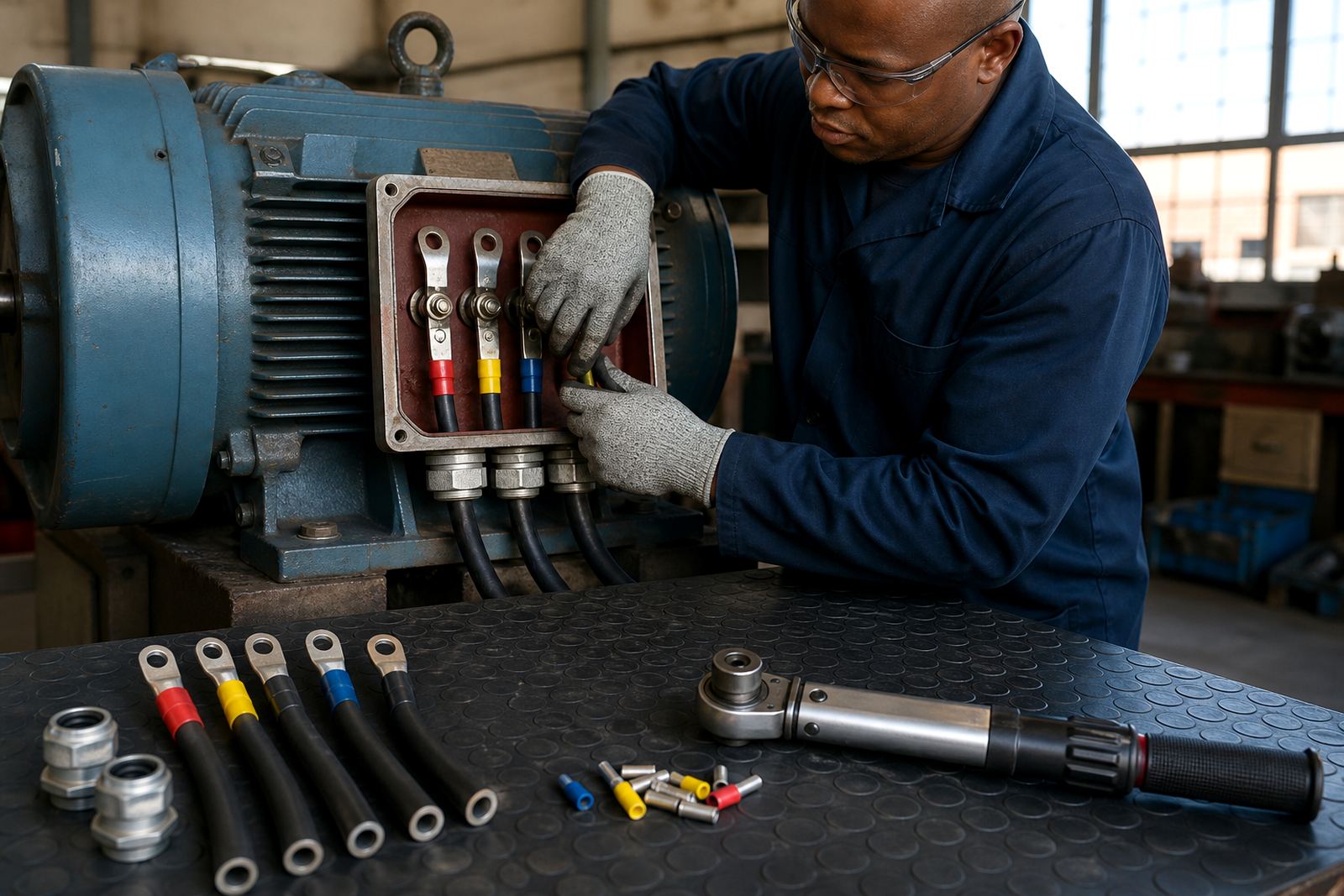
Good planning makes these checks easier. If a shutdown is coming up, it helps to include motor removal, panel cleaning, cable checks and site reporting in the work plan so the technician can inspect the full system. That is especially important in plants with tight production windows, where there is no time to strip a motor twice because one item was missed the first time.
- Isolate and lock out the supply before opening guards or covers.
- Keep the work area clear so removed parts do not get bent or contaminated.
- Record the fan condition during inspection so repeat faults can be tracked.
- Replace damaged guards and covers, not just the fan itself.
- Confirm airflow, vibration and temperature after reassembly.
For sites in Durban or other humid areas, it is worth being extra careful about corrosion and dirt build-up around the fan housing. In dry inland areas, dust and fibre can be the bigger issue. Either way, the same principle applies: a clean, secure fan system supports better motor life and steadier operation.