

Overheated Pump Motor Arrives From A Germiston Plant
The unit came in from a maintenance team in Germiston that had lost one of its main pump motors during a hot running cycle. The motor had been in service on a plant pumping line, and the failure showed up after repeated overheating, rising noise and a drop in output before it finally tripped out. The team needed a practical repair that would suit a busy site, not a quick patch. They wanted the motor assessed properly, the cause of the failure confirmed, and the machine returned with attention given to both the winding and the bearing condition.
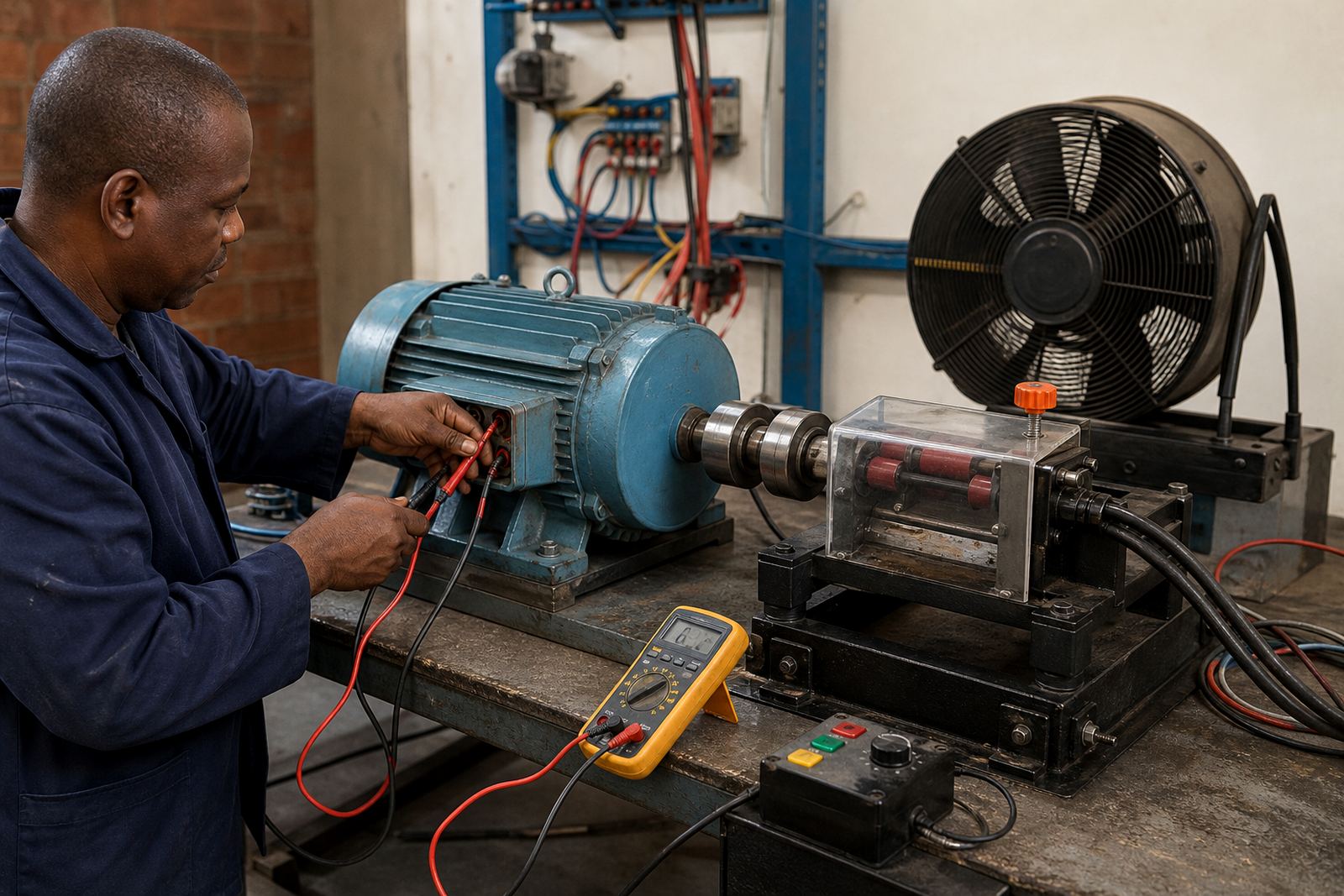
We received the motor as a complete unit and carried out initial fault finding before opening it up. The job was handled as an industrial repair, with the usual checks for winding condition, rotor movement, bearing wear and signs of heat damage inside the frame. Electrical work must always be done by qualified people, with lockout procedures in place before any testing, removal or reconnection. That matters just as much on a small workshop job as it does on a larger plant shutdown.
What The Client Needed And What Limited The Repair
The brief was clear. The client wanted electric motor rewinding and bearing replacement for a pump motor that had overheated in normal service. The motor had to be checked for insulation weakness, cleaned out properly and prepared for refit without causing more downtime than necessary. There were also space and handling limits on site, because the motor sat in a fairly tight pump room and the team wanted to keep the shutdown controlled.
We also had to work around the condition of the motor as it arrived. Overheating can affect more than the windings. It can harden insulation varnish, damage bearing grease, distort seals and leave dirt and carbon in places that do not show up at first glance. In a case like this, the repair has to deal with the full picture, not only the obvious burnt coil area.
- Motor had failed after overheating on a pump duty
- Required winding repair and bearing replacement
- Needed insulation testing before and after the rewind
- Site work had to fit a planned shutdown window
- Safe isolation and lockout procedures were non-negotiable
Strip Down, Rewind And Bearing Replacement
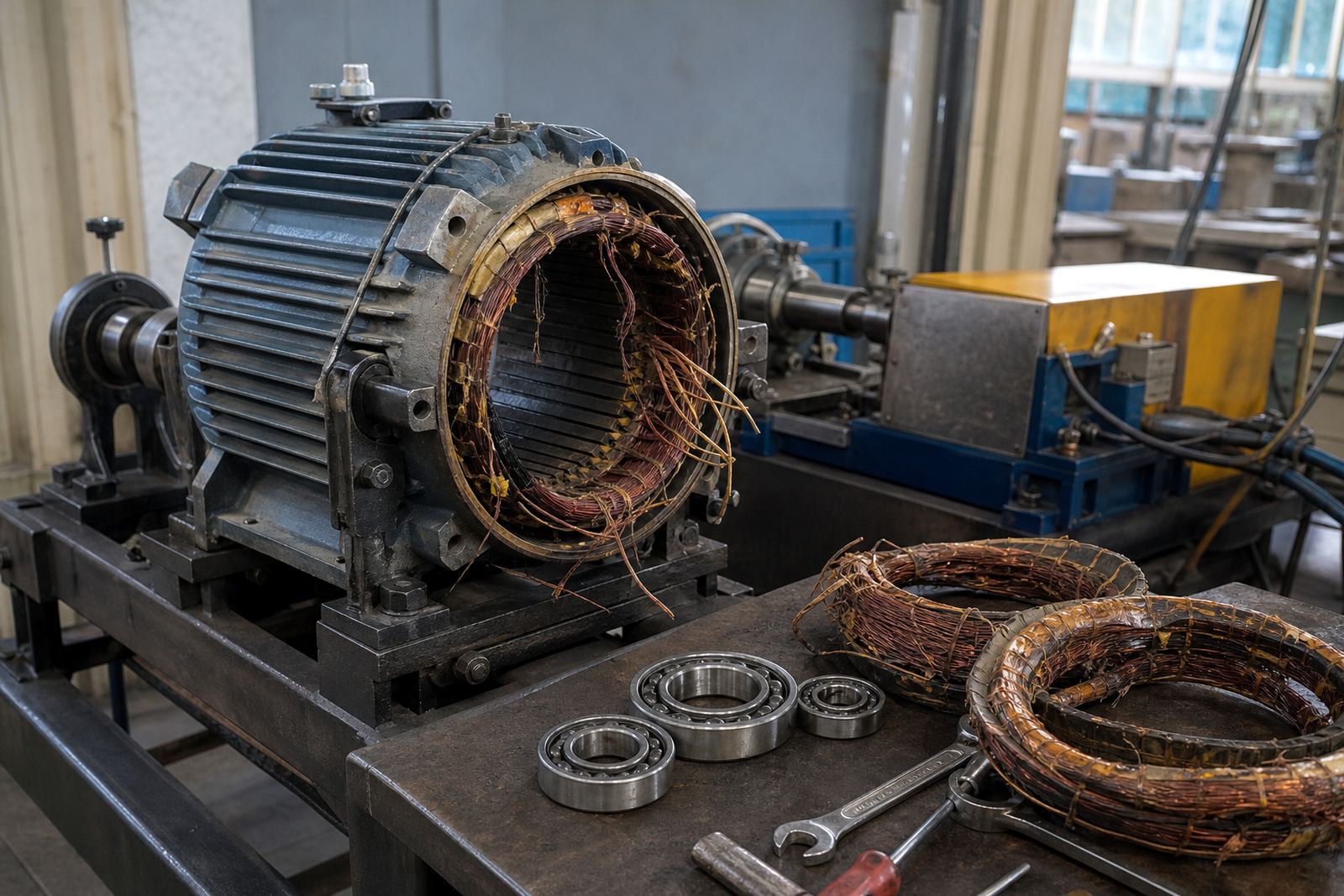
Once the motor was opened, we inspected the stator, rotor, shaft end condition and bearing housings. The winding showed clear signs of thermal stress, so we removed the damaged coil set and prepared the stator for rewind. During that process we checked the core for any signs of lamination damage and cleaned out loose debris, dust and old insulating material. The bearing housings were inspected as well, because heat often travels through the frame and shortens bearing life sooner than people expect.
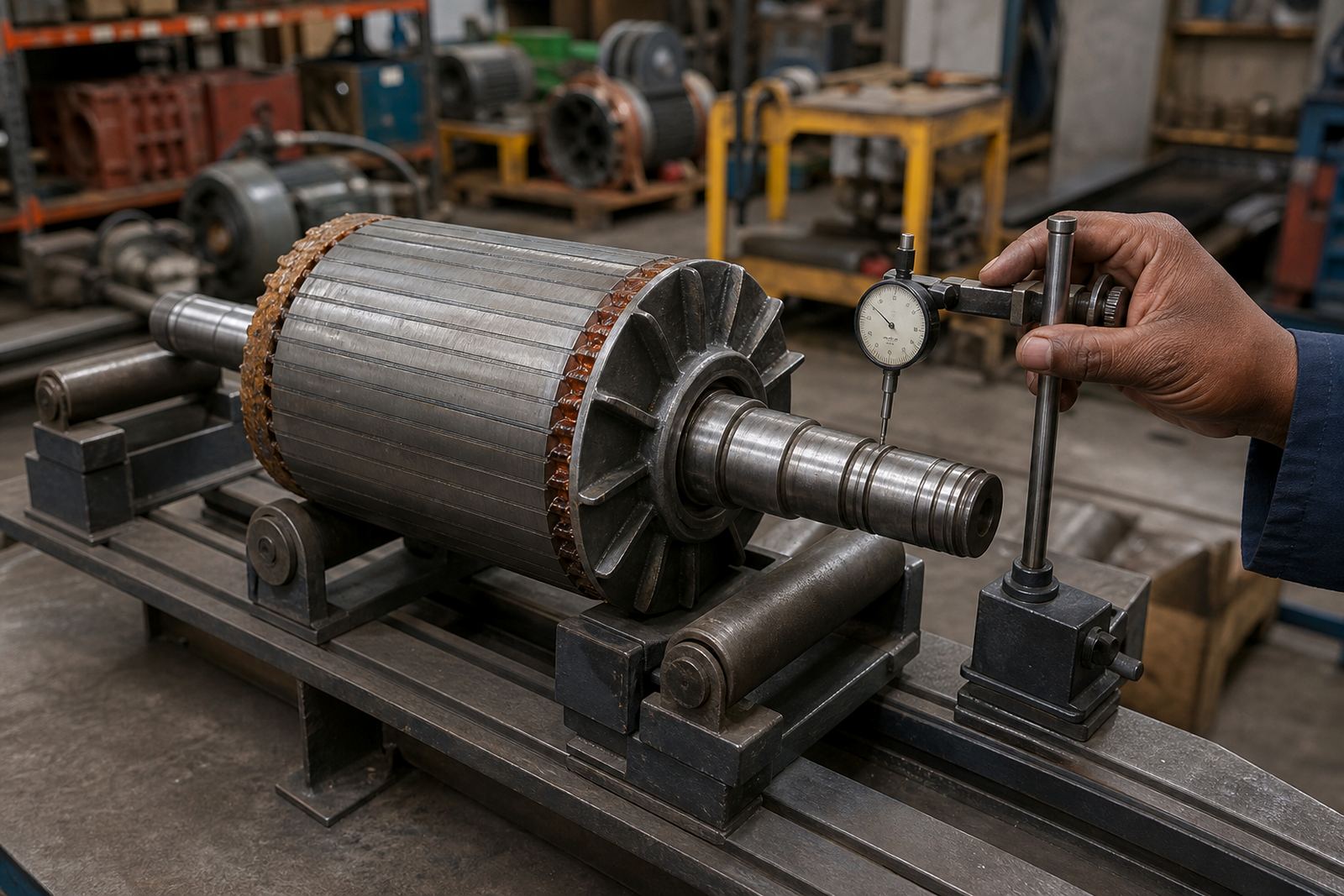
The rewinding work was done with attention to coil fit, insulation layering and termination quality. We then installed new bearings to suit the motor size and duty, and checked seating, end float and free rotation before moving on. After that, the unit was tested for insulation resistance and general electrical condition. We also checked for alignment related issues that could cause the same motor to run hot again once back on the pump set. Good rewind work is not only about copper, it is also about clean workmanship and correct assembly.
- Damaged winding removed and stator cleaned
- New winding installed to match the original motor configuration
- Bearings replaced and fitted correctly
- Insulation resistance tested after rebuild
- Rotor movement and housing fit checked before release
Practical Workshop Checks Before Return To Service
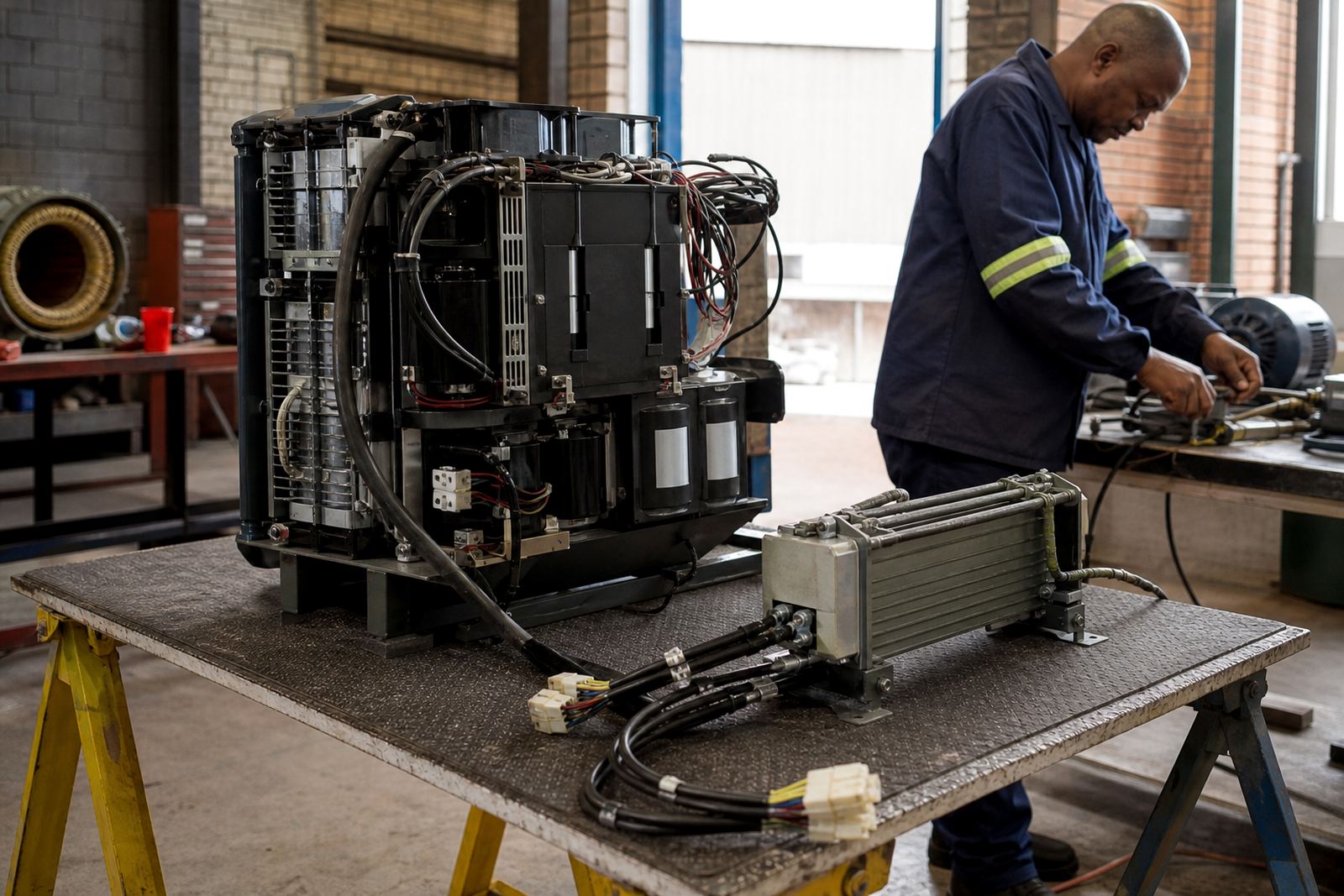
Before handing the motor back, we carried out a final set of checks suited to a pump application. That included drive inspection on the wider system side where needed, cable checks, panel cleaning around the starter area and a review of the condition of the motor connections. In many plant rooms, the motor is only one part of the problem. Loose terminations, dirty panels and poor cooling around the installation can all add heat and shorten service life. We flagged those points in our site reporting so the maintenance team had a proper record.
We also looked at the shutdown planning around the refit. In operations like this, the repair itself is only one piece of the job. Getting the motor back in, lined up and commissioned correctly matters just as much. If a pump set is rushed back into service without checks, the same fault can come back within days. That is why we keep the process orderly, from removal through to reinstallation support.
- Panel and cable condition reviewed where accessible
- Site reporting prepared for maintenance records
- Commissioning support available for refit and restart
- Alignment checks recommended before full load operation
- Shutdown planning discussed with the maintenance team
Timeline And Result In Two Weeks
The repair was completed over a two week period from receipt to readiness for return, allowing for stripping, winding preparation, bearing work, testing and final checks. That timing suited the plant team because it let them manage the pump outage without turning it into a longer interruption. The finished motor showed clean electrical readings, smooth rotation and no sign of the overheating damage that had caused the original failure.
For the client, the value was in getting a known problem motor repaired properly instead of replacing it without understanding why it failed. They had a serviceable unit back in hand and a clearer idea of what to monitor on the system side. In pump motor work, that often means watching current draw, temperature rise and any mechanical noise after startup. A small issue picked up early can save a much bigger stoppage later.
What We Would Do Again On Similar Motor Repairs
If we were handling the same type of job again, we would follow the same steps: confirm the fault, inspect the full motor condition, complete the rewind with proper insulation care, replace worn bearings and test the unit thoroughly before release. We would also keep the lockout and isolation steps front and centre, because safety on electrical equipment is not something to improvise. That applies whether the job is in Germiston, Boksburg, Kempton Park, Pretoria, Vereeniging, Johannesburg or Durban.
This project reflected the kind of work we do for plants and workshops across South Africa: electric motor rewinding, bearing checks, insulation testing, drive repair and support around shutdowns and recommissioning. A motor that has overheated can often be saved, but only if the repair is handled properly and the site issues around it are not ignored. That is the practical approach we bring to every workshop motor and pump job that comes through our doors.
Key facts
| Project type | Pump motor rewind and bearing replacement |
|---|---|
| Client location | Germiston, Gauteng |
| Industry | Plant maintenance and pumping |
| Fault reported | Overheating, noise and shutdown |
| Work completed | Rewinding, bearing replacement, insulation testing |
| Timeline | 2 weeks from receipt to readiness |