Why the Fan Motor Came In From Boksburg
The call came from a workshop in Boksburg where a fan motor was running hotter than normal and making a rough, rattling sound. The brief was straightforward: find the cause, confirm whether the motor could be repaired, and get the unit back into dependable service without risking a repeat failure during a production run. In a workshop setting, fan motors do not just move air, they help control temperature around machines, panels and working areas, so a failing motor can affect more than one part of the site.
The motor was removed from service after vibration became more noticeable at speed. Our first view was that the bearings had started to wear, with signs of heat and movement at the shaft end. We also needed to check the winding condition, shaft play, the fan assembly and the general state of the motor housing. The client needed a practical fix, not a guess, and they wanted a clear answer before putting the unit back near a live production line.
- Client type: Boksburg workshop handling plant support equipment
- Fault signs: noise, vibration, heat build-up and inconsistent running
- Initial concern: worn bearings with possible winding stress
What We Checked Before Any Strip Down
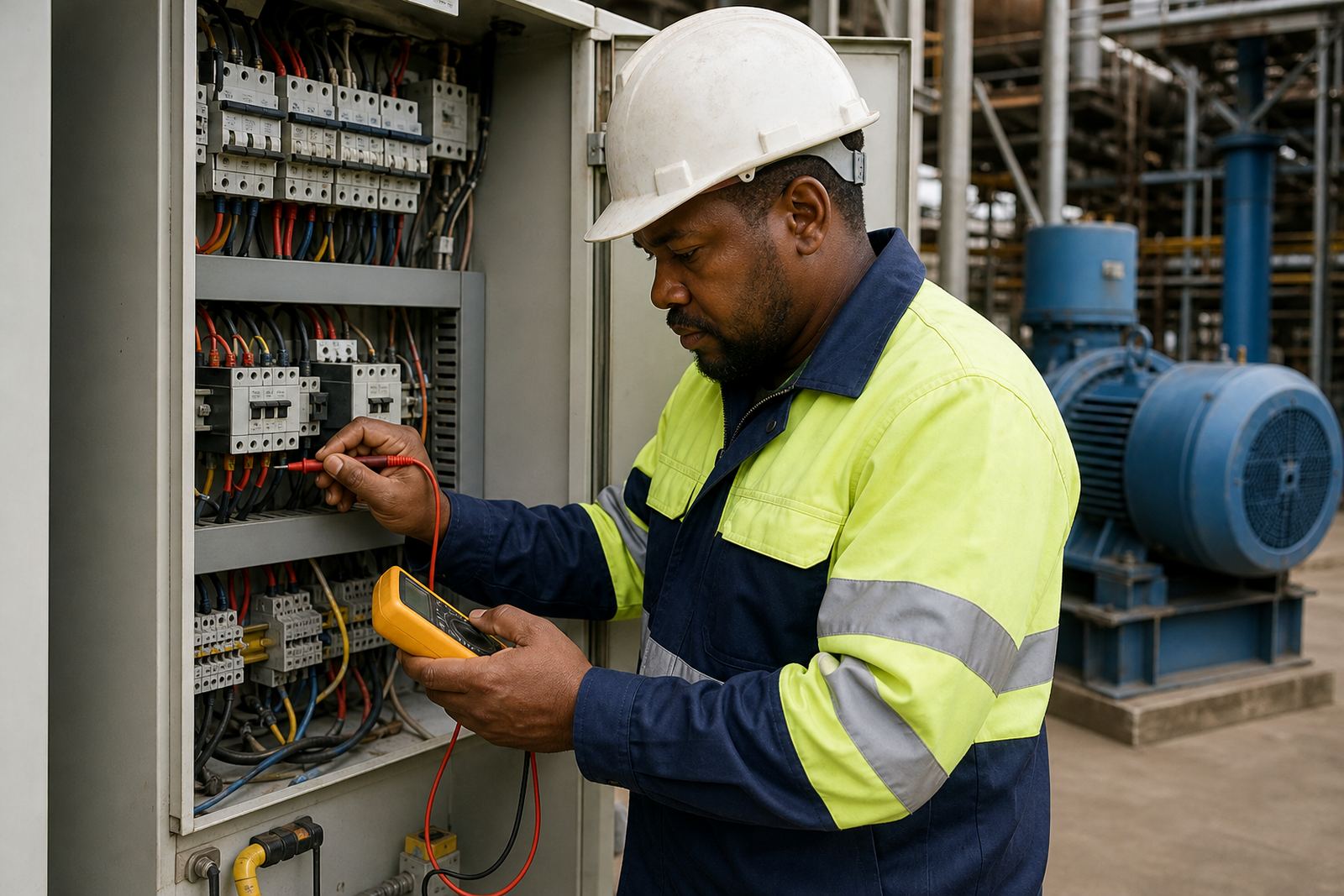
Electrical work must be handled by qualified people, with lockout procedures in place before any cover is removed or any test is started. That applies just as much to a fan motor as it does to a larger production motor or a control panel. We began with isolation checks, then inspected the unit externally for contamination, loose fasteners, cable strain and signs of dust or metal particles entering the motor. In Gauteng workshops, this kind of contamination is common enough and it can shorten bearing life and damage insulation over time.
After safe isolation, we carried out a visual and mechanical assessment. The shaft was checked for free movement, end float and roughness, while the fan blade and shroud were examined for contact marks. We also tested the winding insulation condition and looked for evidence of overheating, which can happen when a motor works harder than it should because of drag in the bearings. The motor had not failed completely, so the point was to catch the problem before the windings were affected too badly.
- Safety steps included lockout, isolation and confirmation of no residual supply
- Checks covered shaft play, bearing condition, fan contact and insulation condition
- Site conditions considered: dust, vibration and long operating hours
Motor Rewinding and Bearing Replacement Work
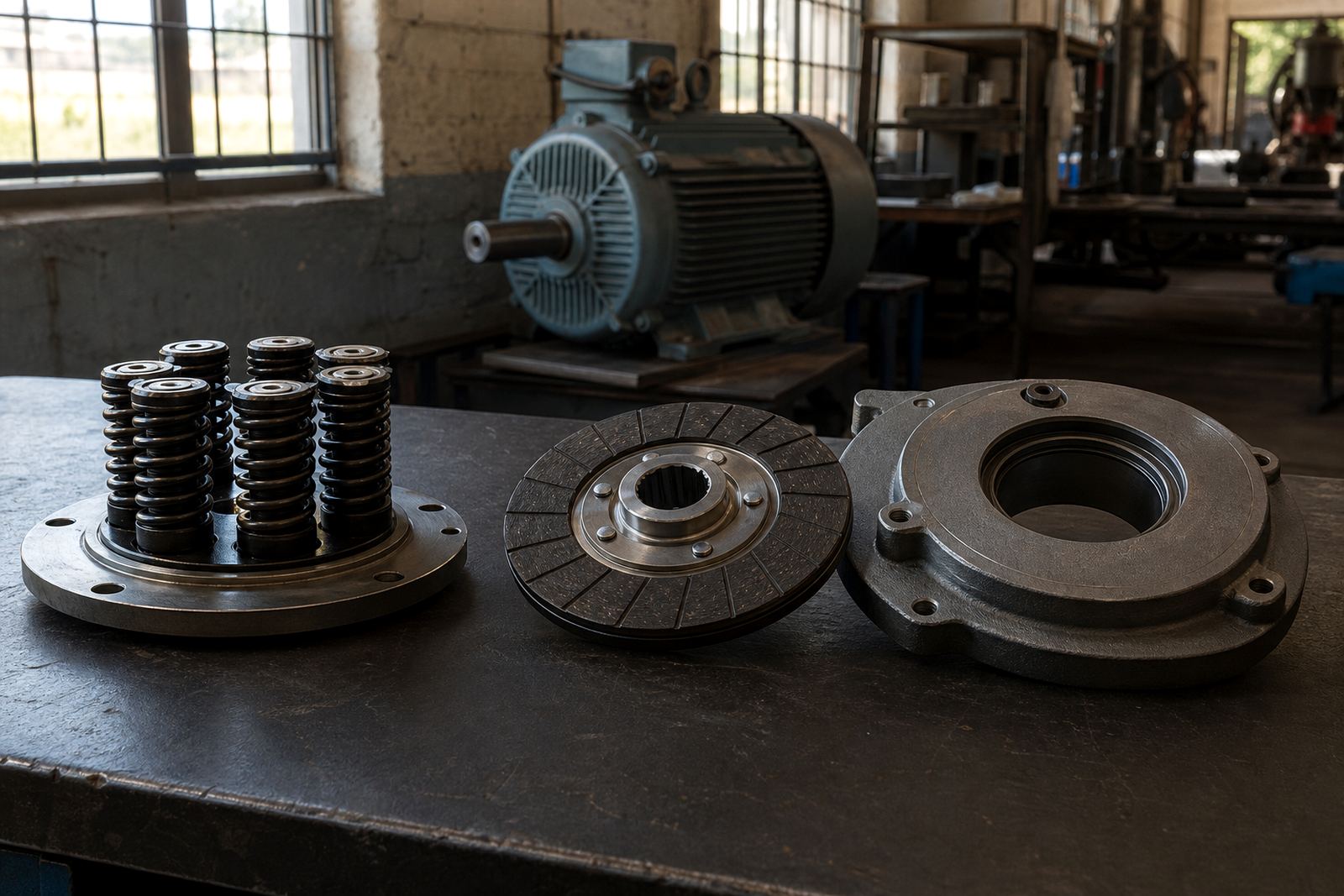
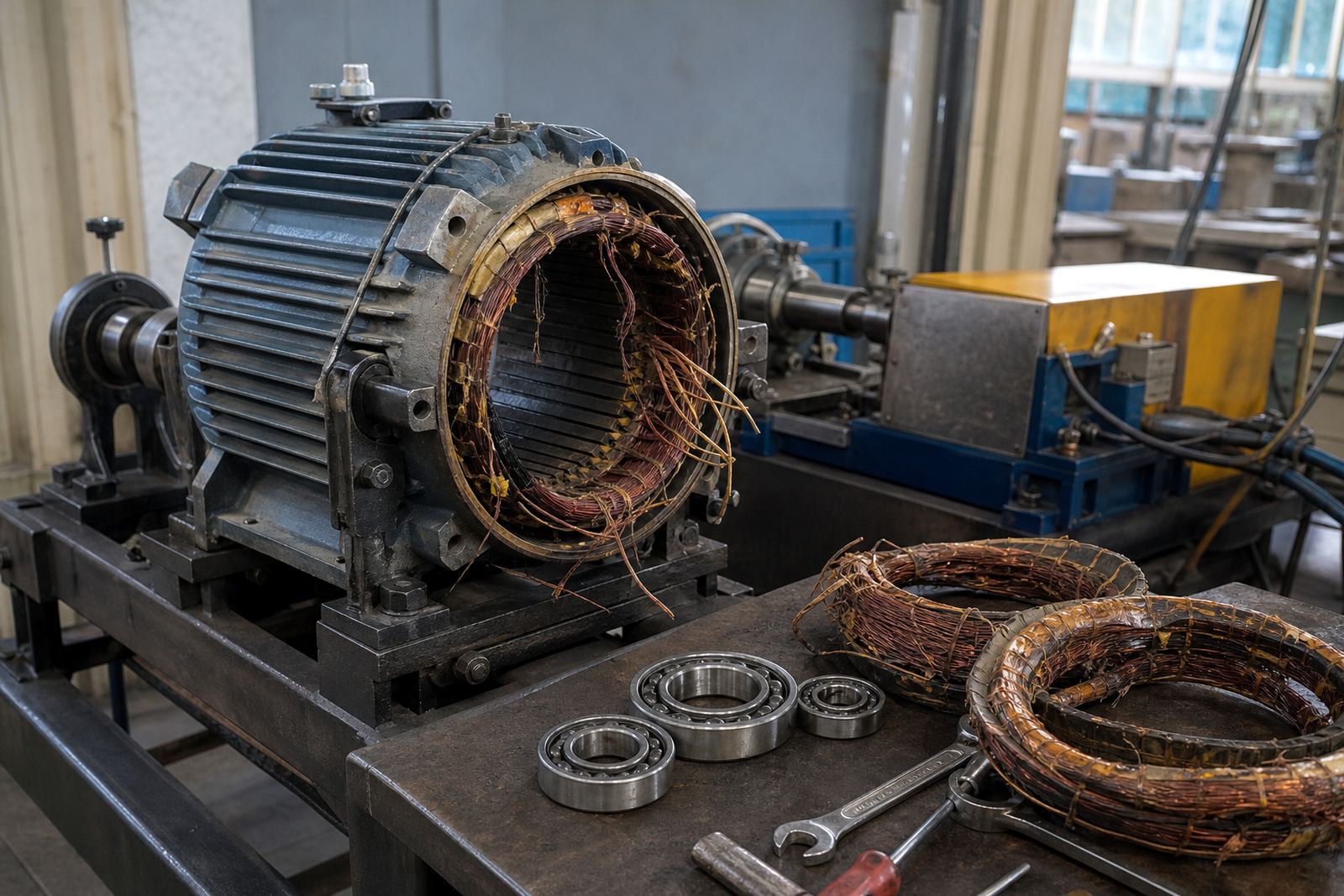
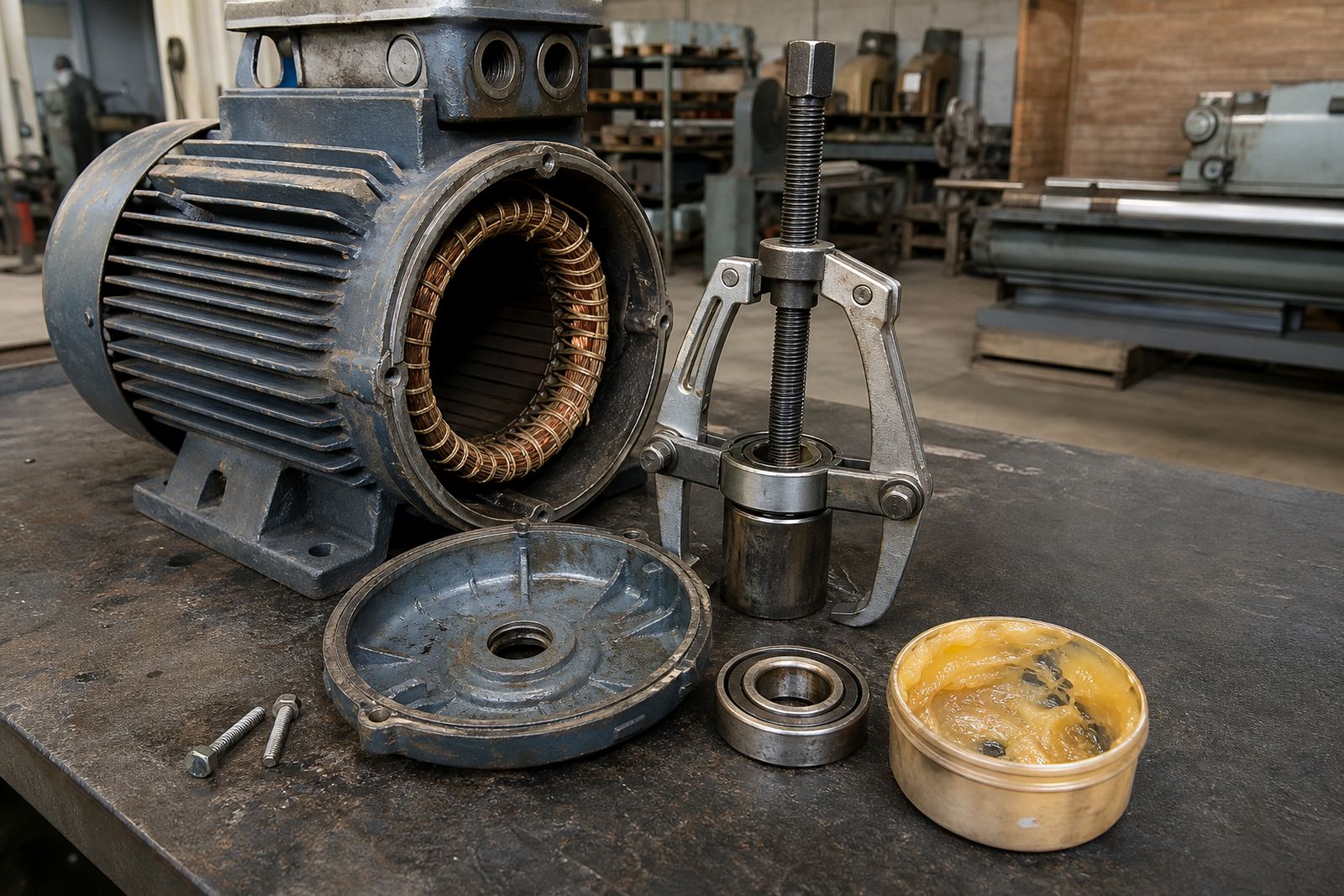
Once the strip down was complete, the bearing condition confirmed what the workshop had suspected. The old bearings showed wear and the grease had broken down, which can happen after long service or poor cooling. We replaced the bearings with correctly matched units and cleaned the housing thoroughly before reassembly. The rotor and stator were checked for damage, and the winding was tested again before any re-assembly work moved ahead. If a winding is compromised, repairing only the bearings would not solve the whole problem.
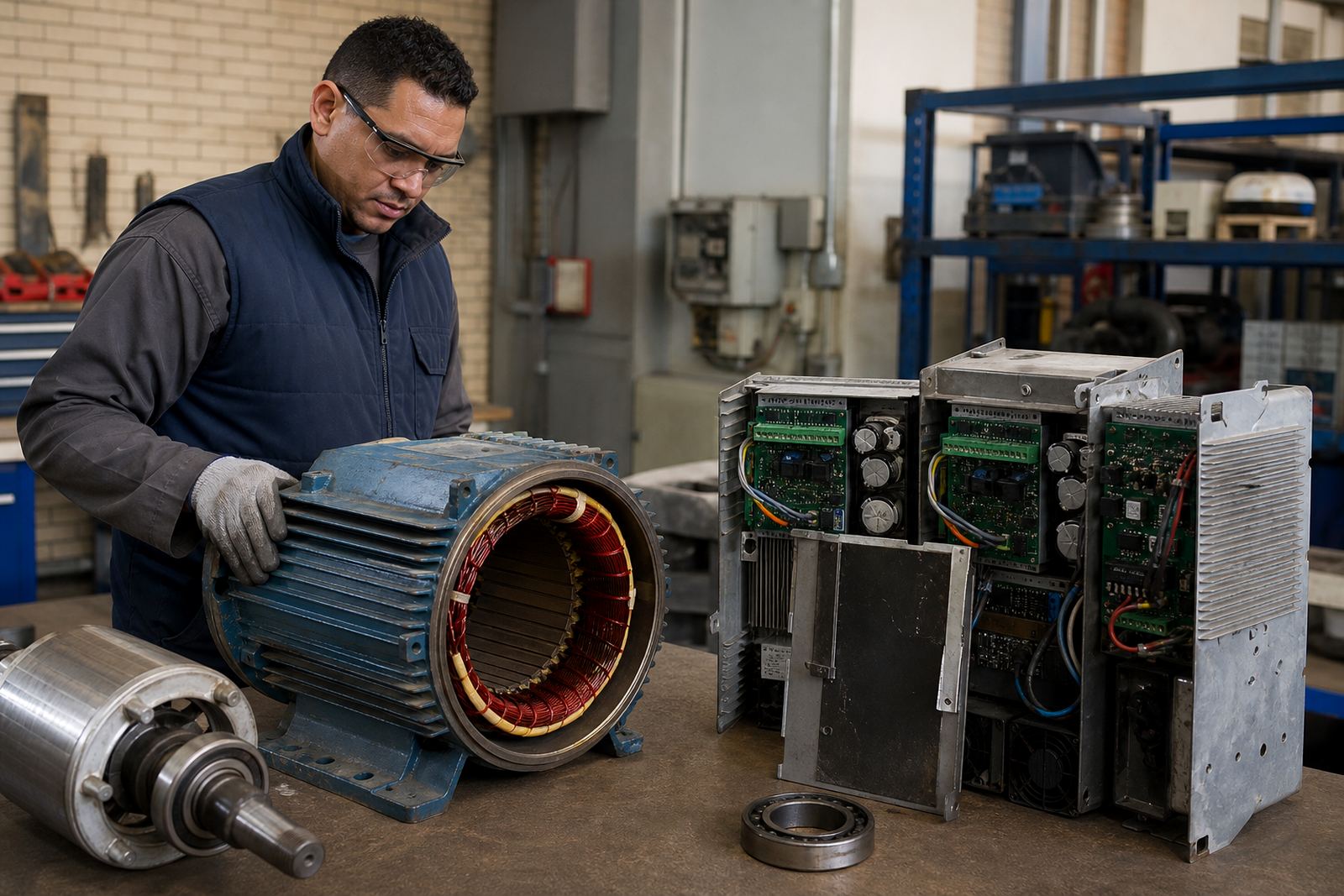
Where needed, motor rewinding is done by removing the damaged winding, cleaning the stator slots, fitting new insulation materials, winding the coils to the required pattern and then carrying out further testing. On this job the winding had not burnt out, but it had been working under stress and needed careful testing before return to service. The repair process also included attention to alignment, bearing seating and end cover fitment, because a small misalignment can bring back vibration very quickly.
- Work completed: bearing replacement, internal cleaning and reassembly checks
- Electrical checks completed before and after the repair process
- Good fit and alignment were treated as essential, not optional
Inspection Details That Matter In A Workshop
The client wanted the fan motor sorted without creating another stoppage later in the month. For that reason we paid close attention to the small details that often get missed during rushed repairs. The shaft journal was checked for scoring, the housing was cleaned of old grease and fine dust, and the cable entry was reviewed for movement and chafing. We also checked the mounting points because loose feet can make a motor look faulty when the real issue is vibration transfer from the frame.
We carried out a practical inspection of the broader installation as well. In many workshops the motor itself is not the only issue. A bent pulley, a tight belt or a dirty fan guard can create noise that sounds like bearing failure. This is why site reporting matters. It helps the client know what was found, what was repaired and what should be watched on the next service. For a site in Boksburg, keeping the repair note clear also helps when the next shutdown is planned.
- Observed and corrected: contamination, mounting movement and wear at moving parts
- Site reporting included findings, recommended follow up and installation notes
- Helpful for planned shutdowns and maintenance records
Turnaround In Stages Over Two Weeks
The job ran over two weeks from removal to handback. The first week covered fault finding, strip down and testing, followed by parts assessment and the bearing replacement work. The second week covered reassembly, insulation testing, running checks and final inspection before the motor went back to the client. That timeline suited the workshop because it gave them time to arrange other cooling support and avoid a rushed installation. It also let us work methodically and not miss any signs of secondary damage.
During the process we kept the client updated on what had been found and what still needed attention. That included the condition of the winding, the end covers and the shaft. We did not promise miracle fixes or shortcut the process. The aim was simple: return a motor that could run properly under normal workshop load and not create a fresh problem after a few days. In this line of work, honest reporting saves time in the long run, even if it means the answer is not always the one the client hoped for.
- Timeline: two weeks from inspection to completion
- Stages covered removal, diagnostics, repair, testing and handback
- Client updates were kept practical and direct
Result And What We Would Repeat Again
After repair the fan motor ran more smoothly, the noise dropped off and the vibration level was reduced to a normal working condition for the application. The workshop could put the unit back into service with better confidence, and the repair record now gives them a clear reference point for future checks. The result came from looking at the whole unit, not only the obvious symptom. Worn bearings are often the first sign, but they can be linked to dirt, misalignment, poor cooling or overloading too.
If we did the same job again, we would follow the same sequence: isolate safely, inspect carefully, test the insulation, check the bearing condition and only then move into repair. We would also repeat the recommendation for regular checks on noise, heat and vibration. In and around Boksburg, many workshop motors work long hours and the early signs of trouble are easy to miss. Catching those signs early can help prevent a breakdown during a busy shift or a weekend shutdown.
- Result: smoother running, less noise and reduced vibration
- Best practice repeated: safe isolation, full testing and careful reassembly
- Early fault signs should always be acted on before full failure
Fan Motor Work For Plants Across Gauteng
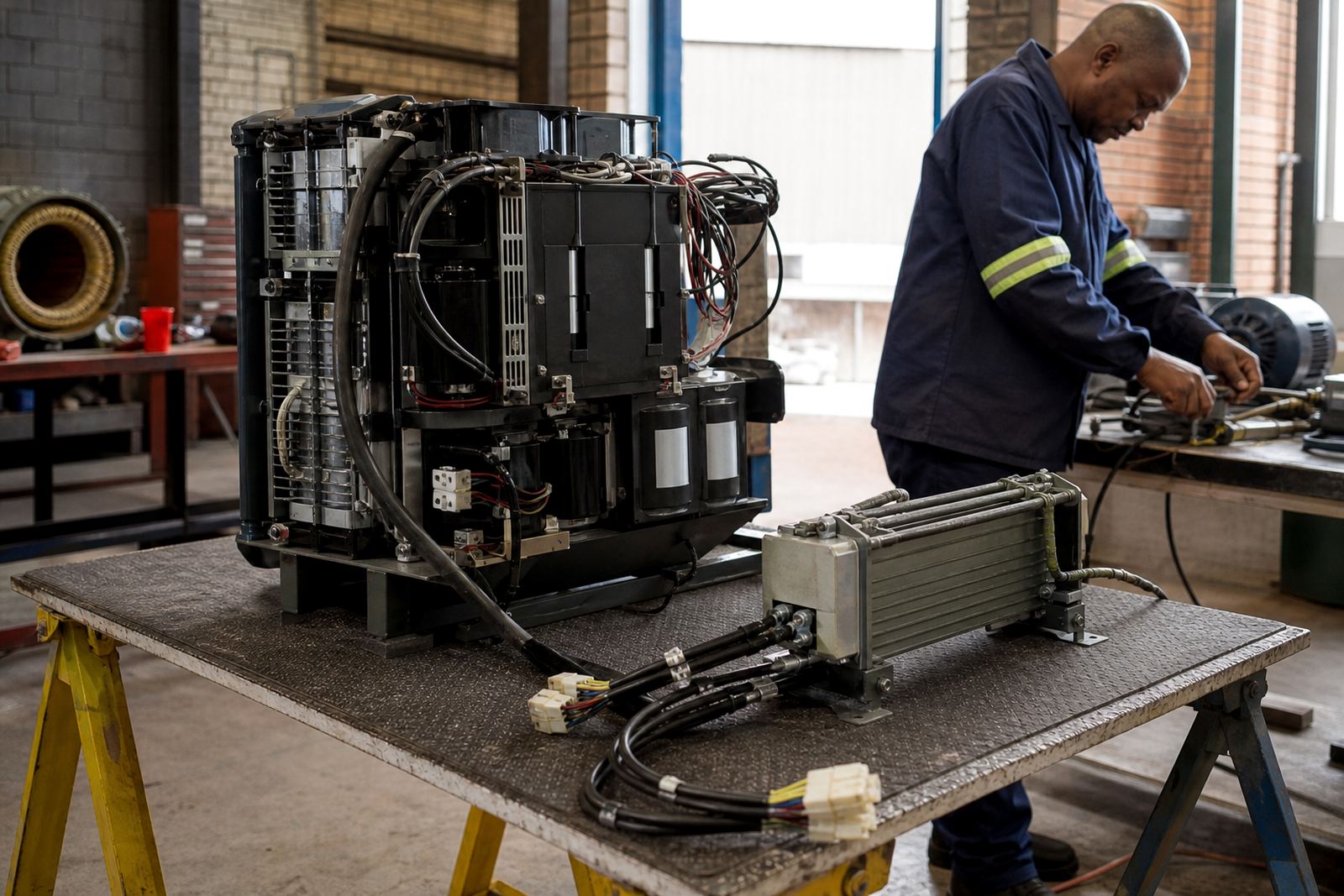
Locor has been working from Germiston since 2007, supporting plants, workshops and maintenance teams that need motor and drive repairs done properly. We help with electric motor rewinding, bearing replacement, insulation testing and variable speed drive repair, along with fault finding, drive inspection, alignment checks and commissioning support. Our work reaches Boksburg, Johannesburg, Ekurhuleni, Pretoria, Vereeniging and Durban, and we understand the pressure that comes with load-shedding, tight shutdown windows and equipment that cannot sit idle for long.
When a motor starts making noise or a drive trips without warning, it is worth getting qualified people to test it properly before more damage is done. That means safe lockout, clear reporting and practical repair work that fits the site conditions. If your workshop or plant has a fan motor, conveyor motor or process drive that needs attention, use the enquiry form on our contact page and we will take it from there.
- Services used on site: fault finding, drive inspection, bearing checks and site reporting
- Base: Germiston, Gauteng
- Work supported for workshops and plants across South Africa
Key facts
| Project location | Boksburg, Gauteng |
|---|---|
| Client type | Workshop handling plant support equipment |
| Equipment | Fan motor |
| Main fault | Noise and vibration linked to worn bearings |
| Work completed | Fault finding, bearing replacement, insulation testing and reassembly checks |
| Timeline | Two weeks from inspection to return to service |