

What the Centurion workshop needed
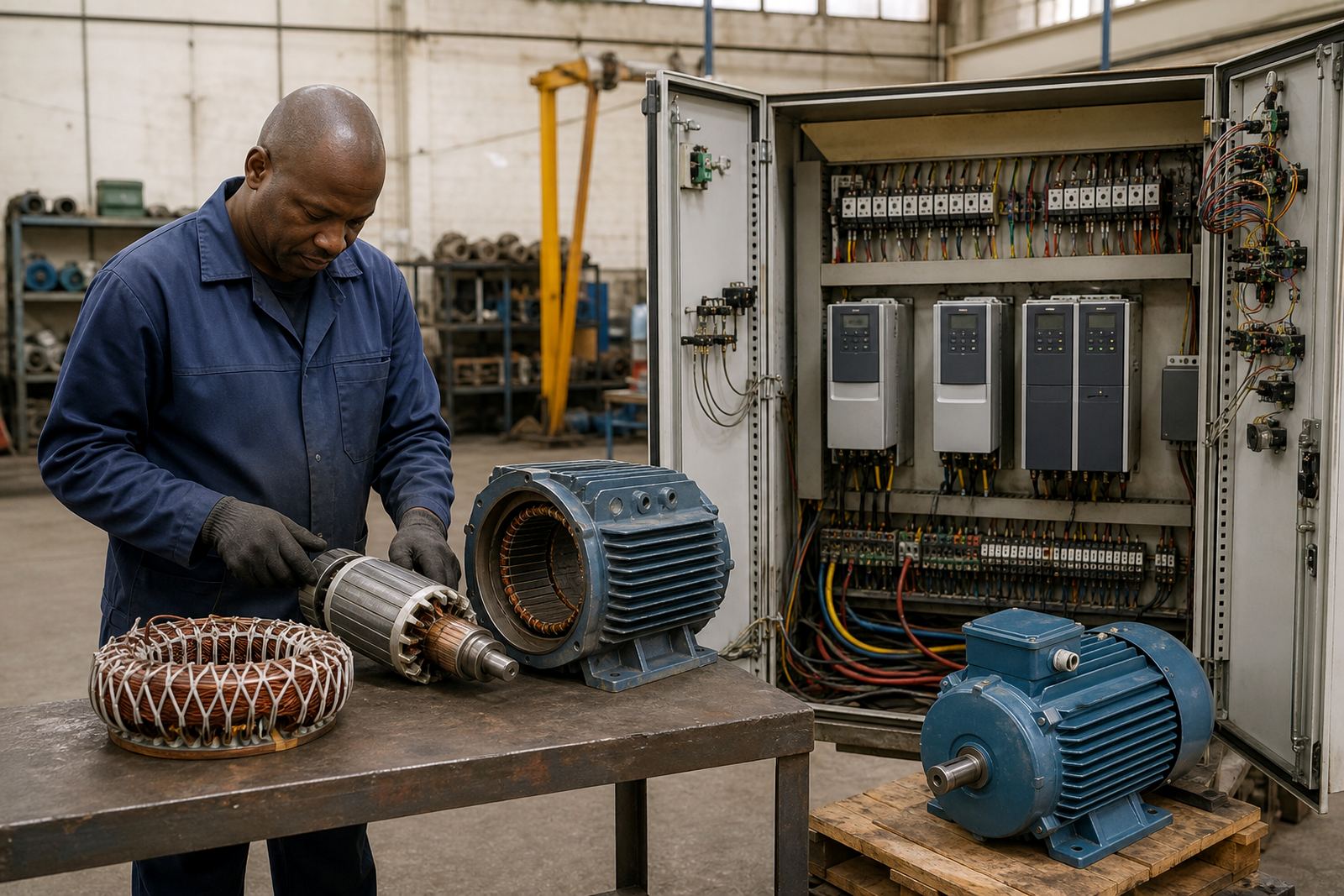
The job came from a Centurion workshop that relies on a motor control panel to keep one of its process lines running. After an internal component failed, the panel no longer started the motor correctly and the team needed the system checked, repaired and brought back into service without further damage to the motor or associated controls.
The brief was practical. Find the point of failure, confirm what could be reused, replace what had been damaged and recommission the panel in a controlled way. The workshop also needed clear site reporting so their maintenance team could understand what failed and what should be watched going forward.
- Site: Centurion, Gauteng
- Equipment type: motor control panel for workshop machinery
- Work scope: fault finding, repair review and recommissioning
- Constraint: minimise downtime and protect the motor from repeat failure
How we approached the repair safely
Electrical work must only be done by qualified people, with proper lockout procedures in place before any covers are opened or conductors touched. That matters on panels even more when a fault has already happened, because a damaged contactor, loose termination or overheated component can cause a second failure if the system is energised too early.
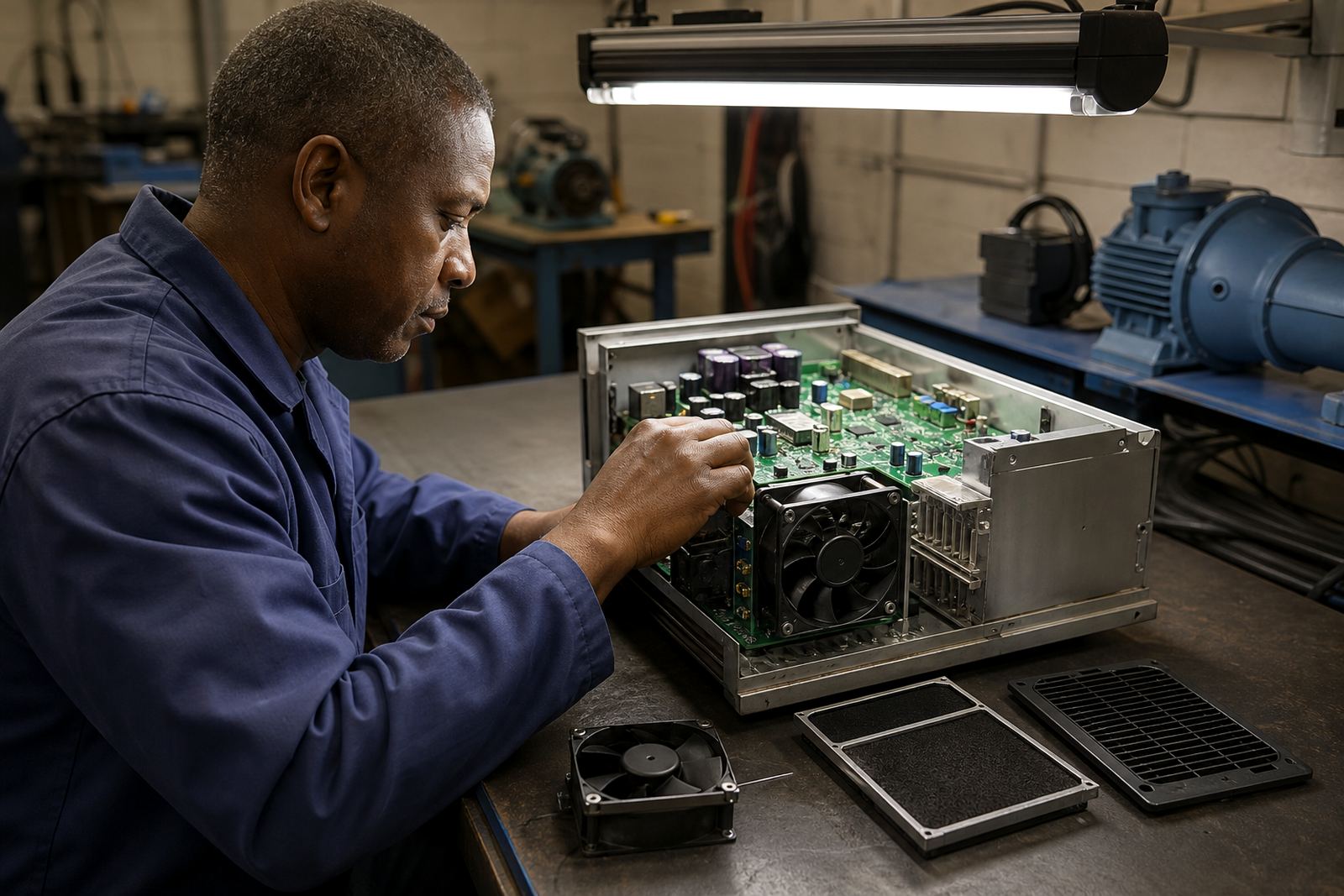
Our team isolated the panel, confirmed the lockout, and carried out a visual and electrical inspection before any testing. We checked for heat damage, signs of arcing, loose lugs, discoloured insulation and failed control components. Cable terminations were inspected and the panel was cleaned so fault tracing could be done properly instead of guessing at a dirty board.
- Lockout and isolation verified before testing
- Panel interior inspected for heat and arc damage
- Terminations checked for looseness and contamination
- Control components reviewed before re-energising
What we supplied and carried out
Once the failed parts were identified, the panel was repaired with like-for-like replacements where required and with careful re-termination of the affected circuits. We checked the motor starter section, control wiring and protection devices, then confirmed that the panel operated correctly under test conditions before returning it to the workshop team.
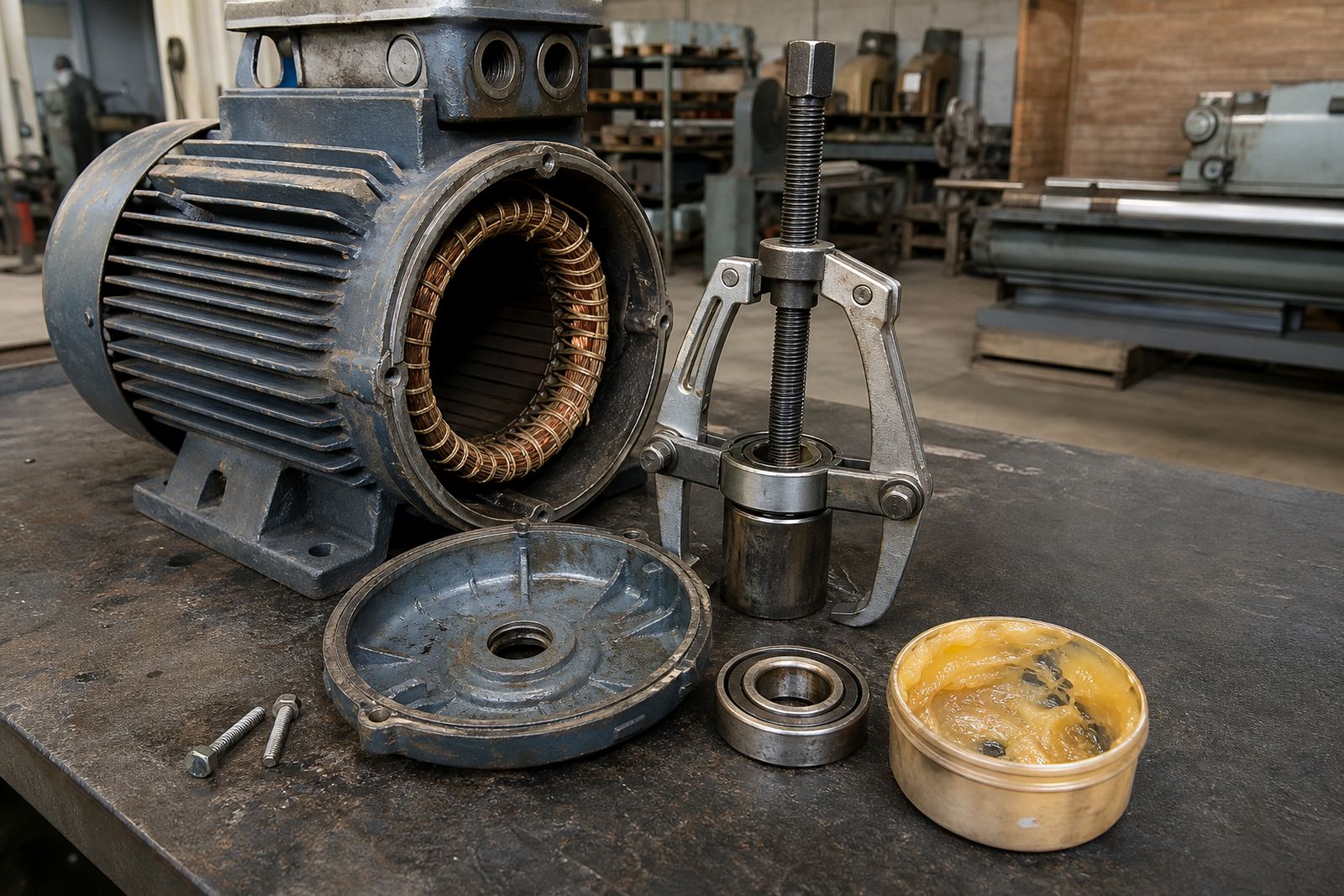
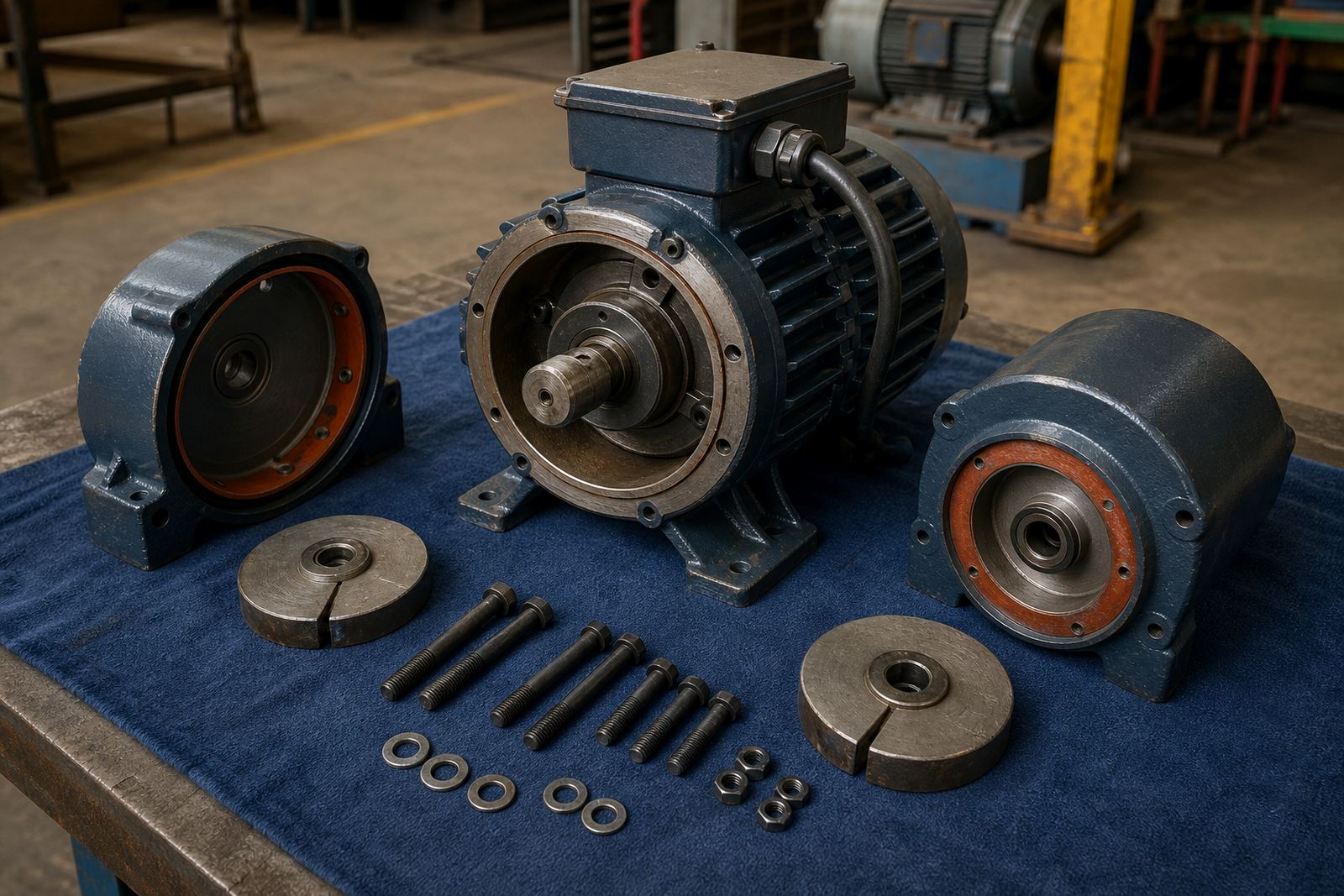
The work also included a practical review of the wider drive and motor interface, because a panel failure often leaves other weak points behind. We inspected the cable entries, control wiring condition and any signs of mechanical stress on the enclosure. Where needed, we recommended follow-up checks for alignment and motor condition so the repair would hold up in normal use.
- Fault finding on the motor control panel
- Replacement of damaged internal components
- Re-termination and connection checks
- Inspection of control wiring and cable entry points
- Functional testing before handover
Timeline and site constraints
The panel refit was completed over a short, controlled timeline in weeks rather than days because the repair depended on safe access, component assessment and test sequencing. The workshop needed the panel back in service without rushing the process, especially since a rushed return can hide problems that only show up under load.
As with many Gauteng sites, the planning had to account for load-shedding, time restrictions on workshop operations and the need to coordinate around other maintenance tasks. We also kept the handover simple so the client’s own team could understand what was done and what operating checks to perform after restart.
- Planned around workshop production windows
- Allowed for safe isolation and inspection time
- Factored in load-shedding and limited on-site access
- Used staged testing before full recommissioning
Results after recommissioning
After the repair, the panel was recommissioned and the motor control function returned to normal operation. The workshop could restart the affected equipment with a clearer understanding of the fault path and better confidence in the control gear that had been checked during the job.
For the client, the main result was not only that the panel worked again, but that the repair was done in a way that supports future maintenance. The site report gave them a record of the failed component, the checks completed and the items that should be monitored during routine service.
- Control panel returned to service after testing
- Fault cause recorded for maintenance follow-up
- Motor start function verified under controlled conditions
- Handover notes supplied for the workshop team
What we would do again on a similar job
On a similar Centurion workshop panel refit, we would follow the same approach: isolate properly, inspect carefully, repair only after the fault is understood and recommission in stages. That method takes a little more time up front, but it avoids repeat trips and reduces the risk of hidden damage in the wiring or protection devices.
We would also recommend early involvement when a panel shows signs of overheating, nuisance tripping or intermittent start faults. In many cases, a quick inspection can stop a small control issue from turning into motor damage or production downtime. For plants and workshops across South Africa, that kind of planning saves headaches later on.
- Use qualified electrical personnel only
- Keep lockout and test procedures in place
- Check the full panel, not just the obvious fault
- Record findings for future maintenance planning
Services linked to this project
This project sat alongside the kind of work Locor handles for workshops and plants in Germiston, Johannesburg, Ekurhuleni, Pretoria, Vereeniging and Durban. That includes fault finding, drive inspection, insulation testing, bearing checks, alignment checks, commissioning support and shutdown planning when a repair needs to be done inside a tight maintenance window.
We also assist with motor removal, panel cleaning, cable checks, spares assessment and site reporting. For electrical and rotating equipment, the right repair process matters as much as the part itself, especially in humid coastal conditions or in facilities where dust and vibration put extra strain on the system.
- Fault finding and drive inspection
- Insulation testing and bearing checks
- Alignment checks and commissioning support
- Shutdown planning and site reporting
Key facts
| Project location | Centurion, Gauteng |
|---|---|
| Client type | Workshop with motor-driven equipment |
| Main problem | Internal component failure in a motor control panel |
| Work completed | Fault finding, repair checks and recommissioning |
| Safety requirement | Qualified electrical work with lockout procedures |
| Timeline | Completed over a short multi-week maintenance window |