Why the pump motor came in from Vanderbijlpark
The client was a maintenance contractor working on a pumping application in Vanderbijlpark that had begun to show clear signs of wear. The motor had noticeable shaft play, rising operating temperature and a rougher sound under load. In practice, those are the kinds of warning signs that can point to bearing damage, contamination in the end shields, or winding stress if the motor has been running hot for some time.
The brief was straightforward: remove the uncertainty, inspect the motor properly and advise on what was still serviceable. The contractor needed the unit back in dependable condition because the pump was part of a wider process and any repeated stoppage would affect the site. Electrical work on a motor like this must only be handled by qualified people, with lockout procedures in place before any stripdown or testing begins.
- Client type: maintenance contractor
- Location: Vanderbijlpark, Gauteng
- Equipment type: pump motor, three phase
- Main symptoms: shaft play, heat build-up and noise
Initial inspection and fault finding
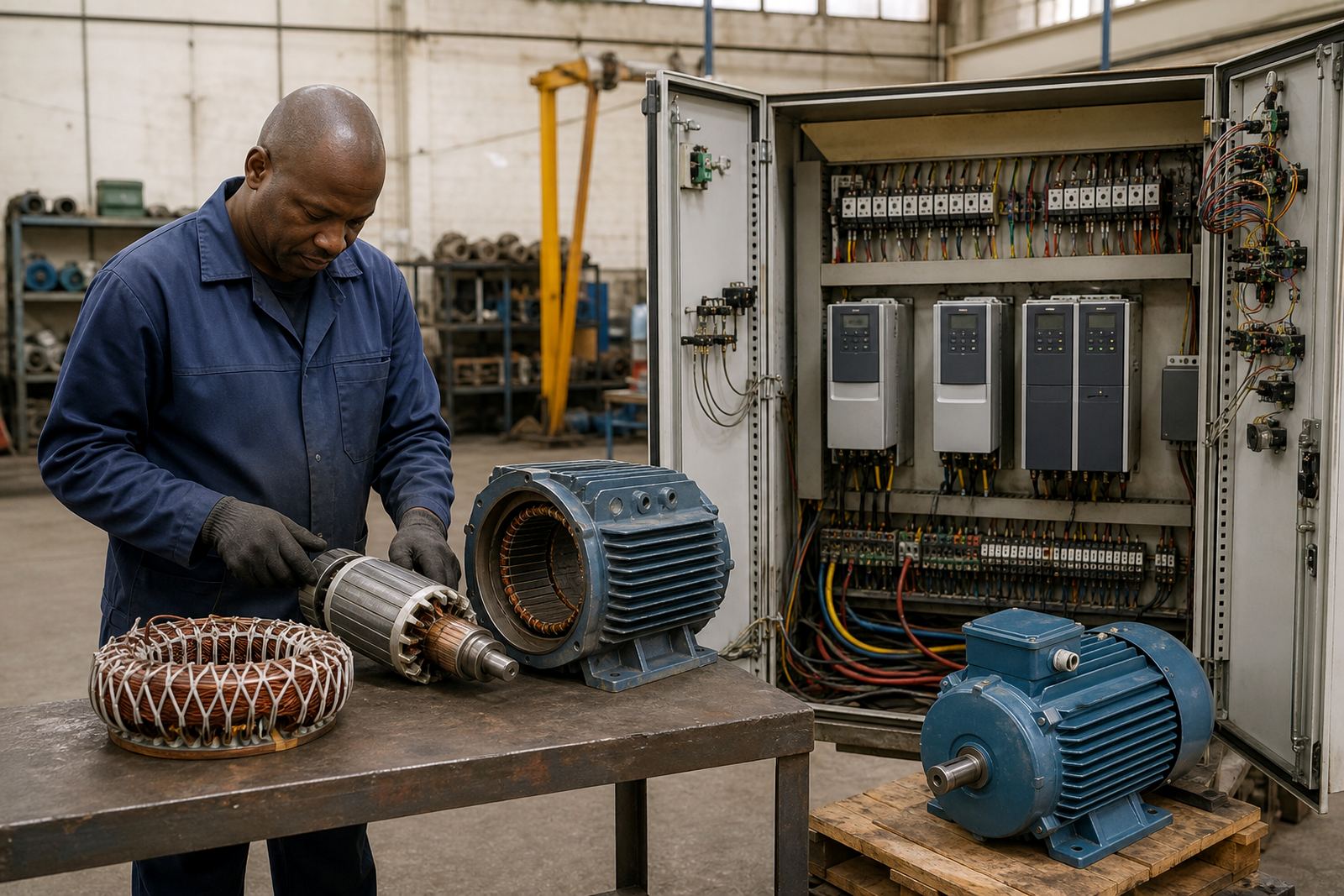
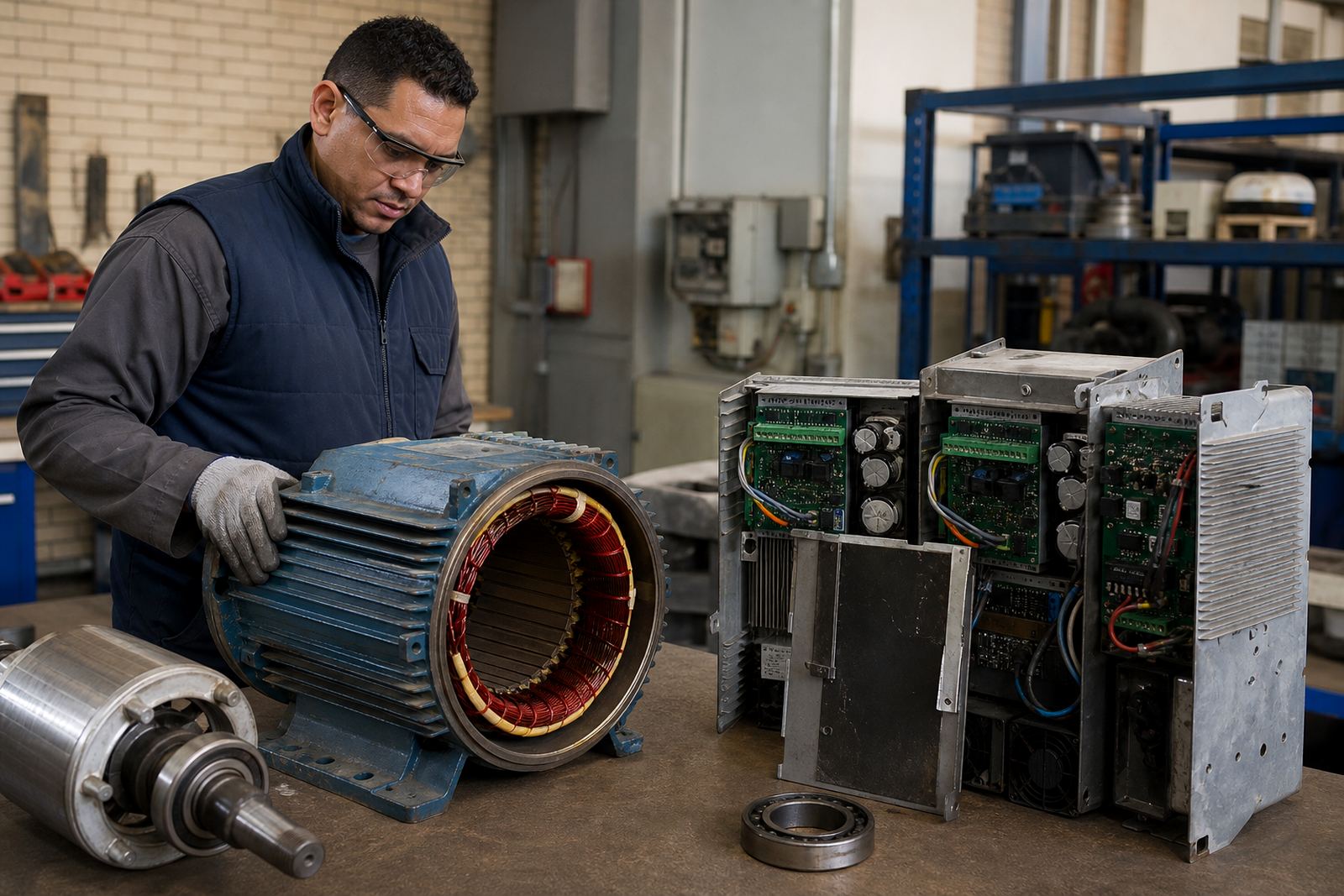
We started with fault finding and a physical inspection of the motor to confirm the condition of the rotating assembly, winding condition and terminal connections. The unit was isolated, locked out and checked before any covers were removed. Once open, we looked for bearing wear, signs of rubbing, dust ingress, insulation breakdown and any evidence that the motor had been working beyond its normal thermal range.
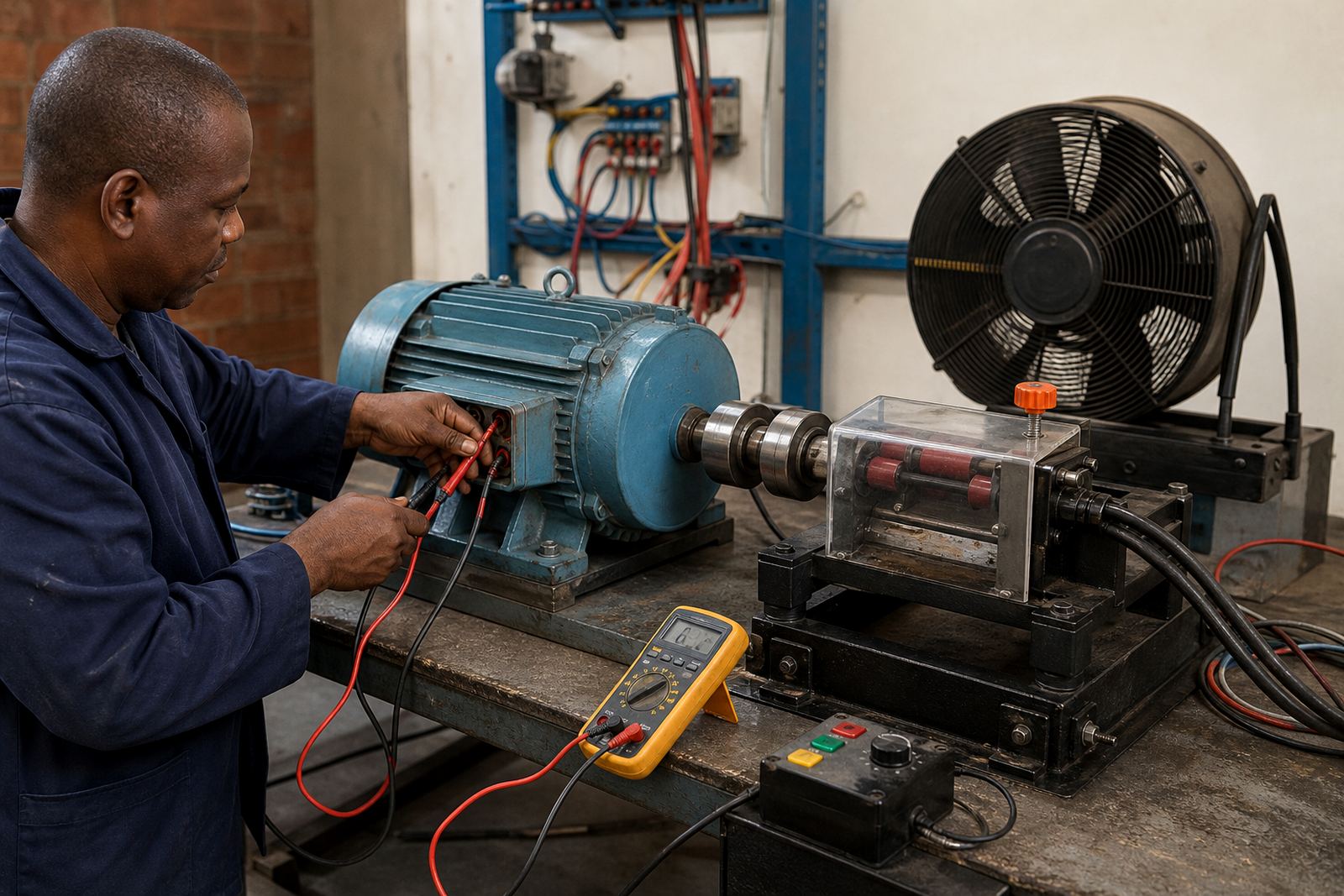
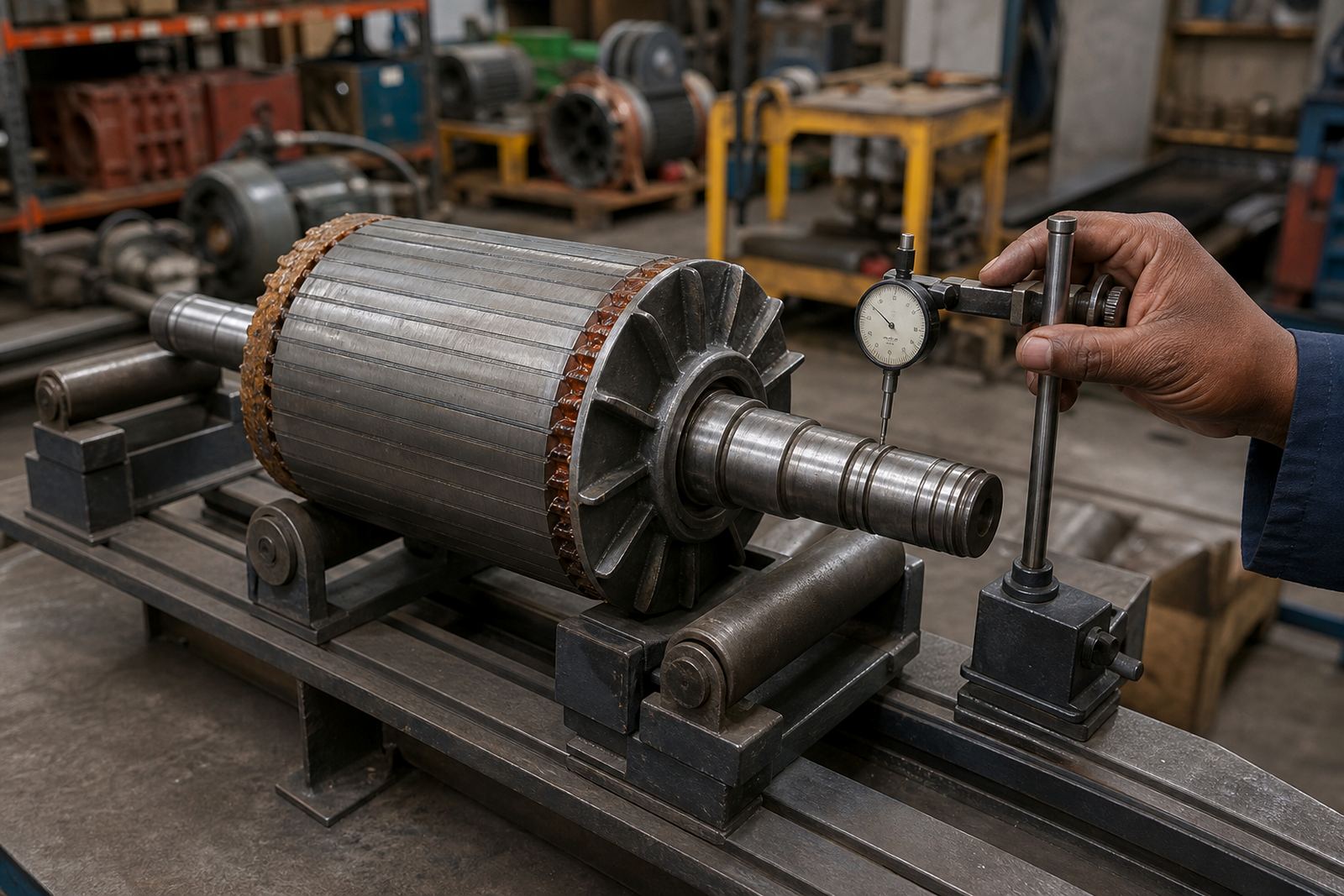
The inspection showed that the bearings were no longer running cleanly and the grease condition had deteriorated. There were also signs that the motor had been under strain, so the winding was tested before any decision was made on rewind work. That matters because a motor can look sound from the outside and still have insulation weakness that only shows up during testing. We also checked the end float, coupling alignment marks and the condition of the frame and fan assembly.
- Isolation and lockout before stripdown
- Bearing checks and shaft play assessment
- Insulation testing on the stator windings
- Visual check of fan, frame and terminal box
Rewind, bearings and insulation work
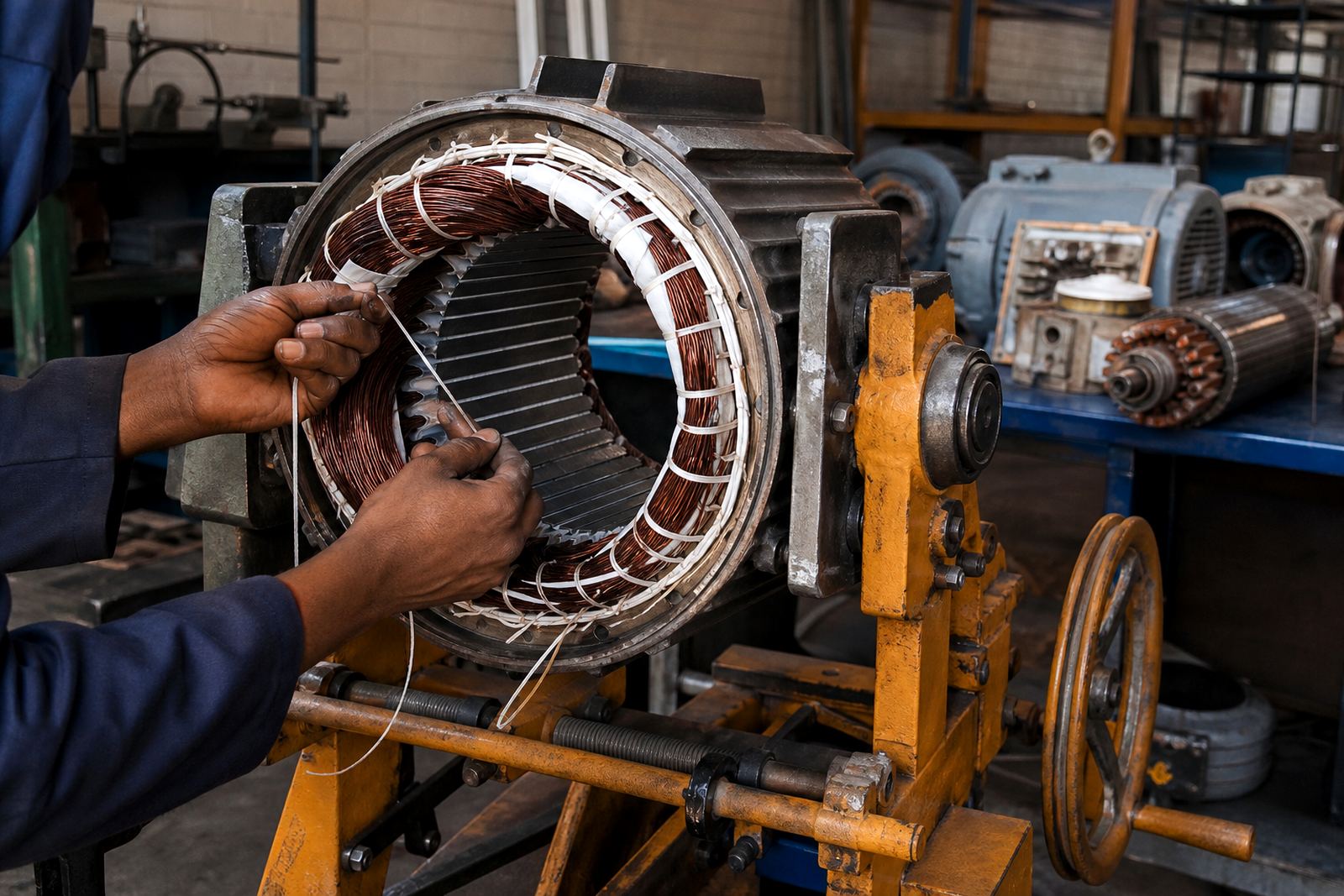
After confirming the winding condition, we carried out the motor rewind using established workshop methods for an industrial three phase machine. That included removing the damaged winding, preparing the core carefully and rewinding to suit the original frame and application requirements. The aim was to restore electrical integrity and keep the motor suitable for the pumping duty, not to make it look neat and forget the real operating load.
We also replaced the worn bearings and checked seating surfaces so the new set would run properly. Bearing replacement is a simple phrase but in practice it has to be done with care, because poor fitting can cause early failure or fresh vibration. The motor was then reassembled and tested again for insulation resistance and general electrical condition. In a hot plant room or a dusty workshop, that kind of follow-up testing is not optional, it is part of doing the job properly.
- Controlled stripdown and parts assessment
- Motor rewind to suit the application
- Bearing replacement and reassembly
- Repeat insulation testing after rebuild
Supporting checks before refit
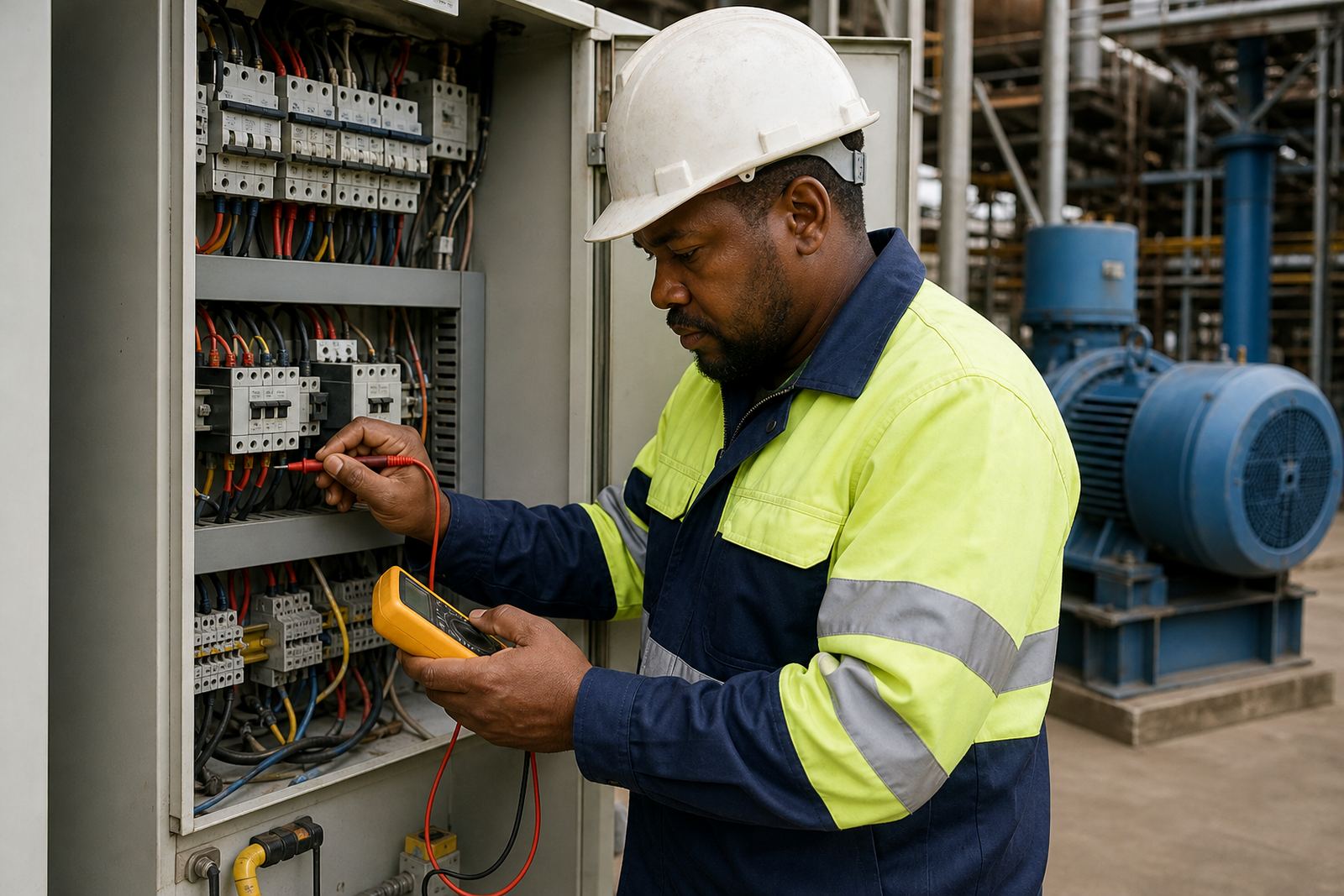
Although the motor was the main item on the bench, we also checked the surrounding installation items that can contribute to repeat failures. That included cable checks, terminal condition and alignment checks on the mechanical side. If a pump motor is fitted back onto a system with poor alignment or damaged cabling, the repair can be undone quickly. We prefer to sort those details before the motor returns to site.
The contractor also asked for advice on the pump side of the job. We therefore included a spares assessment and inspection notes so their own team could see which parts were sound and which items should be watched during the next maintenance cycle. In this case, the customer wanted practical information they could use on site rather than a long report full of vague comments. That approach saves time for everyone.
- Alignment checks before refit
- Cable checks and terminal review
- Spares assessment for the contractor
- Site reporting for maintenance records
Timeline, coordination and return to service
The work was handled over a period of two weeks, from the first inspection through to rebuild, testing and handover preparation. That timeline allowed us to work through the stripdown properly, wait on the bearing replacement and carry out the final checks without rushing the result. The contractor needed clear coordination because their own crew had to schedule removal and reinstallation around site access and other maintenance tasks.
We kept the communication practical and gave progress updates at the points where decisions were needed. For a busy plant in Gauteng, that helps keep downtime under control and avoids confusion when lifting gear, transport and manpower have to be arranged. Once the motor was ready, the contractor could complete refit and commission the pump under their own safe working procedures.
- Total project duration: 2 weeks
- Coordinated with contractor removal and refit
- Progress updates at inspection and rebuild stages
- Final handover with test notes and observations
Result and what we would repeat
After the rebuild, the motor was returned with the bearing condition corrected, the winding restored and the insulation tested again before release. The key result was a smoother running motor with the shaft play issue addressed and the heat concern brought back under control. For the client, that meant the pump could be returned to service with a lot more confidence, instead of hoping the old symptoms would not come back.
If we were doing the job again, we would follow the same order: isolate properly, inspect thoroughly, confirm the winding condition before deciding on the repair path and then test the rebuilt unit before refit. That sequence keeps electrical risk lower and gives the contractor a clearer answer on the motor’s condition. It is also the right way to handle industrial equipment where a small fault can become a bigger stoppage if it is left too long.
- Heat issue reduced after rebuild and testing
- Shaft play corrected through bearing replacement
- Motor ready for refit under safe procedures
- Method used: inspect, rebuild, test, document
Key facts
| Project | Vanderbijlpark pump motor overhaul |
|---|---|
| Client type | Maintenance contractor |
| Location | Vanderbijlpark, Gauteng |
| Equipment | Three phase pump motor |
| Main fault | Shaft play and heat build-up |
| Timeline | 2 weeks from inspection to handover |