Project brief from a Durban recycling plant
The client runs a recycling operation in Durban where the screen motor works under constant vibration, frequent starts and stop cycles, and fine dust from mixed material handling. The motor had developed heating, erratic running and a worsening noise pattern that pointed to both electrical and mechanical wear. The facility needed a repair plan that would suit plant conditions rather than a quick patch.
We were asked to inspect the motor, confirm whether the winding had suffered insulation breakdown, check the bearings, and assess the variable speed drive side for any fault that could have contributed to the failure. The team also wanted practical advice on whether the existing installation needed alignment correction, cable checks or better shutdown planning around maintenance windows.
- Site type: recycling and materials recovery plant
- Location: Durban, KwaZulu-Natal
- Asset type: vibrating screen motor
- Condition: severe duty, high vibration, dust exposure, moisture risk
What we found on strip down and testing
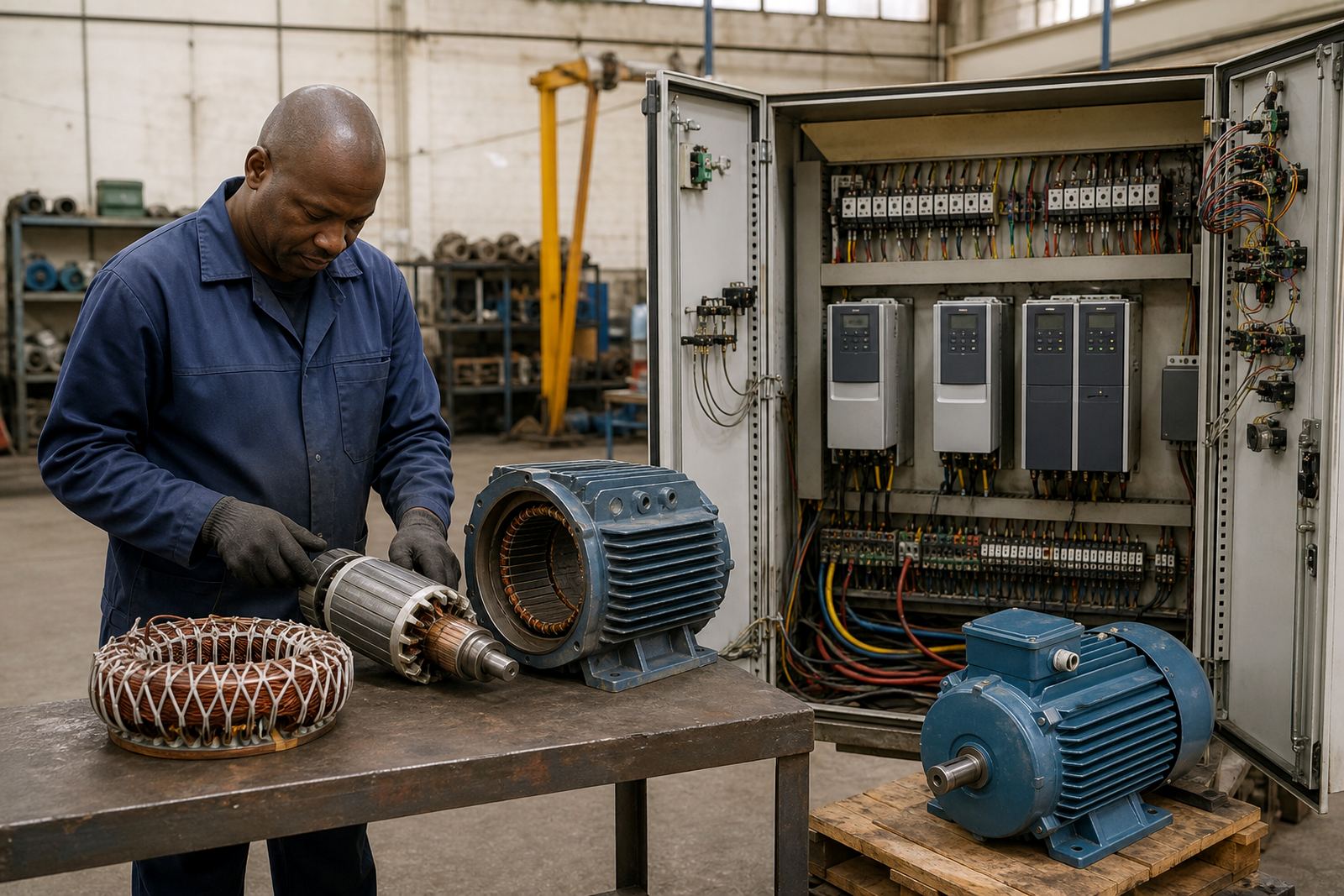
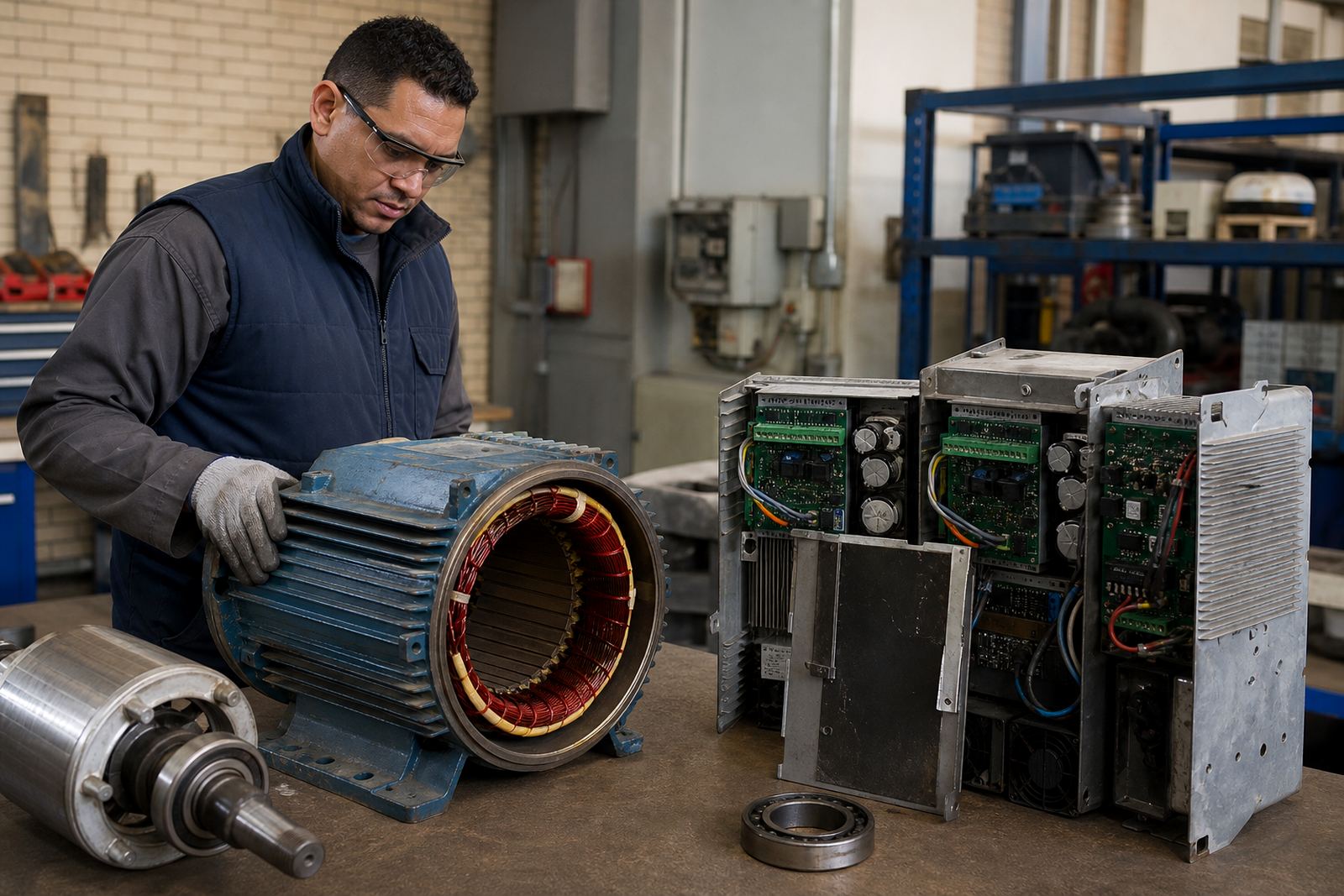
Once the motor was isolated, locked out and removed by qualified people, we carried out a full inspection. The winding showed clear signs of stress from heat and long running under load. Insulation readings were below the level expected for reliable service, and the bearing set showed wear that would have made the vibration worse. In this kind of equipment, one fault often feeds the next, so the checks had to be done in sequence.
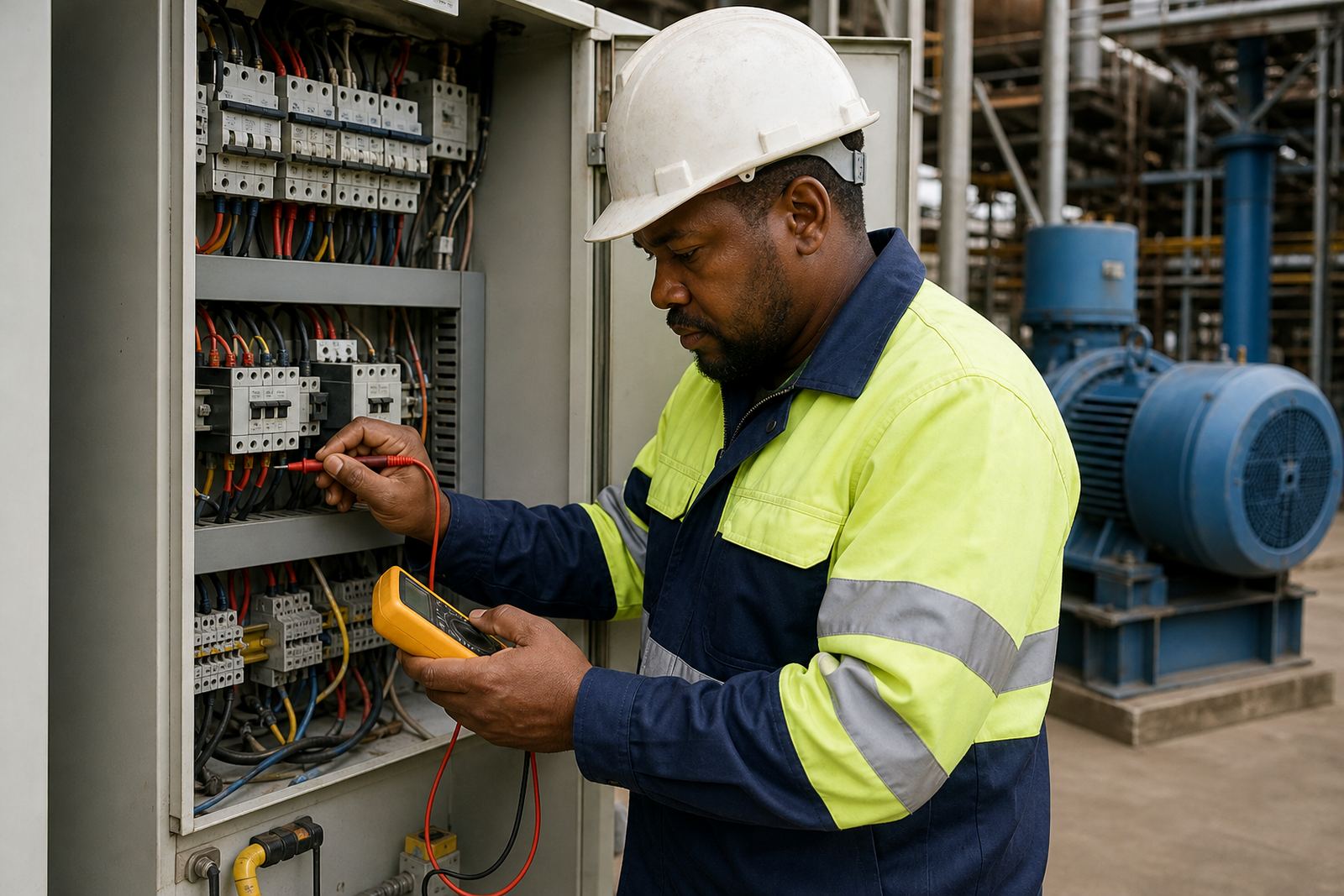
We also inspected the drive and control side for signs of electrical disturbance, loose terminations and contamination. Dust ingress and moisture are common in Durban coastal conditions, especially where screening equipment sits near wash areas or open material handling points. A tired cable gland or dirty panel can be enough to cause nuisance trips and irregular running.
- Motor insulation testing carried out before and after repair
- Bearing checks completed for end float, noise and condition
- Drive inspection done for faults, contamination and cable integrity
- Panel cleaning and cable checks included where access allowed
Rewinding work and bearing replacement carried out
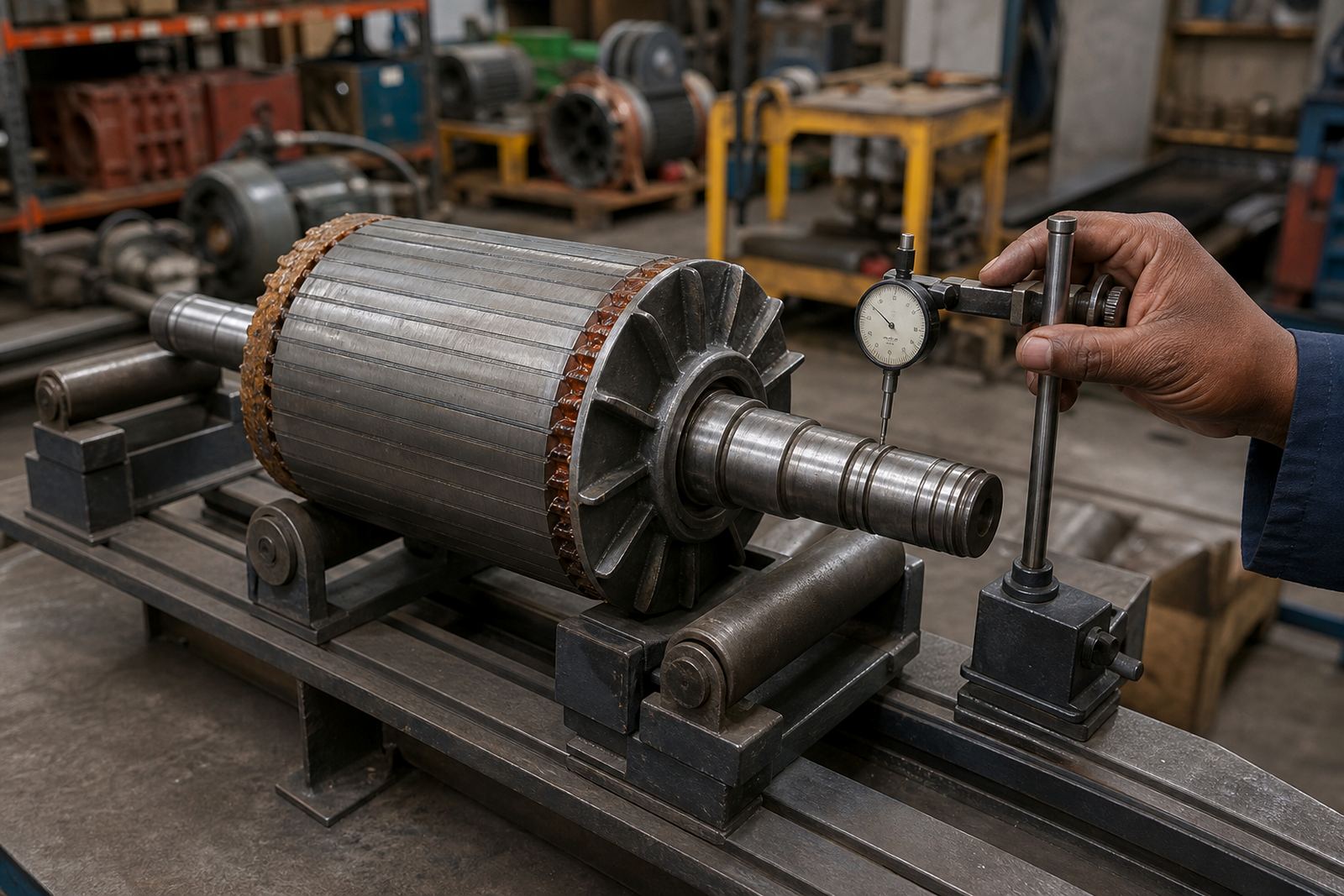
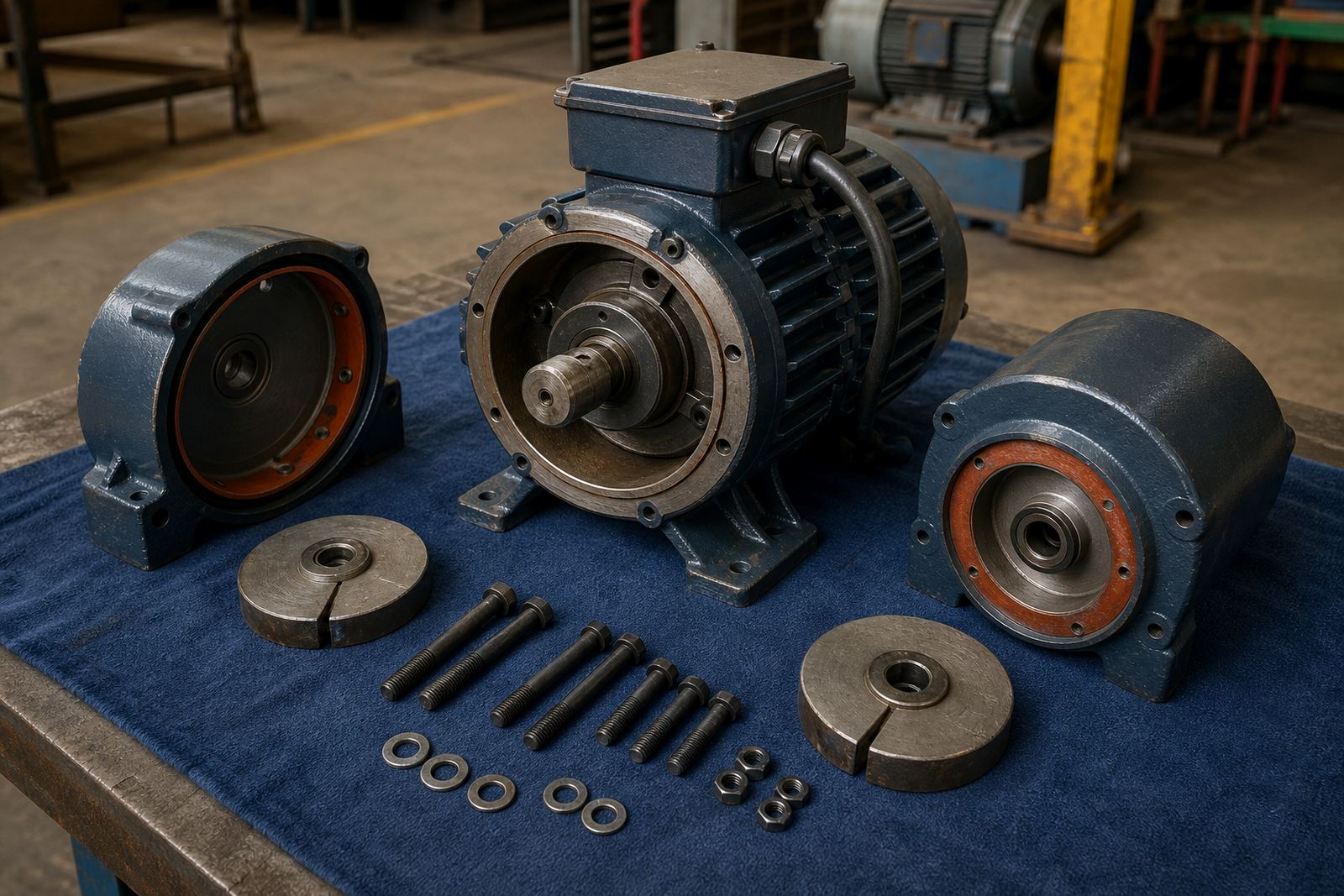
Locor stripped the motor, cleaned the core and prepared the slot surfaces for rewinding. The damaged winding was removed and replaced with a new winding built to suit the motor frame and duty application. We used established rewinding practices to keep coil placement neat, maintain proper insulation spacing and reduce the risk of hotspots. Attention to detail matters here because a screen motor lives on the edge of its duty cycle most days.
The bearings were replaced at the same time. That decision was based on wear patterns found during inspection and the vibration history described by the client. New bearings help restore smooth rotation, but only if the seating surfaces are clean and the shaft and housing are checked carefully. We also reviewed alignment checks and commissioning support requirements for reinstallation so the motor would not return to service under a hidden mechanical load.
- Motor stripped, cleaned and rewound
- Bearings replaced as part of the repair scope
- Insulation testing repeated after rewind completion
- Alignment and reinstallation guidance issued to site staff
Drive repair and site support in wet coastal conditions
The screen motor was paired with a variable speed drive, so the repair was not only about the motor itself. We assessed the drive for any fault that could have been pushing the motor too hard or creating unstable output. Variable speed drive repair work needs a methodical approach because small control issues can create big mechanical symptoms. A weak cooling path, dirty board, loose control signal or damaged power component can all lead to nuisance stoppages.
Because the facility operates in a humid coastal area, we paid extra attention to moisture related contamination and the condition of panel entries. Durban air can shorten the life of exposed electrical components if seals, glands and cabinet cleanliness are neglected. We cleaned the panel, checked cables, reviewed the spares needed for future support and gave the client practical shutdown planning advice so the next intervention would be quicker and safer.
- Drive inspection completed before reinstallation
- Panel cleaning and cable checks included
- Shutdown planning discussed with site management
- Field service support arranged around plant access windows
Timeline, turnaround and return to service
The repair ran over two weeks from initial assessment to handback, with the actual workshop work taking place after the motor arrived in Germiston. That included fault finding, disassembly, rewinding, bearing replacement, testing and preparation for installation support. The client needed the screen back in service without pushing the repair into a rushed schedule, so each stage was planned in order. Good repair work is slower than guesswork and that is usually what saves a plant later.
We kept communication practical. The client received site reporting on what had failed, what was replaced and what still needed monitoring on the installation side. We also flagged the kind of operating conditions that would shorten life if ignored, such as poor housekeeping around the motor, missed lubrication intervals and high vibration left unchecked. Electrical work on plant equipment must always be handled by qualified people using lockout procedures and the correct test equipment.
What we would do again on a similar Durban screen motor
If we were called to the same type of job again, we would follow the same process: isolate properly, inspect both the motor and the drive, test insulation before and after repair, replace bearings when wear is present, and verify the mechanical installation before commissioning. For screen motors, there is no shortcut that consistently works. The repair has to suit the duty, the environment and the way the plant is run.
We would also continue to push for early reporting of noise, heat or tripping before the winding fails fully. That gives more options for repair and less downtime for the plant. In a recycling operation, where timing matters and stoppages affect the rest of the line, small warning signs should not be left to grow. The best result is usually the one where the fault is caught early and the motor is returned to service with the drive, cables and installation all checked properly.
- Use proper lockout and qualified electrical staff only
- Check vibration, noise and heat before the fault grows
- Plan shutdowns around the full repair scope
- Inspect motor, drive and installation as one system
Key facts
| Project type | Durban screen motor repair for a recycling facility |
|---|---|
| Location | Durban, KwaZulu-Natal |
| Asset | Vibrating screen motor |
| Main work | Electric motor rewinding and bearing replacement |
| Electrical checks | Insulation testing and variable speed drive inspection |
| Timeline | 2 weeks from assessment to handback |