

Start With Safe Isolation Before Anything Else
Before removing a variable speed drive, make sure the equipment is isolated by qualified people only. Use proper lockout procedures, prove dead, and allow time for stored energy to discharge. Drives can hold dangerous voltage after switch-off, so no one should open panels or disconnect cables without the right competence and permits.
On plant floors in Germiston, Johannesburg, Pretoria, Vereeniging and Durban, poor isolation is one of the main reasons a simple fault becomes a bigger one. If the drive is part of a critical process, plan the shutdown window first so the unit can be removed without rushing.
What To Tell Us About The Fault
The more specific the fault note, the faster the assessment can focus on the right section. A drive that trips on start-up is different from one that runs for 20 minutes then drops out, and different again from a unit with no display at all.
- What the drive was doing when the fault started
- Any fault code, warning light or display message
- Whether the motor, cable or process changed recently
- If the problem is constant or only happens under load
- Whether there was a power dip, surge or load-shedding event
- If the drive is used for a pump, fan, conveyor or machine spindle
Include the symptoms in plain language. Even small details such as smell, noise, heat or vibration help narrow the issue.
Useful Details To Send With The Unit
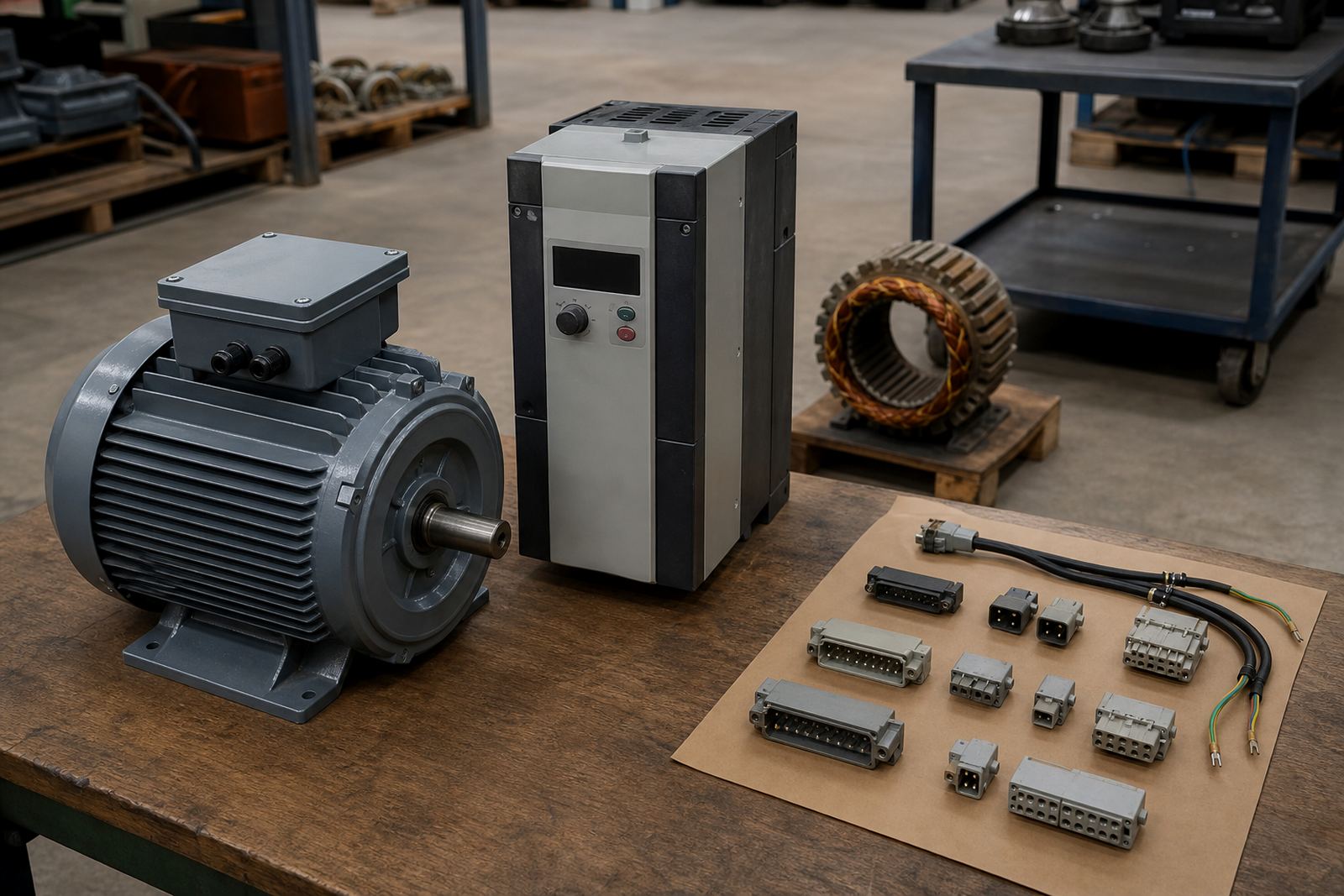
A drive assessment is smoother when the basic nameplate and site information travel with the unit. This helps match the drive to the motor and the application it controls. If the nameplate is faded, send a clear photo of the front, terminals and any labels that are still readable.
- Drive model, rated power, input voltage and output current
- Motor size, speed, voltage and whether it is a standard or special duty motor
- Application type, such as compressor, extruder, hoist or pump
- Panel or machine reference number if available
- Site name and town, especially for plants with several lines or buildings
- Any recent electrical work, cable replacement or motor change
For Durban and other coastal sites, it also helps to mention whether the panel is exposed to humidity or salt air, since moisture can affect terminals, fans and boards.
Checks That Save Time During Assessment
Some problems are caused by the drive, while others come from the motor, cabling, panel layout or set-up. A few simple checks before sending the unit in can save back and forth later. Do not do these checks live unless you are authorised and trained.
- Check for loose terminals, heat marks or burnt cable lugs
- Look for dust build-up, oil mist or water ingress in the panel
- Confirm whether cooling fans are running and filters are clear
- Note any recent alarm after a power outage or brown-out
- Check if the motor turns freely and if bearings sound rough
- Confirm whether the issue appears at all speeds or only at one setting
If the drive is part of a system with sensors, contactors or interlocks, list those too. A fault in a control signal can look like a drive failure at first glance.
When To Include Site Reporting And Shutdown Planning
For larger plants and workshops, drive repair often works better when the shutdown is planned around the process, not after the fault has already stopped production. A short site report can help track what was checked, what was replaced, and what still needs attention after the unit goes back in service.
We also see cases where the drive is only one part of the problem. If the motor has been drawing high current, if there are cable issues, or if the panel has been overheated by dust and poor ventilation, those items need attention too. That is why a proper assessment may include panel cleaning, cable checks, alignment checks and commissioning support once the drive returns to site.
What Happens During Repair And Return To Service
After assessment, the drive is tested for the fault found and any obvious damage is traced back to a likely cause. Depending on the issue, repair may involve component replacement, cleaning, rework of damaged sections, or further checks on connected equipment. In some cases the drive also needs insulation testing of the motor circuit or a review of bearing condition before it is put back in service.
Before re-energising, the installation must again be handled by qualified people under lockout control. The first run should be watched closely for current draw, speed control, abnormal heat and any repeated fault. If the application is linked to production, keep a note of the settings used so the drive can be returned to the same operating point without confusion.
A Simple Packing Checklist For Delivery
Before sending the unit to Germiston, do a quick final check so the assessment can start without delays. This helps when clients are sending equipment from Boksburg, Kempton Park, Ekurhuleni and farther afield.
- Drive fully isolated and removed safely
- Fault note written clearly and attached to the unit
- Photos of labels, terminals and damage if visible
- All covers, plugs and accessories packed together
- Any passwords, setpoints or parameter notes included if available
- Return contact person named on the job card or enquiry form
Clear information helps us focus on the repair, not guess at the history. That is usually the fastest way to get a drive back into service with less repeat trouble.