

What insulation resistance testing tells you about a motor
Insulation testing is used to check how well the winding is separated from earth and from other live parts. In simple terms, it helps find out whether moisture, dirt, heat damage or ageing has lowered the electrical barrier inside the motor. A healthy reading does not mean the motor is perfect, but it does give a useful picture before energising the unit.
On plants and workshops across Germiston, Johannesburg, Ekurhuleni and Pretoria, this test is often done before a motor is put back into service after shutdowns, bearing work or rewinding. It is also useful on motors that have stood idle for weeks, especially in damp coastal conditions or where washdown and dust are part of the job. If the motor has been sitting through load-shedding cycles or in a wet store room, testing can save a lot of trouble later.
When to arrange a test before the motor goes back on line
Not every motor needs the same checks at the same time, but there are some clear signs that insulation testing should be on the list. If a motor has tripped repeatedly, smells burnt, shows signs of moisture entry or has just come back from rewinding, the test should form part of the return to service process.
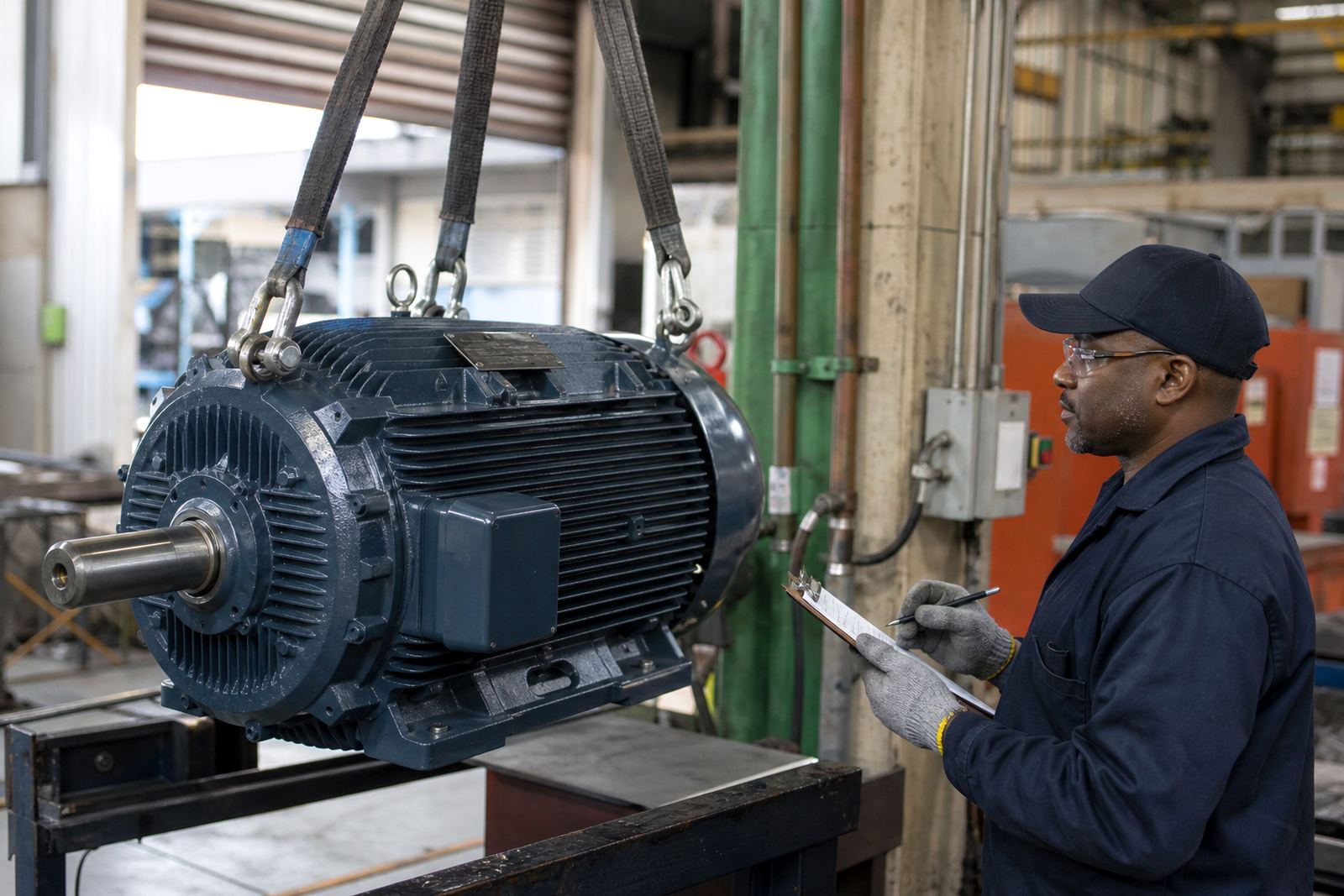
It is also worth testing when the application is sensitive, such as pumps, conveyors, compressors and fans where an unexpected failure can stop a whole section of the site. On larger sites in Vereeniging, Durban and Boksburg, it is common to include this test in a planned shutdown rather than waiting for a breakdown. That makes it easier to check cable condition, panel cleanliness and motor earthing while access is already open.
- After storage in a humid or dusty area
- After flooding, rain ingress or steam exposure
- After rewinding, bearing replacement or cleaning
- After nuisance tripping or overheating
- Before starting a motor that has been idle for a long period
How the test is carried out on site or in the workshop
A proper insulation test starts with safe isolation. The supply must be locked out, proved dead and the motor disconnected from any control gear or sensitive electronics that could be damaged by the test voltage. Only qualified people should carry out electrical testing and related work, because a motor circuit can still hold danger even after the main switch is off.
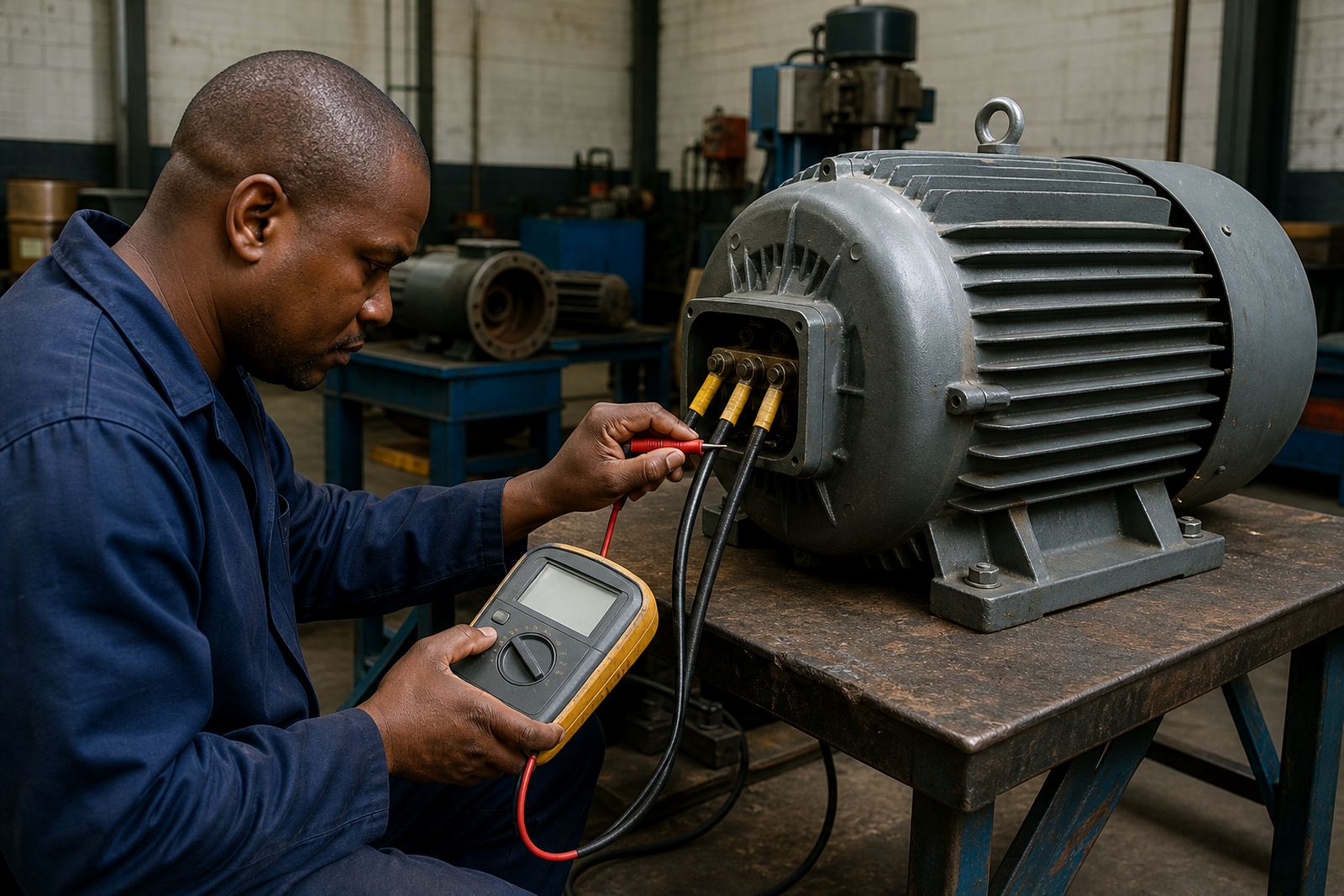
Once isolated, the tester applies a suitable DC test voltage between the winding and earth, and sometimes between phases depending on the motor construction and the problem being investigated. The reading shows how much current leaks through the insulation. Lower resistance can point to moisture, contamination, cracked insulation or a winding fault. The results are then recorded and compared with the condition of the motor, its age and the site history. That context matters, because a single reading on its own can be misleading.
- Confirm lockout and isolation before opening the terminal box
- Inspect for dust, oil, water marks and loose terminations
- Disconnect the motor from control electronics where needed
- Carry out the resistance test with suitable test equipment
- Record readings phase to earth and phase to phase where applicable
- Allow for discharge after testing before touching conductors
What the readings can mean in practical terms
Good insulation values usually mean the winding is dry and reasonably clean. Low values can point to moisture, dirt, damaged varnish or a winding that is nearing failure. Very unstable readings may suggest contamination inside the motor or a problem in the cables leading to it. If the motor has recently been cleaned or dried, the value should improve, sometimes over a few hours or overnight.
It is important not to treat one number as the whole story. A motor with older windings may still be serviceable if the result is stable and matches the motor history. Another motor may show a poor result because of a bad gland, damaged cable or water in the terminal box. This is why insulation testing is often used together with bearing checks, alignment checks and site reporting. The combination gives a better view of what is actually happening.
If the reading is poor, the next step may be further drying, cleaning, fault finding or a rewind. If the motor has suffered heat damage, the insulation may look fine on the outside but still be weak inside, so it is better not to guess.
Checklist before you book insulation testing
A little preparation makes the test faster and safer, and helps the technician get useful results first time. Before the visit, make sure the motor nameplate is visible and the site team knows which machine is to be isolated. If there are linked panels, VSDs, starters or interlocks, they should be identified as well. On busy sites in Kempton Park and Pretoria, this planning avoids a lot of back-and-forth during shutdown hours.
- Identify the motor and the machine it drives
- Make sure the supply point can be locked off
- Provide access to the motor terminal box and cable route
- Note any recent trips, smoke, noise or overheating
- Tell the technician if the motor was exposed to water or steam
- Keep spares, glands and terminal covers nearby if repairs are likely
If the motor is part of a larger process, add the time needed for restart checks, rotation checks and commissioning support. A few extra minutes spent on preparation can stop an avoidable fault later on.
Why the test matters before rewinding or drive repair
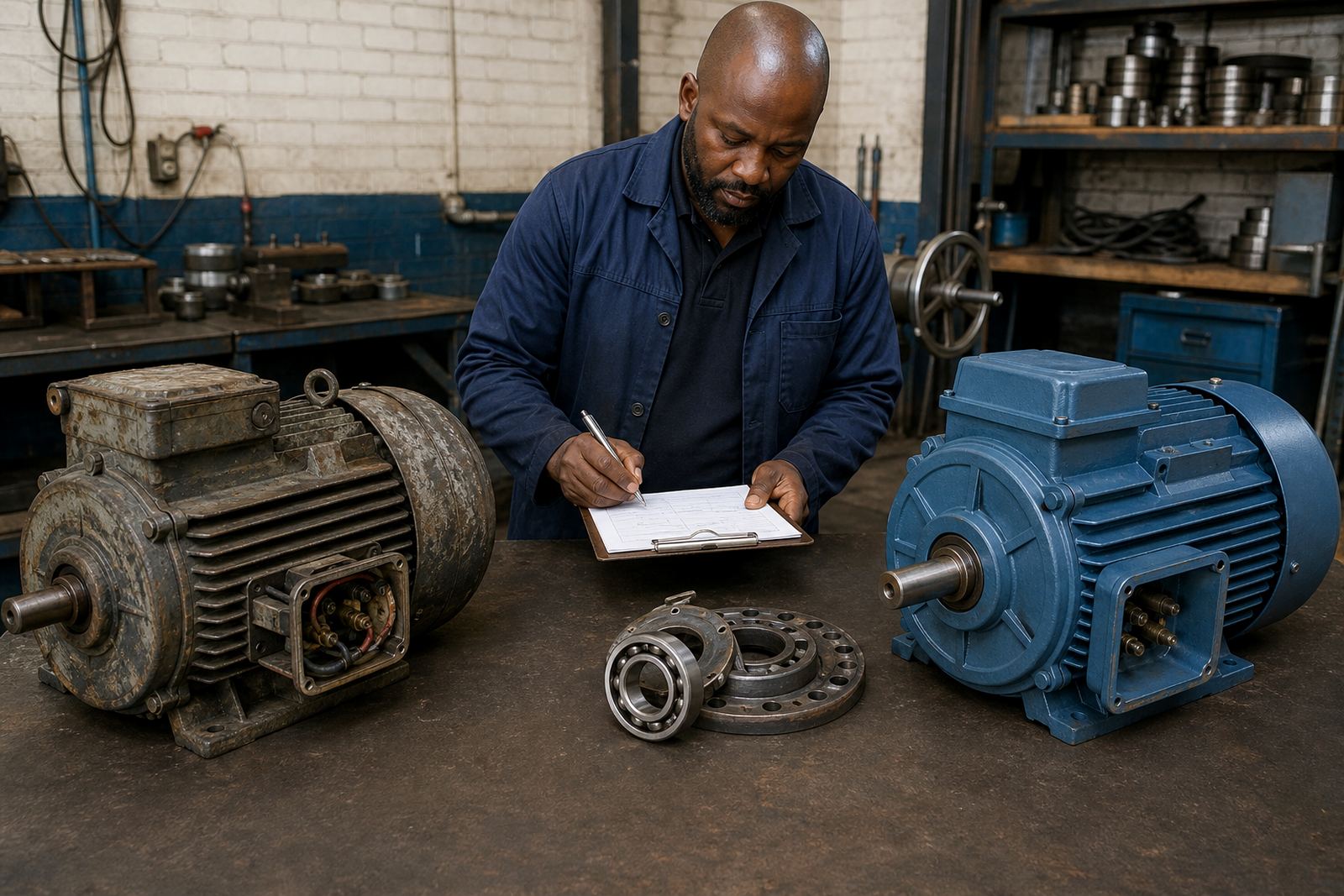
Insulation testing is useful before and after rewinding because it gives a baseline. Before work starts, it helps confirm whether the winding is the main problem or whether there is also trouble in the cable, panel or driven load. After a rewind, it helps confirm that the rewound motor is ready for careful re-energising. That is especially important where a machine runs through a variable speed drive, because a drive fault and a motor fault can look similar from the outside.
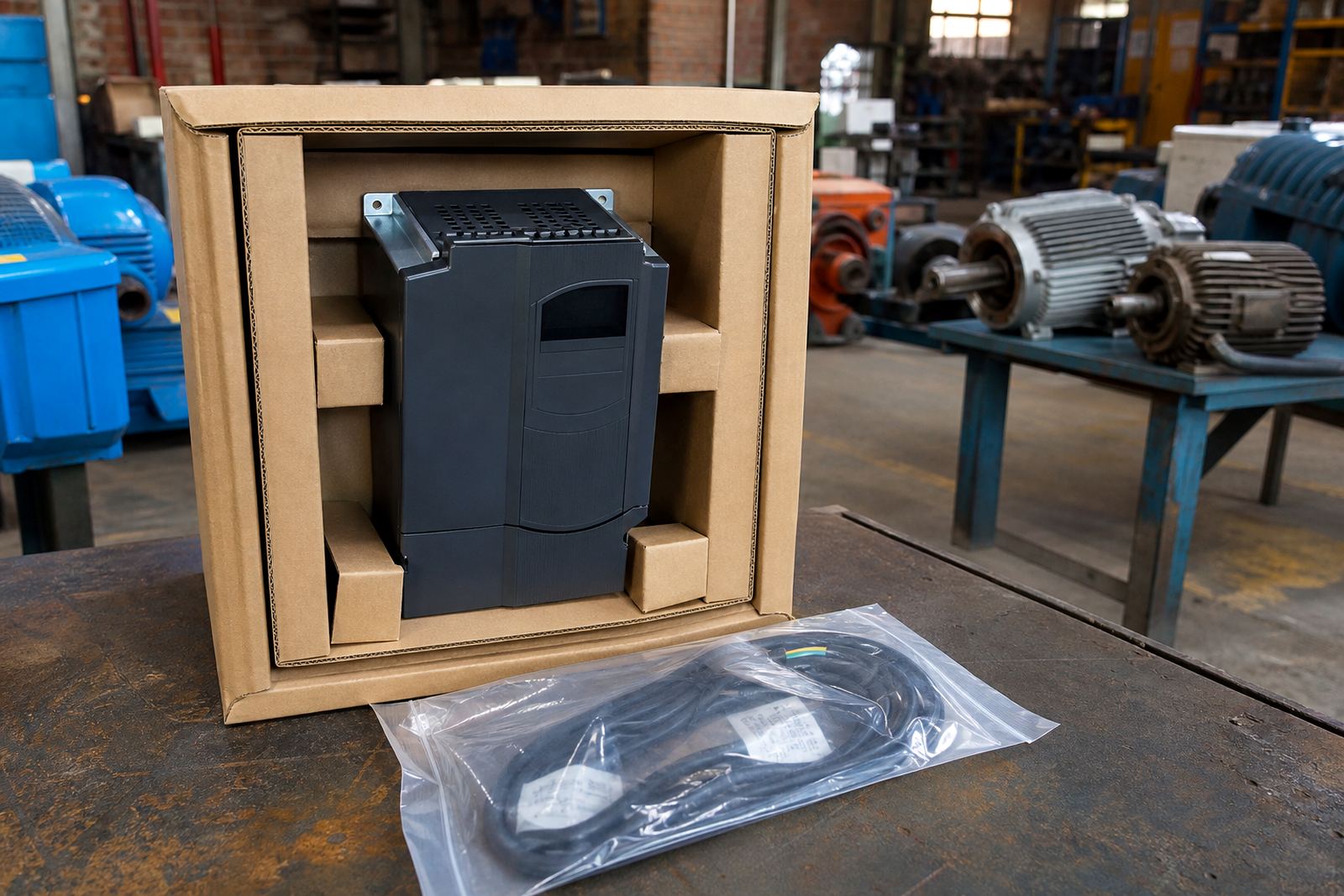
For variable speed drive repair, the motor side of the installation should still be checked. A faulty motor can place extra stress on the drive, and a drive with poor output wiring can damage a healthy motor. That is why good fault finding includes cable checks, panel cleaning, drive inspection and bearing checks, not just one test on its own. For plants and workshops in Germiston, Ekurhuleni, Johannesburg, Vereeniging and Durban, this broader view helps keep downtime under control.
Locor supports motor rewinding and drive repair from Germiston, and clients use the enquiry form on the contact page to arrange site work or workshop assessment. The right test at the right time can stop a small problem from turning into a full stoppage.