

Start With A Clean List Of What Must Stop First
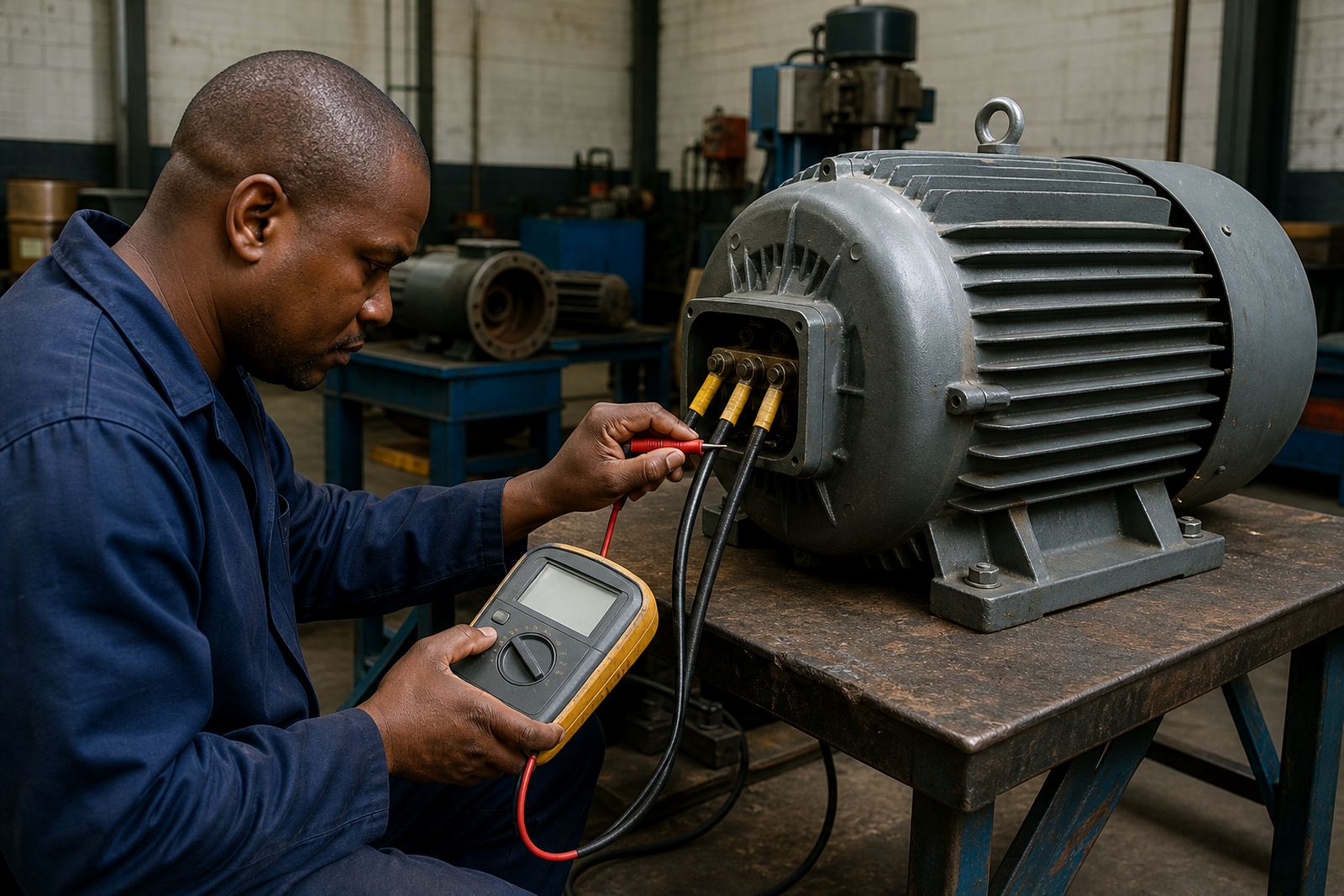
Begin by listing every machine, motor, variable speed drive and control panel that will be opened during the shutdown. Group items by line, area or process so the crew can work in a sensible order and avoid waiting around for access. If a motor has been noisy, running hot or tripping on overload, move it near the top of the list.
It helps to note the symptom, the location and the last time it ran properly. A short note like "conveyor motor hums at start up" or "pump drive trips after 20 minutes" is more useful than a vague comment. That gives the repair team a better starting point and cuts down on guesswork when the plant goes down.
- Equipment tag number or local machine name
- Exact fault or warning sign
- When the issue started
- Whether the item can be removed during shutdown
- Any parts already on hand
Check Which Jobs Need Motors Out And Which Can Stay In Place
Not every repair needs a full motor removal. Some jobs can be handled on site, while others need the unit taken out for rewinding, bearing replacement or deeper electrical checks. Separate the list into work that can be done in the plant and work that must go to the workshop. That makes shutdown planning easier and helps with lifting gear, transport and labour.
For electric motor work, include the frame size, mounting type, shaft details and whether the motor is directly coupled or belt driven. If the motor is in a humid coastal area like Durban or near wash down areas, say so. Moisture, salt and dust can change the type of insulation damage seen and may affect the repair path.
- On site work: visual inspection, cable checks, panel cleaning, alignment checks
- Workshop work: rewinding, bearing replacement, insulation testing, rotor checks
- Removal needs: lifting points, couplings, guards and base bolts
- Reinstall needs: shims, alignment tools, fresh fasteners if required
Protect People First Before Any Lockout Starts
Electrical work must only be done by qualified people using proper lockout procedures. Before the shutdown begins, make sure every motor, drive and panel has been isolated, locked off and proven dead before anyone opens covers or touches conductors. Do not rely on a switch being off. Test, isolate and tag the equipment properly.
Also plan for mechanical energy. A machine can still store movement in a fan, belt, spring or raised load after power is removed. If your shutdown list includes a heavy pump set or press line, add the isolation steps for that equipment as well. This keeps the repair crew safe and reduces the risk of accidental starting during the job.
- Apply lockout and tagout for electrical and mechanical sources
- Confirm who is authorised to remove locks
- Use a permit system where the site requires it
- Brief operators not to restore power early
- Keep the shutdown boundary clearly marked
Match The Repair List To Parts And Testing Needs
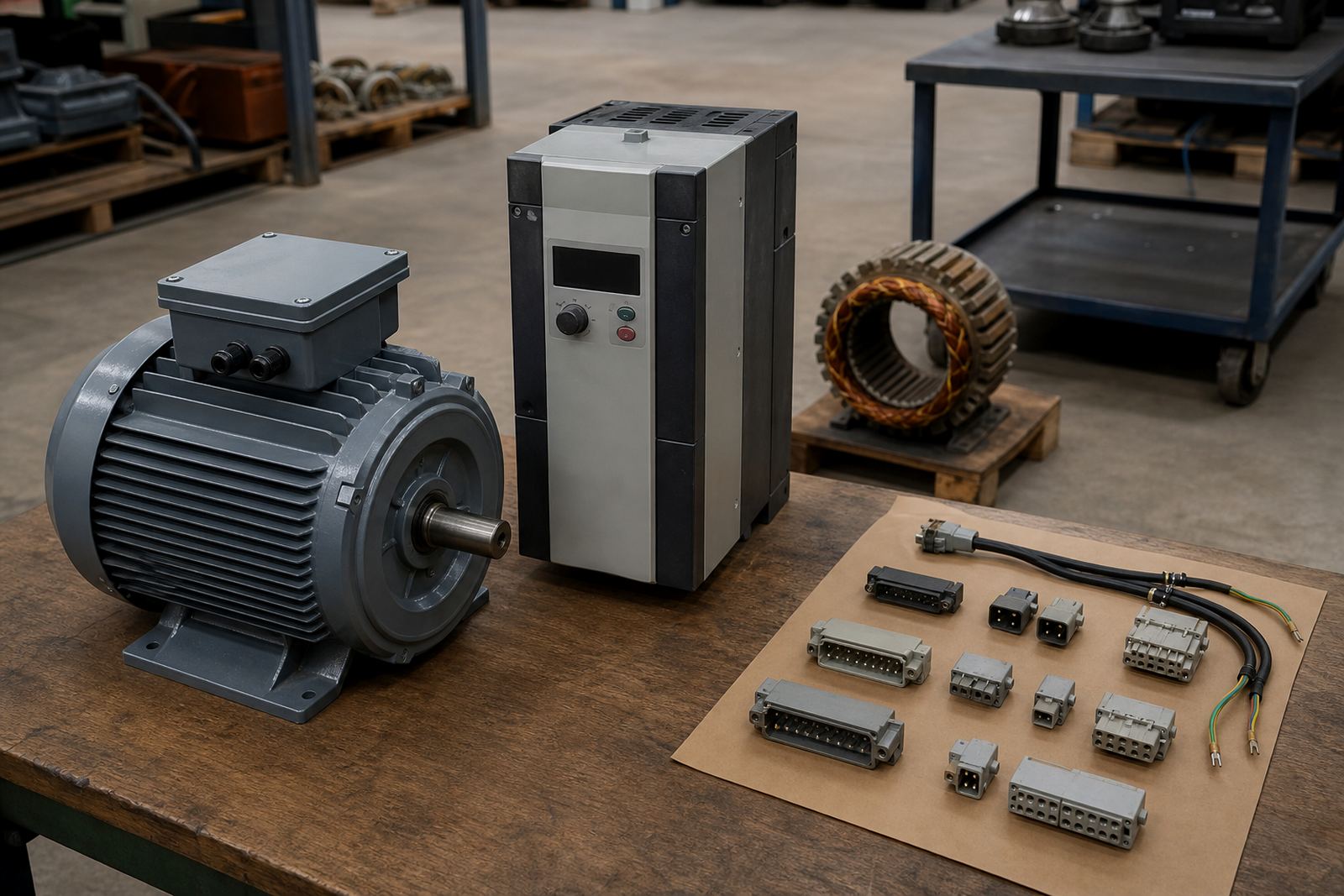
Once the fault list is clear, check what parts may be needed before the shutdown starts. Bearings, seals, terminal covers, contactors, cooling fans and cable glands are common items that can delay a repair if they are not already on site. For variable speed drives, the list should include the drive model details, fault codes, cooling condition and any signs of dust, heat or moisture in the enclosure.
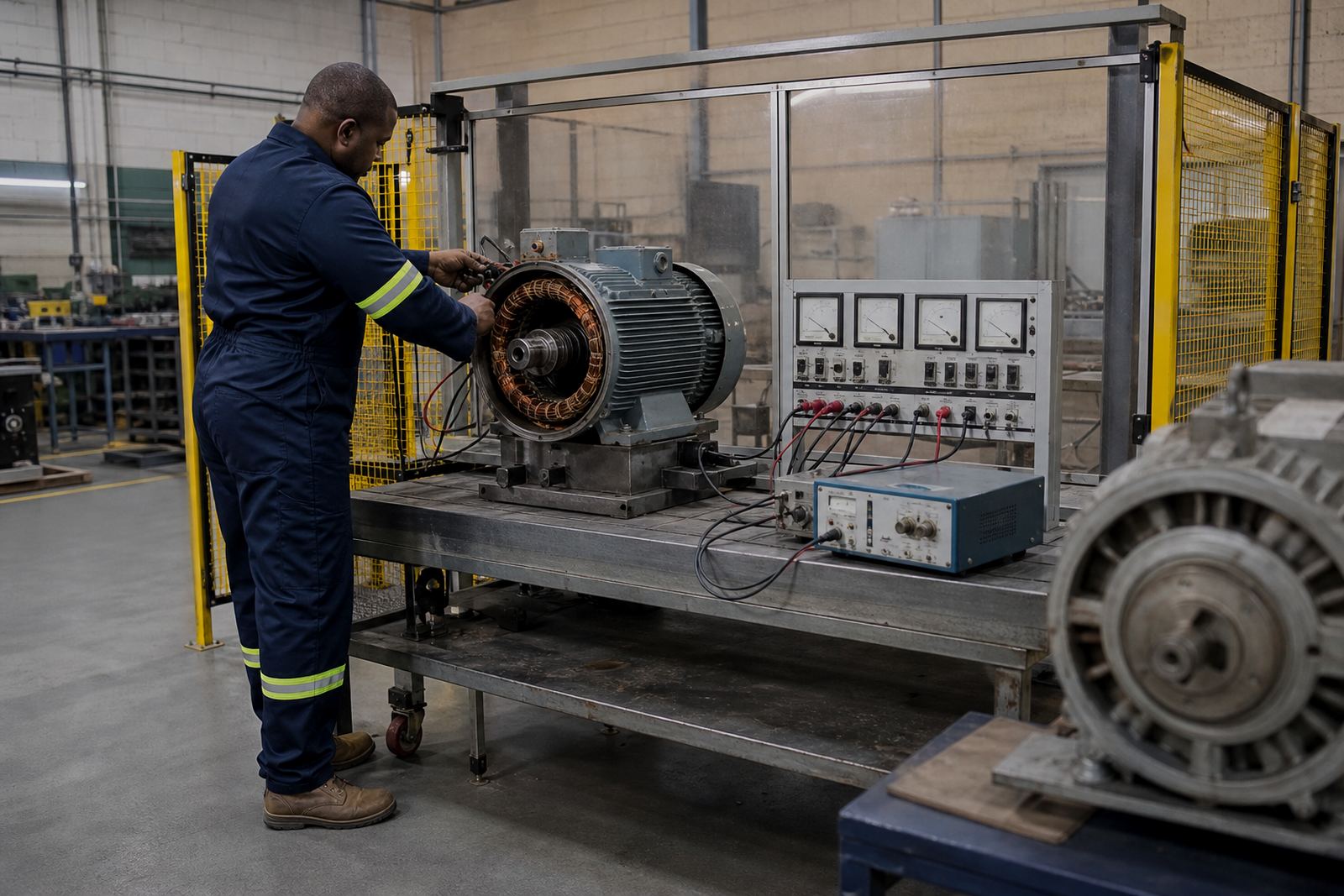
Insulation testing is often part of a motor shutdown plan because it gives a better picture of winding condition before the unit is returned to service. The same applies to bearing checks, shaft condition and basic alignment. A good shutdown list should show which jobs are inspection only and which may turn into repair work after the first round of testing.
- Bearings, seals and greases
- Control board spares and fan assemblies
- Terminal lugs, cable ends and gland items
- Couplings, keys and mounting hardware
- Cleaning materials for panels and drive cupboards
Set The Shutdown Order Around Production And Access
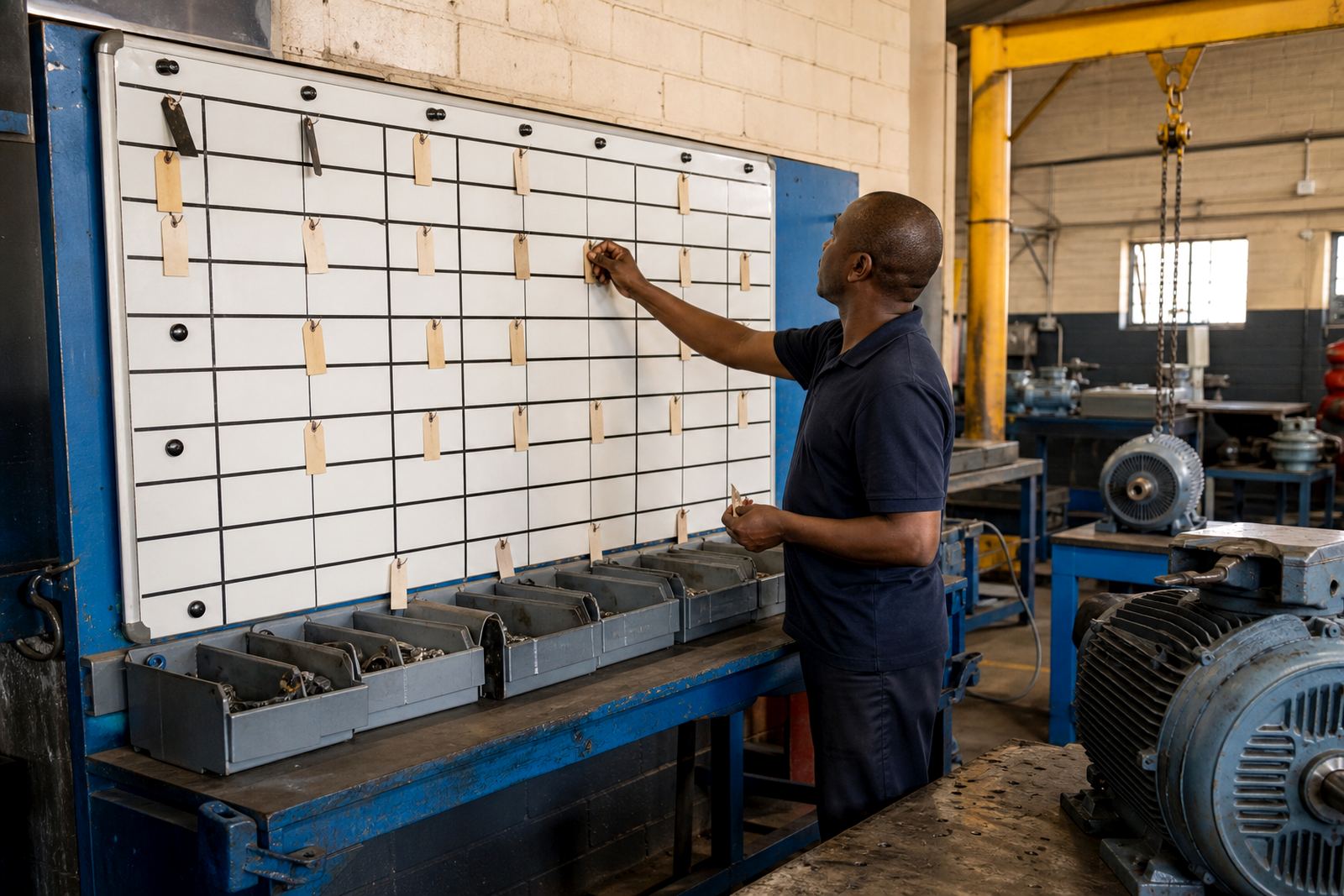
A repair list works best when it follows the plant sequence, not just the order in which faults were reported. Start with equipment that must be removed before other machines can be reached. Then move to the items that need the longest test or the most careful drying time after rewinding or cleaning. If one line depends on another, write that dependency on the list so nobody starts in the wrong place.
Include site access details too. In Germiston, Boksburg and Kempton Park, access can be tight around older industrial buildings and loading bays, so make sure the crew knows where to park, where to unload and which gate to use. In Pretoria, Vereeniging and other busy industrial areas, municipal or site rules may affect noise, waste removal and working hours, so these should be checked early.
- Which machine stops first
- Which areas need clear access for tools and lifting gear
- Who signs off each stage
- When the panel or motor must be recommissioned
- What can wait until the next shutdown if time runs short
Use A Handover Sheet So Nothing Is Missed At Restart
When the shutdown ends, the handover matters as much as the repair itself. Write down what was found, what was repaired and what still needs watching. Record insulation test results, bearing changes, drive settings, alignment checks and any abnormal wear seen during stripping. That way the next shutdown starts with useful history instead of starting from scratch.
A proper handover also helps operators know what to monitor in the first shift back. Watch for noise, heat, vibration or nuisance trips after restart. If a motor or drive was repaired after load shedding related stress, high ambient heat or contamination, give it a short observation period and keep the site team ready to report any change fast.
Locor supports planned shutdown work for plants and workshops across Germiston, Johannesburg, Ekurhuleni, Pretoria, Vereeniging and Durban. Our team handles fault finding, motor removal, drive inspection, site reporting and shutdown planning with the same practical approach every time.