

Start With The Fault, Not The Quote
Before you ask for a price, ask how the fault will be checked. A proper rewind service should begin with a clear inspection of the motor, the starter or drive, and the site conditions that may have caused the problem. Heat, moisture, dust, vibration and poor alignment all play a part, so a workshop should not guess from the nameplate alone.
At Locor in Germiston, the first conversation usually covers the symptom, the duty cycle, and whether the unit failed during startup, under load, or after a power disturbance. In Gauteng and along the coast, many motors also suffer from dust ingress, dampness or repeated load-shedding starts. Those details help a technician decide if the motor needs rewinding, bearing replacement, insulation testing or a deeper look at the drive and cabling.
Questions That Show If A Workshop Knows The Job
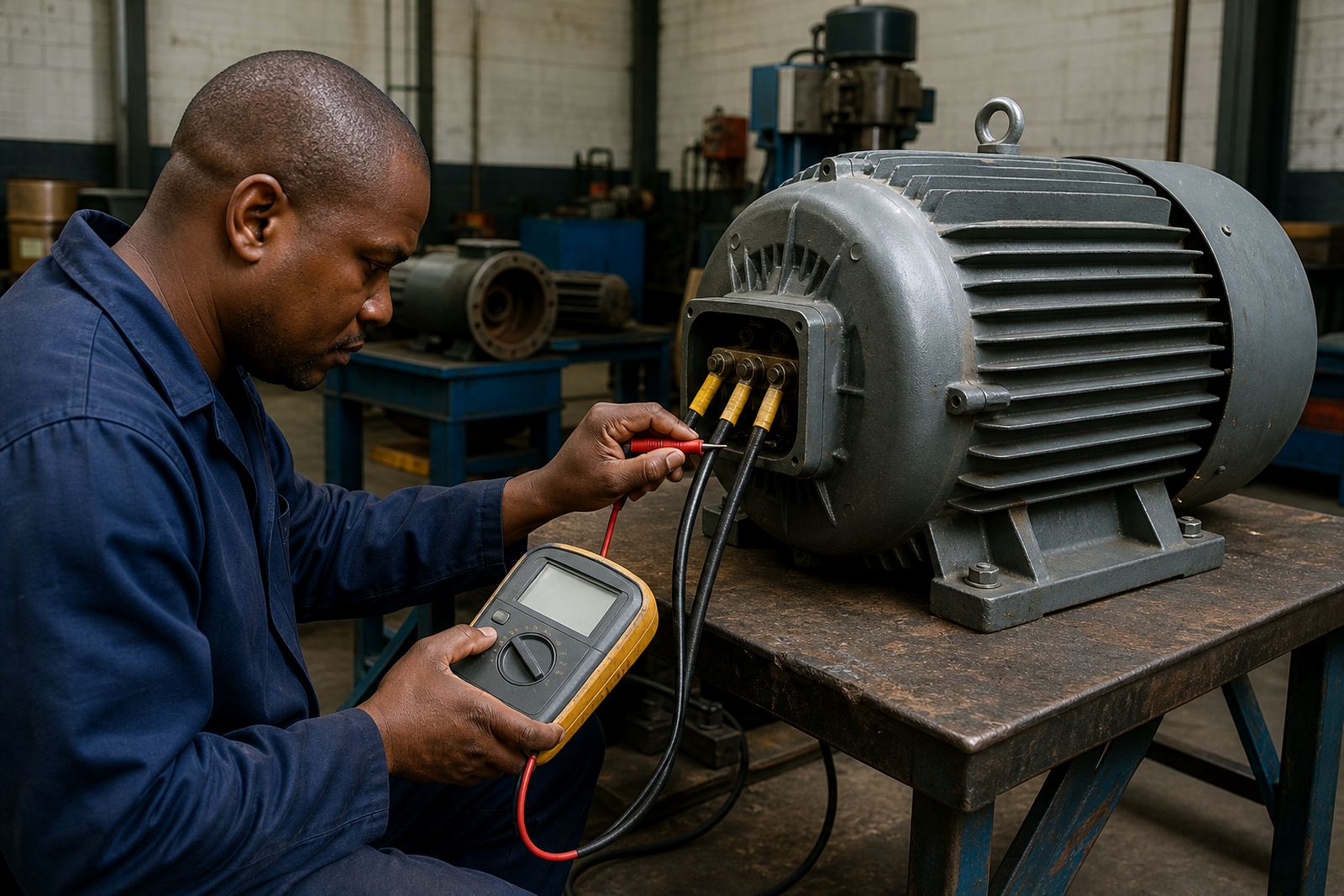
When you speak to a rewind service, ask questions that reveal their process. A careful team should be able to explain how they test the windings, how they inspect bearings, and how they check for mechanical damage before the motor is energised again. If the answers are vague, that is a warning sign.
- How do you confirm whether the fault is electrical or mechanical?
- Do you carry out insulation testing before and after the rewind?
- Will bearing condition be checked and replaced where needed?
- Do you assess cable ends, terminals and the drive settings as part of the job?
- How do you record findings for our maintenance team?
A good workshop should also tell you if repair is worthwhile, or if the unit has too much damage to return to service safely. That honesty matters when downtime is costing you production and overtime.
What Proper Electric Motor Rewinding Should Include
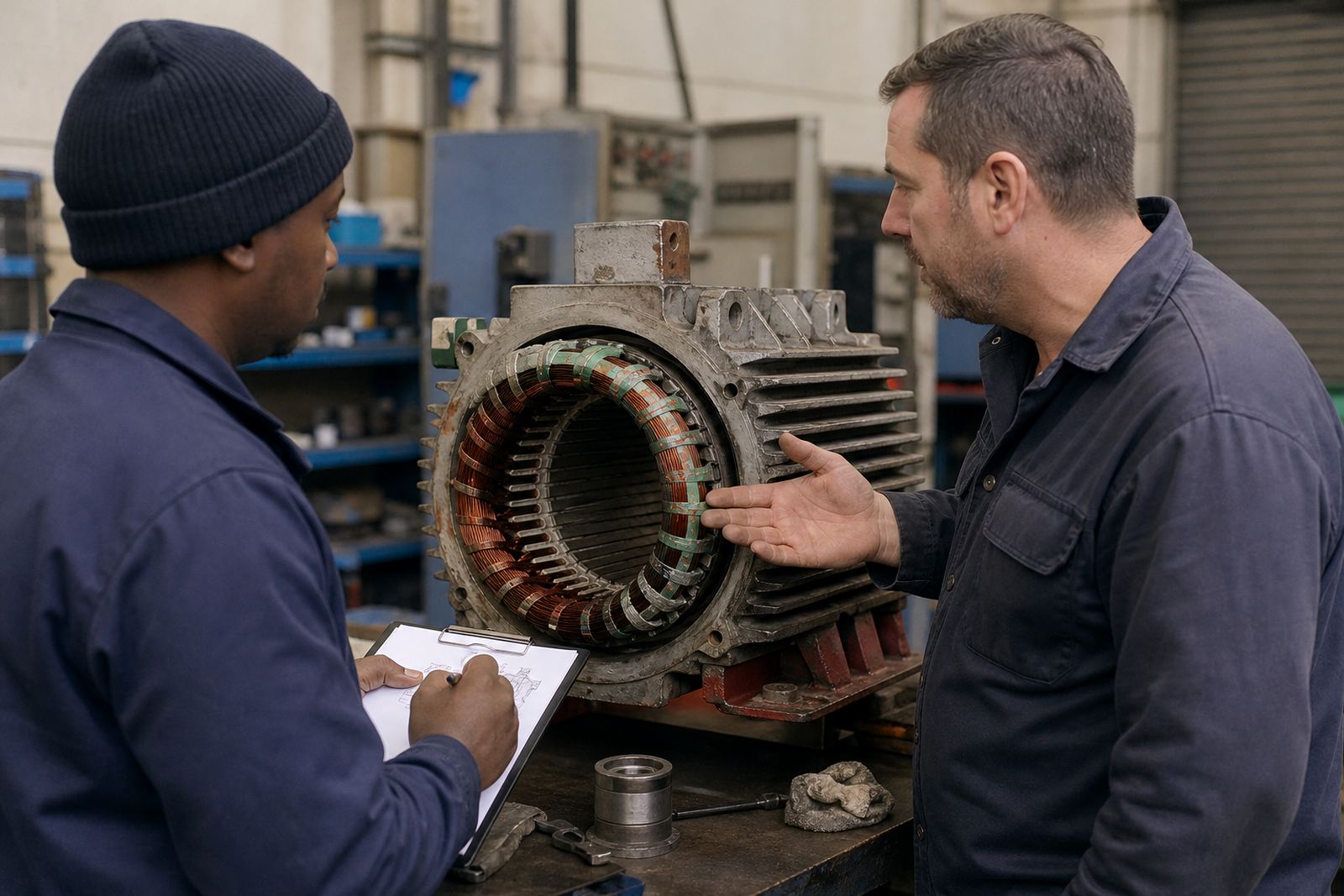
Rewinding is not just replacing copper and closing the frame. The process should include stripping, cleaning, inspection, coil preparation, winding, insulation application, assembly, testing and final checks. Any contamination left in the stator or rotor area can shorten service life, especially where fine dust, oil mist or damp air is present.
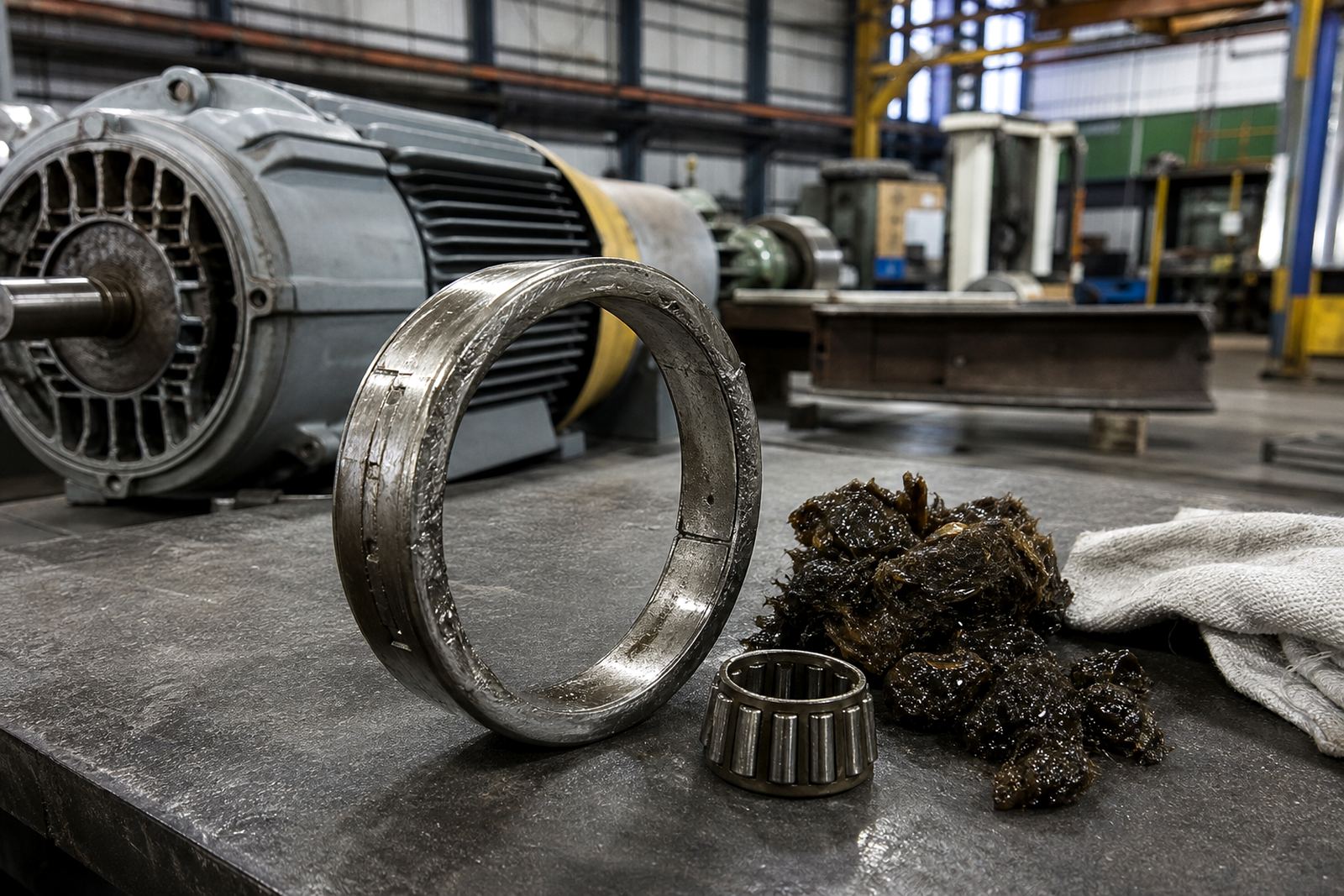
A practical workshop will also look for heat marks, worn end turns, loose terminals and signs of shaft movement. If bearings are noisy, rough or showing play, they should be replaced rather than reused. In many cases the root cause is not the winding alone, but a combination of bearing wear and poor operating conditions. That is why motor repair should be handled by qualified people who follow lockout procedures before opening equipment or working on connected circuits.
- Stator and rotor condition checked for damage
- Windings removed and replaced to suit the motor design
- Insulation resistance and related tests carried out
- Bearings checked for wear, noise and end float
- Cleaning done before reassembly and testing
Do Not Overlook The Drive And The Panel
Many motor failures start upstream, so the drive and control panel deserve attention. If a variable speed drive has tripped, overheated or shown fault codes, the motor may be blamed unfairly. Drive repair should include visual inspection, internal cleaning, cable checks, terminal checks and a review of cooling and load conditions. Dust build-up inside a panel can cause overheating, and loose connections can lead to nuisance faults or component damage.
When a motor and drive are paired, both must be checked as a set. The motor may test well on its own but still fail in service if the drive settings are wrong, the cabling is damaged, or the installation has poor earthing. A careful service provider will not ignore the control side just because the motor has been removed.
Site Work, Lockout And Shutdown Planning
Some jobs can be handled in the workshop, while others need field support on site. Ask whether the team can manage motor removal, alignment checks, commissioning support and site reporting when the plant is ready to return to service. For factories in Johannesburg, Ekurhuleni, Pretoria, Vereeniging and Durban, planned shutdowns often leave little room for delay, so the repair team needs a clear process.
Electrical work must always be done by qualified people, with lockout procedures in place before any panel, motor or drive is touched. That includes isolating the supply, proving dead, securing the isolation point, and confirming that stored energy has been discharged. If a workshop does not speak confidently about isolation and safe return-to-service steps, keep looking.
- Motor removal and refit plan agreed upfront
- Isolation and lockout confirmed before work starts
- Alignment checked after installation
- Panel cleaning and cable checks included where needed
- Commissioning support arranged before the restart
What To Look For In A Practical South African Partner
Choose a workshop that understands local working conditions. A base in Germiston gives Locor the reach to support plants and workshops across Gauteng and beyond, including Boksburg, Kempton Park, Johannesburg, Ekurhuleni, Pretoria, Vereeniging and Durban. That matters when a site needs quick coordination during a shutdown or when spares assessment has to happen before the next shift starts.
Look for a team that can explain the work in plain language and give site reporting that helps your maintenance records. You want a partner that knows the effect of load-shedding on restart stress, the impact of coastal humidity on insulation, and the need for proper checks after a motor has stood unused. A good rewind service does not overstate what it can do, it simply explains the fault and the next step.
A Simple Checklist Before You Hand Over The Motor
Before you release a motor or variable speed drive for repair, gather the basics. This saves time and helps the workshop identify the cause faster. If the unit failed during a production run, note the load, the operating hours and any unusual smell, noise or vibration. If there was a trip on the drive, record the fault code or the last action taken by the operator.
- Nameplate details and motor size
- When the fault started and what was happening at the time
- Any previous repairs or bearing changes
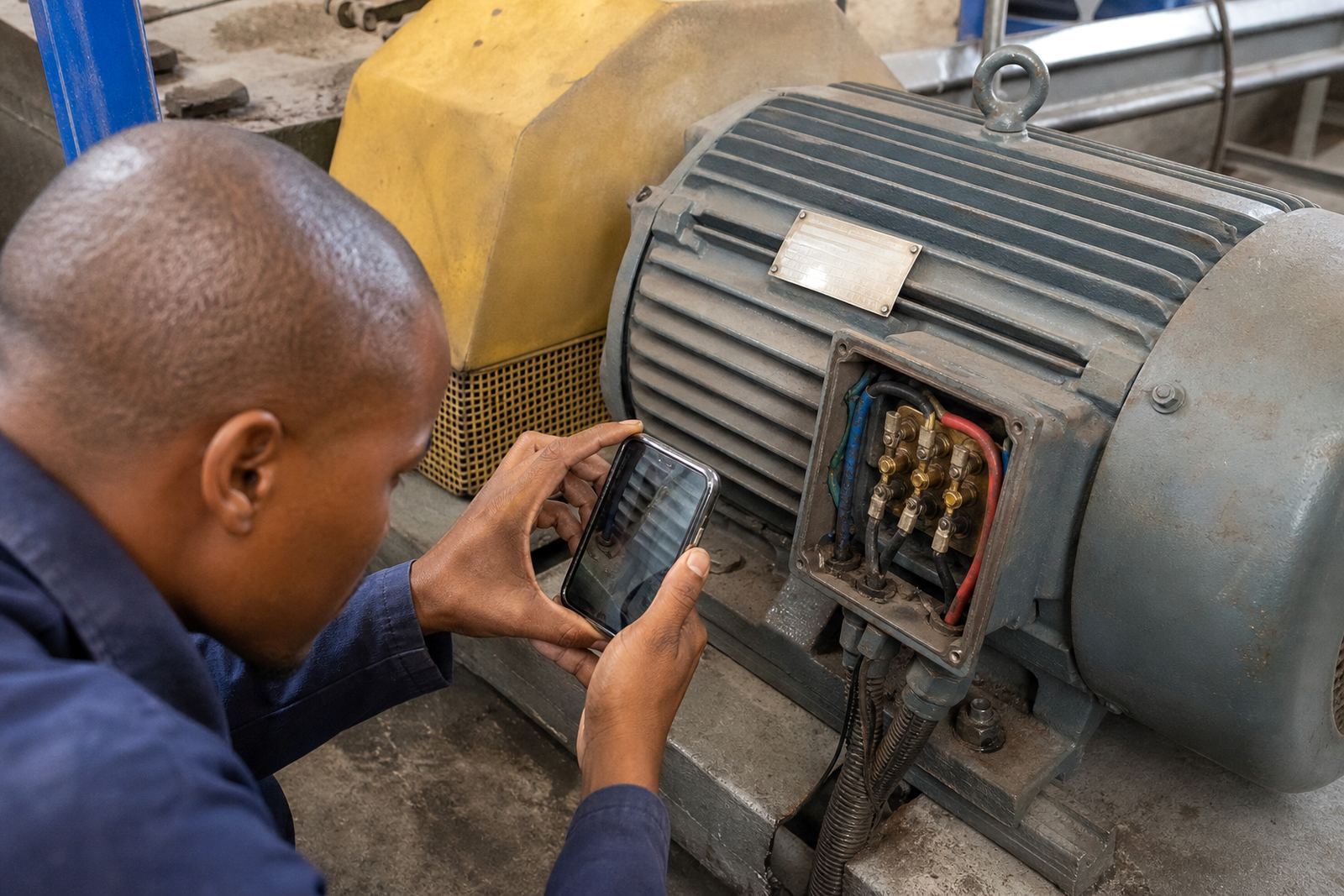
- Photos of the installation, terminals and cable routing
- Site contact person for handover and collection
Good information leads to better repair decisions. It also helps avoid repeat failures after the motor is back in service. In our experience, a few clear notes from the site can save hours of testing and get the plant moving sooner.