

What a vibrator motor repair involves
Vibrator motors work hard in dusty, warm and often continuous-duty environments. They are fitted to equipment that needs controlled vibration, such as vibrating feeders, screens, compactors and small bulk handling systems. When one starts running hot, tripping protection or shaking unevenly, the fault is often inside the windings, bearings, rotor assembly or the drive supply feeding it.
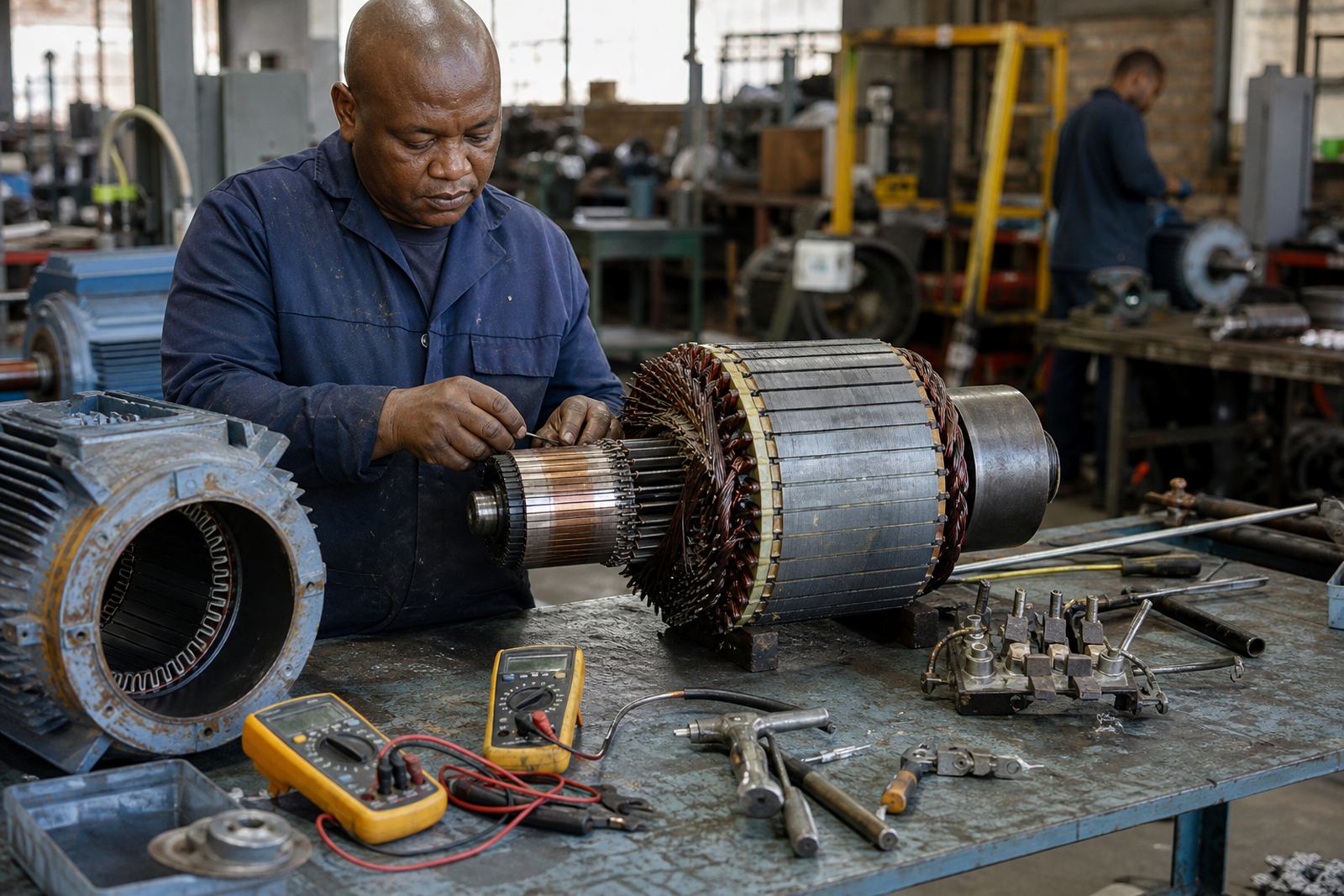
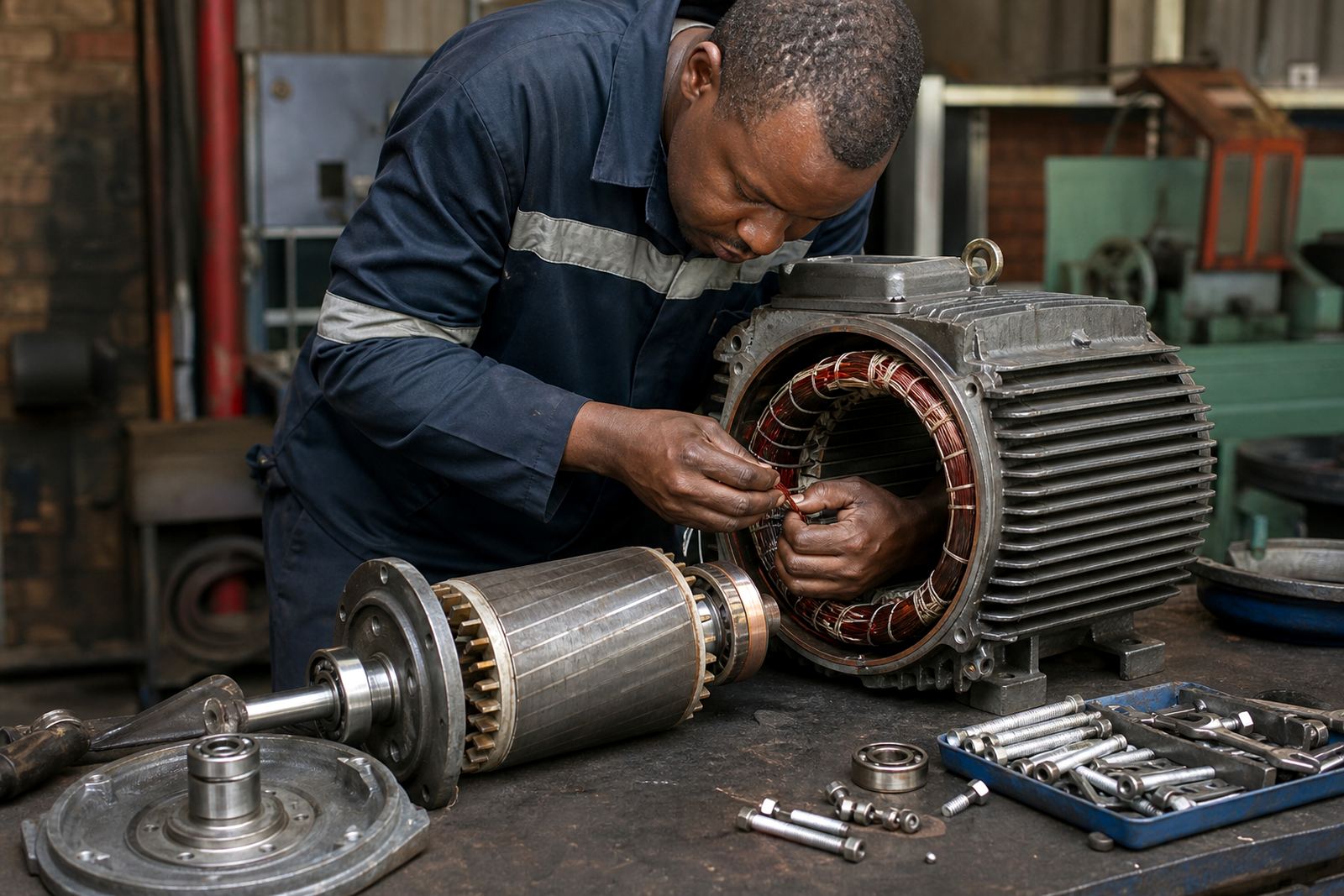
A proper repair starts with fault finding. The motor is isolated, locked out and checked for signs of burnt insulation, moisture ingress, loose terminations, worn bearings, shaft damage and imbalance. If the windings are damaged, the unit can be rewound using suitable wire, insulation materials and varnish for the duty. If the bearings are noisy or have play, they are replaced before the motor goes back into service. The aim is to restore reliable vibration without putting extra load on the machine or its mounting points.
Typical sizes and repair options
Vibrator motors come in a range of frame sizes, power ratings and mounting styles, from small units on light-duty hoppers to heavier motors used on industrial screens and compactors. Some are single-phase, but most plant units are three-phase and run under continuous or near-continuous load. The repair method depends on the motor size, damage level and what the equipment needs on site.
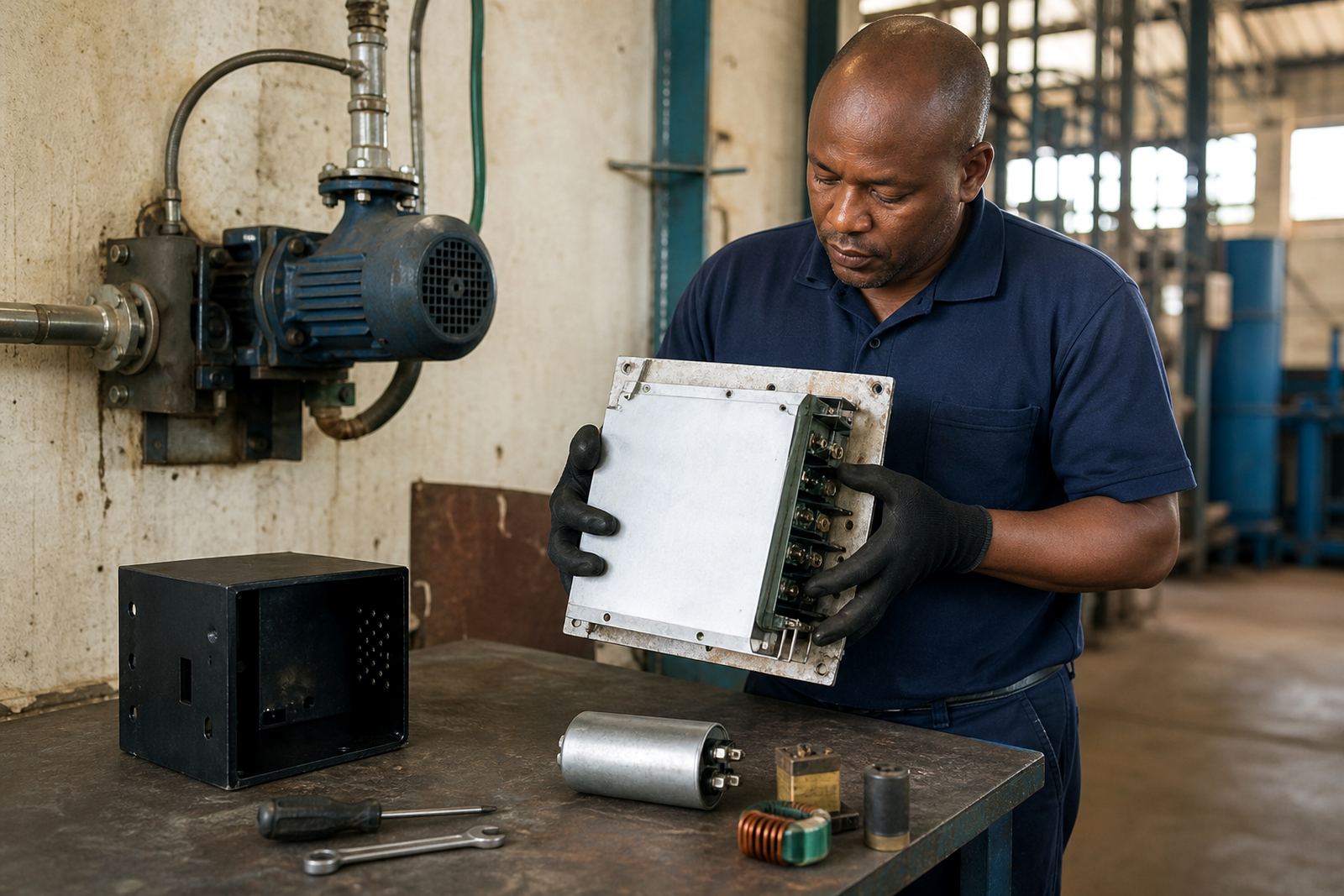
Common repair options include complete rewinds, bearing replacement, shaft inspection, terminal box repair and balancing checks where required. In some cases the winding is still sound and only the bearings or the cable entry need attention. In other cases the motor has been run with poor ventilation, incorrect supply or long periods of vibration and the full electrical section must be rebuilt. We also inspect the base plate, fasteners and any signs of cracked feet or loose studs, because vibration can loosen fittings over time.
- Small to medium vibrator motors for feeders and transfer points
- Heavy-duty motors for screens, sifting equipment and compactors
- Single-phase and three-phase units
- Top mount, side mount and base mount arrangements
- Indoor and outdoor units exposed to dust, moisture or coastal air
Where vibrator motors suit best
These motors suit operations that need controlled agitation, product flow or compaction. In Gauteng they are common on quarry screens, packaging lines, concrete-related plants, feed systems and workshops that need materials moved or settled with vibration. In Durban and other coastal areas, the combination of humidity and salt-laden air can shorten bearing life and affect insulation if the equipment is not maintained properly.
They are also used where space is tight and a traditional drive system would be awkward. A correctly repaired vibrator motor helps maintain consistent output and reduces unnecessary downtime during shifts, breakdowns and planned shutdowns. For plants working through load-shedding, it is important to check what happens when power returns, because repeated start-stop cycles can stress windings and bearings.
- Vibrating feeders and hoppers
- Industrial screens and separators
- Compacting equipment and settling bins
- Bulk material handling systems
- Workshop test rigs and special-purpose machinery
Installation, power supply and site needs
Vibrator motor installation must be done by qualified people, with proper lockout procedures and verification that the circuit is dead before any work starts. The motor has to be mounted square, tightened to the correct torque and aligned so the vibration is transferred where it should be. Loose mounting bolts, damaged feet or bent brackets can create extra noise and early failure.
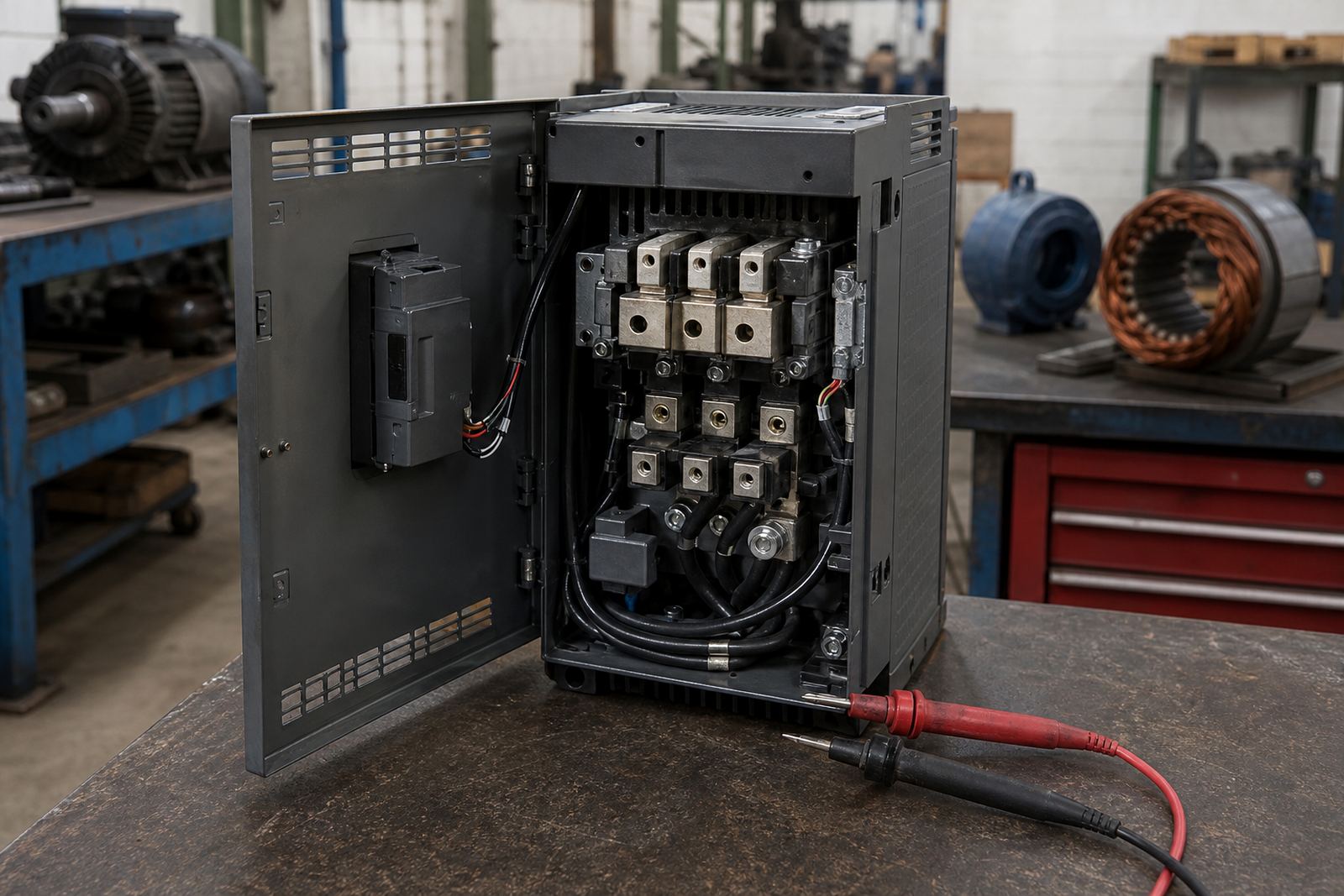
On the electrical side, the supply must match the motor nameplate and the control gear must be suitable for the starting current and running duty. If a variable speed drive is being used, the drive settings, cable length and motor cooling need to be checked carefully. Not every vibrator motor is suitable for speed control, so the application must be confirmed before changes are made. Good cabling, clean terminations and correct earthing matter a lot, especially in dusty or humid areas where contamination can creep into panel boxes and terminal covers.
Where equipment is installed at a plant with shutdown windows, we can assist with planning the work, checking spares and preparing the site report so the repair does not drag into another shift. If a motor is removed for workshop repair, the condition of the base, mounting bolts and coupling or eccentric parts should be inspected before refitment.
How we test repaired motors before release
After repair, a vibrator motor should be tested for electrical soundness and safe operation. Insulation testing helps confirm the windings are not leaking to earth, while continuity checks show whether the phase windings are balanced. Bearing noise, shaft run-out and starting behaviour are also checked before the motor is put back into service.
Where needed, the motor is run and observed for temperature rise, unusual sound, vibration pattern and current draw. If the unit is paired with a drive or starter, the control equipment should be checked as part of the same job. A motor can look fine on the outside but still fail early if the supply is unstable, the cable is damaged or the mounting has not been corrected.
- Insulation testing and winding checks
- Bearing checks and replacement where required
- Drive inspection and fault finding
- Alignment checks and commissioning support
- Panel cleaning, cable checks and site reporting
Care and servicing that helps the motor last
Vibrator motors need routine care because they live in hard conditions. Dust, moisture, heat and constant movement all shorten service life if ignored. Regular inspection can catch small issues before they become a full breakdown. This is especially important on plants that cannot afford unplanned stoppages during peak production or when power supply is already unreliable.
Good servicing usually includes checking fasteners, cleaning vents, looking for oil or grease contamination, testing insulation and listening for bearing wear. If the motor is mounted close to washdown areas, the sealing and cable entry should be watched closely. Coastal humidity can also affect terminals and winding insulation over time, so it is worth opening the unit and inspecting it rather than waiting for failure.
We also recommend checking the driven machine at the same time. A worn screen deck, misaligned feeder or cracked support frame can overload the vibrator motor and make repairs more frequent than they should be.
What to check when ordering a repair
When you send through an enquiry, the most useful information is the motor nameplate details, the machine it serves and a clear description of the fault. If possible, include photos of the mounting arrangement, cable entry and any visible damage. This helps us assess whether the issue is electrical, mechanical or related to the installation itself.
If the motor has already been removed, note whether the shaft turns freely, whether the bearings are noisy and whether there was any smoke, overheating or tripping before shutdown. Also tell us if the unit runs from a starter or variable speed drive, and whether the site has generator supply, frequent outages or load-shedding conditions. Those details help us prepare the right spares and test method before work starts.
- Motor rating, frame size and supply voltage
- Mounting type and machine application
- Fault description and any trip history
- Photos of the nameplate and terminals
- Whether the unit is driven direct, through a starter or through a drive
For plants in Germiston, Johannesburg, Ekurhuleni, Pretoria, Vereeniging, Durban, Boksburg and Kempton Park, our team supports workshop repairs and site work through the enquiry form on our contact page.
Key facts
| Service type | Vibrator motor repair, rewind and test |
|---|---|
| Motor types | Single-phase and three-phase vibrator motors |
| Common duties | Feeders, screens, hoppers and compacting equipment |
| Electrical checks | Insulation testing, continuity checks, drive inspection |
| Mechanical checks | Bearing replacement, shaft and mount inspection |
| Service area | Germiston, Gauteng and sites across South Africa |