DC motor repair work that gets to the cause
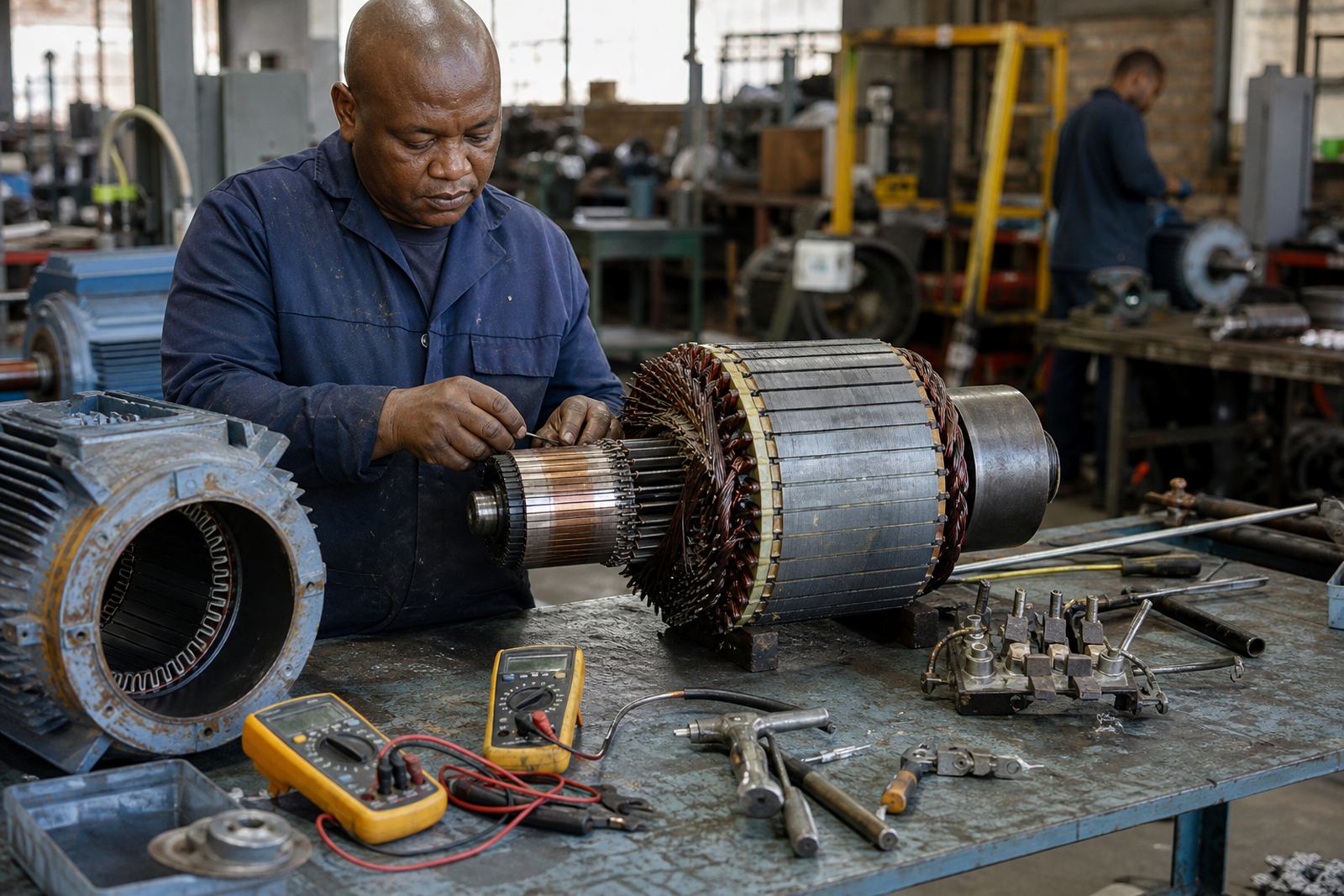
DC motors are used where controlled speed, good starting torque and steady performance are needed. When one starts tripping, sparking at the commutator, overheating or losing torque, the fault is often deeper than a simple part swap. We carry out fault finding on the motor as a whole, checking the windings, brushgear, commutator condition, bearings, shaft fit and signs of contamination or moisture.
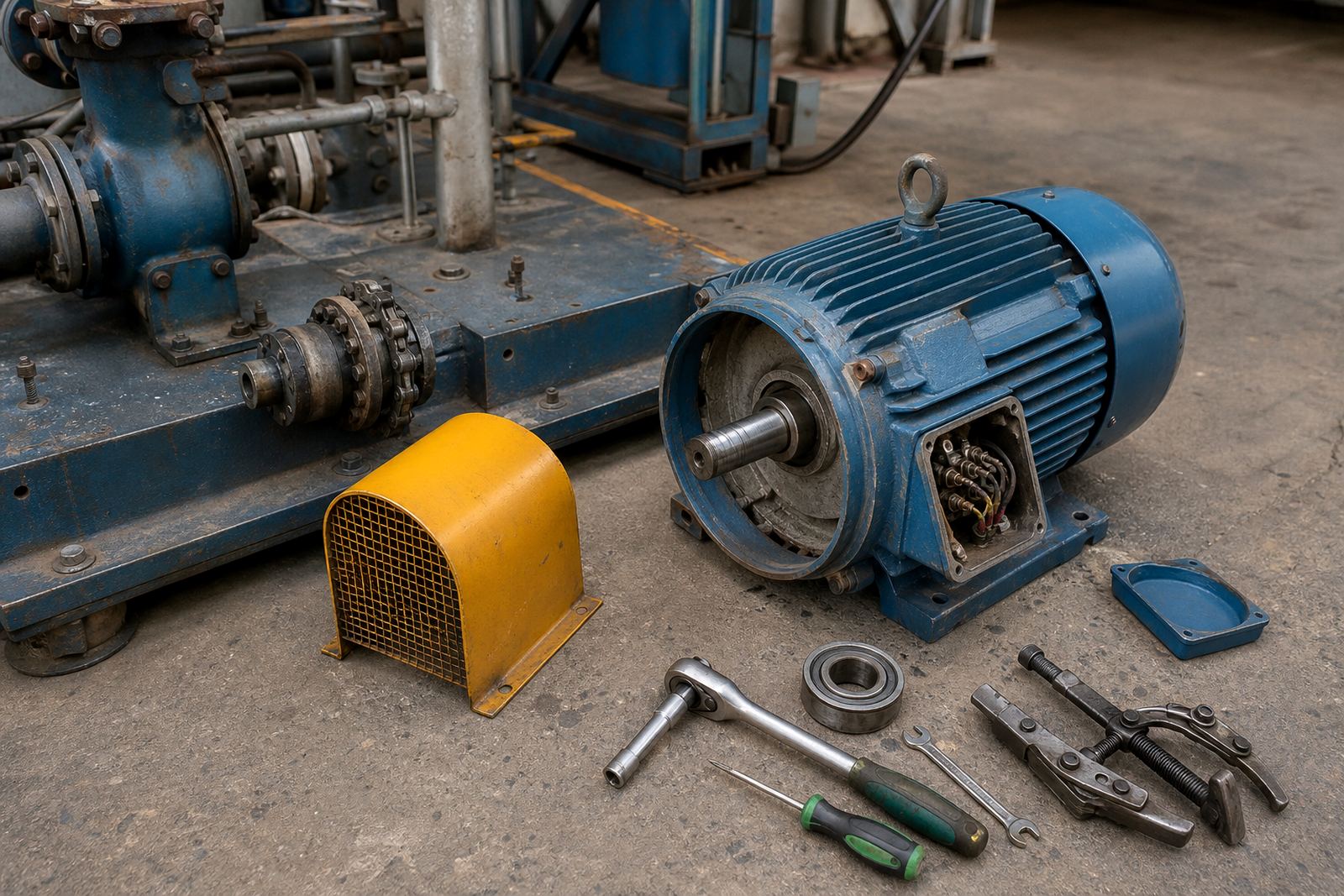
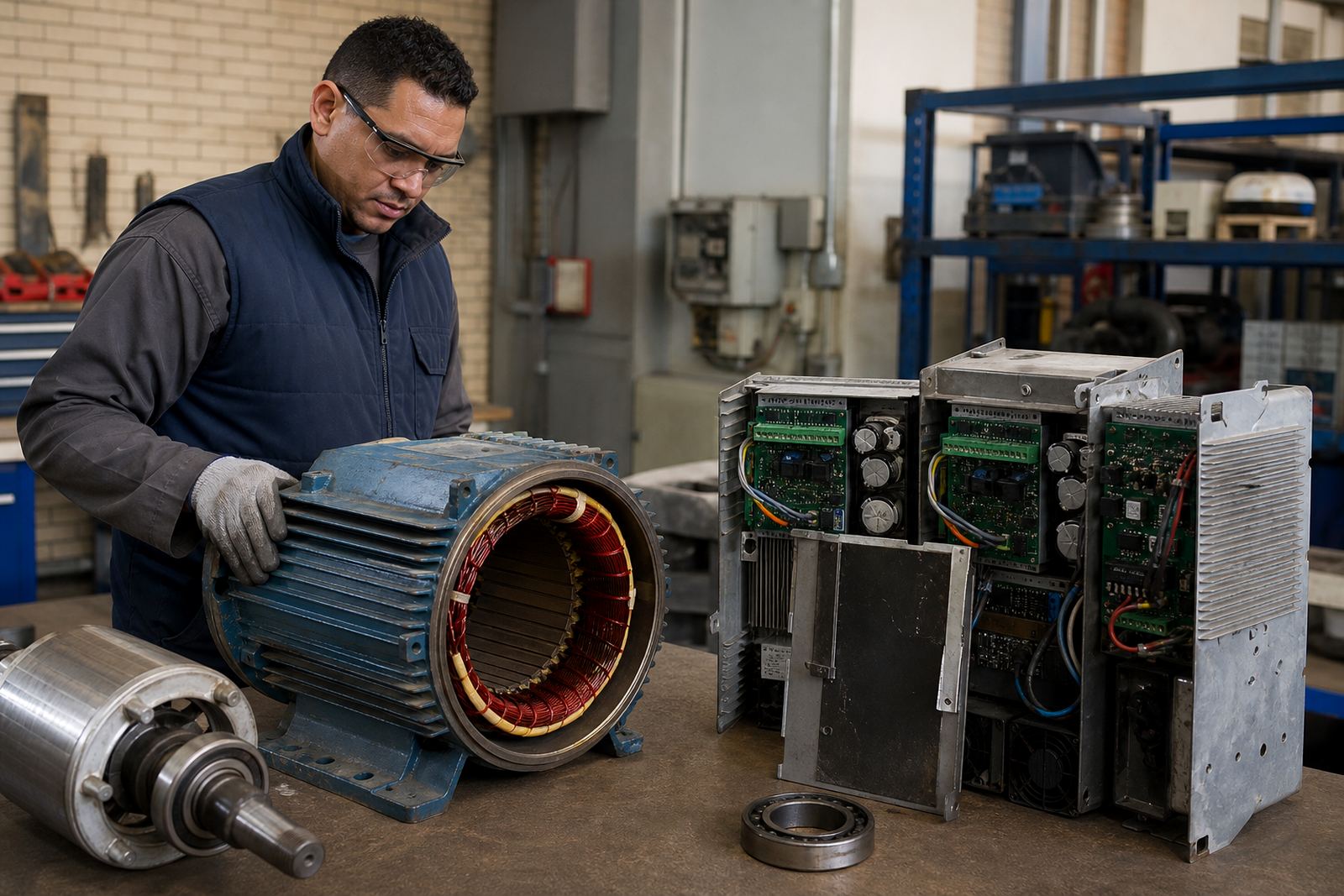
Repair work may include rewind work, cleaning and dressing the commutator, brush replacement where needed, bearing replacement and insulation testing before the motor goes back into service. Electrical work must only be done by qualified people using proper lockout procedures, because a DC motor can retain dangerous energy and moving parts can catch you out. We also check for poor connections, worn cables and heat damage, which is common on equipment that has been worked hard during load-shedding or in hot plant rooms.
What sizes and motor types we handle
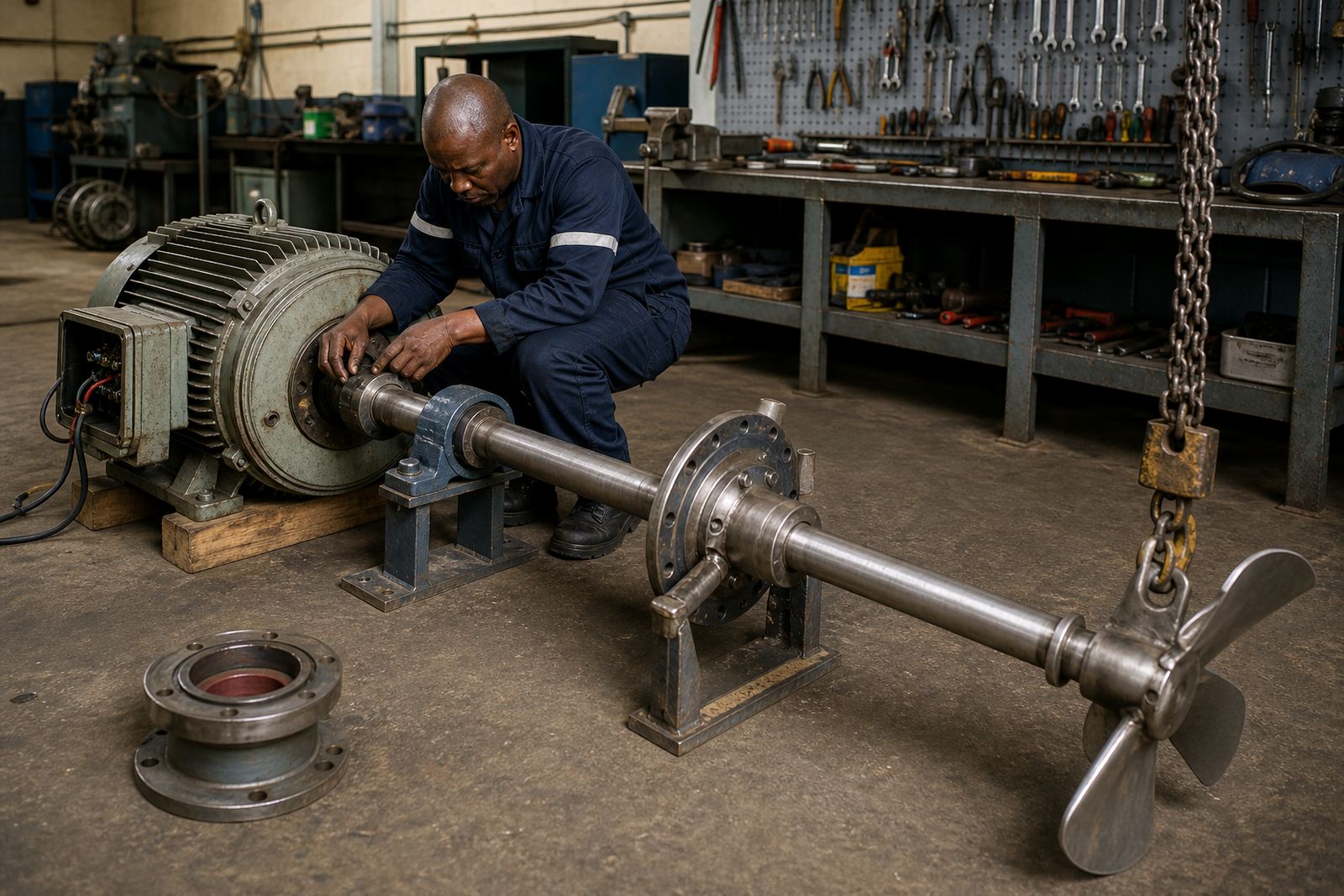
DC motors come in many sizes, from compact units on workshop machinery to larger motors on process lines and lifting equipment. The repair approach depends on the frame size, voltage, duty cycle and how the motor is coupled to the driven machine. A small motor with a light load may only need bearing and brush work, while a larger unit may need a full strip, rewind and electrical test set before it can return to duty.
- Shunt wound, series wound and compound wound DC motors
- Brushed DC motors used on conveyors, pumps, mixers and machine tools
- Motors with external blowers, tachogenerators or feedback devices
- Units for 12 V, 24 V, 48 V, 110 V, 220 V and higher industrial DC systems
We assess the complete motor before recommending the repair path, so you know whether the issue is electrical, mechanical or caused by the driven machine itself.
Where DC motor repairs are a good fit
DC motors still suit many sites because they offer smooth control and can be matched closely to the work they do. They are common in older factory equipment, special-purpose machinery, battery-backed systems and installations where speed control is needed without changing the whole machine. In Gauteng and KZN we see them on production lines, test rigs, packaging machines, cranes, presses and workshop equipment.
They are also found in areas where dust, humidity or vibration make regular maintenance important. In coastal Durban, moisture can attack brushes and terminals. In inland workshops around Germiston, Ekurhuleni and Pretoria, dust and heat can shorten bearing life and cause commutator wear. If the motor has been sitting idle, we can inspect for corrosion, insulation breakdown and brush sticking before it is put back into service.
Installation needs, power supply and site readiness
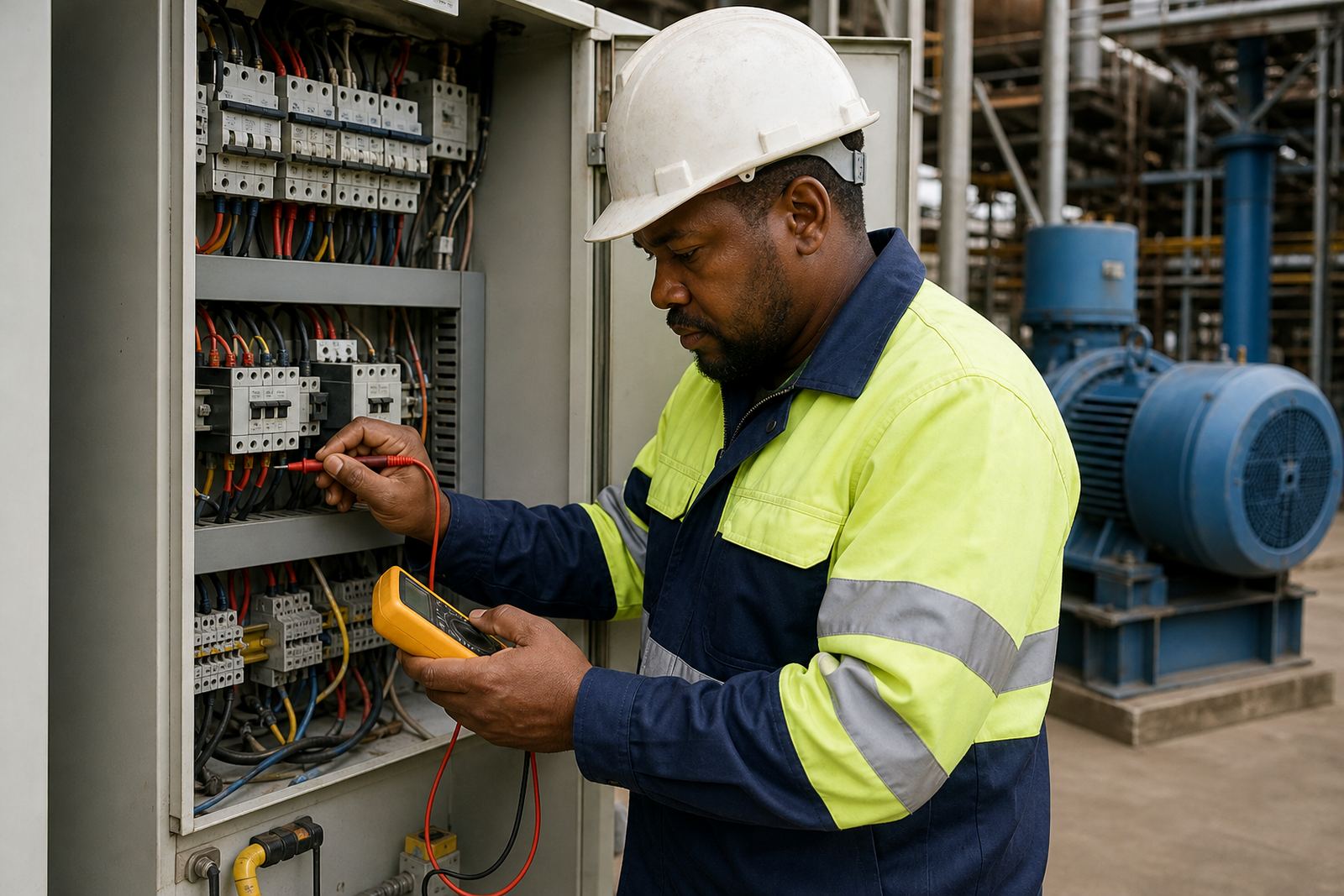
Before installation or recommissioning, the supply and control gear must be suitable for the motor rating and duty. DC systems can involve rectifiers, drives, contactors, field supply equipment and control circuits, so the whole arrangement needs checking and not just the motor alone. We can assist with drive inspection, cable checks, panel cleaning, alignment checks and commissioning support where required.
- Confirm the correct DC voltage, current and duty rating
- Check the rectifier or DC drive output and control settings
- Inspect coupling, baseplate alignment and shaft condition
- Make sure the cooling path is clear and the fan or blower works properly
- Verify that lockout, isolation and re-energising steps are followed on site
For sites with unstable supply or frequent shutdowns, it helps to record the motor history and keep a note of the fault pattern, because repeat faults often point to the drive system, not only the motor.
Care, servicing and signs that trouble is building
Good care extends motor life and keeps repairs from becoming expensive. Brushes should be checked for wear and seating, commutators should be kept clean, bearings should run quietly and the motor should be free of contamination. If you hear a change in pitch, notice sparking, smell burning or see a rise in temperature, switch off and isolate the unit for inspection. Do not keep running a motor that is arcing or getting hot, it usually makes the damage worse.
Regular servicing can include bearing checks, insulation testing, cleaning of brushgear, cable inspection and site reporting so that faults are logged properly. On busy plants, shutdown planning helps to time the work around production so the motor is not rushed back into service before it has passed the checks.
What to check when ordering a DC motor repair
When you send in a motor for repair, the more detail you give us, the easier it is to match the correct parts and testing method. Please note the nameplate details, the fault symptoms and the machine the motor drives. If the unit has been removed from site, keep the brushes, end covers, fan parts and fasteners together where possible so nothing goes missing in transit.
- Motor voltage, current and horsepower or kilowatt rating
- Frame size, mounting type and shaft dimensions
- Brush type, commutator condition and any signs of sparking
- Whether the motor failed suddenly or developed the fault over time
- Site details such as dust, vibration, heat or moisture exposure
- Any related drive, control or cable issues seen at the same time
Clients can reach us through the enquiry form on our contact page. From Germiston we support customers across Johannesburg, Ekurhuleni, Pretoria, Vereeniging and Durban, as well as nearby areas such as Boksburg and Kempton Park.
Key facts
| Motor type | Brushed DC motors and related DC drive systems |
|---|---|
| Typical work | Rewind, commutator service, bearing replacement, insulation testing |
| Voltage range | Commonly 12 V to higher industrial DC systems |
| Applications | Plants, workshops, conveyors, lifting gear, machine tools and process equipment |
| Service areas | Germiston, Johannesburg, Ekurhuleni, Pretoria, Vereeniging, Durban |
| Site support | Fault finding, motor removal, drive inspection, commissioning support |