
What a Soft Starter Does in Motor Control
A soft starter is used to reduce the inrush current and starting shock that can happen when a motor starts directly on line. It helps the motor come up to speed in a controlled way, which can reduce stress on couplings, belts, pumps, gearboxes and pipework. In many plants this also helps keep voltage dips down on the supply side, which matters when other machines are running at the same time.
Soft starters are commonly used with pumps, fans, compressors, conveyors and general factory equipment. They are often chosen where full variable speed control is not needed, but a gentler start and stop is useful. When a unit develops a fault, it can cause nuisance trips, failed starts, overheating or inconsistent motor behaviour. Electrical work must be done by qualified people only, with proper lockout procedures in place before inspection or removal.
Where Soft Starter Repair Suits Plants and Workshops
We assess and repair soft starters used in industrial sites, workshops and service environments across Germiston, Johannesburg, Ekurhuleni, Pretoria, Vereeniging and Durban. These units are common in places where the load is heavy, starting torque must be managed, or repeated starts happen through the day. They are also useful where old contactor arrangements are causing hard starts, mechanical wear, or current spikes during peak operations.
Our work suits facilities that need practical support during shutdowns, maintenance stoppages or planned line work. That includes sites with dust, heat, moisture or coastal humidity, where control gear can pick up contamination and terminals may loosen over time. If a soft starter is mounted in a panel with poor ventilation or blocked filters, heat build-up can shorten component life, so panel condition matters as much as the electronics inside.
- Pumps and booster systems
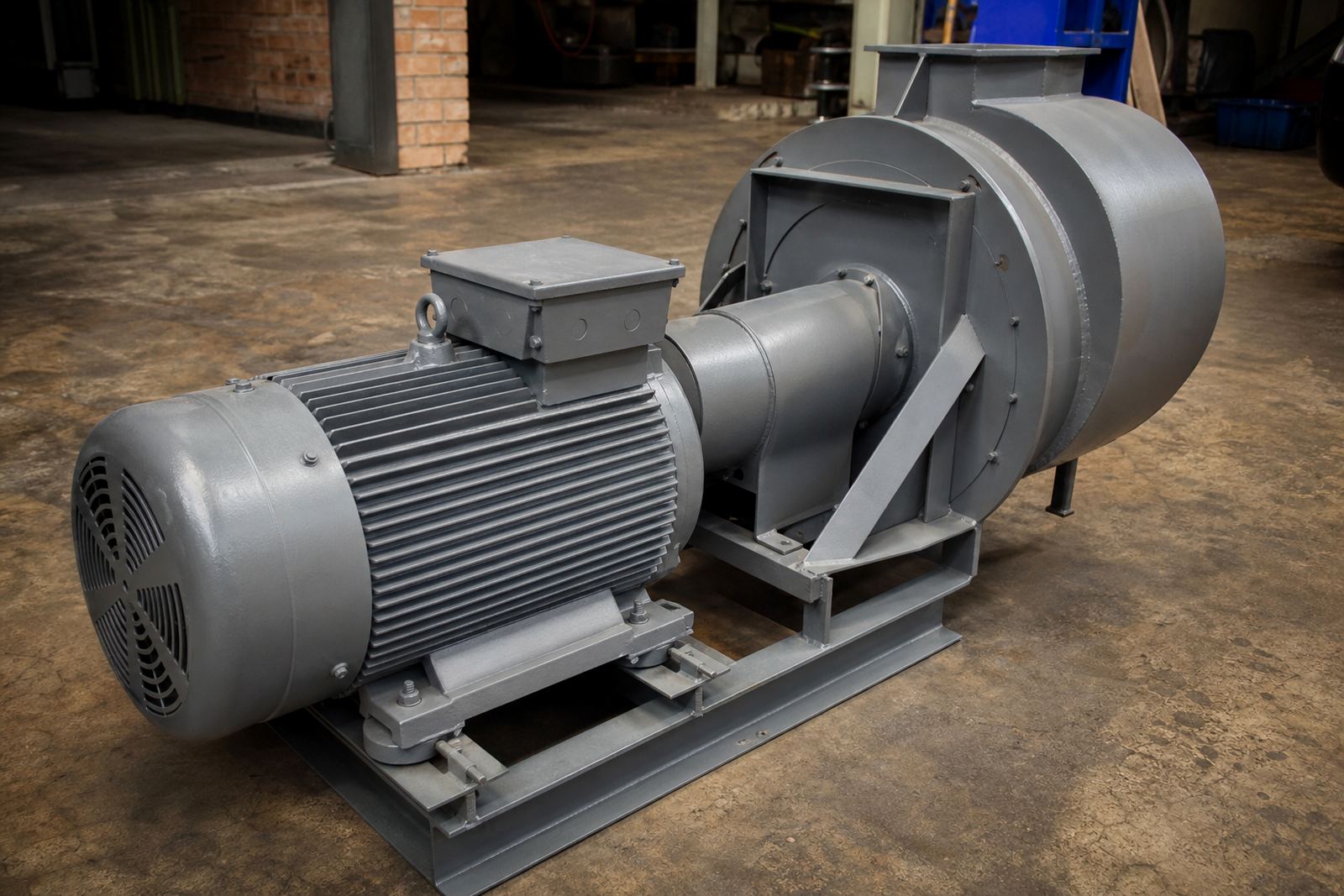
- Fans and ventilation drives
- Compressors and process equipment
- Conveyors, mixers and general plant motors
Typical Repair Work and Checks We Carry Out
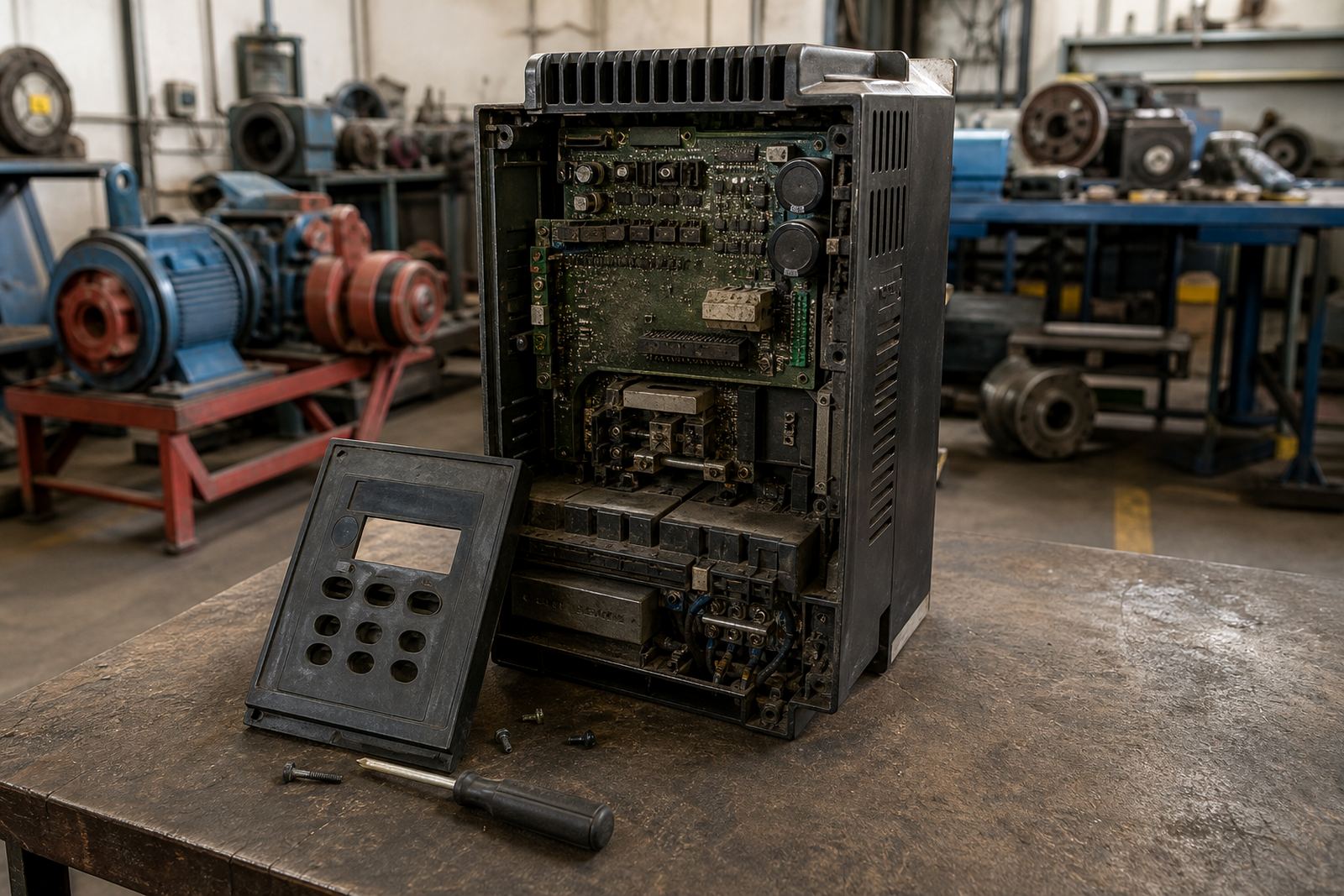
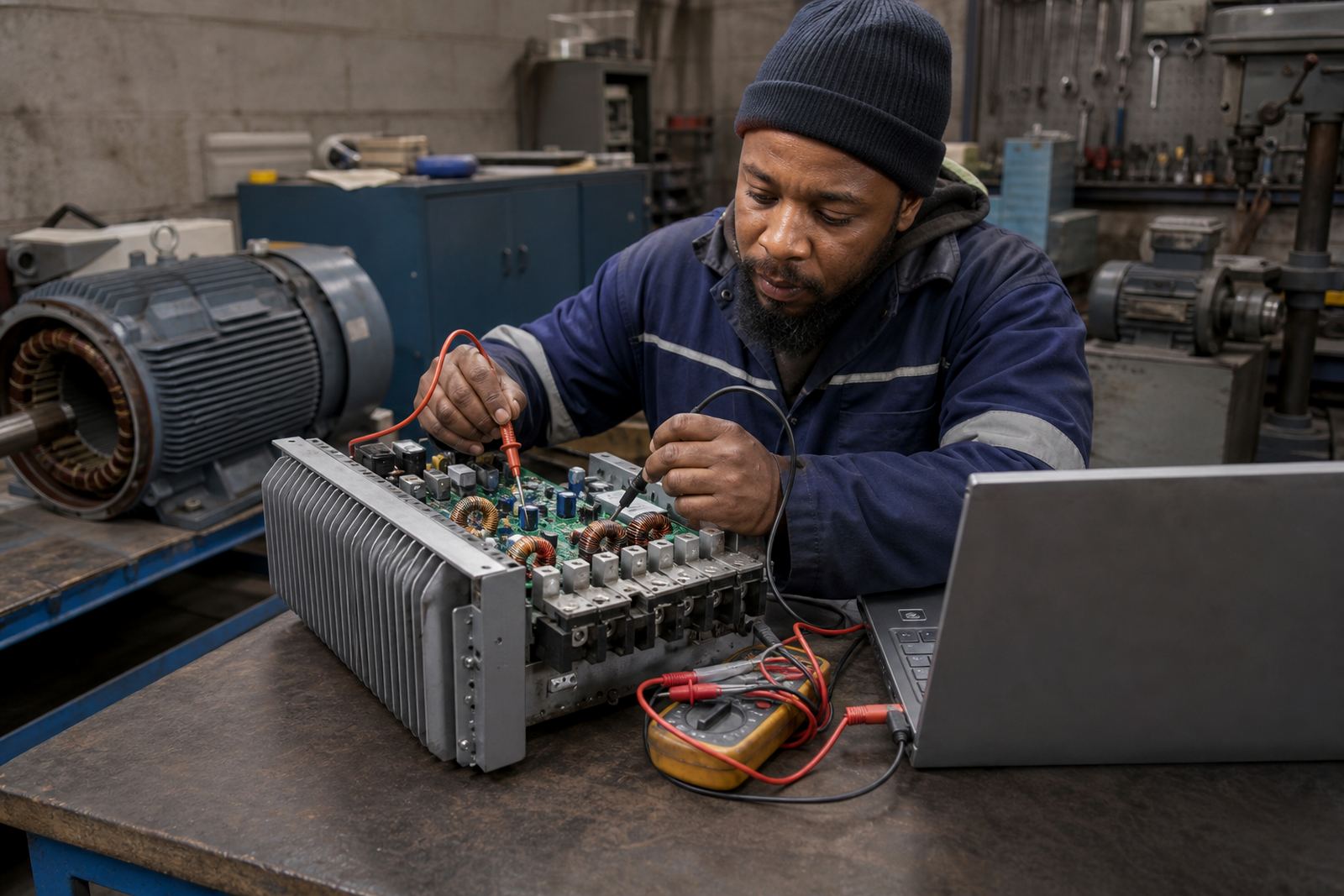
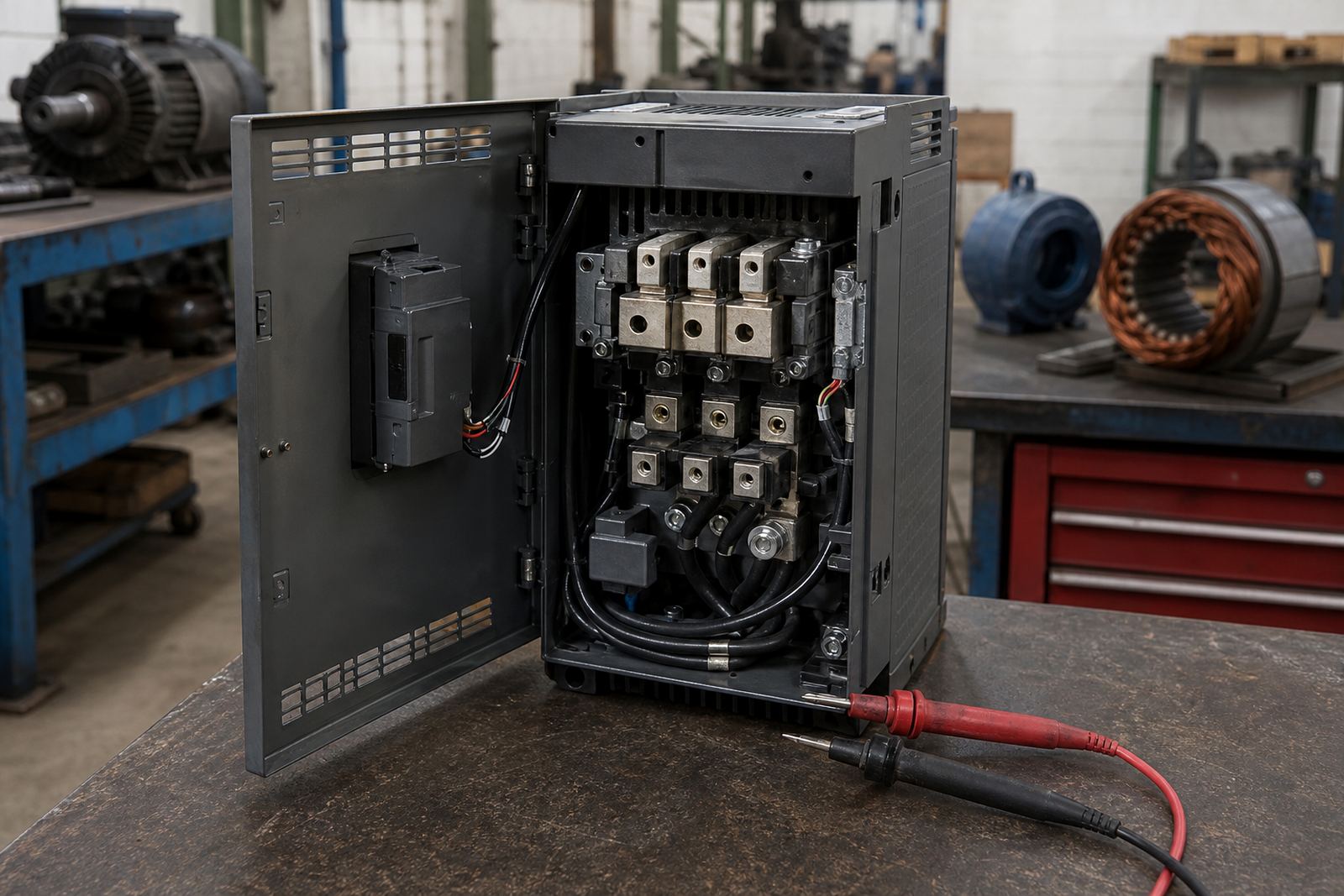
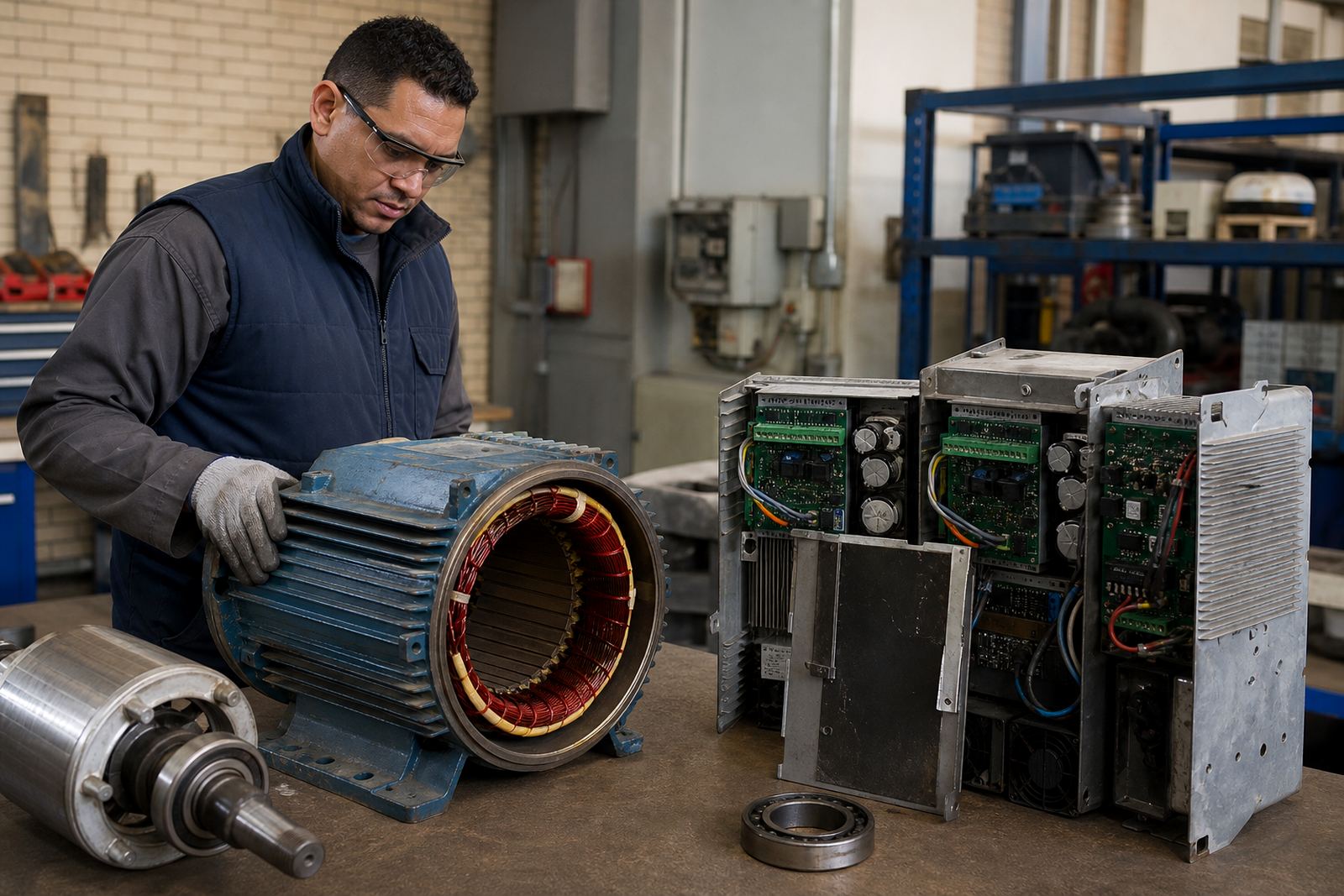
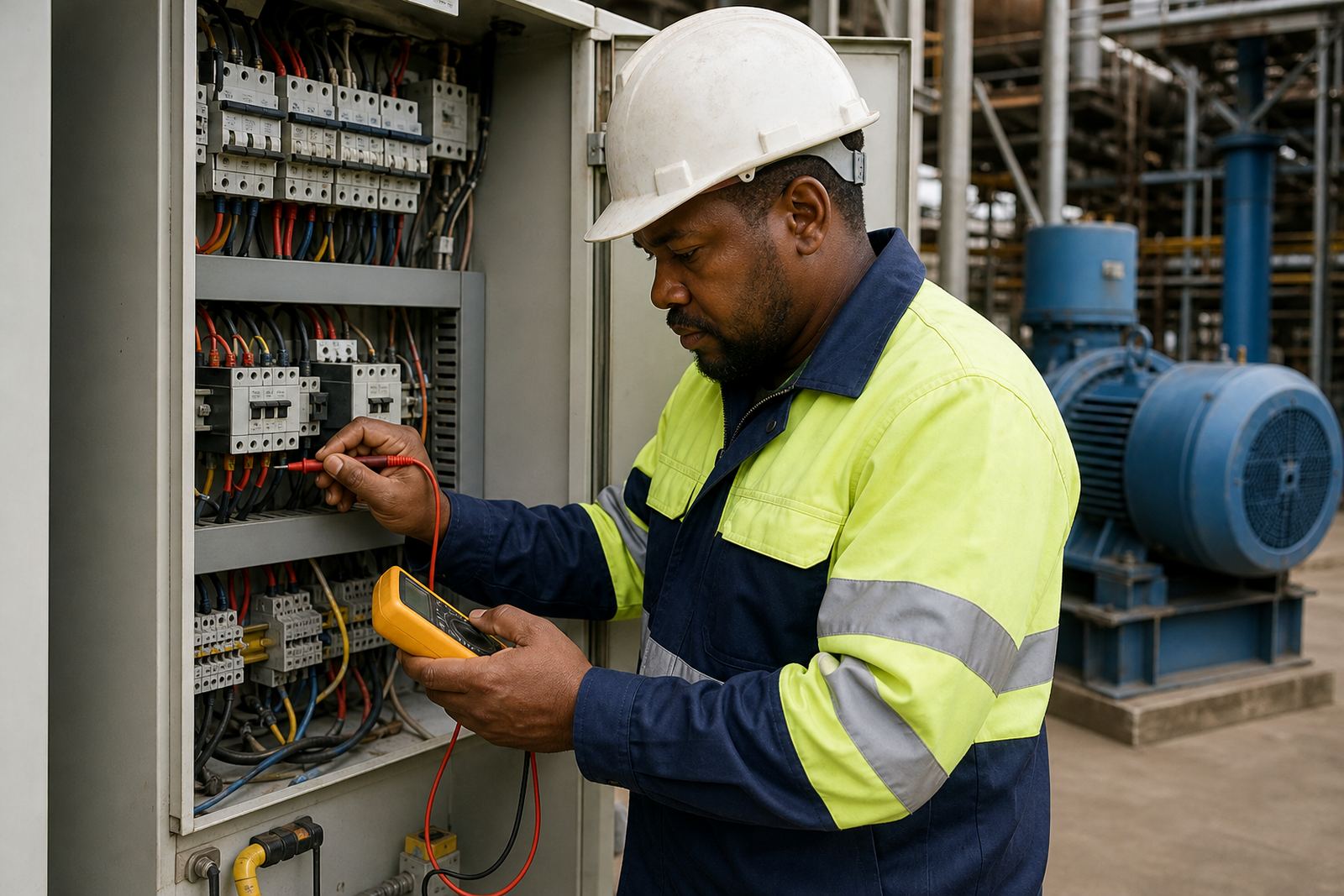
Soft starter repair usually begins with a careful fault finding process. We inspect the unit for burn marks, damaged power semiconductors, failed control components, loose terminals, heat stress and signs of moisture or dust ingress. We also check the control wiring, main supply connections and motor cable terminations because a fault outside the unit can look like an internal failure. If needed, we coordinate motor removal, cable checks, site reporting and shutdown planning so the work fits the plant schedule.
Depending on the condition of the unit, repair may include replacement of damaged control parts, cleaning of the panel, tightening and re-termination, fan checks, insulation testing, drive inspection where related equipment is involved, and commissioning support after re-installation. If the motor or associated equipment shows signs of bearing noise, cable damage or insulation weakness, we will flag that before the repaired starter is returned to service. A soft starter should not be put back into service until the full circuit has been checked, tested and signed off by a competent person.
- Fault finding and panel cleaning
- Insulation testing and cable checks
- Terminal tightening and connection checks
- Commissioning support after repair
Sizes, Ratings and Options to Match the Application
Soft starters are supplied in a range of current ratings and control options, so the right unit must be matched to the motor and the load. Common selection points include motor kilowatt rating, full load current, supply voltage, start duty and how often the motor starts in a shift. Some systems use built-in bypass contactors, while others rely on external bypass arrangements. A unit that is too small can overheat, and one that is oversized may be unnecessary for the application.
We work on compact units for small workshop motors as well as larger units used on plant rooms and process lines. The exact model needs to suit the supply, the motor nameplate data and the starting profile you want. If the starter is linked to a control panel, the condition of the panel and cables should be checked too. Where there is dust or humidity, enclosure sealing and ventilation are worth checking at the same time, because those details affect long term service life.
- Typical supply: 380 V to 525 V AC, depending on site
- Common control signals: start, stop, remote interlock and fault output
- Motor matching: current rating must suit the nameplate data
- Mounting: panel mounted or enclosed industrial control assembly
Installation Requirements and Site Conditions
Soft starters need a suitable electrical supply, correct motor wiring and enough space for heat dissipation. In many installations the control panel should be kept clean and dry, with good airflow and proper cable management. If the site experiences load-shedding or frequent supply interruptions, the starter and associated controls should be checked for restart behaviour, voltage recovery and any nuisance tripping that may follow the return of power.
Before ordering or booking a repair, it helps to know whether the starter is fitted into a motor control centre, a stand-alone panel or a machine enclosure. You should also note the motor size, the starting duty, any remote controls, the fault code if visible, and whether the site uses three-phase supply with local isolators. For gas or combustible dust areas, the enclosure and location rules must be followed carefully, and the equipment should only be handled by suitably qualified people familiar with site safety requirements.
- Three-phase supply and correct protection device
- Motor nameplate details and wiring arrangement
- Panel space, ventilation and cable access
- Site safety rules, lockout and isolation steps
Care, Servicing and What to Check When Ordering
Regular care helps soft starters stay reliable. Panels should be kept free of dust, oil mist and loose debris, and terminal tightness should be checked during planned shutdowns. Fans, vents and heat sinks need inspection because heat is a common cause of trouble. If the starter is used on a duty cycle with frequent starts, more regular checks are wise, especially in hot sites or coastal conditions where corrosion can creep in over time.
When ordering a repair or asking for assessment, please have the motor details, supply voltage, fault symptoms and a clear description of what happened before the failure. If possible, note whether the unit trips immediately, fails to ramp, shows an alarm, or only starts after several attempts. Our team in Germiston can also help with site reporting, spares assessment and shutdown planning so the job is organised properly. Locor has been based in Germiston since 2007, and our team works with practical turnaround planning rather than guesswork.
- Motor kilowatts and full load current
- Supply voltage and control voltage
- Fault code or symptom observed
- Photo of the panel and nameplate if available
Key facts
| Service type | Soft starter assessment, fault finding and repair |
|---|---|
| Application | Industrial motor starting control for pumps, fans, compressors and conveyors |
| Supply range | Typically 380 V to 525 V AC, subject to site and unit |
| Control features | Start/stop, remote interlock, fault output and ramp control |
| Common checks | Insulation testing, cable checks, terminal inspection and cooling checks |
| Service areas | Germiston, Johannesburg, Ekurhuleni, Pretoria, Vereeniging and Durban |