

What a conveyor drive repair involves
A conveyor drive repair can mean working on the electric motor, the variable speed drive, the coupling, the bearing set or the controls that keep the belt moving at the right pace. On many sites the problem is not only a failed unit, but a combination of heat, dust, vibration, loose terminations or repeated power dips. We look at the full drive path so the same fault does not come back two weeks later.
For conveyor systems, speed control matters. A belt that starts too hard can damage rollers and product, while one that runs unevenly causes slippage and poor feeding. We handle fault finding, motor removal, drive inspection, bearing checks, insulation testing and alignment checks. Electrical work must always be done by qualified people, with lockout procedures in place before anyone opens panels or touches conductors.
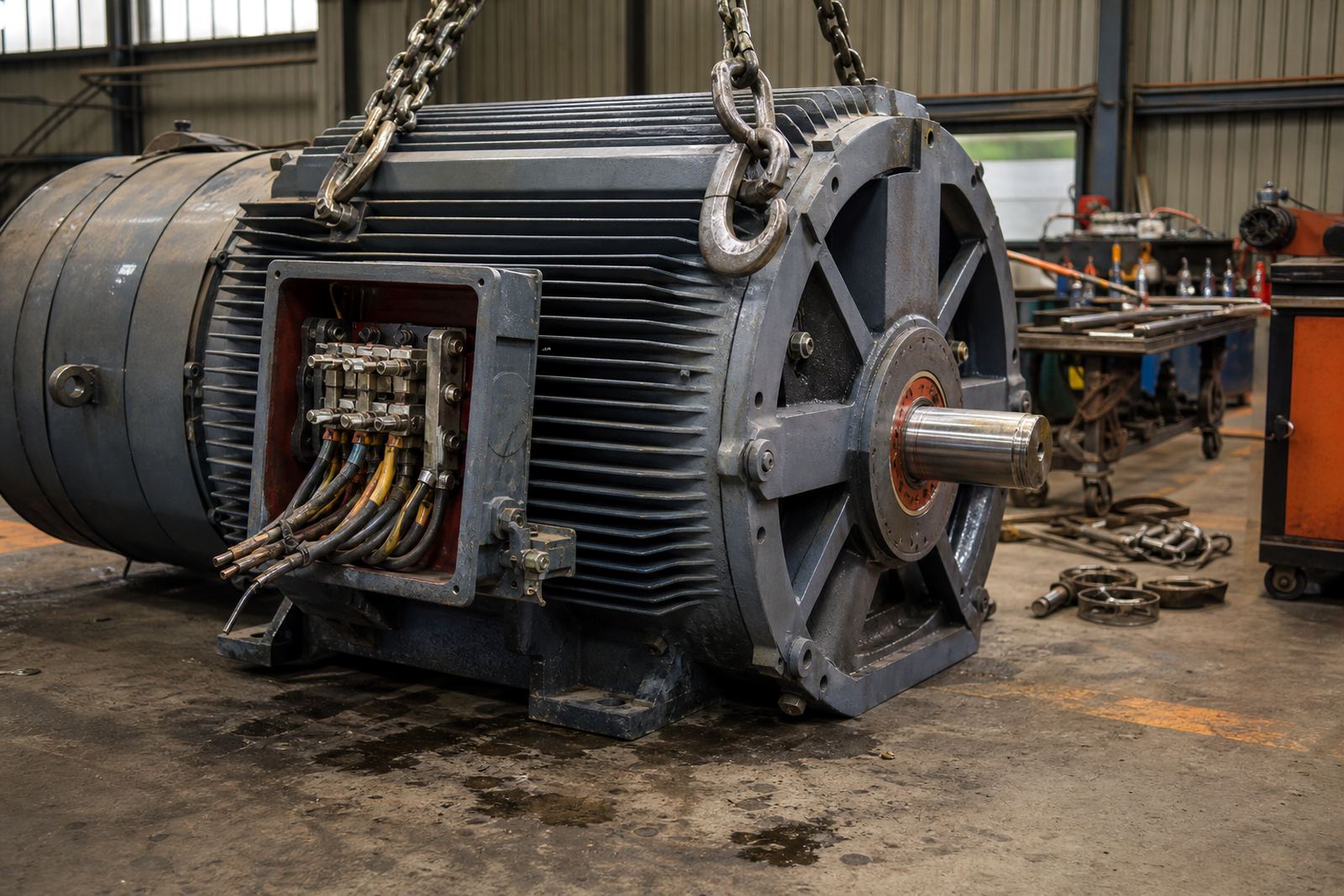
- Electric motor rewinding for damaged windings, overheated coils or earth faults
- Bearing replacement where noise, play or heat has started affecting the shaft
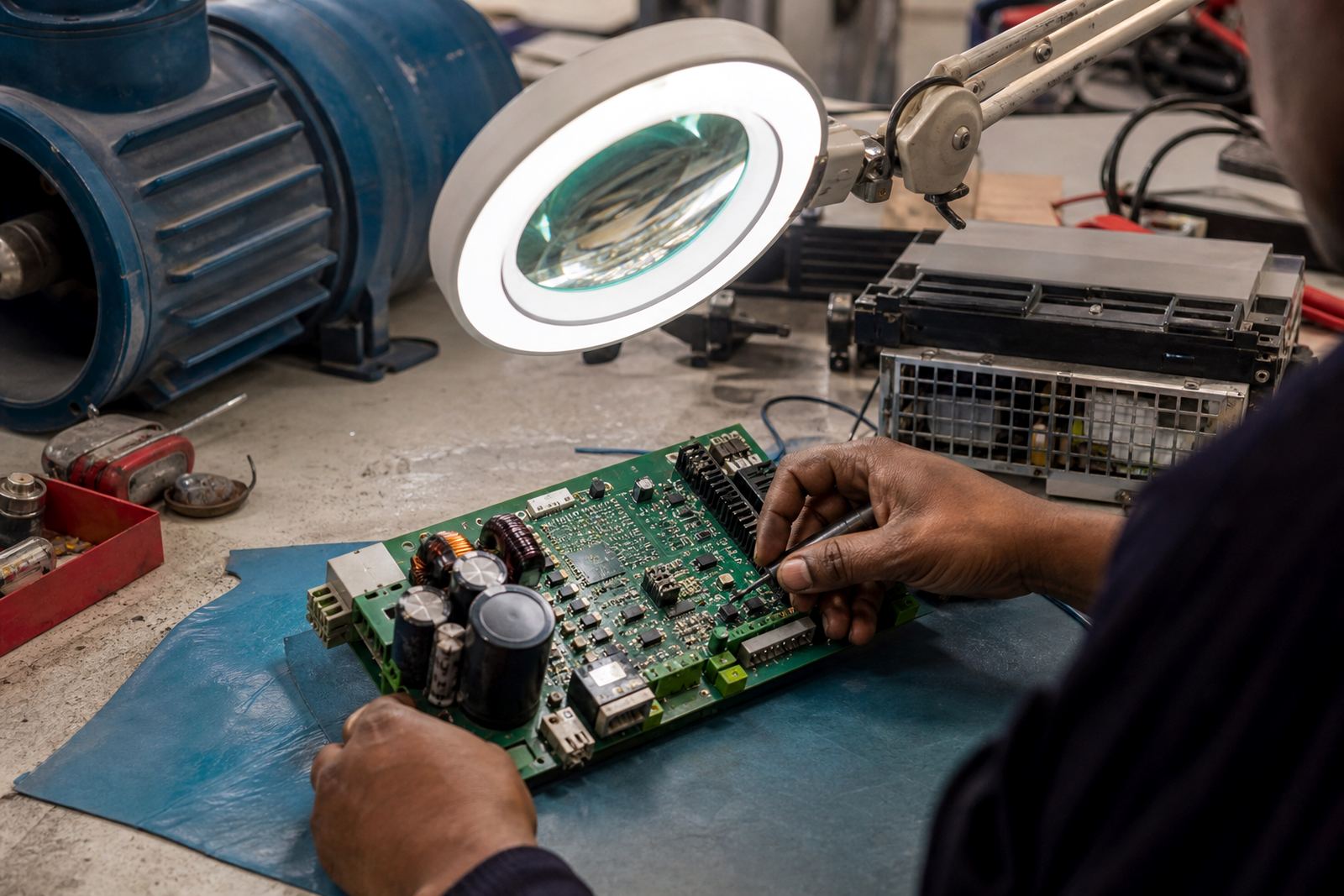
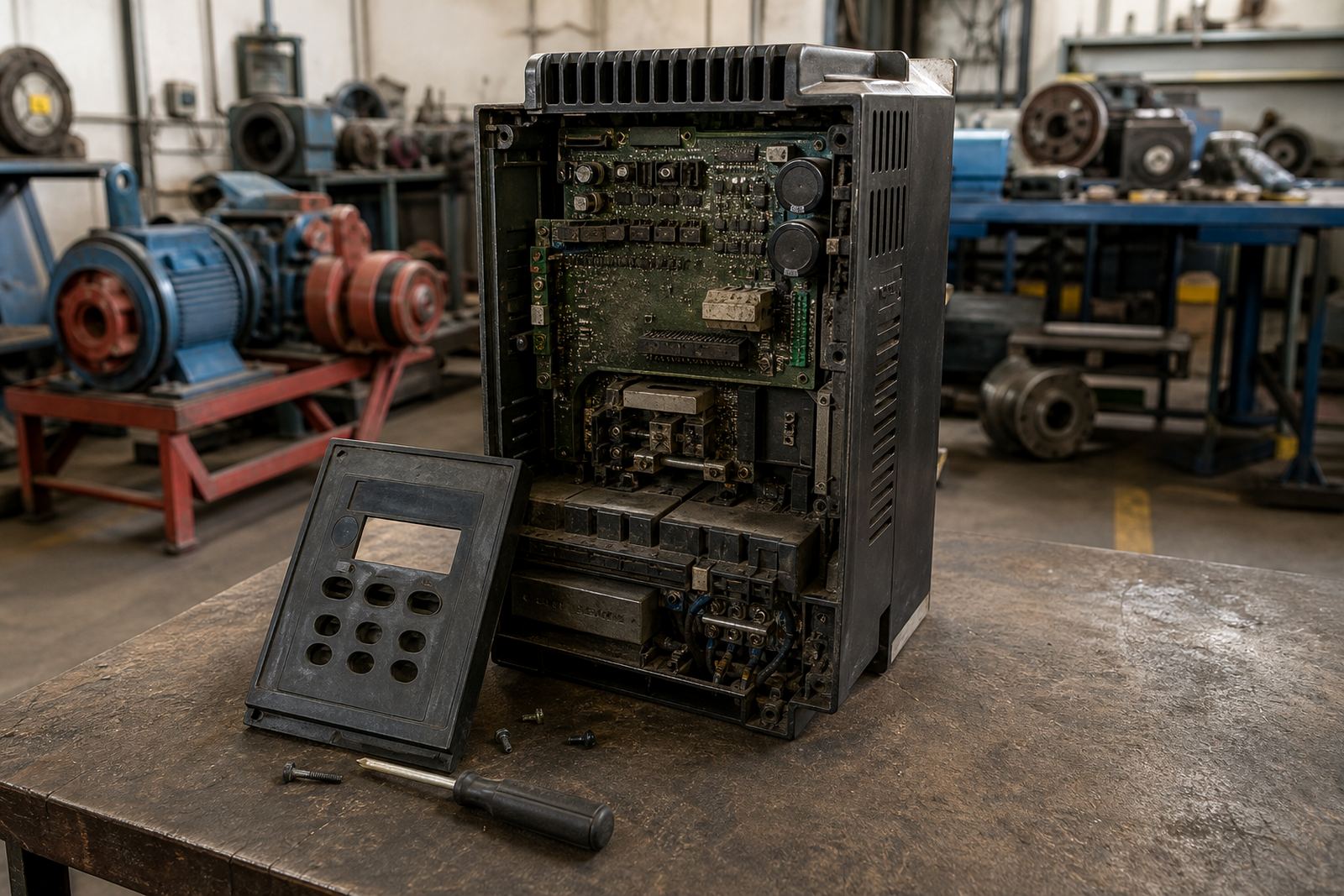
- Variable speed drive repair for tripping, no output, error faults or unstable control
- Panel cleaning and cable checks to reduce dust build-up and connection failure
Where conveyor drive repairs suit your operation
These repairs suit plants that cannot afford a conveyor to stop mid shift. That includes packing lines, material handling systems, warehouses, aggregate plants, feed lines, foundries and manufacturing sites with older motors or drives that are still worth repairing. In Germiston and the wider Ekurhuleni area, many sites are working in tight spaces and older buildings, so we often deal with mixed equipment and limited access too.
Conveyor drives also need attention after load-shedding, motor overloads, water ingress, or long running hours in hot rooms. Coastal humidity in Durban can affect terminals and boards, while dusty inland sites around Pretoria, Boksburg and Kempton Park often see blocked cooling paths and contaminated panels. If the drive is used for critical feed or discharge, even a small control fault can slow the whole line.
- Short conveyor lines with frequent starts and stops
- Longer belts that run for most of the shift
- Systems with variable speed control and soft starting needs
- Sites where maintenance teams need a repaired unit refitted quickly and safely
Sizes, ratings and repair options
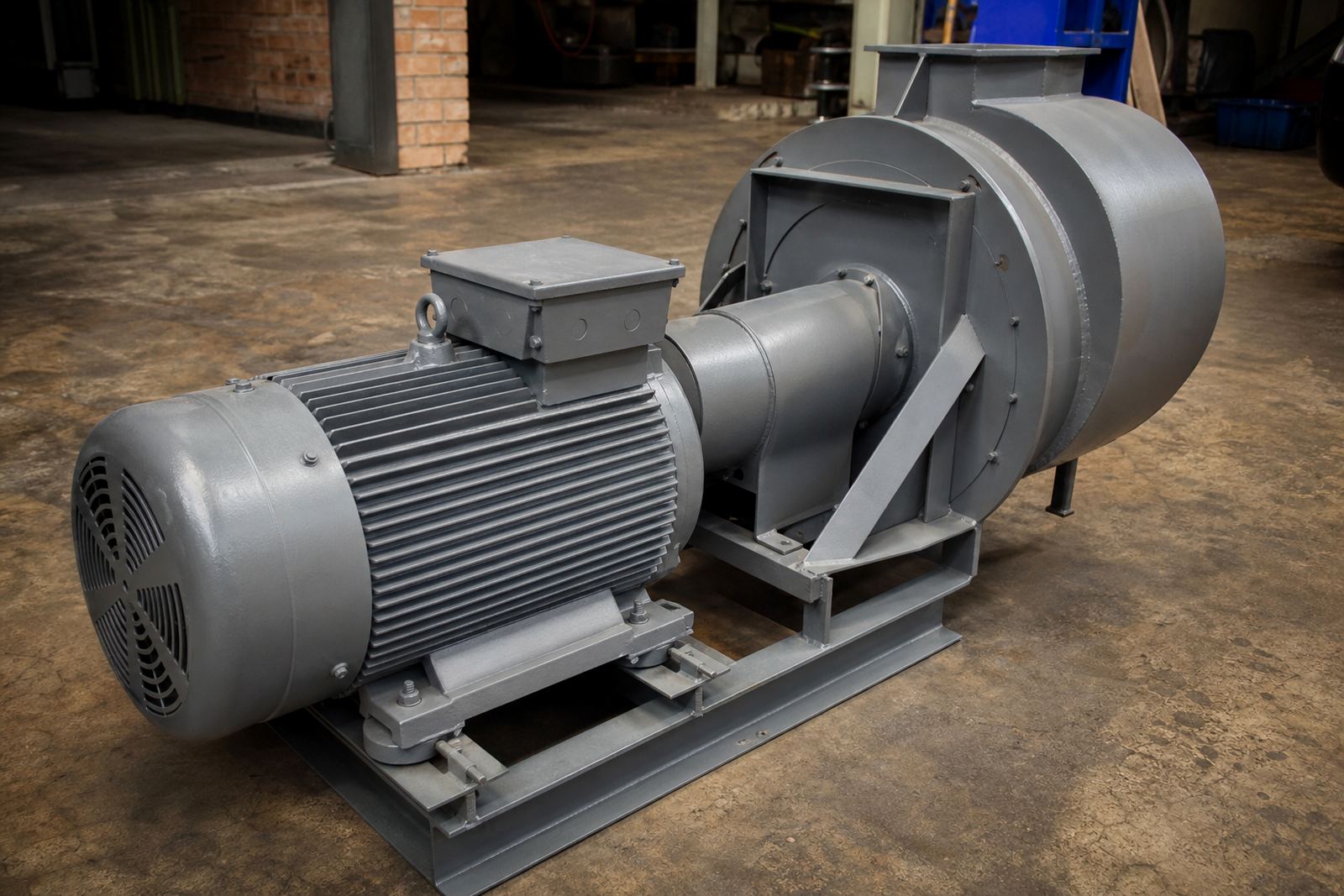
Conveyor drive repairs are not one-size-fits-all. We work on a range of motor and drive sizes, from smaller units used on workshop conveyors to larger three phase systems used on heavier plant belts. The right repair depends on motor frame size, voltage, shaft condition, insulation state, cooling method and whether the drive is a simple fixed speed unit or a variable speed control system.
When a unit arrives, we assess what can be repaired and what should be replaced. Sometimes the winding is sound but the bearings are worn. Sometimes the drive electronics have failed but the motor is usable after testing and cleaning. On some jobs the most practical route is a rewind with new bearings and full insulation testing, then a drive repair or panel clean before commissioning. We do not push for replacement when repair is still a sensible option.
- Small, medium and larger industrial motors used on belt and roller conveyors
- Single drive or paired drive systems
- Fixed speed and variable speed control setups
- Indoor plant rooms, outdoor yards and humid or dusty operating areas
Installation and power needs on site
Before refitting a repaired conveyor drive, the supply must match the motor and control equipment. Most industrial conveyor systems use three phase power, correct earthing, proper overload protection and well labelled isolators. If the site has had recent electrical changes, panel work or cable extensions, those details matter as much as the repaired unit itself. A motor can fail again if the supply is unstable or the starter is not set correctly.
We check mounting, coupling condition, alignment and cable integrity during installation support. If your site is in a shutdown window, we can assist with shutdown planning, site reporting and commissioning support so the conveyor is returned to service in the right sequence. Lockout and test-for-dead steps are not optional. They protect staff and help avoid accidental starts while the work is being done. In busy plants around Johannesburg or Vereeniging that discipline saves time and injuries.
- Match voltage, current and duty cycle to the actual conveyor load
- Check isolators, breakers, overloads and control wiring before energising
- Confirm shaft alignment and coupling condition after refit
- Test start, stop and restart behaviour under no-load and working conditions
Care and servicing that help the repair last
After a conveyor drive repair, routine care makes a real difference. Bearings need attention before they become noisy or overheat. Cooling paths need cleaning so dust does not trap heat around the motor or drive. Cable glands, terminals and control panels should be checked for looseness, tracking or moisture. On sites with washdown or humidity, regular inspection is even more important.
We often recommend planned inspections during shutdowns rather than waiting for an urgent stop. That can include insulation testing, bearing checks, panel cleaning, cable checks and alignment checks. If the conveyor carries bulk product, dust and vibration can work fast on the motor feet and mounting bolts. A quick check every few months can catch a small issue before it becomes a full stoppage. Its simple maintenance, but it works.
- Keep vents, fans and panels clean and free of dust build-up
- Listen for bearing noise, vibration or rough running
- Check for nuisance trips after power interruptions
- Record fault codes, start conditions and any changes in belt behaviour
What to check when ordering a conveyor drive repair
When you send a unit for repair or ask for site support, a few details help us assess the job properly. Motor nameplate information, drive model details, the fault symptoms and the operating conditions are all useful. Tell us whether the conveyor trips on start, runs hot, has speed fluctuation, makes bearing noise or has stopped completely. If there was smoke, water entry, a burnt smell or a breaker trip, mention that too.
For faster handling, also note where the unit came from, whether it is a replacement or original drive, and if the conveyor must return to service before a planned shift or plant shutdown. Our Germiston base supports customers across Boksburg, Kempton Park, Ekurhuleni, Pretoria, Johannesburg, Vereeniging and Durban through the enquiry form on our contact page. Clear fault details help us plan fault finding, spares assessment and any on site work more accurately.
- Motor size, voltage, phase and duty information
- Drive fault symptoms, including error codes if available
- Site conditions such as dust, heat, moisture or vibration
- Whether you need workshop repair, field service or commissioning support
Key facts
| Service type | Conveyor drive repair for motors and variable speed drive systems |
|---|---|
| Typical work | Fault finding, rewind assessment, bearing replacement, insulation testing, alignment checks |
| Application | Belt conveyors, material handling lines, feed systems and plant transfer conveyors |
| Power needs | Usually three phase industrial supply with correct earthing and protection |
| Service areas | Germiston, Johannesburg, Ekurhuleni, Pretoria, Vereeniging, Durban, Boksburg, Kempton Park |
| Support mode | Workshop repair, field service, shutdown planning and commissioning support |