

What blower motor repairs involve
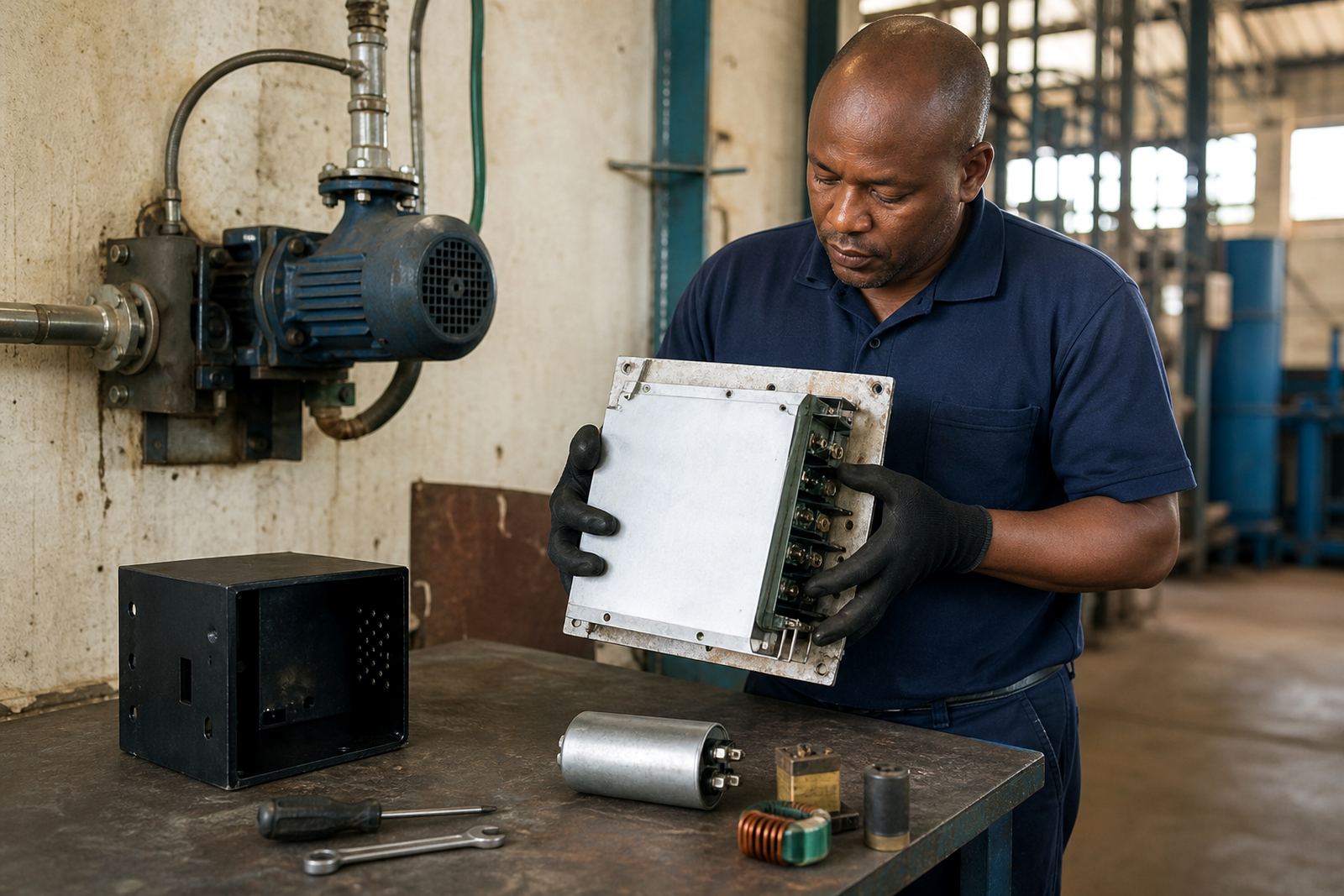
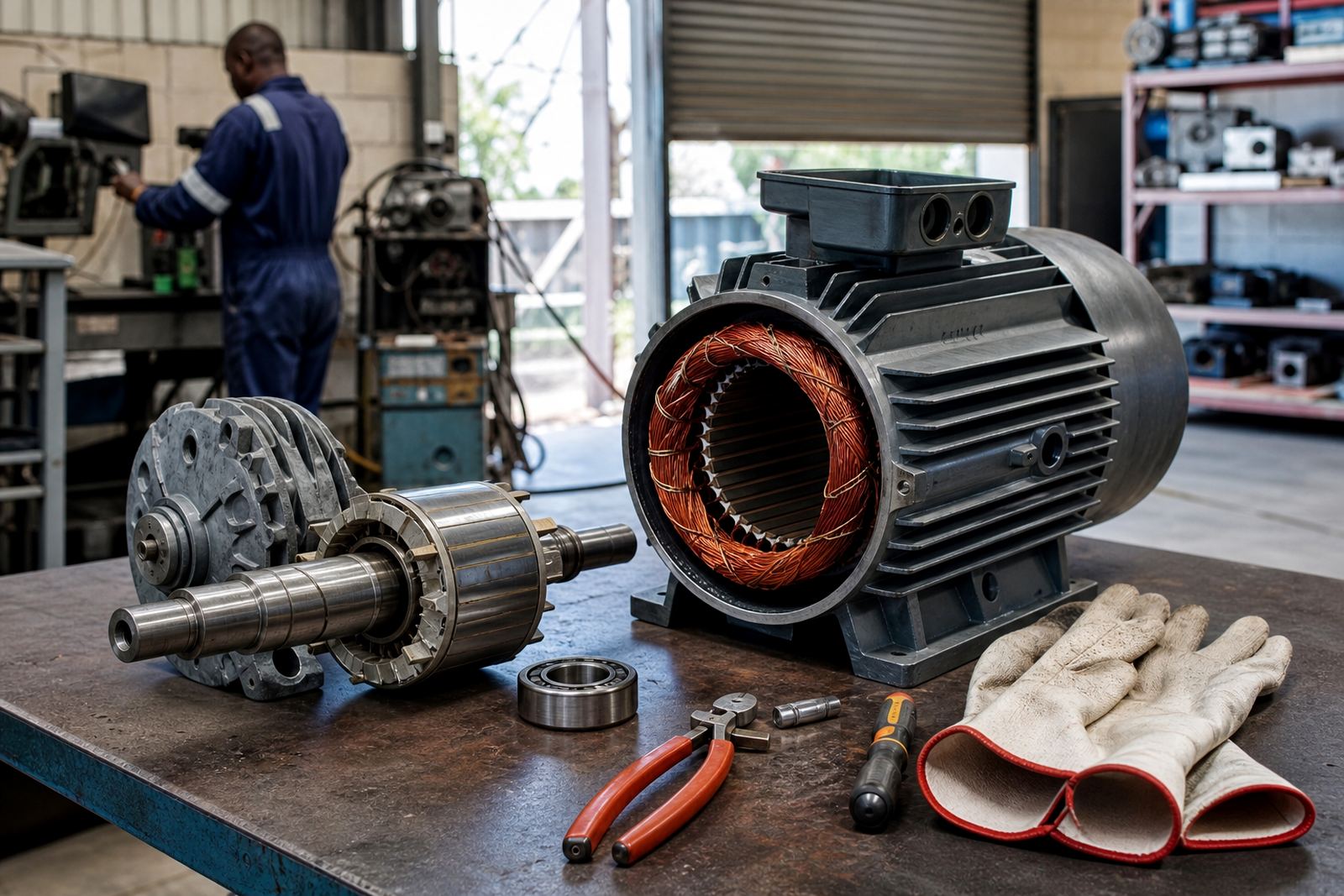
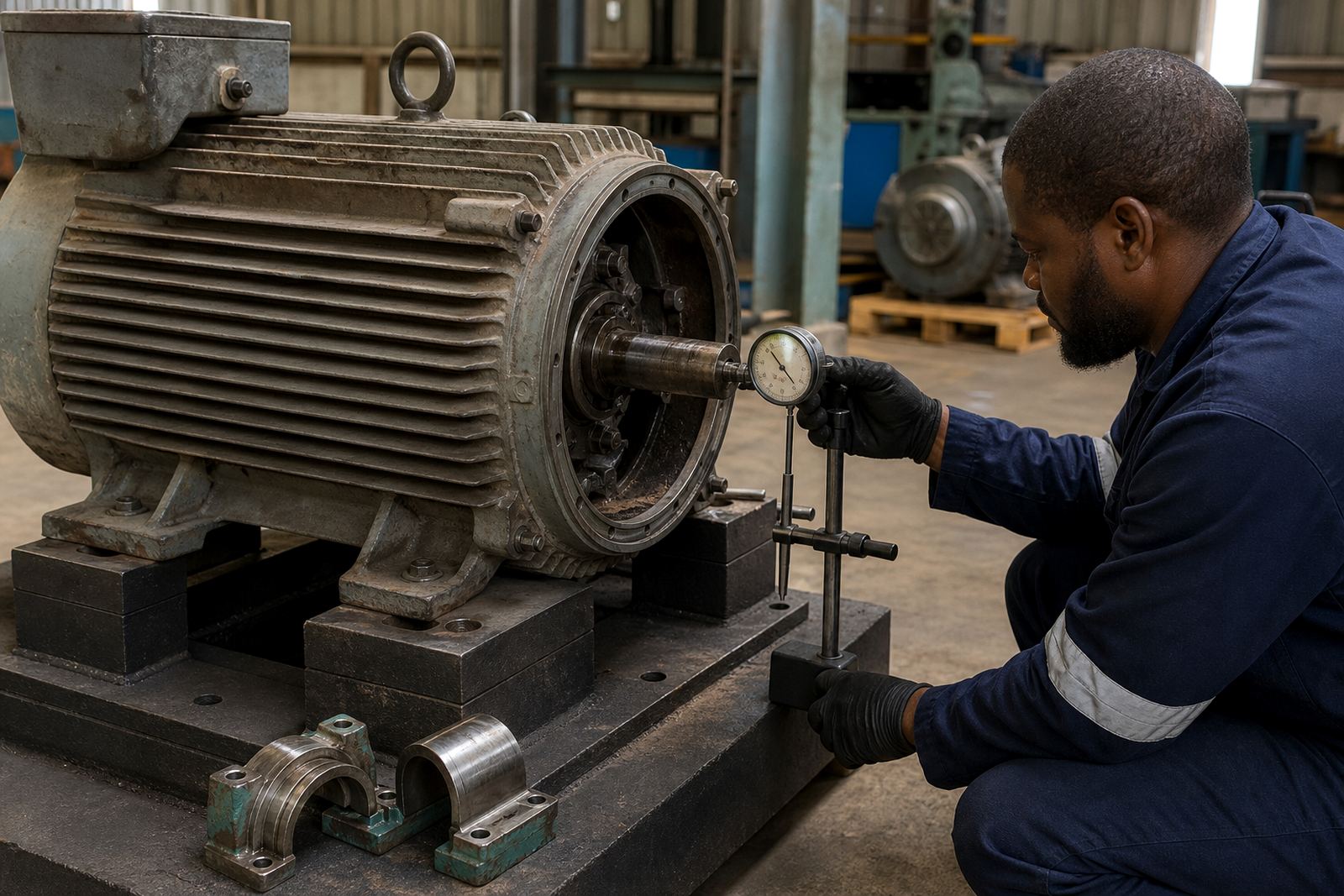
Blower motor repairs cover the electrical and mechanical work needed to get an air-moving motor back into service safely. That can include electric motor rewinding, bearing replacement, cleaning out dust and fibre build-up, checking the fan end for wear, testing insulation resistance, and confirming that the motor starts and runs under load without overheating.
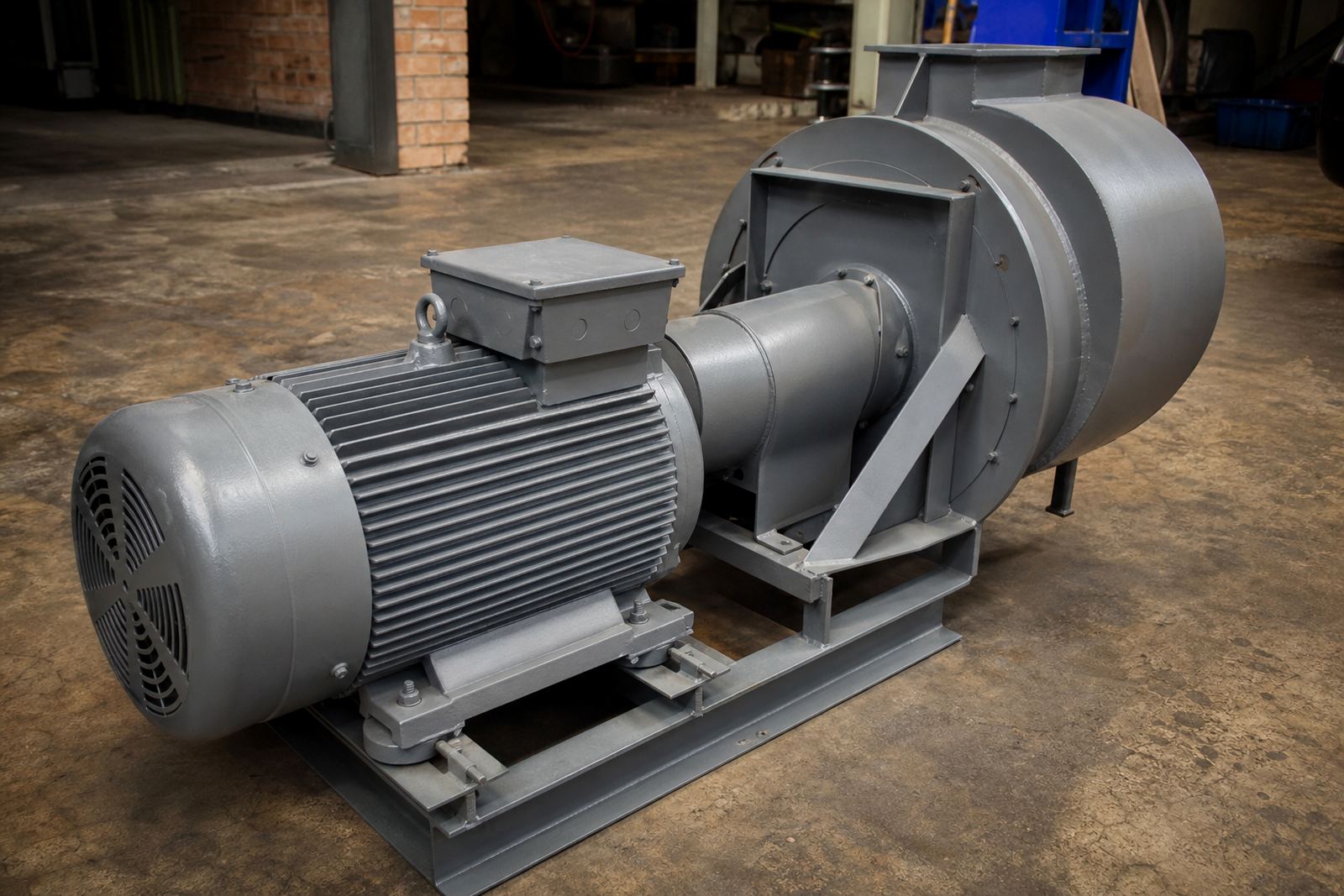
On many sites the blower is part of a ventilation system, extraction line, furnace setup, drying process or dust control system. When the motor is weak, the air volume drops, belts slip, breakers trip or the drive starts giving alarms. Our team checks the fault properly first, then recommends the repair that suits the motor and the duty cycle, not just a quick patch.
- Single phase and three phase blower motors
- Direct coupled and belt driven units
- Flange mounted, foot mounted and frame mounted motors
- Open, enclosed and fan cooled motor arrangements
Motor sizes, winding options and drive matching
Blower motors come in a wide range of sizes, from smaller workshop units to larger motors used on plant equipment. The exact repair method depends on the frame size, speed, voltage, enclosure type and whether the blower runs on direct online start, soft start or through a variable speed drive. If the winding has failed, we strip and rewind to the correct electrical design and insulation class for the application.
Where speed control is part of the process, the motor and drive must be matched correctly. A blower that runs too slow can fail to move enough air, while the wrong drive settings can cause nuisance trips or poor cooling. In some cases the issue is in the drive not the motor, so we inspect both sides before parts are ordered.
- Typical supply voltages include 220 V, 380 V, 400 V and 525 V systems
- Common speeds are 1 500 rpm and 3 000 rpm, with some variable speed duties
- Suitable for foot mounted, flange mounted and close coupled blower sets
- Repair scope can include rewinding, bearing checks, shaft assessment and terminal repairs
Where blower motors are used across South Africa
Blower motors are used where controlled air movement matters. That includes factory ventilation, fume extraction, drying ovens, packaging lines, grain handling, timber plants, boiler rooms and workshop extraction. In coastal areas like Durban, humidity can shorten insulation life and encourage corrosion if the motor is left unprotected. In dusty inland sites around Germiston, Boksburg and Kempton Park, blocked cooling fins and packed bearings are common causes of failure.
We support plants and workshops that cannot afford guesswork. If the blower forms part of a dust extraction or compliance-related ventilation system, the motor must be returned to service in a way that keeps the whole installation safe and practical. Municipal and site rules may also apply where shutdowns, noise limits or access control are involved, so planning matters.
- Workshops and maintenance depots
- Manufacturing and processing plants
- Warehousing and logistics facilities
- Commercial buildings with mechanical ventilation
Installation, power supply and safety requirements
Blower motor work must only be done by qualified people, with lockout procedures in place before any removal or testing starts. Electrical isolation, stored energy checks and proper verification are not optional. If the motor is connected to a variable speed drive, the drive should be isolated and checked as well because residual voltage can remain after shutdown.
When fitting a repaired motor back into service, the supply and installation details have to line up with the nameplate and the application. That includes cable size, overload protection, earthing, rotation direction, alignment, coupling condition and airflow direction. If a blower motor runs on gas related plant or heated process equipment, the surrounding system also needs to be safe before commissioning begins.
- Lockout and tagout before removal, testing or installation
- Confirm voltage, phase, frequency and rotation direction
- Check cable terminations, terminal box condition and earth continuity
- Verify belt tension, coupling alignment and fan condition before start-up
Care and servicing that helps the motor last
Regular care keeps blower motors working longer, especially in dirty, hot or humid conditions. Bearing noise, rising current draw, hot smell, tripped overloads and vibration are early warning signs. If a motor is cleaned too aggressively or reinstalled with poor alignment, the repair life can be shortened, so the service method matters as much as the parts used.
For planned maintenance, Locor can assist with fault finding, motor removal, bearing checks, insulation testing, drive inspection, panel cleaning, cable checks, site reporting and shutdown planning. That makes it easier to catch repeat faults before they stop production. In some cases a small insulation issue or worn bearing can be fixed before the winding fails, which saves time and keeps the blower in service longer.
- Keep cooling paths clear of dust and fibre
- Watch for vibration, bearing heat and unusual noise
- Inspect drive settings and alarm history regularly
- Plan shutdowns so repairs can be done properly, not rushed
What to check when ordering a blower motor repair
When you send a blower motor in for repair or ask for site support, give the basic details up front. The more accurate the information, the better the repair decision. If the motor has already failed, do not try to run it again just to “see if it comes right”, as that can make the damage worse.
Please include the motor nameplate details, the fault symptoms, the equipment it drives and whether the blower is direct on line or controlled through a drive. If there is a mechanical issue, tell us about the fan, belts, coupling, vibration or alignment concerns. We also need to know if the unit runs in a dusty, humid or high temperature area, because that changes the likely wear pattern.
- Motor kW, voltage, speed and frame size
- Single phase or three phase supply
- Application, duty cycle and operating environment
- Any recent trips, smoke, noise, vibration or burning smell
Key facts
| Service type | Blower motor repairs, rewinding and drive-related fault finding |
|---|---|
| Motor range | Small workshop units through to larger plant motors, subject to inspection |
| Common duties | Ventilation, extraction, drying, dust control and process air movement |
| Electrical work | Qualified technicians only, with lockout and isolation procedures |
| Areas served | Germiston, Johannesburg, Ekurhuleni, Pretoria, Vereeniging, Durban |
| Related checks | Bearings, insulation, alignment, cabling, commissioning and drive inspection |