

What Screen Motor Repairs Cover
Screen motors work hard in dusty plants, quarry yards, recycling lines and materials handling areas. They are expected to run for long shifts while dealing with vibration, heavy starting loads and frequent stop start use. When a screen motor begins to run hot, trip a drive, throw bearings or lose balance, the whole line can slow down quickly.
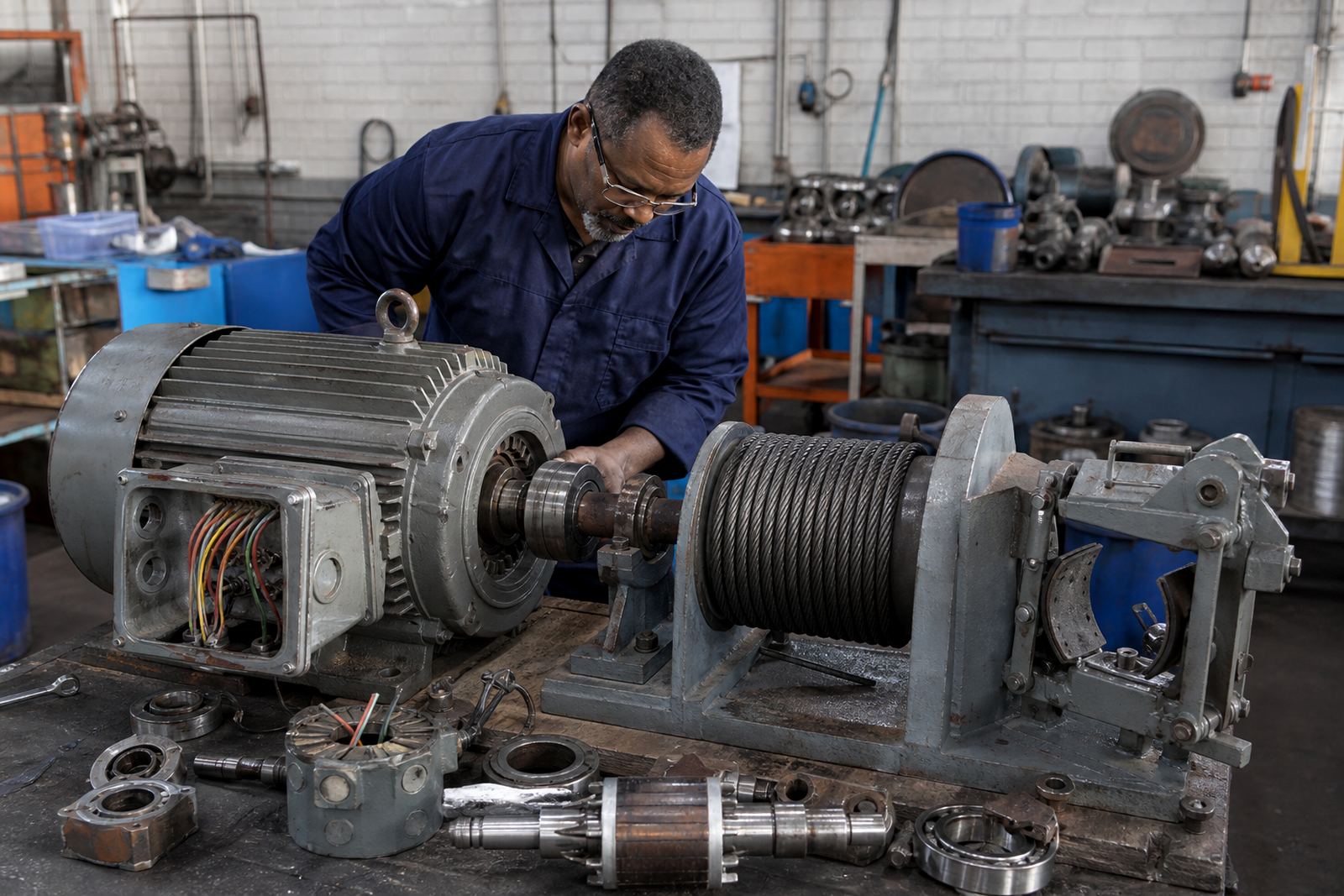
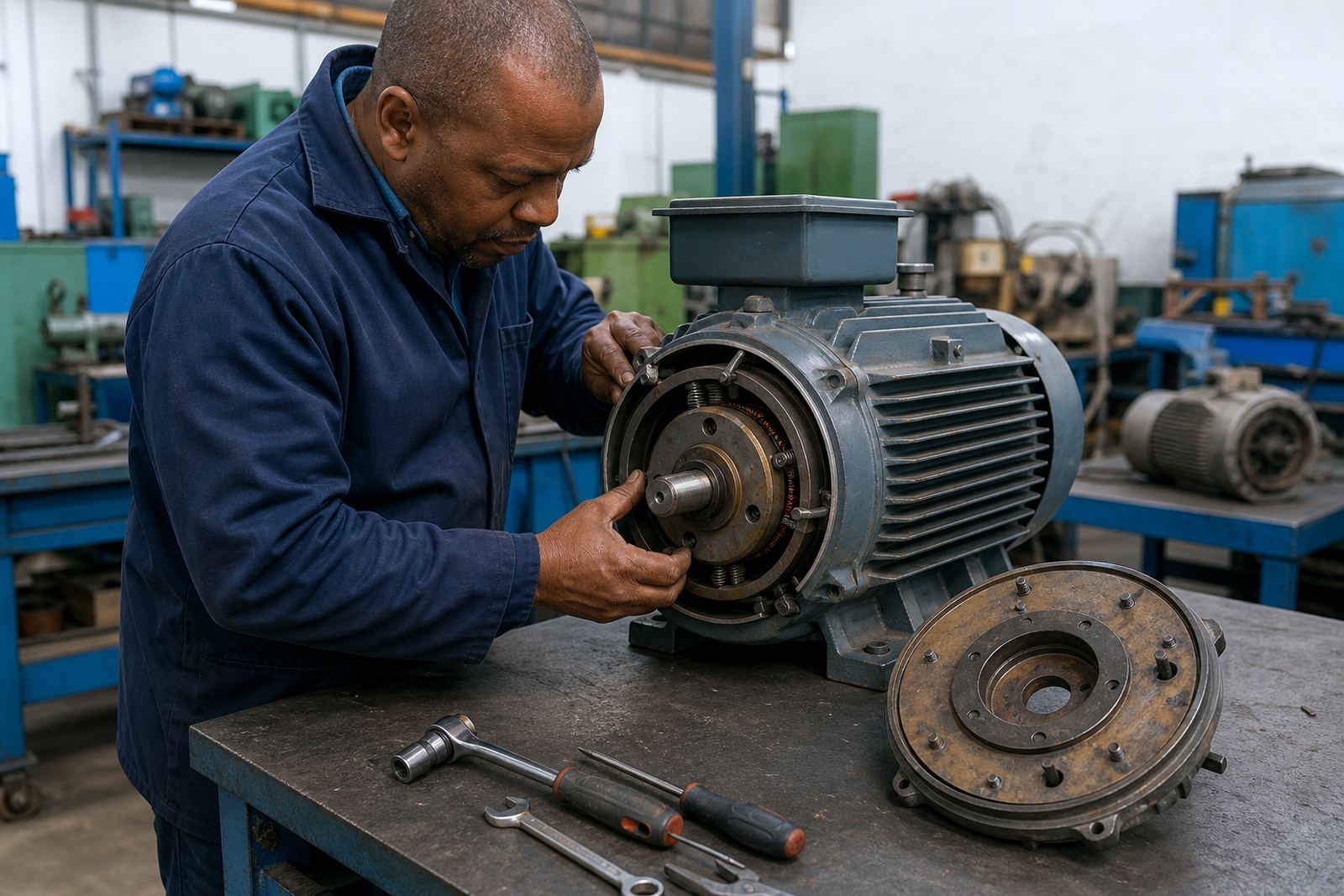
Our repair work for screen motors normally includes fault finding, motor removal, strip down, cleaning, bearing checks, rewinding where required, insulation testing and reassembly. We also look at the mounting feet, shaft condition, cable entries and terminal box, because a motor can fail again if the root cause is not addressed. Electrical work must be done by qualified people using proper lockout procedures before any covers are removed or test work is done.
In many cases the issue is not one thing only. A loose base, damaged cable, poor alignment or overloaded screen can all put extra strain on the motor. That is why the repair process needs careful inspection not just a quick parts swap.
Motor Sizes, Types and Repair Options
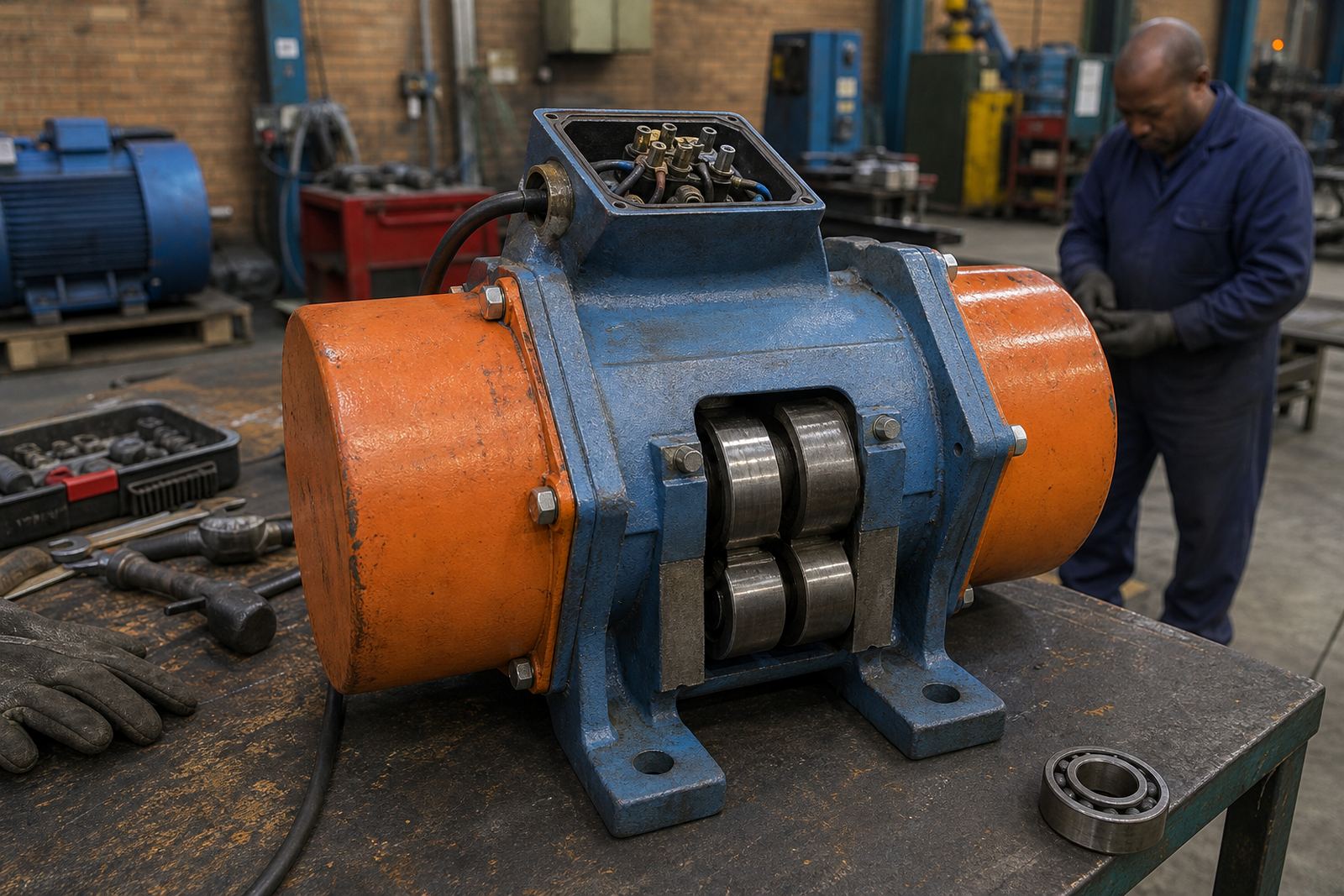
Screen motors are used in a range of frame sizes and power ratings, from smaller units on light duty screening equipment to larger motors on high output plant lines. We work on motors fitted to vibrating screens, shaker tables, feeders and related machinery where the duty cycle is often severe.
Repair options depend on the condition of the winding, rotor, bearings and shaft. A motor may only need bearing replacement and cleaning, or it may need a full rewind if insulation has broken down. If the rotor shows signs of rub marks, contamination or imbalance, that will also be assessed during strip down.
- Single phase and three phase screen motors
- Foot mounted and flange mounted units
- Motors used on fixed plant and mobile screening equipment
- Repairs for standard duty and heavy duty operating conditions
- Options for bearing replacement, rewinding and terminal repair
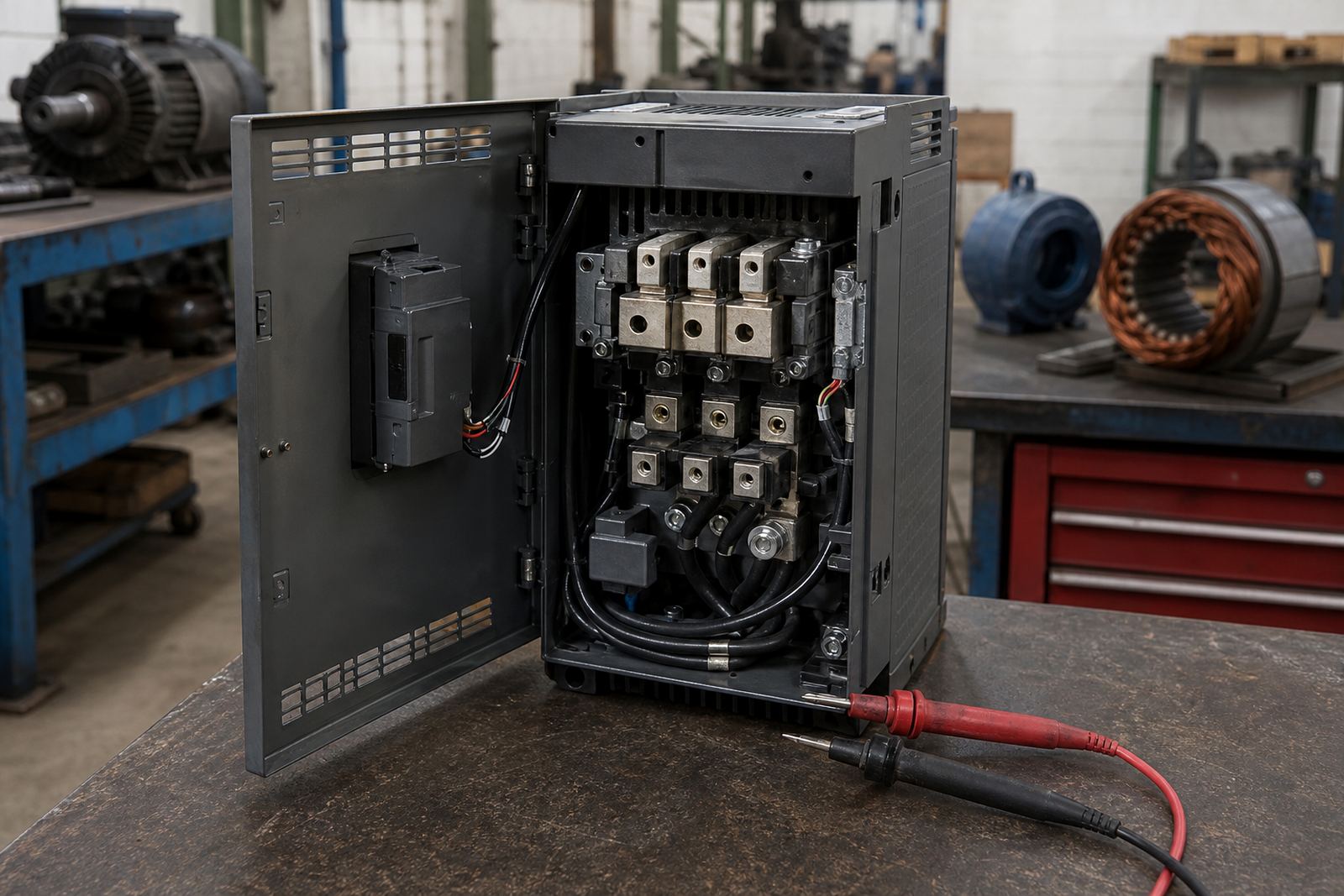
We also inspect related drive equipment where a variable speed drive is part of the system, since a drive fault can create nuisance trips or uneven motor performance.
Where Screen Motors Suit Best
Screen motor repairs suit plants that rely on steady vibration for sorting, sifting, dewatering or separation. These motors are common in aggregates, mining support work, recycling plants, feed handling and industrial workshops. They are also used in facilities where dust and moisture are present, including some coastal and washdown environments.
In Gauteng, we often see screen motors affected by fine dust, heat and long operating hours. In Durban and other coastal areas, moisture and corrosion can shorten bearing life and affect electrical insulation if seals are not maintained. The right repair approach depends on the site conditions as much as on the motor itself.
If a motor is running in a harsh area, the repair should take into account sealing, cable condition, end shield wear and ventilation. A repaired motor that is simply bolted back in without checking the environment may fail earlier than expected.
Installation, Power Supply and Safety Needs
Screen motors need secure mounting, correct alignment and suitable electrical protection. If a motor is fitted with a variable speed drive, the drive settings must match the application and the motor data. Incorrect acceleration, deceleration or overload settings can cause nuisance trips, excess heat and premature wear.
Before installation or removal, the system must be isolated and locked out. No one should work on live equipment, even for a quick check. Qualified electrical staff should verify isolation, discharge stored energy in the drive and confirm that the machine cannot start unexpectedly. This is especially important on screening equipment because vibration can mask mechanical faults until they become serious.
- Check mounting bolts, base plates and anti vibration condition
- Confirm cable size, gland sealing and earthing
- Match the motor rating to the screen duty and load pattern
- Review drive settings, thermal protection and overload limits
- Allow proper ventilation around the motor and drive panel
Where a site has unstable supply conditions or load-shedding related restarts, we recommend checking contactors, control wiring and panel cleanliness too. Loose connections and dust in the panel can create repeat faults.
What We Check During Care and Servicing
Regular servicing helps extend the life of screen motors and reduces unplanned shutdowns. A simple inspection can pick up early signs of trouble before the winding burns out or the bearings seize. On busy sites, this is often the difference between planned maintenance and an urgent callout.
Typical care work includes cleaning, checking for vibration related fastener loosening, testing insulation resistance, examining bearings, verifying fan condition and looking for heat marks on terminals. We also check for signs of misalignment, soft foot and contamination from dust or moisture. If the motor is tied into a drive system, the drive should be inspected for alarms, cooling fan condition and terminal tightness.
- Unusual noise, rumbling or vibration from the motor
- Hot housing, tripped overloads or burnt smell
- Water ingress, dust build up or rust on end covers
- Damage to cables, glands or terminal lugs
- Poor screen performance or uneven running speed
A good service record helps too. If the motor has been repaired before, the condition of the previous work, bearing type and insulation readings should all be noted for future reference.
What to Check When Ordering a Repair
To assess a screen motor properly, we need accurate details from the machine and the site. The more complete the information, the easier it is to match the repair to the duty and avoid delays once the motor arrives. If you are sending a unit from Germiston, Johannesburg, Ekurhuleni, Pretoria, Vereeniging, Boksburg, Kempton Park or Durban, include the full nameplate details if they are still legible.
Please check the following before you order or submit an enquiry through our contact page.
- Motor power rating, voltage and speed
- Frame size, mounting type and shaft dimensions
- Whether the motor is direct on line or used with a drive
- Nature of the fault, such as vibration, tripping or overheating
- Site conditions, including dust, moisture and operating hours
- Any previous repairs, rewinds or bearing changes
If the motor came off a screen that is still struggling, it helps to mention the machine type and what the operator noticed before the fault. That context often points to the root cause faster than a visual check alone.
Key facts
| Service type | Screen motor repair, rewinding and inspection |
|---|---|
| Typical work | Fault finding, bearing replacement, insulation testing, alignment checks |
| Equipment covered | Vibrating screens, feeders, shaker units and related motors |
| Drive support | Variable speed drive inspection and repair where fitted |
| Area covered | Germiston, Johannesburg, Ekurhuleni, Pretoria, Vereeniging, Durban |
| Safety note | Isolation and lockout required before any electrical work |