Hoist motor repairs for lifting equipment that must run safely
A hoist motor is not treated like a general purpose motor in a busy plant. It has to lift and lower loads under controlled conditions, so the brake, winding, bearings and cooling all need close attention when there is a fault. We repair hoist motors used on lifting tackles, cranes, monorails, winches and workshop hoists where consistent starting torque and safe stopping are essential.
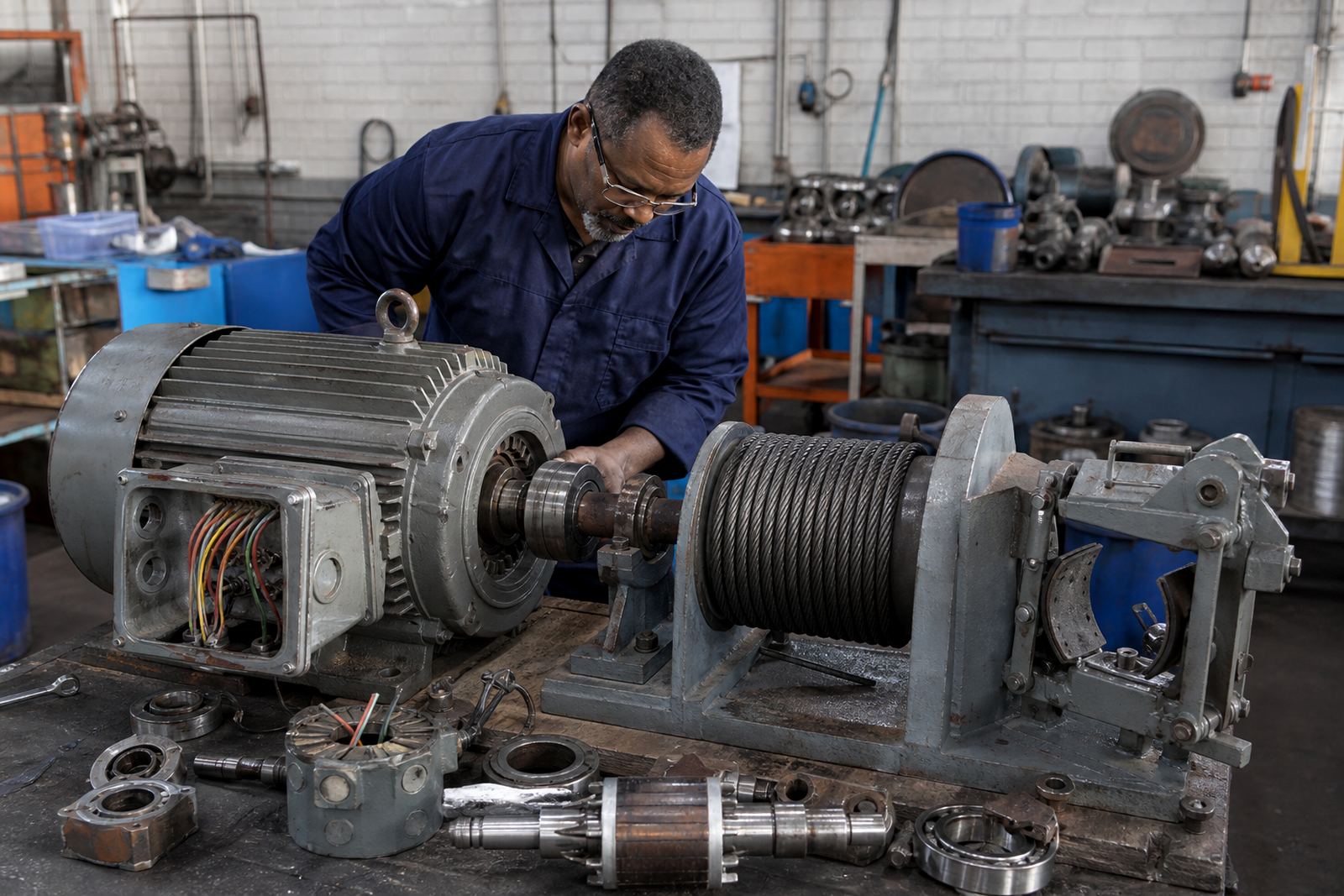
Typical repair work starts with fault finding and a strip down inspection. We look for burnt windings, worn insulation, damaged rotor parts, loose connections, overheated terminals and brake wear. If the motor has been run hard during load-shedding starts or on a site with dust and damp air, we also check for contamination, corrosion and tracking inside the terminal box. Electrical work must always be done by qualified people, with lockout procedures in place before any inspection or testing begins.
What gets checked inside the motor and brake assembly
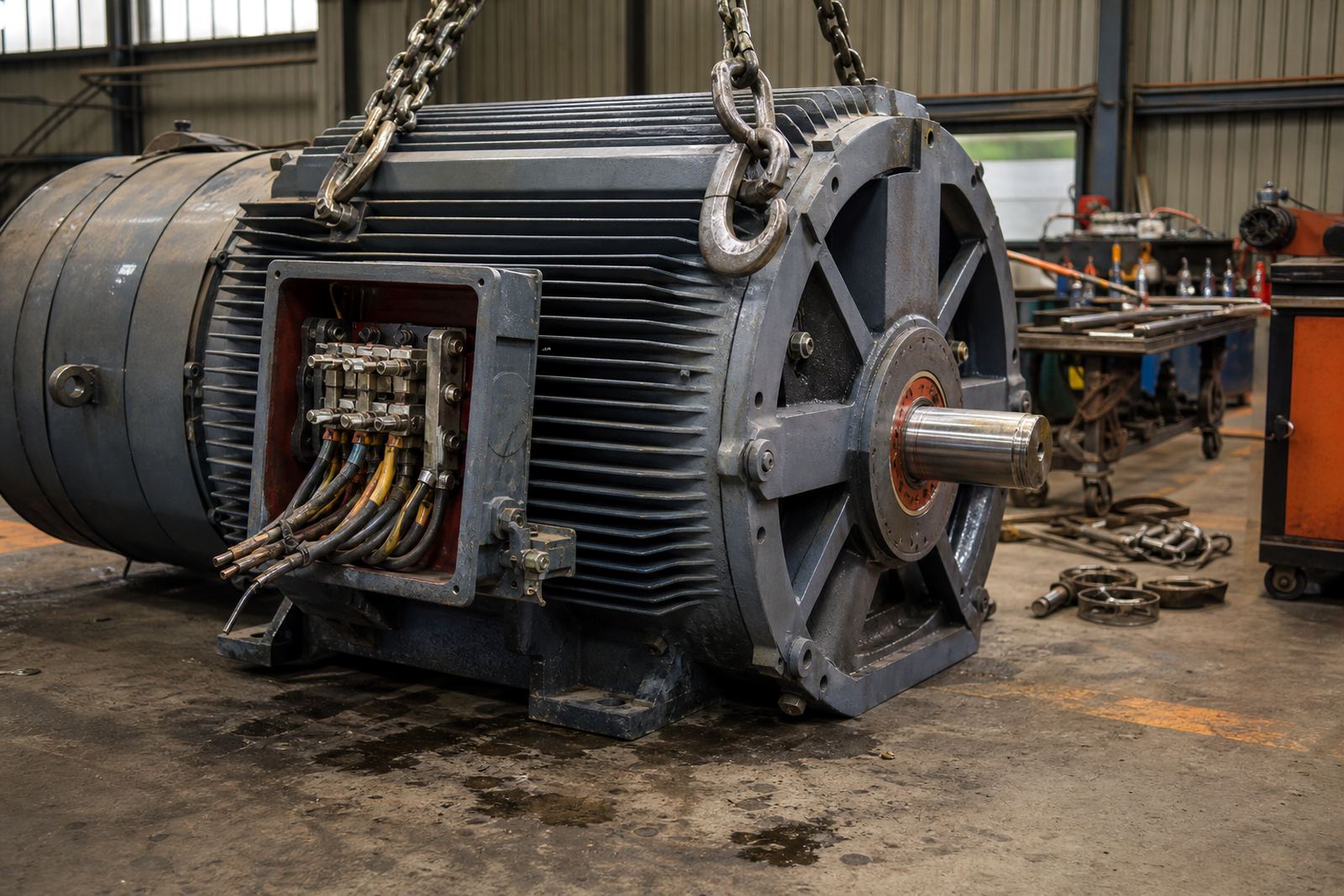
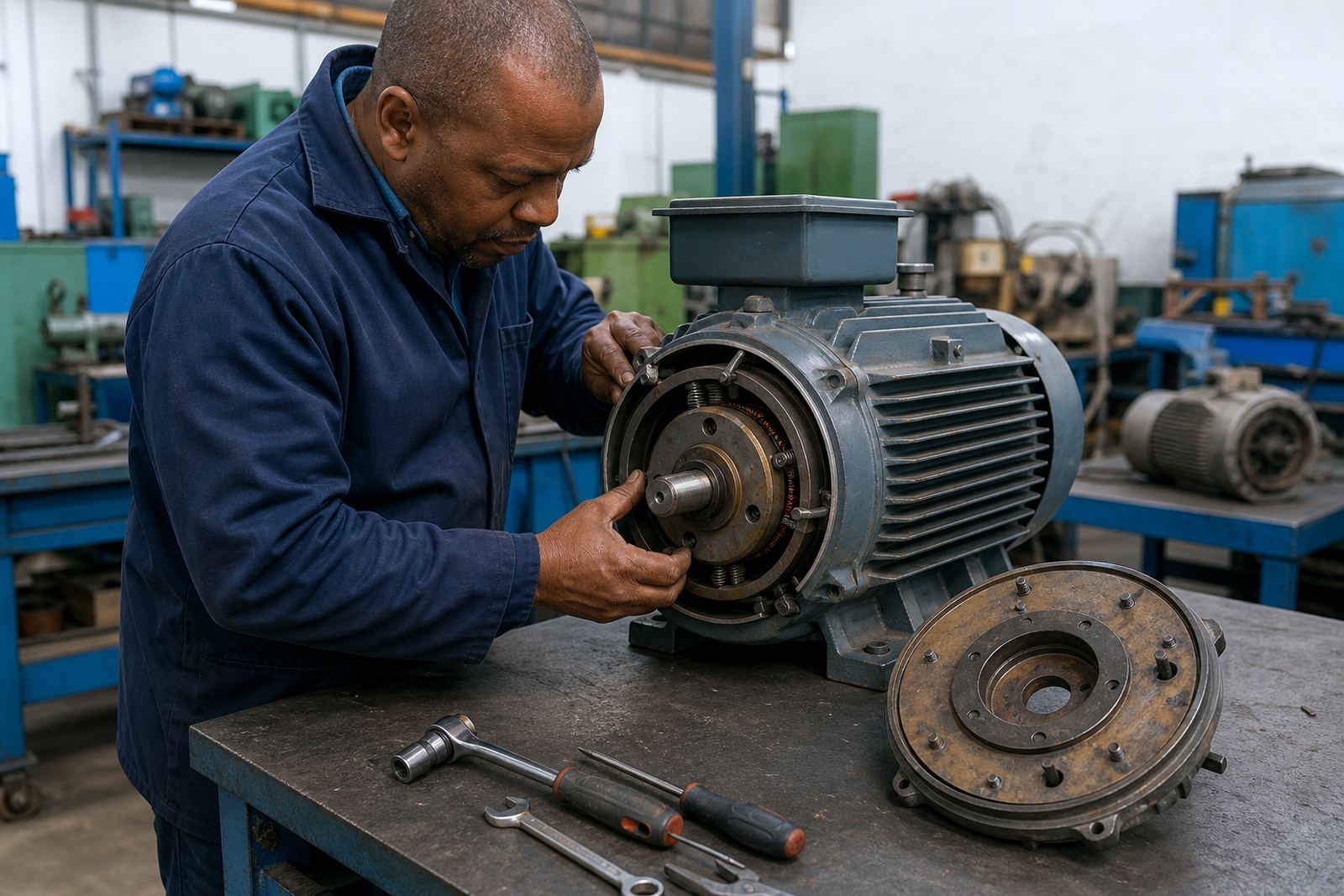
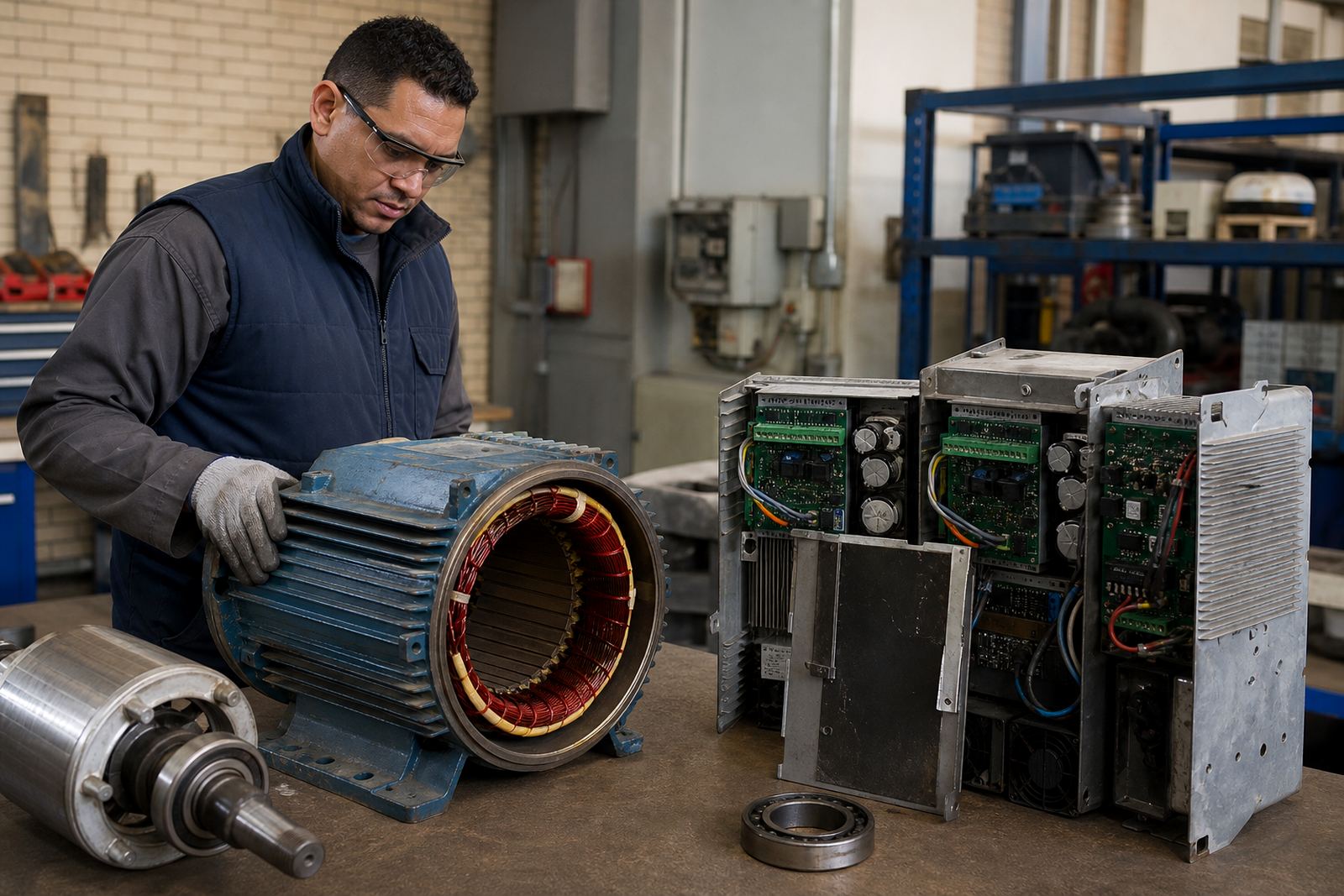
Hoist motors often fail in more than one place, so a proper repair checks the complete assembly instead of only the obvious fault. We inspect the winding condition, test insulation resistance, assess bearing play and check whether the brake is releasing and applying correctly. Where needed, we remove the motor for bench inspection, then carry out cleaning, bearing replacement, cable checks and panel cleaning before reassembly.
- Winding condition and coil insulation
- Bearing wear, noise and end float
- Brake linings, springs and release mechanism
- Terminal box, cable terminations and earth continuity
- Signs of moisture, dust or oil ingress
- Alignment and mounting condition on the driven equipment
On some jobs the problem is not the motor itself but the control gear or drive. A hoist that hesitates, trips under load or runs unevenly may need drive inspection, site reporting and commissioning support after repairs are complete. That helps reduce repeat faults and makes it easier to see whether the issue is coming from the hoist motor, the supply side or the load side.
Sizes, ratings and repair options for different hoist duties
Hoist motors come in a range of frame sizes and power ratings, from compact workshop units to heavier motors used on industrial lifting equipment. We handle single speed and dual speed arrangements, foot mounted and flange mounted motors, and units with separate brake assemblies. Some hoist motors are fitted to older installations where parts are worn or no longer easy to source, so the repair has to be assessed on a case by case basis.
Repair options can include full rewind, partial rewinding where practical, bearing replacement, terminal refurbishment, brake service and reassembly with fresh insulation materials. If the windings are too badly damaged, the motor may need a complete rewind after a detailed fault report. For marine, coastal or humid inland sites, extra care is needed with insulation condition and corrosion protection because moisture can shorten the life of repaired equipment if it is not properly sealed.
Locor supports hoist motor repairs for sites in Germiston, Johannesburg, Ekurhuleni, Pretoria, Vereeniging and Durban, with field service available for removal planning and site checks. We also assist plants in Boksburg and Kempton Park where workshop cranes and maintenance hoists often need quick attention during shutdown windows.
Where hoist motor repairs suit plants, workshops and shutdown work
Hoist motors are used in places where lifting must be controlled and dependable, especially in workshops, warehouses, fabrication sites, maintenance bays and production plants. They are often found on overhead cranes, gantry hoists, jib cranes and fixed lifting equipment. When one fails, it can stop material handling, maintenance access or production flow straight away.
These repairs suit sites that need careful shutdown planning and fast re-entry into service after inspection. We regularly support equipment used in metal fabrication, engineering workshops, vehicle maintenance facilities and process plants. If a hoist motor is fitted in a dusty area, a hot plant room or a coastal warehouse, cleaning and insulation testing become even more important because contamination can affect the brake and winding condition over time.
- Overhead and gantry lifting equipment
- Workshop hoists and maintenance lifts
- Crane trolley motors and lifting drives
- Plants with frequent starts and stops
- Sites affected by dust, heat or coastal humidity
Installation, electrical supply and lockout requirements
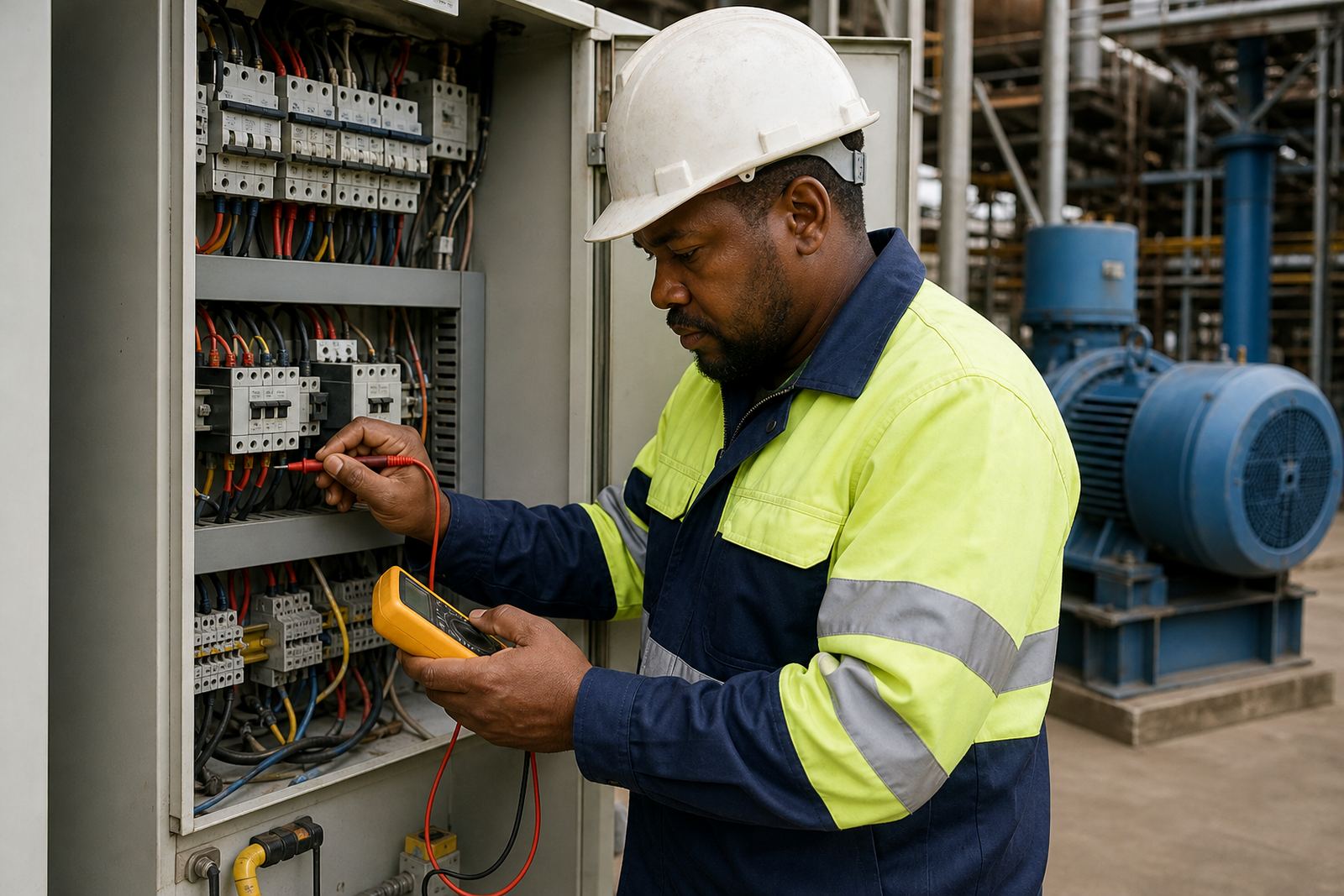
Before any hoist motor is installed or returned to service, the supply and control arrangement must be checked properly. That includes the motor rating, starter or drive setup, protection settings, cable condition and earthing. If the hoist is controlled by a variable speed drive or contactor panel, the settings and wiring must match the motor duty and the lifting application. Incorrect protection or poor cable terminations can lead to nuisance trips, overheating or brake problems.
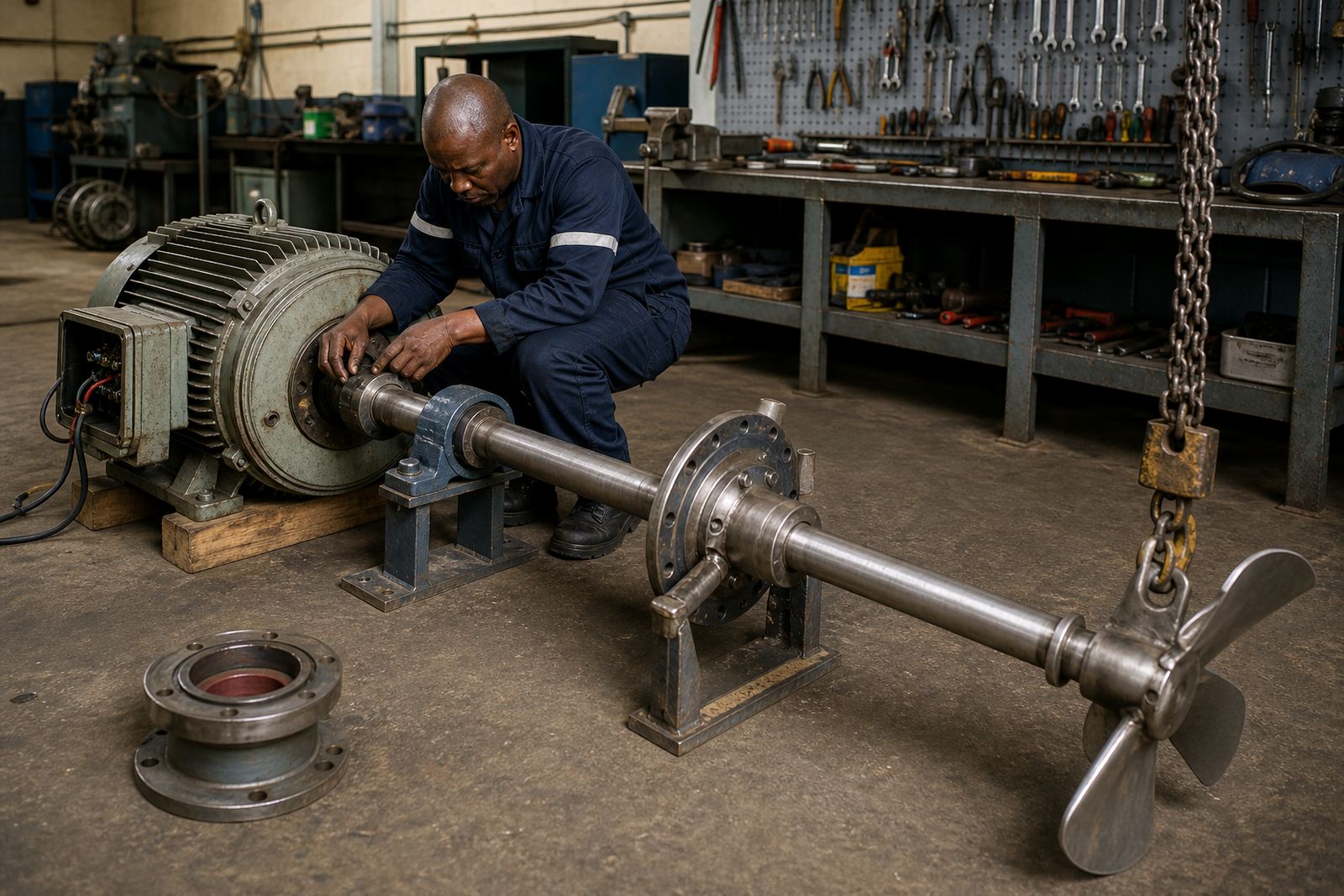
Hoist motor work should only be done by qualified personnel under lockout procedures, with the supply isolated and verified before touching any part of the equipment. On site we can assist with motor removal, site reporting, panel cleaning, cable checks and commissioning support so the reinstalled motor is checked in the same condition it will work in. If the installation is in a municipal area with strict electrical compliance requirements, the paperwork and physical condition of the equipment both need attention before restart.
For sites using three phase power, it is also worth checking phase balance and supply quality. In some plants repeated voltage dips or unstable supply can put extra stress on hoist windings and brakes, especially where the equipment is started and stopped often during a shift.
Servicing habits that help a repaired hoist motor last longer
A repaired hoist motor still needs regular care. Bearings, brake parts and insulation do not last forever, especially on equipment that lifts often or works in harsh conditions. Simple checks between shutdowns can pick up noise, heat, vibration or slower brake release before the fault turns into a full breakdown. In many cases a small issue is easier to manage than waiting for a hoist to fail under load.
Good servicing practice includes keeping the motor clean, checking the terminal box for moisture, inspecting cable entry glands, watching for brake dust build-up and confirming that mounting bolts stay tight. If the hoist motor is exposed to dust or oil mist, cleaning should be done carefully so debris is not pushed into the windings or brake. It is also wise to keep an eye on any signs of misalignment, because a motor that is slightly out of line can run hotter and wear bearings faster.
- Check for unusual noise or vibration during start up
- Inspect the brake for wear and proper release
- Keep ventilation paths and housings clean
- Watch for tripping, slow lifting or uneven running
- Schedule insulation testing during planned shutdowns
What to check when ordering hoist motor repairs
When you enquire about hoist motor repairs, the more detail you can give, the easier it is to assess the job properly. The motor nameplate details, fault symptoms and the lifting equipment it serves all help us decide whether the repair is focused on the winding, brake, bearings or control side. If the motor has already been removed, let us know how it came off and whether there were signs of burning, smoke, water ingress or repeated tripping.
Useful details include the frame size, power rating, supply voltage, mounting type and whether the motor has a separate brake unit. If you can describe the application, such as overhead hoist, gantry crane or workshop lift, that helps us prepare the right checks. If the site is in Germiston, Johannesburg, Pretoria, Vereeniging, Durban, Boksburg or Kempton Park, include any access constraints, shutdown timing or lifting restrictions so the repair can be planned around the plant schedule.
Clients can reach Locor through the enquiry form on our contact page. We will review the fault, discuss the likely repair path and plan the next steps with the equipment conditions in mind. That keeps the process practical and helps get the hoist motor back into service with less delay.
Key facts
| Product type | Hoist motor repair service for lifting and handling equipment |
|---|---|
| Common work | Fault finding, winding repairs, bearing replacement, brake checks, insulation testing |
| Motor types | Single speed and dual speed hoist motors, foot mounted and flange mounted units |
| Typical supply | Three phase industrial supply with suitable protection and earthing |
| Site support | Motor removal, drive inspection, panel cleaning, cable checks, commissioning support |
| Service area | Germiston, Johannesburg, Ekurhuleni, Pretoria, Vereeniging, Durban and surrounding industrial areas |