

How Brake Motors Work on Plant and Workshop Equipment
A brake motor combines an electric motor with a braking arrangement that helps hold a load still or stop it in a controlled way. These units are used on conveyors, hoists, lifts, gates, roller systems and other equipment where motion must start and stop cleanly. When the brake is worn, contaminated or out of adjustment, the machine can creep, take too long to stop or struggle under load.
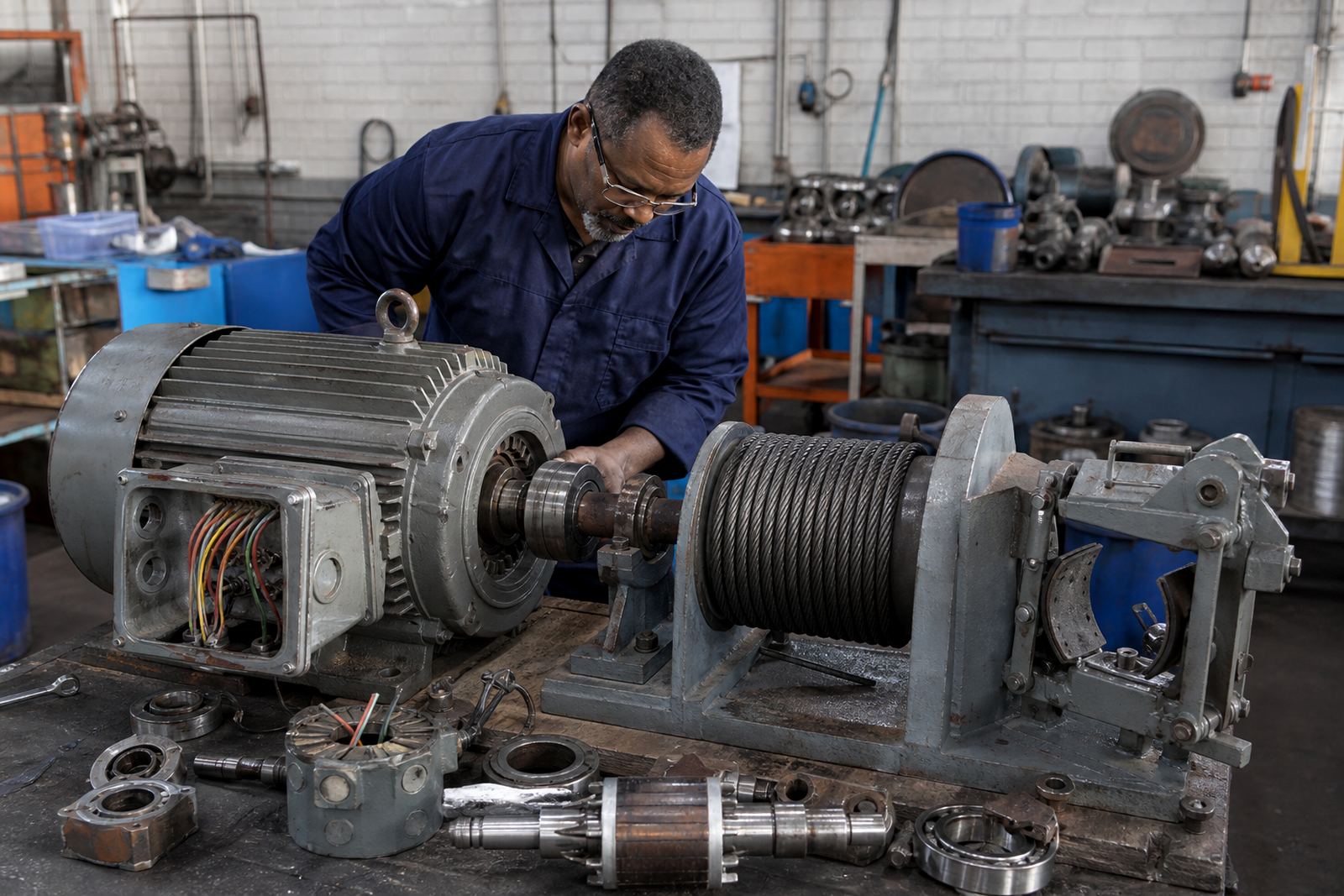
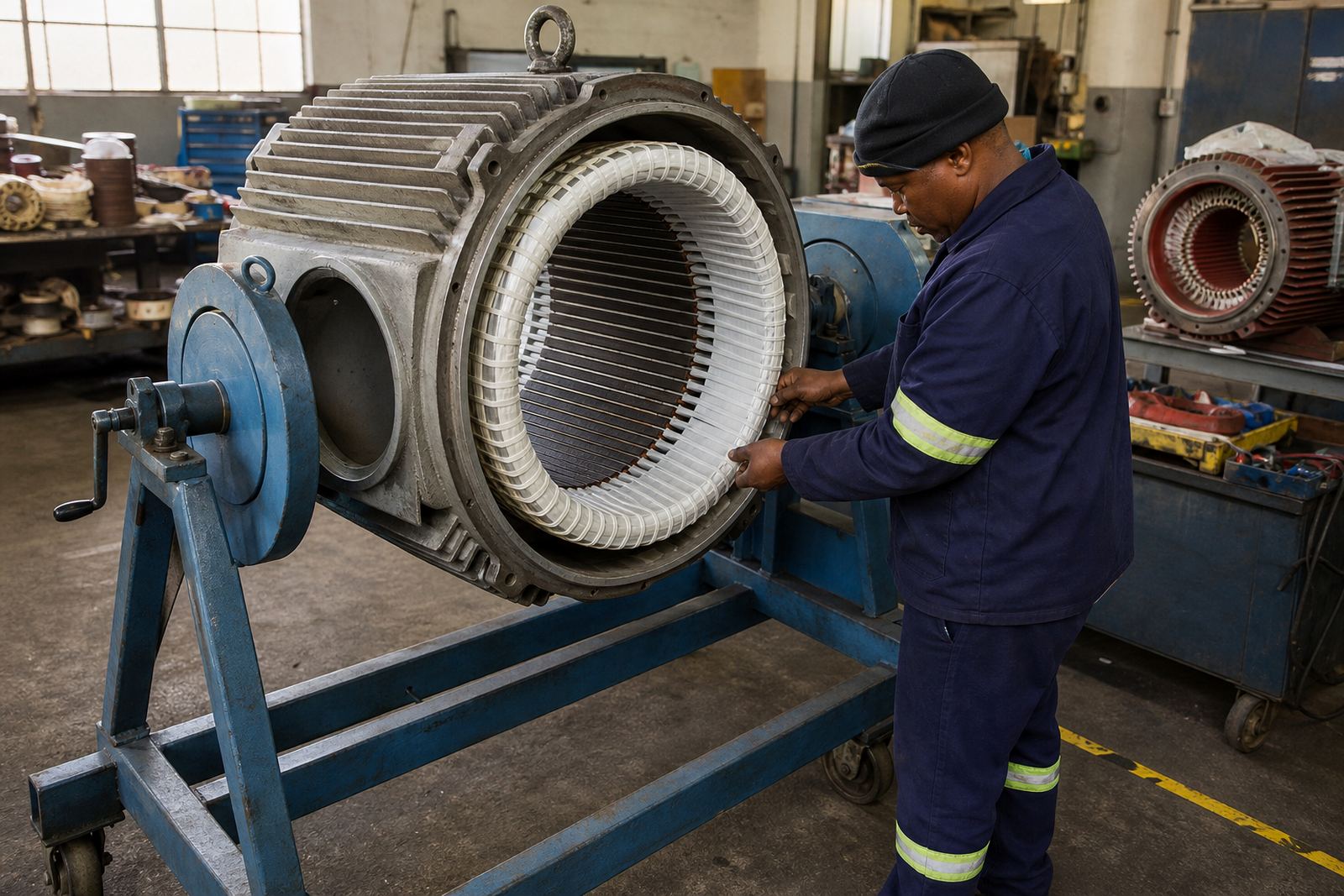
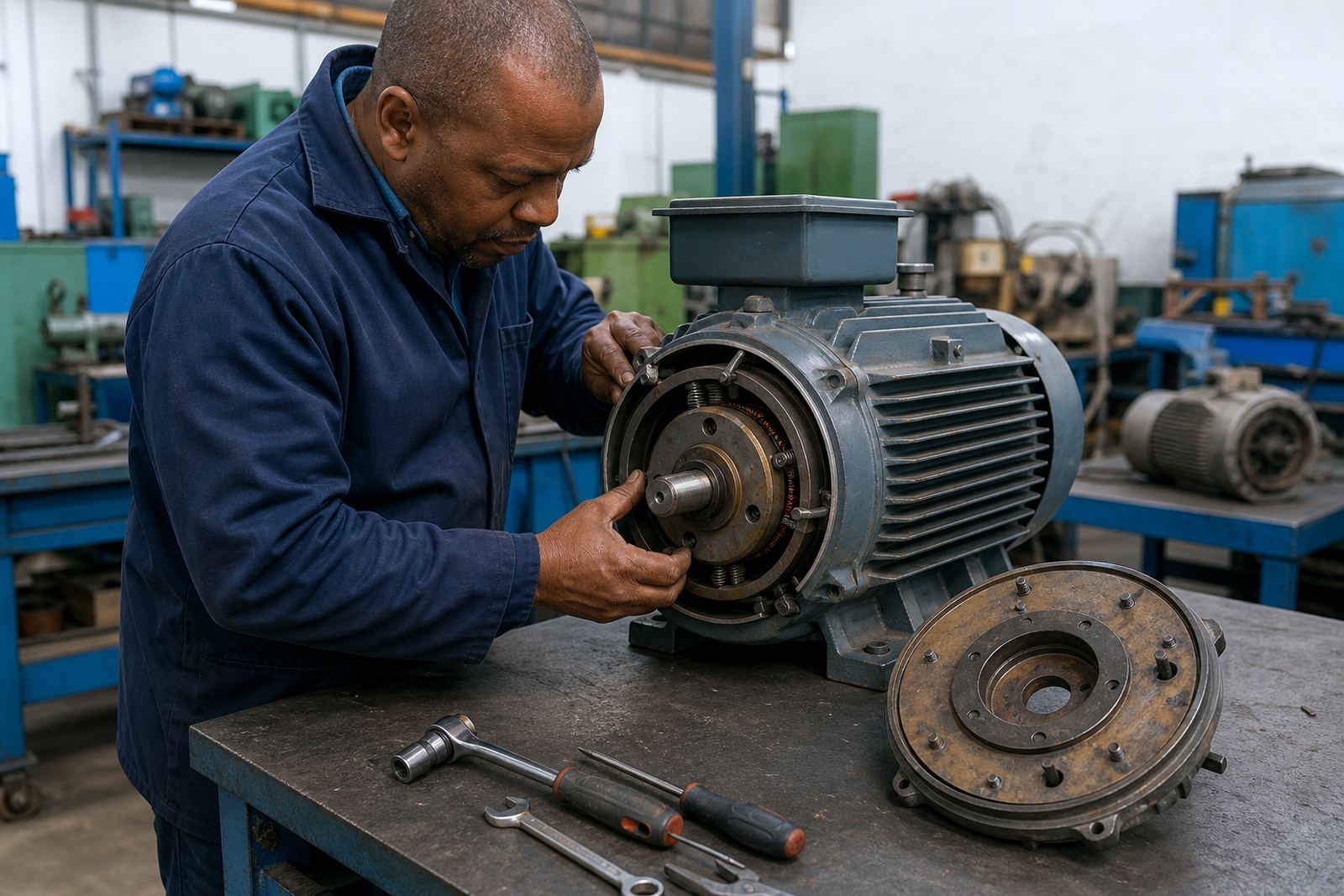
Repair work starts with fault finding on both the motor and brake side. That usually includes checking the winding condition, rotor and stator condition, brake linings or pads, air gap, release mechanism, wiring terminations and the general state of the shaft and bearings. Electrical work must only be done by qualified people, with lockout procedures in place before any inspection or strip down begins.
For sites in Johannesburg, Ekurhuleni, Pretoria, Vereeniging and Durban, brake motors often work in dusty, hot or coastal conditions. That means corrosion, moisture ingress and vibration are common causes of early wear, so a proper inspection is worth doing before a small fault becomes a stoppage.
Repair Options for Different Brake Motor Sizes and Duties
Brake motors are supplied in a range of frame sizes, power ratings and mounting styles, so repair work has to match the exact unit in service. Locor handles common industrial sizes used on light workshop equipment through to heavier plant applications. The motor may be foot mounted, flange mounted or fitted to a geared assembly, and the brake can be spring applied with electrical release or another standard arrangement depending on the machine design.
Typical repair options include rewinding the motor, replacing worn bearings, cleaning the brake assembly, replacing damaged terminals, checking the fan and fan cover, and correcting alignment issues that put extra strain on the shaft. If the brake lining or friction surface is glazed, oily or uneven, the holding performance drops and the unit may need a rebuild rather than a quick adjustment.
- Single phase and three phase brake motors
- Small, medium and heavy duty industrial sizes
- Foot mount, flange mount and gearbox coupled units
- Motors used for lifting, stopping and positioning duties
- Units operating on frequent start stop cycles
Because each site has its own duty cycle and load profile, the right repair depends on how the motor is actually used not just on the nameplate details.
Where Brake Motor Repairs Suit Best
Brake motor repairs suit any operation that relies on controlled movement. Common applications include conveyor systems, bagging lines, packing stations, cranes, hoists, processing equipment, gate drives and material handling systems. In these settings, the brake protects both the machine and the people working near it by keeping the load where it should be during stops and pauses.
This service also suits sites that operate through load-shedding, because repeated power interruptions can affect brake release timing and reveal weak windings or tired mechanical parts. In busy plants, a brake motor that is slow to release or noisy on start-up can disrupt the line and put extra strain on reducers, couplings and control gear.
- Positioning systems where accurate stopping matters
- Lifting equipment where load holding is critical
- Conveying lines with frequent start and stop duty
- Workshop machines exposed to dust, oil mist or vibration
- Outdoor or coastal installations affected by moisture
For sites with municipal or site safety rules, repair planning should also include access control, isolation points and lifting arrangements so the unit can be removed and returned without unnecessary risk.
Installation, Isolation and Power Requirements
Installing a brake motor properly is as important as repairing it. The mounting face must be true, the shaft alignment must be correct and the coupling or pulley should not place side load on the bearings. If the brake gap is wrong, the motor may overheat or fail to release fully, while a poor electrical connection can lead to voltage drop and inconsistent braking.
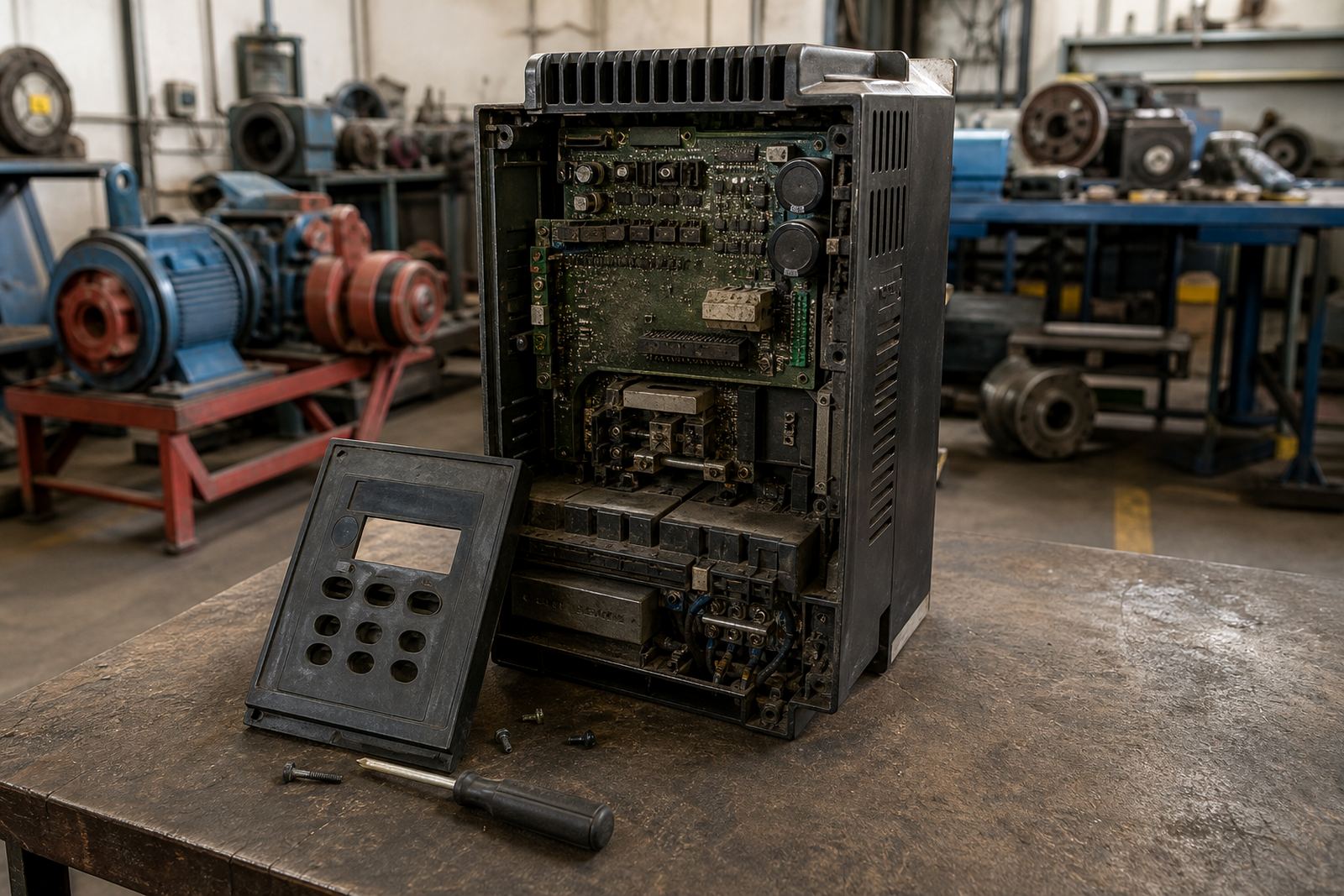
Before installation or removal, the supply must be isolated, locked off and tested dead by qualified personnel. That applies to the motor circuit, brake release circuit and any control panel wiring tied into the unit. If the system includes a variable speed drive or soft starter, the control signals should also be checked because a fault there can look like a mechanical brake problem.
Brake motors do not need gas supply, but they do depend on the correct electrical supply, proper earthing and clean terminations. For three phase units, phase balance and correct protection settings matter. On long cable runs, cable condition and panel cleanliness should be checked too, especially where dust and heat build up inside enclosures.
Care and Servicing That Keeps the Brake Working
Regular servicing helps brake motors stay reliable. The brake should be checked for wear, contamination and release consistency, while the motor should be monitored for bearing noise, vibration, temperature rise and insulation condition. If a unit starts humming, running hot or stopping unevenly, it is worth inspecting before the brake surface or winding damage spreads.
Routine care can include cleaning the housing, checking terminal tightness, measuring insulation resistance, inspecting bearings, confirming the air gap, checking for oil or grease contamination and verifying that the fan path is clear. On dusty sites, panel cleaning and cable checks are also useful because heat and dirt often travel together.
- Watch for creep when the machine is meant to hold position
- Listen for grinding, chatter or repeated brake noise
- Check for burnt smell, heat discolouration or tripped protection
- Inspect seals and covers after washdowns or wet weather
- Book checks after severe vibration, overload or power interruptions
For Durban and other coastal areas, humidity can affect contacts, insulation and brake surfaces, so periodic inspection is especially worthwhile.
What to Check When Ordering Brake Motor Repairs
When you send a brake motor in for repair or request site support, it helps to share the full nameplate details and the operating conditions. That includes frame size, kilowatt rating, voltage, speed, mounting type, brake type if known, coupling details and the machine the motor drives. Photos of the terminal box, brake assembly and shaft ends can save time during assessment.
It is also useful to mention whether the fault showed up during starting, stopping, holding or after a power cut. If the motor was removed from a conveyor, hoist or another duty where the load matters, that information helps the team check the brake and windings against the actual application. Any prior overheating, bearing noise, smell, moisture ingress or repeated tripping should be noted too.
For repair planning, Locor can support fault finding, motor removal, drive inspection, bearing checks, insulation testing, alignment checks, commissioning support, shutdown planning, spares assessment, panel cleaning, cable checks and site reporting. Clients in Germiston, Johannesburg, Ekurhuleni, Pretoria, Vereeniging, Durban, Boksburg and Kempton Park can reach the team through the enquiry form on the contact page.
Key facts
| Service type | Brake motor repair, rewinding and testing |
|---|---|
| Motor types | Single phase and three phase industrial brake motors |
| Typical duties | Positioning, lifting, conveying and stop start applications |
| Common work | Fault finding, bearing replacement, insulation testing, brake checks |
| Mounting styles | Foot mount, flange mount and coupled units |
| Service area | Germiston, Gauteng and major South African industrial centres |