

Pump motor repairs for continuous plant duty
Pump motors work hard in water treatment, chemical dosing, cooling systems and general utility services. When a motor starts tripping, running hot or making a bearing noise, the problem can spread fast to the pump, coupling and control gear. Locor repairs these motors for industrial sites in Germiston, Johannesburg, Ekurhuleni, Pretoria, Vereeniging and Durban, with field support for shutdowns and planned maintenance.
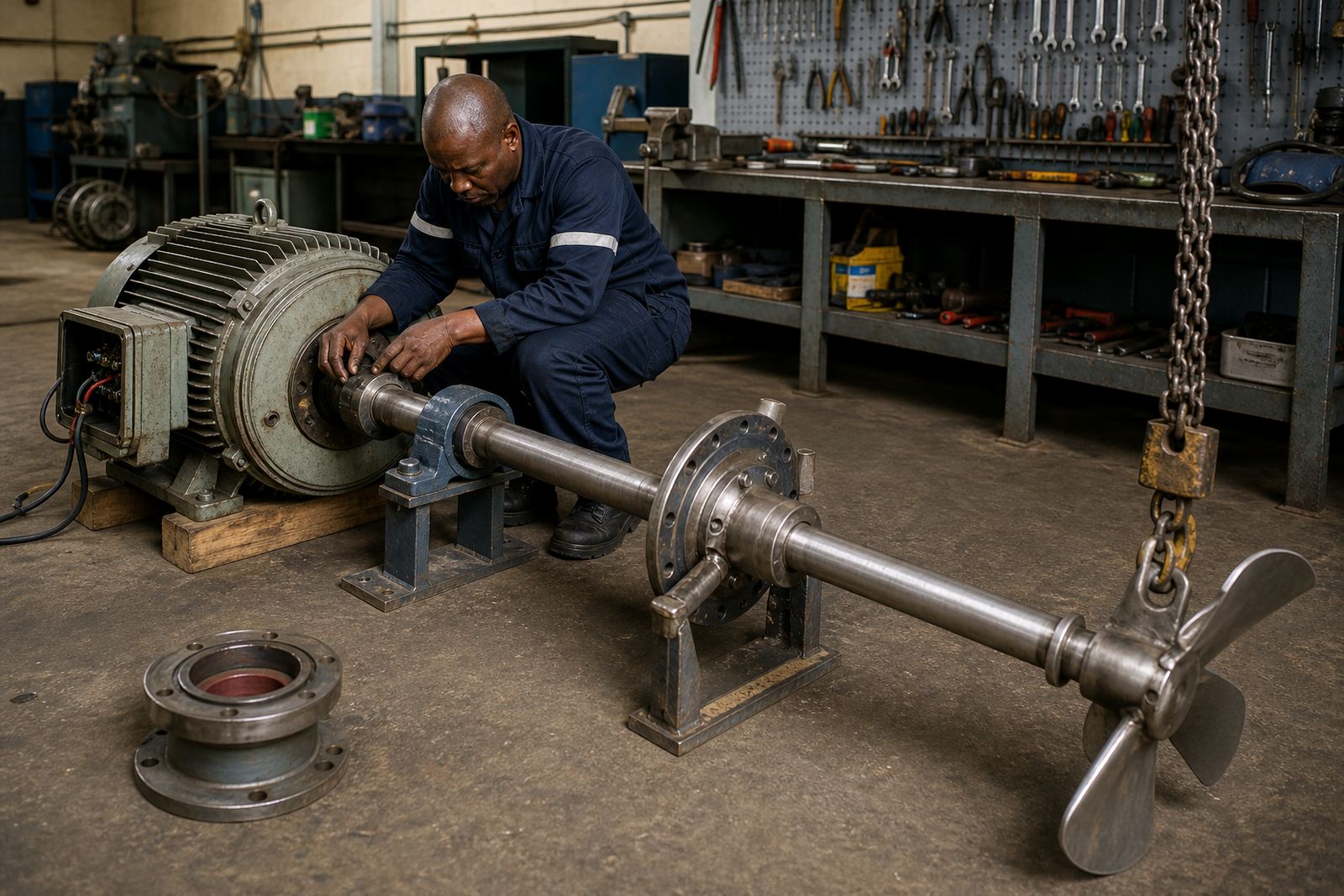
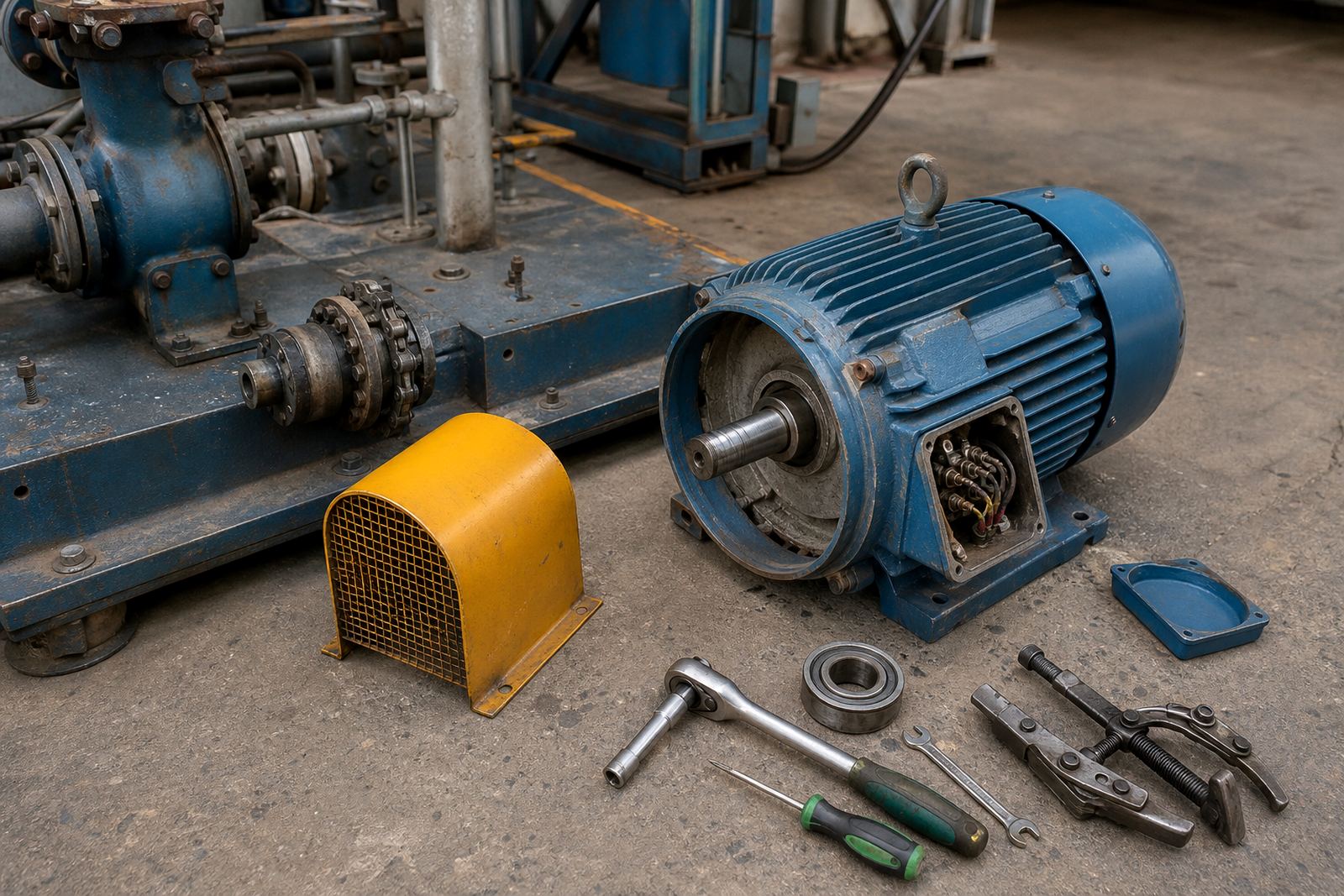
The service covers common repair work on motors used with end suction pumps, multistage pumps, booster sets and process pumps. That includes fault finding, motor removal, strip and inspect work, bearing checks, insulation testing, rewind work where needed, alignment checks and commissioning support after reinstallation. Electrical work must always be done by qualified people, with lockout procedures and safe isolation before any testing or dismantling starts.
- Water and utility pump motors
- Chemical duty motors in plant rooms
- Motors affected by moisture, dust or vibration
- Motors that trip after load-shedding or power dips
What is included in a pump motor repair
A proper repair starts with checking the failure mode, not just changing the obvious part. A burnt winding can come from overload, blocked impellers, dry running, poor ventilation or a voltage issue from the supply side. Damaged bearings can be caused by misalignment, belt tension, coupling problems or contamination from water and fine grit. Locor looks at the whole unit so the same fault does not return two weeks later.
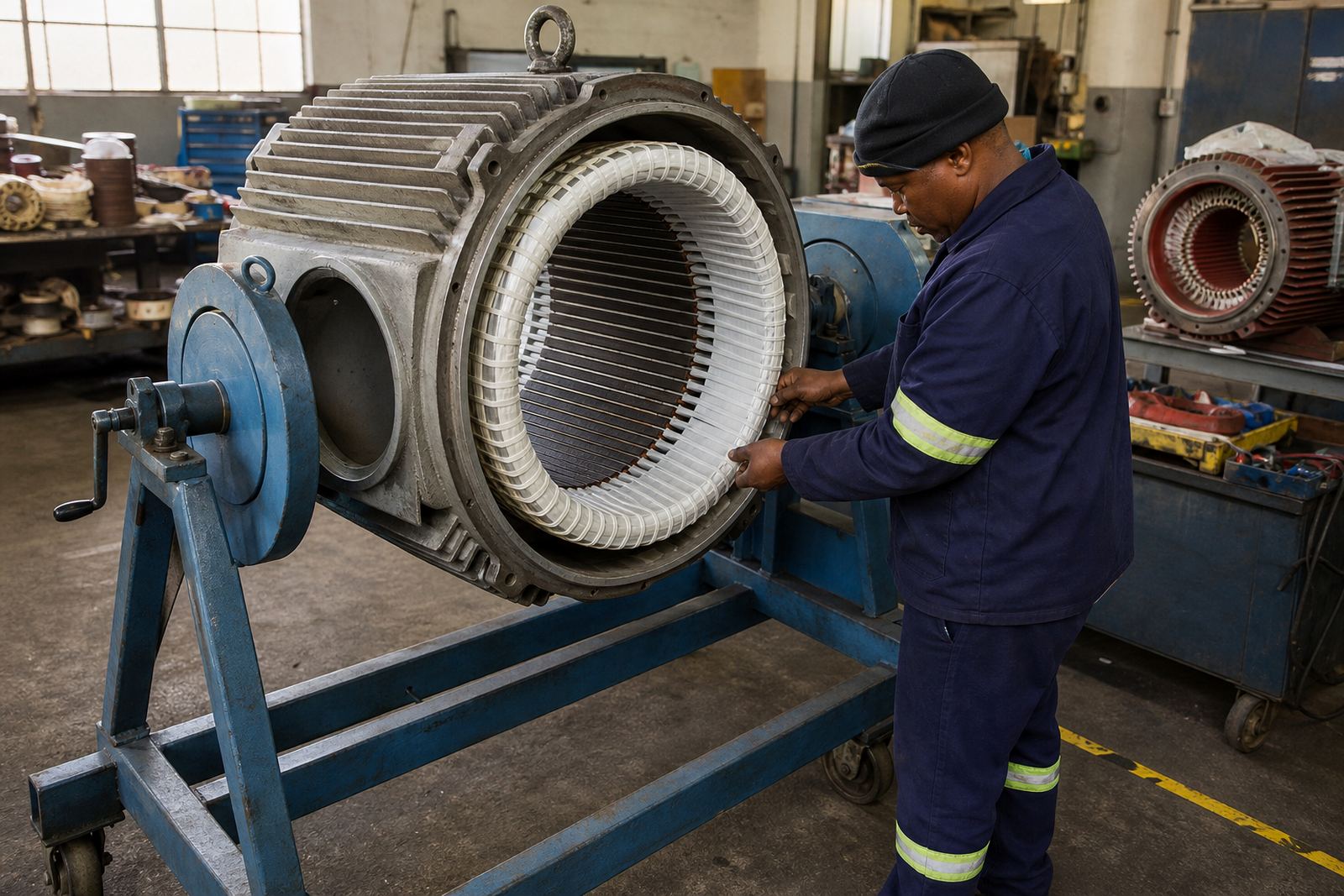
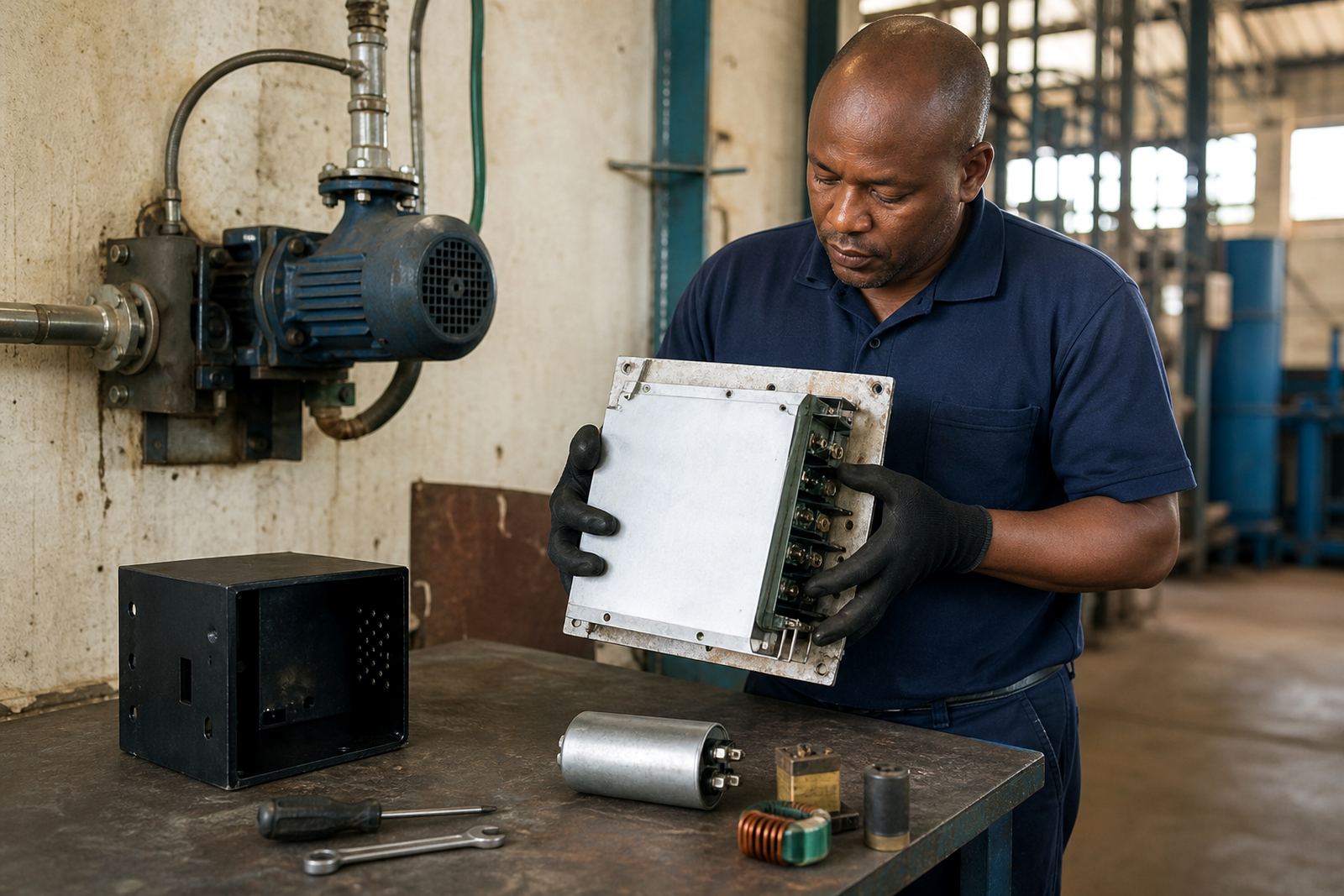
Repair work may include stripping the motor, cleaning the stator and rotor, fitting new bearings, replacing seals where applicable, correcting cable terminations, carrying out insulation tests and doing a controlled run test after assembly. If the winding is damaged, the motor can be rewound to suit its original duty and voltage rating, subject to the condition of the frame and core. Where a variable speed drive is involved, the drive can also be inspected for faults linked to overcurrent, overheating or communication problems.
- Fault finding on the motor and connected drive
- Bearing replacement and endshield inspection
- Insulation resistance testing and related checks
- Rewinding when the original winding cannot be recovered
Sizes, frames and duty options we work on
Pump motor repairs are not one-size-fits-all. Small motors on booster pumps need different handling to larger plant motors on high duty process lines. Locor works on a range of sizes and frame types commonly found on industrial sites, from compact single phase units to larger three phase motors used on pumps with continuous or intermittent duty cycles. The right repair method depends on the motor frame, pole count, mounting style, cooling method and the condition of the shaft and housing.
On coastal sites and in damp plant rooms, corrosion and moisture ingress can shorten winding life and attack bearings. In dusty workshops or foundries, fine particles can block cooling paths and contaminate grease. The team checks for these issues before the repair is signed off. If the motor is part of a package set, the mating pump, baseplate and coupling should also be checked for alignment and wear.
- Single phase and three phase pump motors
- Foot mounted and flange mounted units
- Motors for clean water, chemical and utility services
- Units used on constant duty or frequent start stop service
Installation, power supply and site needs
Most pump motor failures are made worse by poor installation or unstable power. A repaired motor needs correct mounting, sound alignment, correct cable sizing and proper protection from overload and short circuit conditions. If the motor runs through a variable speed drive, the drive settings must match the motor nameplate data and the actual load on the pump. Poor settings can cause nuisance trips, extra heat and shortened bearing life.
Sites should make sure the local isolator is accessible, the control panel is clean and cables are not loose or rubbing on sharp edges. In areas with load shedding or weak supply quality, it is worth checking for repeated start stress, voltage drop and phase imbalance. Where needed, Locor can assist with drive inspection, cable checks, panel cleaning and site reporting so the repaired equipment returns to service under proper conditions.
- Correct isolators and lockout points
- Safe access for removal and refitting
- Sound cable terminations and earthing
- Proper alignment after installation
Care and servicing to extend motor life
Pump motors usually last longer when they are inspected before a small fault turns into a winding failure. Regular checks help pick up bearing noise, excess vibration, hot running, moisture ingress and insulation decline. On busy industrial sites, a short shutdown inspection can save a much bigger outage later. This is especially important where pumps run around the clock and are exposed to chemical vapours, washdown water or outdoor weather.
Simple care includes keeping cooling passages clear, checking grease condition where applicable, confirming coupling alignment after any pump work and testing insulation after any water exposure. After a power event or long idle period, the motor should be checked before full load is restored. A burnt smell, repeated tripping or uneven current draw should never be ignored, it usually points to a deeper fault.
- Schedule bearing checks during planned shutdowns
- Keep the motor clean and dry
- Test insulation after flooding or washdown
- Check vibration after any pump or baseplate work
What to send with your repair enquiry
When ordering a pump motor repair, the more detail you can give the easier it is to assess the job correctly. Send the motor nameplate details, fault symptoms, duty type, supply voltage and whether the unit is direct on line or run through a drive. If the motor has already been removed, include photos of the terminals, shaft ends, fan cover and mounting feet. That helps identify damage from water ingress, bearing failure or electrical overload.
It also helps to note where the motor is used, for example borehole pumping, chemical transfer, cooling water, sewerage duty or municipal utility service. If the motor failed after a storm, after load shedding, or after a pump blockage, mention that too. Locor receives enquiries through the contact page form and uses those details to plan the inspection, parts assessment and any shutdown work that may be needed.
- Motor size, frame and voltage
- Application and duty cycle
- Fault symptoms and when they started
- Whether a variable speed drive is involved
Key facts
| Service type | Pump motor repairs, rewinding and related electrical fault finding |
|---|---|
| Motor supply | Single phase and three phase units, subject to nameplate rating |
| Typical duties | Water, chemical, cooling and general utility pumping |
| Repair scope | Bearings, insulation testing, winding work, cable checks and alignment |
| Site support | Removal, inspection, commissioning support and shutdown planning |
| Coverage | Germiston, Johannesburg, Ekurhuleni, Pretoria, Vereeniging, Durban and surrounding areas |