

What Mill Motor Repairs Cover
Mill motor repairs deal with the electrical and mechanical work needed to return a motor to service after overheating, winding damage, bearing failure, moisture ingress or repeated trips. In heavy processing plants, these motors often run under load for long shifts, so small faults can turn into wider damage if they are ignored.
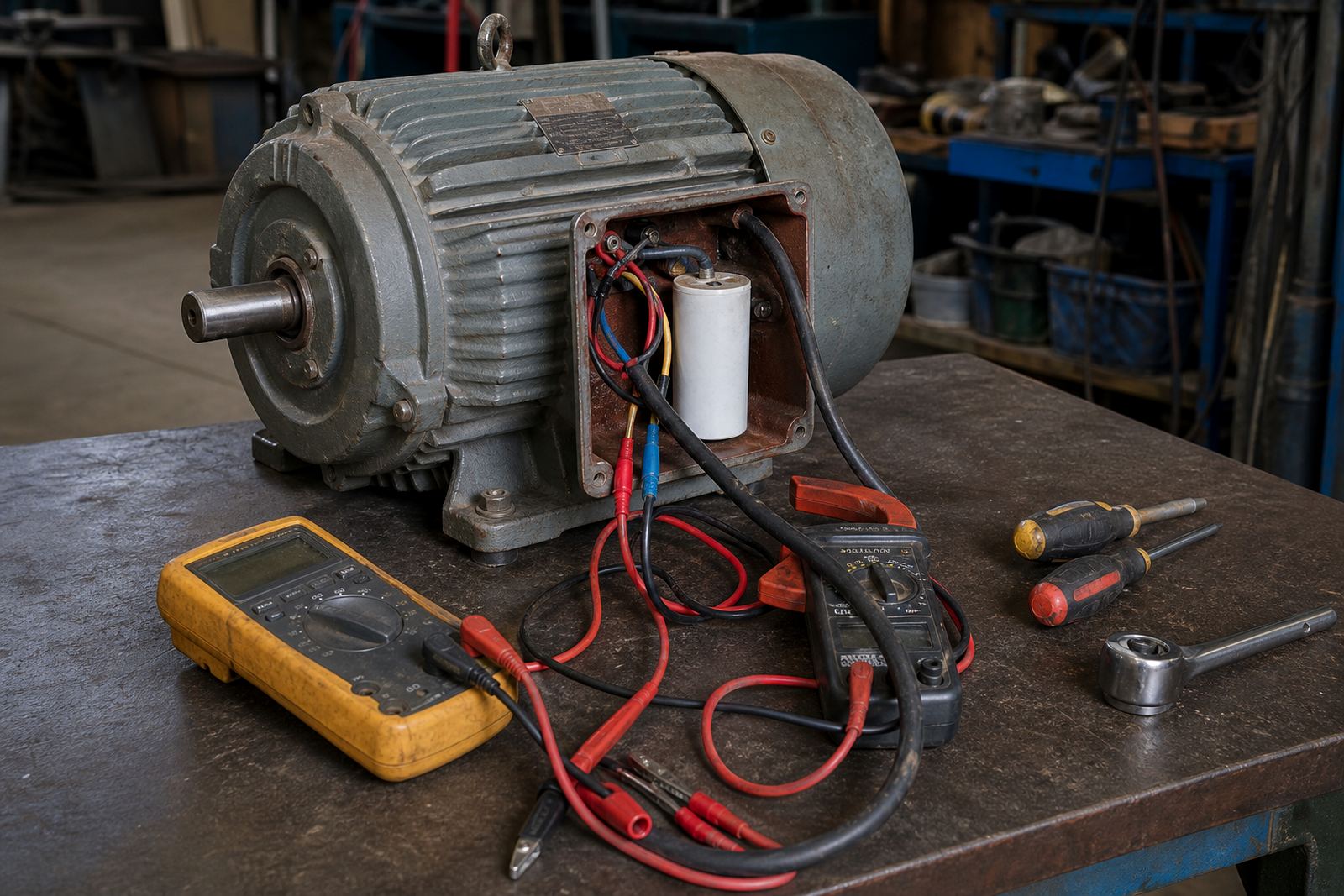
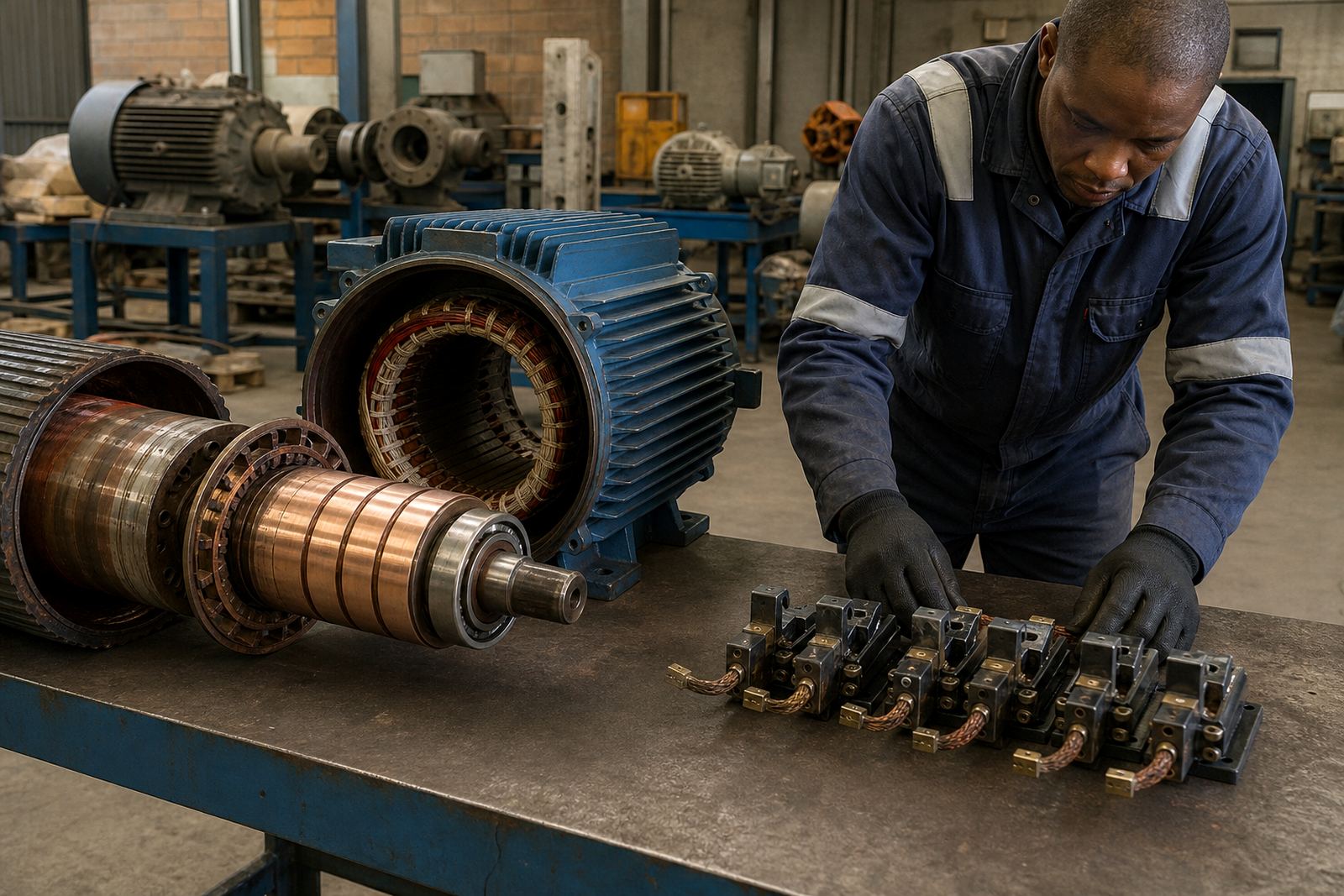
Typical work includes fault finding, motor removal, cleaning, strip down, rewind work, bearing checks, insulation testing and final commissioning support. Electrical work must always be done by qualified people, with proper lockout procedures in place before any covers are opened or cables are touched.
- Motor fault diagnosis and condition checks
- Stator rewind work for damaged windings
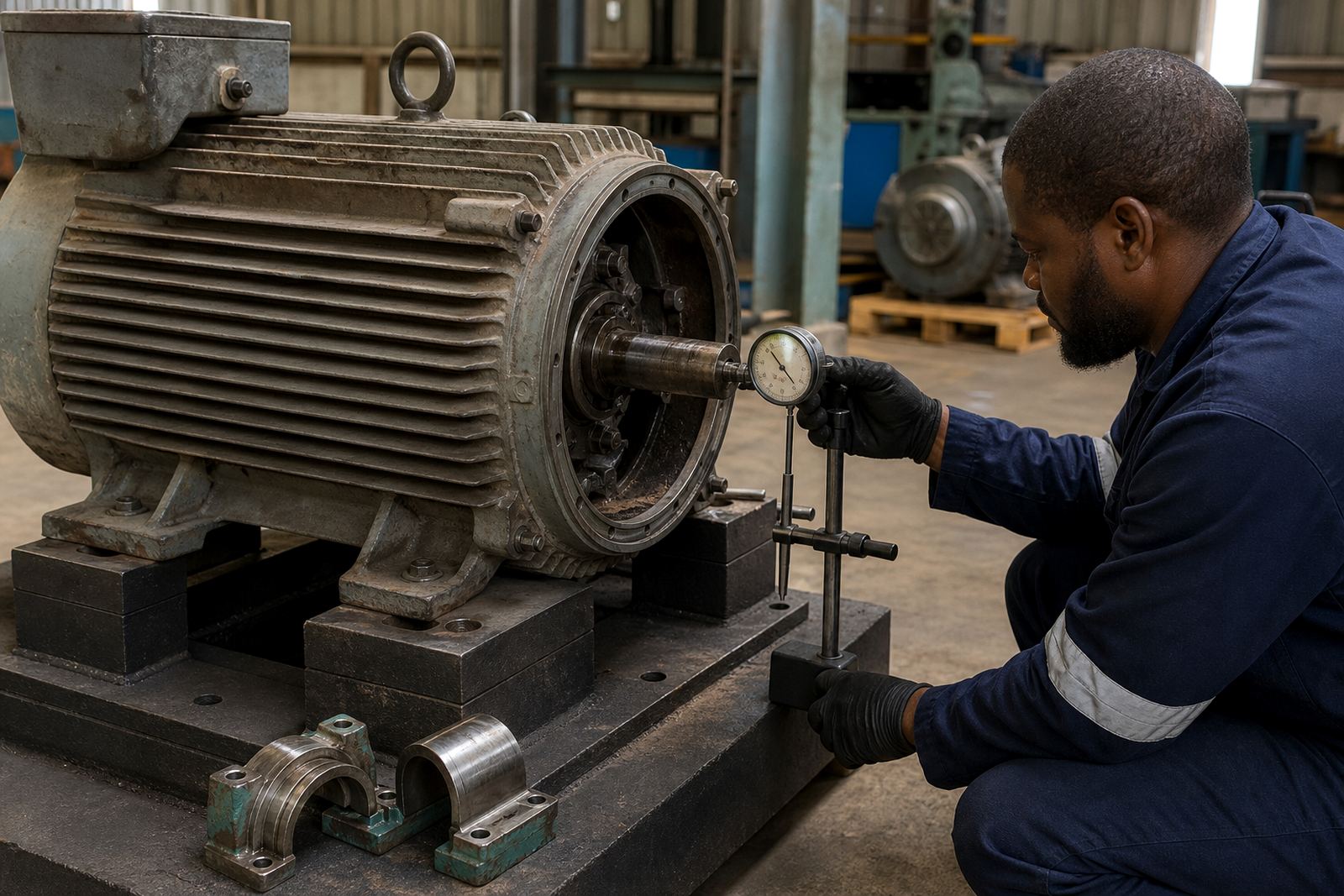
- Bearing replacement and fitment checks
- Insulation resistance and continuity testing
- Site reporting for planned shutdowns
Typical Sizes, Ratings and Build Options
Mill motors vary widely, from compact units on smaller feed systems to large-frame motors used on crushers, mills and conveyors. Repairs are matched to the motor’s frame size, mounting arrangement, shaft dimensions, cooling method and duty cycle, because a one-size approach does not suit this type of equipment.
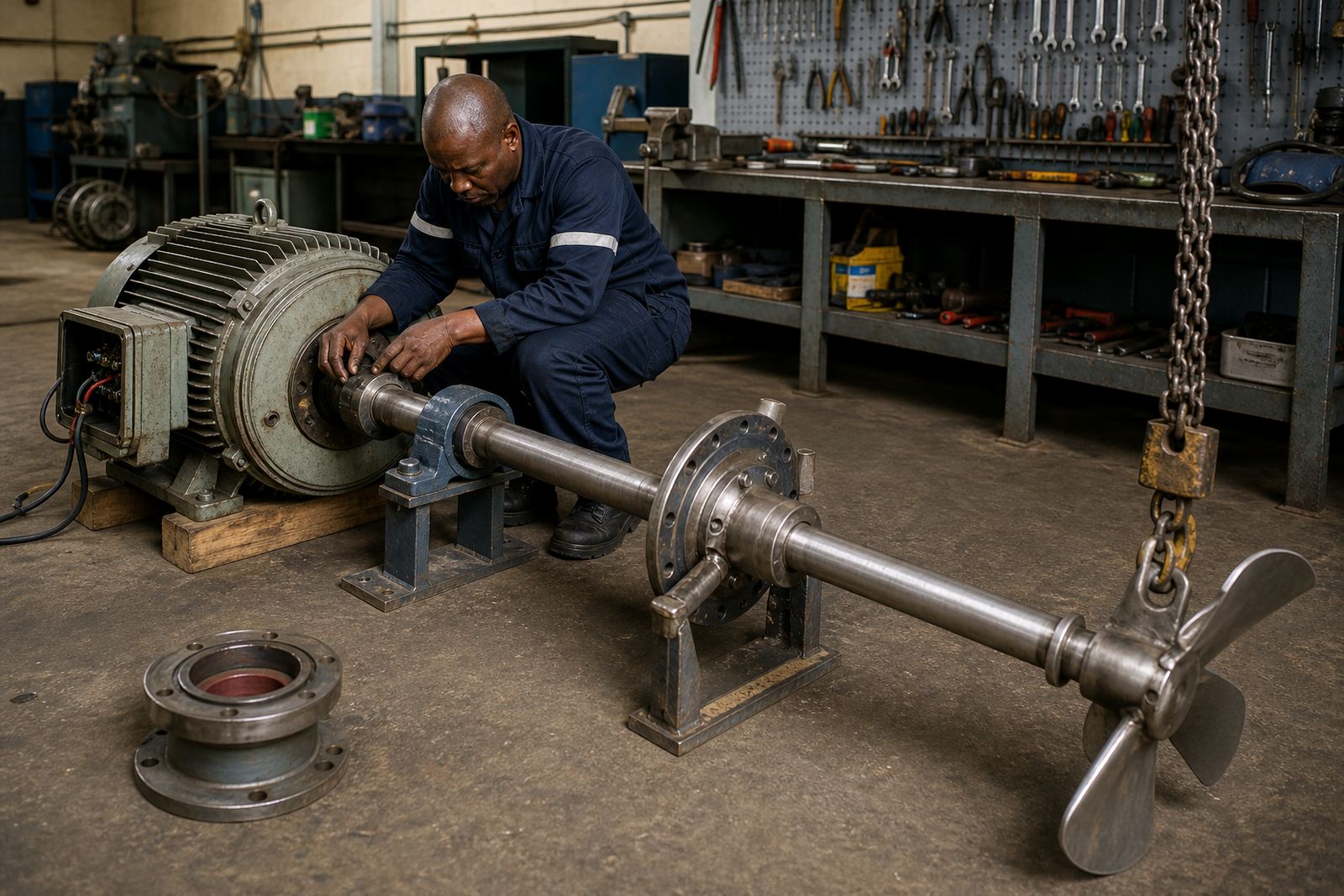
Common options include foot mounted and flange mounted units, different shaft heights, single-speed or multi-speed designs, and motors set up for direct coupling or belt drive. On some sites, the motor may also be fitted with thermal protection, special enclosure features or service connections for frequent starts and stops.
- Frame sizes from smaller workshop units to large industrial motors
- Low-voltage and medium-power industrial applications
- Direct drive, coupled drive or belt driven arrangements
- Indoor plant rooms, dusty transfer points and humid coastal sites
Where Mill Motors Suit Best
These repairs suit plants that handle bulk material, ore, grain, aggregates, minerals and other processed product. Mill motors are used where steady torque and dependable starting matter, especially on equipment that works with high inertia or repeated load changes.
Sites in Johannesburg, Germiston, Ekurhuleni, Pretoria, Vereeniging and Durban often call for this kind of service when production cannot wait for a full replacement. We also support workshops and maintenance teams that need inspection, repair and re-installation planning for scheduled shutdowns or emergency breakdowns.
- Heavy processing plants
- Size reduction and grinding lines
- Material handling and feed systems
- Production facilities with planned shutdown windows
Installation, Power Supply and Site Readiness
Before a repaired mill motor goes back into service, the installation point should be checked for alignment, base condition, cable integrity, starter condition and the state of the protection settings. Power supply quality matters too, because voltage imbalance, loose terminations and nuisance trips can damage a repaired motor if they are not corrected.
Where variable speed drives are part of the system, drive inspection and basic panel checks help confirm that the control side is healthy. In sites affected by load-shedding or unstable supply, shutdown planning and commissioning support are useful so that restart happens in a controlled way, with the right checks done first.
- Check motor alignment before coupling up
- Confirm cable size and termination condition
- Inspect starters, drives and control panels
- Verify protection settings before commissioning
Care, Servicing and Failure Prevention
Mill motors last longer when dust, fines and heat are managed properly. Routine care should include panel cleaning, cable checks, bearing checks, thermal inspections and regular review of vibration or unusual noise. Coastal humidity in places like Durban can also affect insulation and terminals, while inland dust can work its way into cooling paths and bearing housings.
Good maintenance is not only about repair after a fault, it is also about catching early warning signs. If a motor runs hot, smells burnt, trips unexpectedly or starts drawing uneven current, it should be checked before the damage spreads. That is especially important on critical production lines where one failed unit can stop an entire section.
- Keep cooling paths clear and free of dust
- Watch for heat, vibration and unusual noise
- Inspect bearings during planned shutdowns
- Test insulation after moisture exposure or long storage
What To Check When Ordering a Repair
When sending a mill motor for repair, the more detail you can provide the easier it is to assess the unit properly. The motor nameplate, fault history, application type, mounting style and any drive or starter details all help with a correct repair plan. If the motor failed after a trip, overload or water exposure, say so upfront.
Also note the shaft condition, coupling type, terminal box layout and whether the unit must match existing plant dimensions. If you need the motor returned to a working site in Boksburg, Kempton Park or further afield, arrange transport and collection details early so the repair process is not delayed.
- Motor frame size, voltage and speed
- Application and duty cycle
- Mounting type and shaft details
- Fault symptoms and any recent changes on site
- Drive, starter or panel information where relevant
How Locor Supports Mill Motor Work
Locor carries out mill motor repairs from Germiston for plants and workshops across South Africa. The team handles fault finding, motor removal, drive inspection, insulation testing, alignment checks, commissioning support, shutdown planning, spares assessment, panel cleaning, cable checks and site reporting, with practical support from first inspection through to return to service.
Because these jobs involve live electrical systems, rotating equipment and heavy plant, work must be done by qualified people using proper lockout steps and safe isolation procedures. That discipline protects the motor, the machine and the people working around it, and it helps keep the repair process controlled from start to finish.
- Based in Germiston, Gauteng
- Serving Johannesburg, Ekurhuleni, Pretoria, Vereeniging and Durban
- Support for mills, plant rooms and workshop environments
- Enquiries received through the contact page form
Key facts
| Service type | Mill motor repairs, rewinding and inspection |
|---|---|
| Work scope | Fault finding, rewind work, bearing replacement, insulation testing |
| Motor types | Industrial mill motors and related drive equipment |
| Common sites | Processing plants, workshops and shutdown maintenance areas |
| Regions covered | Germiston, Johannesburg, Ekurhuleni, Pretoria, Vereeniging, Durban |
| Safety note | Qualified electrical personnel only, with lockout procedures |