

What Drill Motor Repairs Cover
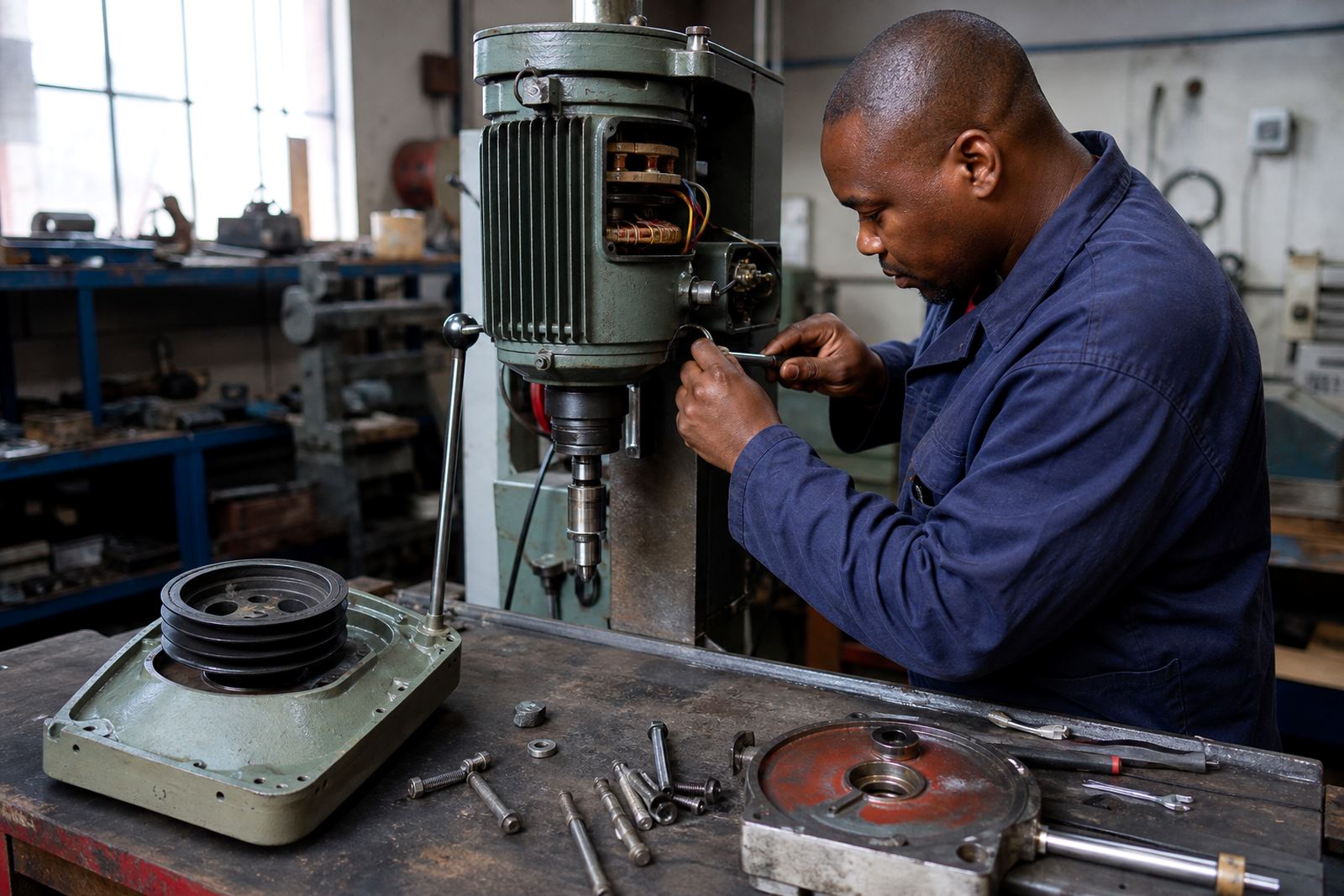
Drill motor repairs deal with the electric motor that turns the spindle on a drill press, radial drill, bench drill or larger industrial drilling machine. When a motor starts tripping, runs hot, hums without starting, smells burnt, loses torque or makes bearing noise, the fault may be in the windings, bearings, insulation, supply side or the drive that controls the motor. In many cases the machine itself is still sound, so a proper repair can bring it back into service without replacing the full unit.
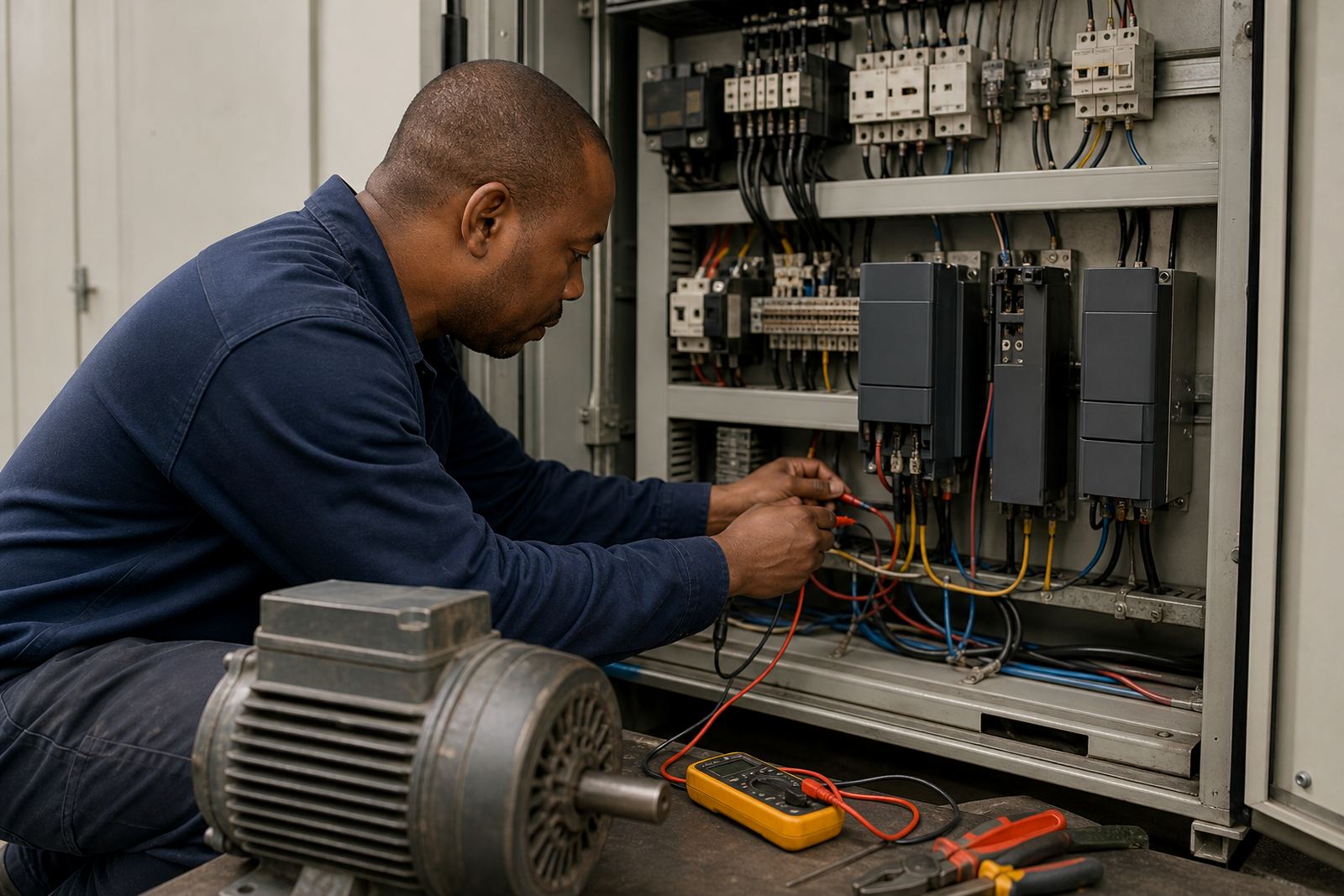
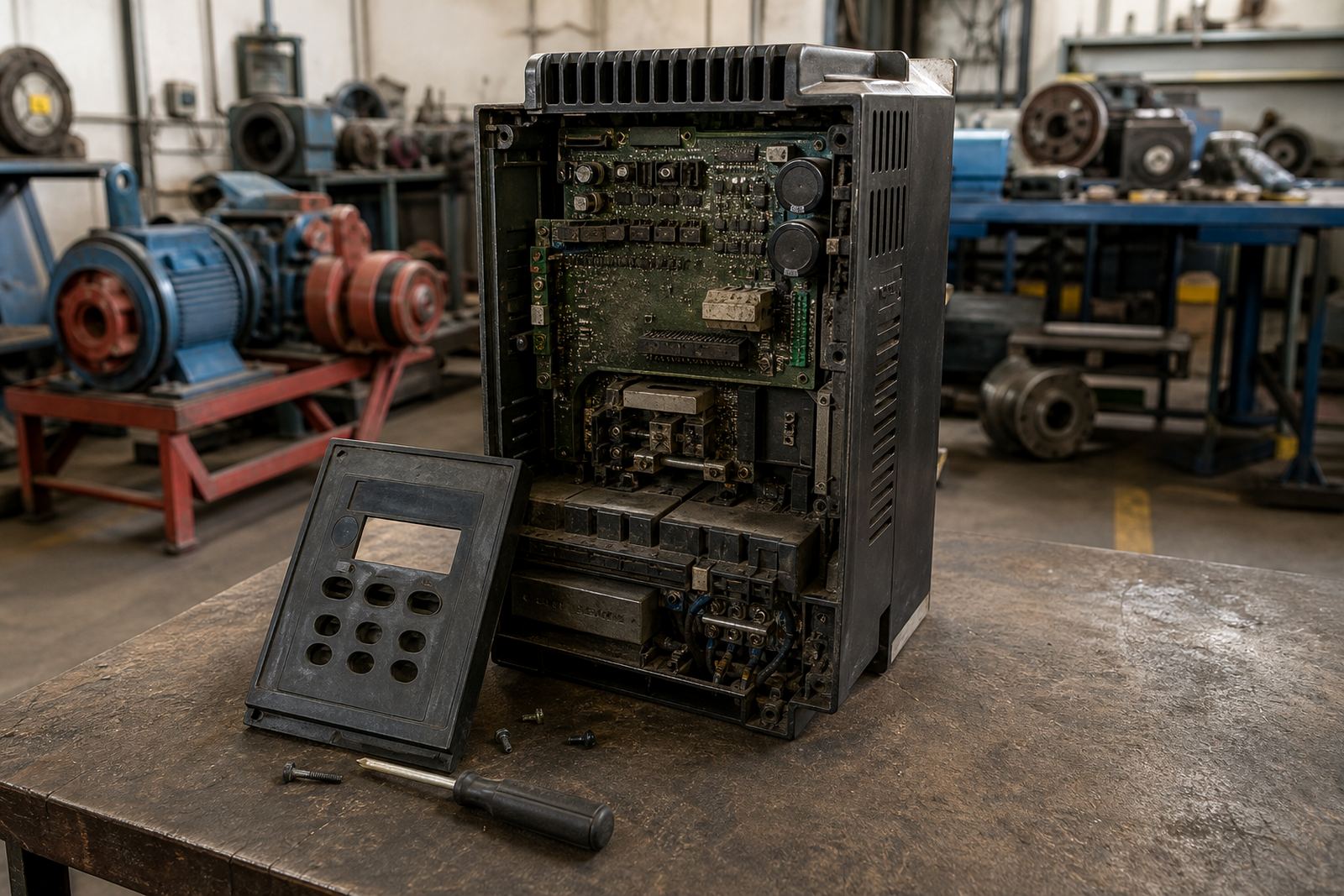
We work on single phase and three phase motors used in light workshop equipment and heavier plant machines. Where variable speed control is part of the setup, we also inspect the drive and associated panel wiring. Electrical work must be done by qualified people using lockout procedures, testing for dead and safe isolation before any strip-down or re-termination starts.
- Drill press motors for workshops and fabrication bays
- Industrial drilling machine motors on production lines
- Motors with fixed speed or variable speed control
- Equipment affected by load-shedding, dust, heat or moisture
Repair Methods for Winding, Bearings and Insulation
Where the winding has failed, burnt or broken down, the motor is stripped, cleaned and tested before rewinding begins. The new winding must match the original coil arrangement, wire size and connection method for the motor frame and duty. After rewinding, the motor is varnished and cured so the winding stays in place and resists vibration. If the bearings are noisy, loose or showing heat marks, we replace them and inspect the shaft and end covers for wear.
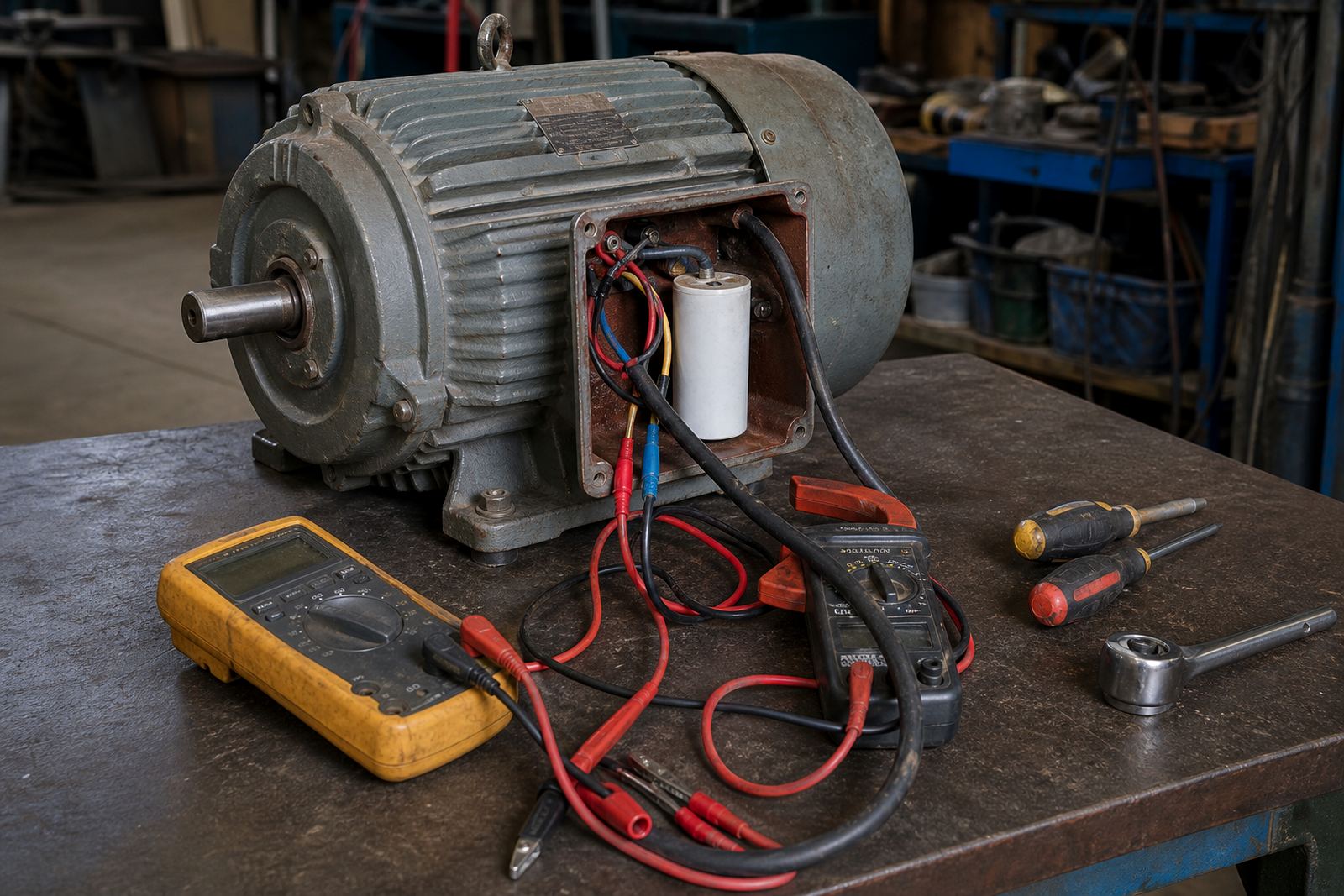
Insulation testing is part of the repair process. This helps confirm whether the windings are breaking down to earth, or if moisture, dirt and oil have lowered the insulation level. We also check for rotor issues, terminal damage and signs of overheating. On some motors the fault is not only in the motor itself but in the supply cable, contactor, overload or starter gear. Finding that early saves time and avoids repeat failures.
- Electric motor rewinding to match the original winding pattern
- Bearing replacement and grease condition checks
- Insulation resistance testing and continuity checks
- Rotor, shaft, terminal box and lead inspection
Where Drill Motor Repairs Suit Best
These repairs suit Gauteng workshops, maintenance stores, factories and small engineering firms that depend on drilling equipment every day. We see these motors in metal fabrication, general maintenance, mining support, plant shutdown work and machinery servicing. In Durban and other coastal areas, humidity and salt air can shorten bearing life and affect insulation, while in dusty inland sites the cooling paths can block up fast. Drill motors also take a knock when a machine is run long hours or when supply conditions are unstable during load-shedding and changeovers.
For sites in Johannesburg, Ekurhuleni, Pretoria, Vereeniging and Durban, the aim is to restore consistent drilling speed and reduce downtime. If the machine is used for repetitive drilling or precise hole placement, the motor needs to run smoothly with low vibration. A motor that is out of balance or worn at the bearings can affect the quality of the workpiece and the accuracy of the drill feed. That is why we look at the motor and the machine together, not only one part in isolation.
- Small bench drills and pillar drills
- Heavy-duty industrial drill presses
- Workshop machines in fabrication and fitting shops
- Plant equipment needing dependable daily operation
Installation, Power Supply and Site Checks
Drill motor repairs often link back to installation conditions. A motor that is poorly aligned, under-sized, over-loaded or connected to the wrong supply will fail sooner than expected. Before commissioning, the installer should confirm the voltage, phase, overload settings, cable size and earthing. If the machine uses a drive, the drive parameters must match the motor nameplate and application. We can assist with drive inspection, panel cleaning, cable checks and commissioning support where the machine is being put back into service after a shutdown.
On site, we look at mounting feet, coupling alignment, pulley condition and airflow around the motor. If the machine is near coolant mist, swarf or washdown areas, extra care is needed with sealing and cleaning. In some cases a damaged fan or blocked ventilation path causes the motor to overheat even when the windings are still sound. Keeping the surrounding panel clean and the cable entries secure makes a real difference, and it helps prevent nuisance trips later on.
- Confirm supply voltage and phase before fitting
- Check overloads, isolators and starter gear
- Match motor rotation and spindle direction
- Inspect earthing, cable condition and terminal tightness
How We Care for Repaired Motors
Once a drill motor is repaired, regular care keeps it working longer. Bearings should be checked for play and noise during routine maintenance. Dust and metal filings should be cleared from the cooling fins and fan cover. If the motor starts to run hotter than normal, it is worth checking the load, supply quality and the machine’s mechanical condition before the fault grows. A motor that is lightly stressed today can fail quickly tomorrow if the same cause is left in place.
For plants and busy workshops, service planning should include shutdown windows, spares assessment and a short inspection routine after power interruptions. If a machine trips after load-shedding or a restart, the cause may sit in the drive, control gear or motor insulation. Early fault finding keeps the repair focused. We also recommend site reporting so maintenance teams have a simple record of what was found, what was replaced and what still needs attention.
- Keep cooling passages free of dust and swarf
- Listen for bearing rumble, scraping or vibration
- Check for repeated tripping after power cuts
- Inspect terminations, earth continuity and panel condition
What to Check When Ordering Drill Motor Repairs
When you send through an enquiry, it helps to include the motor nameplate details, the machine type and the fault symptoms. If you can note the frame size, kilowatt rating, voltage, speed, phase and mounting style, that makes the assessment faster. Also tell us whether the machine uses a direct-on-line starter or a variable speed drive, and whether the fault happened after a power surge, overload, bearing failure or water ingress. A clear description at the start saves back and forth later.
If the motor has already been removed, keep the shaft and terminals protected from dust and damage. If it is still on site, do not energise it again until a qualified person has isolated the circuit and checked the full setup. For many jobs the repair decision depends on whether the winding is serviceable, the shaft is straight, the bearings seat properly and the rotor is in good condition. That is the practical way to decide between rewinding, repair or replacement of parts.
- Motor kW, voltage, phase and speed
- Machine make and drill type
- Fault symptoms and when they started
- Any previous repair, replacement or trip history
Key facts
| Service type | Drill motor repair, rewinding and testing |
|---|---|
| Motor range | Single phase and three phase industrial motors |
| Typical sizes | Small workshop motors to heavy-duty machine motors |
| Checks included | Insulation testing, bearing checks, fault finding |
| Related support | Drive inspection, panel cleaning, cable checks, commissioning |
| Service area | Germiston, Johannesburg, Ekurhuleni, Pretoria, Vereeniging, Durban |