

What control panel repairs cover
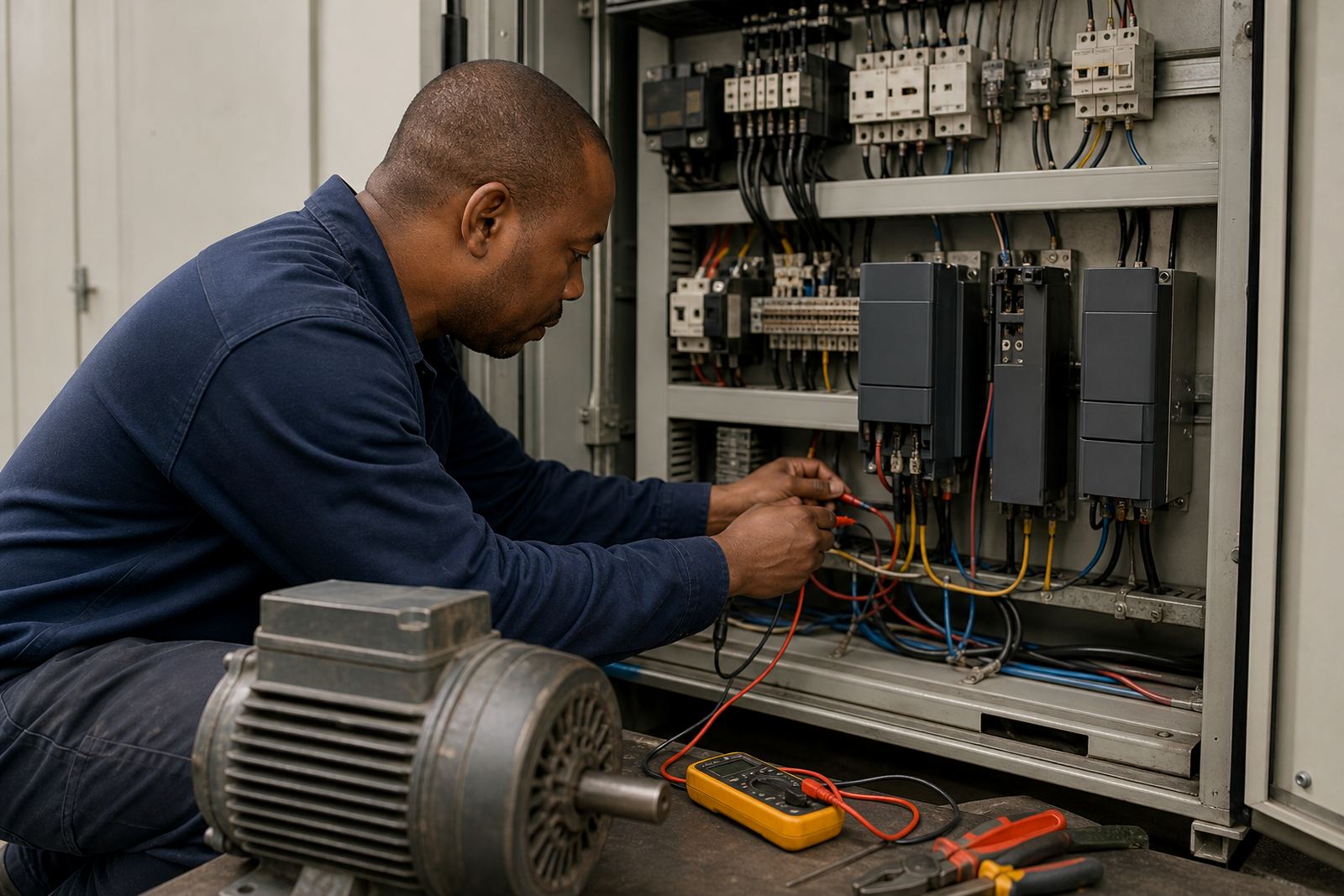
Control panel repairs deal with the parts that start, stop and protect electric motors, especially when a drive fault and a control fault show up at the same time. In a panel you may find contactors, overload relays, timers, control relays, fuses, breakers, terminal blocks, selector switches, pilot lights and a variable speed drive, all working together to keep the machine running. When one part fails, the symptoms can look like a motor problem, a wiring issue or a process problem, so proper fault finding matters.
We handle repairs on panels used for pumps, conveyors, fans, mixers, compressors and other plant equipment. That can include burnt terminals, loose control wiring, failed contactor coils, damaged push buttons, dirty enclosures and drive faults linked to overheating, poor ventilation or unstable supply conditions during load-shedding. Electrical work must be done by qualified people only, with lockout procedures and testing before any panel is opened.
- Motor starting and stopping faults
- Drive trips and control circuit issues
- Protection device failures
- Heat, dust and vibration damage
Typical repair work in the panel
A proper repair starts with inspection, safe isolation and a check of the full control circuit. We look at the incoming supply, motor feeder, control transformer if fitted, wiring condition, device ratings and the state of the enclosure. If a drive is involved we check fault history, output condition, cooling path, parameter setting and any signs of contamination or power quality problems.
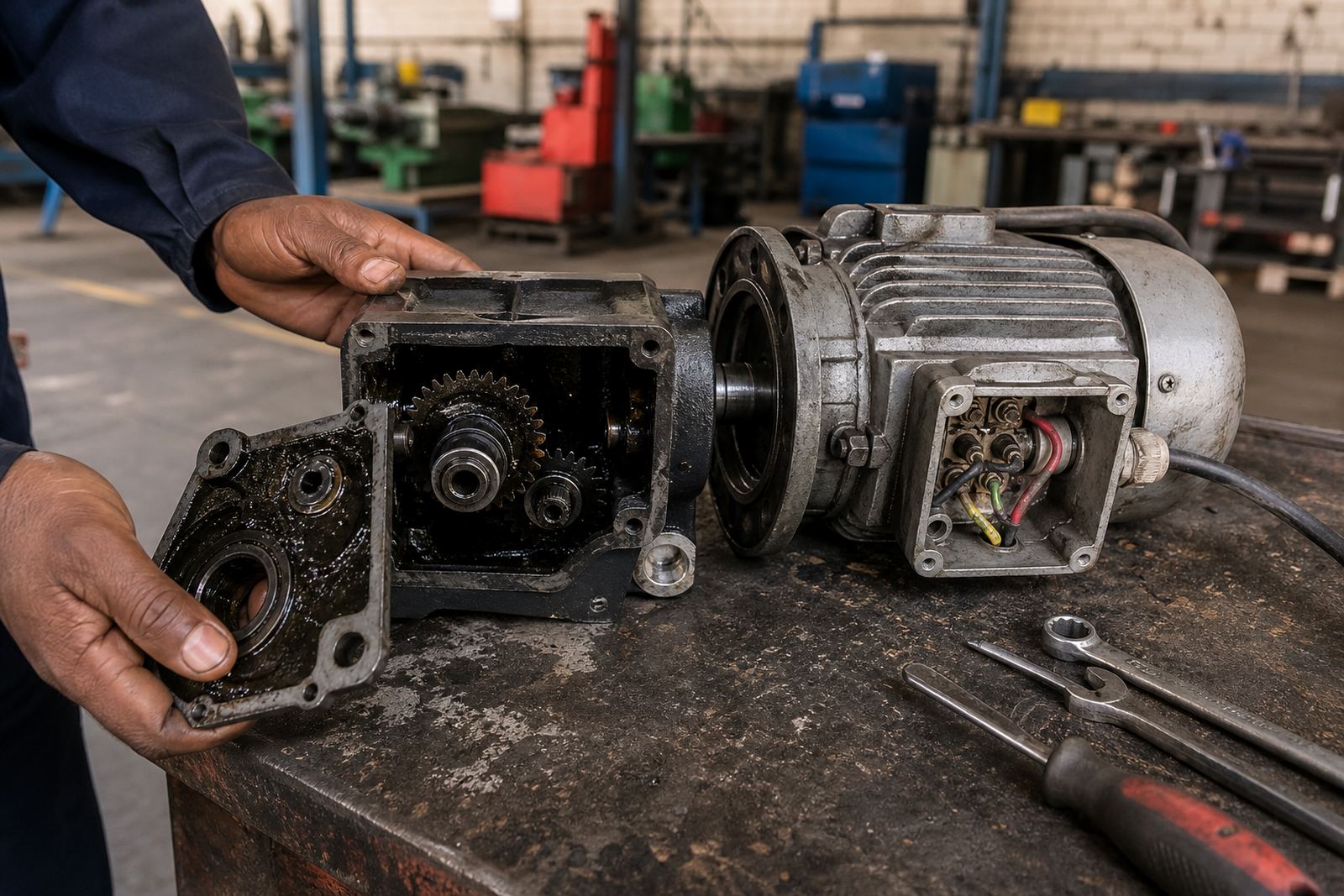
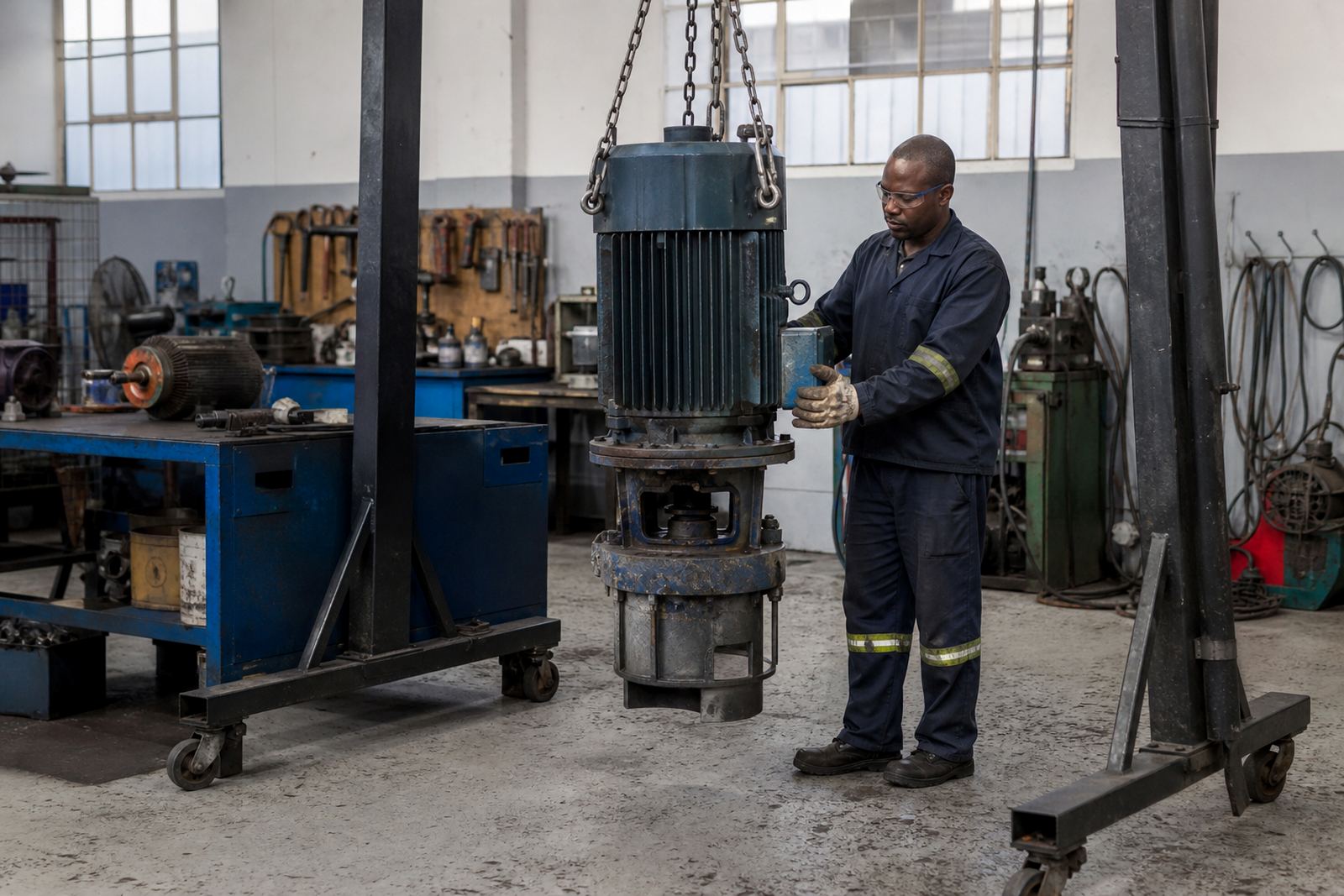
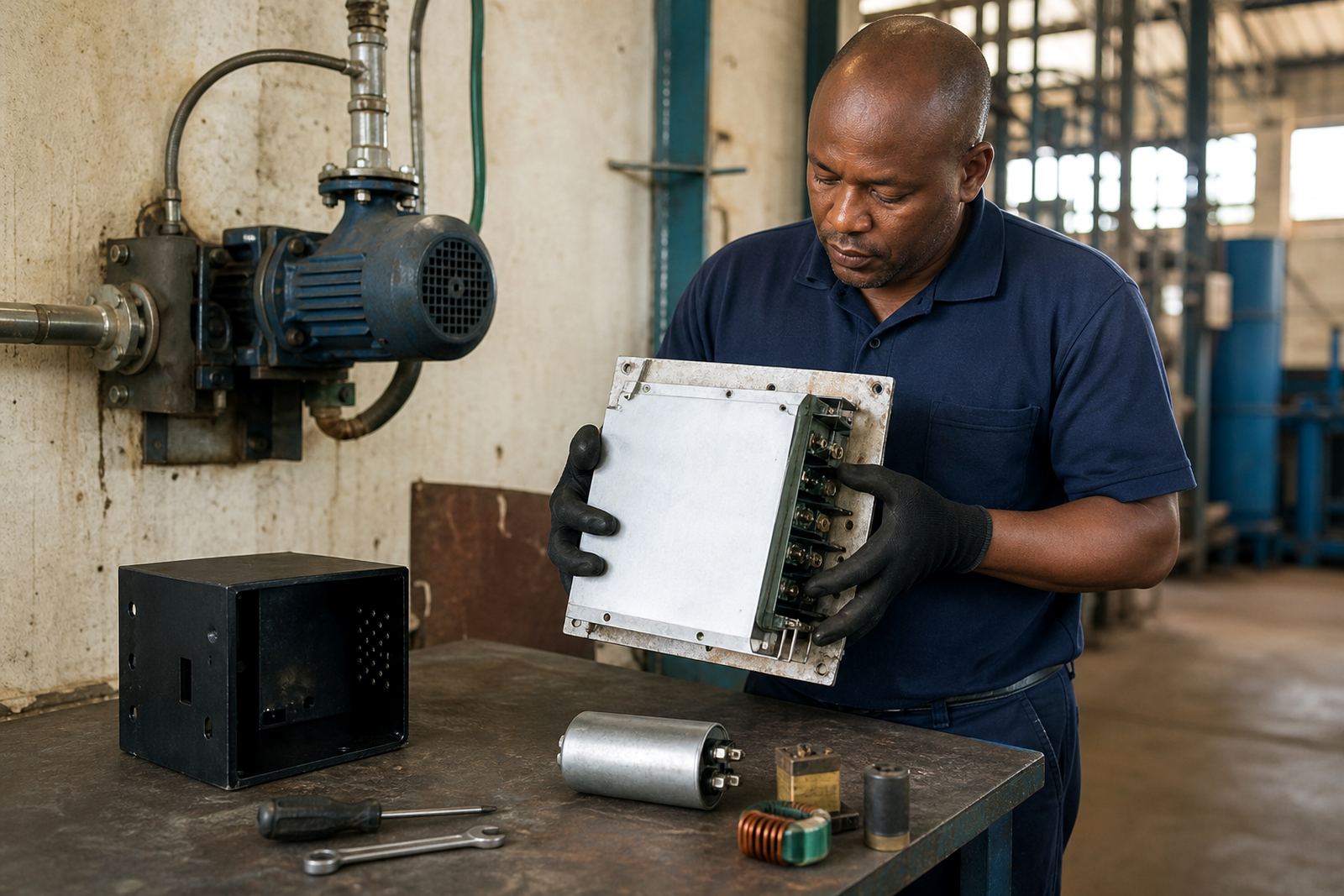
Repairs may include replacing worn contactors, tightening terminals, cleaning carbon dust, renewing damaged cable ends, changing failed control relays or fitting a new protection device where the original has overheated. If the issue points to the motor side, we can coordinate motor removal, bearing checks, insulation testing and alignment checks so the panel fault is not treated in isolation.
- Fault finding on control circuits and motor feeders
- Panel cleaning and cable checks
- Drive inspection and repair
- Site reporting for plant teams and maintenance managers
Panel sizes, layouts and options
Control panels come in many sizes, from small wall-mounted starters to larger floor-standing panels with multiple feeders and one or more drives. The repair method depends on the layout, the amount of heat inside the enclosure and the level of access around the panel. Compact panels often suffer from crowding and poor airflow, while larger panels may have more wiring faults simply because there are more circuits to check.
We work on common low-voltage industrial control panels used in South African plants and workshops. Options can include direct-on-line starters, star-delta control, soft starters, variable speed drive sections, manual bypass arrangements and local or remote control stations. If a panel is located near a wash bay, coastal air or a dusty process area, the enclosure, seals and gland entry points need extra attention. A small slip in panel housekeeping can become a bigger fault later.
- Wall-mounted or floor-standing enclosures
- Single motor or multi-motor control panels
- Fixed speed and variable speed control
- Indoor, dusty or humid service environments
Where control panel repairs suit best
These repairs suit plants and workshops that depend on reliable motor control but cannot afford repeat trips or long stoppages. We commonly help operations in Germiston, Johannesburg, Ekurhuleni, Pretoria, Vereeniging, Boksburg, Kempton Park and Durban, with work that covers manufacturing, warehousing, logistics, food handling, water systems and general process equipment. In many sites the panel is under pressure from heat, vibration, dust and fluctuating supply conditions, so faults often return unless the full cause is found.
Control panel repairs are also useful when a motor runs unevenly, a conveyor starts then drops out, or a pump keeps tripping with no clear mechanical issue. In these cases the panel may be hiding the real fault. For shutdown planning, we can coordinate with maintenance teams so isolation, removal, spare parts and re-commissioning happen in the right order. That helps avoid rushed work during a plant stop and keeps the repair traceable.
Installation conditions and power requirements
For any repaired panel to perform properly, the supply conditions must be checked. That includes the incoming voltage, phase balance, earthing, breaker sizing and the condition of the feeder cables. If the panel uses a drive, the installation should allow for enough ventilation, clean airflow and protection from dust or moisture. Power interruptions, brownouts and generator changeovers can all leave a control panel with hidden damage, especially if the panel has never been inspected after a fault.
There is no gas requirement for control panel repairs. The key needs are electrical isolation, safe access and a clear working area. During installation or recommissioning, lockout procedures must be followed, and live testing should only be done by qualified people with the correct test equipment. If the panel is part of a larger system, check interlocks, emergency stops and field wiring before starting the motor again.
- Stable supply and correct protection ratings
- Good ventilation around drives and starters
- Dry, clean cable entry points
- Proper lockout and test procedures
Care, servicing and what to check when ordering
Control panels need regular attention, not just repairs after failure. Periodic cleaning, terminal tightening, cable inspection and thermal checks can prevent nuisance trips and burnt components. If a panel is in a hot room, near vibrating machinery or in a coastal area, more frequent inspection is wise. Dust build-up and loose terminations are common causes of overheating, and they often show up long before a total breakdown.
When you request control panel repairs, it helps to have the panel details ready. Note the motor size, supply voltage, fault symptoms, where the panel is installed and whether the issue is constant or intermittent. If the drive or contactor has already been replaced, say so. For older panels, a clear photo of the layout and the nameplate can save time. We can then plan the right checks, parts assessment and site reporting before work starts.
- Panel model or reference number
- Motor kW, voltage and starting method
- Fault symptoms and trip messages
- Site location and access conditions
- Any previous repairs or part changes
Key facts
| Service type | Motor control panel repairs for contactor, drive and protection faults |
|---|---|
| Typical use | Pumps, fans, conveyors, mixers, compressors and process machinery |
| Panel forms | Wall-mounted, floor-standing, single motor and multi-motor panels |
| Common checks | Fault finding, drive inspection, cable checks, insulation testing and alignment checks |
| Site coverage | Germiston, Johannesburg, Ekurhuleni, Pretoria, Vereeniging, Durban, Boksburg and Kempton Park |
| Safety note | Electrical work must be done by qualified people with lockout procedures |