Safe Motor Removal Starts Before the Bolts Come Out
Motor removal is not only about unbolting a machine and lifting it clear. The job starts with isolating the supply, confirming the motor number plate details, checking the coupling or belt arrangement, and planning how the unit will come out without damaging shafts, feet, cables or nearby equipment. On many sites in Germiston, Boksburg, Kempton Park and wider Gauteng, the space around the motor is tight and the lift path needs to be mapped before any tool is used.
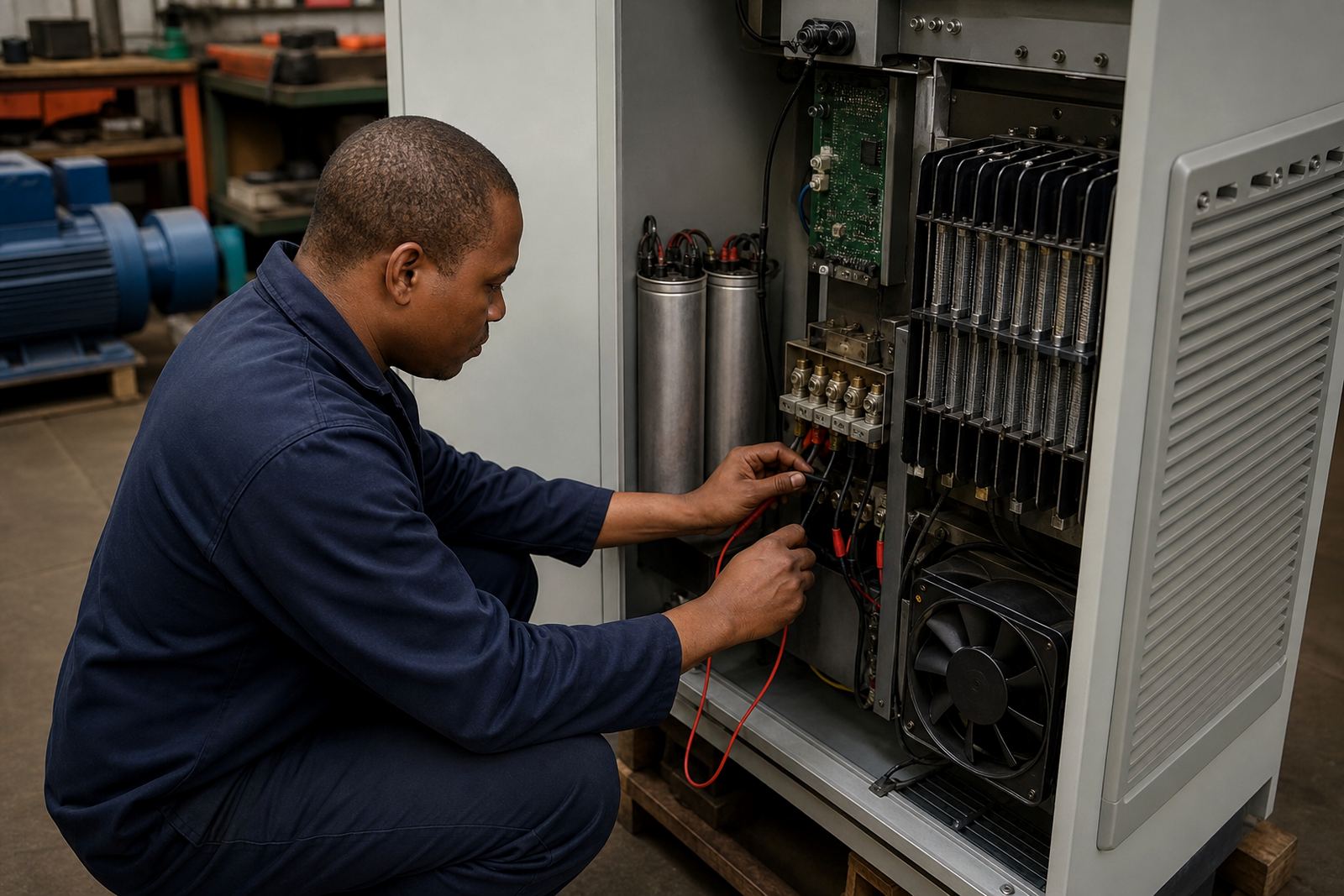
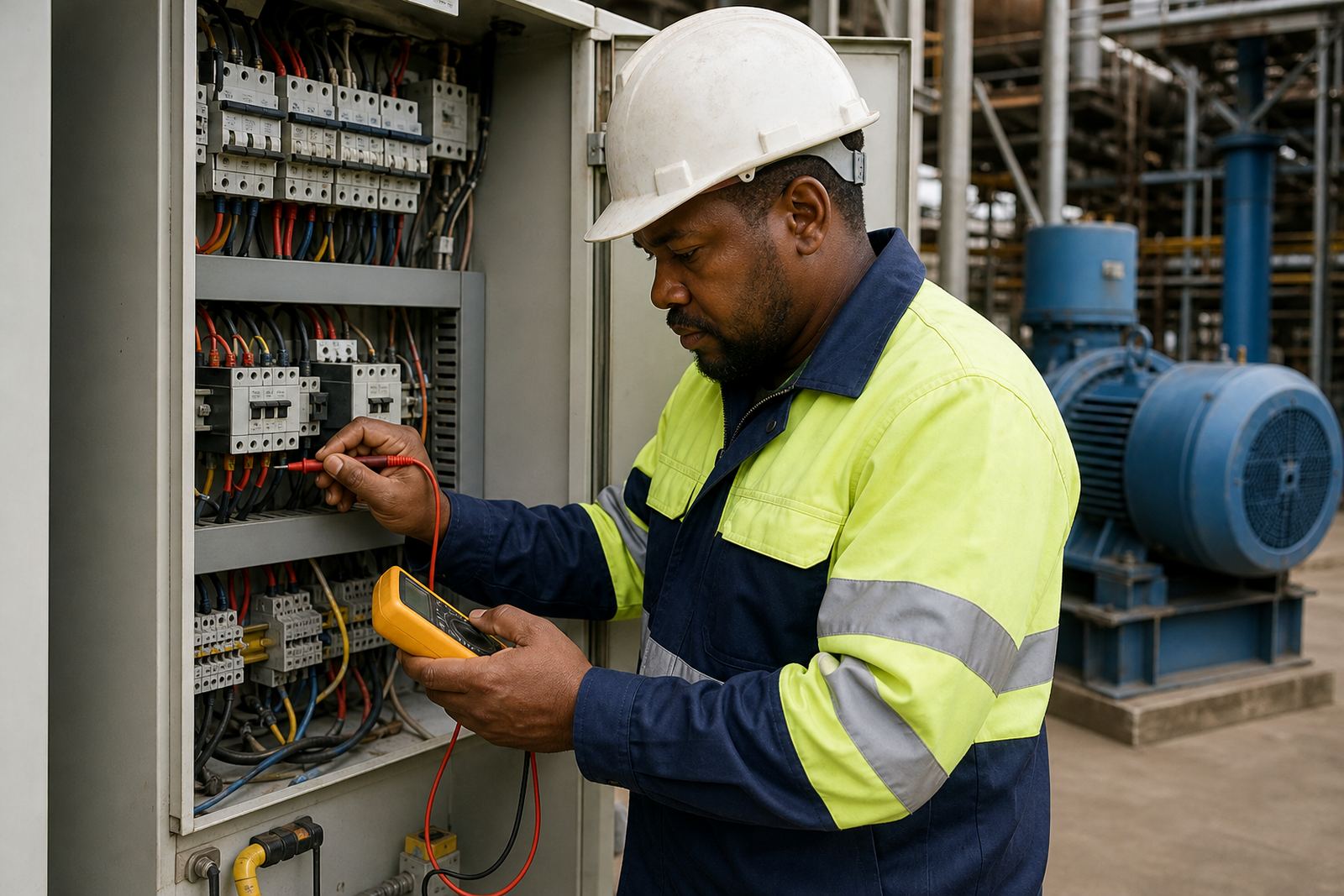
We assist with the practical steps that sit around the removal job, including shutdown planning, site reporting and coordination with maintenance teams. Electrical work must always be done by qualified people, with lockout procedures in place and proper verification before handling begins. That matters just as much on a small workshop line as it does in a plant running 24 hours a day.
What We Cover During the Removal Process
Every removal is different, but the aim is the same: take the motor out in a controlled way so the workshop can inspect and repair it properly. We look at how the motor is mounted, how the cables are terminated, whether alignment marks should be captured and what parts need to be retained for reinstallation. If a drive is part of the system, the condition of the control cables and panel area can also be noted before disconnection.
Typical motor removal support can include:
- Isolation and lockout coordination with the site team
- Motor identification and nameplate recording
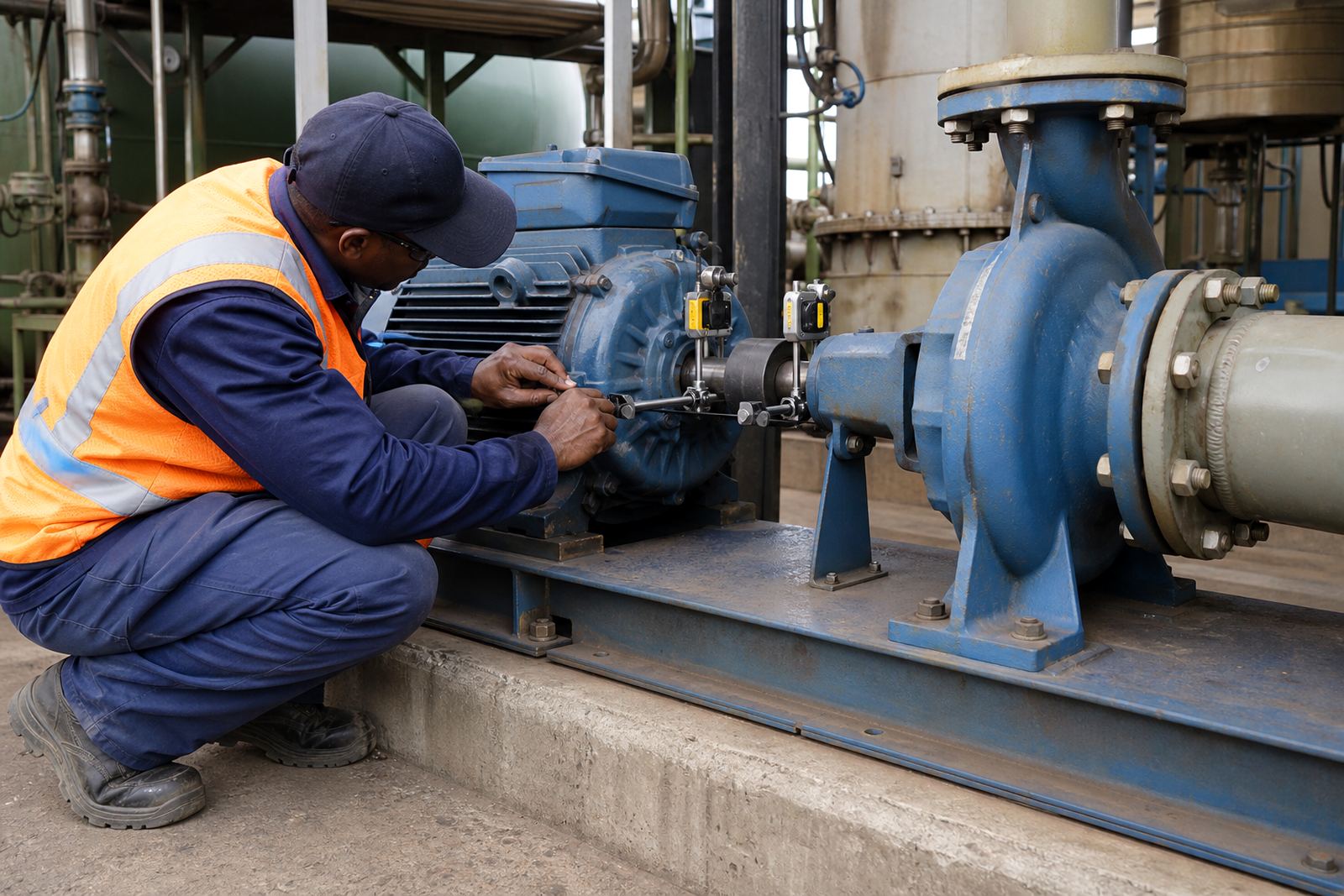
- Coupling, pulley or gearbox interface checks
- Removal of guards, cable entries and fixing hardware
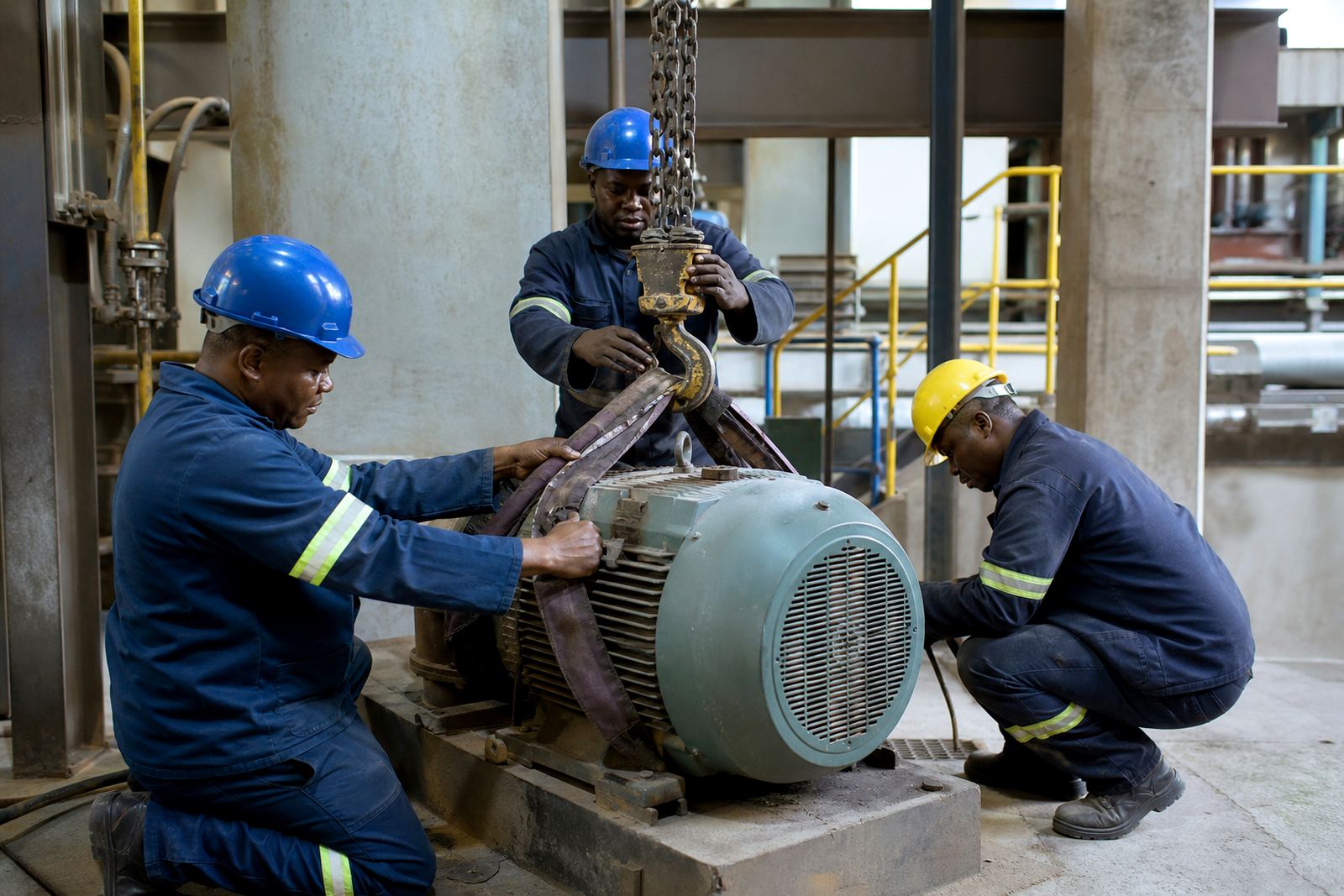
- Lift planning for cranes, chain blocks or lifting beams
- Tagging of leads, shims, spacers and mounting parts
- Safe transfer to workshop or loading point
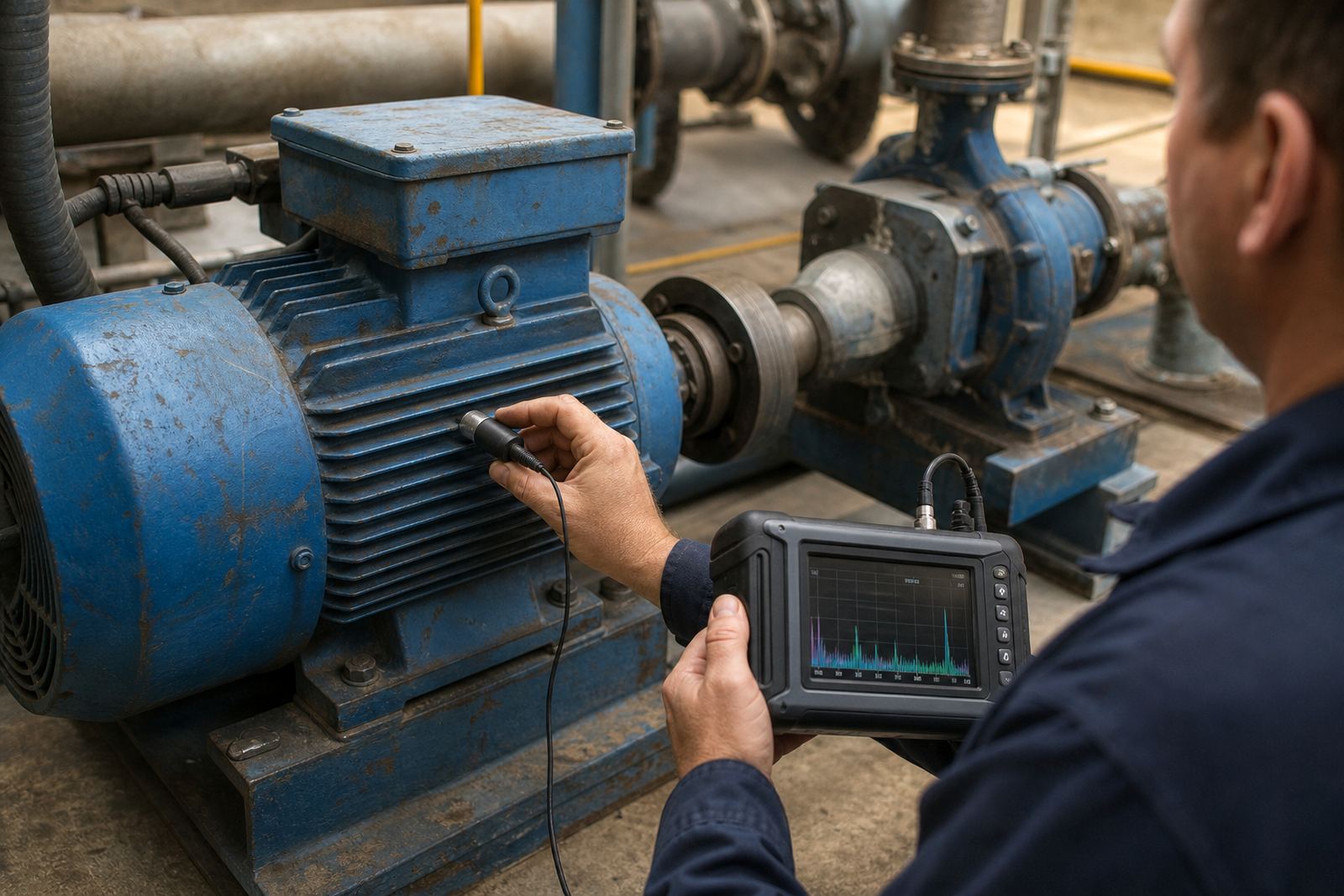
Where a motor has failed after water ingress, dust contamination or overheating, we will also note any signs that help with later insulation testing and bearing checks. That information saves time once the unit reaches the bench.
How We Handle Plant, Workshop and Shutdown Work
Some removals are straightforward. Others happen during a planned shutdown where every hour counts. We support both. For production sites in Pretoria, Vereeniging, Durban and the East Rand, we help coordinate the sequence so the motor is isolated, disconnected and removed in the right order. If the plant uses variable speed drives, the drive side and motor side need to be treated carefully so that a fault on one does not create another problem on restart.
Our approach is practical. We confirm the access route, check if floor space allows the motor to be turned or slid clear, and look for risks such as hot surfaces, rotating parts or live auxiliary circuits. In coastal areas like Durban, corrosion on fasteners and terminal covers can slow the job, so it is worth allowing extra time for seized hardware and cable glands. In dusty industrial areas, clean-up before opening the motor can make the workshop inspection much easier.
- Pre-removal inspection and planning
- Controlled isolation and verification
- Removal, tagging and transport handover
- Workshop receipt and repair booking
Why Removal Quality Matters for Rewind and Repair
A good removal protects the repair outcome. If a shaft is bent during extraction, if a terminal box cover is lost, or if the end brackets are damaged on the way out, the workshop has more work before the actual electrical fault can even be assessed. That is why we focus on careful handling rather than speed for its own sake. The aim is to give the winding team a motor that can be stripped, tested and repaired without extra damage from the site move.
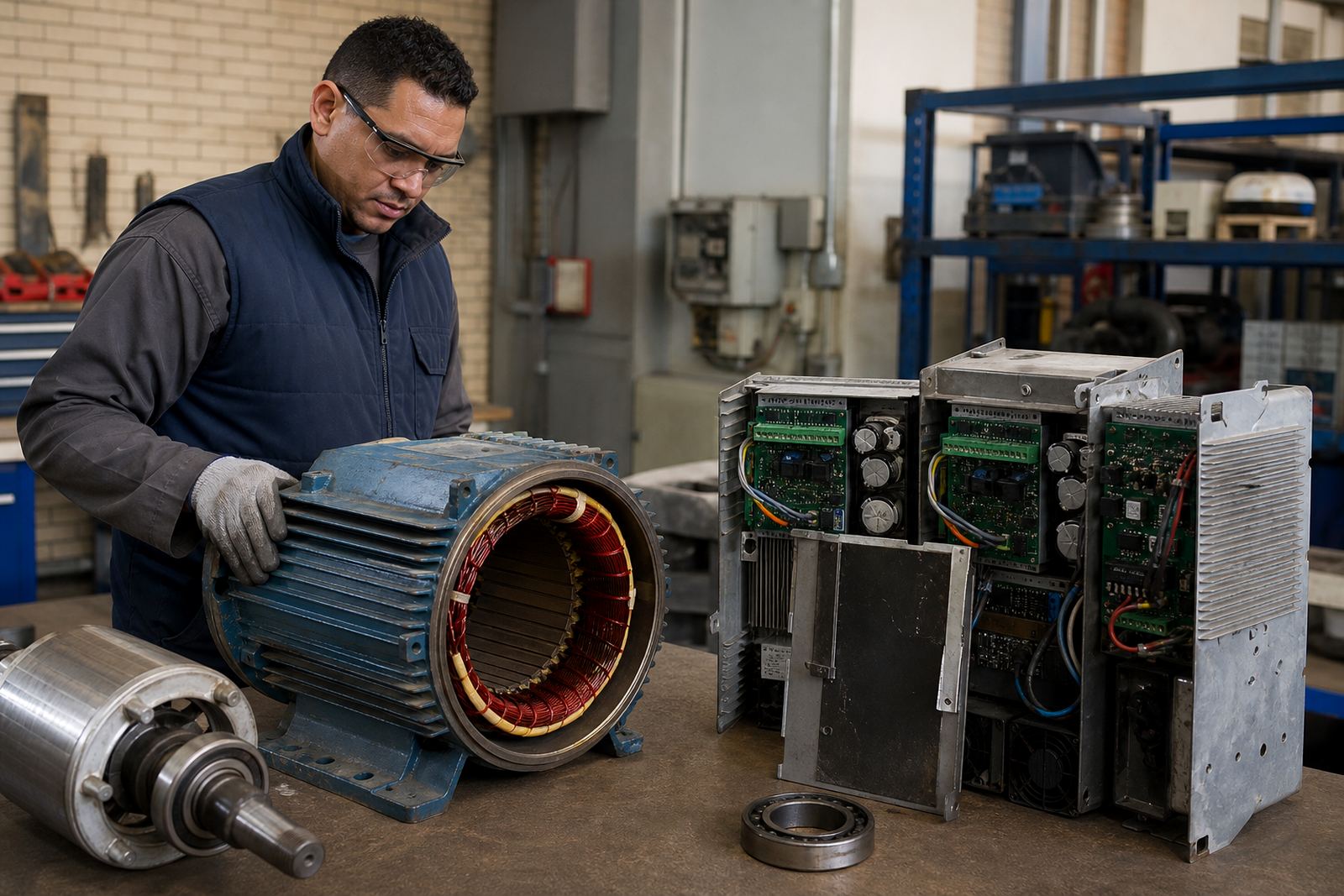
Once the motor is in the workshop, it may go through fault finding, insulation testing, bearing replacement, cleaning and then rewinding if the windings have failed or show signs of breakdown. For motors exposed to vibration or poor alignment, bearing wear is common and should be checked before reassembly. On motors that have sat in damp or coastal conditions, insulation resistance can fall below acceptable levels, and early removal helps limit further damage.
Where the motor is still linked to the machine layout, we can also note alignment marks and base condition so recommissioning is easier later. That kind of record keeping helps on sites that run shifts and cannot afford confusion during reinstallation.
Turnaround, Spares and Pricing Approach
Motor removal turnaround depends on access, isolation windows, lifting needs and whether the motor is part of a larger shutdown. A small pump motor in a clean plant room may be removed in a short visit, while a larger process motor in a crowded line can take longer because of guarding, cable routes and the need for extra lifting equipment. We do not give blanket promises, because the site conditions decide the real timing.
Pricing is based on the actual scope of work. That can include attendance, removal labour, coordination time, transport handling, reporting and any special access needs. If the motor cannot be lifted in one piece, or if extra stripping is needed before removal, that changes the job. We can also assess whether spares such as bearings, seals, cable glands or terminals should be set aside before the unit leaves site.
For clear budgeting, it helps to know the motor frame size, weight, mounting style and whether the job is in Germiston, Johannesburg, Ekurhuleni, Pretoria, Vereeniging or Durban. We work with plants, workshops and maintenance teams across South Africa and keep the scope tied to what the site actually needs.
Maintenance Intervals and When to Plan Removal
Motor removal is often planned after signs of wear start showing, not after a full breakdown. If a motor has increasing bearing noise, repeated trips, overheating, low insulation readings or visible vibration, it may be better to take it out during a planned stop instead of waiting for failure. In many industrial settings, checking motors during scheduled maintenance intervals helps reduce unplanned downtime and avoids rushed removal work.
Useful triggers for planned removal include:
- Recurring overheating or nuisance trips
- Visible grease leakage or noisy bearings
- Water ingress after washdown or storm exposure
- Burning smell, discolouration or terminal damage
- Repeated drive faults affecting the same motor
- Excess vibration after alignment checks
If a site uses motors in dusty, humid or high-vibration areas, inspections should be more frequent. A quick look every few months may be enough for some machines, while heavier duty equipment may need closer attention during shutdowns. In practice, the best interval depends on the duty cycle, loading and environment, not a generic calendar rule.
Key facts
| Service area | Germiston, Johannesburg, Ekurhuleni, Pretoria, Vereeniging, Durban, Boksburg and Kempton Park |
|---|---|
| Primary focus | Safe electric motor removal planning and coordination for workshop repair |
| Common motor sizes | Small IEC motors through to larger industrial units, subject to site lift limits |
| Typical conditions | Dust, vibration, heat, coastal humidity and plant shutdown access |
| Related workshop work | Rewinding, bearing replacement, insulation testing and drive repair |
| Safety requirement | Qualified electrical personnel only, with lockout and isolation procedures |