

What our alignment checks cover after a motor refit
Alignment checks are a practical follow-up service after electric motor removal, bearing replacement or a rewind and refit. The aim is simple: get the motor and driven machine sitting correctly so the coupling is not forced to take up bad position, and so vibration does not build up in the frame, bearings or baseplate. In busy plants around Germiston, Johannesburg, Ekurhuleni, Pretoria, Vereeniging and Durban, poor alignment often shows up as warm bearings, noisy operation, loose fasteners and early seal wear.
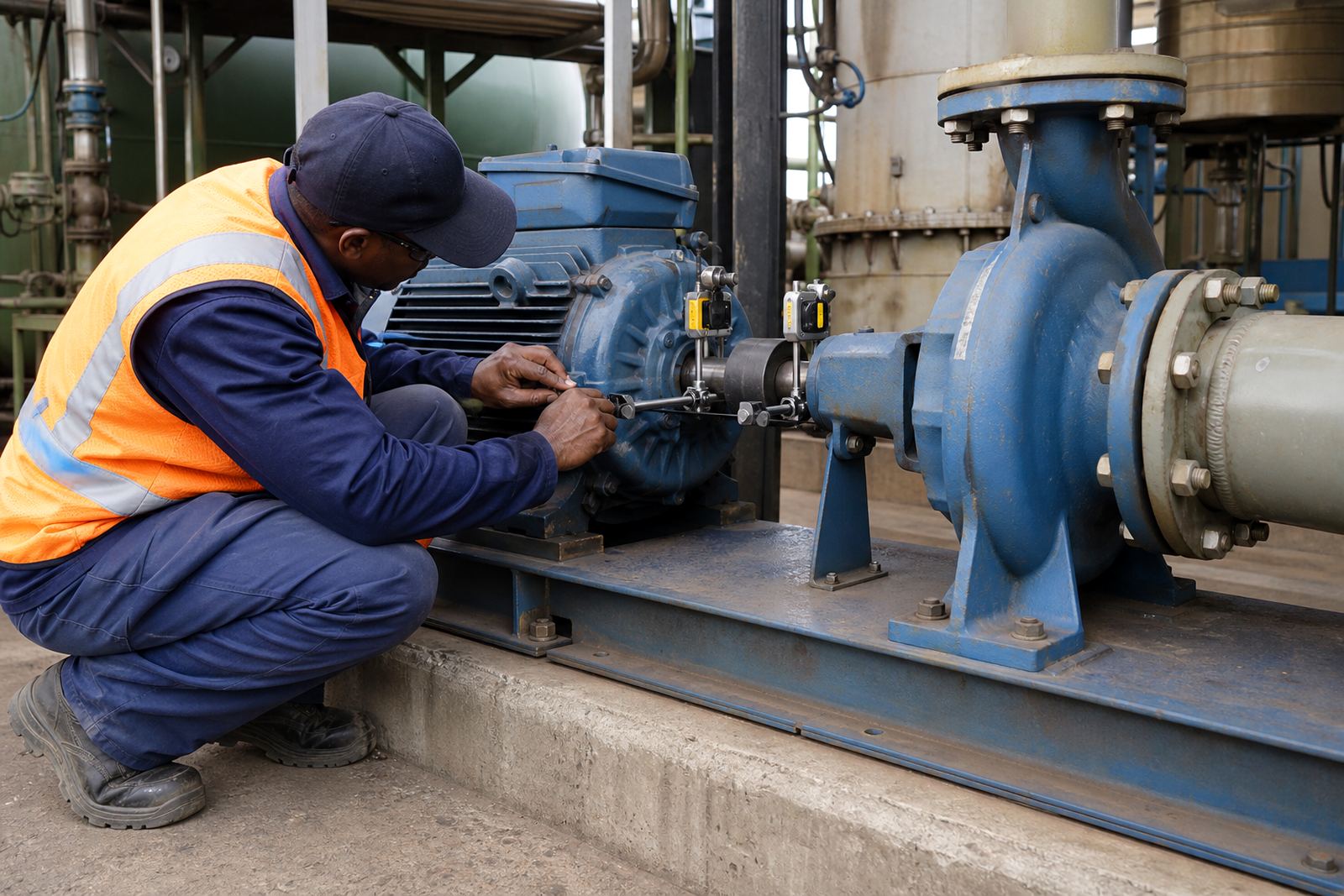
Our support is basic and focused on site reality. We check the motor position, foot condition, shaft run, coupling spacing and visible signs of soft foot or pipe strain where relevant. If a machine has just come back from repair, we can help confirm that the refit has been done with care before the line goes back into normal duty. This is not about guesswork, it is about checking the machine against the condition it needs to run properly.
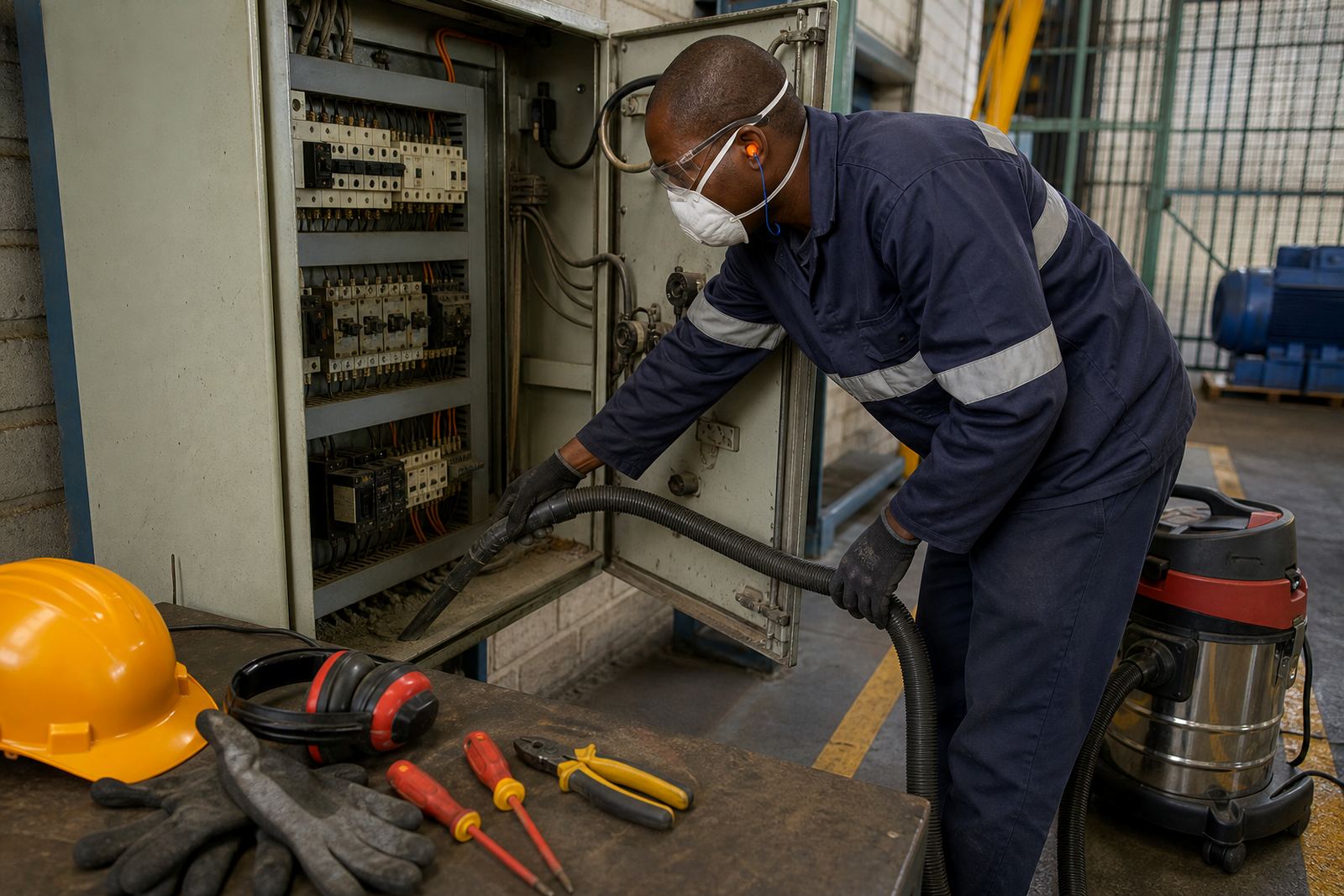
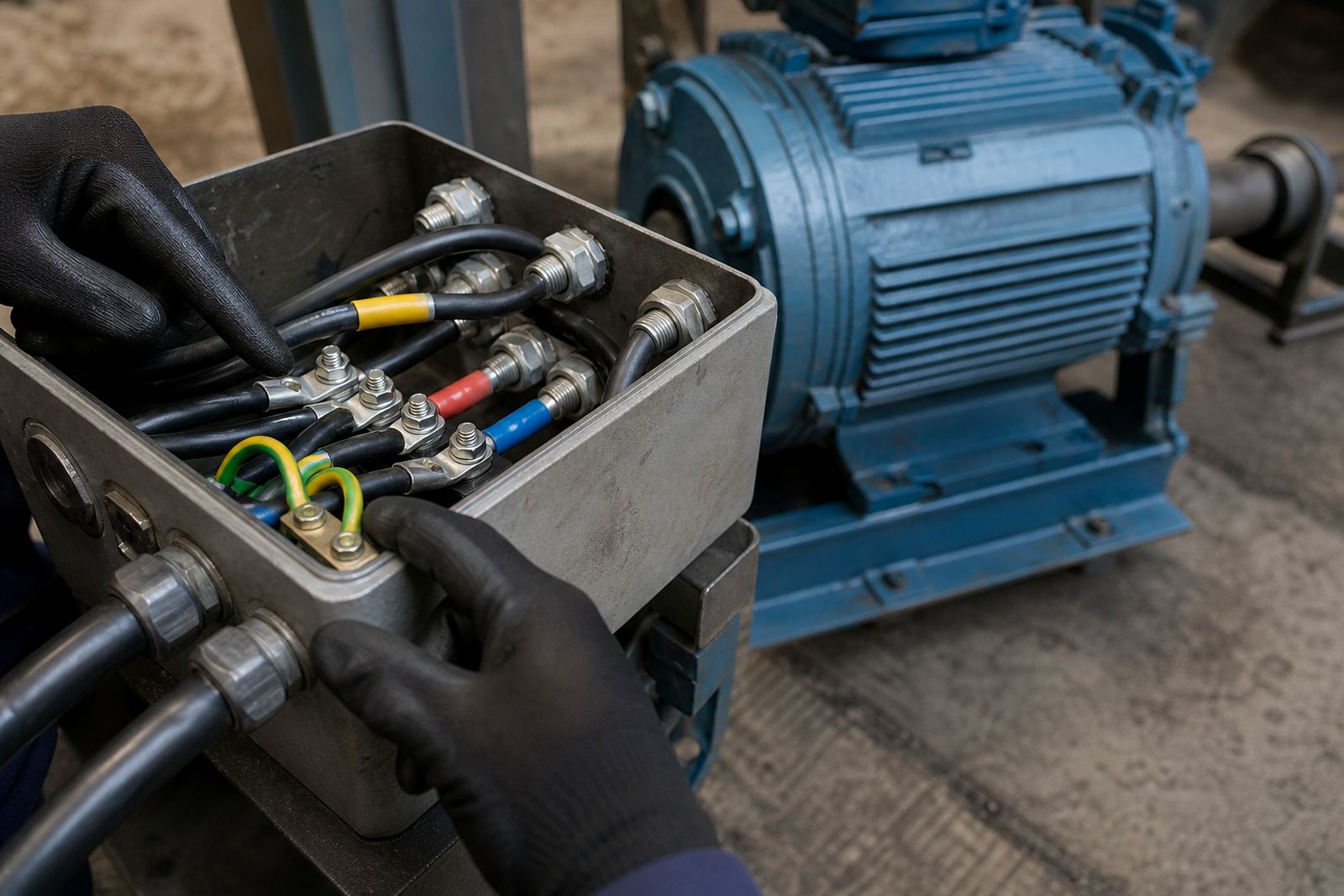
Where a panel, drive or control issue is part of the fault, we coordinate with the other repair steps so the job is handled in the right order. On many sites the alignment check is done after the base is cleaned, the feet are torqued down and the coupling guard is ready to go back. It keeps the final handover more orderly and helps prevent a second shutdown not long after start-up.
How we carry out the check on site
The process depends on the motor size, access and the condition of the machine, but the sequence stays practical. We start with safety and isolation. Electrical work must be done by qualified people using lockout procedures, and the plant must be made safe before any inspection or movement is attempted. Once the set is safe, we inspect the installation and confirm that the motor can be checked without putting people or equipment at risk.
- Visual inspection of the motor base, feet, shims and fasteners
- Check for coupling wear, guard clearance and obvious offset
- Confirm shaft condition and visible end float where accessible
- Assess soft foot and mounting contact before final tightening
- Review vibration signs, noise and hot spots after start-up if required
Depending on the equipment, we may use straightedge checks, feeler measurements, dial indicators or laser tools if the site arrangement suits them. The method is selected to match the machine, not to overcomplicate the task. On some older pump sets and conveyors, the important part is getting the feet seated correctly and the coupling stress reduced to a sensible level. A careful check now can save a lot of wear later on.
When alignment work is most useful
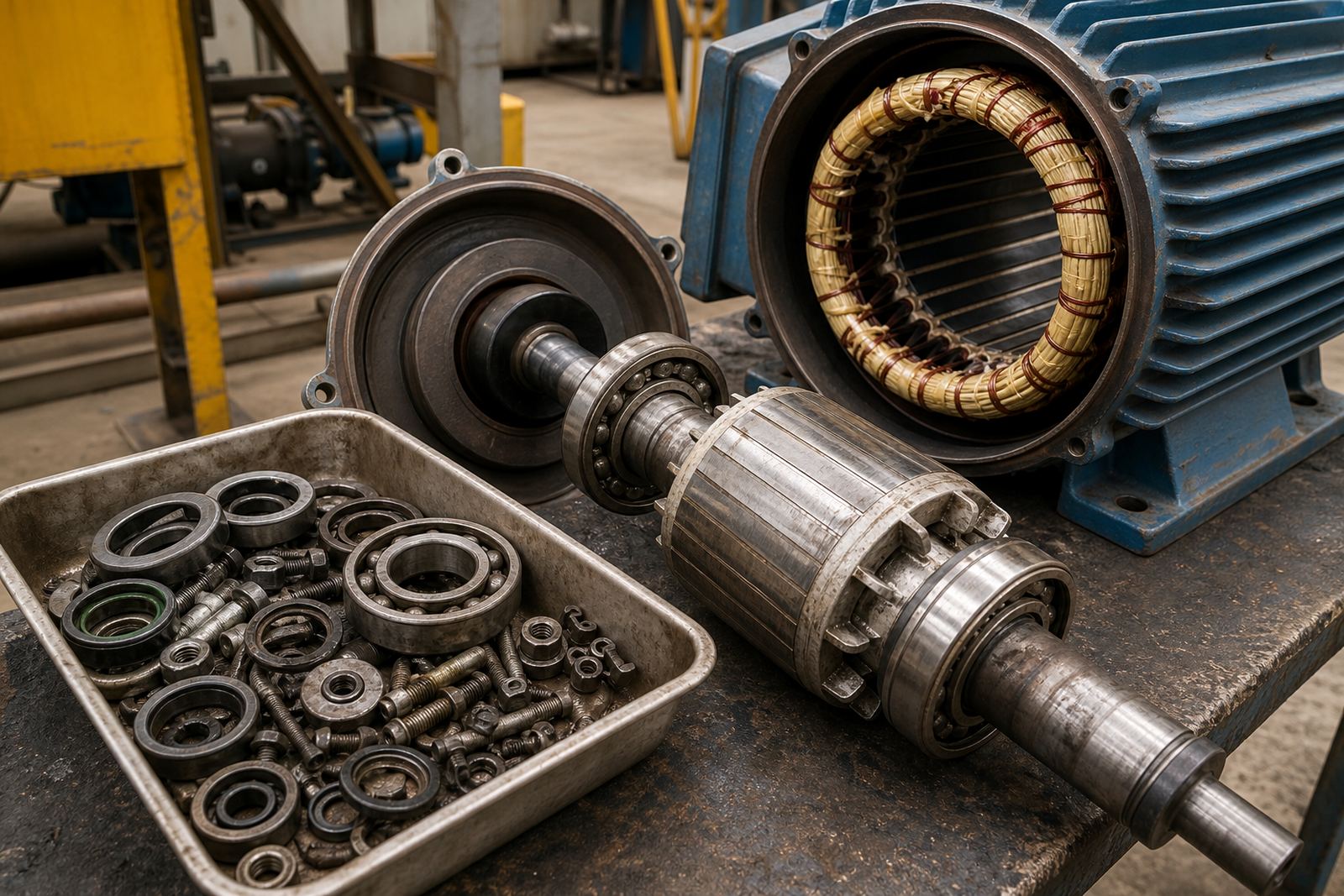
Alignment checks are most useful after maintenance that changes the position of the machine. That includes motor removal, bearing replacement, baseplate work, coupling change-outs and drive-side repairs. If a motor was lifted out, transported and reinstalled, even a small shift in the feet can create a poor line-up with the driven machine. In dusty workshops or coastal conditions, vibration and corrosion can also disturb the set over time.
We often see the need for this support after shutdowns where several jobs happened at once. A drive was repaired, the motor was rewound, the coupling was replaced and the panel was cleaned, but the final alignment was left too loose or too rushed. That is when the machine may run, but not well. Our checks help before small defects become bigger ones, especially on equipment that runs long hours or starts and stops often.
- After motor refit following rewind or bearing work
- After coupling replacement or guard removal
- After vibration, noise or hot bearing reports
- After foundation repairs or levelling work
- Before recommissioning on critical plant equipment
What the client receives from the service
Our alignment support is aimed at giving the site team clear, usable information. We do not leave the job at a vague pass or fail. The result is based on the condition found, the adjustments made and anything that still needs attention before the unit goes back into service. Where required, we can include site reporting so the maintenance team has a record for the next shutdown plan.
Depending on the machine and access, the handover may include recommended correction steps, a note on base movement, a reminder on fastener condition and a record of any parts that should be monitored. If the coupling, bearing or motor mounting shows wear, that is flagged plainly so the team can plan the next step. A clean alignment check can be the difference between steady running and repeat trouble that drains time from the shift.
For plants with regular production pressure, we can also coordinate the check with shutdown planning so the alignment work fits the available window. That matters in factories and workshops where the equipment has to go back online without delays. If the line is sensitive, we keep the communication direct and the process organised, with no confusion about what was done and what still needs to happen.
Turnaround and scheduling for Gauteng and beyond
Turnaround depends on the machine size, the access around the base, whether the motor has just been refitted and whether the site has already isolated the equipment. A small unit with good access can be checked quickly, while larger motors, tight plant rooms or awkward couplings take more time. We work from Germiston and support sites across Johannesburg, Ekurhuleni, Pretoria, Vereeniging and Durban, with field support also arranged for Boksburg, Kempton Park and other nearby industrial areas.
For urgent plant issues, the best approach is to contact us through the enquiry form on our contact page with the equipment details, the site location and the fault history. That helps us prepare the right tools and the right people for the job. If the machine has already been opened, we can often move faster because the inspection starts from a known point instead of from scratch.
We also factor in shift patterns and shutdown windows. Some sites can only release a machine after hours or over a weekend, while others prefer a planned stop during low production periods. The scheduling is kept practical so the maintenance team can work around the plant without wasting time.
Pricing approach and maintenance intervals
Pricing for alignment checks is based on the scope of the job, access, the type of machine and whether the service is part of a larger repair such as motor rewinding or drive repair. A simple check on a standard set is not the same as a difficult site visit with limited access, foundation work or repeated measurements after adjustment. We keep the pricing approach clear and tied to the actual job rather than a one-size figure.
As a maintenance practice, alignment should be reviewed whenever a motor is refitted, bearings are changed or vibration changes are noticed. On heavily used plant, it is wise to inspect alignment during planned shutdowns and after any incident that could move the set, such as a coupling failure, base bolt loosening or accidental impact. In humid or dusty environments, more frequent checks may be useful because small movement and contamination can build up over time.
For sites with older motors, good alignment checks also help protect insulation and bearing life. A machine that runs straight and true puts less strain on the rest of the installation. That means fewer surprise stoppages and less wear on parts that are not cheap to replace, which is important when production is already under pressure from load-shedding or a tight maintenance window.
Key facts
| Service area | Germiston, Johannesburg, Ekurhuleni, Pretoria, Vereeniging, Durban |
|---|---|
| Primary use | Basic alignment support after motor refit |
| Typical related work | Motor removal, bearing checks, drive inspection, commissioning support |
| Checks performed | Coupling condition, soft foot, shaft position, base contact, visible vibration signs |
| Safety requirement | Qualified personnel and lockout procedures before any work begins |
| Scheduling | Planned shutdowns, after-hours support and site-specific maintenance windows |