

What Our Drive Inspection Covers
Our drive inspection service is for variable speed drives used on pumps, conveyors, fans, compressors, mixers and other rotating equipment. We begin with the symptoms you have seen on site, then check the unit for signs of overheating, dust build-up, loose terminations, contamination, damaged cooling paths and repeated fault codes. The aim is to narrow down whether the issue sits in the drive, the motor, the supply, the control signal, or the load on the machine.
We also look at common problem points such as cable damage, fan failure, burnt terminals, control board faults and signs of moisture ingress. In coastal areas like Durban, humidity can affect panels and connections, while in industrial areas around Germiston and Ekurhuleni dust and vibration often play a part. If a drive is fitted in a panel that has not been cleaned for a while, that can matter just as much as the drive itself.
- Visual condition check of the drive and enclosure
- Alarm and trip code review where available
- Terminal and cable condition inspection
- Cooling fan and airflow assessment
- Basic control signal verification
- Site notes for next repair or shutdown step
How the Inspection Process Works On Site
Electrical work must always be handled by qualified people and the correct lockout procedures must be followed before any cover is opened or any test is done. We work with that in mind on every callout. Once the area is made safe, our team checks the drive installation and records the symptoms, load condition and any recent changes to the process or panel. A drive that trips only under load may point to a different fault than one that trips at start-up.
We then move through a structured inspection so that the findings are useful to maintenance teams, plant supervisors and contractors planning the next step. Where needed, we can support motor removal, panel cleaning, cable checks and commissioning planning after the initial inspection. If the drive is part of a critical line, we focus on giving clear site reporting so you can decide whether repair, replacement or further testing makes sense.
- Confirm the reported fault and operating conditions
- Isolate the equipment and follow lockout steps
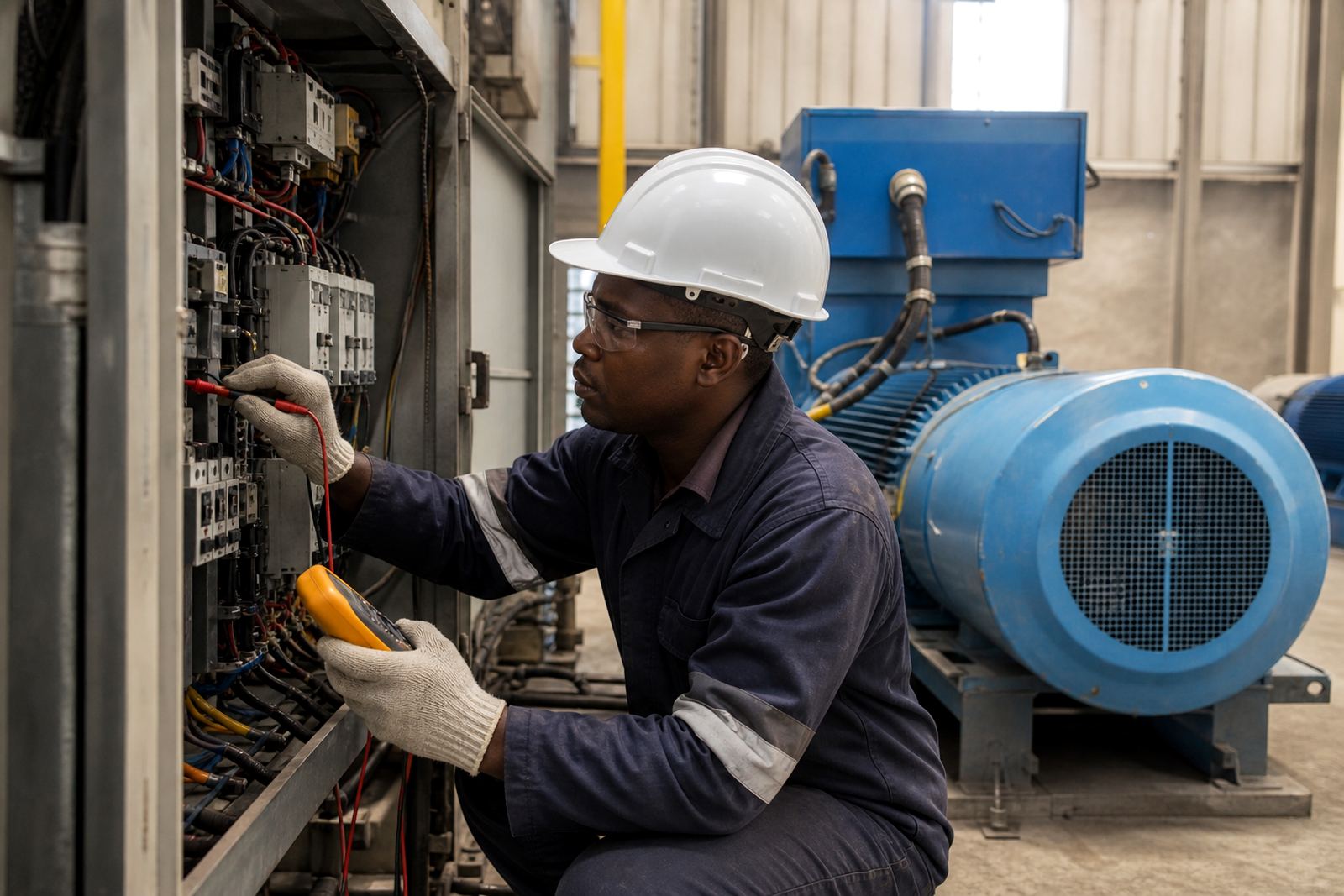
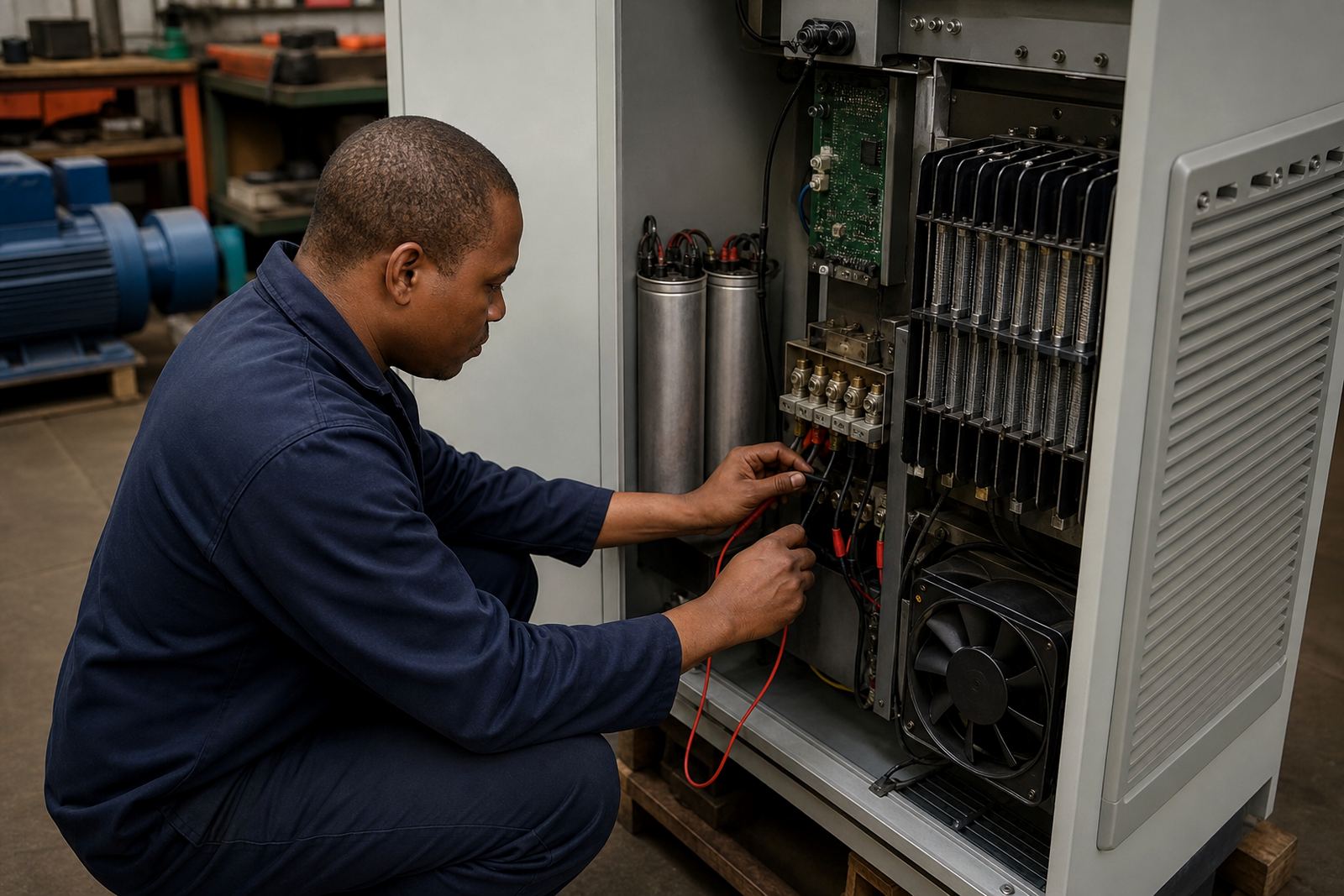
- Inspect the drive, panel and wiring
- Check for contamination, wear and thermal signs
- Record findings and recommend next action
Signs a Drive Needs Inspection Soon
Many drives show warning signs before they fail completely. Some operators notice repeated trips after power interruptions or load-shedding events. Others hear the motor hunting up and down, or see unstable speed when the process load changes. In some cases the drive still runs, but the display shows alarms, the fan is noisy, or the panel feels hotter than usual. These signs should not be ignored because a small fault can turn into a bigger one very quickly.
If the installation is in a workshop with frequent starts and stops, the strain on the drive can be higher than expected. Poor cabling, loose earthing, blocked ventilation, incorrect parameter settings or a failing motor can all lead to nuisance faults. Our inspection helps separate the drive issue from the wider machine issue, which saves time and avoids unnecessary parts changes.
- Trip codes appearing more than once
- Unstable speed or speed hunting
- Burning smell, heat or visible dust inside the panel
- Cooling fan noise or blocked ventilation
- Intermittent running after power dips
What We Check in the Drive and Surrounding Equipment
A proper drive inspection is not just about looking at the front display. We check the installation around it as well, because the support systems often reveal the real cause. That can include the incoming supply, output cabling, motor connections, control wiring, panel cleanliness and any signs of moisture or corrosion. In some cases the drive is fine, but the motor insulation has weakened or a bearing fault is causing overload.
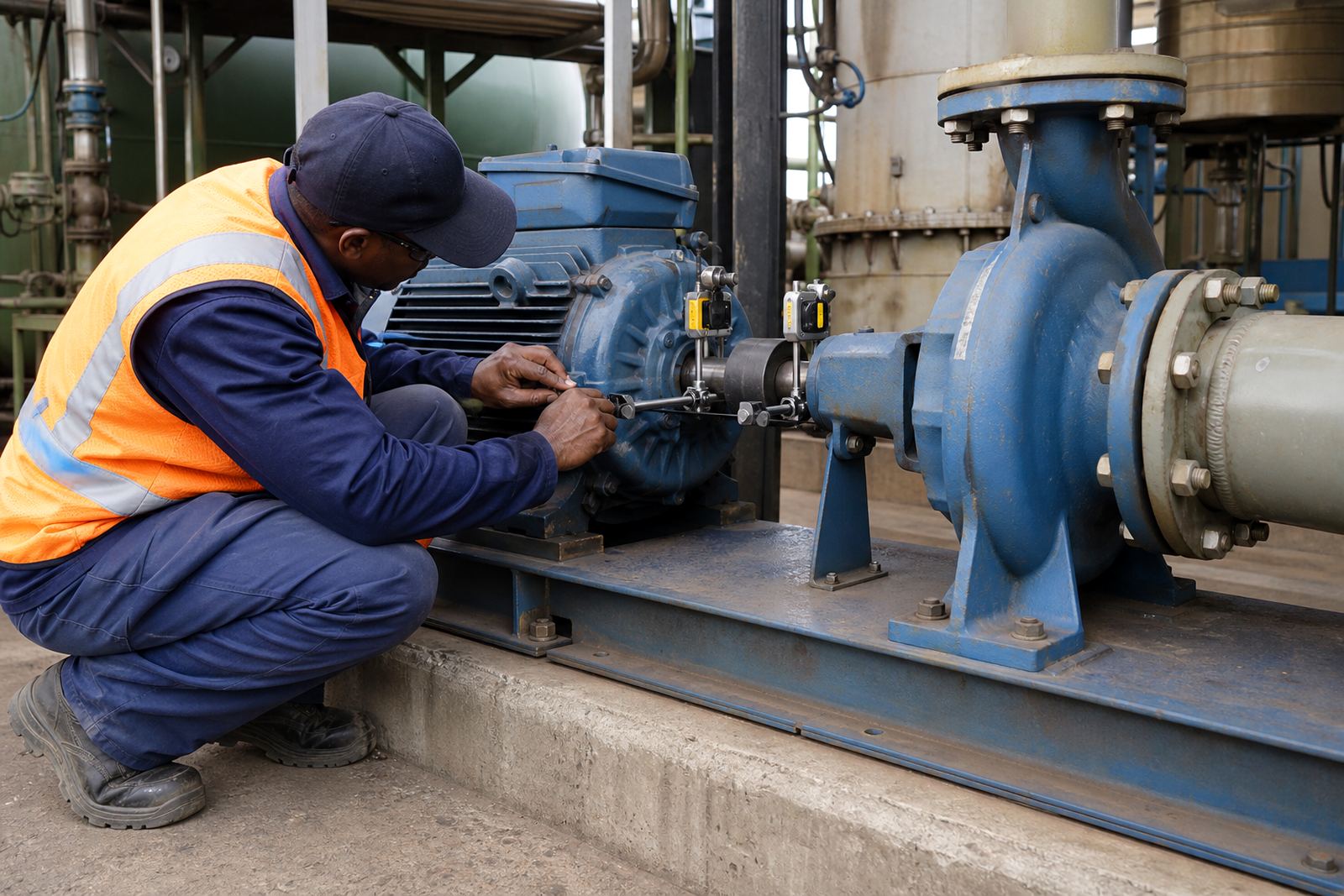
Where the situation calls for it, we also assess whether the drive setting matches the application. A pump, conveyor and fan do not behave the same way, and incorrect acceleration, deceleration or protection settings can lead to repeated shutdowns. The inspection can form part of a wider maintenance plan that includes insulation testing, bearing checks, alignment checks and spares assessment. That gives you a more complete view of the machine health.
- Incoming supply condition and phase balance
- Output side wiring and motor terminations
- Panel dust, moisture and corrosion signs
- Parameter setting review against the load
- Motor and mechanical condition where accessible
Turnaround, Access and Reporting
Turnaround depends on site access, the condition of the equipment and whether the drive can be inspected in place or must be removed for workshop testing. Simple onsite inspections can often be completed quickly once the machine is made safe, while more detailed cases may take longer if the fault is intermittent or tied to the load. We work across Germiston, Johannesburg, Ekurhuleni, Pretoria, Vereeniging and Durban, and we also assist clients in Boksburg and Kempton Park when the job calls for it.
Our reporting is practical and direct. We note the fault symptoms, visible findings, likely causes and any recommended follow-up action. If the drive needs repair, we can guide the next steps for repair planning, shutdown planning or commissioning support. If the issue points away from the drive, we say so plainly rather than pushing unnecessary work.
- Clear site notes for maintenance teams
- Findings grouped by urgent, check later and monitor
- Useful for planned shutdowns and out-of-hours work
- Suitable for plants, workshops and service contractors
Pricing Approach and Maintenance Intervals
We do not use one flat rate for every drive inspection because every site is different. Pricing is based on the equipment condition, the number of drives to be checked, access difficulty, the amount of testing required and whether the work is done during a shutdown or while the plant is still operating. If there are several panels or a large plant area, the pricing approach changes to suit the scope. You only pay for the work actually needed.
For maintenance, many sites benefit from regular inspection intervals rather than waiting for a fault. Drives in dusty workshops may need checks more often, while humid coastal sites may need closer attention to corrosion and contamination. As a general practice, it is sensible to include drive inspection in planned maintenance, especially after power interruptions, process changes or repeated overloads. The interval should be matched to the machine duty, not guessed.
- Best suited to planned maintenance and fault response
- Intervals depend on dust, heat, vibration and load duty
- Extra checks are wise after repeated power dips
- Panel cleaning and cable checks can be added as needed
Key facts
| Service area | Germiston, Johannesburg, Ekurhuleni, Pretoria, Vereeniging, Durban, Boksburg and Kempton Park |
|---|---|
| Typical equipment | Variable speed drives for pumps, fans, conveyors, compressors and mixers |
| Common fault signs | Trips, alarms, unstable speed, overheating, noisy fans and intermittent running |
| Inspection focus | Drive condition, wiring, cooling, control signals, load issues and contamination |
| Safety requirement | Qualified electrical personnel only, with full lockout and isolation procedures |
| Follow-up options | Motor removal, insulation testing, bearing checks, panel cleaning and commissioning support |