

Planned Maintenance That Keeps the Shutdown Moving
Shutdown planning is about lining up the right work before the first machine is isolated. For plants and workshops in Germiston, Johannesburg, Ekurhuleni, Pretoria, Vereeniging and Durban, that can mean several electric motors, variable speed drives, starters and control panels needing attention at once. We help you sort the jobs, sequence the work and prepare the parts and labour needed so your maintenance window is used properly.
Our approach suits sites that cannot afford unnecessary delays after isolation. We coordinate motor removal, drive inspection, bearing checks, insulation testing, alignment checks and site reporting as one plan, rather than treating each item as a separate job. That is useful when production is under pressure, when load shedding has already tightened the schedule, or when a coastal site needs extra attention because of humidity and corrosion.
- Motor and drive work planned around your shutdown date
- Attention to multiple assets in one maintenance window
- Suitable for plants, workshops and processing sites
- Clear sequencing from isolation through to recommissioning
What We Include in a Shutdown Plan
Every site has different priorities, but a practical shutdown plan usually starts with a list of machines, their ratings and the faults that have shown up before the outage. We check what can be serviced in place and what must come out for rewinding or repair. If a motor has overheating, low insulation resistance or failed bearings, it is marked for the correct level of work instead of a quick patch.
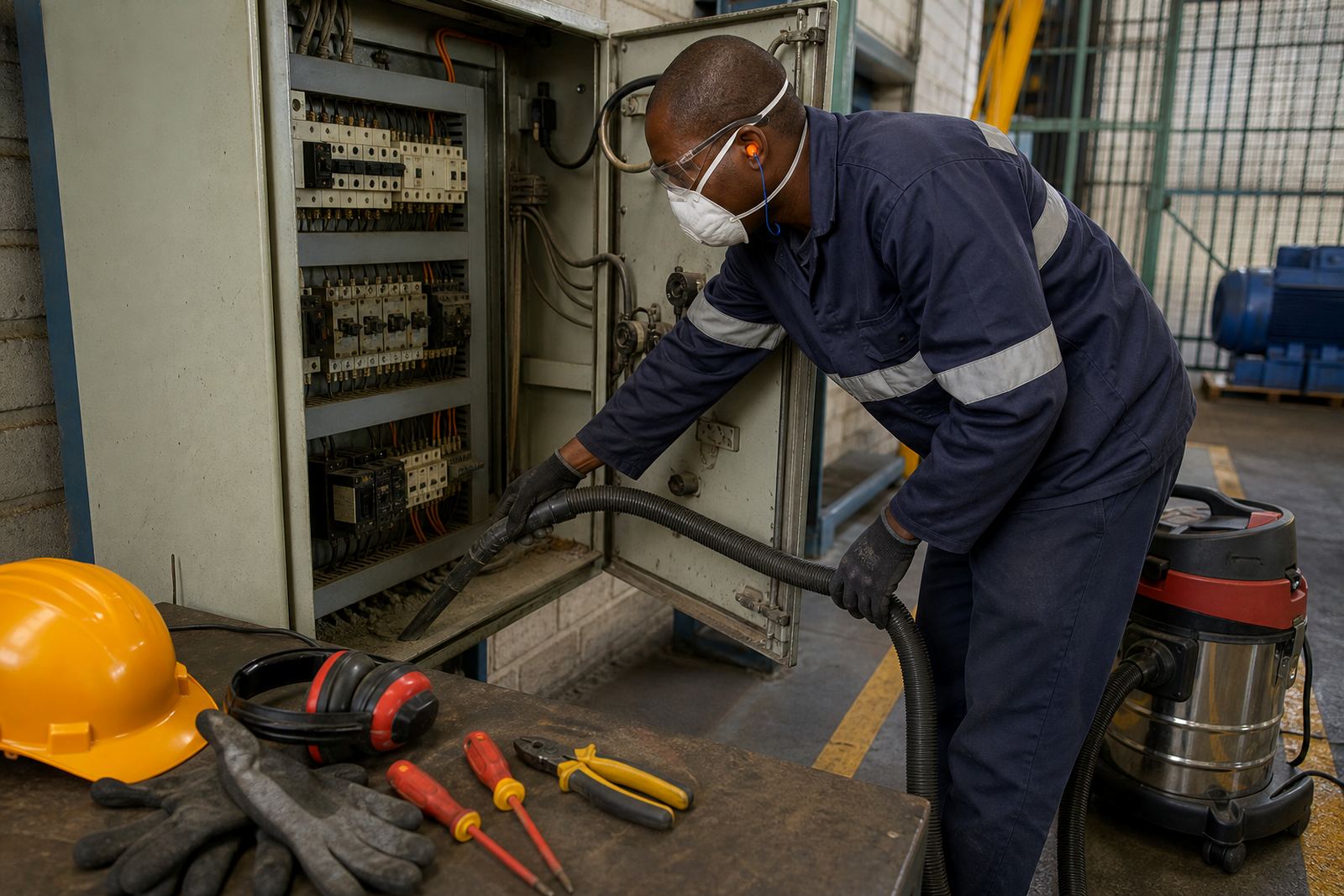
For drives, we look at signs of tripping, overheating, contamination and cable issues. Panel cleaning and cable checks are often added because dust, oil mist and loose terminations are common causes of repeat failures. On larger shutdowns, we can also include spares assessment so your team knows which consumables and parts should be on hand before the plant stops.
- Fault finding and inspection of motors and drives
- Motor removal and site coordination
- Bearing checks and replacement planning
- Insulation testing and alignment checks
- Panel cleaning, cable checks and commissioning support
- Site reporting for maintenance records
How the Work Is Sequenced on Site
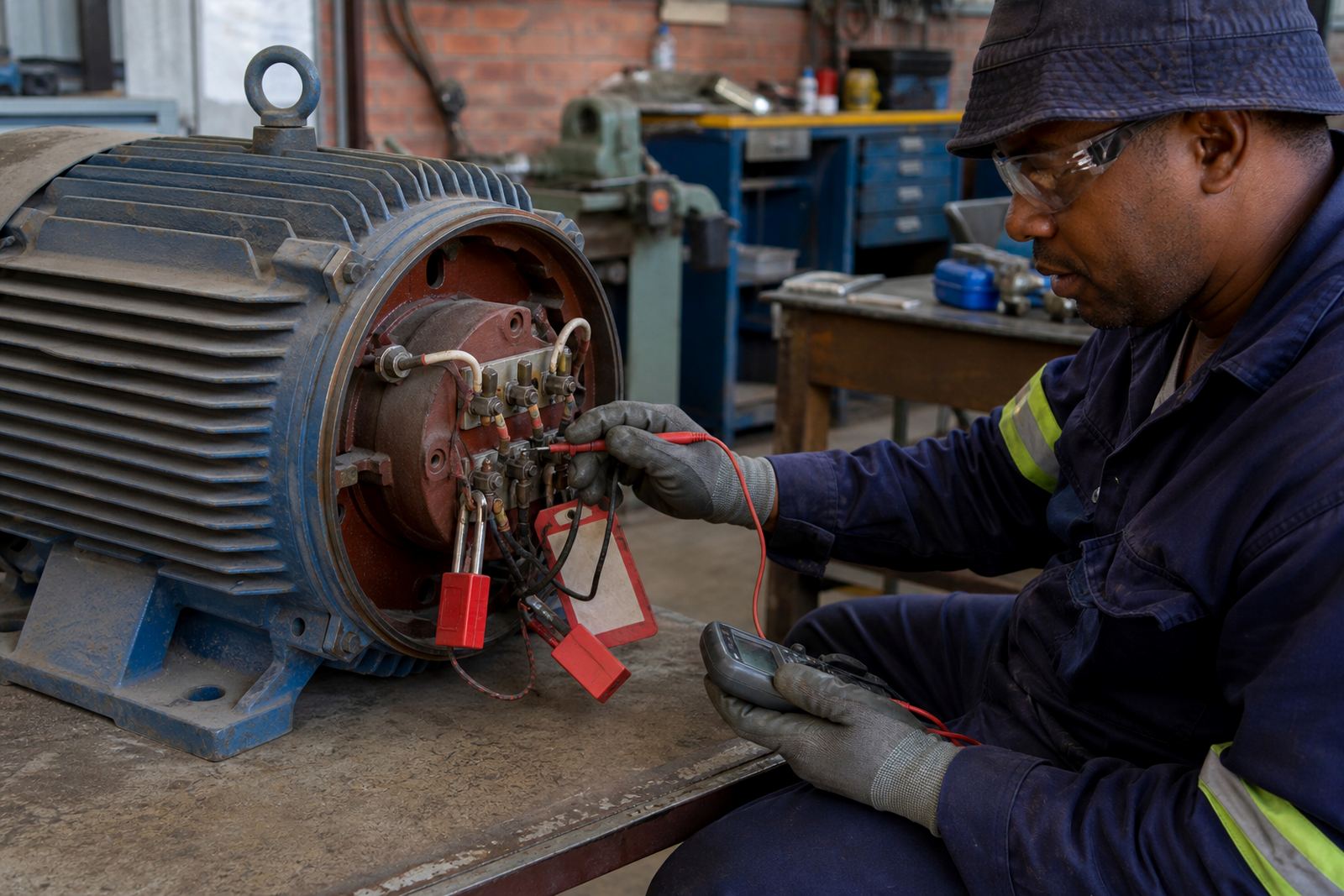
Good shutdown work needs a proper order. We start by confirming the equipment list, access points and safety requirements with your maintenance team or contractor. Once isolation is planned, the affected assets are identified, tagged and checked against the work list. This helps avoid confusion when several pumps, fans, conveyors or process machines are being handled at once.
Our technicians then follow the agreed sequence. That may begin with safe removal of a motor, then inspection of the frame, shaft and bearings, followed by rewinding if the winding has failed. Drives are inspected separately for board condition, heat stress, loose terminals and contamination. If a motor needs balancing or alignment after reinstallation, that is handled before commissioning. Electrical work must always be done by qualified people using lockout procedures and proper test equipment, no shortcuts.
- Pre-shutdown review of assets and fault history
- Isolation, lockout and asset tagging
- Strip, inspect and test in the correct order
- Reinstall, align and verify before start-up
Motor Rewinding, Bearing Replacement and Drive Repair During the Outage
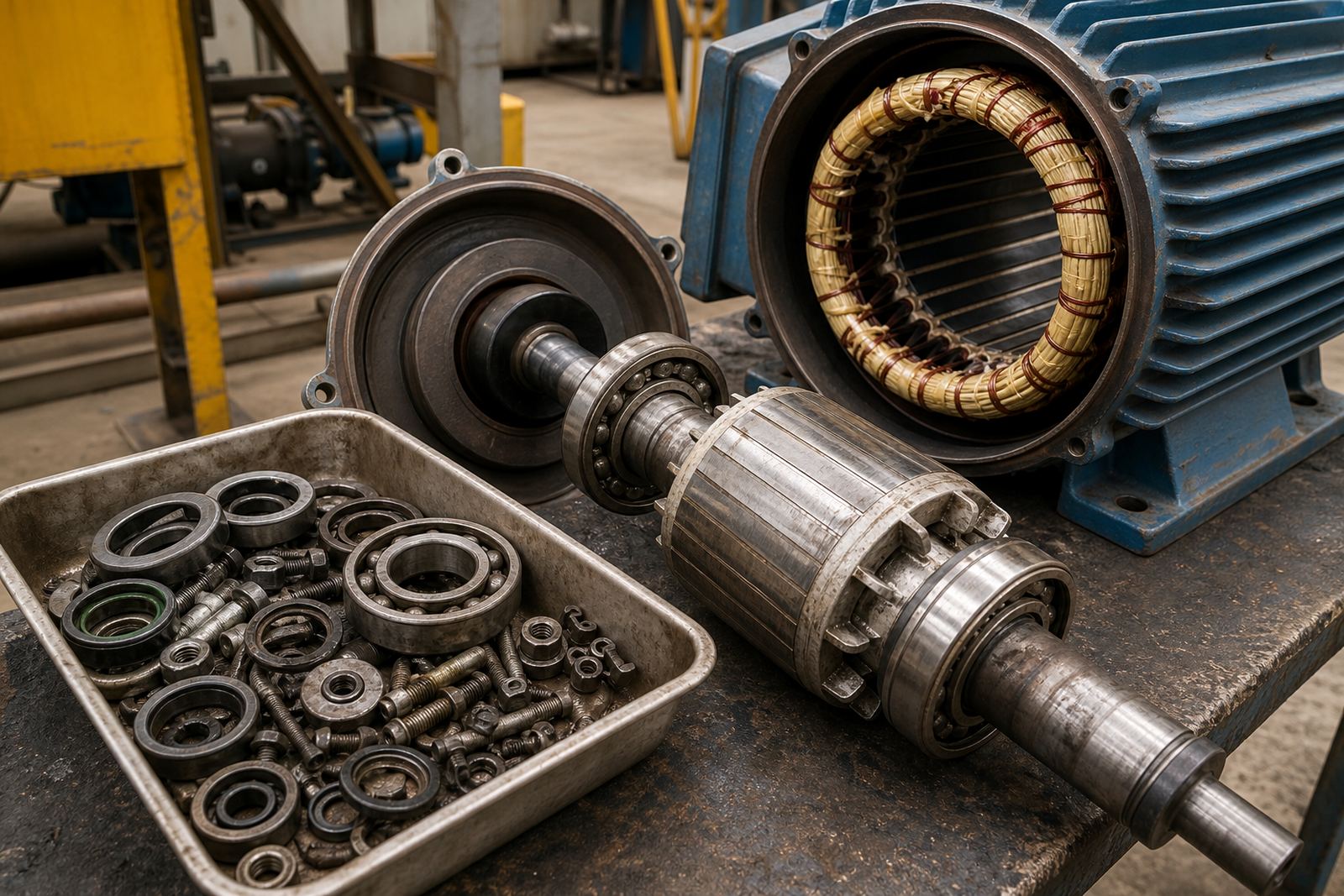
Shutdowns are often the best time to deal with deeper electrical repairs. Electric motor rewinding can restore a winding that has failed through insulation breakdown, contamination or overheating. We work with stators and rotors depending on the machine design, and the process includes careful stripping, winding, insulation preparation, varnishing or impregnation where needed, and final electrical checks before return to site.
Bearing replacement is another common shutdown task. Worn bearings can cause vibration, noise, heat and shaft damage if left too long. We inspect the fit, seals and running condition, then replace as required and confirm alignment before the motor goes back in service. For variable speed drives, repair work can involve diagnosis of power stages, control sections, cooling fans and contaminated internals. The aim is to return the unit in a condition that can handle the site duty cycle, not just to make it power up.
- Rewinding for failed or damaged motor windings
- Bearing replacement and related mechanical checks
- Insulation testing before and after repair
- Variable speed drive fault diagnosis and repair
- Cooling, contamination and terminal inspections
Turnaround Planning Without Guesswork
Turnaround times depend on the fault, the size of the machine, the number of assets booked in and whether parts are available. A small, straightforward drive inspection is not the same as a large motor rewind with bearing replacement and final testing. That is why shutdown planning starts with a proper scope, so the maintenance team knows which items are likely to move through quickly and which ones need more time.
We help clients plan the order of work so the most critical equipment is handled first. If a line must restart in stages, we can sequence jobs to match that. Where possible, we advise on spare motors or drives that should be held on the shelf, especially for older equipment or machines with long lead times. This is practical in Gauteng and on coastal sites where salt, moisture and dust can make repeat faults more likely.
We do not promise fixed turnaround figures because each job is different, but we do keep the repair scope clear and communicate what the site should expect before the shutdown begins.
Pricing Built Around Scope and Access
Shutdown planning is priced according to the work required, the number of assets involved and the level of site coordination needed. A plan for two motors in a workshop will not carry the same scope as a multi-line plant outage with motors, drives, panels and cable checks across several areas. Access, lifting, removal difficulty and testing requirements all affect the quote.
We prepare pricing once the equipment list and expected work are clear. That means the client can compare like for like and see what is included. If the scope changes during the shutdown because another fault is discovered, we discuss it before extra work is done. That keeps the process straightforward and avoids surprises for the maintenance manager or production team.
- Pricing based on scope, quantity and site conditions
- Separate consideration for removal and reinstallation
- Additional work discussed before it is carried out
- Useful for planned maintenance budgets and annual shutdowns
Maintenance Intervals and Follow-Up Checks
Shutdown planning works best when it is tied to a sensible maintenance interval rather than left until failure. Motors in dusty workshops, humid coastal environments or heavy duty process areas often need more frequent inspection than light-duty equipment. Drives that sit in hot or dirty panels may also need regular cleaning and terminal checks to stay reliable.
Depending on the site, maintenance intervals can include visual checks, insulation testing, bearing inspections, panel cleaning and drive assessment at agreed service windows. A good shutdown plan should also leave space for follow-up checks after commissioning, especially where alignment, cable terminations or process loading need to settle in. Lerato and the support team help keep the reporting clear so the maintenance history is easy to follow at the next outage.
If your plant in Germiston, Boksburg, Kempton Park or further afield has several motors and drives due for attention, shutdown planning helps you get through the work in an orderly way and back into production with fewer loose ends.
Key facts
| Service type | Planned repair coordination for motors, drives and related electrical assets |
|---|---|
| Typical equipment | Electric motors, variable speed drives, panels, starters and cabling |
| Core checks | Fault finding, insulation testing, bearing checks and alignment checks |
| Work setting | Plants, workshops and processing sites across South Africa |
| Safety requirement | Qualified electrical personnel, lockout procedures and proper isolation |
| Regions served | Germiston, Johannesburg, Ekurhuleni, Pretoria, Vereeniging, Durban and surrounding areas |