

Water Treatment Equipment That Cannot Stay Down
In water treatment, a motor fault can stop pumping, reduce aeration, upset mixing or leave screens and conveyors out of step. That affects plant flow, water quality and the pressure on the operations team. Locor works on the motor and drive side of these systems, helping plants keep equipment moving in a practical way.
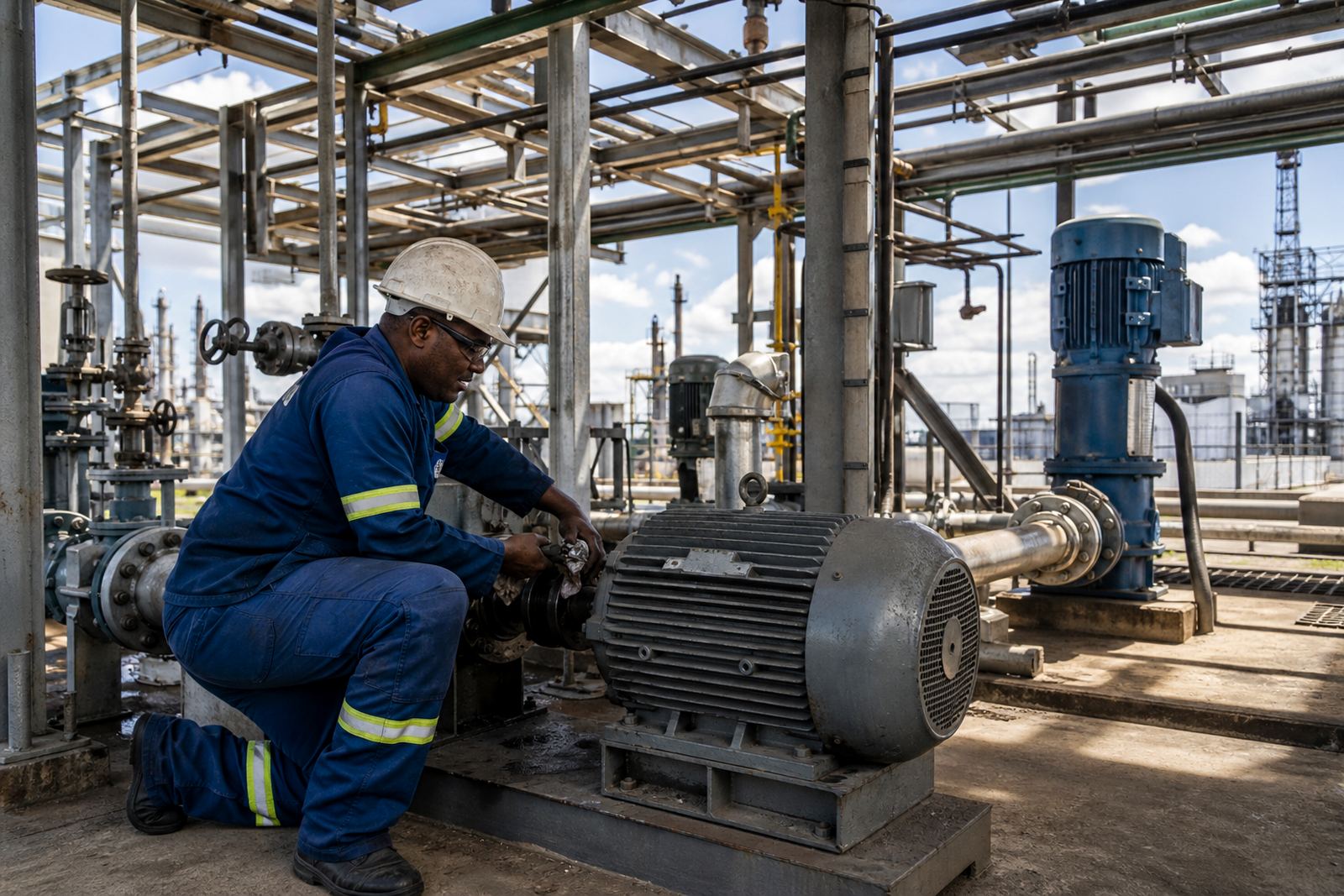
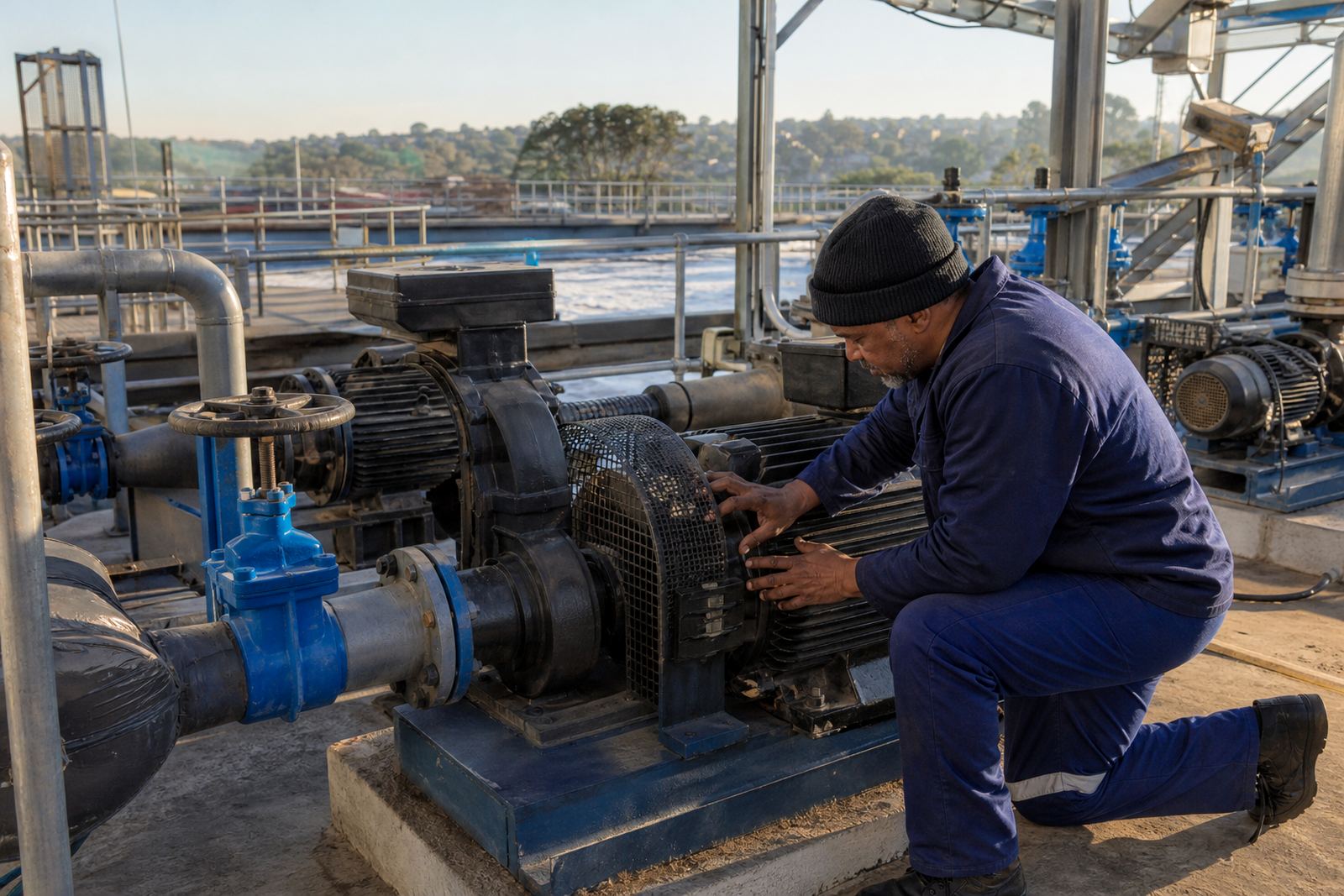
The usual call-outs are for motors on raw water pumps, transfer pumps, sludge pumps, blowers, mixers, screw drives and screening equipment. In some sites the problem starts with heat, moisture or bearing wear. In others it comes from repeated trips on a variable speed drive, poor cable condition, or a motor that has seen too many starts during load-shedding and recovery cycles.
Our work is aimed at the equipment that has to be ready every day. That means careful fault finding, proper isolation and a fix that suits the duty of the machine, not just the symptom seen on site.
Typical Motor and Drive Problems On Site
Water treatment plants often run in damp or corrosive conditions, especially near open basins, chemical dosing areas and washdown points. Coastal humidity can make insulation issues worse, while grit and vibration can damage bearings and terminals. A drive room that is dusty or poorly ventilated can also shorten the life of electronic components.
Common issues include overheating, tripping on overload, failed winding insulation, noisy bearings, water ingress, cable faults and inaccurate speed control. If a pump runs dry, a mixer is overloaded with settled solids, or a blower sees blocked filtration, the motor and drive can be stressed very quickly.
- Motor rewinding when windings have burnt, shorted or broken down
- Bearing replacement where noise, play or heat points to wear
- Insulation testing to check the health of the winding and cabling
- Variable speed drive repair for trip faults, control issues and damaged power sections
- Panel cleaning, cable checks and site reporting when contamination is part of the problem
Planning Repairs Around Pumps, Blowers and Screens
Good planning matters because water treatment work is usually tied to flows, tank levels and municipal reporting requirements. A repair should not be scheduled in a way that leaves one line overloaded or creates unnecessary downtime on the whole plant. It helps to know which motor is critical, which one can be bypassed, and what backup pumping or mixing is available while the unit is out.
When we support a site, we look at the physical layout first. That includes access to the motor, lifting space, cable routing, panel location, ventilation, and whether the drive is protected from heat and moisture. We also check if the motor base, coupling or alignment has been disturbed. If a machine sits in a cramped room or outside in the weather, planning the removal and re-installation properly saves time later.
- Allow space for safe motor removal and refitting
- Plan lockout and isolation before anyone opens a terminal box or panel
- Check whether the pump or mixer can be isolated without stopping the full plant
- Confirm spare bearings, couplings and cable glands before shutdown starts
- Arrange commissioning support so the unit is tested under load, not just in the workshop
What Locor Checks During Fault Finding
Electrical work must only be done by qualified people, with proper lockout procedures and verification that the circuit is dead. On water treatment sites this is not optional. Motors and drives can hold stored energy and a rushed approach can damage equipment or put staff at risk.
Our fault finding usually starts with the obvious signs and then moves deeper. We look for signs of overheating, contamination, loose terminations, damaged cable entries, vibration, abnormal current draw and drive alarm history. If the motor is to be rewound, we assess the failed winding and check for the likely cause so the same fault is not repeated after re-installation.
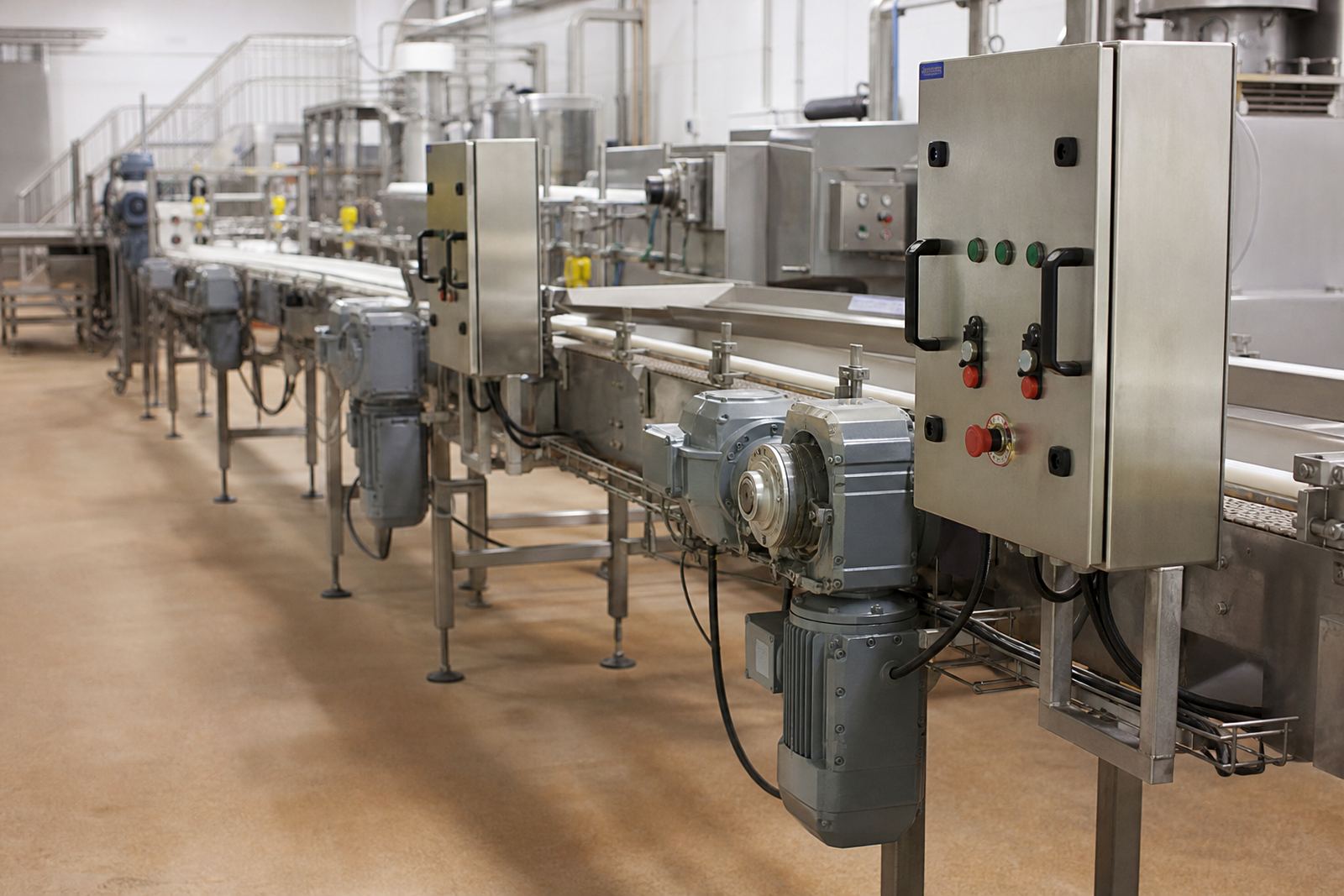
For drives, we inspect the power section, cooling path, control terminals and signs of dust or moisture damage. Many drive faults start small, such as a fan failure or blocked heatsink, then become a major breakdown if left too long. In some cases the issue is external, for example a bad encoder signal, bad supply quality or a motor problem that the drive is reacting to.
Rewinding, Bearings And Insulation Testing
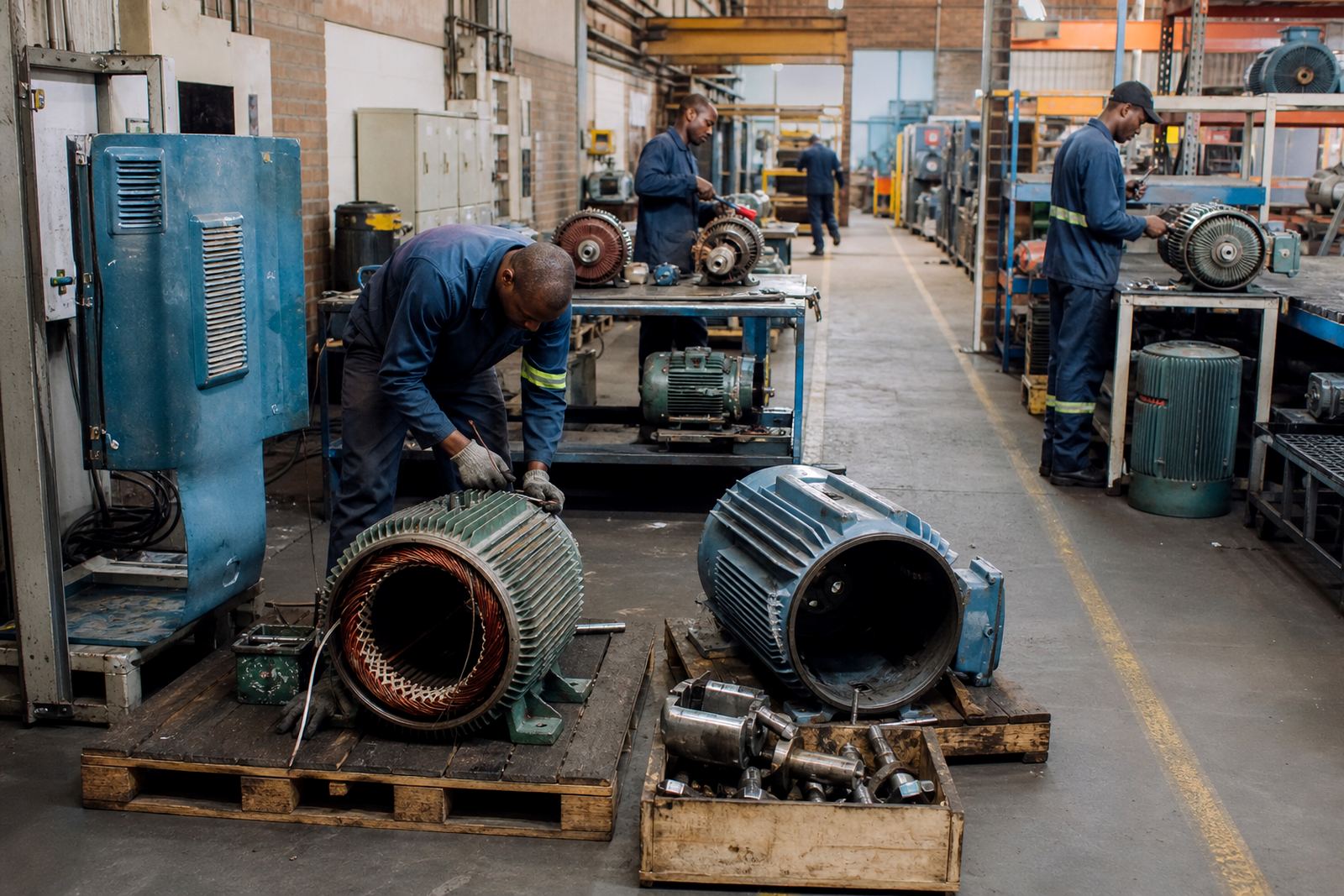
Electric motor rewinding is used when the winding insulation has broken down or the coils have failed through heat, age or contamination. The process usually includes stripping the damaged winding, preparing the stator, fitting new insulation materials, rewinding to the correct pattern, and then testing the completed unit. The aim is to restore the motor to reliable service while keeping the mechanical fit and electrical characteristics suitable for the duty.
Bearing replacement is often part of the same job. A motor can fail early if a bearing is noisy, dry or loose, especially on pumps and blowers that run for long hours. We also check shaft condition, end covers, seals and signs of misalignment. Insulation testing is essential before and after repair because it shows whether a winding is safe to energise and whether moisture or contamination has been brought under control.
Where speed control is involved, drive repair has to match the actual plant duty. A drive that keeps tripping may be protecting the process from a deeper fault, so it should not just be reset and forgotten. That is where careful testing and site observation matter.
Budget Ranges For Water Treatment Repairs
Budgets in water treatment vary because the size of the motor, the access to the equipment and the extent of the damage all change the job. A small workshop motor, a medium pump motor and a large blower motor are not priced the same, and drive repairs also vary with the complexity of the fault. It is better to budget by scope than by guesswork.
As a practical guide, site fault finding and reporting may sit in a lower budget band, while motor removal, rewinding and re-installation sit higher because they involve more labour and testing. Drive inspections can be simpler when the fault is minor, but power stage repairs or component-level work can move the cost up quickly. If a plant needs shutdown planning, spare assessment and commissioning support, those items should be allowed for separately.
- Basic inspection and fault finding: usually the lowest cost tier
- Motor rewinding and bearing work: medium to higher cost depending on frame size
- Drive repair: varies from simple inspections to more detailed electronic work
- Site support, removal and commissioning: depends on access, urgency and plant layout
If you are budgeting for a municipal plant, a private borehole system or an industrial wastewater line, it helps to set aside contingency for hidden issues like cable damage, alignment correction or panel cleaning. That keeps the repair plan realistic.
Where We Support Plants Across South Africa
Locor is based in Germiston and supports water treatment work across Johannesburg, Ekurhuleni, Pretoria, Vereeniging and Durban, including Boksburg and Kempton Park. We also support plants and workshops elsewhere in South Africa when the job calls for practical motor and drive work. For site teams in busy industrial areas, the benefit is having one team that understands both the workshop side and the field side.
If your pumps, blowers, mixers or screening systems are giving trouble, send an enquiry through the contact page and include the equipment type, the fault symptoms and whether the unit is still on site or already removed. Clear information helps us plan the right checks before a technician arrives.
Water treatment plants run on timing, and motor or drive trouble can spread quickly if it is not dealt with properly. A sound repair starts with safe isolation, a proper check of the cause, and a return to service that matches the duty of the plant.