

When a workshop motor starts causing stoppages
In a manufacturing workshop, one weak motor can hold up cutting lines, pumps, fans, conveyors, mixers or machine tools. Common warning signs include repeated breaker trips, overheating, burning smell, vibration, noisy bearings and drives that fault during start-up or speed changes. If the issue is caught early, the repair is often simpler and less costly than waiting for a full failure.
Locor works from Germiston, Gauteng and supports workshops in Johannesburg, Ekurhuleni, Pretoria, Vereeniging, Durban, Boksburg and Kempton Park. The aim is to get a clear fault picture first, then decide whether the motor needs rewinding, bearing replacement, insulation testing or a variable speed drive repair.
- Frequent nuisance trips on motors or drives
- Uneven running, poor torque or slow acceleration
- Bearing noise, shaft play or heat build-up
- Insulation breakdown after moisture, dust or age
Typical equipment found in production workshops
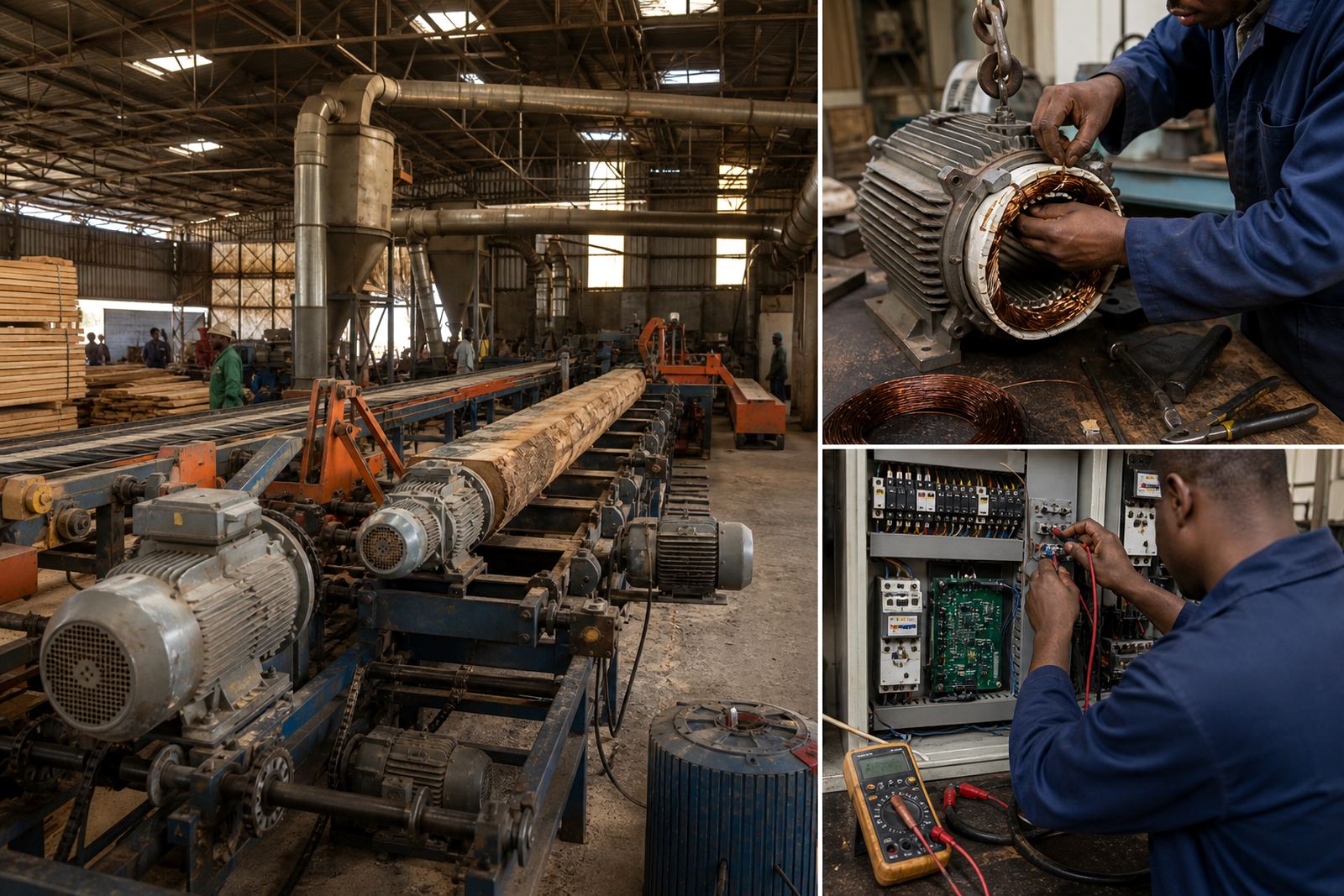
General manufacturing workshops usually run a mixed set of electric motors and drives, often in dusty, warm or high-vibration areas. Some plants also face load-shedding changes, unstable supply quality or coastal humidity that can affect winding condition and electronic controls over time. The exact layout varies, but the repair questions are often the same: is the motor sound, is the drive reading correctly, and what caused the failure in the first place?
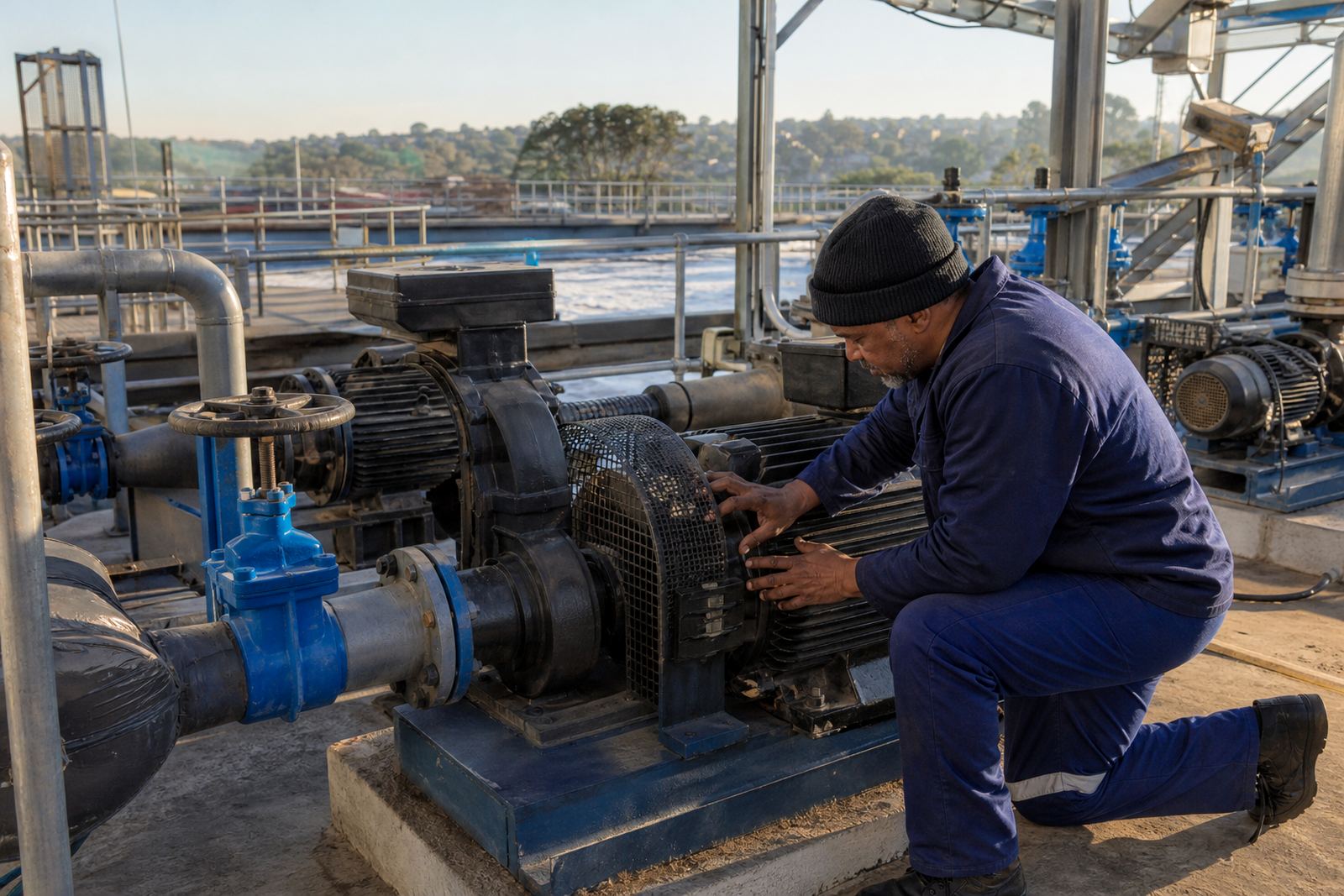
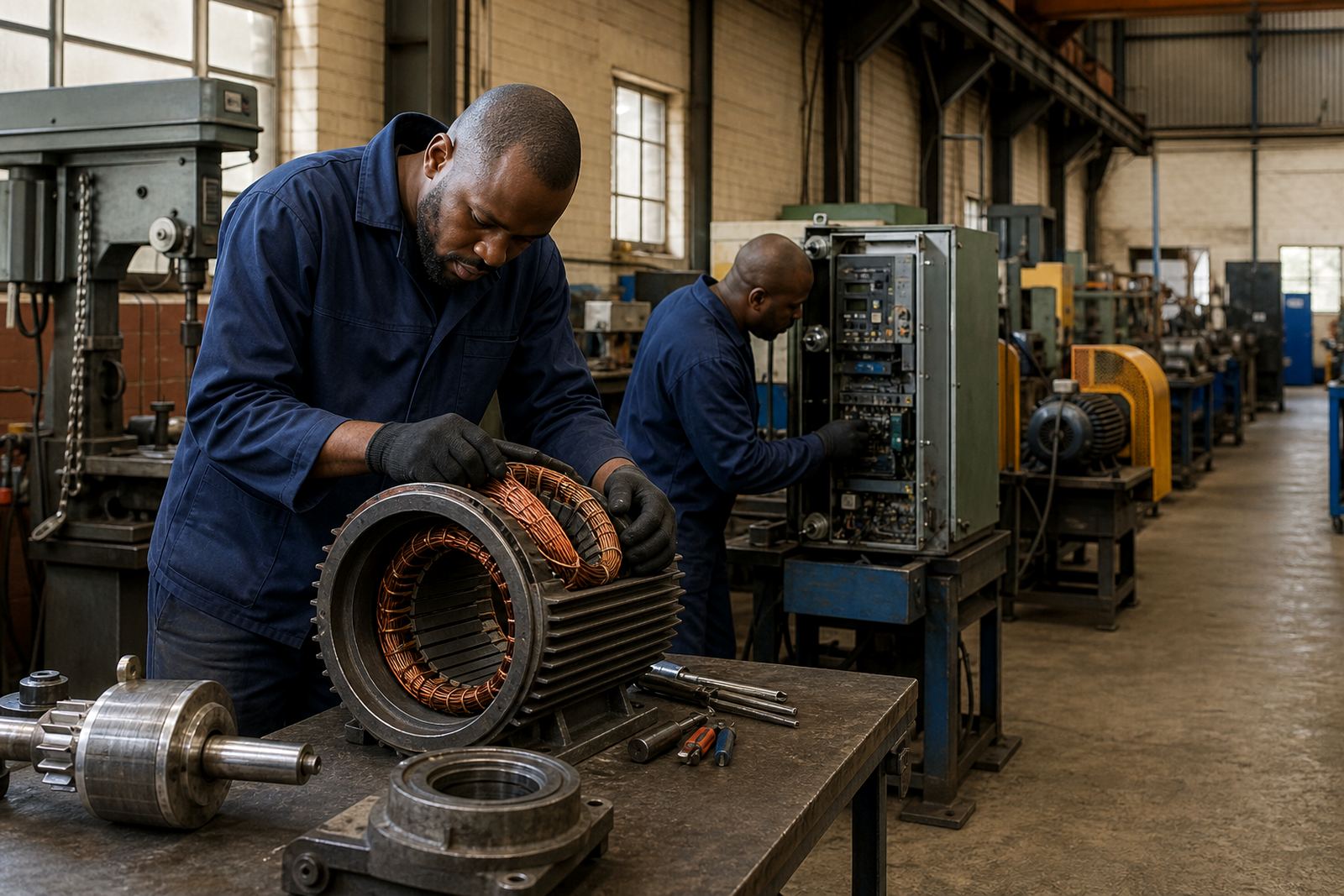
Motor rewinding can be suitable where the stator winding has failed but the frame, rotor and core are still serviceable. Drive repair is often needed where a speed control unit has damaged power devices, cooling parts, capacitors or control circuitry. Bearing checks and alignment checks matter too, because a healthy winding wont help much if the shaft is running out of line or the load is binding.
- Conveyor and feeder motors
- Pump and fan drives
- Compressed air and extraction systems
- Machine tool motors and process drives
How to plan a repair without upsetting production
Good planning reduces downtime and helps the repair team work safely. Before any removal, the circuit should be isolated, locked out and tested dead by qualified people. That matters for motor feeders, control panels and variable speed drives alike. A rushed strip-out can hide the real fault or cause more damage, especially if cables are mixed up or contamination is left inside the panel.
For workshop managers, it helps to map which machine is critical, what spares are on hand and whether the repair can happen during a planned shutdown. Site reporting, shutdown planning and spares assessment make it easier to decide if a motor should be repaired immediately, held as a spare, or replaced later. In many cases, panel cleaning and cable checks are worthwhile at the same time as the main repair.
- Label cables and terminal points before removal
- Keep the failed motor or drive clean and dry after strip-down
- Record fault codes, trip history and operating conditions
- Plan lift equipment and access for heavier motors
What Locor checks during motor and drive work
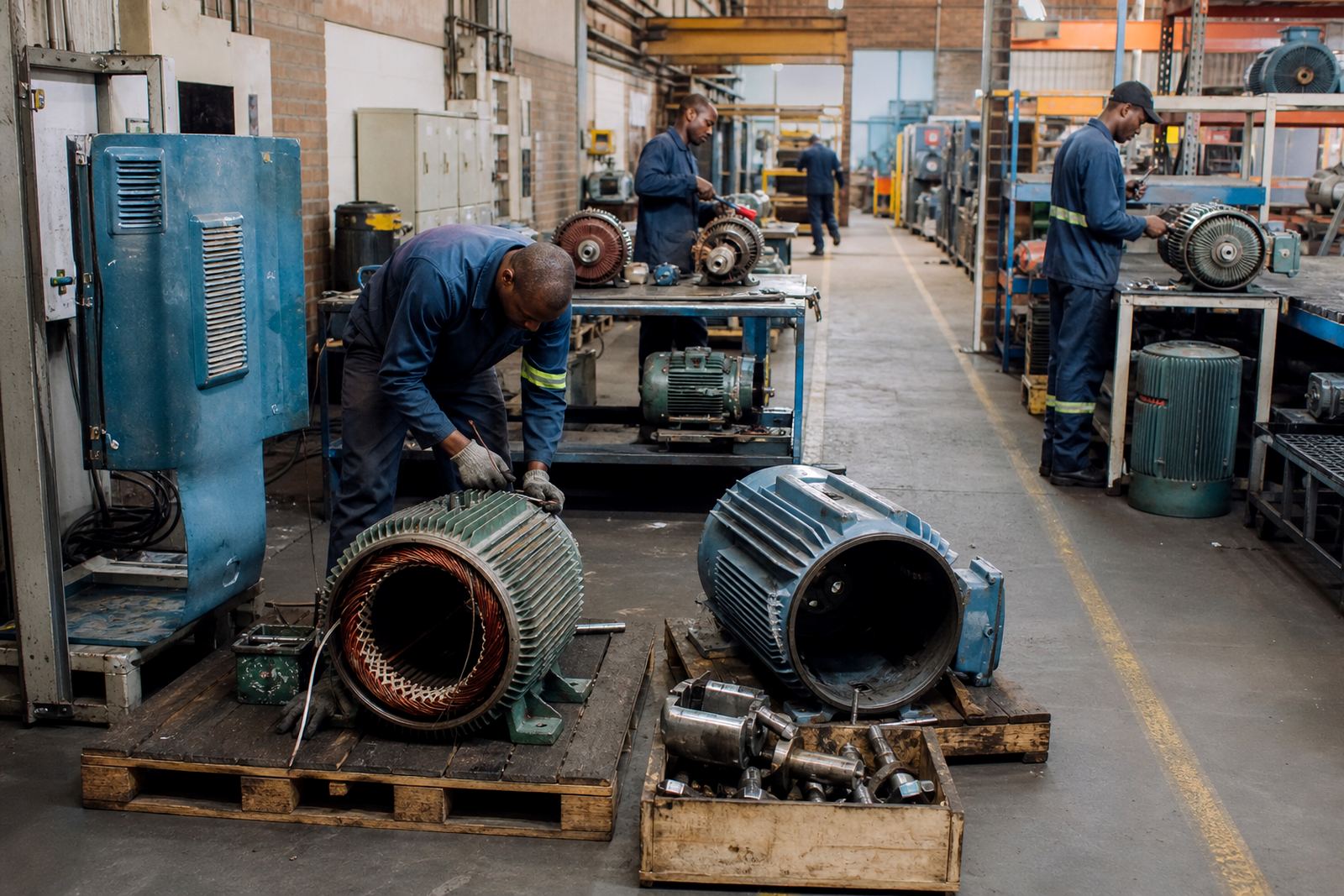
Locor handles fault finding, motor removal support, drive inspection and commissioning support for workshop equipment. Motor work may include stripping, rewinding, bearing replacement, insulation testing and final checks before reinstallation. Drive work may include visual inspection, internal cleaning, component assessment and testing of the control and power sections where appropriate.
Inspection is not just about the failed part. A motor that rewound badly may still fail again if the supply is poor, the load is overworked or the cabinet is full of dust. That is why alignment checks, bearing checks and cable checks are part of a proper workshop repair process. If the equipment is going back into a plant line, final commissioning support helps confirm the motor, drive and process all work together.
- Insulation resistance and condition checks
- Bearing condition and shaft run checks
- Drive fault tracing and cooling inspection
- Re-energising support after isolation and testing
Common mistakes that cost workshops more later
One common mistake is to keep resetting a tripping motor without checking the cause. Another is to replace a drive but ignore the motor insulation or the cabling that caused the fault in the first place. Some sites also skip alignment after reinstalling a motor, which can shorten bearing life and create repeat breakdowns. Moisture ingress, dust and loose terminations are often overlooked too.
Another issue is poor shutdown discipline. If a workshop stops a line for a repair but has not prepared access, lifting gear or spares, the outage can drag on. It is also risky to let unqualified staff work inside live panels or on motor circuits. Electrical work must be done by qualified people using correct lockout procedures and proper testing before anyone starts handling conductors.
- Do not run a motor with known bearing noise
- Do not fit a drive and skip the commissioning checks
- Do not ignore insulation readings after moisture exposure
- Do not mix up cable terminations during reinstallation
Budget ranges for workshop motor repairs
Repair budgets depend on the motor size, the extent of winding damage, bearing condition, whether the shaft or frame is affected, and how much electronic repair a drive needs. In smaller manufacturing workshops, a straightforward inspection and fault finding visit may sit in the low thousands of Rand, while a full motor rewind or serious drive repair can move much higher depending on parts and labour. If the motor is large, hard to access or part of a shutdown with after-hours work, the total can rise quickly.
A sensible approach is to ask for a repair assessment before deciding between rewind, repair or replacement. That way the workshop can compare the cost of returning the unit to service against buying new equipment. For older machinery, Locor can also help assess whether the remaining service life justifies the repair. The best value is often found when the fault is diagnosed properly at the start, not after a second breakdown.
Manufacturing workshops across Gauteng and beyond
From Germiston and Ekurhuleni to Johannesburg, Pretoria, Vereeniging and Durban, workshops need practical support that fits real production conditions. Locor works with manufacturing clients across South Africa on motors, drives and related electrical equipment used in everyday production. Whether the site is a small fabrication shop or a busy plant with multiple machines, the focus stays on safe isolation, accurate fault finding and solid repair work.
If your workshop has a motor that keeps tripping, a drive that will not hold speed, or a bearing issue that is starting to affect output, use the enquiry form on the contact page to get the process moving. A clear problem statement, a few photos and the equipment details are often enough to start the assessment.
- Germiston base for local workshop support
- Service coverage for Johannesburg, Ekurhuleni and Pretoria
- Support also available for Vereeniging, Durban and nearby industrial areas