

When a process line starts tripping
Chemical processing sites usually call when a pump, fan, mixer, conveyor or dosing unit starts overheating, humming, tripping on overload, or drawing uneven current. It may look like a motor problem, but the cause can sit anywhere in the chain, from the panel and cable run to the coupling, bearings or insulation system.
On plants with acid, solvent or damp service areas, the equipment is often exposed to corrosion and fine contamination. Motors on cooling towers, scrubbers, tank farms and utility rooms can suffer from moisture ingress, bearing wear and winding deterioration. Our team works on fault finding and site reporting so maintenance teams can see what failed, what still needs attention and what should be planned for the next shutdown.
Locor has been supporting industrial sites from Germiston since 2007. The work is led by Sibusiso Mthembu with Annelie van Wyk handling operations, Thabo Nkosi on winding, Megan Naidoo on drive repair, Johan Pretorius coordinating field service and Lerato Molefe supporting customers through the enquiry process.
Typical equipment in chemical plants and utility sections
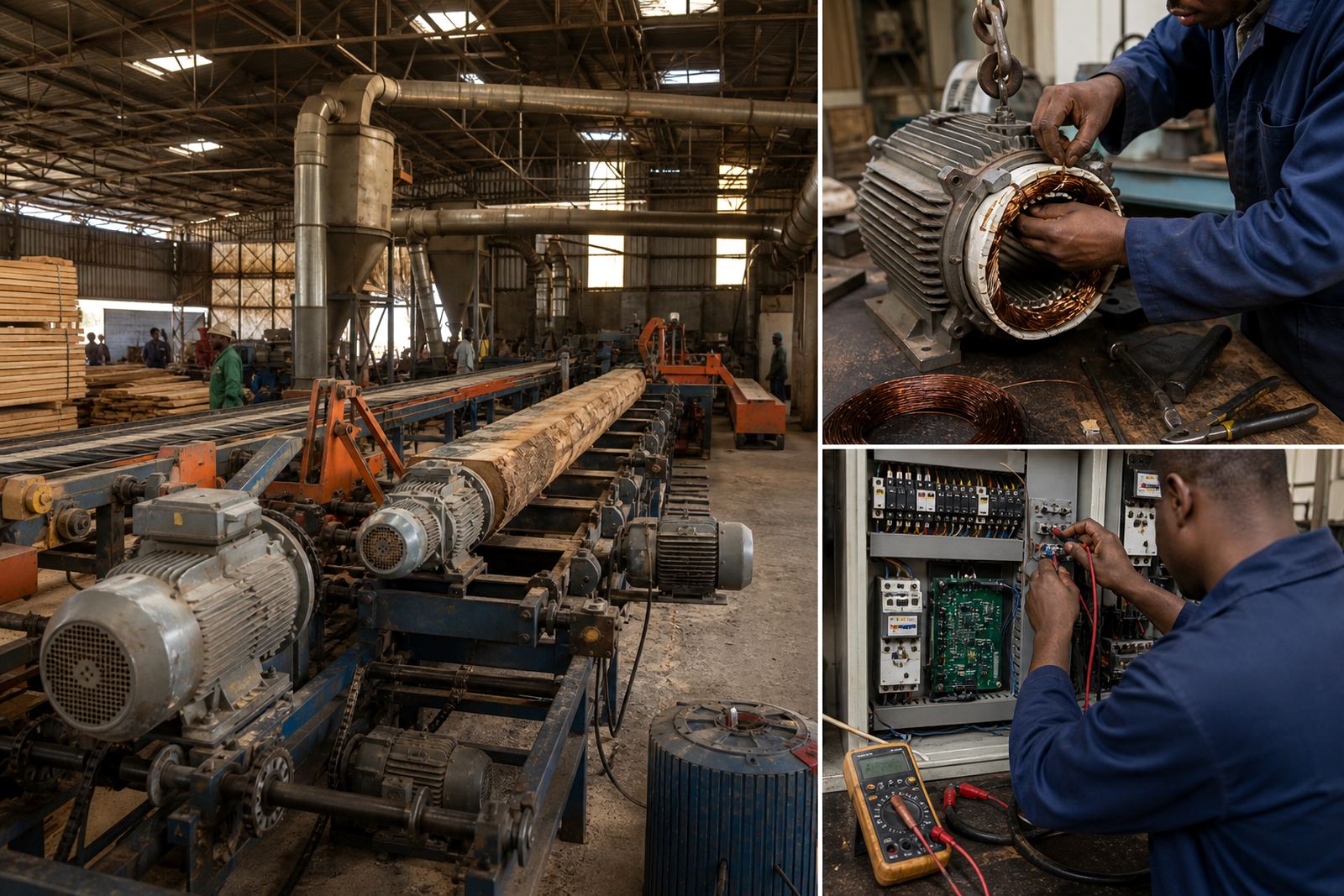
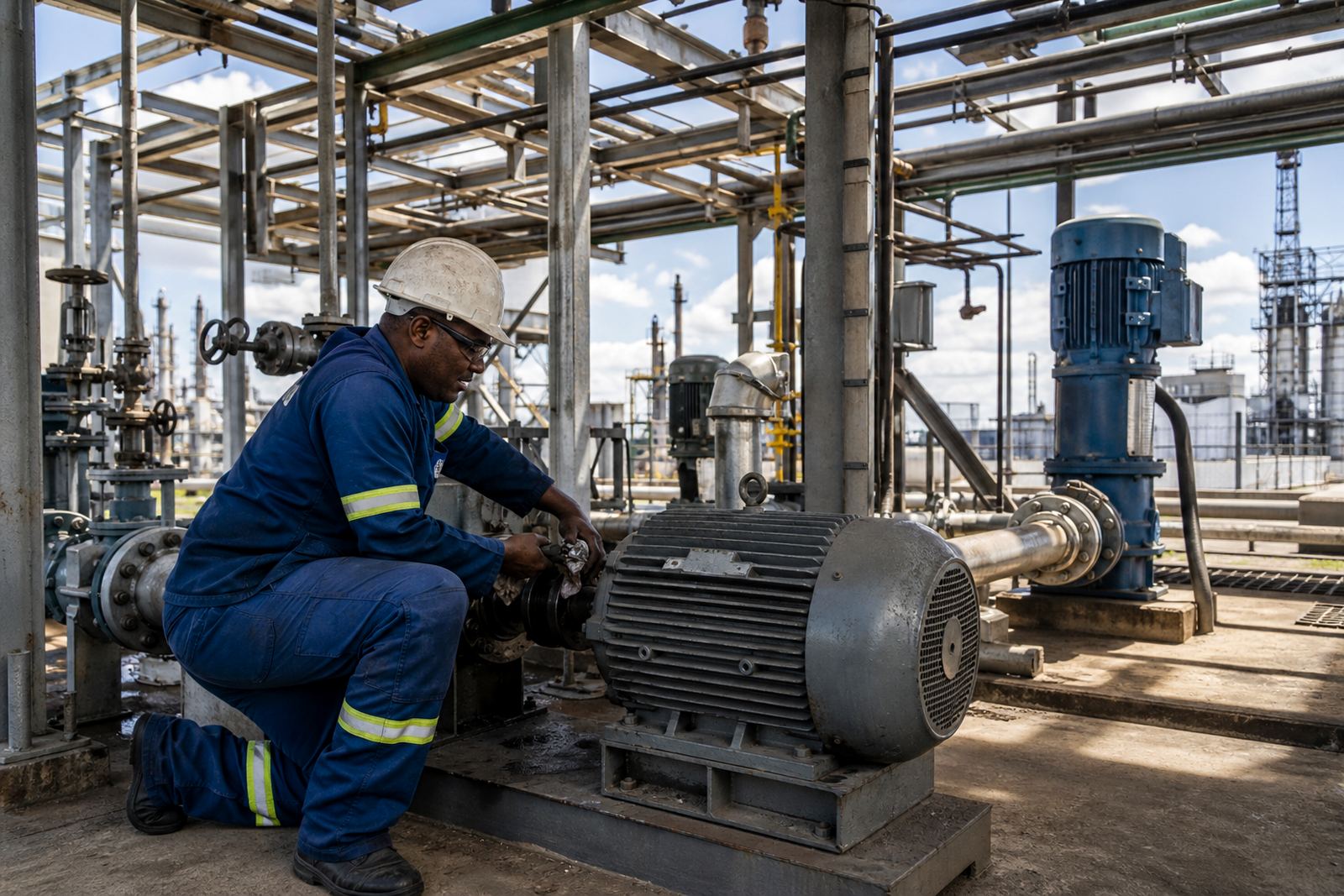
Every site is different, but the same types of rotating equipment tend to show up again and again. We see duty motors on transfer pumps, circulation pumps, blowers, agitators, mixers and compressors, as well as smaller motors on conveyors, dosing skids and instrumentation support systems. Variable speed drives are often used where flow control or energy saving matters, especially on pumps and fans.
Our workshop and field service approach covers the equipment around the motor too, because a healthy winding will still fail early if the bearing fit is poor, the base is out of line or the cable termination is loose. That is why bearing checks, alignment checks, insulation testing, panel cleaning and cable checks are usually part of the same job plan.
- AC motors on pumps, mixers and fans
- Variable speed drives for process control and utility loads
- Control panels, starters and motor protection gear
- Couplings, bases, bearings and cable terminations
What electric motor rewinding involves
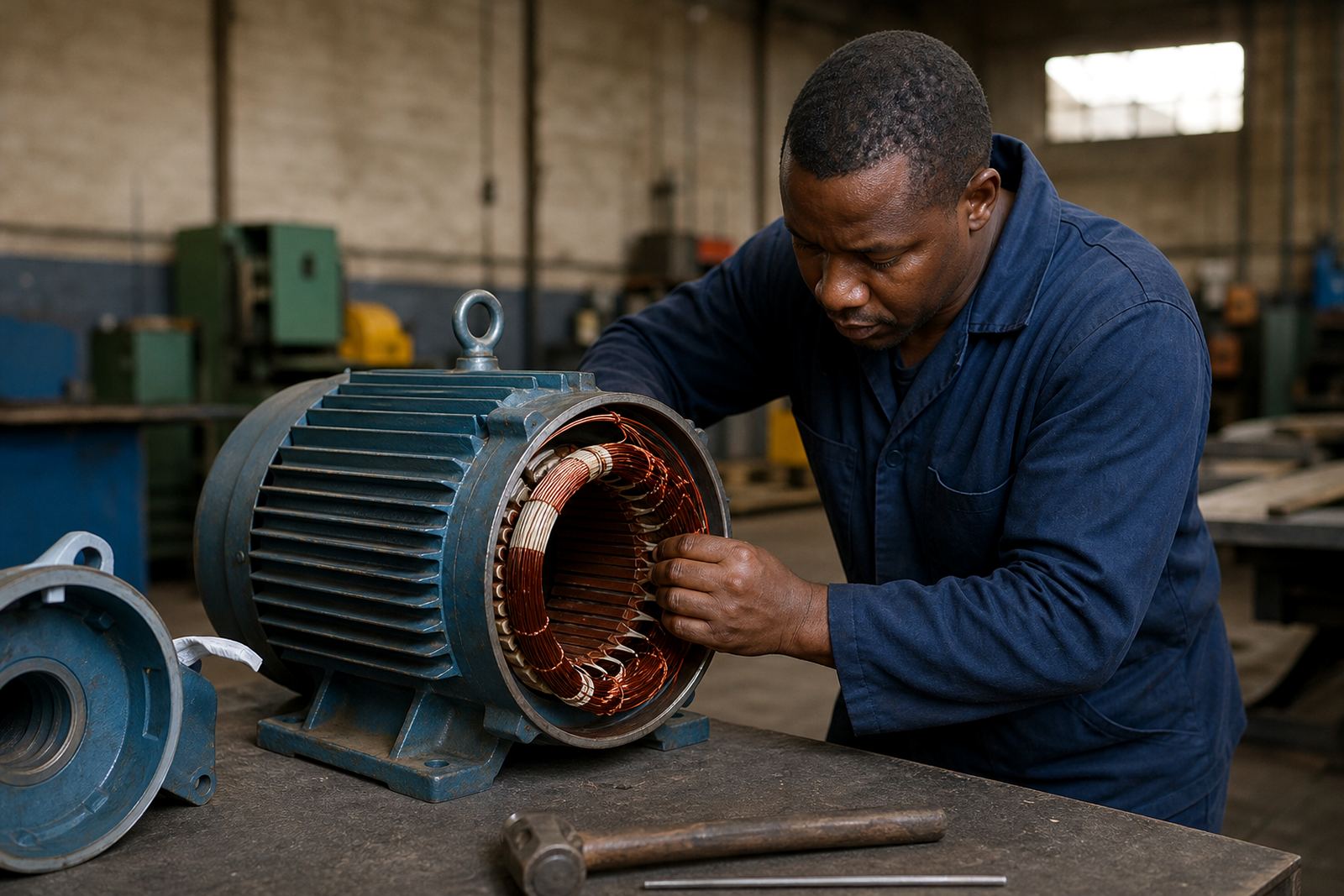
Motor rewinding is not just replacing copper and closing the frame. A proper repair starts with inspection, stripping, cleaning and measurement so the original failure mode is understood. The winding data, slot condition, insulation system and rotor condition all need to be checked before new coils are fitted.
After the rewinding process, the motor should be tested for continuity, insulation resistance and general electrical condition. In practical terms, this helps identify whether the fault was caused by moisture, contamination, overheating or a mechanical problem that damaged the winding over time. Bearing replacement is often done at the same time, especially where noise, vibration or grease breakdown has been present.
For chemical processing plants, attention to sealing, terminal condition and proper drying is important. If washdowns or vapour exposure are part of the site, the repaired unit should be refitted with care so the same problem does not return after a few weeks. That includes checking the fan cover, gland entry points and any signs of leakage into the motor body.
Drive repair and control support for steady running
Variable speed drives in chemical plants are often blamed when a motor trips, but the drive is only part of the picture. Drive repair starts with fault finding, checking the incoming supply, output stage, cooling path, control terminals and any signs of heat, dust or moisture damage. If the drive has been installed in a warm panel room or an enclosure with poor airflow, heat stress can cause repeated faults.
We also look at panel cleaning and cable checks because poor terminations and dirty enclosures can create false alarms or intermittent trips. A drive that controls a pump or fan in a process line needs stable supply conditions, clean ventilation and correct parameter settings. If the motor has been rewound, the drive settings and protection values should be reviewed before the unit goes back into service.
Shutdown planning matters here. If a plant is only available for a short shutdown window, the motor removal, drive inspection and commissioning support must be planned in the right order. That reduces the chance of the same equipment being handled twice.
Layout and planning advice for chemical sites
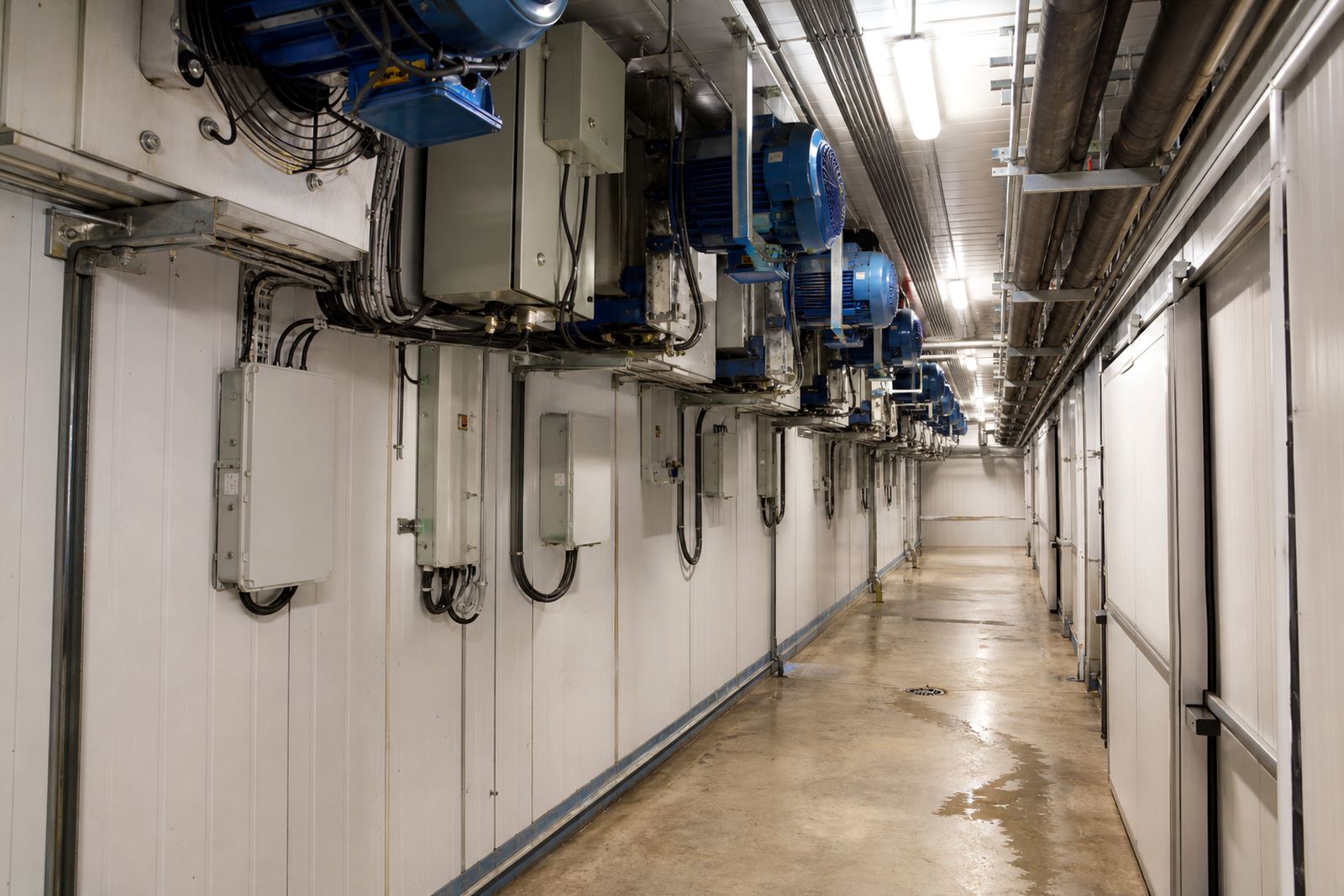
Chemical facilities usually work better when rotating equipment is grouped by service type and access is kept clear. Motors near corrosive wash areas should be mounted where inspection is practical, with enough room for removal, cable entry and bearing service. If a panel room is shared between several processes, it should be kept clean and ventilated, with clear labels for isolation points and motor feeders.
Shutdown work should be planned around the real bottlenecks in the plant, not just the convenient time on a maintenance sheet. If a pump set has to come out, check whether the spare is ready, whether the coupling is in stock and whether the motor base needs alignment checks before refitting. Spares assessment often saves a second stoppage later.
- Confirm lockout points before work starts
- Check if a standby motor or drive is available
- Plan lifting and access for motor removal
- Allow time for drying, testing and commissioning
- Keep site reporting tied to the shutdown record
Common mistakes that make breakdowns repeat
One of the biggest mistakes is fitting a motor back into service without asking why it failed. If the bearings were noisy, the coupling was out or the process load was too high, a fresh winding alone will not solve it. Another common issue is poor cable handling during removal, which can leave hidden damage that only shows up once the plant is live again.
It is also easy to overlook the drive. A repaired motor connected to an untested or poorly cooled drive may trip again, leaving the team to chase the wrong fault. In chemical processing, moisture and contamination can get into terminal boxes and panels, so a quick visual check is not enough.
Budget planning in Rand should cover more than the repair itself. For many sites, the useful budget line items are motor removal, workshop repair, bearing replacement, insulation testing, drive inspection, panel cleaning, commissioning support and any callout related field service. The final amount depends on motor size, access, fault severity and whether a shutdown window is tight, but the bigger cost is usually downtime not the repair fee.