

When timber dust starts causing motor trouble
In a sawmill or timber workshop, motors do not fail only from age. Dust works its way into fan covers, terminal boxes and bearings, while repeated starting and stopping puts extra heat into windings and contact points. Add a humid coastal spell, or a hot inland plant room with poor airflow, and insulation can weaken quicker than expected. When a machine begins tripping, running hot, or losing torque under load, it is often a sign that the motor or drive needs proper testing, not a quick reset.
For timber processing sites in Germiston, Johannesburg, Ekurhuleni, Pretoria, Vereeniging and Durban, the goal is usually to get production back without creating repeat breakdowns. That means checking the full chain, from supply and cabling through to the motor, bearings, mounting and any variable speed drive that controls feed or extraction equipment. Electrical work must be done by qualified people only, with lockout procedures in place before any panel is opened or any machine is touched.
- Overheating from blocked cooling paths or overloaded cutting cycles
- Bearing wear from dust ingress and constant vibration
- Insulation damage from moisture, heat and long service hours
- Drive faults caused by dirty panels, loose terminations or unstable supply
Typical equipment found in timber processing plants
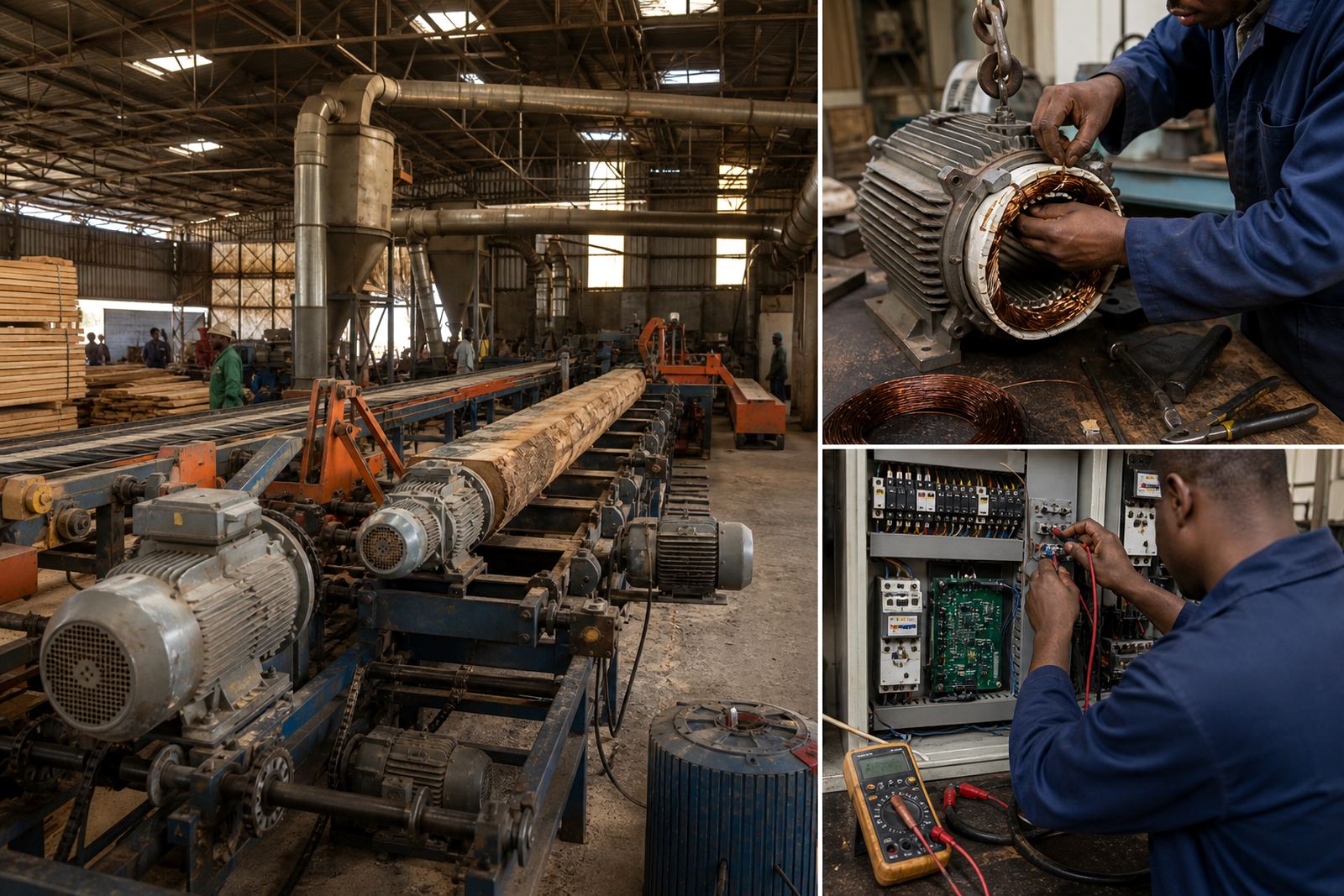
Timber sites use a mix of motors that work hard and often in awkward conditions. A single plant may run conveyors, saw benches, dust extraction fans, planer lines, chip handling systems and pump sets. Some units start across-the-line, while others rely on variable speed drives for smoother control, better feed rates and lower mechanical shock. Each machine has its own loading pattern, so the repair approach should match the duty, not just the nameplate.
Locor handles electric motor rewinding and drive repair for equipment commonly found in timber facilities. That includes high-speed fan motors, conveyor motors, extractor motors and pumps that keep dust collection, cooling and washdown systems operating. If a drive is failing, the issue may sit in power electronics, cooling fans, control terminals or the field wiring. If a motor is failing, the cause may be burnt insulation, a seized bearing or contamination inside the frame.
- Conveyor drive motors and gearmotor sets
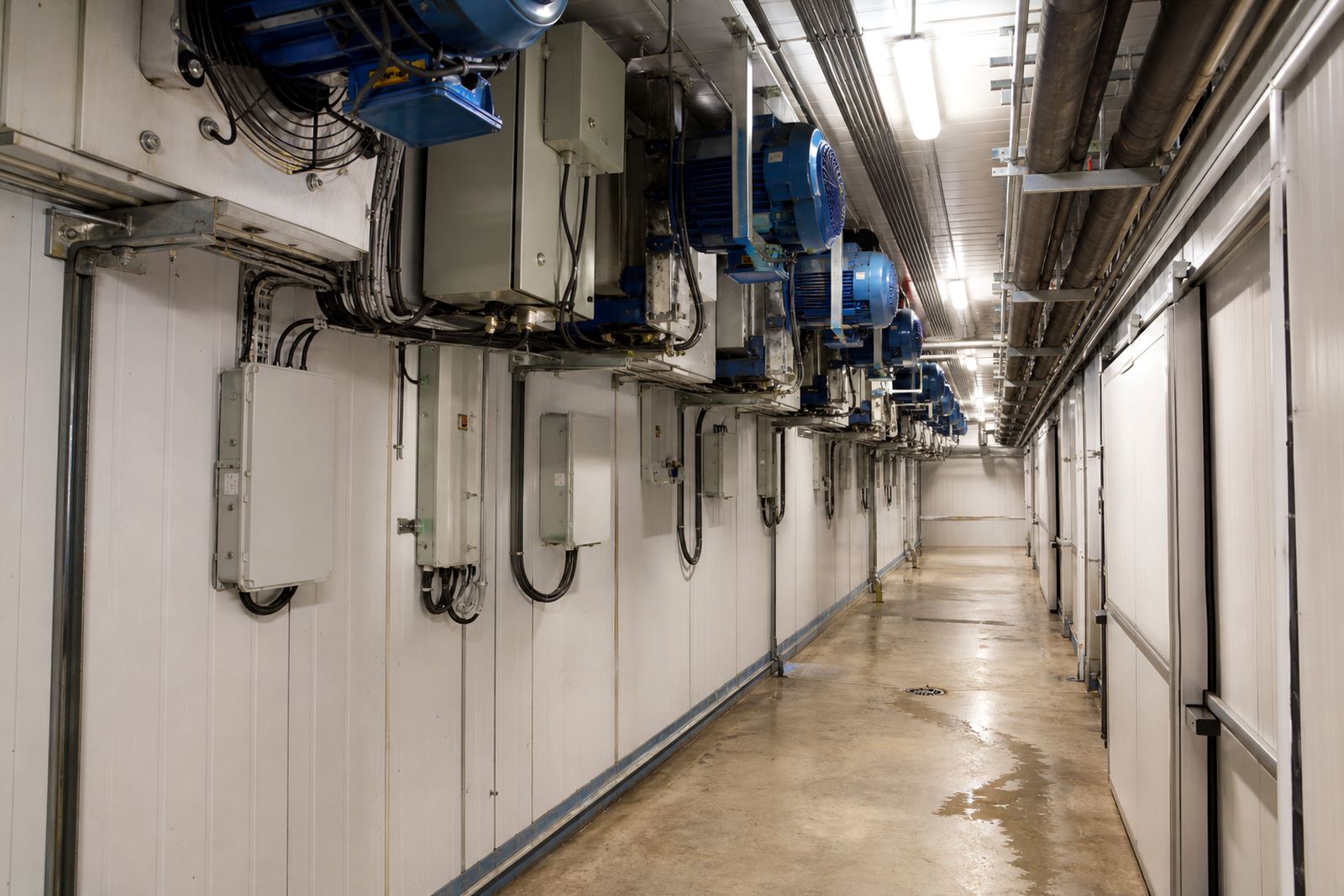
- Dust extraction and baghouse fan motors
- Planer and sawline feed motors
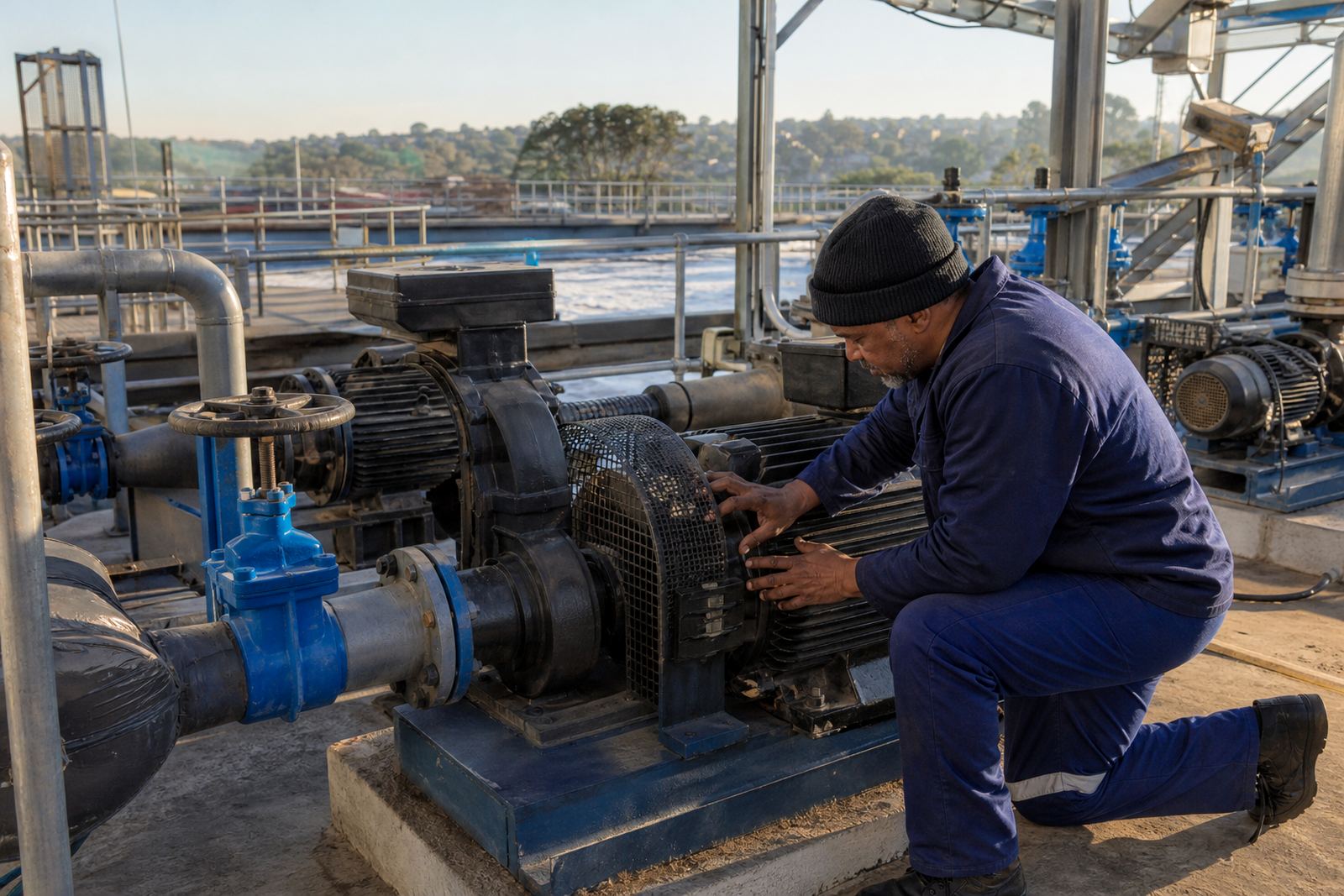
- Pump motors for fire, washdown or process water
- Variable speed drives controlling feed, extraction or material handling
Planning repairs around shutdowns and production pressure
Timber operations often work to short maintenance windows. That means a repair plan should be built around the actual shutdown, not around guesswork. Good planning starts with identification of the failed unit, safe isolation, a site inspection and a decision on whether the motor can be removed on site or must be sent in. If the plant is in Gauteng, KwaZulu-Natal or elsewhere in South Africa, timing matters because conveyors, saws and extraction systems are often linked. One problem can stop three lines.
Before a shutdown, it helps to confirm the motor frame size, mounting type, shaft dimensions, cable routes and whether spare units are on hand. For drives, panel space, airflow and the condition of the surrounding cabinet should be checked too. A dirty panel with clogged filters or loose gland plates can shorten the life of a repaired drive. Site reporting and spares assessment make the next outage easier to manage, and reduce the chances of a rush job at 5am when a line is already down.
- Confirm the exact duty and operating hours before removing equipment
- Check whether alignment work is needed after refitting
- Plan for a clean storage area so stripped parts are not exposed to sawdust
- Inspect cable runs and isolators before recommissioning
What motor rewinding and bearing replacement involve
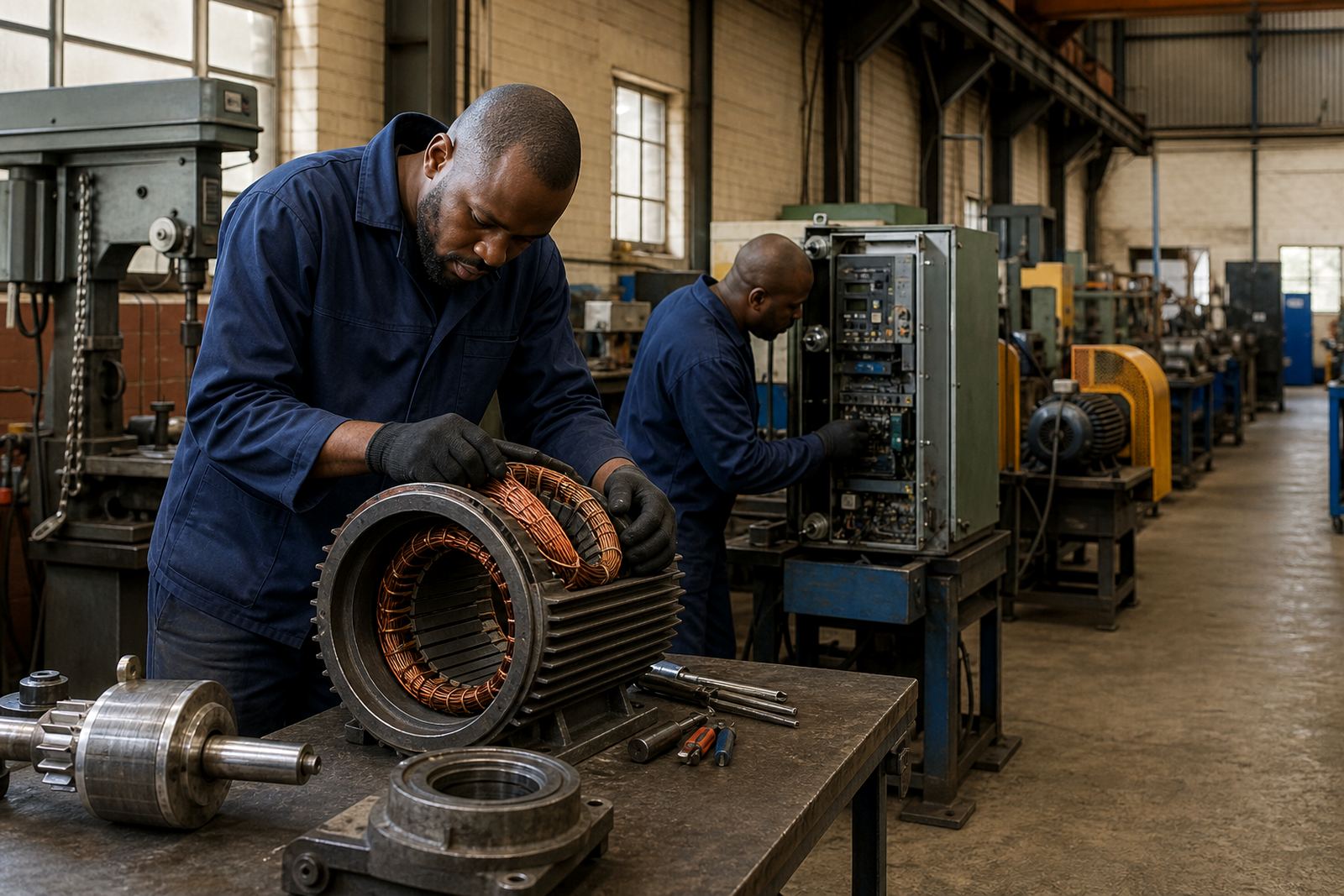
Rewinding a motor is not only about replacing burnt wire. It begins with fault finding, inspection and testing to see why the original winding failed. A technician checks the condition of the laminations, slot insulation, leads and rotor, then strips the damaged winding and replaces it with correctly sized conductors and insulation materials suited to the duty. After reassembly, the motor should be tested for continuity, insulation resistance and general running condition before it goes back onto the machine. In timber processing, where dust and start-stop cycles are common, that testing is important.
Bearing replacement is often part of the job because a noisy or worn bearing can overload the motor and create heat that damages the winding too. If the shaft has been running out of line or the fan cover is packed with dust, bearing life can drop fast. Alignment checks, panel cleaning and cable checks all help prevent the same fault from returning. It is a practical repair process, not a cosmetic one, and the aim is to put the machine back into steady service, not just make it run for a day or two.
Variable speed drive faults in dusty timber environments
Drives used in timber plants often fail because of heat, dust and unstable supply conditions. South African plants also have to deal with load-shedding, voltage dips and quick restarts that can upset control electronics. A drive may show an alarm, trip on overcurrent, or fail to start after a power event. Sometimes the fault is internal, sometimes it is a wiring or cooling issue in the panel. A proper inspection should cover the drive, terminals, fuses, control signals, incoming supply and the connected motor.
Repair work on variable speed drives should be handled by people who understand live panel risks and isolation discipline. Clean panels, correct cable dressing and proper ventilation can make a real difference in a timber environment where fine dust gets into everything. If a drive is part of a critical extractor or feed line, shutdown planning should include the effect on production, stock movement and operator safety. No one should be opening panels without lockout in place, even if the fault looks simple.
Common mistakes and realistic budget ranges
The biggest mistake in timber processing is to keep restarting a motor or drive that has already shown clear signs of trouble. That can turn a repairable fault into a full replacement job. Another common error is reinstalling equipment without checking bearings, cabling, mounting bolts or alignment, especially after a hurried shutdown. A third mistake is sending a motor back into service without insulation testing, which can leave hidden weakness in place until the next hot shift.
Budget in this sector depends on size, condition and urgency. Small workshop motor work may fall into the lower thousands of Rand, while larger industrial rewinds, bearing sets, drive repairs and site callouts can move into a wider range depending on parts and complexity. It is best to budget separately for removal, testing, rewinding, bearing replacement, refitting and any panel work. For timber processing plants, a realistic maintenance budget should also allow for spares assessment and occasional shutdown planning so one fault does not stall the whole week.
- Do not ignore a motor that is running hotter than usual
- Do not assume a drive fault is only a software problem
- Do not refit dusty equipment without cleaning and testing
- Do not skip lockout because the outage feels short