

What textile plants usually need when a motor or drive fails
Textile machinery puts constant demand on electric motors and variable speed drives. In spinning, winding, carding, weaving and finishing lines, a single fault can slow an entire section, affect fabric quality and leave operators waiting on a line that should be turning. We work with plant teams, maintenance managers and workshop staff who need practical fault finding and repair, not guesswork.
Common callouts include motors that overheat, trip on start-up, run noisy, or lose torque under load. Drives may show overvoltage faults, communication errors, cooling fan problems or damaged power sections after a surge or unstable supply. Load-shedding, voltage dips and poor ventilation can make these issues worse, especially where motors run for long periods in warm production areas.
- Fibre handling and feed motors
- Drive units for speed control on production lines
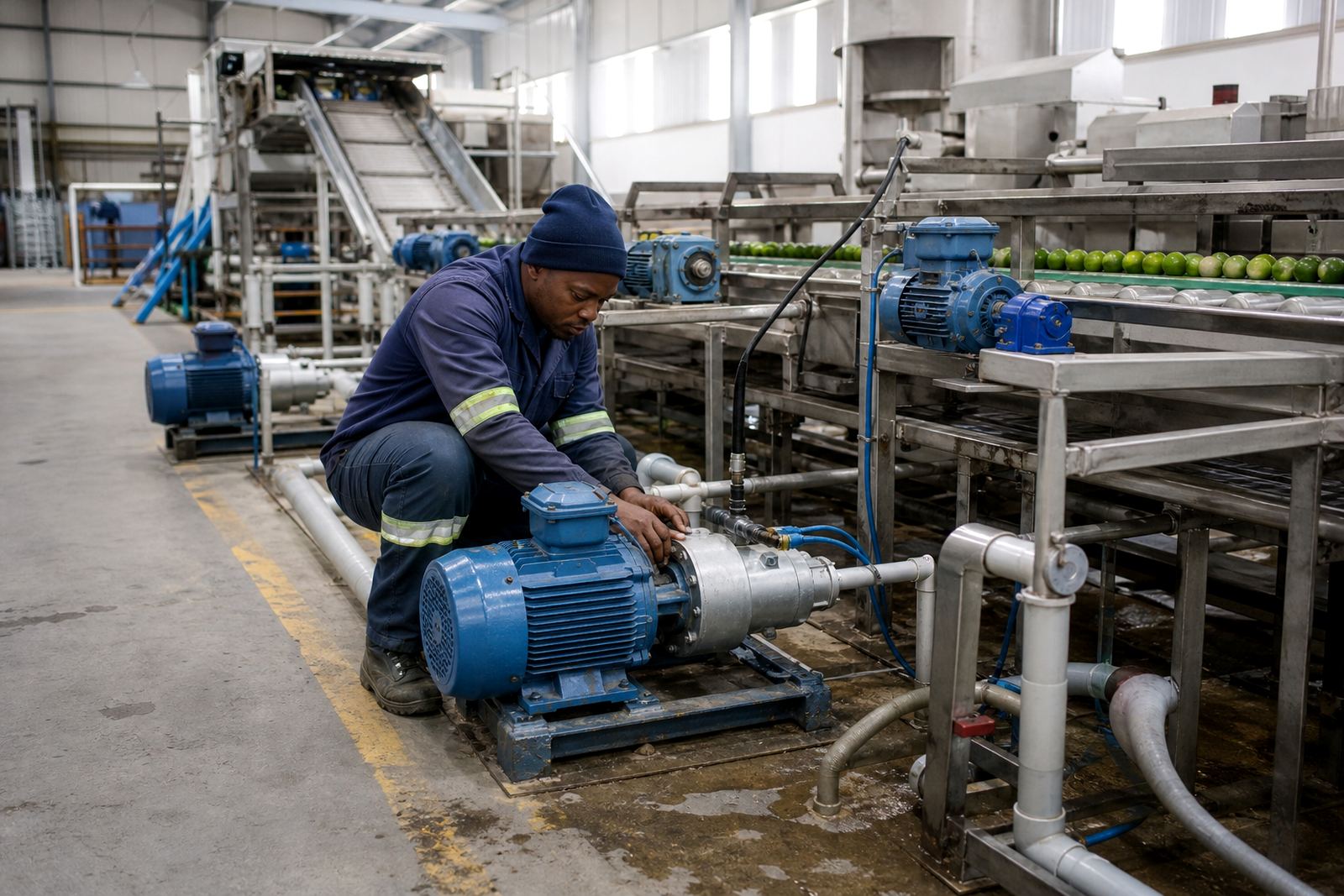
- Extraction fans, pumps and conveyor motors
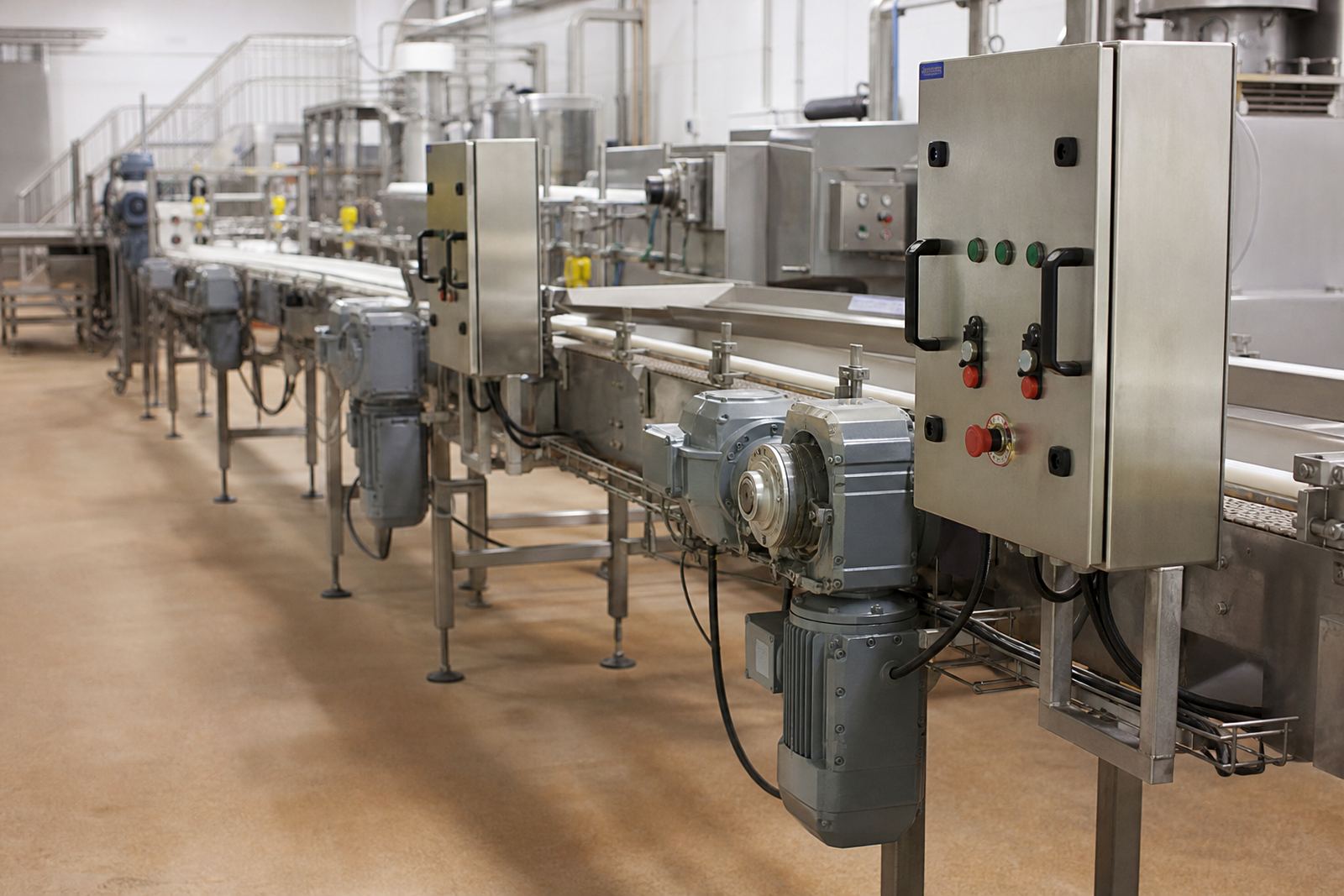
- Inspection and support for control panels and cable runs
Motor rewinding for textile duty cycles
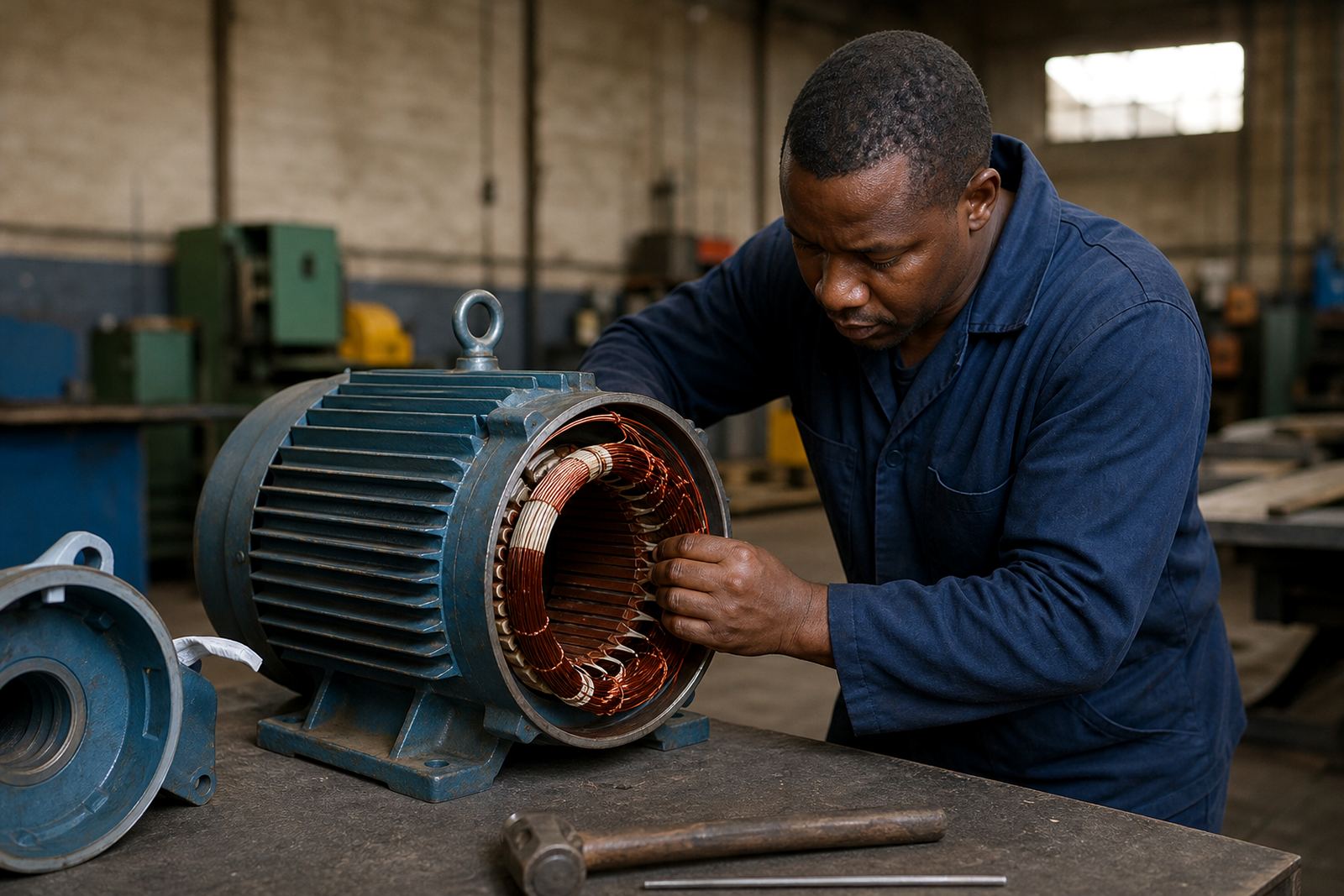
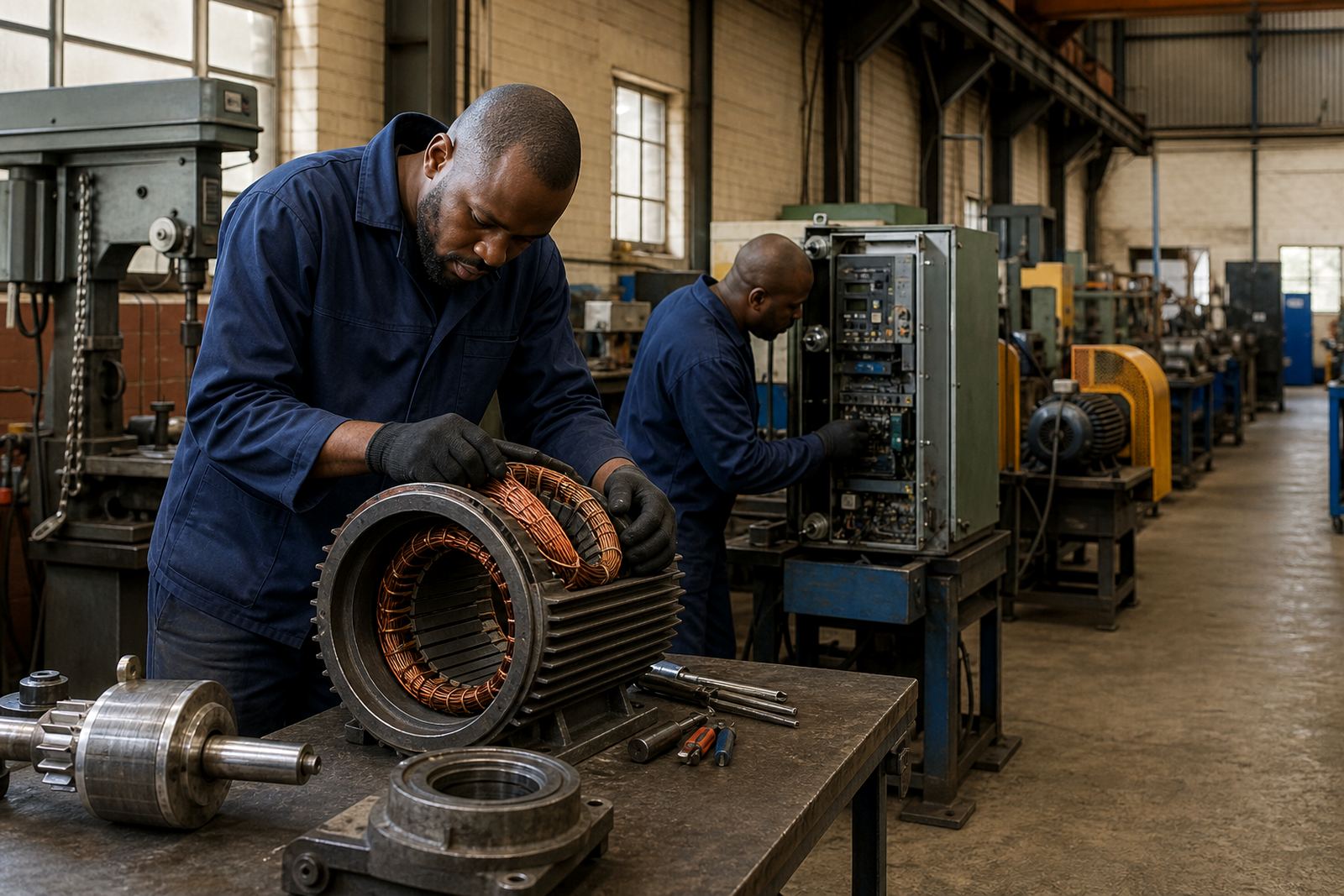
Electric motor rewinding is used when windings are burnt, shorted or contaminated by dust, moisture or heat. In textile settings, motors often work in a steady cycle with frequent starts, so insulation breakdown can appear after years of service or after a bad electrical event. A proper rewind starts with testing, stripping, cleaning, coil data checks and insulation work suited to the motor’s size and duty.
We handle common workshop and plant motors used on textile machinery, including units that drive rollers, spindles, air systems and auxiliary equipment. Bearing checks are part of the job because a noisy or dry bearing can overload the winding and cause repeat failure. When the motor is reassembled, it should be aligned correctly and tested before going back into service. That part matters more than many people think.
- Fault finding and strip down
- Bearing replacement where wear is found
- Insulation testing before and after repair
- Alignment checks and commissioning support
Variable speed drive repairs for speed control and process stability
Textile production uses variable speed drives to control tension, line speed and process timing. When a drive fails, operators may lose control of a section even if the motor itself is still sound. Repairs often involve checking the incoming supply, the control terminals, cooling path, power components and any signs of dust, moisture or heat damage inside the unit.
We repair drives that have suffered from unstable municipal supply, poor panel ventilation, overloaded motors or repeated start-stop cycling. On sites near coastal areas like Durban, humidity can also affect drive boards and terminals if panels are not sealed and maintained properly. In workshops around Germiston, Johannesburg and Ekurhuleni, dust and lint are common trouble points. A clean panel and a clear cooling path can save a lot of downtime.
- Drive inspection and fault isolation
- Panel cleaning and cable checks
- Cooling fan and terminal checks
- Site reporting for maintenance records
Layout and planning advice for mills, workshops and production rooms
Textile machinery layouts are often tight, with limited access behind frames and around drive cabinets. Good planning makes motor removal and reinstall easier, especially where equipment is packed close together or mounted on raised platforms. Before any repair work starts, it helps to check the lifting path, cable entry points, isolation points and whether the machine can be cleared for safe access.
We also recommend planning around production shifts and shutdown windows. Some motors can be removed on a short stop, but others need a proper shutdown plan, spare parts assessment and site reporting before the job starts. If the plant is running on emergency power during load-shedding, make sure the backup supply is isolated too. Electrical work must be done by qualified people only, with lockout procedures in place every time.
- Confirm isolation points before site attendance
- Allow space for lifting, pulling and reinstallation
- Mark cables before removal to avoid mix-ups
- Schedule work around production and cleaning cycles
Common mistakes that lead to repeat failures
The most common problem we see is a rushed restart after a fault. A motor may be fitted back in place with the original bearing still rough, or a drive may be put back into service without checking the supply side, motor cable or cooling path. That usually means the same fault comes back, sometimes within days. It is also common for teams to skip insulation testing because the motor looked fine on the outside. That can be an expensive mistake.
Another issue is using mismatched settings on a drive after replacement or repair. If motor nameplate data, ramp times and protection settings are not checked, the drive may trip under normal load or stress the motor. In textile work, where product quality depends on steady speed and tension, small settings errors can show up quickly in the fabric.
- Skipping bearing checks because the motor still turns
- Reusing damaged cables or loose terminals
- Ignoring panel dust and blocked fans
- Restarting without proper insulation testing
Budget ranges for textile motor and drive work in Rand
Costs depend on motor size, access, fault type and whether the work is done in the workshop or on site. A simple inspection and fault finding call-out will cost less than a full rewind or a drive repair with component replacement. If the machine must be removed from a tight line, or if shutdown planning and commissioning support are needed, that will add to the total. It is better to budget for the full job rather than only the visible fault.
As a practical guide, basic inspection, testing and reporting usually sits at the lower end of the budget, while bearing replacement, rewinding and variable speed drive repair move into a higher bracket depending on parts and labour. Spare parts assessment is worth doing early so you do not approve a repair and then wait on missing components. For textile plants in Germiston, Boksburg, Kempton Park, Pretoria, Vereeniging and Durban, a clear scope saves time and keeps the maintenance team in control of spend.
- Inspection and fault finding for initial diagnosis
- Motor removal and reinstallation where needed
- Rewind and bearing work for damaged motors
- Drive repair and commissioning support after faults
Who handles your textile machinery support
Locor is based in Germiston, Gauteng and supports plants and workshops across South Africa. Our team includes Sibusiso Mthembu, Annelie van Wyk, Thabo Nkosi, Megan Naidoo, Johan Pretorius and Lerato Molefe. We work across Johannesburg, Ekurhuleni, Pretoria, Vereeniging and Durban, with support for nearby areas including Boksburg and Kempton Park.
For textile machinery, the right approach is steady, careful and practical. That means the fault is checked properly, the motor or drive is tested before it goes back in, and the site team gets clear reporting. If you need help with a production line motor, a drive fault, or a shutdown plan for a textile section, send an enquiry through our contact page and we will take it from there.