

What Fails First in a Recycling Plant
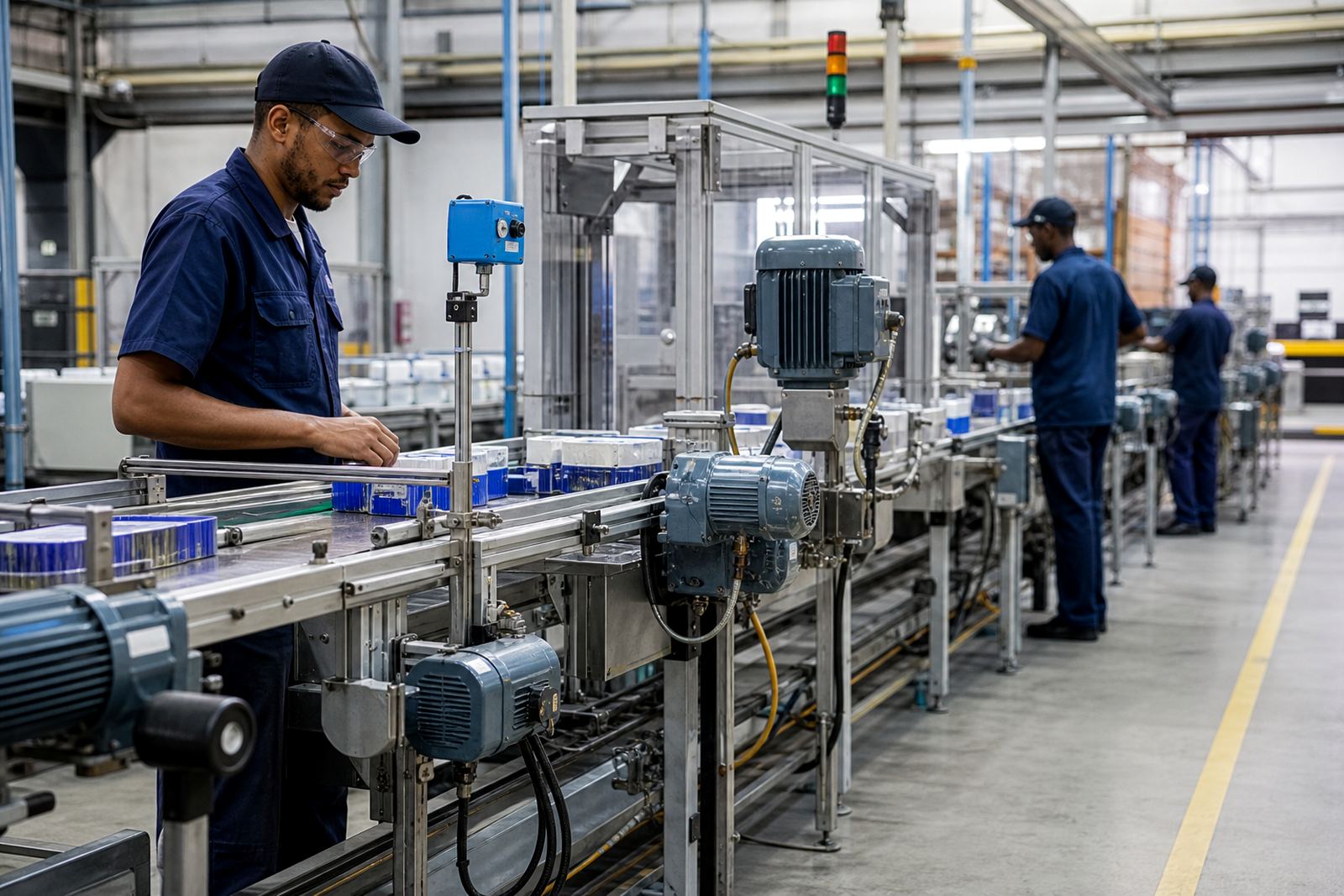
Recycling sites move fast, and the electrical plant usually pays the price. Motors on conveyors, balers, shredders, screen drives, pumps and separators can fail after bearing wear, insulation breakdown, overloaded starts, cable damage or poor cooling around enclosed machines. Variable speed drives can also trip on heat, dust ingress, loose terminations, failing fans or power quality problems after load-shedding and generator changeovers.
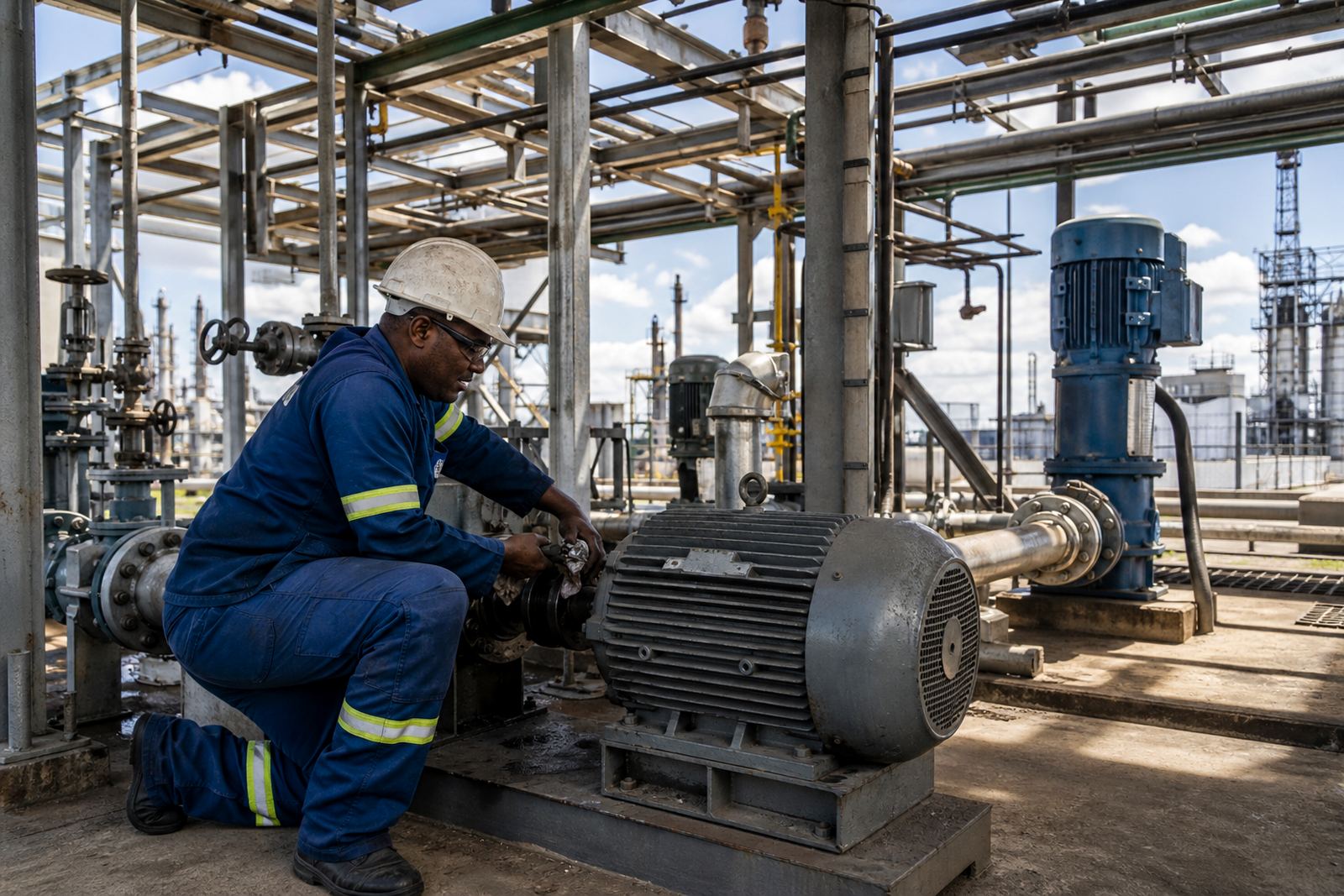
When a motor slows down, runs hot or starts tripping breakers the issue is not always the winding itself. A proper check looks at the full chain, from the supply and starter through to couplings, belts, bearings and alignment. In recycling yards that handle wet waste, fines, plastics or ferrous material, contamination can work its way into housings and shorten the life of the equipment if it is not picked up early.
- Conveyor motors that overheat during peak shift loads
- Shredder and granulator drives that trip under impact loads
- Pump motors affected by moisture, sludge or blocked suction lines
- Drives damaged by dust, poor ventilation or unstable power
Typical Equipment in Sorting, Shredding and Materials Handling
Every recycling plant has its own layout, but the electrical package usually includes a mix of fixed speed motors and variable speed drives. In Germiston, Johannesburg and the wider Ekurhuleni area, many plants run long conveyor lines, bag sorting systems, trommels, balers, compactors, wash systems and transfer pumps. Some sites also depend on crane hoists, hopper feeders and vibrating screens. Each machine has different starting demands and different wear patterns, so the repair approach has to suit the duty cycle.
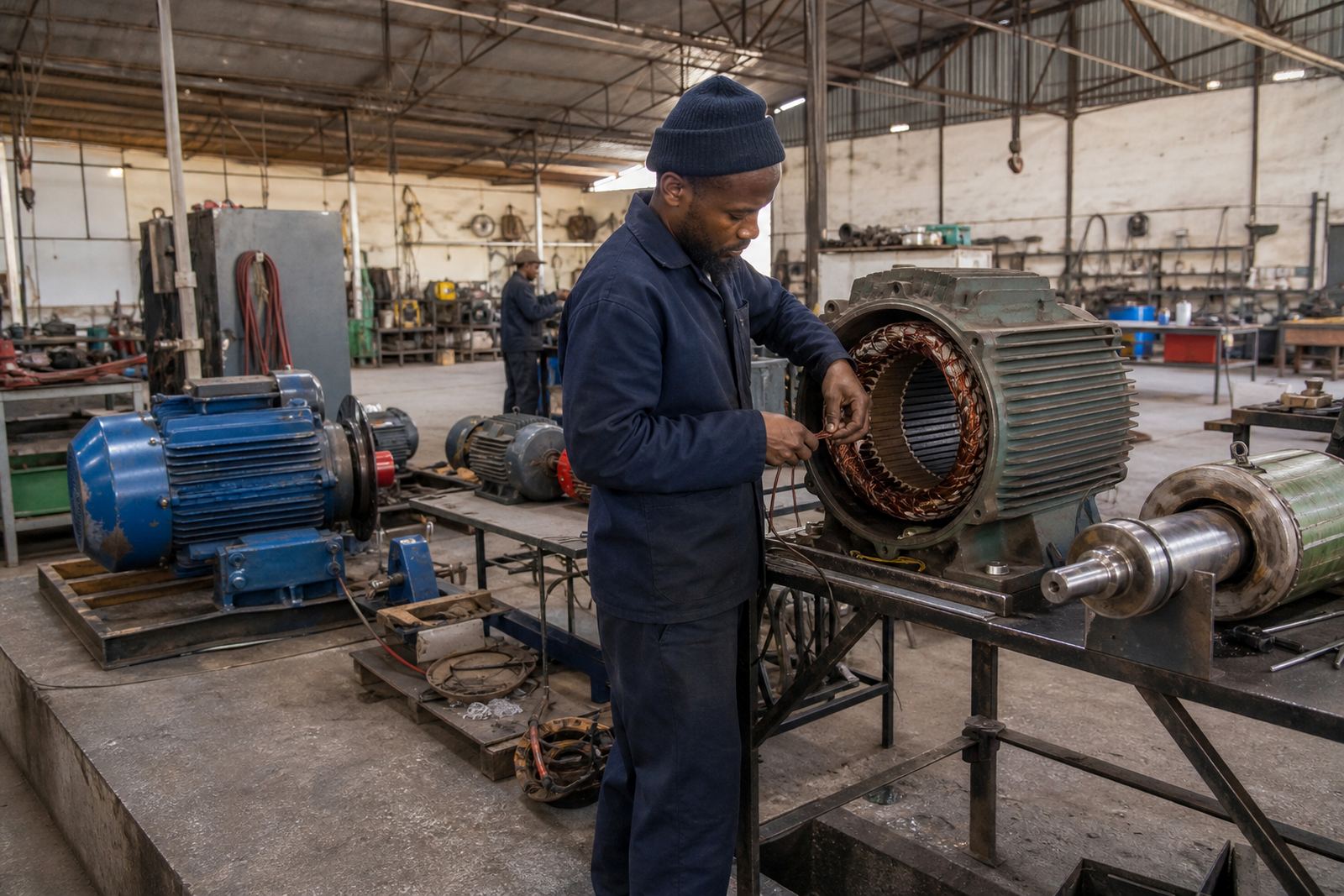
Locor works on electric motors and drives used in these settings, with attention to the practical issues that matter on site: dust, moisture, long cable runs, limited shutdown windows and local power interruptions. Where a motor has failed completely, rewinding can restore the winding to serviceable condition if the core and frame are still sound. Where the unit is mechanically worn, bearing replacement, cleaning and insulation testing may be part of the repair path. Drives are checked for fault codes, damaged components, fan condition, heat marks and terminal damage.
- Sorting lines and conveyor sections
- Shredders, crushers and granulators
- Pumps for wash water, slurry and drainage
- Balers, compactors and feeder systems
How a Proper Repair Job Should Be Planned
Good planning keeps a recycling plant from losing a full shift to guesswork. Start with a clear list of the affected machines, the symptoms and any fault history from the panel or operator notes. If one motor has failed more than once, the cause may be overload, poor alignment, damaged couplings or a supply issue rather than the motor alone. Site reporting helps separate the electrical fault from the mechanical one, which saves time and prevents repeat callouts.
Before any work starts, electrical isolation must be confirmed and lockout procedures followed by qualified people only. That matters on recycling sites where multiple operators, contractors and mobile plant may be moving around at the same time. Once the unit is safe to remove or inspect in situ, a technician can check cables, terminals, insulation resistance, bearing condition and signs of contamination. For drive systems, panel cleaning and cable checks can make a real difference, especially in dusty rooms or containers with poor airflow.
If the site has limited shutdown time, it helps to plan around production peaks and municipal collection days. Many plants in Pretoria, Vereeniging and Durban run different load profiles depending on inbound waste volumes and weather. A shutdown plan should account for crane access, spares availability, lifting gear and whether commissioning support will be needed after reinstallation.
- Confirm machine tags and supply details before removal
- Check if spare motors or drives are already on site
- Allow time for alignment checks after refitting
- Keep a record of fault symptoms and trip history
Rewinding, Bearings and Insulation Checks
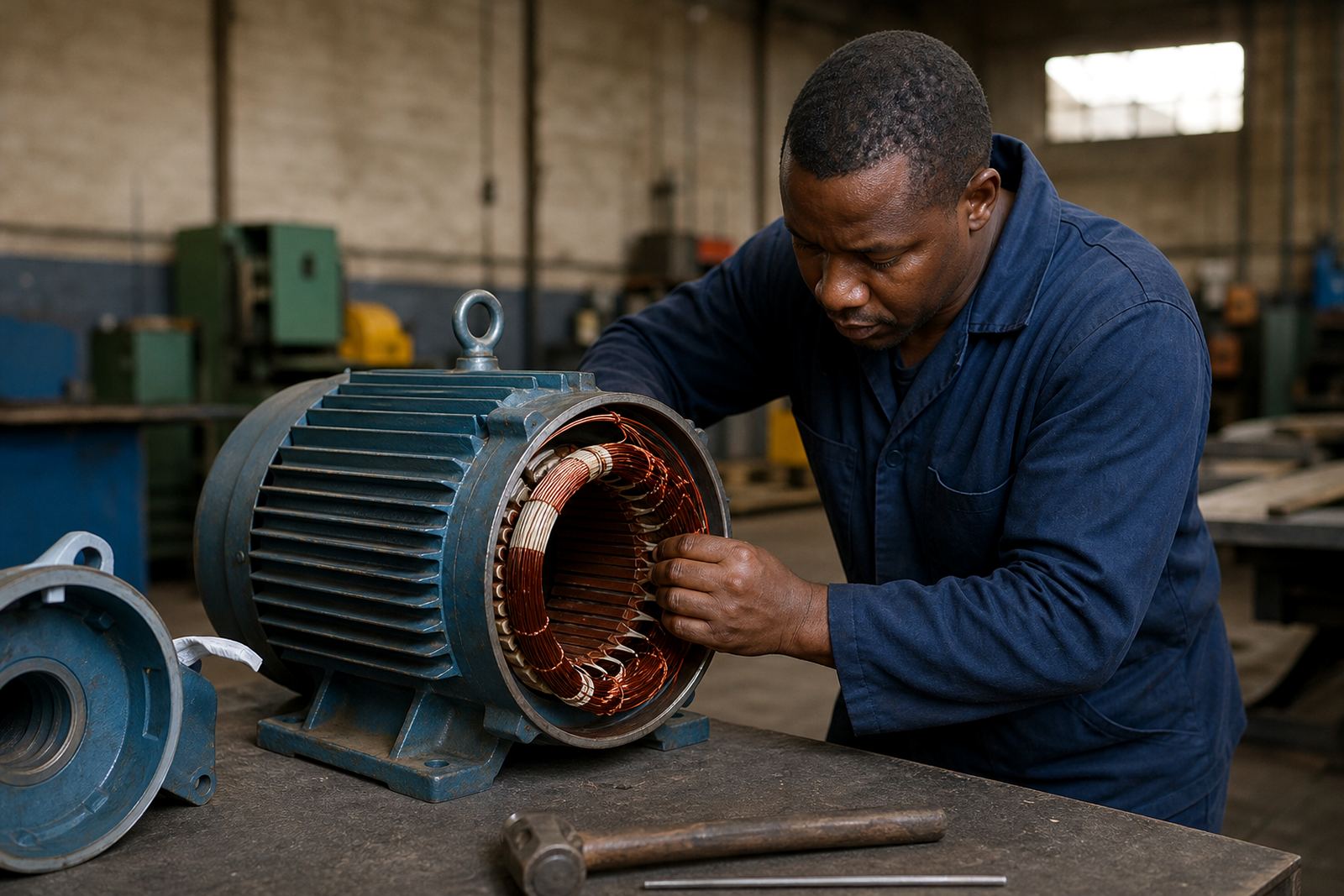
Electric motor rewinding is commonly needed when the winding insulation has broken down, the motor has burnt after overload, or moisture has caused tracking and earth faults. The process normally involves stripping the old winding, inspecting the stator, cleaning the core, fitting new winding material and testing the repaired unit before it goes back into service. Bearing replacement is often done at the same time if noise, play or heat has been noted. If the bearings are left in poor condition, the motor can still fail even after a good rewind.
Insulation testing is a key part of the job because it shows whether the winding can hold up under operating voltage. In a recycling plant, insulation issues are common after long idle periods, water spray, dust build-up or repeated thermal cycling. It is also important to inspect seals, end covers and fan paths so that the repair lasts in the same conditions the machine will face on site. That said, a tested motor is only useful if the installation is done correctly and the load is matched to the duty.
For plants on the coast or working with wet waste, corrosion can creep in faster than many operators expect. Durban sites in particular may need extra attention to terminal boxes, glands and exposed surfaces. A simple cleaning and inspection routine can help, but once a machine has pulled in contamination it usually needs more than a quick reset.
Variable Speed Drive Repair in Dirty Plant Rooms
Variable speed drives are useful in recycling because they let operators control conveyor speed, pump flow and processing rates more accurately. They also need decent cooling and clean electrical conditions. Common faults include blown input sections, failed output devices, damaged control boards, worn cooling fans and terminals that have loosened from vibration. In some cases a drive trips because the motor or cable has a fault, not because the drive itself is damaged.
Drive inspection should include the enclosure, cooling path, terminal tightness, signs of overheating and any contamination from dust or moisture. If the drive is mounted near shredders or screening equipment, vibration can work loose connections over time. That makes panel cleaning and cable checks part of sensible maintenance, not just an afterthought. Where a drive is beyond repair, replacement planning should include motor compatibility, supply voltage, load profile and startup settings so the new unit is not under stress from day one.
- Check ventilation and filter condition in the panel room
- Inspect incoming supply and earthing quality
- Verify motor data before changing drive settings
- Record fault history for future shutdown planning
Budget Ranges and Common Mistakes to Avoid
Budgeting for recycling plant repairs is easier when the work is split into categories. A basic inspection and fault finding visit will cost less than a full strip down, rewind and reassembly. Bearing checks, insulation testing, alignment checks and site reporting are usually part of the repair decision, while motor removal, commissioning support and shutdown planning add labour and coordination. For larger motors or drives, costs can rise quickly if the damage spread to the shaft, frame, bearings or control electronics.
As a working range, smaller repairs may sit in the low thousands of Rand, while more involved motor and drive work can move into the tens of thousands depending on size, condition and the scope of work. If a site is planning several units at once, it is often better to batch the work so the shutdown time and transport costs are managed more efficiently. The cheapest option is not always the best if it leads to repeat stoppages within a few weeks.
Common mistakes include running a noisy motor until it fails completely, skipping insulation testing after a wet spell, reinstalling a drive without checking the supply, and overlooking alignment after refitting. Another mistake is letting unqualified staff work on live equipment. In recycling plants, the pressure to keep material moving is real, but electrical work must still be handled by qualified people using proper lockout procedures and safe isolation practices.