Packhouse equipment that cannot sit idle
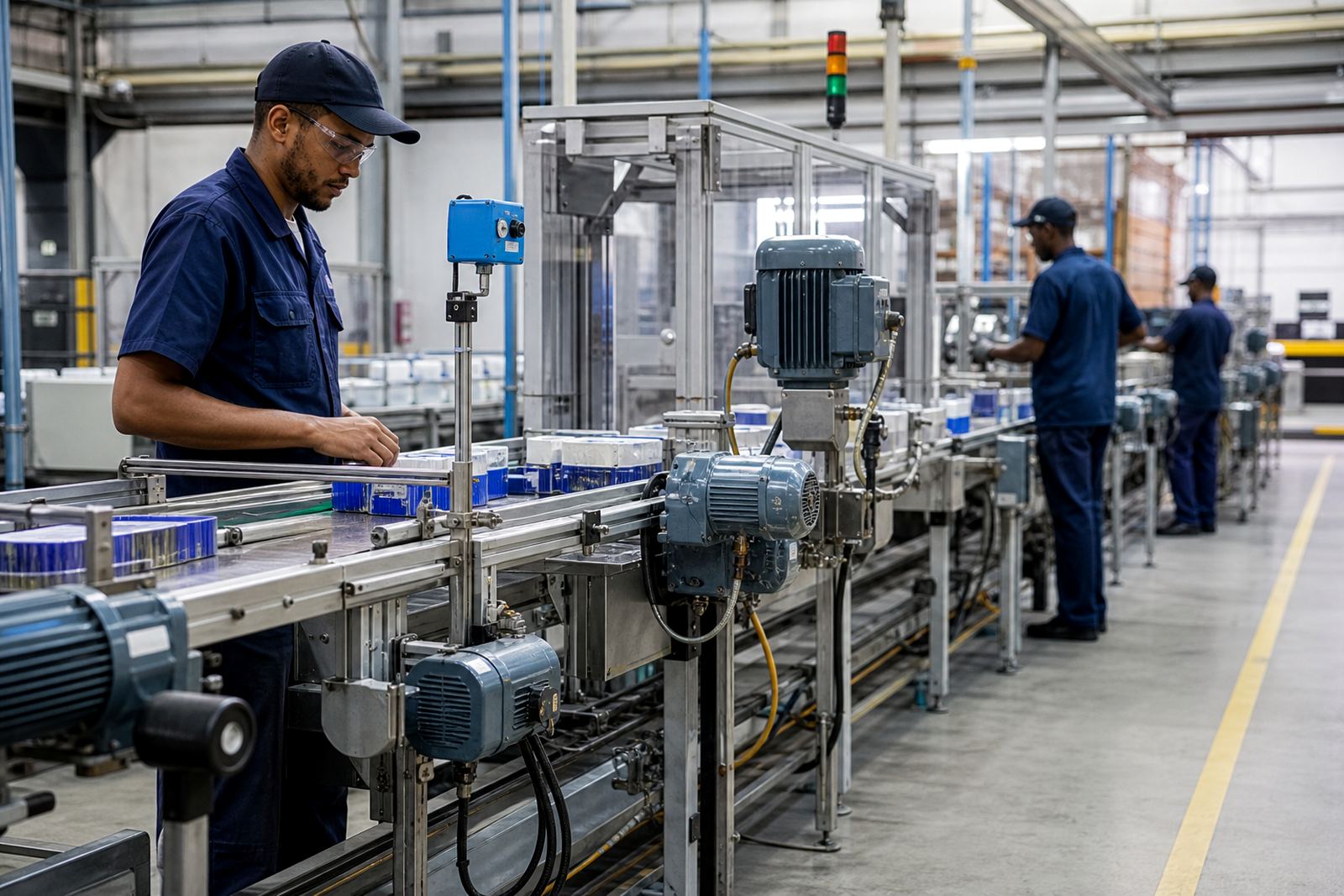
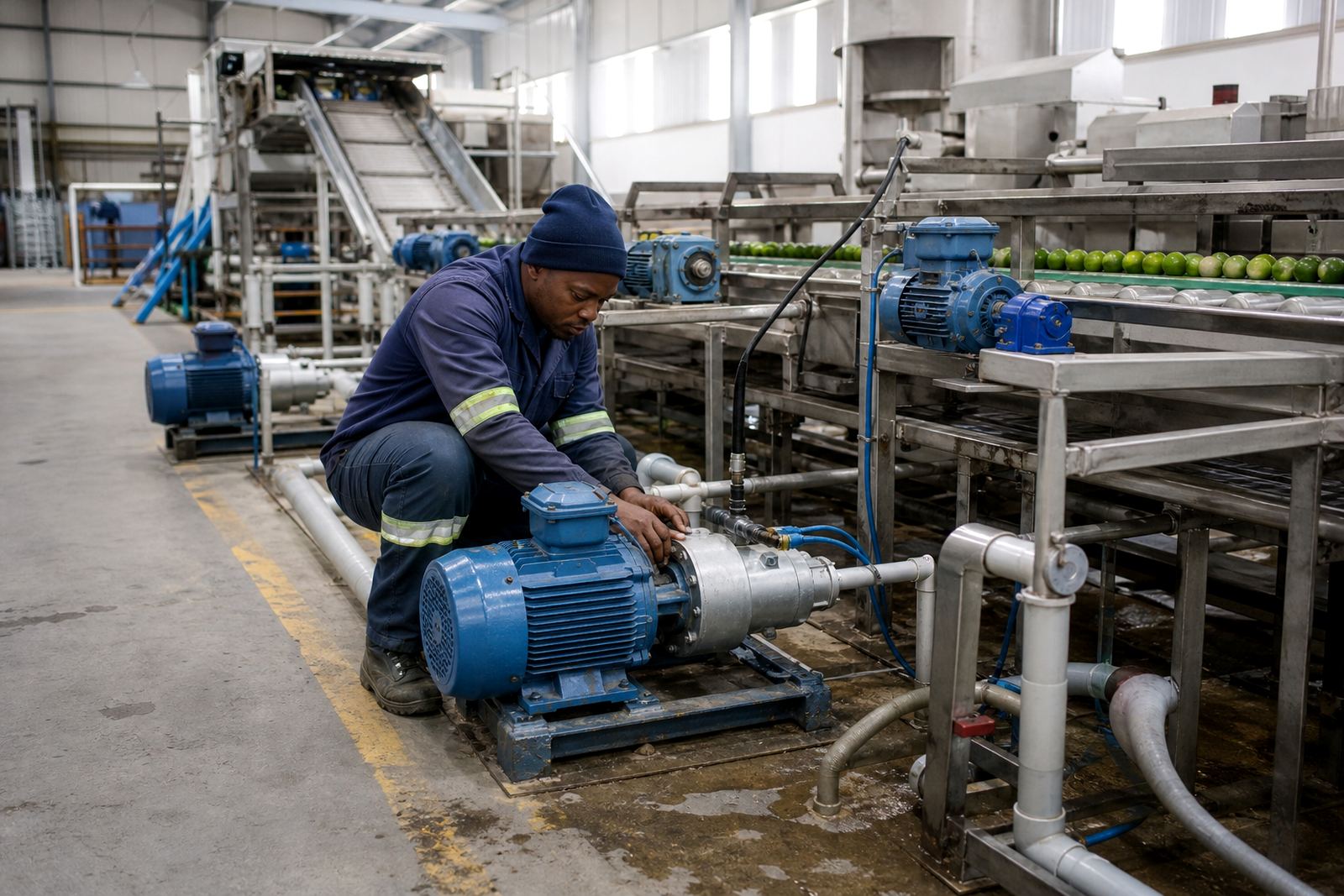
In an agriculture packhouse, a small motor problem can stop the whole line. Grading belts, rollers, wash conveyors, crate fillers, bagging units, pumps and air handling all depend on motors and variable speed drives that start cleanly and hold steady under load. When one unit trips, hums, overheats or runs unevenly, produce backs up fast and staff end up working around a fault instead of through it.
Locor works with plants and workshops across Germiston, Johannesburg, Ekurhuleni, Pretoria, Vereeniging and Durban, with site support also reaching Boksburg and Kempton Park. We see the same pattern often: moisture in motor windings, bearing wear from dust and washdown, loose cable terminations, and drive faults after voltage dips or load-shedding. The first step is practical fault finding, not guesswork.
What we typically repair in a packhouse
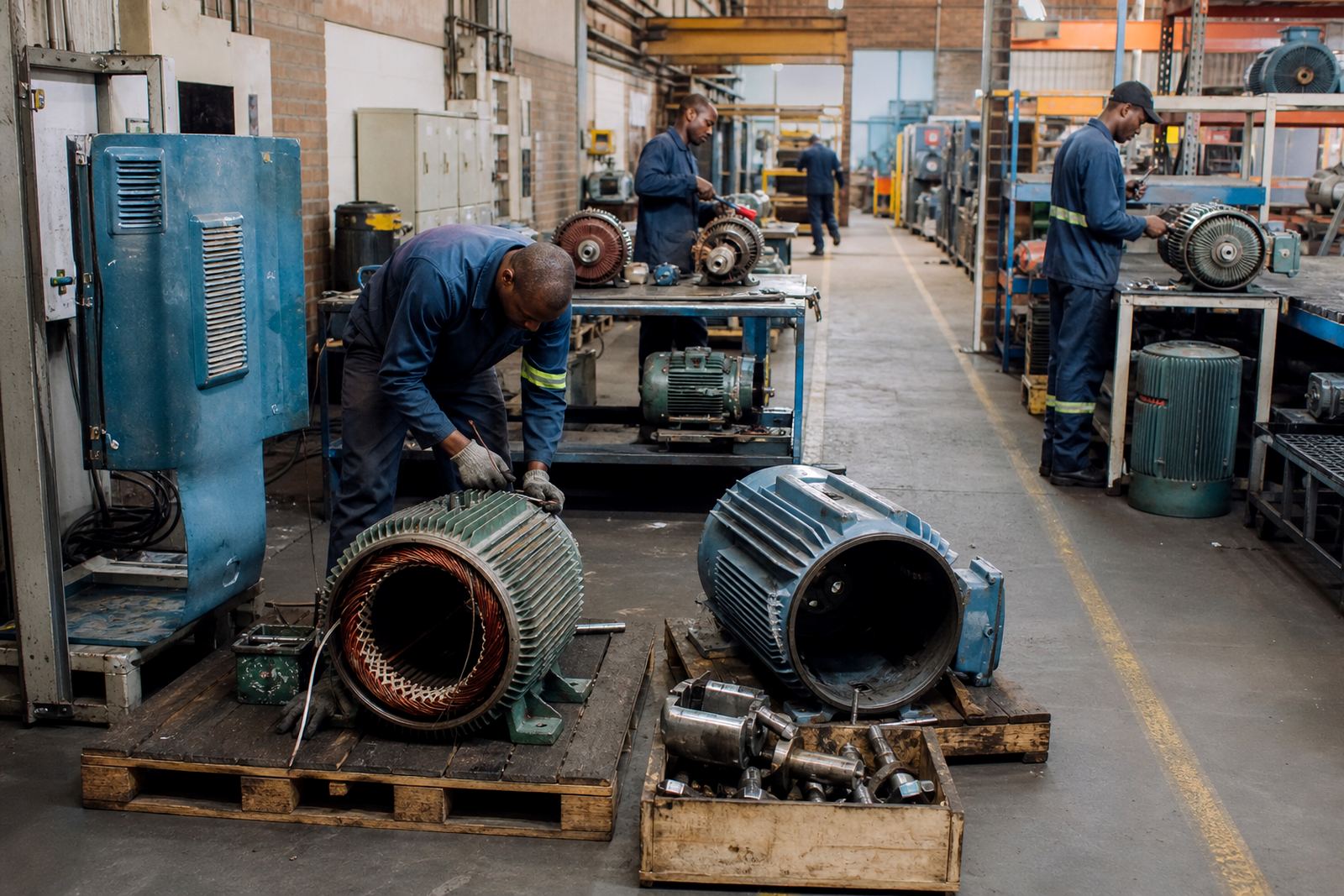
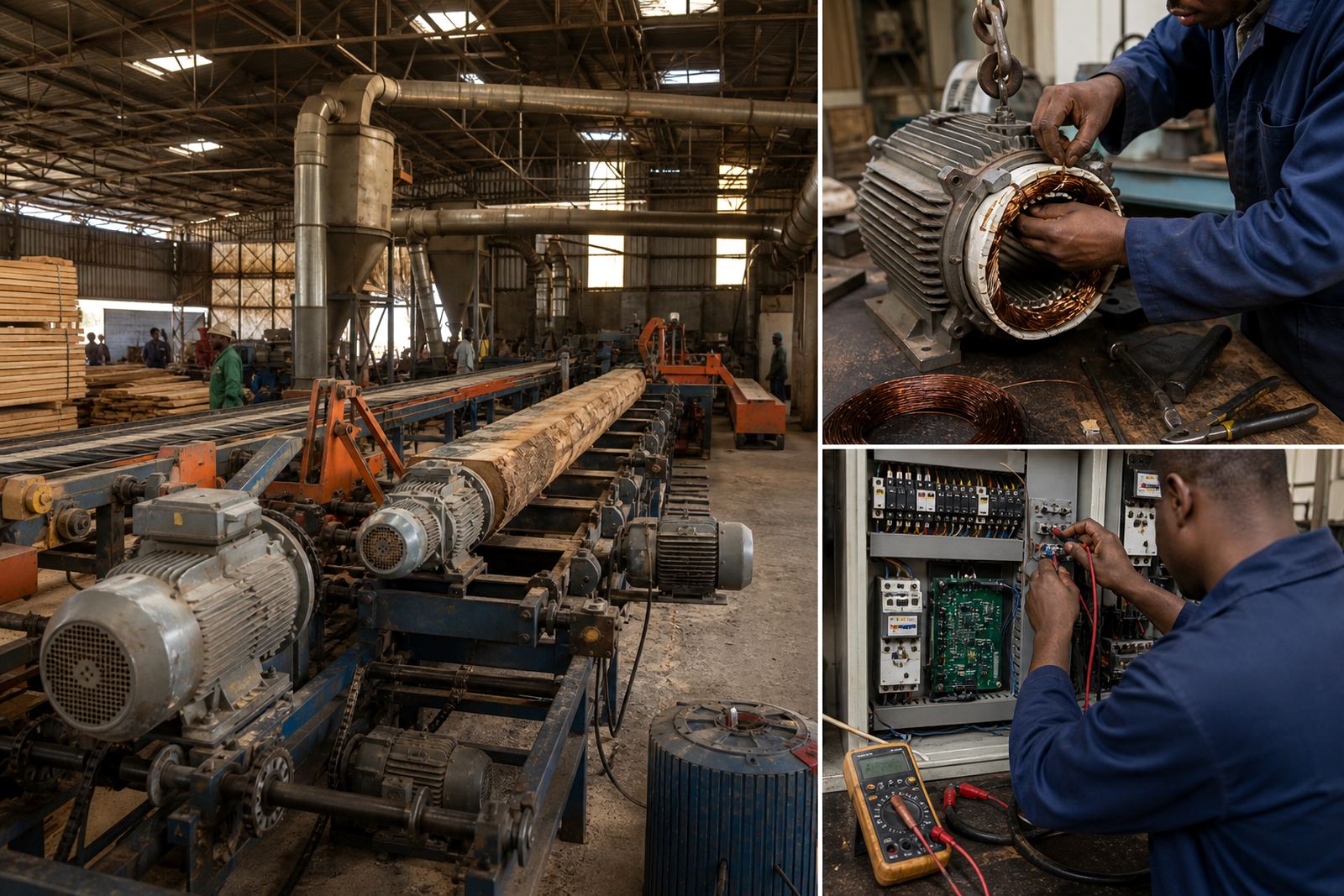
Packhouse electrical faults usually show up in a few common places. A motor may be drawing too much current, a drive may be tripping on overcurrent or undervoltage, or a control panel may be dirty enough to cause heat build-up and tracking. Our team handles motor removal, inspection and repair planning, then matches the work to the actual condition of the machine.
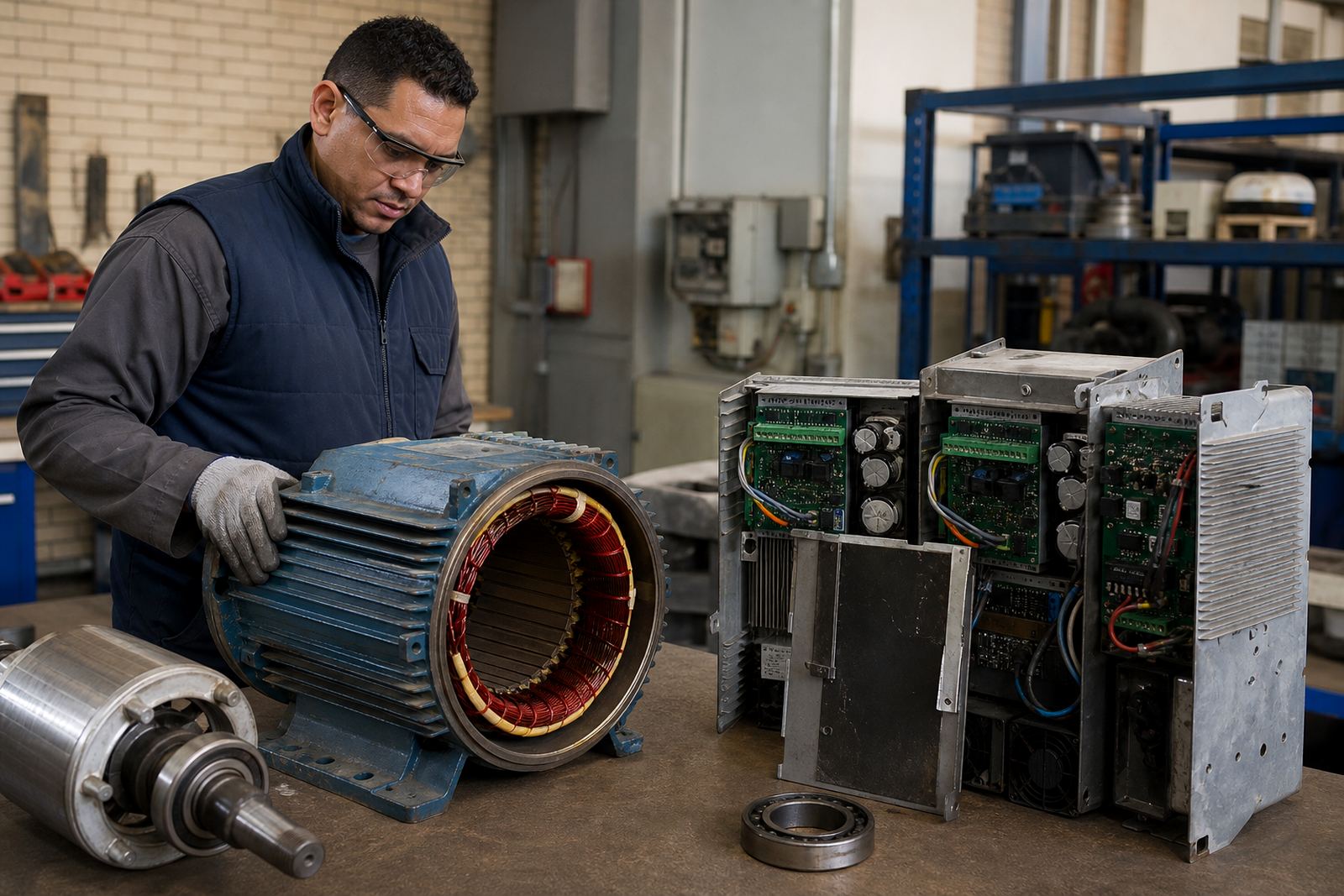
- Electric motor rewinding for burnt, shorted or moisture damaged windings
- Bearing checks and replacement where noise, play or heat is present
- Insulation testing to check winding condition before reuse
- Variable speed drive repair for control and power section faults
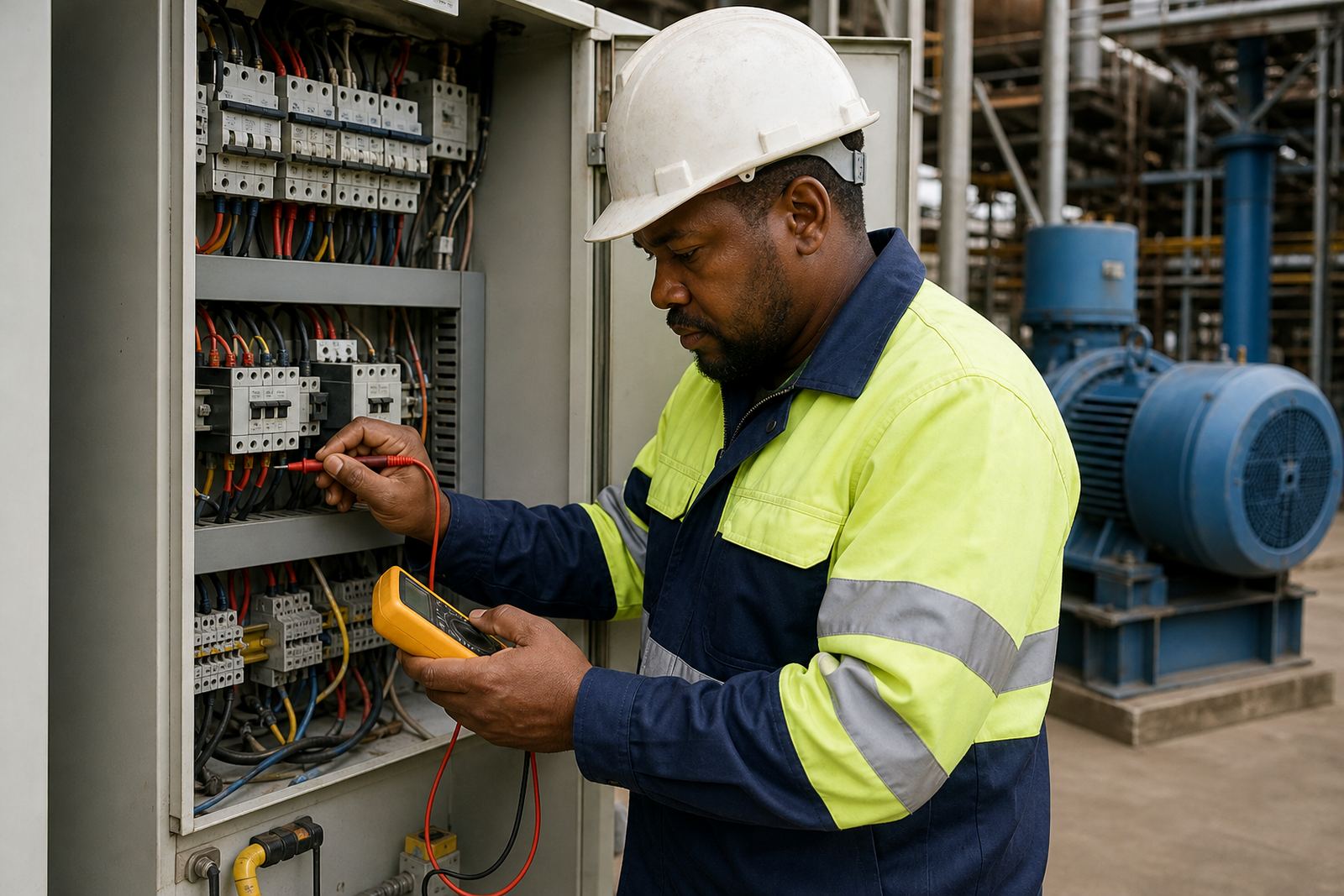
- Panel cleaning, cable checks and site reporting
- Commissioning support after reinstallation
Where a motor is still serviceable, rewinding can restore it to proper operation rather than replacing it unnecessarily. If the bearings are worn or the shaft fit has started to fail, it makes more sense to address that at the same time. It saves repeat stoppages later on.
Planning the line around repair work
Packhouses often run in short windows, with cleaning, changeovers and dispatch happening in tight blocks. That means shutdown planning matters as much as the repair itself. Before a motor or drive is removed, we look at how the line is arranged, what the motor drives and whether a spare unit can be fitted while the main unit is being repaired.
On larger sites, the best approach is to map the process from intake to dispatch. Note where water is used, where product dust settles, where cables cross walkways and where vibration is highest. These details help with alignment checks, cable routing and whether a drive or motor should be moved out of a damp area. In coastal Durban, for example, humidity and salt air can speed up corrosion, while inland sites may struggle more with dust and voltage fluctuation.
- Keep drive panels in dry, well ventilated positions
- Avoid mounting motors where washdown spray can reach terminal boxes
- Allow enough access for bearing checks and belt tensioning
- Label cables and control points before removal
- Schedule shutdowns around grading peaks and dispatch times
Common mistakes that lead to repeat faults
Many packhouse problems come back because the original fault was only partly addressed. A motor may be rewound, but if the coupling is misaligned or the bearings are left in poor condition, the unit will run hot and fail again. The same applies to drives. If a variable speed drive is replaced without checking the motor insulation, cable condition and panel cleanliness, the new unit can be damaged by the same fault.
Another mistake is skipping lockout procedures. Electrical work must be done by qualified people, with proper isolation, verification and safe re-energising. On a busy site, it is easy to want a quick restart, but a rushed reconnection can put people at risk and damage equipment. Site reporting should also be clear. If a fault was caused by water ingress, overload, blocked ventilation or poor starting conditions, that should be noted and corrected.
What Locor checks on site and in workshop
Our service approach is built around the real condition of the machine, not a one-size-fits-all fix. We start with fault finding, motor removal if needed, drive inspection and a visual check of the surrounding panel and cabling. Then we look at the details that affect long term performance, including insulation testing, bearing checks and alignment checks before commissioning support.
For packhouses with mixed equipment, this often includes pumps, wash motors, conveyors, fans and control panels. We also help with spares assessment so that your team knows what can be held on site for the next shutdown and what should be sent out for repair. It is practical work, because a packhouse cannot wait for avoidable delays when the season is moving.
- Fault Finding
- Motor Removal
- Drive Inspection
- Bearing Checks
- Insulation Testing
- Alignment Checks
- Commissioning Support
- Shutdown Planning
Budget ranges for packhouse motor and drive work
Costs depend on the size of the motor, the extent of the rewind, bearing condition, drive fault type and whether site work or workshop work is needed. A small repair may stay within a modest budget, while a larger packed line motor, a severe winding failure or a complex drive fault will sit at a higher level. It is also worth allowing for removal, reinstallation and any cable or panel corrections needed to get the system back into proper service.
As a broad working range, packhouse clients should plan for smaller diagnostic and repair jobs from a few thousand Rand, with more involved motor rewinds, drive repairs and re-commissioning work moving into the higher tens of thousands of Rand depending on the unit and scope. The most accurate way to budget is after inspection, because hidden moisture damage, damaged bearings or burnt terminals can change the picture quickly. A proper first assessment usually saves money later, even if the line is under pressure now.