

When a plastics line starts tripping or slowing down
In plastics production, a small electrical fault can stop a whole line. An extruder motor that overheats, a cooling pump that runs noisy, or a line drive that loses speed control will affect output quickly, especially where shift changes and tight delivery dates leave little room for downtime. In Germiston and the wider Gauteng industrial area, many plants run long hours and need repairs that are practical, traceable and done by people who understand motor loading, heat and vibration.
Locor works with plant teams, maintenance staff and shutdown planners to identify whether the problem sits in the motor windings, bearings, supply cabling or drive electronics. We also remind customers that all electrical work must be handled by qualified people using proper lockout procedures, test for dead steps and site controls before any inspection starts. That matters on a busy production floor where more than one machine may be tied into the same feeder or control panel.
Typical equipment found on a plastics production floor
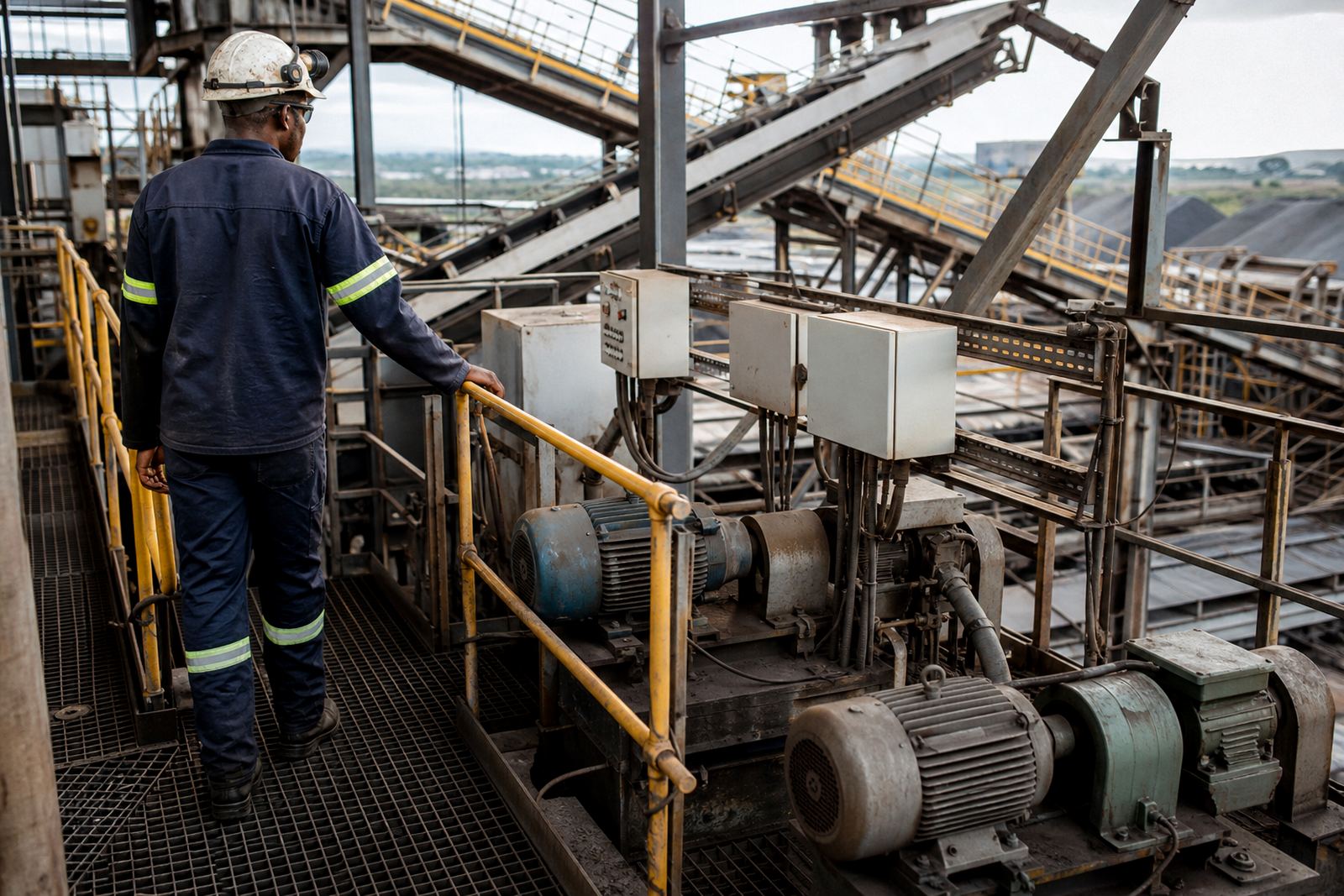
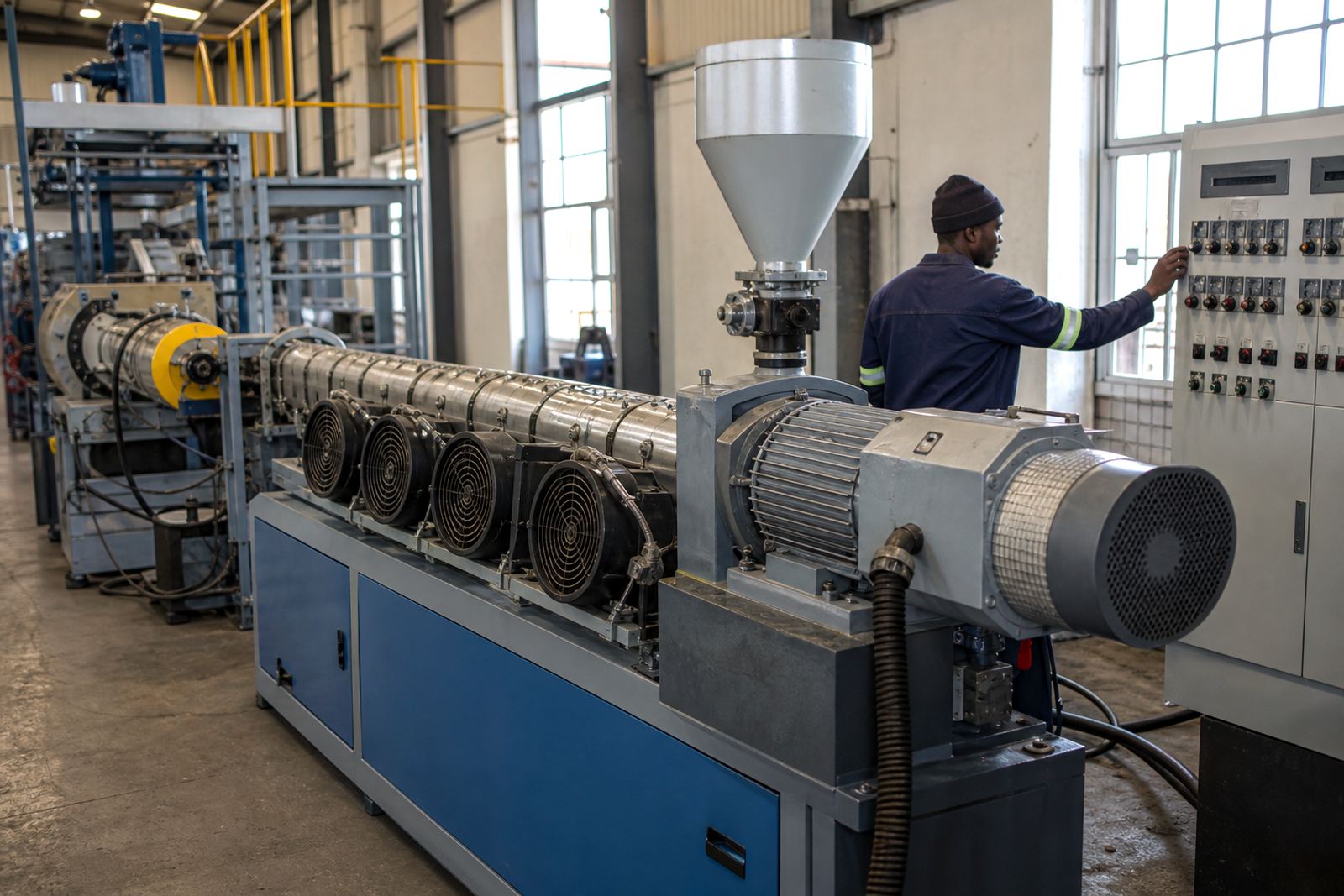
Plastics manufacturing sites usually have a mix of high-load and continuous-duty equipment. The extruder motor is often the main concern, but cooling pumps, granulators, conveyor drives and take-up systems also need attention. Some plants run older fixed-speed motors while others use variable speed drives to keep flow, pressure or belt speed in range. If one part drifts, the rest of the line can follow.
- Extruder motors on single or twin screw lines
- Cooling water pumps and circulation motors
- Conveyor and haul-off line drives
- Granulator and cutter motors
- Blower motors and auxiliary pumps
- Control panels, contactors and cable runs
We also see dust build-up, polymer fines and heat from nearby process equipment. In Durban and other humid coastal areas, moisture adds another layer of risk to terminals, bearings and insulation. In inland plants, dust and heat tend to be the bigger issue, so cleaning and inspection need to match the environment.
Rewinding and repair work that suits production duty
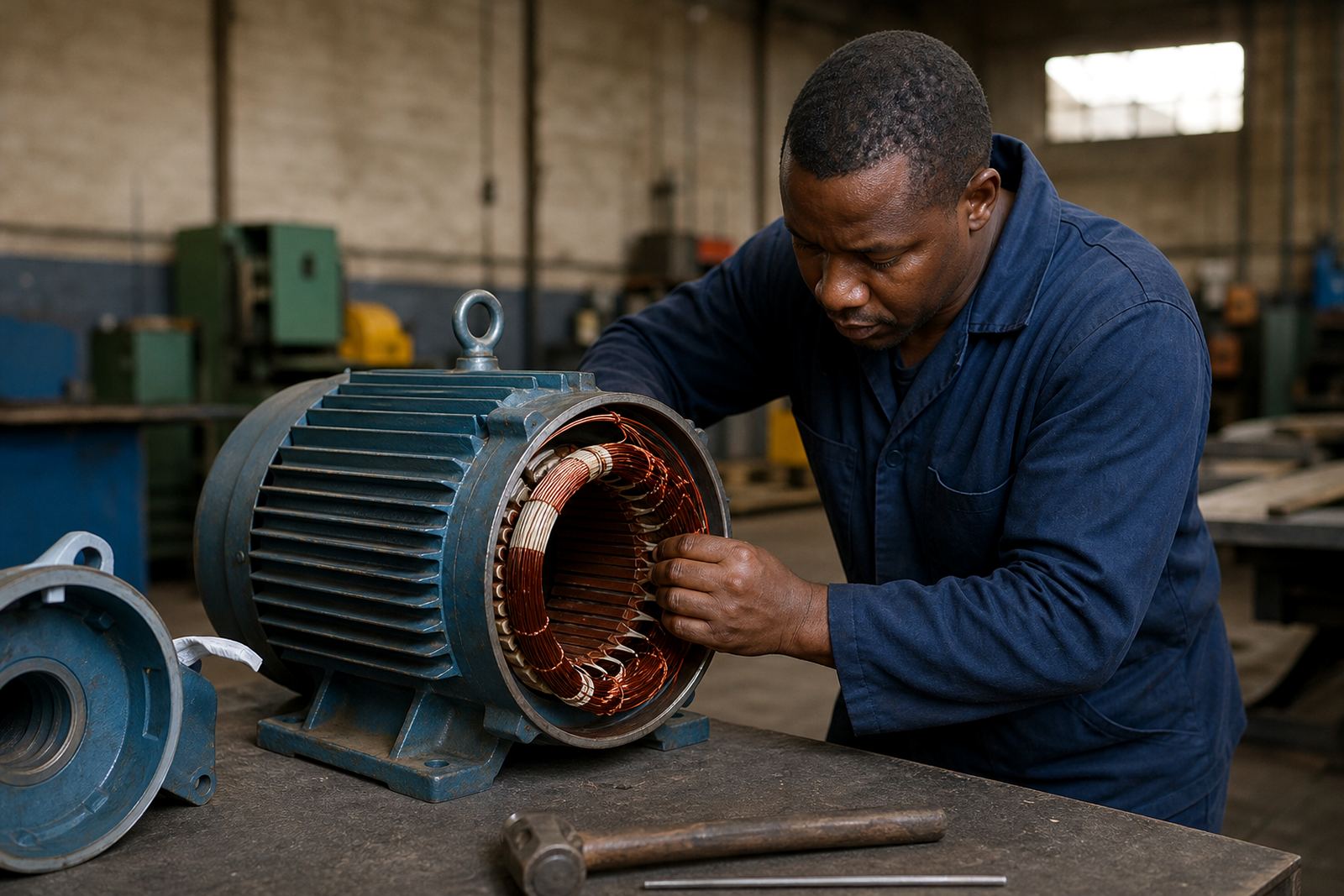
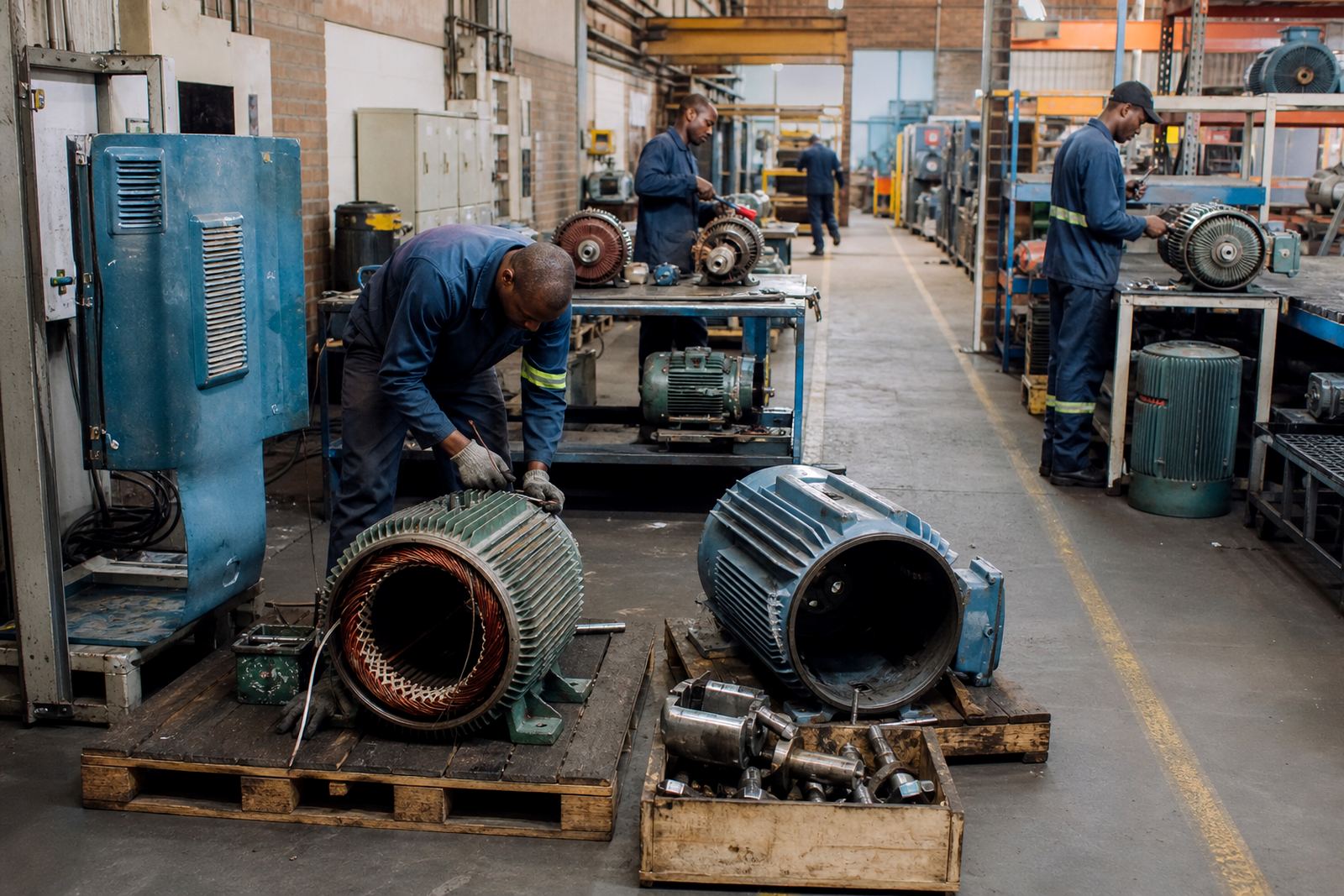
Electric motor rewinding is not just about replacing wire. The process must match the motor size, duty cycle and insulation class so it can handle repeated starts, long runs and the heat that comes with production work. A proper rewind normally includes stripping the old windings, inspecting the core, checking the rotor condition and fitting new windings with correct insulation materials and impregnation. Bearing replacement and shaft checks are part of the same conversation because a motor with a winding problem may also have vibration or premature bearing wear.
For drive repairs, the goal is to restore reliable speed control and protection functions. That can include inspection of power sections, control boards, terminals, cooling fans and internal contamination. If a drive failed after a power dip, overload or panel heat issue, the root cause should be checked before the unit goes back into service. Otherwise the same fault can return and stop the line again.
- Fault finding on the motor and drive side
- Insulation testing before and after repair
- Bearing checks and replacement where needed
- Panel cleaning and cable checks
- Site reporting for maintenance records
Layout and planning advice for busy plants
Plastics plants often work best when repairs are planned around product changeovers, weekend shutdowns or low-demand periods. If the line has no standby motor or spare drive, the maintenance plan should allow for removal, diagnosis and reinstallation without pushing the team into last-minute decisions. That includes space for lifting gear, safe access to panels and a clean area for inspection and testing.
A simple layout review can prevent repeat faults. Motors placed too close to heat sources, panels with poor airflow, or cable routes exposed to washdown and moving parts will all shorten service life. For sites in Ekurhuleni, Pretoria, Vereeniging and Boksburg, we often suggest checking the motor base, alignment and cooling path at the same time as the electrical repair. If the pump is out of line or the coupling is worn, the new motor will still run under strain.
Where a plant uses multiple extruders, it helps to label feeds, record drive settings and note which motor serves which process stage. That makes commissioning smoother after a repair and reduces the chance of connecting the wrong cable or starting with the wrong parameter set.
Common mistakes that cause repeat failures
Many plastics plants lose time because the original fault is only partly addressed. A motor may be rewound, but the cooling fan, terminal box or cable gland is left in poor condition. A drive may be swapped, but the panel remains dirty and hot. These are the kinds of details that turn a repair into a short-term fix instead of a proper return to service.
- Skipping insulation testing before re-energising equipment
- Ignoring bearing noise, heat or shaft play
- Running a drive in a hot panel with blocked airflow
- Restarting without checking motor alignment and coupling condition
- Leaving dust, oil or polymer residue inside the panel
- Bypassing lockout steps to save time
It is also common to blame the motor when the actual issue is supply quality, loose terminations or an overloaded process. Load shedding, voltage dips and unstable site power can all affect drive performance, so the electrical side and the process side need to be checked together.
Budget ranges and what affects the final cost
Repair budgets for plastics production work depend on motor size, the level of damage, whether bearings need replacement and how much drive hardware must be tested or replaced. A smaller motor repair will sit very differently from a large extruder motor rewind or a complex variable speed drive repair. Transport, removal and reinstallation also matter if the unit has to come from a workshop line or a hard-to-reach production bay.
As a practical guide, plant teams should budget in bands and leave room for inspection after strip-down. A basic motor fault finding visit may be a modest cost, while rewinding a larger motor with bearing replacement and insulation testing will be higher. Drive repairs can range from component-level work to full unit replacement if the damage is extensive. The most useful budget approach is to set aside funds for diagnosis, the repair itself and commissioning support, since plastics production does not benefit from guesswork. We also advise allowing a contingency for panel cleaning, cable checks and alignment checks if the site has had repeated failures or harsh conditions.
For plants across Johannesburg, Kempton Park, Pretoria and Durban, the smartest spend is often the one that addresses the cause not just the symptom. A careful repair now can save a line from stopping again next week.