

Keeping Mining Equipment Moving When Production Cannot Wait
In mining, a failed motor or drive can stop more than one line at a time. A conveyor can back up ore, a pump can affect dewatering, and a ventilation fan can create an immediate safety issue. That is why maintenance teams need support that is practical, fast and based on proper fault finding rather than guesswork.
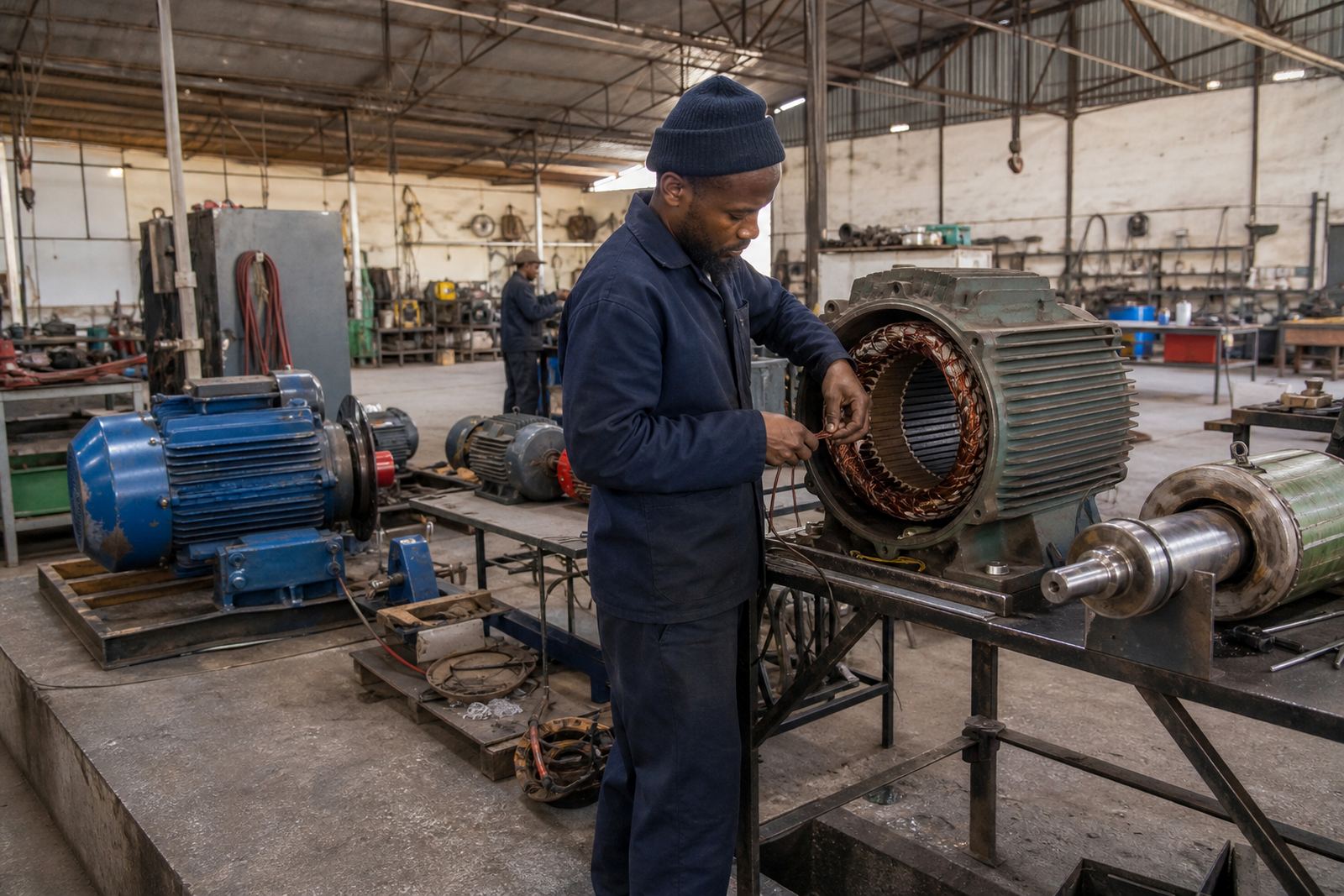
We work with plants and workshops that need electric motor rewinding and variable speed drive repair on equipment used in hard conditions. Dust, heat, vibration and moisture all shorten component life. On some sites the issue is electrical, on others it starts with alignment, bearing wear or poor cooling. We look at the full chain, not just the part that stopped turning.
Electrical work must be done by qualified people only, with correct lockout procedures before any inspection, removal or testing. That protects your team and helps prevent more damage while the fault is being traced.
Common Mining Plant Equipment We Service
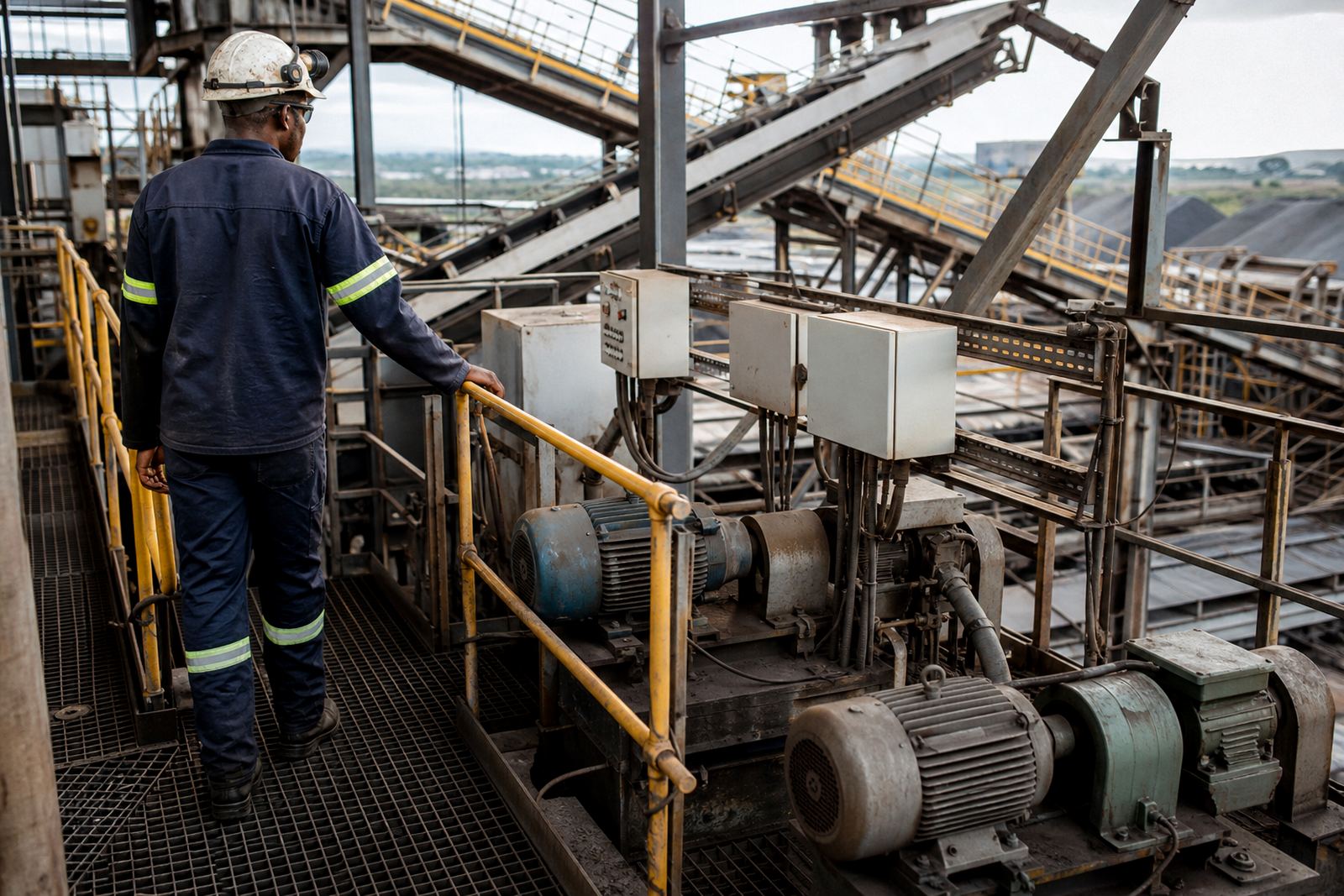
Mining operations in Gauteng, the Free State, KZN and surrounding areas often run a mix of standard and heavy duty rotating equipment. The exact size and load varies, but the repair principles stay the same: check the winding condition, examine the bearings, test insulation and confirm the drive is matching the motor and application properly.
- Conveyor drive motors and tail-end motors
- Slurry and process pumps
- Crusher and feeder drives
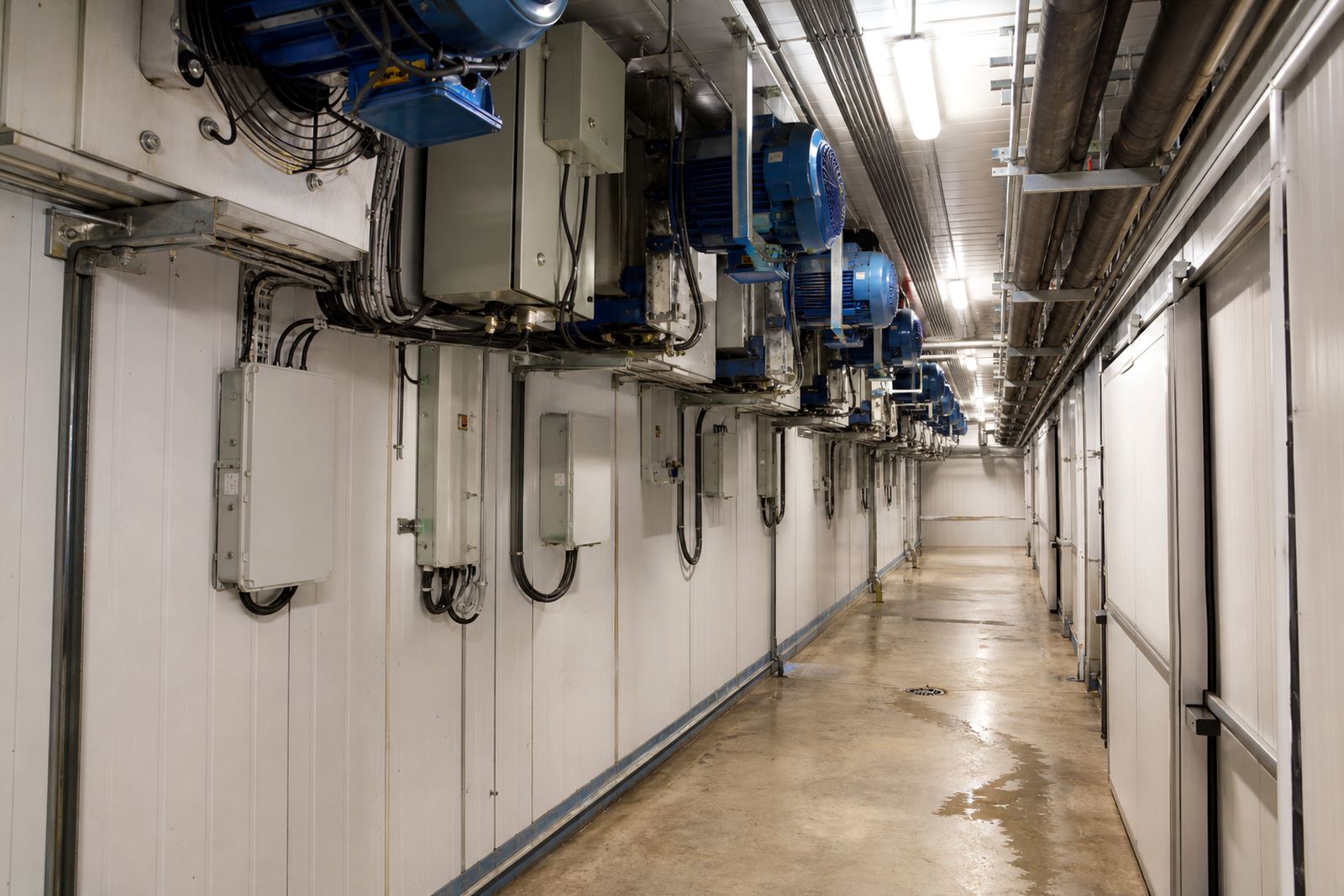
- Ventilation fans and extractor systems
- Hoists, mixers and transfer equipment
- Variable speed drives for speed control and soft start duties
We also assist with panels, cable checks, site reporting and commissioning support after repairs. In older plants, the real issue is often a mix of ageing components and a small fault that keeps tripping the same line. A cracked terminal, loose cable lug or contaminated panel can cause repeated downtime, so it pays to inspect the whole set-up properly.
How We Approach Rewinding And Drive Faults On Site
Where possible we start with fault finding at site so the maintenance team has a clear picture before equipment is removed. That may include drive inspection, insulation testing, bearing checks, alignment checks and basic panel cleaning. If the motor needs workshop attention, we coordinate motor removal and then assess whether rewinding, bearing replacement or further repairs are needed.
For variable speed drives, the process usually includes checking the incoming supply, cable condition, control signals, cooling, internal contamination and any fault history available from the unit. A drive can fail because of heat, dust, loose terminations or upstream supply problems, not only because the drive itself is faulty. In mining plants this matters, because the same issue can return if the root cause is not corrected.
After repairs, commissioning support helps confirm the motor or drive is behaving correctly under load. That might involve speed checks, run tests, rotation verification and making sure the installation is ready for normal production, not just for a quick restart.
Planning A Shutdown Without Creating New Problems
Shutdown planning is often where mining sites save the most time. If the work is not mapped properly, equipment may arrive at the workshop with missing data, spare parts may be wrong, and the crew may wait for access while the line remains stopped. Good planning means knowing which motors are critical, which ones have spares, and which units can be swapped during a short stoppage.
A practical plan usually includes the following:
- List the critical motors, drives and panels by area
- Record nameplate data, cable sizes and mounting details
- Confirm lifting access, storage space and safe removal points
- Check whether spares are already on hand or need sourcing
- Allow time for alignment, tests and re commissioning
In some plants the biggest delay comes from poor access around the machine. If a motor sits in a tight bay or above a sump, the removal method needs to be thought through before the shutdown starts. A small amount of planning can save a full day of extra downtime, maybe more.
Typical Mistakes That Lead To Repeat Failures
Repeated failures are often caused by simple issues being ignored. A motor may be rewound correctly but still fail if the bearings are poor, the coupling is out of line or the fan cover is blocked with dust and debris. Drives can also fail again if the supply is unstable or the cabinet is not kept clean and dry.
Common mistakes we see in mining plants include using a motor beyond its duty rating, allowing moisture into storage motors, skipping insulation testing after repair, and reconnecting equipment before all lockout steps are complete. We also find cases where a drive is replaced but the cable or control circuit that caused the fault is never checked. That is why site reporting and basic spares assessment matter, even for smaller jobs.
It is also worth remembering that coastal humidity in places like Durban can affect stored motors and panel parts, while dust and vibration inland can loosen connections over time. The environment matters, and the repair plan should reflect that rather than treat every site the same.
Budget Ranges For Mining Plant Repair Work
Repair budgets depend on motor size, access, damage level and whether parts such as bearings, windings or drive components need replacement. A basic inspection or fault finding visit is far less than a full rewind and rebuild, while a drive repair with damaged power electronics will sit in a different range again. We do not give fixed prices without first understanding the equipment and the fault.
As a broad guide, plants often budget in bands rather than exact figures. Smaller inspection and testing work may sit in the low thousands of Rand, while motor rewinds, bearing work and more complex drive repairs can move into higher ranges depending on the unit and the site conditions. If lifting, removal, alignment or after-hours support is involved, that also affects cost. For this reason it helps to group work by area and by urgency, instead of sending one motor at a time with no plan.
For mining operations in Johannesburg, Ekurhuleni, Pretoria, Vereeniging, Germiston and Durban, the most cost effective approach is usually to assess several items together during one visit. That gives maintenance teams a clearer view of what is urgent and what can wait for the next shutdown.
Where Locor Supports Mining Teams
Locor is based in Germiston, Gauteng and supports mining plants and workshops across South Africa, including Boksburg, Kempton Park, Johannesburg, Ekurhuleni, Pretoria, Vereeniging and Durban. Our team works with operations managers, maintenance supervisors and site electricians who need clear reporting and dependable repair work for motors and drives.
The team is led by Sibusiso Mthembu, with support from Annelie van Wyk, Thabo Nkosi, Megan Naidoo, Johan Pretorius and Lerato Molefe. That mix of workshop, field and customer support helps keep the process organised from first enquiry through to collection, repair, testing and return to site. If your plant runs conveyors, pumps, crushers or ventilation systems, the best time to plan repairs is before the next fault becomes a stoppage.
Use the enquiry form on our contact page to start the discussion and share the equipment details, site location and fault symptoms. The more information you can give upfront, the easier it is to plan the next step properly.