

Paper converting lines need steady torque and clean control
Paper converting work puts a lot of strain on motors and drives. Rollers, slitters, unwind stands, rewind sections and handling equipment all depend on steady speed, controlled acceleration and reliable braking. When a motor starts hunting or a drive trips on overcurrent, the line can lose tension, nick the web or stop mid-run, which costs time and can waste material.
We work with the kind of equipment used in mills, converting rooms and finishing areas where paper, board and related products are moved, cut and rewound. The usual problems include worn bearings, overheated windings, dust buildup, moisture ingress and drive faults linked to unstable supply conditions. On some sites load-shedding also exposes weak capacitors, tired insulation and poor panel condition that only show up once power returns.
For paper converting the aim is not just to get a motor turning again. The real job is to restore correct speed control, safe starting and dependable operation under repeated starts and stops. That means checking the whole system, not only the part that failed.
Typical equipment on a converting floor
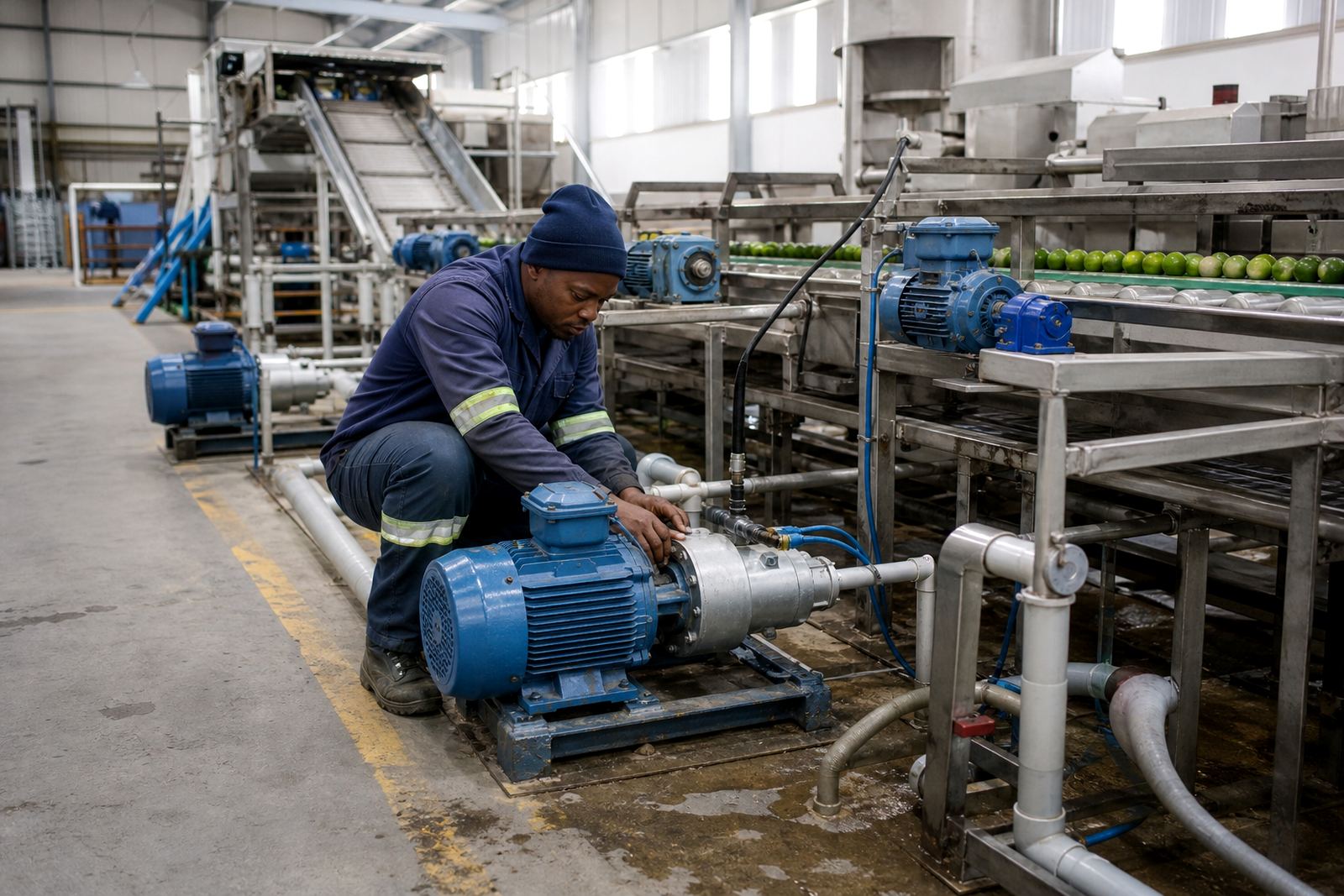
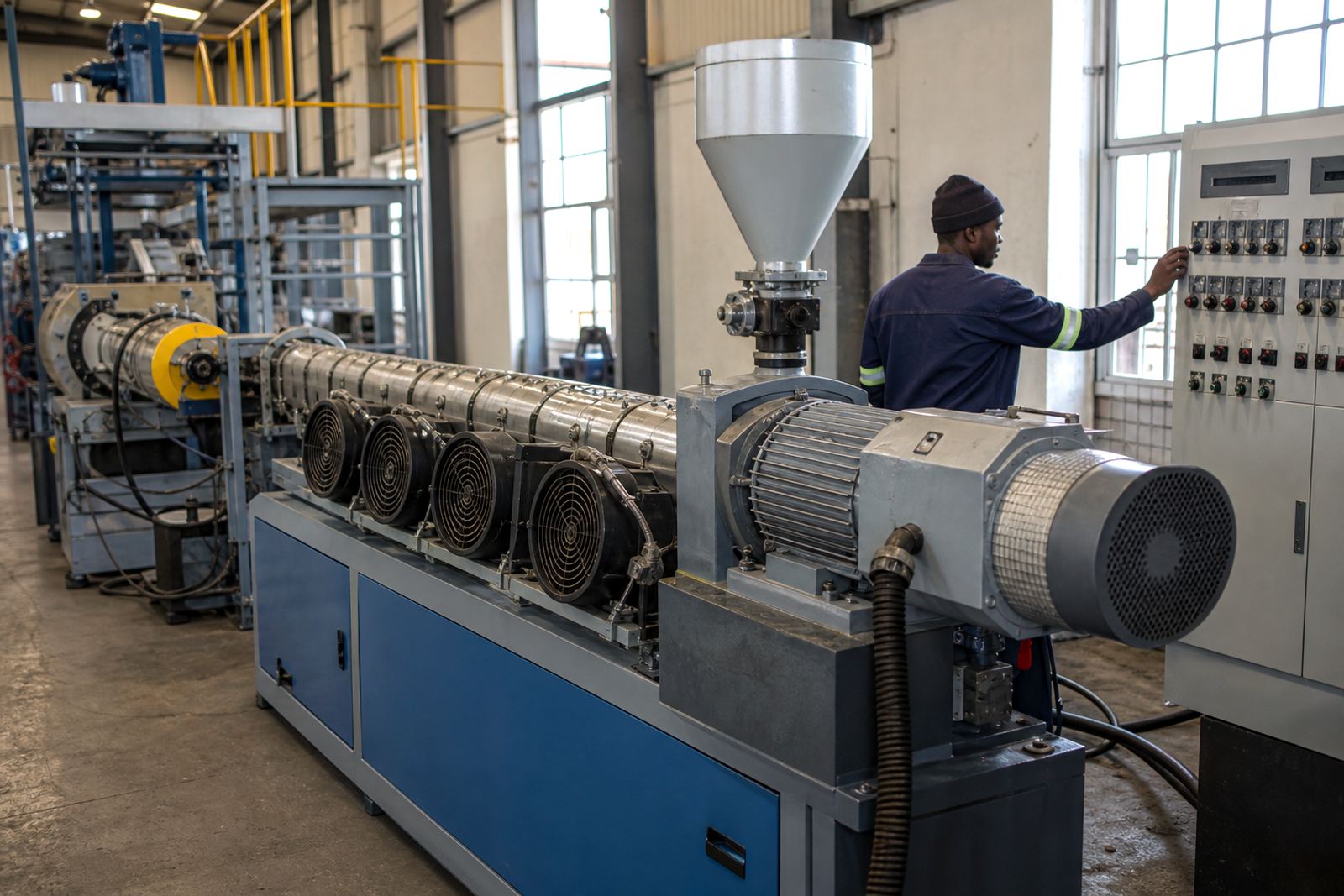
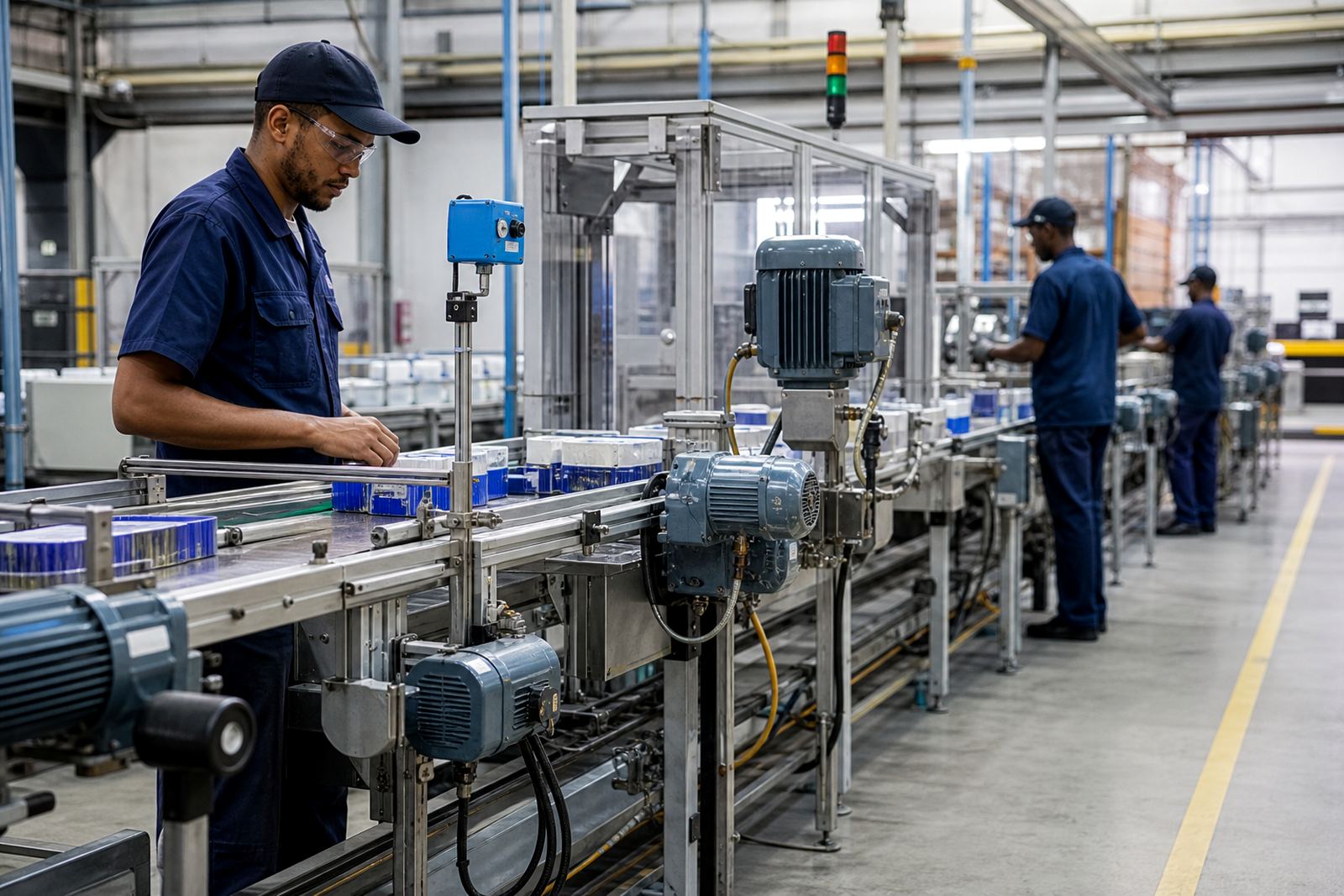
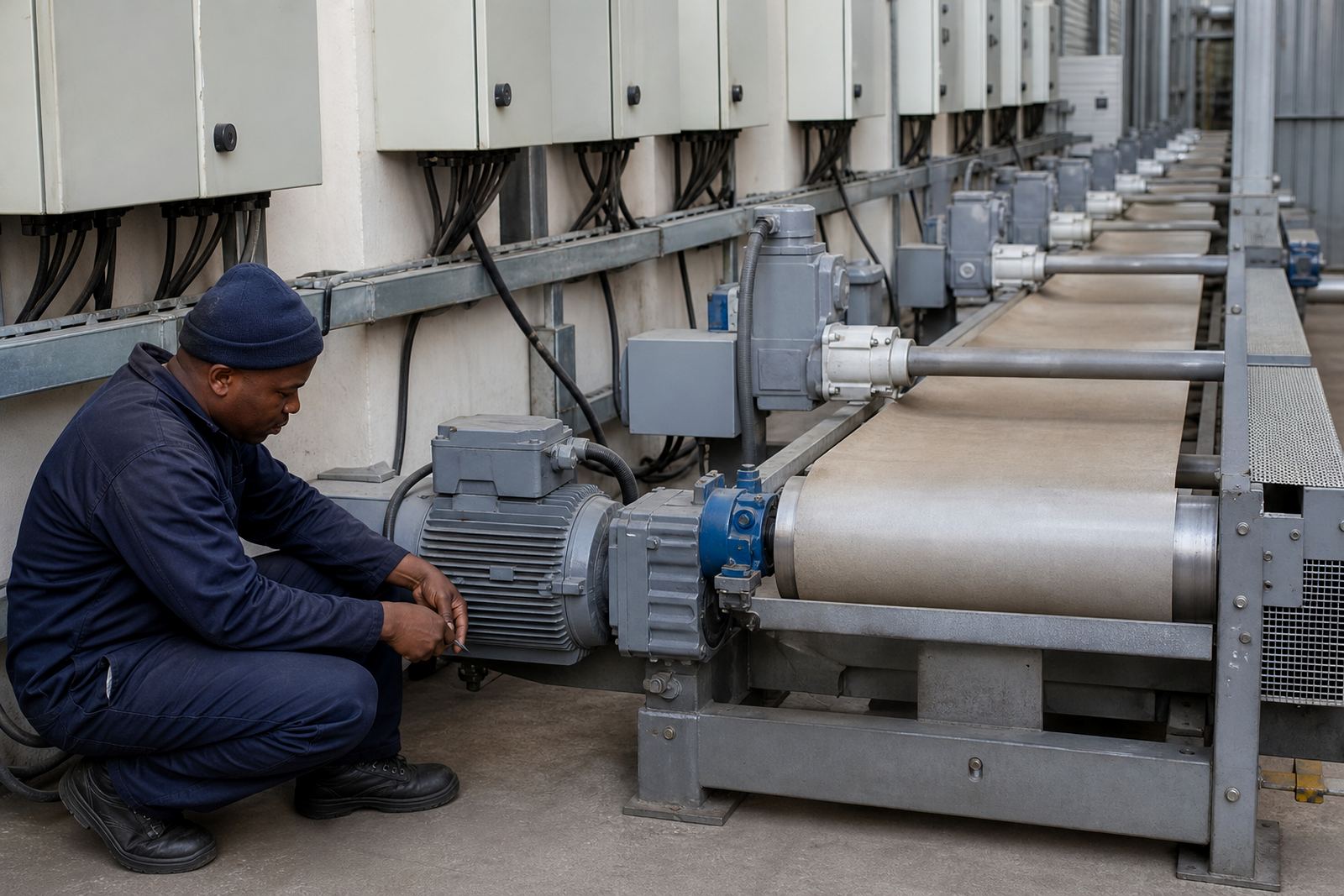
Every site is laid out a little differently, but the same groups of equipment tend to show up. We see motors driving rollers, cutters, conveyors, winders and small auxiliary machines that keep the line moving. In many plants the drive panel is close to dust, paper trim and vibration, so cleaning and cable checks matter just as much as the repair itself.
- AC motors for rollers, conveyors and rewind units
- Variable speed drives for speed matching and tension control
- Bearings and housings exposed to heat, dust or humidity
- Panels with contactors, protection devices and control wiring
- Field cabling that may need insulation testing and re-termination
In coastal or humid areas such as Durban, moisture and corrosion can shorten the life of bearings and terminal connections. In inland areas around Germiston, Boksburg, Kempton Park and Pretoria, fine dust and heat from long shifts can cause its own set of faults. We factor that into the repair and inspection work so the same failure does not come back after a few weeks.
Rewinding and drive repair done with the line in mind
Electric motor rewinding starts with fault finding, stripping and checking the damaged winding pattern. A proper rewind follows the original electrical data and takes into account insulation class, slot condition and the mechanical state of the rotor and shaft. If the bearings are noisy or there is visible shaft wear, the motor should not go back into service without correction.
Variable speed drive repair is a separate discipline. A drive may fail because of heat, contaminated boards, a weak cooling path, damaged power components or control faults from upstream equipment. We inspect the cabinet, clean it, check cable terminations and assess whether the fault is on the drive itself or in the field wiring. That saves time and avoids swapping parts blindly.
All electrical work must be handled by qualified people, with lockout procedures in place before any removal, testing or reconnection. Paper converting equipment can restart unexpectedly if isolation is poor, and that creates serious risk for technicians and operators.
- Motor removal and strip-down
- Bearing checks and replacement
- Insulation testing before and after rewind work
- Drive inspection and panel cleaning
- Commissioning support after refitment
Planning the repair around shutdown windows
Paper converting plants often work around short shutdowns and packed production schedules. Good planning matters because a rushed removal can lead to damaged couplings, missed alignment issues or a motor that goes back in without the right checks. We advise clients to stage the work so the equipment can be isolated, tagged and removed in an organised sequence.
Before a shutdown it helps to record the motor nameplate data, take photos of cable routing and note any unusual noise, vibration or overheating. If the line has more than one motor on the same section, identify which unit is the lead drive and which units support tension or transfer. That makes it easier to sequence the restart later on.
For sites in Johannesburg, Ekurhuleni and Pretoria, we often see mixed electrical rooms where old and new equipment share the same panels. In those cases, site reporting and cable checks are important because the fault may sit in a junction box, a loose gland or a damaged contact rather than in the motor itself.
Common mistakes that cause repeat breakdowns
Some failures are avoidable, but only if the full system is checked. A motor can be rewound correctly and still fail early if the bearing fit is wrong, the alignment is off or the drive parameters were never reviewed after installation. Paper converting equipment is especially sensitive to vibration and speed mismatch, so small errors can show up quickly.
Another common mistake is ignoring the condition of the panel. Dust, loose terminals and blocked cooling paths can overheat a healthy drive. It is also a mistake to reconnect a motor without testing insulation resistance first, especially after moisture exposure or a long layoff. In coastal storage areas or damp plant rooms, that test is not optional.
We also recommend checking spares early. A spare motor that has sat on a pallet for months may need bearing replacement, shaft inspection or a fresh insulation test before it can be trusted. The same applies to drive units pulled from an old line and put back into store.
Budget ranges for paper converting repair work
Repair budgets depend on motor size, winding damage, parts availability and whether the drive fault is on the power section or the control side. Smaller jobs for inspection, bearing checks and minor rewiring usually sit in a lower budget range, while full rewinds, bearing sets and more complex drive work move higher. If a site needs shutdown planning, motor removal, alignment checks and commissioning support, the total budget should reflect the labour involved as well as the component repair.
As a practical guide, many paper converting repair jobs start in the low thousands of Rand for inspection and fault finding, then rise into the mid to higher tens of thousands of Rand when rewinding, drive repair and mechanical parts are involved. Large motors, urgent callouts, difficult access or multiple units on the same line can push that higher again. We do not quote blind, because the right budget depends on what is found during assessment.
For plants in Germiston, Boksburg, Kempton Park, Vereeniging and Durban, the best approach is to plan the shutdown, list the motors and drives involved, and get the fault checked before the line stops for too long.
Working with Locor from Germiston
Locor is based in Germiston, Gauteng and supports paper converting clients across South Africa. Our team includes Sibusiso Mthembu, Annelie van Wyk, Thabo Nkosi, Megan Naidoo, Johan Pretorius and Lerato Molefe, and we handle enquiries through the form on our contact page. We support fault finding, motor removal, drive inspection, bearing checks, insulation testing, alignment checks, commissioning support, shutdown planning, spares assessment, panel cleaning, cable checks and site reporting.
Whether the issue is a tripping drive on a slitter, a noisy roller motor or a rewind job after overheating, we work to get the equipment back into service in a controlled way. The focus is on safe isolation, careful repair and practical feedback so the next shutdown is easier to manage, not harder.